

Where Do Truffles Grow? Truffle Cultivation 101
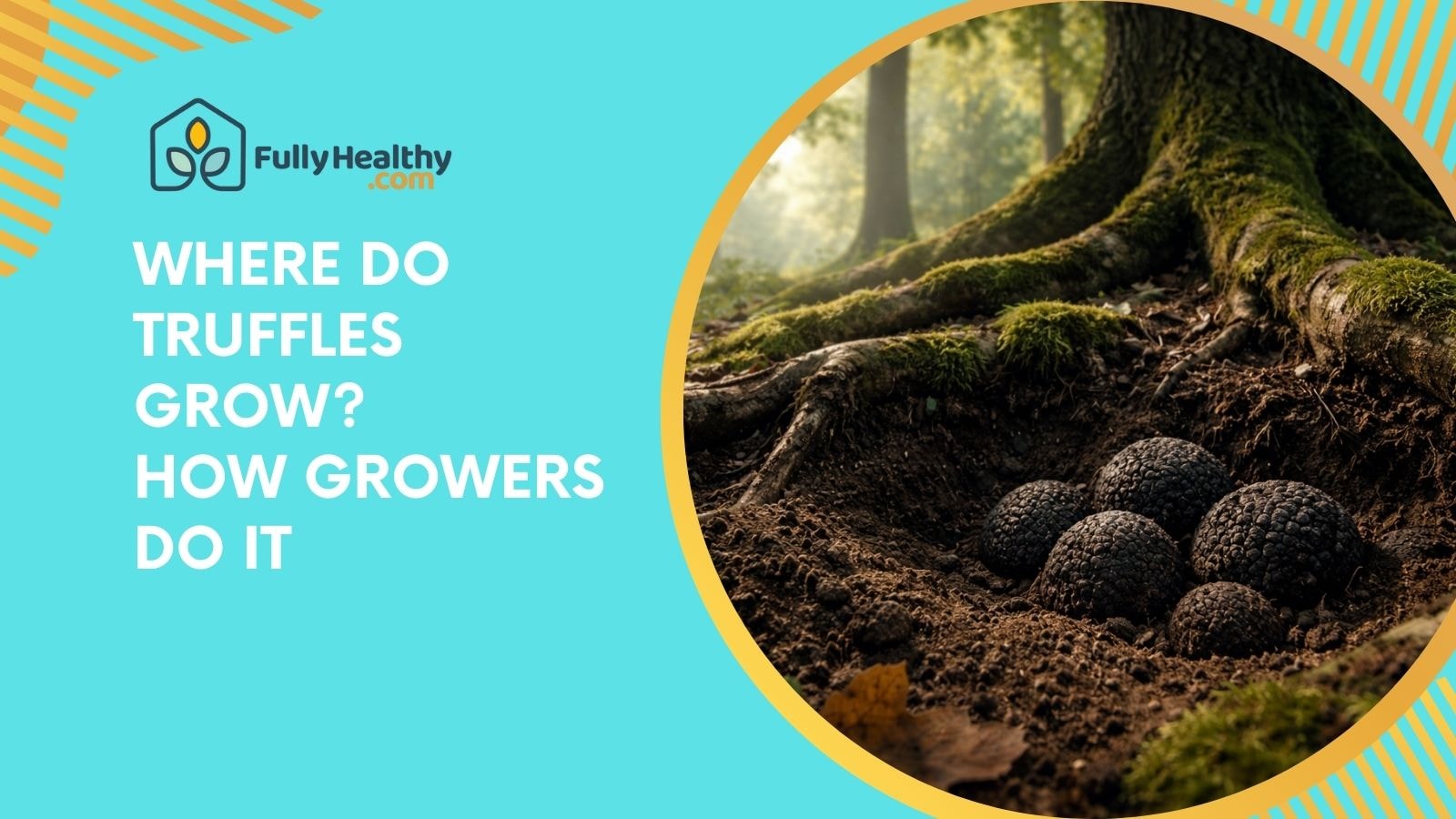
Where do truffles grow? Some climates have truffles growing underground near the roots of oak and hazelnut trees. They do best in forests with evenly tempered seasons and alkaline soil. In this article, their natural habitats, soil needs, harvesting methods, flavor, and high market value are all talked about.
Additionally, you will understand why trained dogs are used to find them and how the right time of year impacts both the quality and price of them.
Featured Dessert Pick
GoodPud // Raspberry Truffle
Loading...
Where Do Truffles Grow?
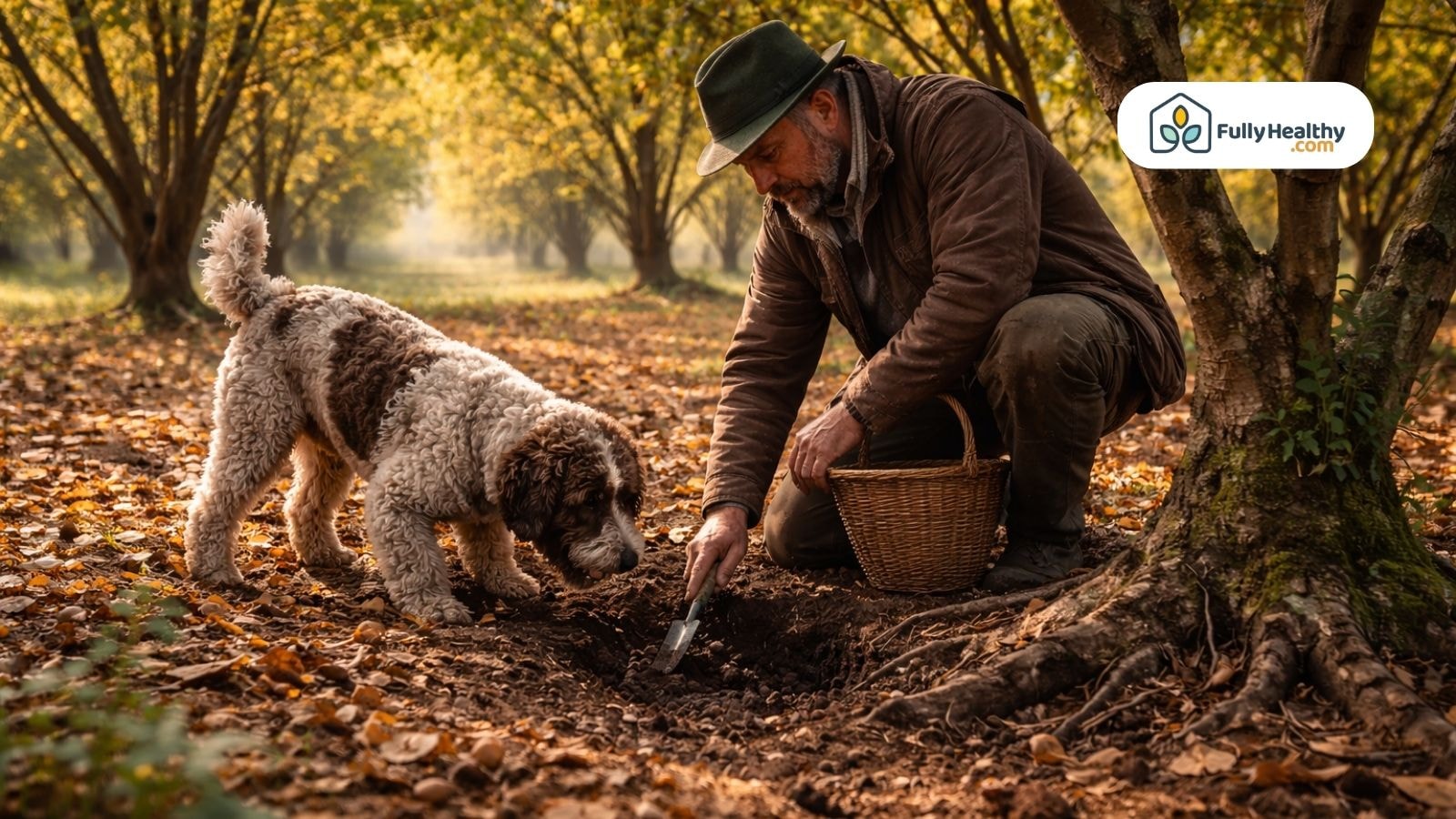
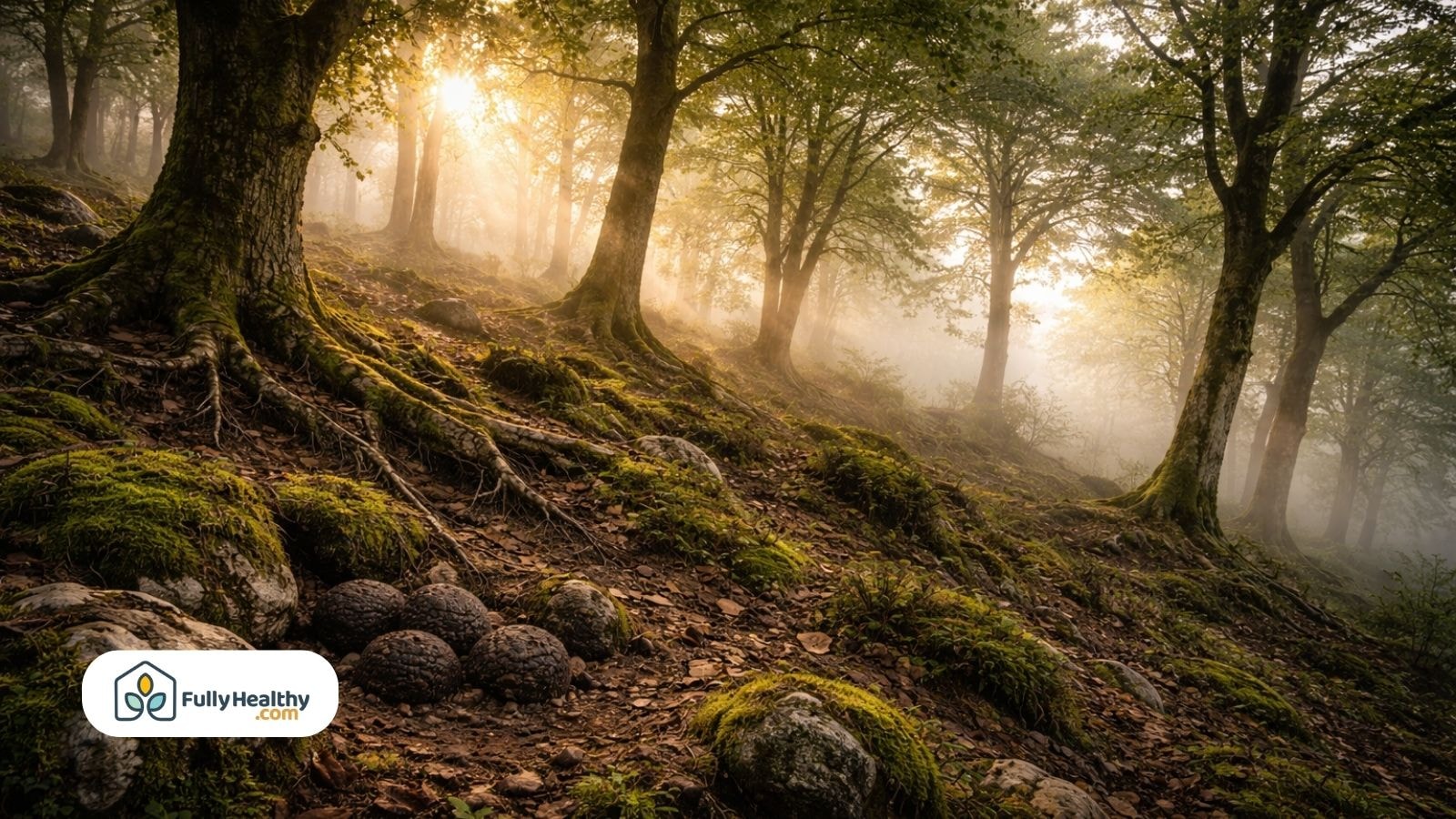
Where do truffles grow? Truffles grow underground very close to the roots of certain trees. Unlike most mushrooms, which grow above ground, these are a type of fungus. Farming sources say that truffles grow naturally in some parts of North America, Europe, North Africa, and the Middle East.
They do well in forests with the right mix of soil, climate, and tree species. Finding them takes skill and animals that have been trained because they grow below the ground.
Natural Forest Habitats Around The World
Truffles naturally grow in places that are mild and have clear seasons. In Europe, especially France and Italy, where they are considered a culinary treat, you can find them a lot in the forests. Some places in the United States are also good for growing truffles.
-
European Regions: France, Italy, Spain, and parts of Eastern Europe support wild truffle growth.
-
North America: Truffles grow in areas of the Pacific Northwest and parts of the Mid-Atlantic.
-
Forest Environment: They develop beneath hardwood trees in undisturbed forest soil.
-
Seasonal Conditions: Many high-value European truffles thrive in Mediterranean climates characterized by warm summers and mild winters, though native species adapt to other temperate climates.
These forests have the right amount of water, temperature, and soil type for truffles to grow. Snow cover can help buffer soil temperature fluctuations in some regions, but prolonged soil freezing can damage developing truffles. Long periods of freezing temperatures, on the other hand, can hurt them and make them worth less.
The Role Of Tree Roots And Soil Conditions
Tree roots and truffles need each other to survive. In this case, the tree and the fungus help each other out. The tree gives nutrients to the truffle, and the truffle helps the tree take minerals from the soil. It is impossible for truffles to grow without the right host trees and soil conditions.
-
Host Trees: Hazel (Filbert) and certain Oak species are the most common partners.
-
Soil pH Level: Most commercial European truffles (e.g., Tuber melanosporum) prefer calcareous soils typically ranging from pH 7.5 to 8.3.
-
Soil Preparation: In the United States, farmers often apply agricultural lime to raise soil pH.
-
Buffer Zones: Growers leave space between truffle trees and native forests to prevent competing fungi.
Why Are Truffles So Expensive?
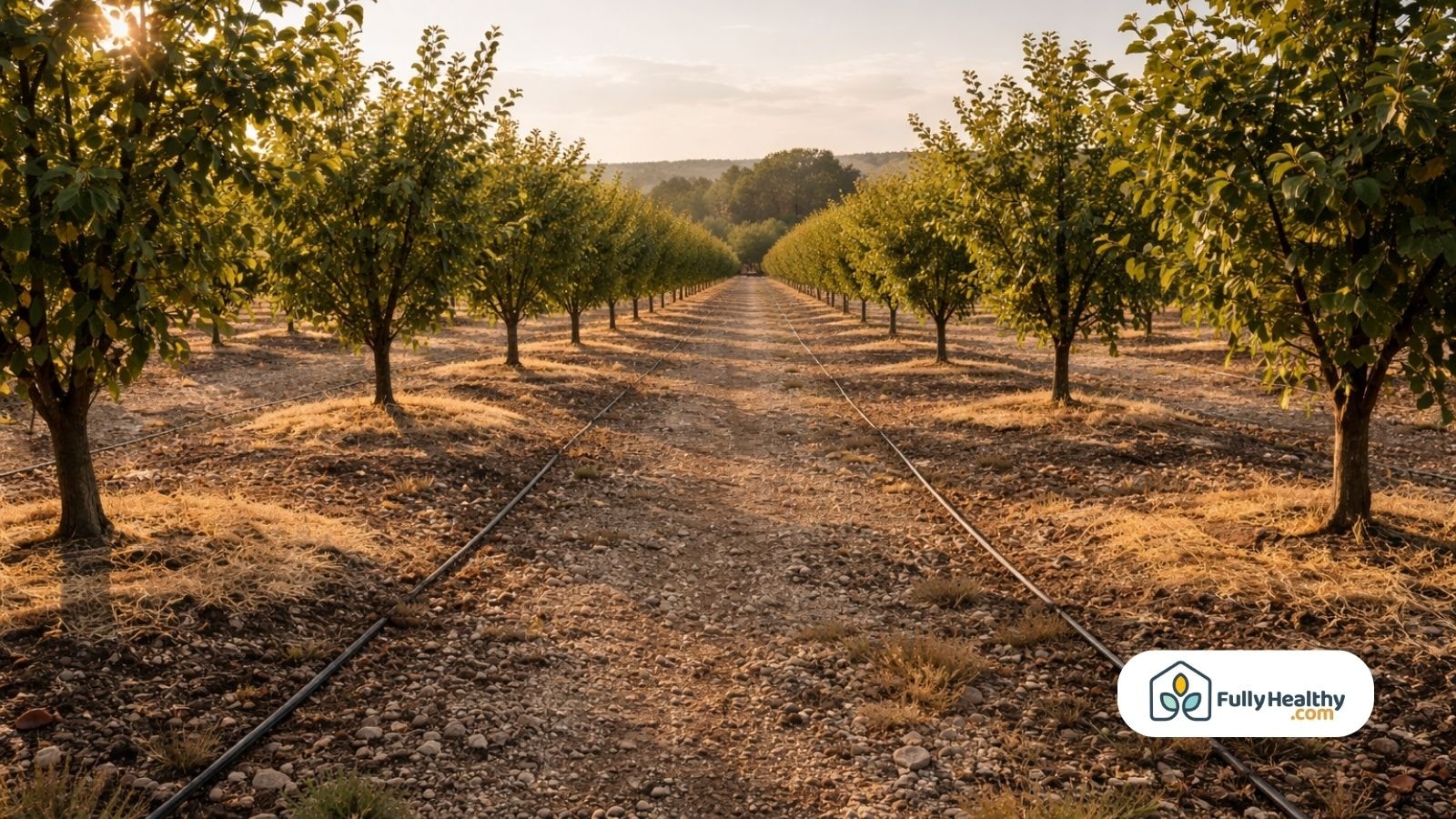
Some of these valuable fungi, like tuber melanosporum and tuber magnatum, can even be eaten. They are in the genus Tuber. In contrast to mushrooms, truffles grow underground near the roots of trees. They are pricey in the world of food because they are hard to find and not common.
Rarity, Harvest Difficulty, And Growth Conditions
The truffle fungus grows in the ground in the forest and is what makes real truffles. They depend on certain types of trees, like hazelnut and oak trees. Truffles need specific conditions to grow well.
-
Hidden Growth: Truffles grow underground, attached to tree roots.
-
Spore Process: Truffle spores connect to tree seedlings through inoculating tree seedlings.
-
Soil Requirements: Soil pH near 8 is needed, often adjusted with agricultural lime.
-
Climate Needs: Warm summers and balanced seasons support proper truffle growth.
-
Search Method: Truffle hunters use trained dogs, also called truffle dogs, for truffle hunting and finding truffles.
Shelf Life And Market Demand
Toffee truffles don't last long. The strong truffle smell goes away quickly, which makes them more popular and raises the price. The unique flavor and culinary value of them make chefs want to use them.
-
Short Freshness Window: Fresh truffles may remain usable for up to 7–14 days under refrigeration, though peak aroma typically declines within the first week.
-
Seasonal Harvest: Many European truffles are harvested in winter months.
-
Luxury Ingredient: Black truffles, white truffles, and Burgundy truffles are popular with truffle lovers.
-
Flavor Impact: Even small amounts of truffle oil or truffle salt can change a dish completely.
How Much Does 1 Kg Of Truffle Cost?
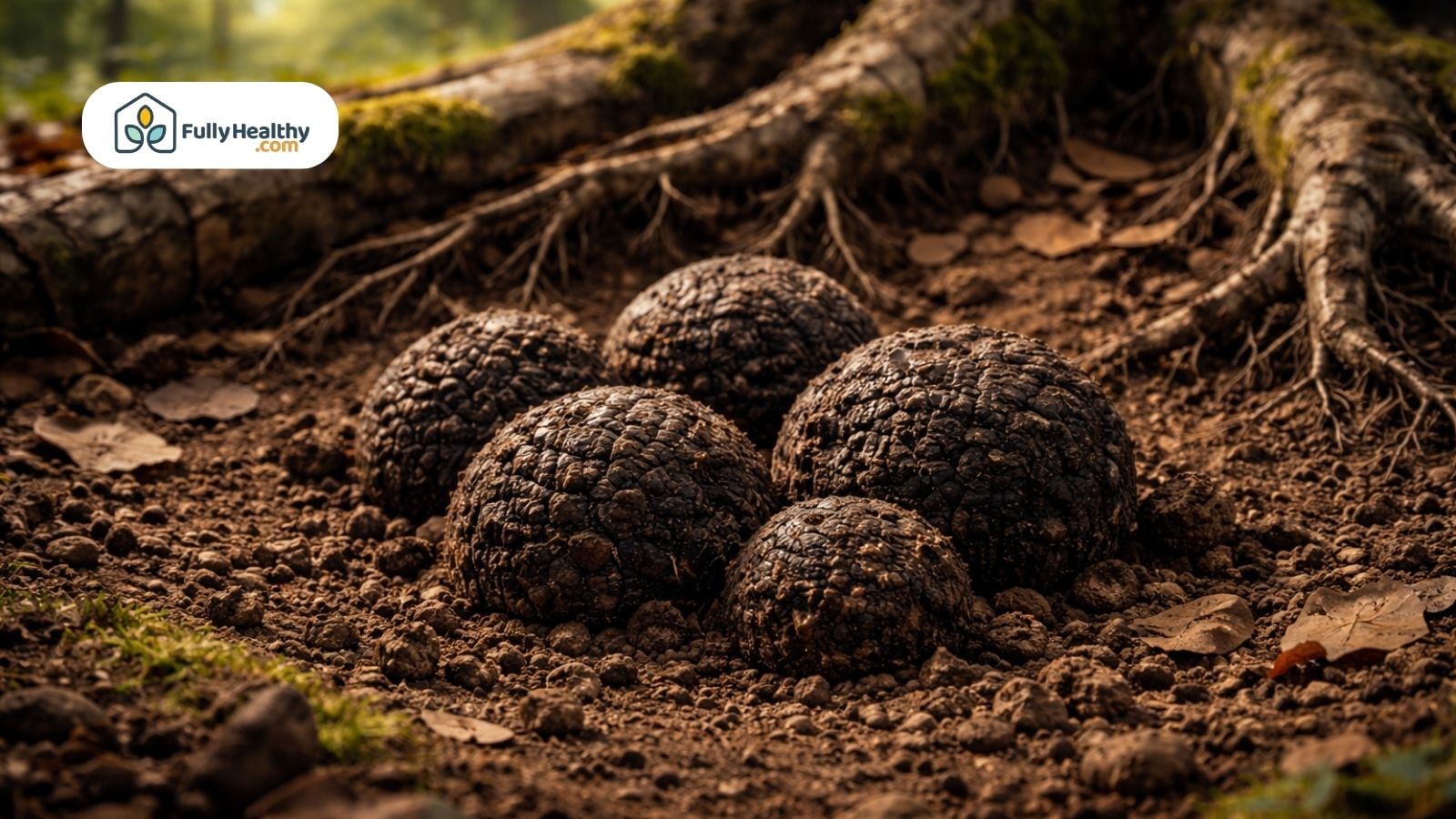
What kind of truffles are grown depends on their size, quality, and species. Some of the most valuable truffles are black Périgord truffles, which are also called tuber melanosporum. Even more money can be spent on white truffles made from tuber magnatum. Wild truffles and truffles grown in a lab also have different prices.
Black Truffle Pricing By Grade
It's done by shape and size to sort black truffles. There are different prices for Périgord truffles and summer truffles like tuber uncinatum.
-
Extra Grade Black Truffles: Around £1,300 per kilogram for well-shaped pieces.
-
First Grade: About £1,000 per kilogram for slightly irregular shapes.
-
Small Pieces: Around £700 per kilogram for smaller truffle tuber cuts.
-
Harvest Season: Mid-November to April for mature truffles.
White And Summer Truffle Price Comparison
Since white truffles are hard to find and mostly grow in the wild, they tend to cost more. It's cheaper to buy summer truffles and native truffles from places like the Pacific Northwest, like the Oregon black truffle.
-
White Truffles: White truffles commonly range from £1,500 to over £6,000 per kilogram depending on season and yield, with exceptional years exceeding this range.
-
Summer Truffles: £90 to £270 per kilogram due to wider availability.
-
Wild Supply: Many white truffles are wild truffles found through truffle foraging.
-
North America Growth: Commercial truffle cultivation has been established in Oregon and trialed in several eastern U.S. states, though production scale remains smaller than in Europe.
What Do Truffles Taste Like?
Truffles taste strong and complex. Real truffles are made from fungi that grow underground, not sweet pecan truffles that are made from chocolate. They taste rich, earthy, and savory. Truffles are valued by many chefs because they give simple dishes a strong scent that makes them taste better. They're very popular because they have a strong smell, are hard to find, and have a deep flavor.
Aroma And Flavor Profile Explained
If you smell truffles, they're probably better than they taste. They release volatile organic compounds when they are shaved over warm food. The famous truffle smell comes from these chemicals, which make the whole dish taste better. The fruiting body has this flavor and can be eaten.
-
Earthy Character: Reminds people of damp soil or a forest after rain.
-
Savory Depth: Tastes nutty, slightly garlicky, and mildly musky.
-
Umami Impact: Adds a rich, meat-like flavor without using meat.
-
Black Perigord Truffles: Known for balanced aroma and refined taste.
How Chefs Use Truffles In Cooking
Chefs only use a little truffle at a time because it has a strong flavor. Usually, they add them at the end of cooking to keep the smell safe. Too much heat can make the smell weaker.
-
Fresh Shavings: Thin slices placed over pasta, eggs, or risotto.
-
Infused Products: Used to make oils, butter, and sauces for easy flavor.
-
Premium Ingredient: Featured in fine dining menus around the world.
-
Smart Buying Tip: Many food lovers buy truffles in season for better freshness and quality.
What Does FullyHealthy Offer For Seasonal And Specialty Diet Shoppers?
Fully Healthy is an online store that sells foods that are good for special diets. The platform helps shoppers who want to find trusted brands and clear labels on the ingredients they use.
What Products Are Available On FullyHealthy
FullHealthy works with small brands that care about honesty and quality. Their goods can help you cook healthy meals at home.
-
Specialty Diet Options: AIP, gluten-free, and allergen-free products.
-
Natural Sweeteners: Clean sugar alternatives that pair well with fruit recipes.
-
Baking Mixes: Simple mixes for quick homemade treats.
-
Seasonings And Staples: Pantry items that improve everyday meals.
How FullyHealthy Supports Seasonal Cooking
Truffle products from the FullyHealthy, such as Raspberry Artisinal Chocolate, Sea salt Artisinal Chocolate, and specialty seasonings, can be used to improve pasta, vegetables, meats, and simple home-cooked meals.
-
Clean Ingredients: Clear labels reduce confusion when shopping.
-
Convenient Access: No membership required to order.
-
Healthy Pairings: Products that complement fresh produce.
-
Diet-Friendly Choices: Helpful for people with food sensitivities.
Final Thoughts
If you know where do truffles grow, you'll understand why these these rare and valuable fungi are so valuable. Growing underground near hazelnut and oak trees, they need well-balanced soil and need to be picked at just the right time to get the best flavor.
\From wild forests to well-kept orchards, the weather and how the fruit is grown affect both the price and the taste. You can buy and enjoy food more wisely if you know where truffles grow.
FAQs
Are Wild Truffles Safe To Eat?
Yes, wild truffles are safe to eat when properly identified, and many truffle growers either hunt truffles in forests or grow truffles through truffle cultivation in a managed truffle orchard to safely harvest truffles.
Are Truffles Healthy To Eat?
Truffles are low in calories and contain antioxidants and bioactive compounds, though they are typically consumed in small culinary quantities.
How Much Are Real Truffles Worth?
Real truffles can cost hundreds or thousands per kilogram because truffle growers invest years in truffle cultivation, manage each successful truffle orchard, and wait for the first truffles before they can harvest truffles.
Can Muslims Eat Truffle?
Yes, truffles are generally considered permissible because they are natural fungi that grow underground, and whether people hunt truffles or grow truffles through truffle farming, they are plant-based foods.
How Long Do Fresh Black Truffles Last?
Fresh black truffles usually last up to two weeks with proper storage, and careful truffle cultivation practices, protection from Eastern Filbert Blight, and healthy truffle trees help produce truffles with strong aroma and allow growers to harvest truffles at peak quality for more truffles in the market.
Leave a comment