

Where Does Himalayan Pink Salt Come From? The Real Story Behind Its Pink Color
Where does Himalayan pink salt come from? It is mined from ancient salt deposits in Pakistan’s Salt Range, especially the Khewra Salt Mine. The crystals formed after old seas dried up millions of years ago.
Their pink color comes from tiny amounts of minerals, mainly iron. Despite popular claims, pink salt is not much healthier than regular salt. This guide explains its origin, benefits, risks, safe daily use, how to spot fakes, and where to find trusted products for sale.
Where Does Himalayan Pink Salt Come From?
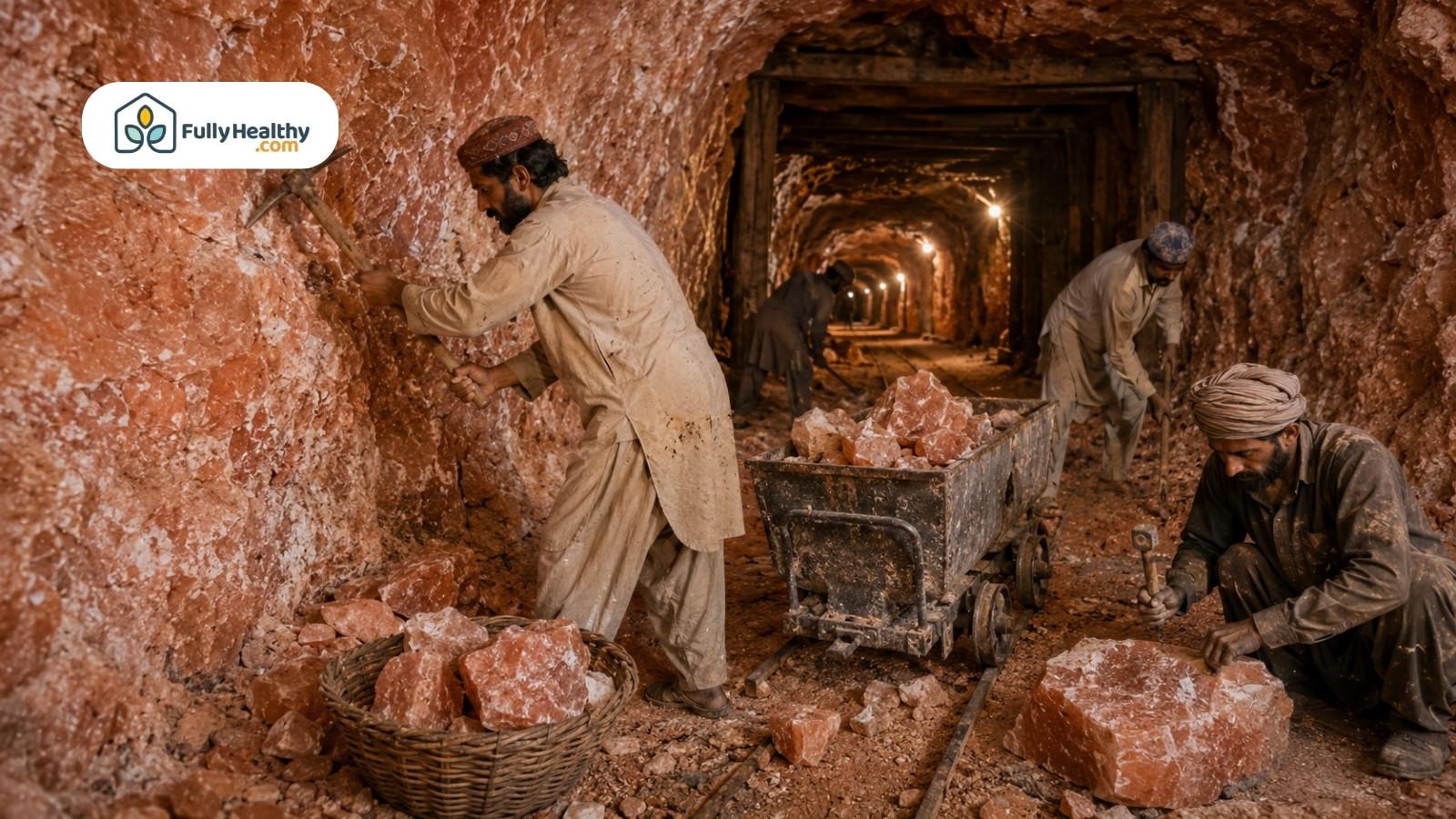
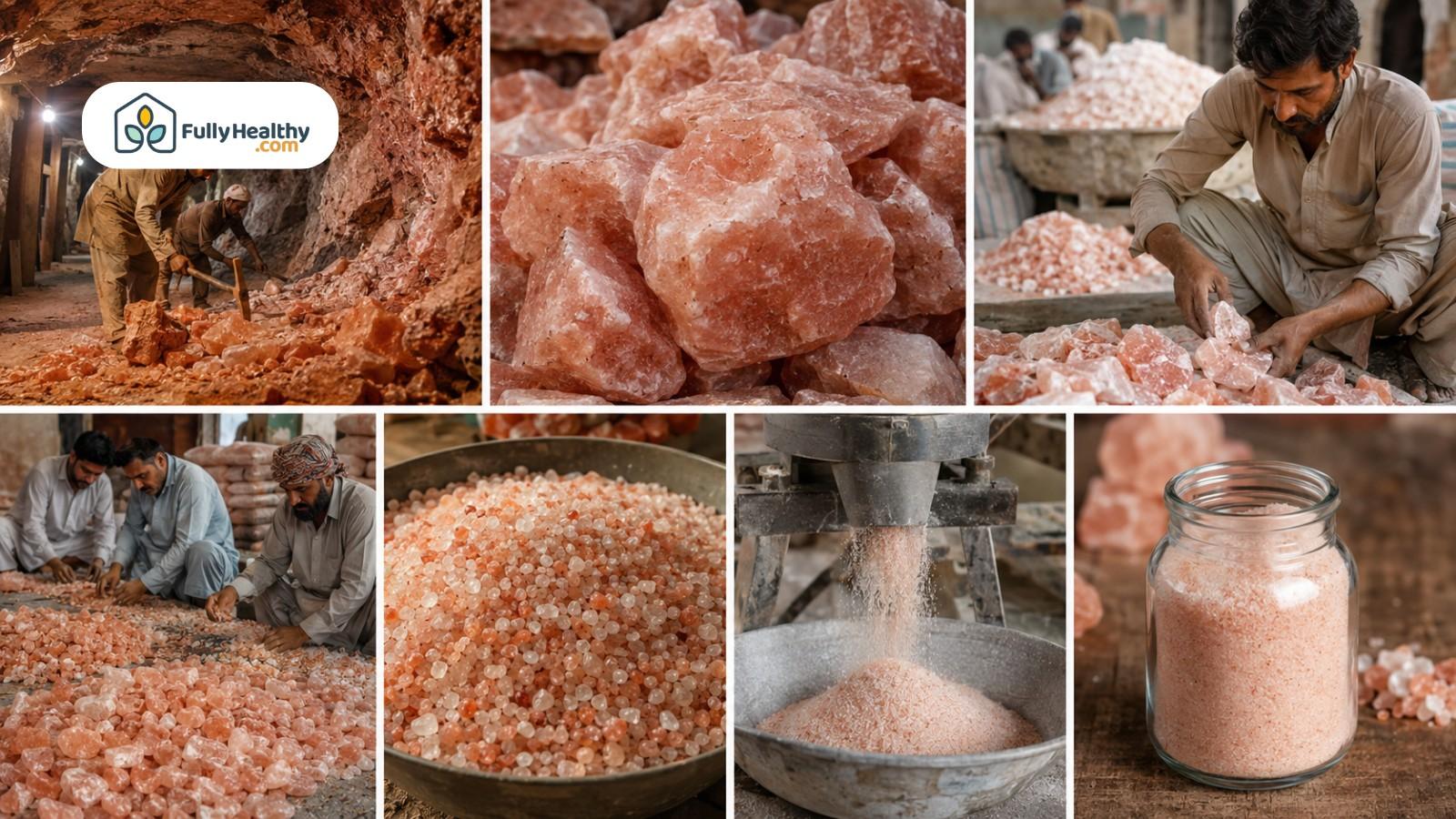
Himalayan pink salt comes from ancient rock salt deposits in Pakistan’s Punjab region, mainly from the Khewra Salt Mine. Although its name suggests that it comes directly from the Himalayan Mountains, it is actually mined from the nearby Salt Range. These deposits formed hundreds of millions of years ago when ancient seas dried up and left behind thick layers of salt crystals.
Why Does Himalayan Pink Salt Come From Pakistan Instead of the Himalayan Mountains?
The name can be misleading because the mines are near the Himalayan foothills, not inside the high mountain range. The Khewra Salt Mine is the best-known source of pink Himalayan sea salt. It is also a major tourist attraction and supplies Himalayan sea salt to many other countries.
-
Main Source: Most commercial Himalayan salt comes from the Khewra Salt Mine in Pakistan’s Punjab region.
-
Natural Color: Iron oxide and other mineral impurities give the salt its distinctive pink hue.
-
Global Supply: The salt is exported to other countries for cooking, decorative items, and personal care products.
-
Common Uses: It is used as seasoning, bath salts, salt lamps, and in some spa treatments.
How Did Ancient Seas Create Himalayan Pink Salt Deposits?
The salt formed when ancient inland seas evaporated hundreds of millions of years ago. Over time, sediment covered the salt, while pressure and movement in the earth turned it into solid rock salt. This process helped protect the salt crystals for millions of years.
-
Natural Formation: Evaporated seawater left large underground deposits of salt.
-
Geological Pressure: Layers of rock and earth compressed the salt into solid formations.
-
Brief History: A popular story connects the mine to Alexander the Great, although the salt deposits are much older than ancient Egypt.
-
Mining Method: Room-and-pillar mining is often used to remove salt while keeping underground tunnels stable.
Is Himalayan Pink Salt Better Than Regular Salt?

Many people believe Himalayan salt offers various health benefits, but scientific evidence is limited. Both Himalayan salt and regular table salt are mostly sodium chloride. Himalayan salt contains trace minerals, yet the amounts are too small to provide major health benefits during normal use.
Does Himalayan Pink Salt Contain Enough Minerals to Improve Health?
The mineral content includes tiny amounts of iron, calcium, magnesium, and potassium. Iron oxide helps create the pink color, but these minerals do not appear in large enough amounts to improve health or well being.
-
Trace Minerals: The salt contains small amounts of several minerals.
-
Limited Nutrition: These minerals are not enough to replace healthy foods.
-
Health Claims: Claims about major health improvements are not supported by strong evidence.
-
Best Approach: Get essential minerals from a balanced diet instead of relying on salt.
Why Is Iodized Table Salt Still an Important Choice?
Regular table salt is often fortified with iodine, which supports normal thyroid function. Many Himalayan salt products do not contain enough iodine. Replacing iodized salt completely may reduce iodine intake unless you get it from other foods.
-
Iodine Support: Iodized salt can help prevent iodine deficiency.
-
Similar Sodium: Himalayan salt and table salt contain similar amounts of sodium by weight.
-
Blood Pressure: Too much sodium from any type of salt can raise blood pressure.
-
Flavor and Texture: Large grains may add flavor and a light crunch to finished dishes.
How Can You Spot Fake Himalayan Pink Salt?
Authentic Himalayan salt should clearly show Pakistan as its country of origin. Color can offer a clue, but it cannot prove authenticity. Reading the label and checking the seller is more reliable than trusting appearance or price alone.
Which Packaging and Origin Labels Help Verify Authentic Himalayan Pink Salt?
Clear product information can help buyers avoid poorly labeled or misleading products. Trusted brands usually provide sourcing details, ingredient lists, and manufacturer information.
-
Country of Origin: Look for Pakistan on the label.
-
Clear Packaging: Choose products with complete nutrition and manufacturer details.
-
Simple Ingredients: Pure Himalayan salt should not contain unnecessary colors or fillers.
-
Reliable Seller: Buy from established stores with clear return and contact policies.
Can Color, Texture, or Price Prove Himalayan Pink Salt Is Real?
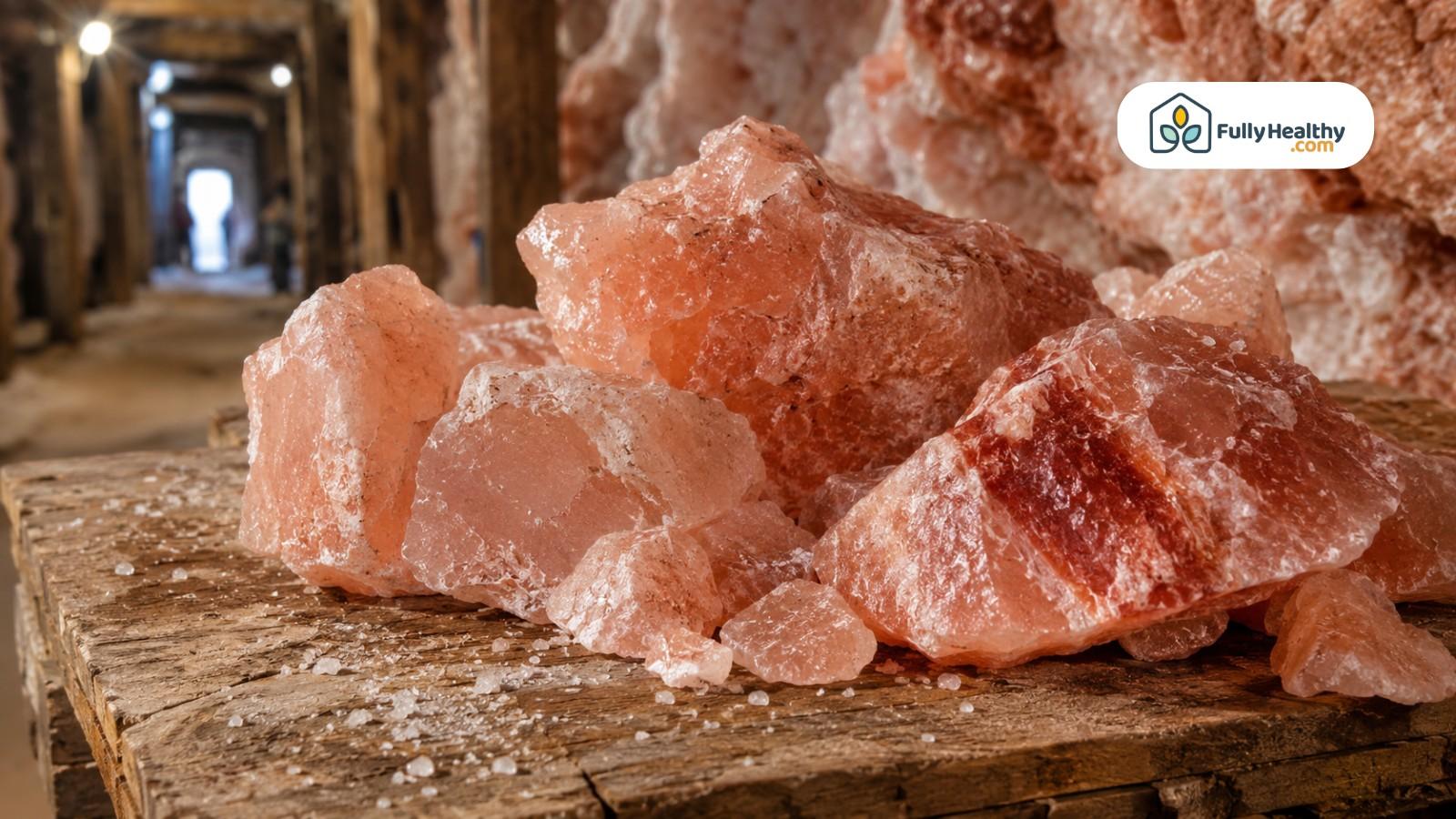
Natural Himalayan salt can range from pale pink to darker red shades because mineral impurities differ between deposits. Color, crystal size, and price should not be used as the only proof of authenticity.
-
Color Variation: Real salt does not always have the same shade of pink.
-
Texture Differences: Authentic products may come as fine powder or large grains.
-
Price Limits: A high price does not always guarantee quality or genuine origin.
-
Marketing Caution: Claims that salt lamps release negative ions, improve air quality, or provide health benefits remain unproven.
How Much Pink Himalayan Salt Is Safe to Consume Daily?
Himalayan pink salt should be used in moderation because it contains sodium, just like other salts. Although some people promote its potential benefits, eating too much can still affect your health. Focus on your total daily sodium intake instead of assuming one type of salt is healthier.
How Much Himalayan Pink Salt Fits Within Daily Sodium Recommendations?
There is no separate daily limit for Himalayan salt. Whether the salt is mined from Pakistan or elsewhere, it still adds to your sodium intake. Use it mainly to improve taste rather than adding large amounts to food or a drink.
-
Daily Limit: Follow sodium guidance from trusted health organizations.
-
Total Intake: Count sodium from packaged foods, sauces, snacks, and restaurant meals.
-
Serving Size: Check the nutrition label because crystal size can change how much sodium fits in a teaspoon.
-
Moderation: Use only enough salt to add flavor without exceeding your daily limit.
Who Should Be More Careful About Eating Himalayan Pink Salt?
Some people need to monitor sodium more closely. Himalayan salt is promoted for many reasons, but there is no strong evidence that it is safer than regular salt for people with medical conditions.
-
Heart Health: People with high blood pressure or heart disease should follow their healthcare provider’s advice.
-
Kidney Health: People with kidney disease may need to follow stricter sodium limits.
-
Balanced Diet: Healthy foods provide more value than using salt for medicinal purposes.
-
Professional Advice: Ask a doctor or dietitian about the right sodium intake for your needs.
How Can FullyHealthy Help You Find Himalayan Pink Salt Products?
FullyHealthy offers specialty foods made with Himalayan salt. Its product pages make it easier to compare ingredients and dietary labels before buying. This helps shoppers choose products that match their needs and preferences.
Which Himalayan Pink Salt Products Can You Buy From FullyHealthy?
FullyHealthy carries three products that use Himalayan salt in different ways. The options include one seasoning blend and two ready-to-eat snacks.
-
Paleo Powder Seasoning: This blend combines Himalayan salt with spices to add taste to meats, vegetables, and other meals.
-
Himalayan Sunrise: This snack contains popped water lily seeds, avocado oil, turmeric, and Himalayan salt.
-
EPIC Pork Rinds: These oven-baked pork rinds use pink Himalayan salt and sea salt for a savory flavor.
-
Easy Comparison: Each product page lists ingredients, helping shoppers compare their options before buying.
Which FullyHealthy Product Best Fits Your Lifestyle?
The right choice depends on how you plan to use the product. Home cooks may prefer the seasoning blend, while snack lovers may choose the water lily seeds or pork rinds.
-
For Cooking: Choose Paleo Powder when you need an easy seasoning for everyday meals.
-
For Light Snacking: Himalayan Sunrise has a short ingredient list and a crisp texture.
-
For Savory Cravings: EPIC Pork Rinds offer a crunchy option that is labeled paleo-friendly.
-
Before Buying: Review the ingredients and nutrition details to see whether the product fits your diet.
Final Thoughts
Himalayan pink salt is valued for its natural color, unique flavor, and fascinating history, but its biggest strength is its origin. It comes from ancient rock salt deposits in Pakistan's Punjab province, near the Himalayas, where the salt formed through tectonic activity over hundreds of millions of years.
Although many people mistakenly associate it with India, the best-known source is the Khewra Salt Mine. The deposits were discovered centuries ago, and much of the salt is still hand harvested using traditional mining methods.
While global demand continues to grow, it is still important to use Himalayan pink salt in moderation and choose products from trusted sources that clearly identify their origin.
FAQs
Where is Himalayan pink salt actually mined?
Himalayan pink salt is mined in Pakistan's Punjab province near the Himalayas, not in India.
How was Himalayan pink salt formed?
The deposits formed through ancient tectonic activity before they were discovered and later mined for commercial use.
Is Himalayan pink salt still hand harvested today?
Yes, much of the salt is still hand harvested using traditional mining methods in Pakistan.
Why do many people think Himalayan pink salt comes from India?
The name Himalayas causes confusion, but the famous salt deposits are located in Pakistan's Punjab province, not India.
Why is there growing demand for Himalayan pink salt?
Global demand continues to increase because many people enjoy its natural appearance, flavor, and long history, even though it should still be used in moderation.
Leave a comment