

Where Does Pepper Come From? From Vine to Your Kitchen
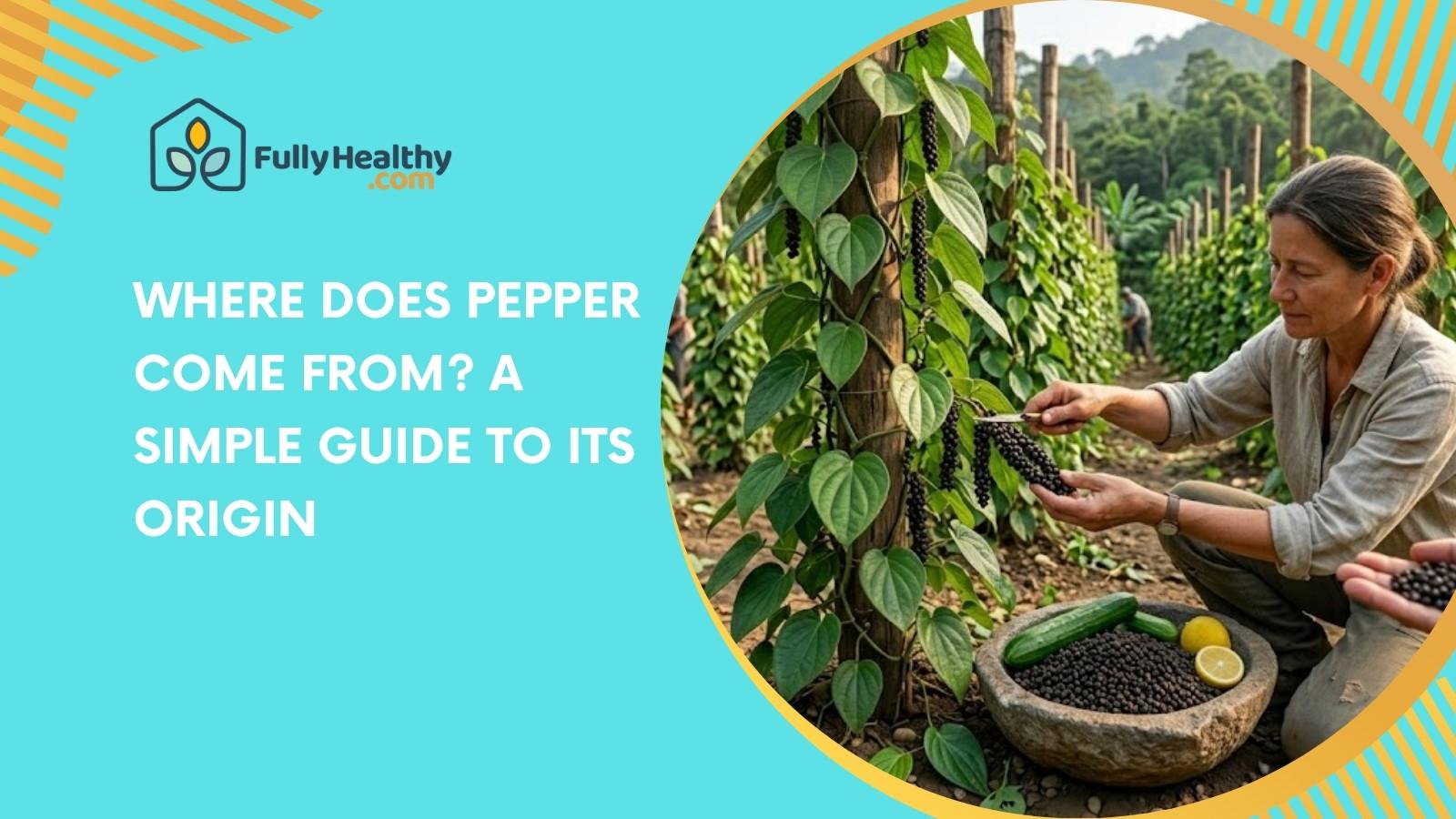
Where does pepper come from? It comes from the Piper nigrum plant, a tropical vine first grown in India. The small berries on this plant are dried to make peppercorns.
Black, white, and green pepper are all made using different methods. Pepper has been used in different ways for a long time, even though it looks simple. Learn where it comes from, how it's made, and what it really is in this guide.
Featured Spice Pick
Simply Organic // Black Pepper - 4 oz
Loading...
Where Does Pepper Come From?
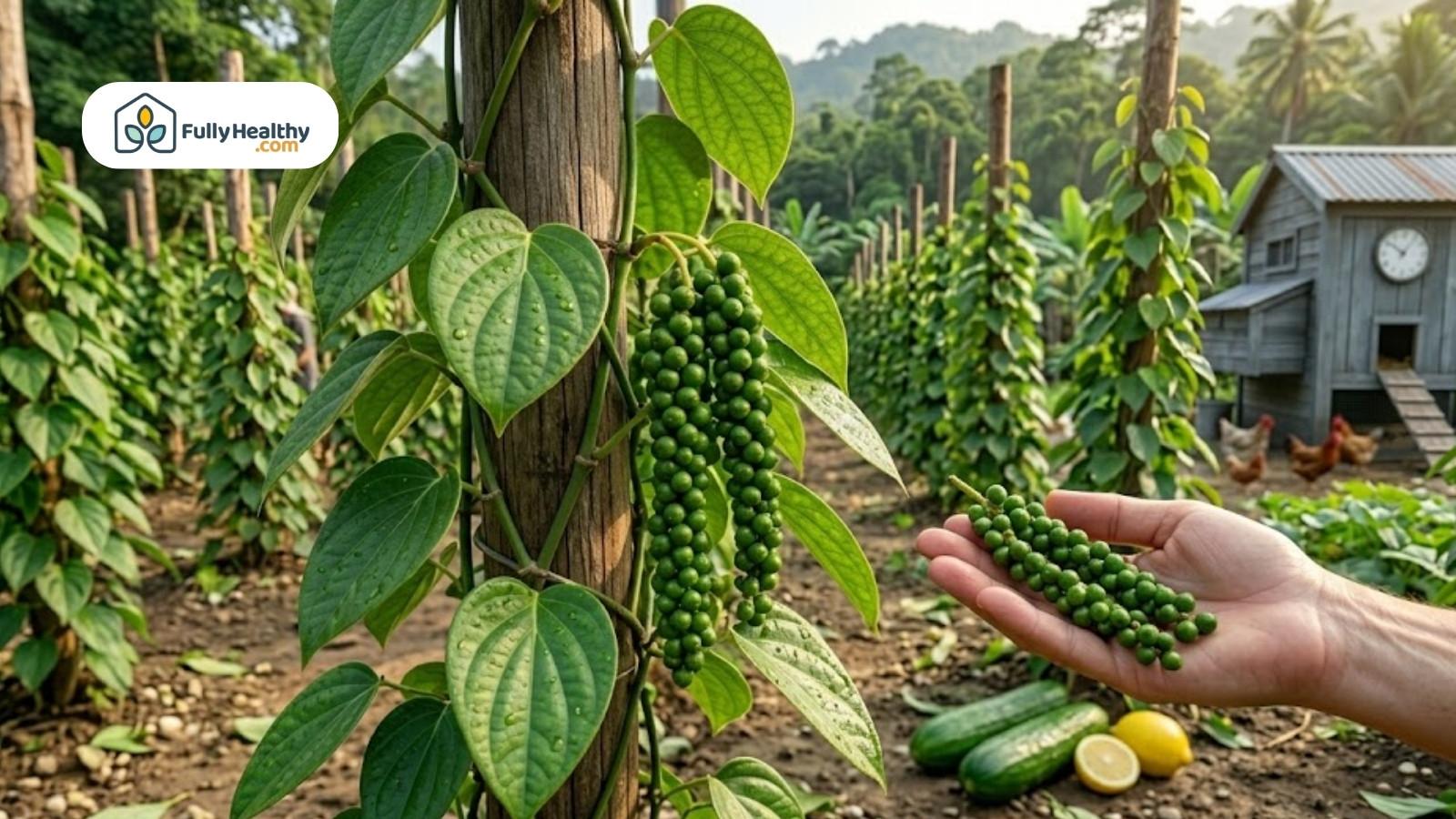
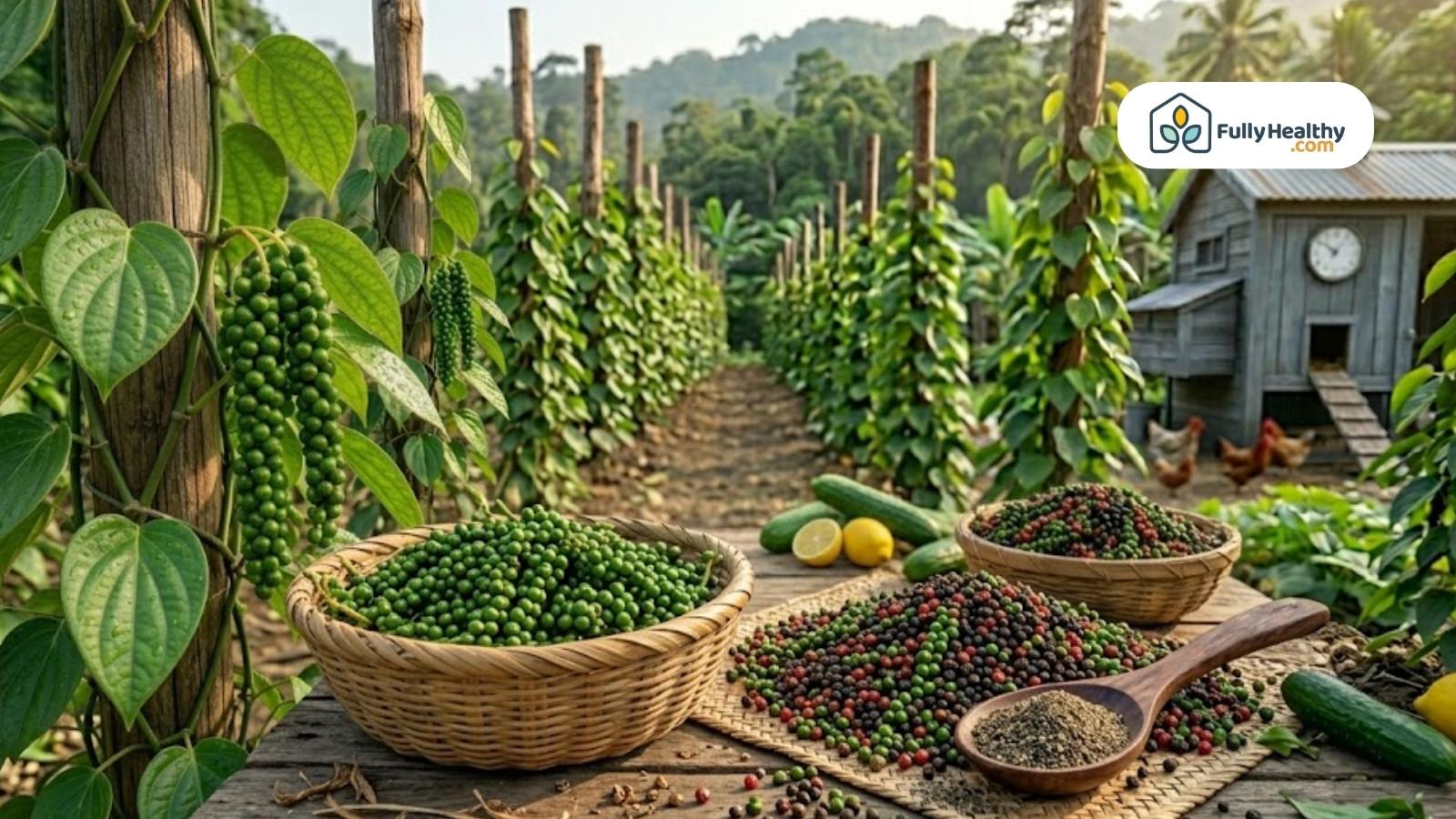
Piper nigrum is the name of the flowering vine that pepper comes from. Piper nigrum is native to the Malabar Coast of India and is now cultivated in several humid tropical regions, especially in India, Vietnam, Indonesia, Brazil, and Sri Lanka. The pepper plant makes small berries that are ground up and used as a spice every day. Pepper fruits grow in clusters (spikes), and pepper played a major role in historical regional and global spice trade.
What Plant Produces Pepper And Where Is It Grown?
The black pepper plant is a woody vine that climbs and does best where it is warm and humid. It grows best in the shade, with rain, and with help. Farmers pick the berries at different stages depending on what kind of pepper they want to make.
-
Origin: Native to the Malabar Coast, but now grown in nearly every tropical region like Sri Lanka and beyond.
-
Growth Style: Pepper grows as a flowering vine that climbs trees or poles for support.
-
Fruit Type: The plant produces pepper berries, also called unripe fruits or ripe fruits based on when they are picked.
-
Trade Importance: Pepper has historically been one of the most commercially important spices in international trade.
Is Pepper A Fruit, Spice, Or Something Else?
Peppercorns are dried fruit, not nuts. Each berry has an outer fruit and a seed inside, which gives pepper its strong taste and essential oils.
-
Classification: Pepper berries are small drupes, meaning fleshy fruits with a thin outer layer surrounding a single seed.
-
Structure: The outer fruit holds pepper’s aromatics, while the inner naked seed gives heat.
-
Storage Tip: Keep whole peppercorns in dark cupboards where spices live tucked to protect their flavor.
-
Usage: Ground pepper is made by crushing whole peppercorns using handheld pepper mills or standard pepper mills.
How Is Black Pepper Made?
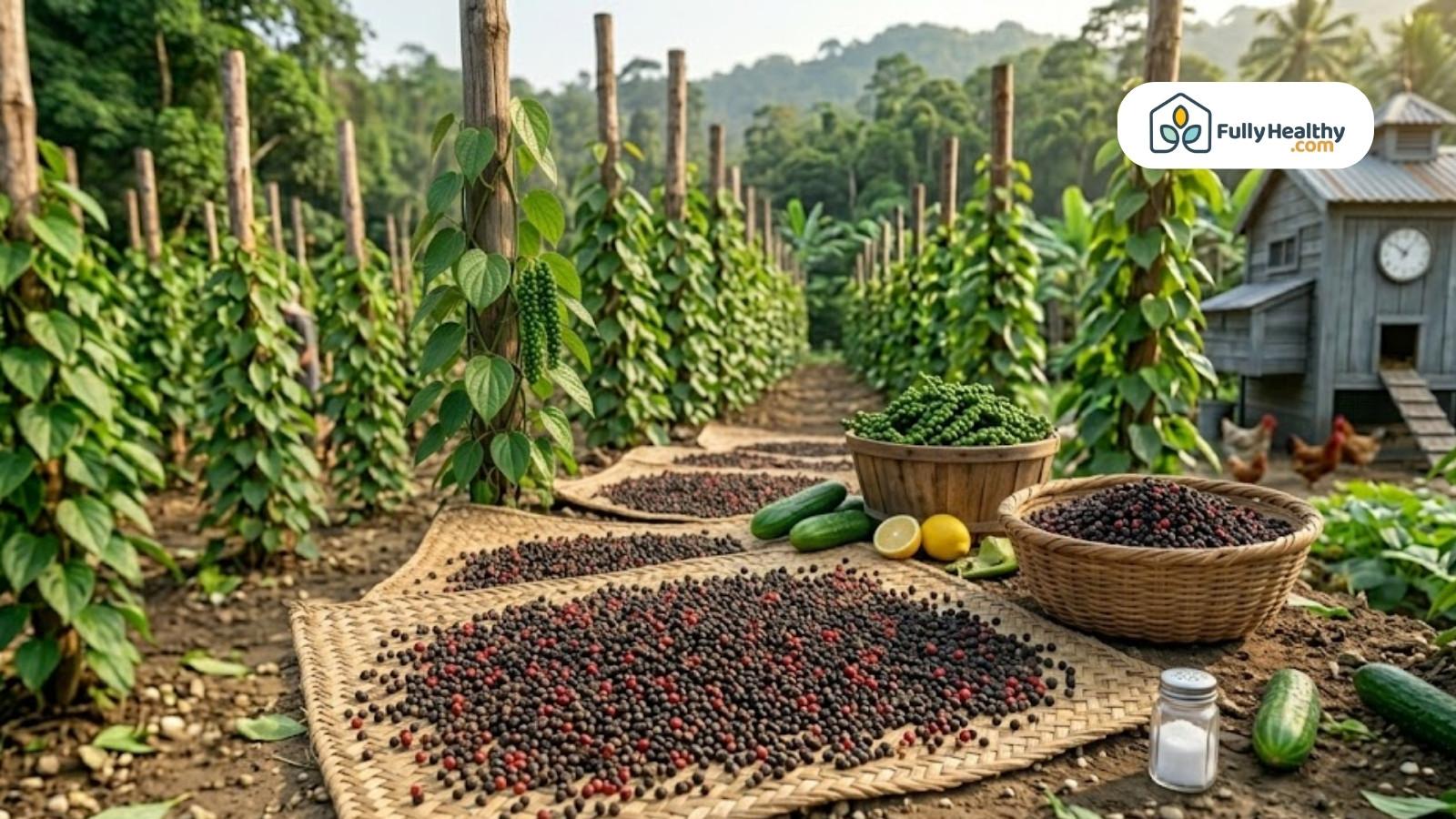
Black peppercorns are made from unripe drupes picked before the berries ripen. After harvesting, they are processed quickly to keep their strong flavor. The drying process gives them their dark color and bold taste used in spicy food and daily cooking.
What Happens to Black or Green Peppercorns From Harvest To Drying?
Farmers harvest unripe fruits and process them to develop their look and taste. The process is simple but important.
-
Harvest Stage: Green peppercorns are picked while still unripe fruits from the vine.
-
Processing Step: The berries are boiled briefly, then dried for about a week under the sun.
-
Final Result: The outer fruit shrinks and darkens, forming black peppercorns.
-
Flavor Development: Drying keeps essential oils, giving pepper a bright aroma and strong taste.
Why Do Black, White Pepper, And Green Pepper Taste Different?
All black and white peppercorns come from the same plant, but their processing changes the flavor and color.
-
Black Pepper: Made from unripe fruits with the outer fruit still intact.
-
White Pepper: Made by removing the outer fruit, leaving only the seeds known as white peppercorns.
-
Green Peppercorns: These are unpreserved green pepper drupes or unripe drupes preserved to keep their green colour.
-
Other Types: Red peppercorns come from fully ripe fruits, while other spices like cayenne pepper and bell peppers come from different plants.
Is Pepper A Nut Or Seed?
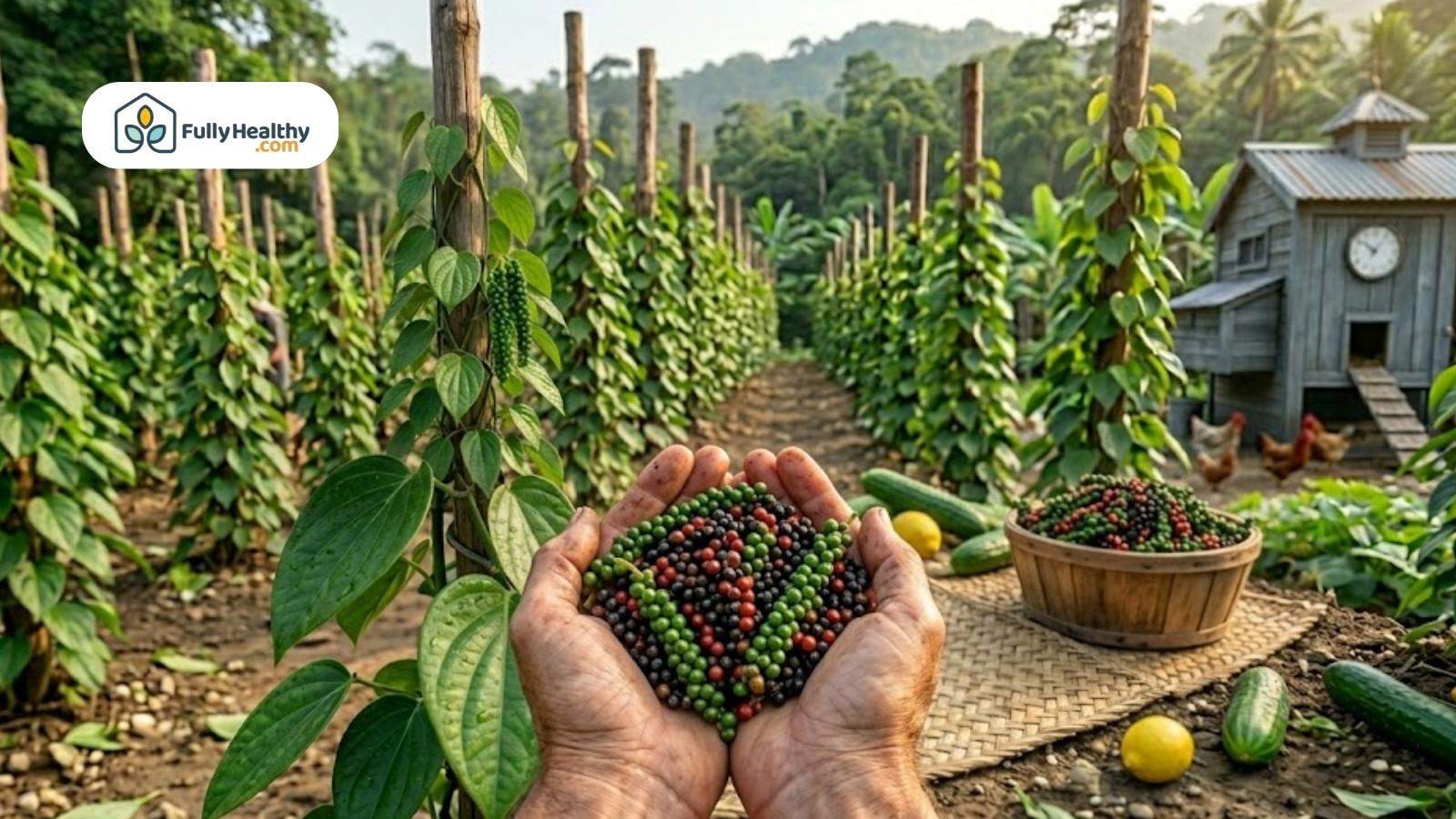
Pepper is not a nut. It is a fruit that contains a seed inside. This makes it different from nuts and also different from other spices like cayenne pepper or bell peppers.
Why Peppercorns Are Classified As Fruit, Not Nuts
Pepper berries are fruit because they grow from a flowering vine and contain seeds inside.
-
Fruit Type: Pepper is a dried fruit known as a drupe.
-
Inner Structure: Each berry contains only the seeds at the center.
-
Processing Impact: The dried fruit becomes black peppercorns or white pepper depending on how it is processed.
-
Common Use: Whole peppercorns are ground into ground pepper for cooking and seasoning.
Are There Any Pepper Types That Are Actually Nuts?
Some types called “pepper” are not true pepper and come from different plants.
-
Pink Peppercorns: These come from the peruvian pepper tree and may cause allergic reactions.
-
Sichuan Peppercorns: Used in sichuan cuisine, they are not true pepper but create a numbing effect.
-
Foreign Pepper: Some varieties labeled as foreign pepper do not come from the black pepper plant.
-
Important Note: Always check the source, as other spices may look similar but have different origins and flavors.
Can Pepper Raise Your Blood Sugar?
Pepper is a common spice used in the western world and across southeast asia. Many people wonder if it affects blood sugar. The answer is simple, pepper has very low carbohydrates and is used in small amounts. Whether added on the kitchen counter or dining table, it does not cause a noticeable spike when used in normal cooking.
Does Black Pepper Affect Blood Sugar Levels?
Black pepper is safe for most people, including those watching their sugar intake. It is usually added in tiny amounts, so its effect stays minimal.
-
Low Sugar Content: Pepper contains almost no sugar, so it does not raise blood sugar levels.
-
Small Usage: People usually mechanically grind small amounts, which keeps intake low.
-
Everyday Use: It is commonly used on the kitchen counter or dining table without health concerns.
-
Global Consumption: Widely used in southeast asia and the western world, showing it is safe for daily meals.
Are There Any Health Benefits Of Pepper Consumption?
Pepper is more than just a spice. It has been valued for both flavor and health benefits for centuries.
-
Digestive Support: Pepper may help improve digestion and how the body absorbs nutrients.
-
Natural Compounds: It contains active elements that support metabolism and overall wellness.
-
Historical Value: During the roman empire, pepper was known as black gold because of its high value.
-
Balanced Intake: Use pepper in moderation to enjoy its benefits without overuse.
FullyHealthy Pepper Products And What They Offer
FullyHealthy is a trusted platform for clean and diet-friendly foods. It offers products made for people with specific dietary needs. Many items include pepper, showing how this spice fits into modern, healthy meals.
Clean And Specialty Pepper Products Available On FullyHealthy
FullyHealthy focuses on simple ingredients and easy shopping. It helps users find foods that match their lifestyle without confusion.
-
Diet-Friendly Options: Products support gluten-free and allergen-friendly needs, including those with a nut allergy.
-
Clean Ingredients: Items are made with simple ingredients, including pepper used at varying degrees for flavor.
-
Easy Shopping: You can find safe products quickly without checking every label.
-
Trusted Sourcing: Ingredients are carefully selected to meet quality standards.
Featured Pepper-Based Products You Can Try Today like
FullyHealthy offers a variety of products that include pepper, making it easy to enjoy its flavor in different ways.
-
Mushroom Jerky: Made with black pepper, offering a bold taste with simple, plant-based ingredients.
-
Organic Black Pepper: A pure spice option that is sun dried and ready to use in everyday cooking.
-
Quinoa Meal: A balanced meal that includes pepper for added flavor along with vegetables and protein.
-
Processing Insight: Peppercorns immediately after harvest may be treated with boiling water or preserved using sulfur dioxide to protect the outer layer and color while still green.
Final Thoughts
Pepper comes from a unique plant in the piperaceae family, growing as a woody vine with small flowers at its leaf nodes. Each fruit holds a single seed, which becomes the spice we use daily.
From early trade along the sea route to modern world production, pepper remains essential. While some varieties come from an unrelated plant, true pepper still follows the same process.
Methods like freeze drying or sun drying help preserve flavor. Understanding where pepper comes from gives you a deeper appreciation of its journey from farm to table and why it continues to be one of the most valued spices worldwide today.
FAQs
Where does pepper come from in terms of plant structure?
Pepper comes from a plant in the piperaceae family with small flowers at leaf nodes, producing fruit with a single seed.
How does world production of pepper happen today?
World production depends on tropical farming, trade routes like the sea route, and processing methods such as freeze drying.
Is all pepper from the same plant or an unrelated plant?
Most pepper comes from the piperaceae family, but some types come from an unrelated plant.
What role did the sea route play in pepper history?
The sea route helped expand world production and trade of pepper across continents.
How do processing methods like freeze drying affect pepper?
Freeze drying helps preserve flavor and quality after harvesting pepper from plants with small flowers and leaf nodes.
Leave a comment