

Would Vinegar Kill Weeds? Exploring Its Effectiveness as a Weed Killer
Would vinegar kill weeds, or is it just a myth? Weeds die quickly when vinegar dries out their leaves, especially young ones. Weeds may grow back, though, because it doesn't always kill the roots. Stronger vinegar works better, but you need to be careful when you use it.
You will learn how vinegar works, how long it takes, when to use it, and what provides longer-term weed control? and no method guarantees permanent removal; effective long-term control depends on weed species, root removal, repeated management, and prevention of new germination.
Featured Pantry Pick
Bragg // Organic Apple Cider Vinegar with The Mother - 16 oz
Loading...
Would Vinegar Kill Weeds?
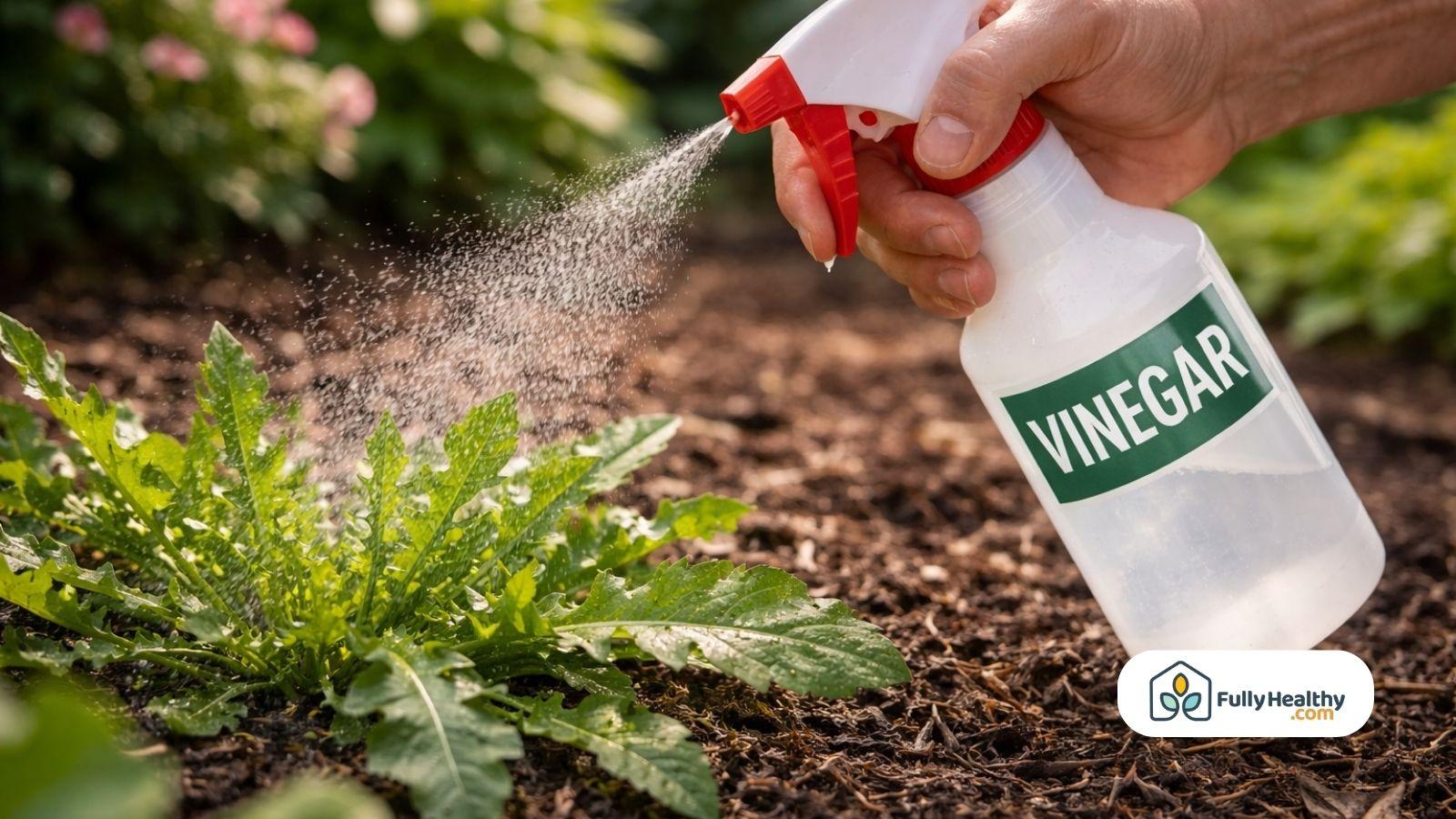
A common natural way to get rid of weeds for small jobs is vinegar, which kills a lot of them quickly. Acetic acid, an acidic compound that hurts plant tissue when it comes in contact with it, is the main ingredient. There is scientific evidence that it works best on young plants rather than ones with deep roots.
Vinegar-based herbicides can be hazardous, especially higher-concentration acetic acid products, which can cause eye and skin injury; they are not automatically safer than synthetic herbicides. However, the results will depend on how strong it is and how it is used.
How Vinegar Works As A Natural Weed Killer
Weeds are killed by vinegar because it breaks down plant cells and dries out the leaves. Acetic acid causes rapid injury and desiccation of the plant tissue it contacts; visible top growth may die, but the whole plant often survives if roots or protected growing points remain. Quickly after the plant is sprayed, this takes place.
-
Active Ingredient: Acetic acid breaks down plant cells and removes moisture quickly.
-
Contact Action: It only affects the parts it touches, not the roots below the ground.
-
Quick Results: Leaves may brown within hours, but complete control is inconsistent and depends on weed species, plant size, temperature, coverage, and acetic acid concentration.
When Vinegar Works Best (And When It Fails)
It's best to use vinegar on weeds that are small and growing, like young dandelion plants. Weeds that are bigger often stay alive because their roots stay alive in the ground. Before you use this difference, you should make sure you understand it.
-
Best Timing: Use on young weeds early in their life cycle for better results.
-
Main Limitation: Roots remain alive, so weeds can grow back after a few weeks.
-
Plant Risk: It can harm nearby vegetation if applied in the wrong area.
Can I Pour Straight Vinegar On Weeds?
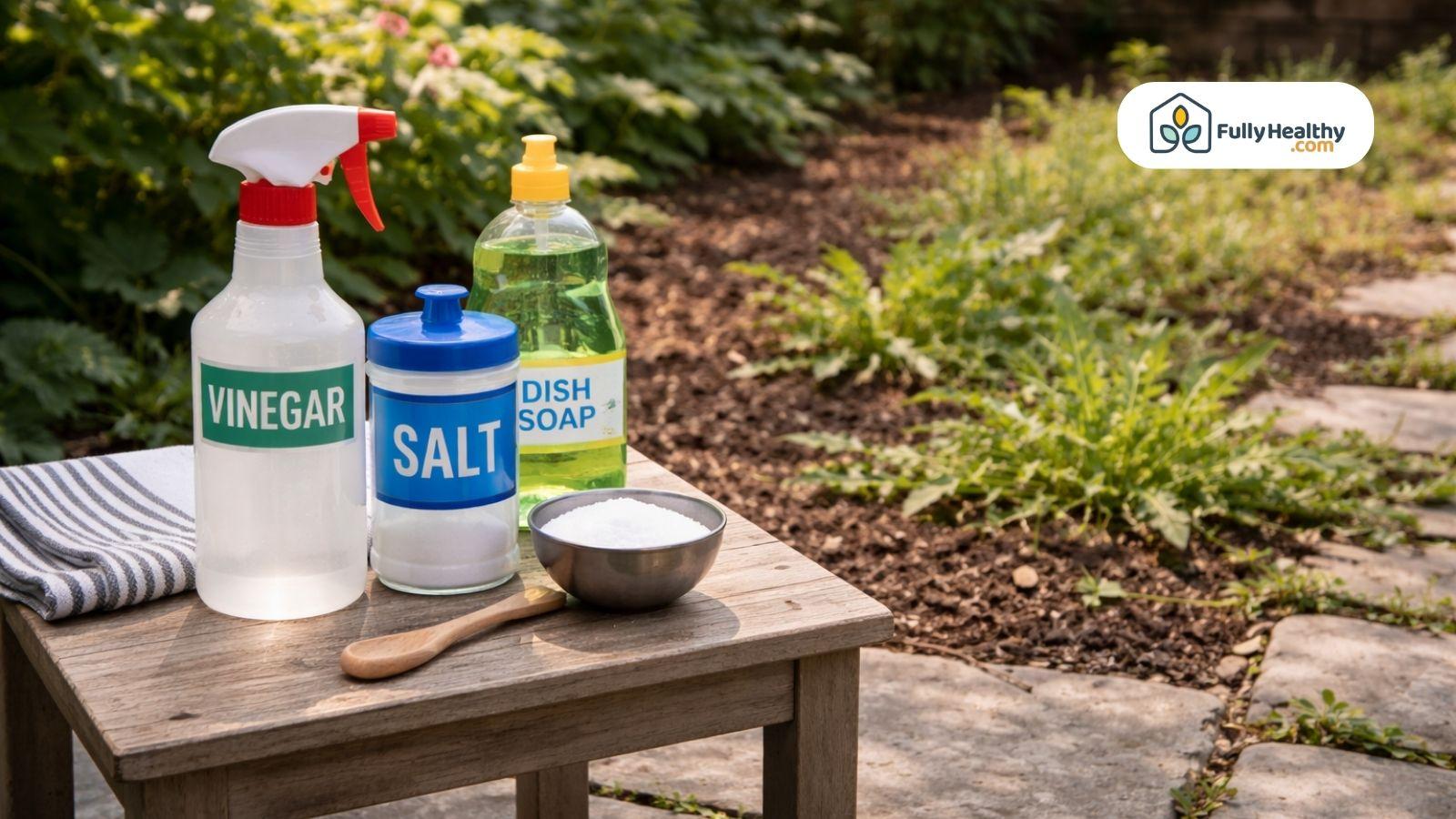
Yes, but it will depend on what kind of vinegar you use and how strong it is. Higher concentrations of vinegar are better at killing weeds than lower concentrations of vinegar. To protect nearby plants and keep control of where it goes, many people like to use a spray bottle instead of pouring.
Using Household Vs. Horticultural Vinegar
Most household vinegar has about 5% acid in it, but stronger vinegars can have 20% acid or more. There are clear differences in how well these different concentrations work, as shown by tests.
-
Household Vinegar: Works on small weeds but often needs multiple applications.
-
Higher Concentrations: Higher concentrations generally increase visible injury, but control of larger, perennial, or established weeds is still often poor because regrowth from roots or crowns is common.
-
Full Strength Use: Often used without being diluted for stronger results.
Safety Risks And Application Best Practices
Be careful when you use vinegar because it is acidic and can burn. If you breathe it in, it might make your eyes or lungs hurt. When you do this job, always keep yourself and nearby plants safe.
-
Personal Safety: Wear gloves and protect your eyes from splashes.
-
Application Method: Spray instead of pouring to reduce damage to other plants.
-
Weather Tip: Apply on a dry day and wait before adding water.
How Long Does It Take For Vinegar To Kill Weeds?
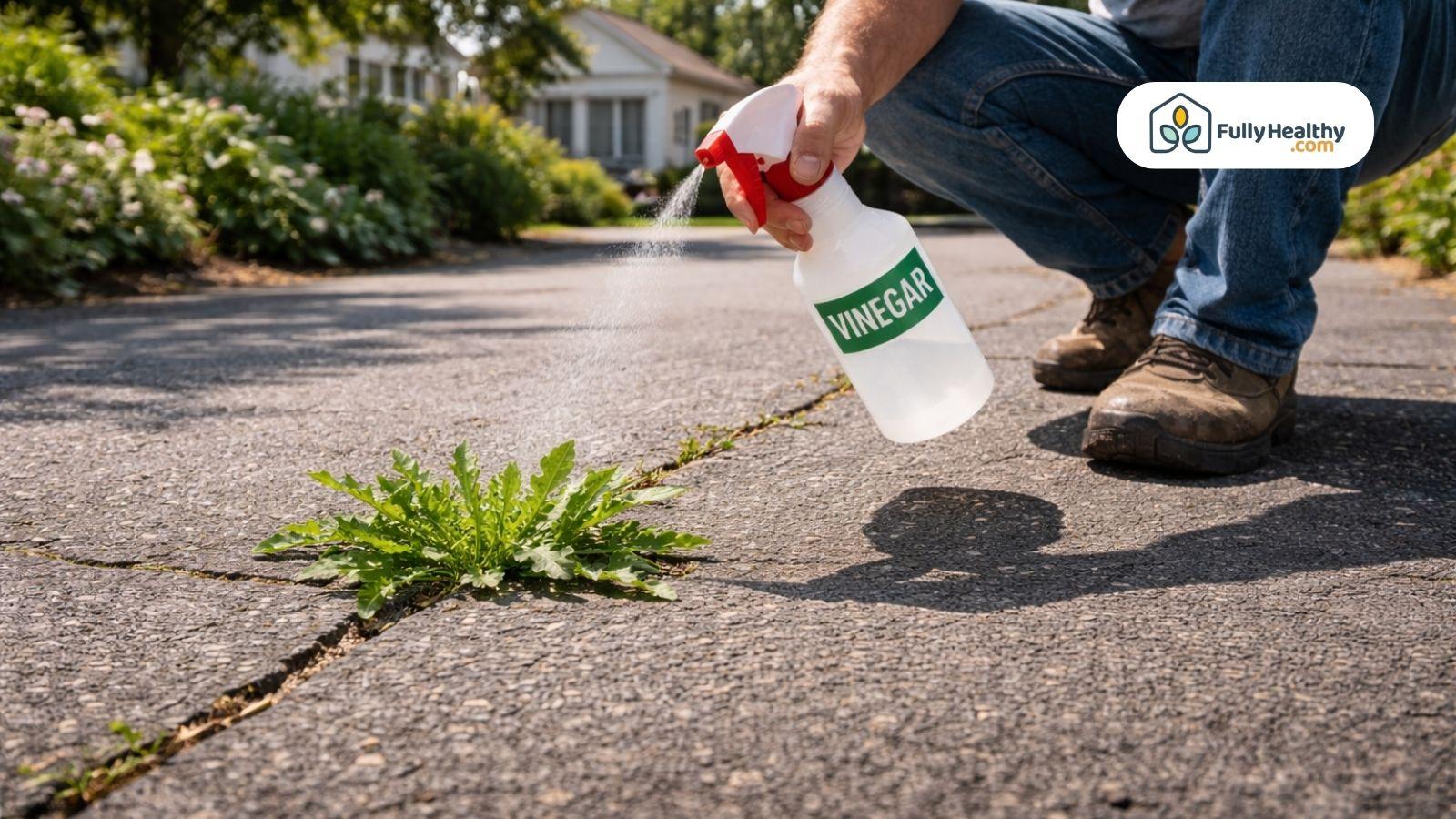
Some vinegar treatments can cause visible burn-down quickly, but other contact herbicides can also act rapidly; speed of visible injury is not unique to vinegar. Warm, sunny, dry conditions can improve burn-down, but many weeds are not fully controlled the same day, and regrowth is common.
Typical Kill Time By Vinegar Strength
How quickly weeds die depends on how strong the vinegar is. Vinegar that is stronger starts to work immediately, while vinegar that is weaker takes longer.
-
Fast Results: Strong vinegar can kill weeds within a couple of hours.
-
Average Timing: Household vinegar usually takes about one day.
-
Repeat Needs: Some weeds need multiple applications over several weeks.
Factors That Speed Up Or Slow Results
How well vinegar works depends on a number of things. You can avoid wasting time or effort and get better results if you know these.
-
Sunlight Exposure: Heat helps dry out plants faster after applying vinegar.
-
Full Coverage: Make sure all foliage is sprayed for better results.
-
Weed Type: Broadleaf weeds respond better than grassy weeds.
-
Rain Impact: Rain can dilute vinegar and reduce its strength.
What Actually Kills Weeds Permanently?
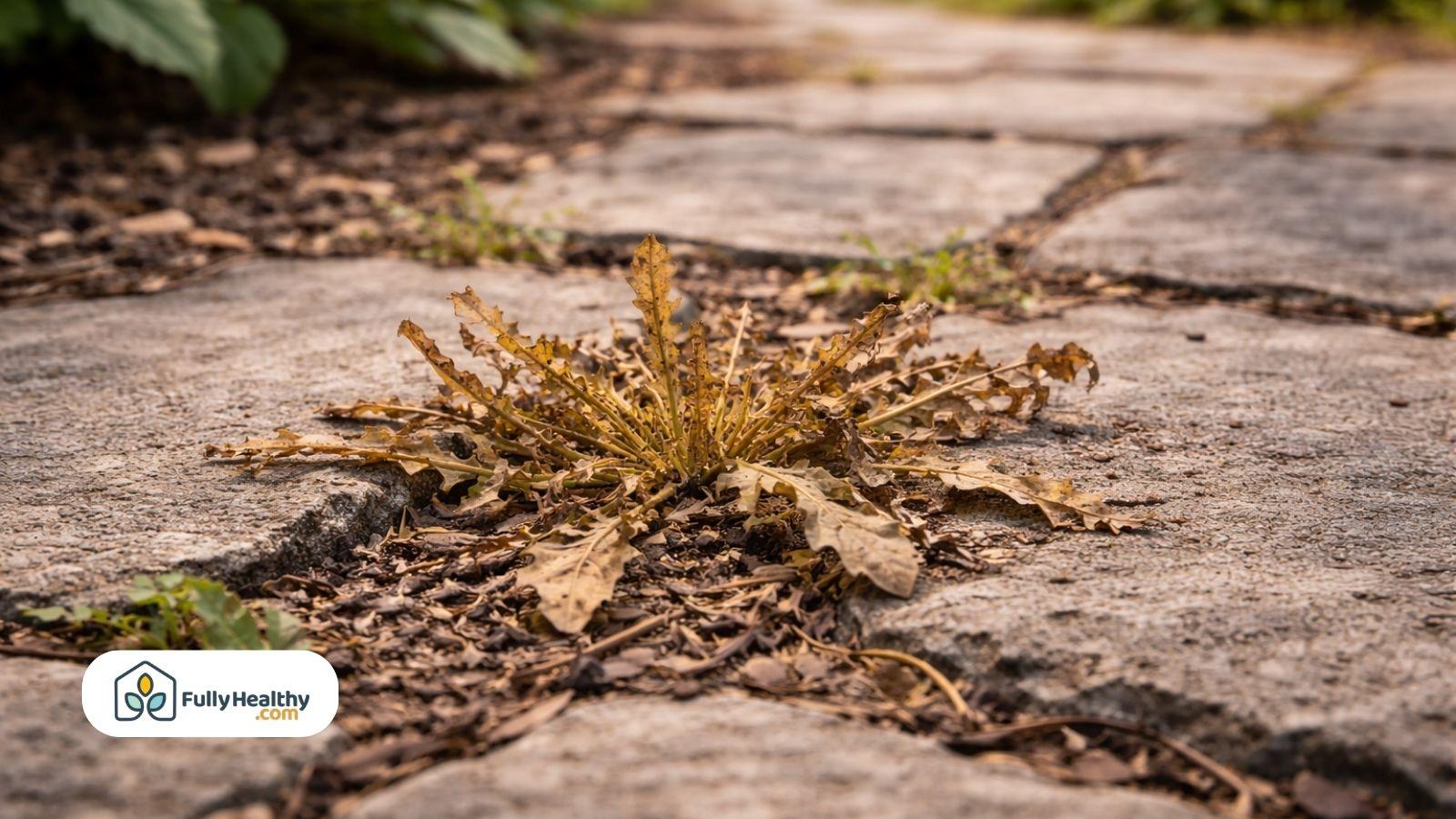
To really get rid of weeds, you need to kill the whole plant, not just the top layer. Vinegar works quickly, but not deeply enough to stop hair from growing back. Over the years, experts from all over the world have tried a lot of different options.
The main difference is whether or not the roots are completely removed. It's easier to choose what works and not waste time on things that only work in the short term once you know this.
Why Vinegar Doesn’t Kill Weeds Permanently
Since vinegar only hurts things it comes in contact with, it hurts things you can see above ground. Weeds can grow back after a few weeks because their roots stay alive. This is something that is often talked about in site reviews and blog posts.
-
Surface Damage: Vinegar burns the leaves but does not reach the roots in the soil.
-
Regrowth Problem: Weeds often return because the root system is still active.
-
Common Misunderstanding: Quick results can be misleading and do not mean permanent removal.
Methods That Provide Long-Term Weed Control
To get results that last, you need methods that go deeper or stop growth from happening in the future. A lot of people have decided to use more than one method together to get better results and do less work over and over.
-
Systemic Herbicides: These move through the plant and kill it from root to top.
-
Manual Removal: Pulling weeds by hand works well if you remove the entire root system.
-
Natural Solutions: Salt is generally not recommended because it can persist in soil and injure desirable plants; orange-oil-based products may provide only limited contact burn-down and are not reliably permanent solutions.
-
Prevention Methods: Mulch or ground cover blocks sunlight and stops new weeds from growing.
What Does Fully Healthy Offer For Natural Living Solutions?
Fully Healthy is not a site for getting rid of weeds, but it does support living a clean and natural life. This is helpful for people who want to live a safer life in every way. The platform is mostly about food and health products that are made from simple ingredients, like fruits and other natural materials.
Does FullyHealthy Help With Natural, Non-Toxic Lifestyles?
Fully Healthy encourages people to live in a way that doesn't use harmful chemicals. While it doesn't sell weed killers, it's still in line with the idea of picking safer options. There is more trust, safety, and peace of mind in the things people use every day.
-
Clean Living Focus: Products are designed for people who want safe and natural options.
-
Trusted Brands: The site works with brands that value quality and transparency.
-
Simple Choices: Helps users understand better options without confusion or guesswork.
Relevant Products And Categories To Explore
The platform has many helpful items, some of which are not related to getting rid of weeds. Lots of people like how simple it is and how quick and easy it is to find what they need.
-
Wide Selection: Includes snacks, seasonings, and specialty diet foods.
-
Easy Navigation: The site makes it simple to find items without sorting through a lot of stuff.
-
Positive Feedback: Many users have reported good experiences over the years.
-
Helpful Content: Blog posts and recipes give extra value and ideas to enjoy.
Final Thoughts
It's easy to get rid of weeds with vinegar because it kills them quickly, but it only works on young plants and not on deep roots. Acetic acid works quickly, but the results depend on how strong it is, when it is used, and how it is used correctly.
Using vinegar to stop growth is possible, but it might take more than one application. Combine it with better methods for results that last. If you know how vinegar works, you can avoid making mistakes and get better, safer results.
FAQs
Do weeds grow back after vinegar?
Yes, many weeds can grow back because vinegar usually kills only the top growth, so if the roots survive, the plant is gonna resprout over time.
What are the downsides of using vinegar?
Vinegar can damage surfaces, harm nearby plants, and may not provide long-term control, so it is important to understand what experts are telling before using it.
Is vinegar as good as Roundup?
Acetic acid products are contact herbicides that usually injure only treated tissue, while systemic herbicides such as glyphosate can move within the plant and may control roots more effectively; performance depends on product, weed species, growth stage, and application.
What should you not mix with vinegar?
You should never mix vinegar with bleach, as this creates dangerous chlorine gas that can harm your health.
Can you mix vinegar with other cleaners?
Some people mix vinegar with other products, but this can be risky, so always check safety guidance instead of assuming every mix is safe.
Leave a comment