

Are Pickles Fermented? The Truth About Vinegar vs Fermentation
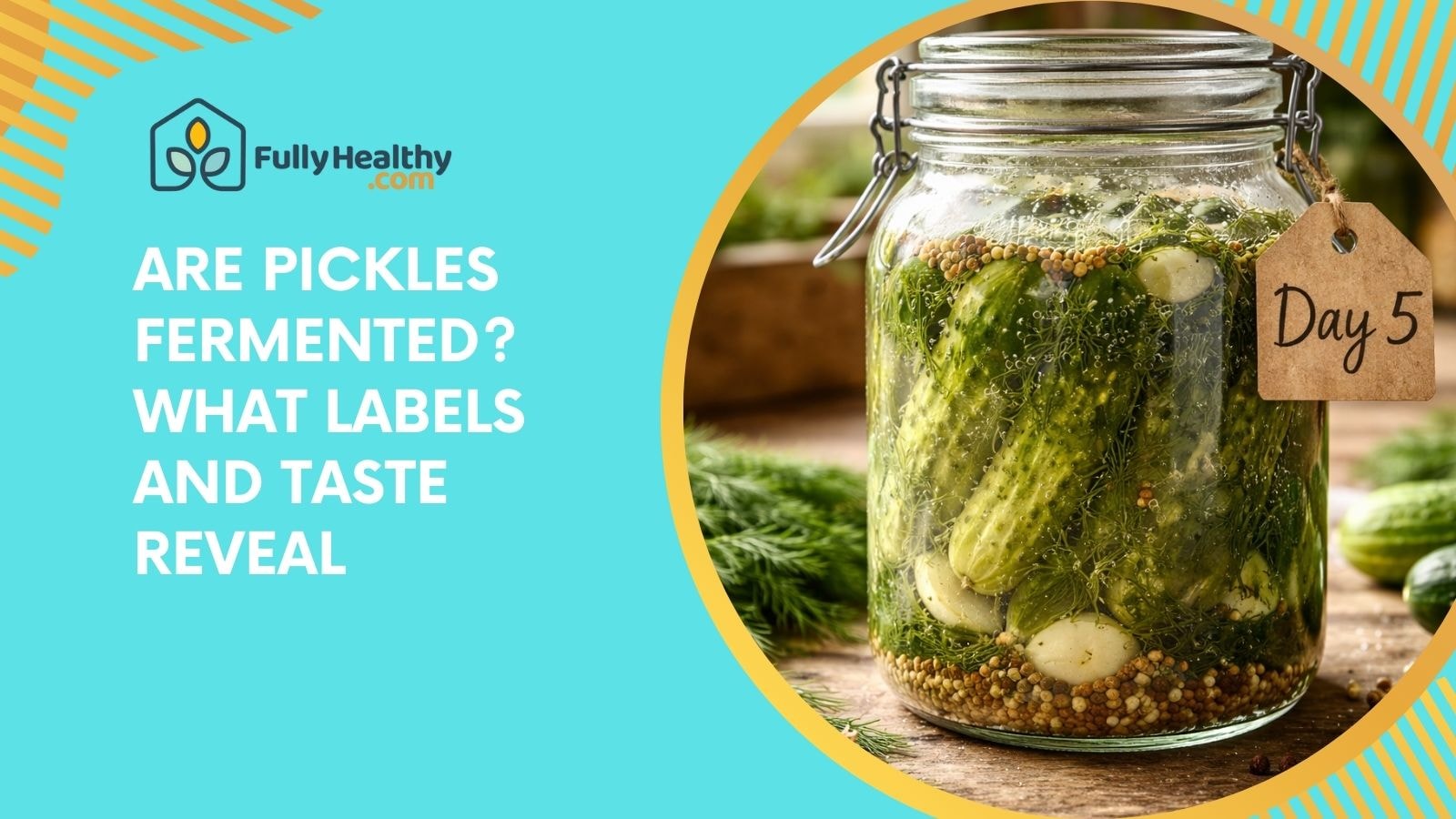
Are pickles fermented? Most of them aren't, but some are. A lot of store-bought pickles are made with vinegar, which stops the fermentation process. Lactic acid is produced by naturally occurring bacteria (lactic acid bacteria) that thrive in salty environments during fermentation.
This process gives them probiotics, which are good for gut health. If you know the difference, you can pickles that are better for your health and meet your dietary needs.
Featured Pantry Pick
Great Plain // Raw Sauerkraut - 16 oz
Loading...
Are Pickles Fermented?
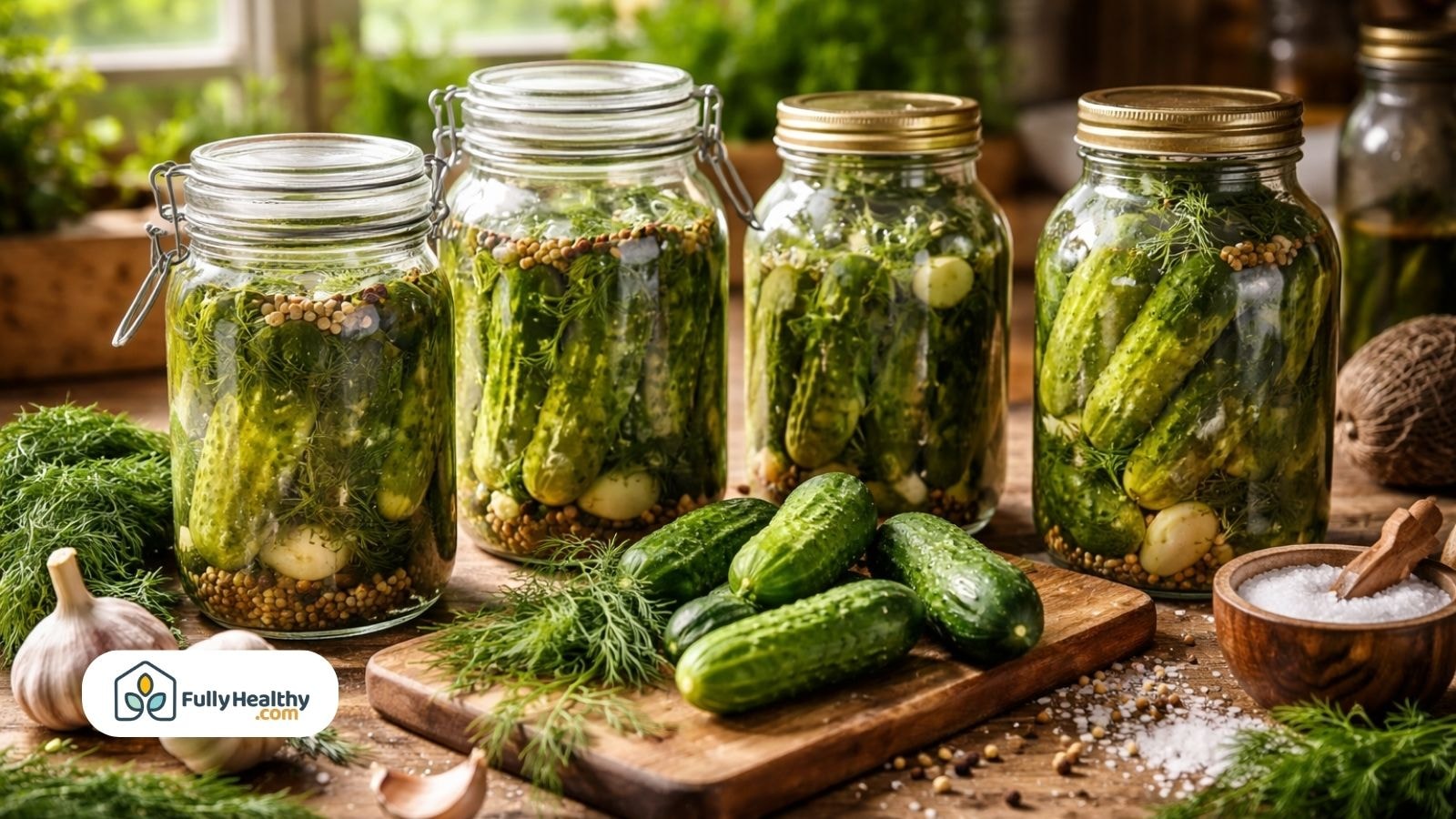
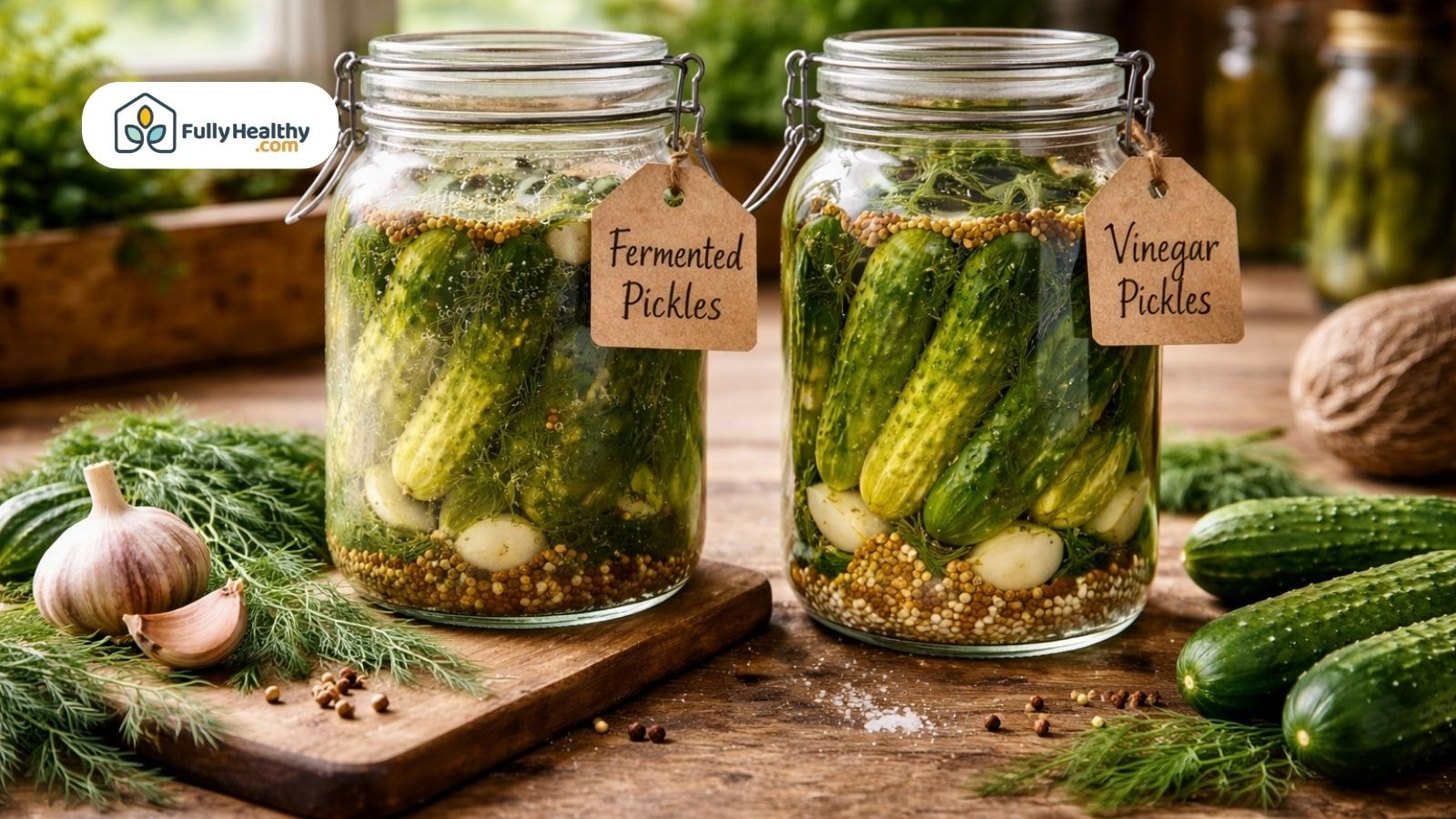
Lots of people want to know if pickles are fermented or just soaked in vinegar. Simply put, not all pickles are fermented. Pickles made from cucumbers are sometimes fermented with lactic acid and other times with vinegar. Both methods help keep food fresh longer, but they have different effects on taste, nutrition, and gut health.
Quick Pickles Vs Fermented Pickles (What’s The Difference?)
When you use vinegar to make quick pickles, it adds acidity right away. Stores usually have these. This brine has vinegar, sugar, herbs, spices, garlic, and dill in it. The cucumbers are soaked in it. This pickling process is quick and inhibits spoilage, but it typically lacks live cultures, especially if pasteurized.
Lactic acid bacteria, not vinegar, are what make fermented pickles work. Cucumbers that are submerged in saltwater brine start to ferment slowly. This gives the food a sour, tangy taste and naturally keeps the vegetables fresh.
-
Vinegar pickles: Instead of bacteria, add acid to keep food fresh.
-
Fermented pickles: Using lactic acid fermentation to keep things fresh.
-
Shelf life: Vinegar pickles generally have a stable shelf life unopened, while fermented pickles may continue to evolve in flavor and texture, especially if unpasteurized.
When Fermentation Actually Happens In Pickles
Fermentation begins when cucumbers are completely submerged in salt water and kept at the right temperature. The vegetables' sugars are broken down by natural bacteria, which then make acid, enzymes, and flavor. For a very long time, this way of preserving food has been used.
Fermented foods like sauerkraut, kimchi, sourdough bread, beer, kombucha, and many more are all made in the same way. It helps cut down on food waste and keeps vegetables fresh and raw.
-
Natural bacteria: Food doesn't go bad because of lactic acid bacteria.
-
Flavor development: The process of fermentation adds depth and complexity.
-
Preservation method: Even without vinegar, acid forms on its own.
How Do I Know If My Pickles Are Fermented?
If you know how to spot fermented cucumbers, you can pick healthy foods. It is common for fermented vegetables to be kept in the fridge without being pasteurized. If you compare this to vinegar pickles, they usually stay fresh and taste the same over time.
How To Read Pickle Labels The Right Way
Get started with the list of ingredients. Usually, naturally fermented foods only have cucumbers, water, salt, herbs, and spices in them. If vinegar or acidity from alcohol is listed, it means the product has not been fermented. Some fermented foods may also list live cultures or probiotics as an ingredient.
-
No vinegar listed: Big proof that the pickle has been fermented.
-
Short ingredient list: Shows a traditional way of fermenting.
-
Cold storage: Protects probiotics that are good for you.
Visual, Taste, And Storage Clues That Signal Fermentation
Clear pickles that have been fermented may smell sour and fresh at the same time. It is normal for the brine to bubble a little. The crunch comes from using the right amount of salt and using fresh food. However, vinegar pickles don't have much depth of flavor.
Even after being put in the fridge, fermented pickles keep getting better.
-
Cloudy brine: Normally happening and safe in fermented vegetables.
-
Complex sour flavor: This is not the same as vinegar acidity.
-
Refrigeration: Holds on to quality and slows down fermentation.
Are Pickles Good For Your Gut Health?
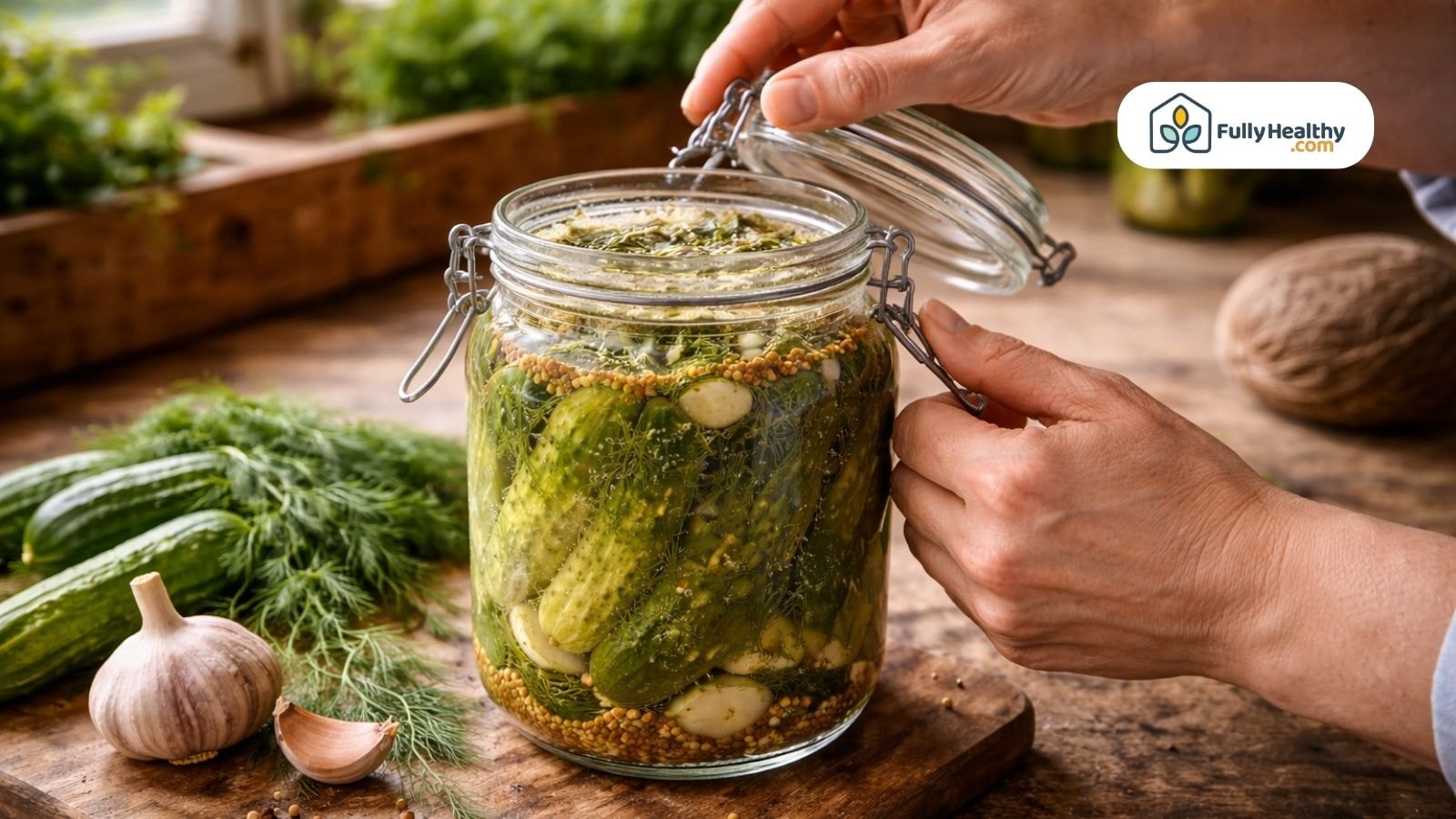
Pickles can be good for you, but only some kinds. Fermented vegetables are good for you because they have probiotics and enzymes that are good for you. Vinegar pickles lack probiotics but can still be a low-calorie, flavorful food with some micronutrients.
Why Fermented Pickles Support Gut Health
Fermented foods may support gut microbiota balance, though not all probiotic strains colonize the gut permanently. Bacteria that make lactic acid help the body digest food, absorb nutrients better, and keep the gut in balance. Cucumbers that have been fermented are good for you in the same way that sauerkraut and kimchi are.
Also, these foods may help your body get more vitamins and be healthier overall.
-
Live cultures: Take care of your gut and digestive health.
-
Natural enzymes: Support breaking down food.
-
Nutrient support: Fermentation can raise the amount of vitamins in food.
When Pickles May Not Be Gut Friendly
Every pickle isn't good for your gut. There may be a lot of sugar and salt in vinegar pickles. Some recipes call for things like cabbage, eggs, peppers, onions, or meats that change the nutritional value. Eating too many pickles may make them more acidic. When picking out pickled foods, moderation is key.
-
High sodium: Common in a lot of pickled foods.
-
Pasteurized options: Do not have any probiotics in them.
-
Balanced intake: It's important for digestive health.
Are Real Pickles Fermented?
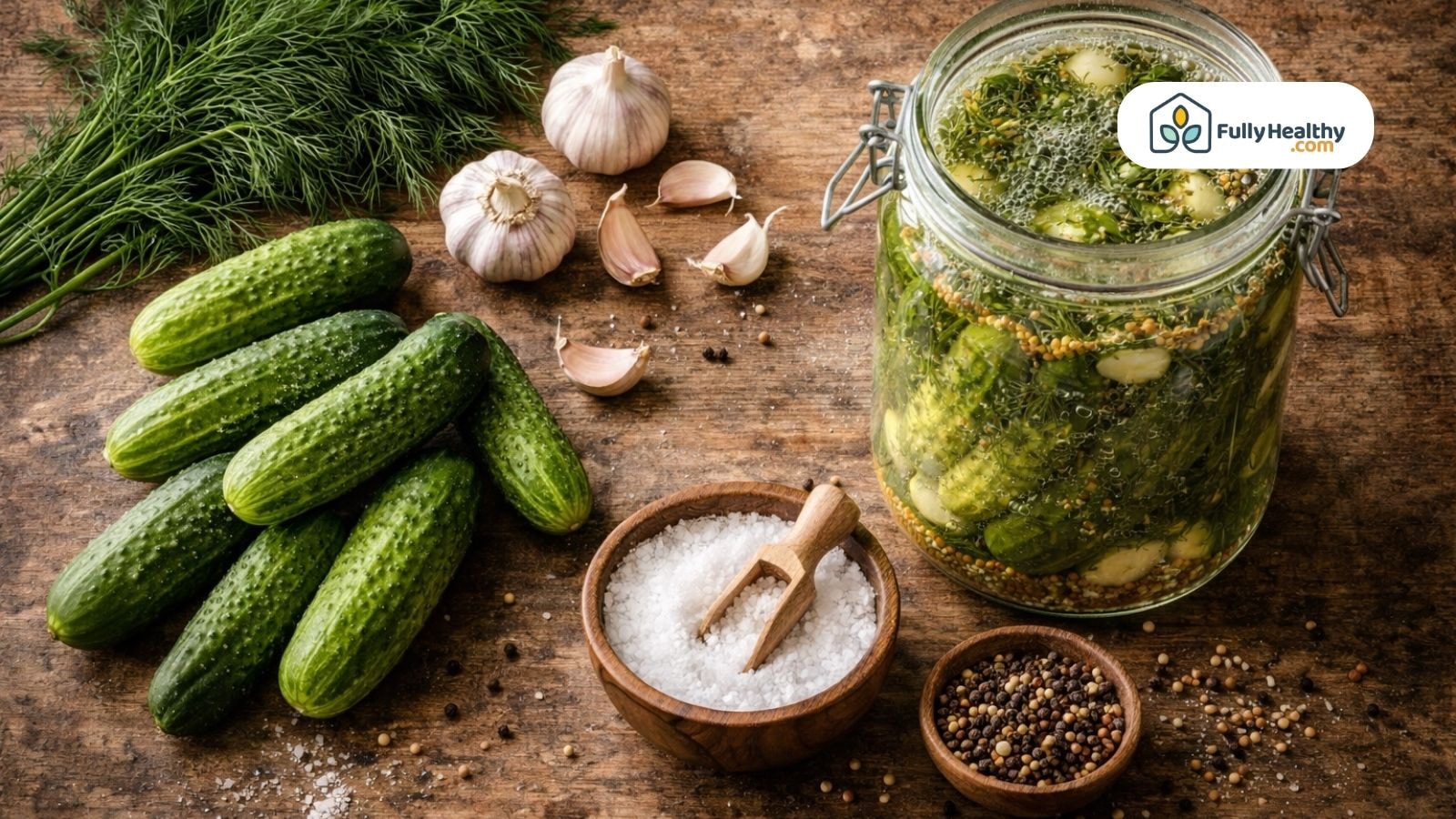
Traditional fermentation, not vinegar, is what makes real pickles. Natural bacteria and salt are what keep these pickled vegetables safe. This way keeps the pickles raw and lets them ferment naturally. It also makes them taste better and be healthier. Another old way people learned to eat vegetables without them going bad is by putting them in water.
What Traditional Pickling Actually Means
Instead of adding acids, traditional pickling uses fermentation with lactic acid. When vegetables are submerged in saltwater brine, good bacteria can grow on them. This keeps the food safe and gives it a naturally sour taste over time. Using vinegar to quickly pickle is not the same thing at all.
-
No added vinegar: Traditionally fermented pickles are made without added vinegar. Vinegar pickles are a different, valid method of pickling but not fermentation-based.
-
Natural preservation: Salt and bacteria work together to keep food from going bad.
-
Richer flavor: The taste gets deeper and more complex when it ferments.
How Real Pickles Are Made Step By Step
Fresh cucumbers are washed, mixed with salt, and put into brine all the way to the bottom. The bacteria make acids that protect the food by eating natural sugars. Once the pickles are done fermenting, they are kept cold to slow down the process. In the long run, this makes them safe to eat and tasty.
-
Simple ingredients: Only salt, water, and fresh produce are needed.
-
Safe method: Natural acids keep bacteria from growing on vegetables.
-
Eating advice: Enjoy the natural crunch and don't eat too much.
What Does Fully Healthy Offer For Special Dietary Needs?
People with special dietary needs like AIP can use this site to help them shop. It does not make fermented foods, but it helps people make smart decisions. People who read it are more likely to eat well and pick products that fit their lifestyle.
What Is Fully Healthy And Who Is It For?
People who need clean, clearly labeled foods can shop at Fully Healthy, an online market. It helps people who want to buy foods that have certain ingredients. This makes it easier to eat without worrying about adding things you don't want.
-
Diet support: Aids individuals in managing their food restrictions.
-
Clear shopping: Makes it easier to choose food products.
-
Practical use: Good for people who want to eat on purpose.
What Fully Healthy Products Are Relevant To Pickle Shoppers?
Based on your tastes, some foods go well with fermented or pickled foods. Before eating or shopping for something, people should always read the label. This helps them remain safe while mixing foods and settle for smart choices.
-
Label awareness: Check the list of ingredients every time you eat.
-
Flexible pairing: Pickled vegetables can go well with other things.
-
Informed choices: It helps consumers eat better and stay on track.
Final Thoughts
Pickles can be fermented or not depending on how they are made. Some cucumber pickles are fermented foods, like vinegar pickles, which use vinegar or home-made vinegar to make the acidity instead of lactic acid bacteria. In real lactic acid fermentation, the process of fermentation preserves vegetables in brine.
This makes fermented cucumbers, fermented vegetables, probiotics, live cultures, enzymes, and gut health benefits. Many fermented foods like sauerkraut, kimchi, kombucha, sourdough bread, beer, and many others help keep food fresh, cut down on food waste, make it last longer, and keep it from going bad. Make sure you always read the list of ingredients before you mix, store, eat, or drink something.
FAQs
Are Jarred Pickles Fermented?
Jarred cucumber pickles are not all fermented foods because many use a vinegar pickle brine, are pasteurized, stored for long shelf life, and lack lactic acid bacteria, live cultures, and beneficial probiotics.
What Is The 3:2:1 Rule For Pickling?
The 3:2:1 rule means mix vinegar or homemade vinegar, water, and sugar to pickle vegetables like cucumbers, onions, carrots, peppers, cabbage, eggs, and garlic without a fermentation process.
Why Do Doctors Warn Against Eating Pickles?
Some health professionals caution that pickles, especially highly processed or salty varieties, may contribute to high sodium intake or digestive issues in sensitive individuals.
What Organ Is Pickle Juice Good For?
Pickle juice from fermented pickles may offer hydration benefits and support digestion due to electrolytes and acids, but evidence is limited.
Are Pickles Considered A Fermented Food?
Pickles are fermented food only when naturally fermented through lactic acid fermentation, like sauerkraut, kimchi, kombucha, sourdough bread, beer, and other fermented foods that preserve food and reduce spoilage.
Leave a comment