

Can Dogs Eat Pears? A Simple Safety Guide For Owners
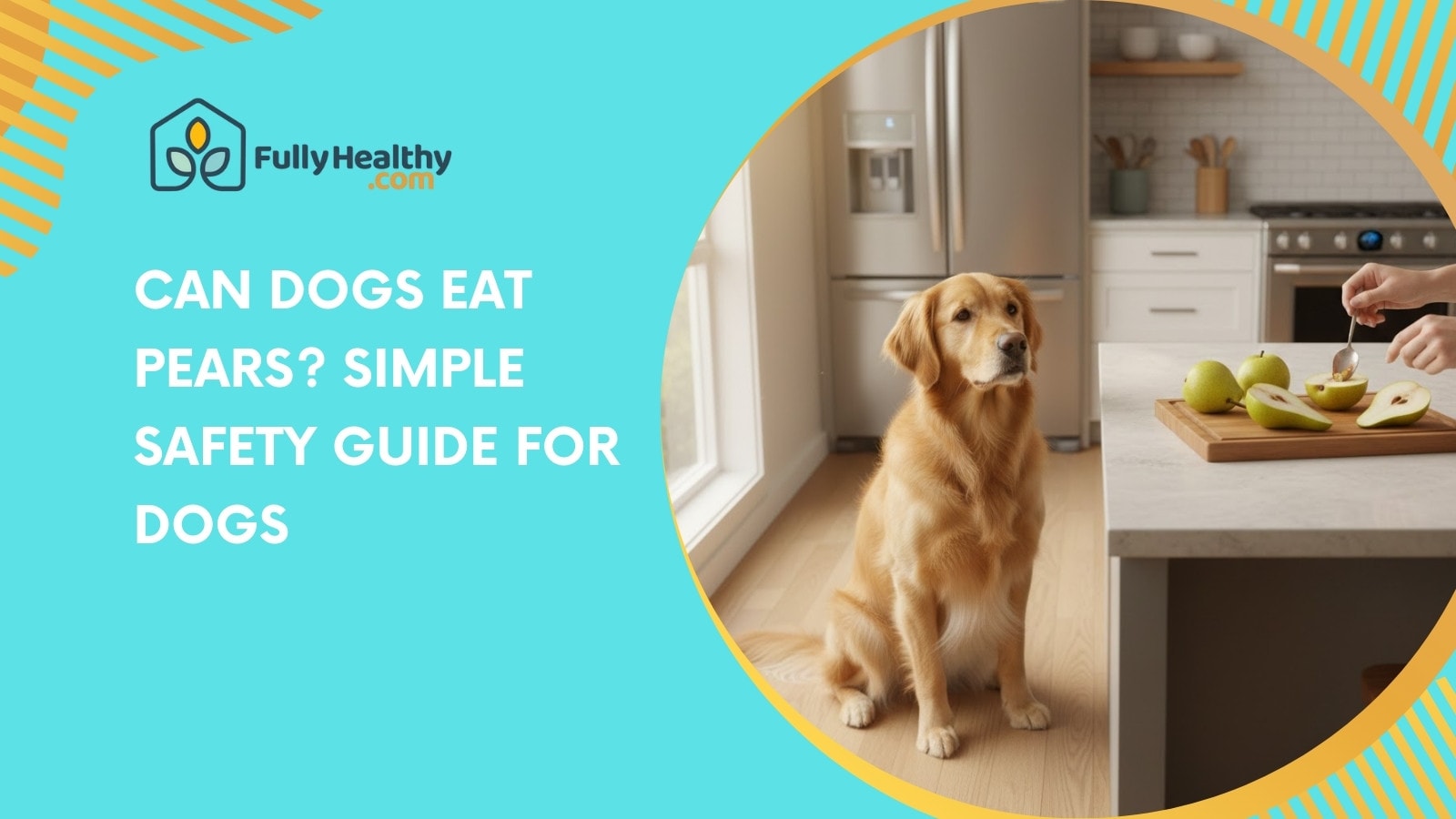
Can dogs eat pears? Yes, as long as it's served right. Small amounts of pears are safe for dogs and can be a fresh, water-filled treat. The key is to plan ahead and watch your portions.
Take out the seeds, cut the pear into small pieces, and stay away from canned pears. If you own a dog today, this guide will tell you how much pear is safe, which dogs should not eat it, and how pears compare to other fruits.
Featured Snack Pick
That's It // Apple + Pear Fruit Bar - 1.2 oz
Loading...
Can Dogs Eat Pears?
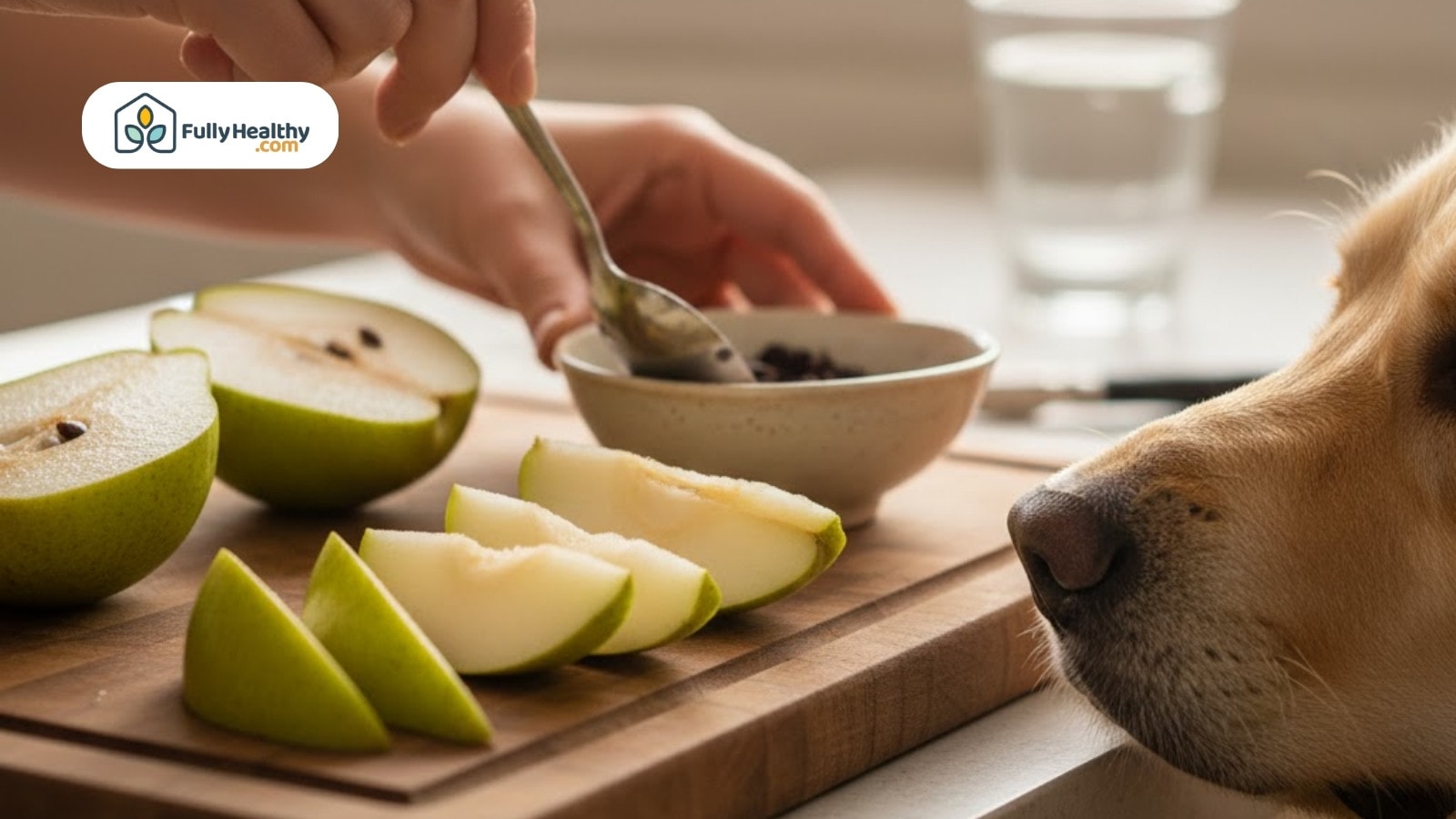
Dogs can eat pears when they are prepared correctly and given in moderation. Pears good for dogs because they provide fiber, water, and natural sweetness. When handled the right way, pears can be a nutritious and delicious snack. However, preparation and portion size are key to making sure dogs eat pears safely.
Are Pears Safe For Dogs When Prepared Correctly?
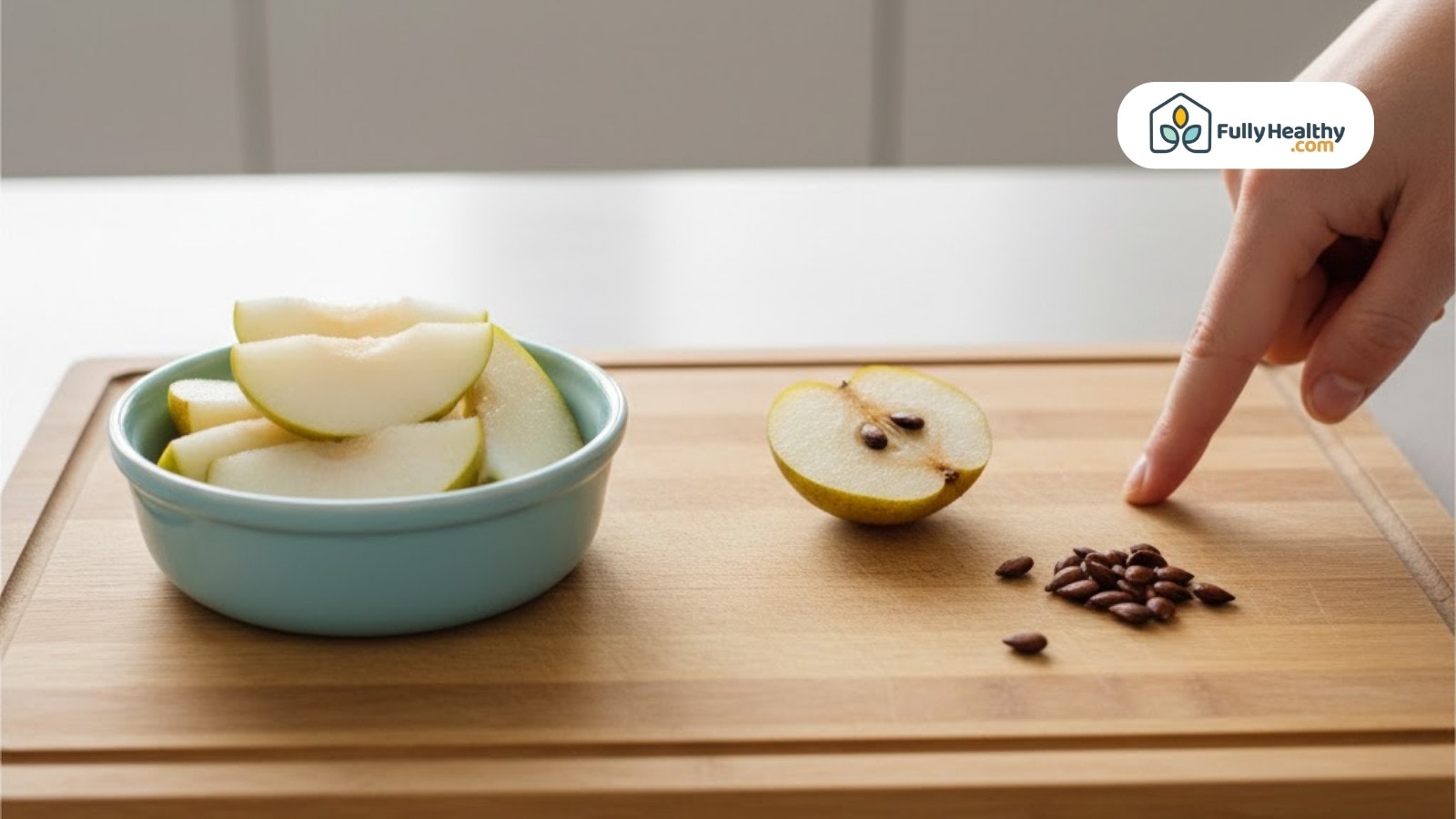
Pears are safe for dogs to eat as long as they are fresh and cooked the right way. It's safe to eat ripe pear flesh, but you should always take out the seeds. If dogs eat pear seeds, it can be bad for them because the seeds contain chemicals that could release cyanide. Pears should always be served in small pieces so that kids don't choke.
-
Seed Removal: Pear seeds should never be eaten by dogs due to potential toxicity.
-
Proper Ripeness: Only serve ripe pears, not hard or underripe fruit.
-
Safe Preparation: Wash thoroughly and cut into bite sized pieces before serving.
What Nutrients Do Pears Provide For Dogs?
Pears good because they offer fiber, hydration, and vitamin C, which supports immune health. While pears good for dogs, they should not replace a complete and balanced diet. Pears work best as a healthy snack or occasional treat, especially when puppies eat pears under supervision.
-
Digestive Support: Fiber helps digestion but too much may cause upset stomach.
-
Hydration Benefit: High water content helps keep dogs hydrated.
-
Low Fat Option: Fits well into a balanced diet when portions are controlled.
How Much Pear Can I Give My Dog?

When you give your dog pears, it's important to watch how much they eat. Dogs can eat pears, but too much fruit can be bad for them. Too many sugary foods can make your stomach hurt or makes weight gain. Pears are a sweet fruit. This is very important for dogs with diabetes.
Recommended Serving Sizes Based On Dog Size
Fruit should make up only a small part of a dog's diet. A good rule is to limit fruit consumption to less than ten percent of daily calories. Dog pears should always be an occasional treat, not a daily food.
-
Small Dogs: One or two bite sized pieces of ripe pears.
-
Medium Dogs: A few small slices of ripe green fruit.
-
Large Dogs: Several pieces, but never a whole pear.
Signs Your Dog Has Eaten Too Much Pear
Too many pears can make your stomach hurt. Dogs eat canned pears or should not eat canned pears should be kept away from because they often have extra sugar or syrup added to them. These can make your stomach hurt and your blood sugar go up.
-
Digestive Issues: Diarrhea, gas, or bloating may occur.
-
Sugar Sensitivity: Risk increases for diabetic dogs.
-
Behavior Changes: Lethargy or discomfort after eating too much fruit.
What Fruits Are Best For Dogs?

Pears are not the only fruit option for dogs. Many other fruits offer health benefits when served properly. Dogs can eat fruit as part of a balanced diet, but fruit should never replace a complete and balanced diet. Pears can be a healthy treat for dogs, but variety and moderation are important.
Vet-Approved Fruits Dogs Can Eat Safely
Dogs can eat several fruits when they are fresh and unprocessed. Dogs eat asian pears safely when the fruit is ripe pears and the pear seeds are removed. Asian pears are similar to regular pears and safe when prepared the same way.
-
Pears And Asian Pears: Fresh, ripe, and seed-free.
-
Apples: Without cores or seeds.
-
Blueberries: Low sugar and rich in antioxidants.
-
Watermelon: Seedless and rind-free.
Fruits Dogs Should Avoid Completely
Dogs shouldn't eat all fruits. Some are dangerous even in small amounts. Avoid canned pears and other sweet fruits packed in syrup. Because canned pears are high in sugar, dogs shouldn't eat them.
-
Grapes And Raisins: Highly toxic to dogs.
-
Cherries: Pits pose choking and toxin risks.
-
Avocado: Contains persin, which is unsafe.
-
Canned Fruits: Often high in sugar and poor for a dog's diet.
Is Pear Tree Safe For Dogs?
Pear trees can be risky for dogs if they chew on branches or eat fallen fruit. While a fresh pear can be dog safe when prepared correctly, other parts of the tree are not. Understanding these risks helps protect your furry friend and supports overall dog’s health.
Why Pear Seeds And Branches Can Be Dangerous
There are small amounts of cyanide in pears' seeds and branches, which can be harmful if eaten. If you let your dog eat pear seeds or chew on branches, it could hurt its stomach. Avoid pears like these at all costs, even though the risk is small.
-
Seed Toxicity: Pear seeds contain amygdalin, which can release cyanide in the body. While small amounts may not cause noticeable effects in most dogs, ingestion should still be avoided due to potential toxicity.
-
Branch Chewing Risk: Branches can splinter and create a choking hazard.
-
Sensitivity Differences: Not all dogs react the same way to toxins or plant material.
Risks From Fallen Or Rotten Pears Outdoors
Fallen pears can quickly become unsafe. Unripe pears, spoiled fruit, or fermented pears may harm the digestive tract. Dogs that eat too many pears outdoors may exceed their pup’s treat intake and develop stomach issues.
-
Digestive Irritation: Rotten fruit may upset the dog’s digestive tract.
-
Choking Risk: Hard or unripe pears are difficult to chew safely.
-
Overconsumption: Too many pears can lead to diarrhea or discomfort.
FullyHealthy Fruit Products And Clean Ingredient Options
Some dog owners look into clean food options to help them make better decisions at home. FullyHealthy products are made for people, but they show how simple the ingredients in juicy fruits are compared to those in processed foods. These things aren't healthy treats for dogs, but they help owners tell which ingredients are good.
That’s It Fruit Bars With Simple Ingredients
That’s It fruit bars are made with minimal ingredients and rely on natural sugars from fruit. While these are not meant as a nutritious treat for dogs, they show why avoiding most canned fruits and added sugars matters.
-
Ingredient Simplicity: Made with whole fruit and no artificial fillers.
-
Natural Sweetness: Deliciously sweet without added sugar.
-
Human Food Only: Not suitable for feeding pears to your dog.
Wild Zora Air-Dried Organic Fruit Mix
Whole fruit and dietary fiber are big parts of Wild Zora's products. These treats have healthy things in them, like vitamin K, and show that the food you give your dog can help its immune system without actually sharing food. Instead, it can help dog's immune system by guiding owners to cleaner options.
-
Whole Fruit Approach: Uses real fruit without preservatives.
-
Cleaner Processing: Avoids additives found in many canned foods.
-
Safety Reminder: Not all dogs should try human snacks or new food.
Final Thoughts
When done right, giving pears to dogs can be a good idea, but there are some things that could go wrong. Pears are a sweet treat that can help a dog stay hydrated and give their routine some variety. When giving dogs pears, it's most important to be careful and prepare them well.
It's not always true that pears are good for all four-legged friends, especially dogs with sensitive stomachs. Excess fruit sugars can cause gastrointestinal upset in dogs, especially in large quantities or in dogs with sensitive stomachs. Pears contain small amounts of vitamin K and copper, which may support bone health, but they are not a primary source of bone-supportive nutrients for dogs.
Watch how your dog acts at all times and stop if problems show up. Pears can be a tasty, occasional addition to a healthy diet that doesn't go overboard if they are handled correctly.
FAQs
Can pears be a sweet treat for my four legged friend?
Yes, pears can be a sweet treat, but there are a few risks if portions are too large.
Do pears necessarily benefit all dogs?
Pears do not necessarily benefit every dog because stomach enzymes react differently in each four legged friend.
Are pears good for bone health in dogs?
Pears may support bone health indirectly, but they are not a primary nutrient source.
Can pears cause stomach problems in dogs?
Yes, pears can affect stomach enzymes and digestion if pears to dogs are given too often.
Are pears safe for all four legged friend types?
Most dogs tolerate pears, but a few risks exist depending on health and sensitivity.
Leave a comment