

Can Birds Eat Chocolate? Why It’s Unsafe for Birds
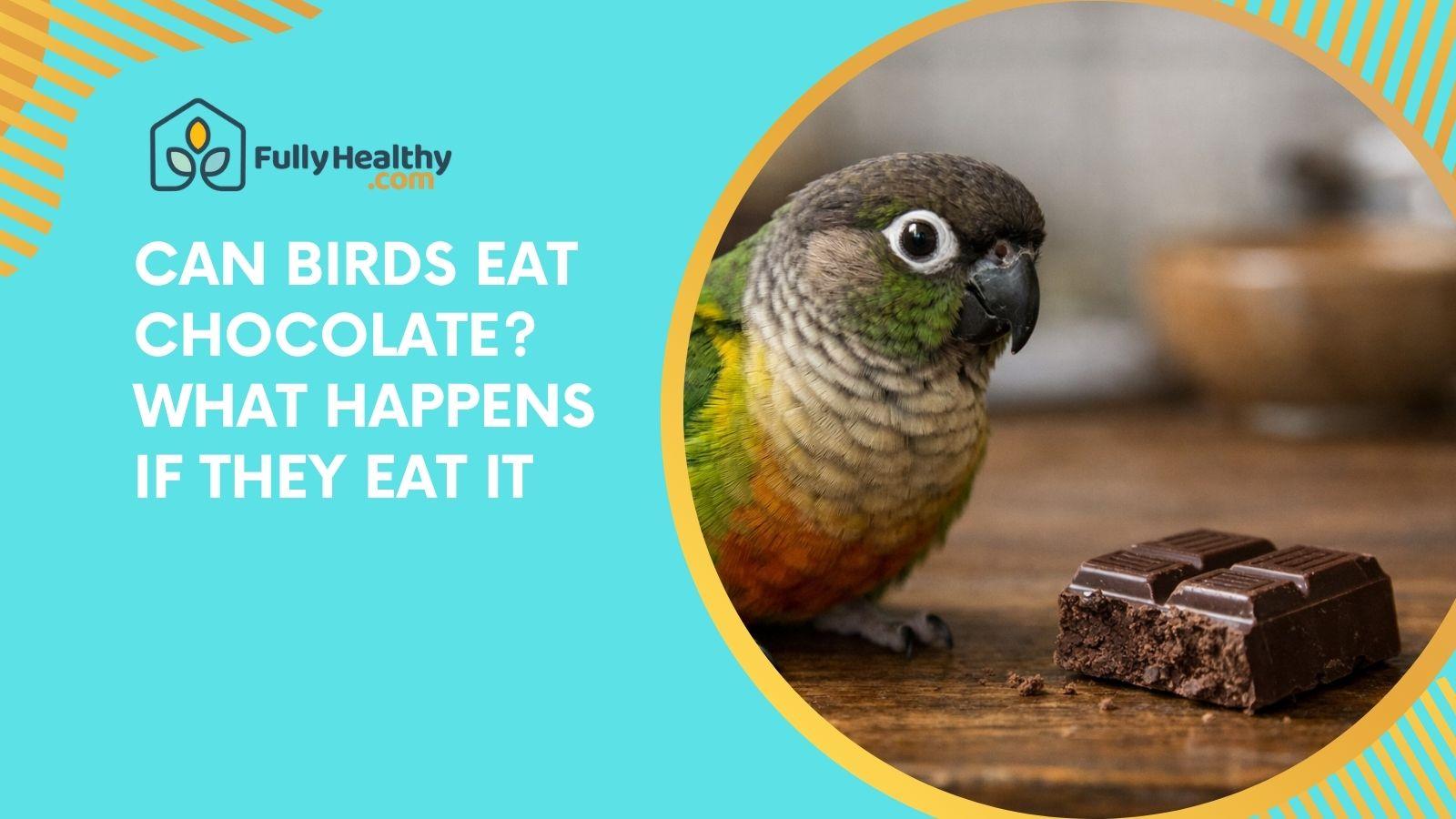
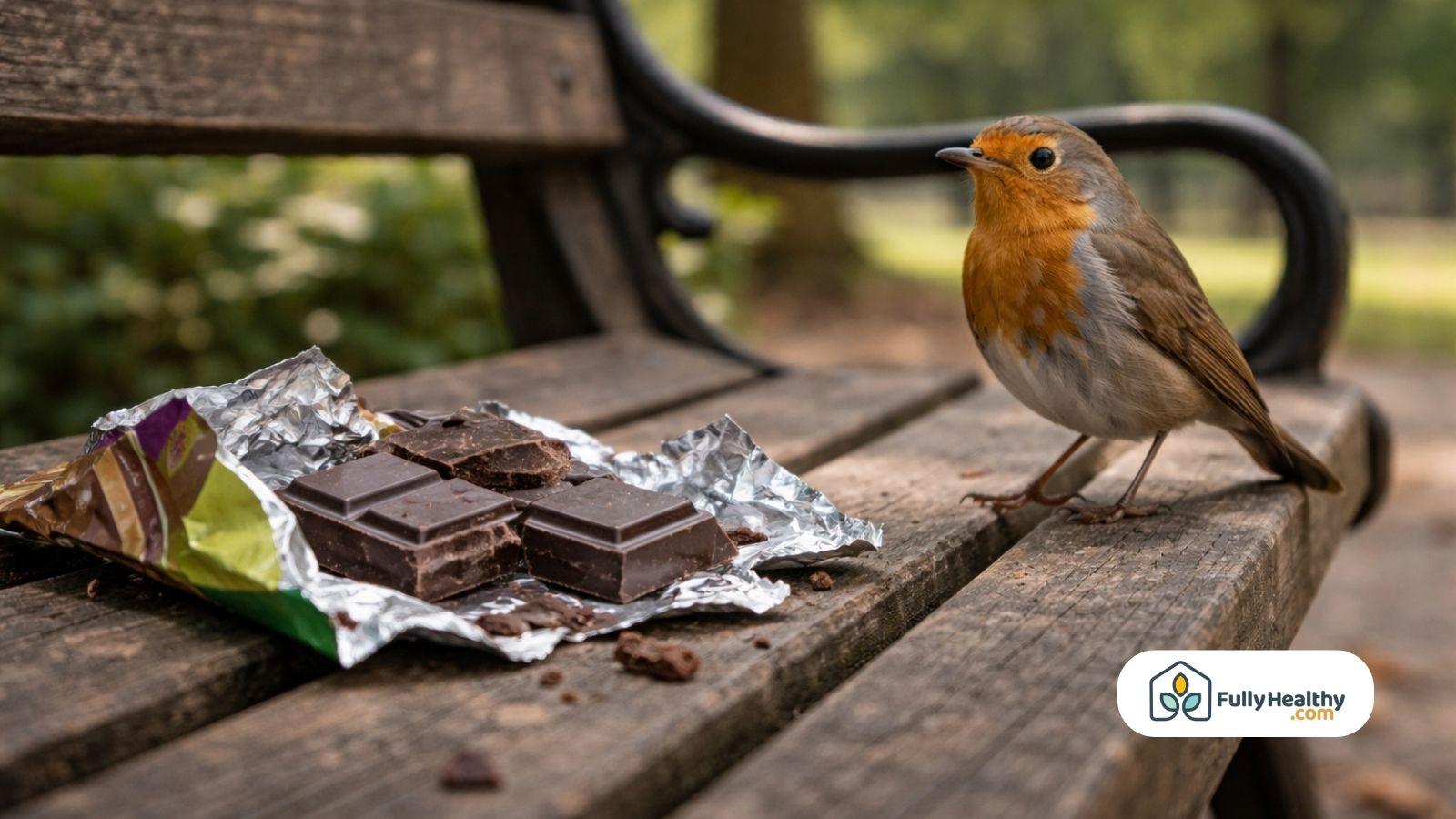
Can birds eat chocolate? Simply put, no. Chocolate is bad for birds because it has theobromine and caffeine in it, which are heart and nervous system poisons. Even a small amount can cause serious illness or death.
This article talks about what foods are safe to eat instead of chocolate and why chocolate is bad for your bird. Being aware of these risks will help you keep both pet birds and wild birds safe.
🍫 Enjoy Classic Cookie Comfort with Rich Chocolate Chips in Every Bite!
Can Birds Eat Chocolate?
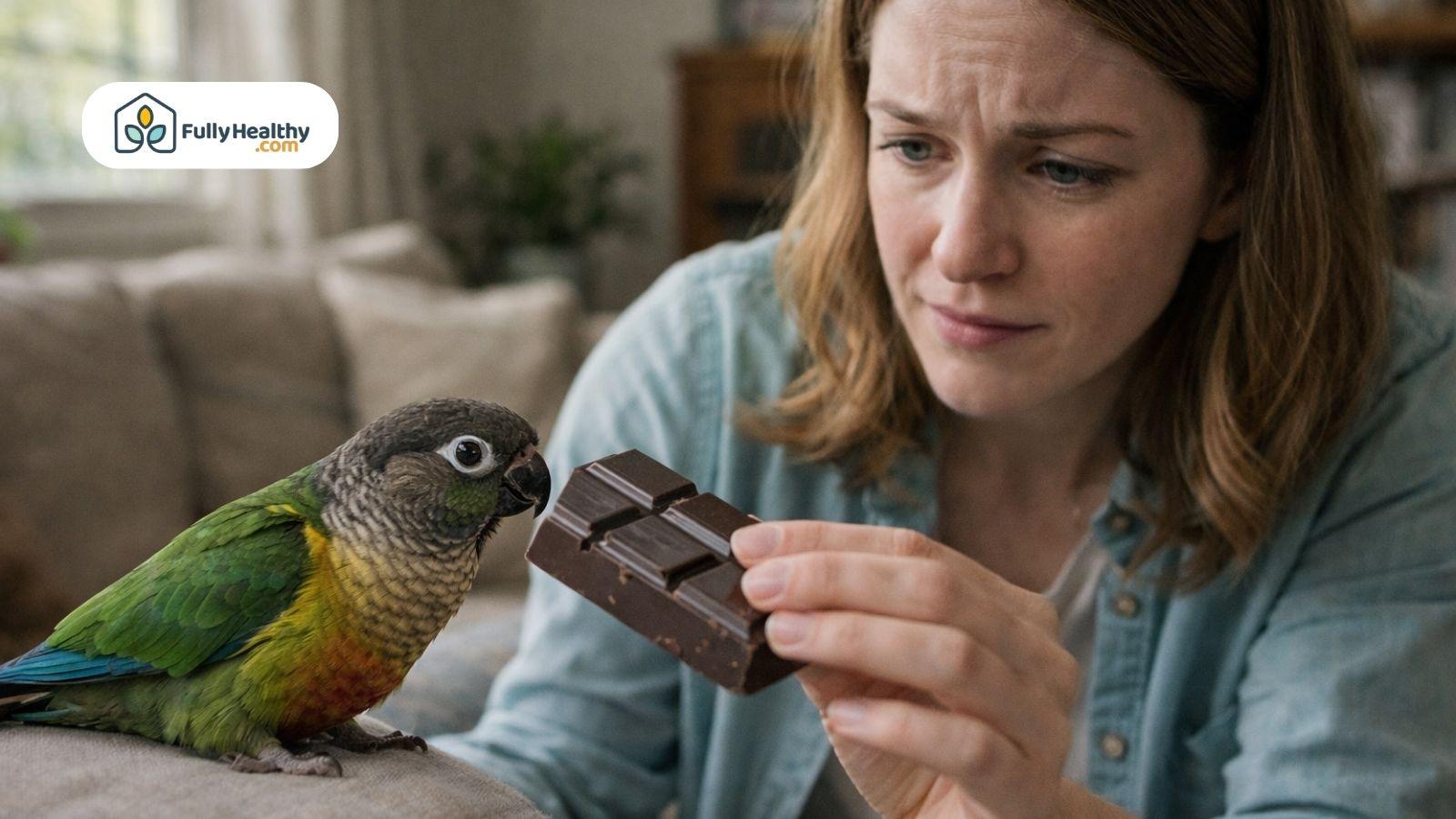
Can birds eat chocolate? The answer is no, and the danger is great for both pet birds and wild birds. Toxic chemicals in chocolate can hurt a bird's heart and nervous system. Even a small amount of chocolate can make a bird sick
There are a lot of people who own birds who think a small treat is plenty. Because birds and animals like dogs process toxins in very different ways, chocolate is bad for their health and lives.
Why Chocolate Is Toxic To Birds
Caffeine and theobromine, which are both found in chocolate, are poisons that most birds can't handle. These chemicals make the body too active, and their effects are felt right away in the brain and heart. Because it has more of these toxins, dark chocolate is more dangerous.
-
Toxic Compounds: Both caffeine and theobromine overstimulate the nervous system and can harm vital organs.
-
Stronger Toxicity: Darker chocolate contains more toxins, which increases the risk of severe reactions.
-
Body Effects: Birds may develop increased heart rate, seizures, and extreme stress shortly after ingestion.
How Even Small Amounts Can Harm Birds
Birds are very sensitive animals, so even a very small amount can make them sick. For people, what looks like a yummy treat or candy can hurt or kill a bird. Most avian chocolate exposures occur accidentally when birds gain access to human foods.
-
Small Body Size: Most birds cannot handle even a tiny bite of chocolate.
-
Quick Symptoms: Quick symptoms can include agitation, hyperactivity, increased heart rate, tremors, regurgitation, diarrhea, and seizures, depending on species and dose.
-
Serious Risk: Without fast treatment, toxicity can become life-threatening.
Is Chocolate Harmful To Wildlife?
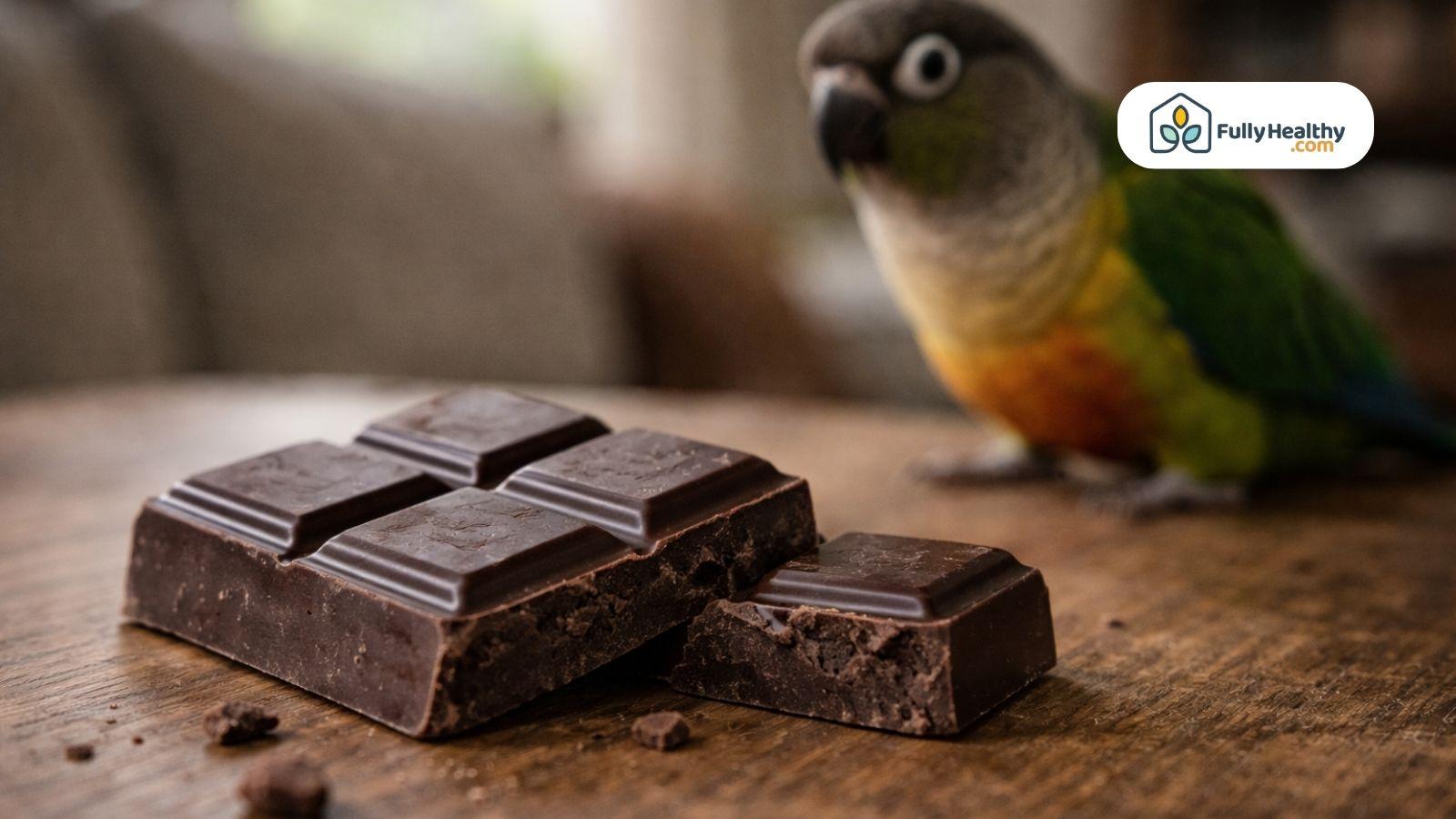
Chocolate is bad for wildlife as well as birds that you keep as pets. Birds that live close to people may eat snacks like soda, chips, or candy that people have left over.
This makes them more likely to be exposed to harmful substances, which raises the risk of health problems. Wildlife can get sick or even die if they are fed the wrong food over time.
Risks Chocolate Poses To Wild Birds
Some wild birds, especially urban-adapted species, may ingest discarded human foods, which can expose them to chocolate and other unsuitable substances. Because of this, they are more likely to eat or drink harmful things like chocolate, coffee, or tea without realizing it.
-
Urban Feeding Habits: Birds may eat human snacks that contain harmful ingredients.
-
Hidden Ingredients: In chocolate-containing foods, the principal toxic risks are theobromine and caffeine; high fat, sugar, and salt may add nutritional or gastrointestinal concerns, but are not the primary acute toxins.
-
Digestive Issues: Toxic foods can cause gastrointestinal irritation and systemic poisoning; neurologic and cardiovascular effects are often the most important acute concerns.
Symptoms Of Chocolate Poisoning In Birds
Birds can be saved if people know the signs early on. Many parts of the body can be poisoned by chocolate, and things can get worse quickly if you don't treat them.
-
Early Signs: Vomiting, diarrhea, and increased heart rate are common symptoms.
-
Severe Reactions: Seizures, weakness, and collapse may happen in advanced cases.
-
Medical Care: A veterinarian may provide fluid therapy and other treatment to support recovery.
Can Magpies Eat Chocolate?
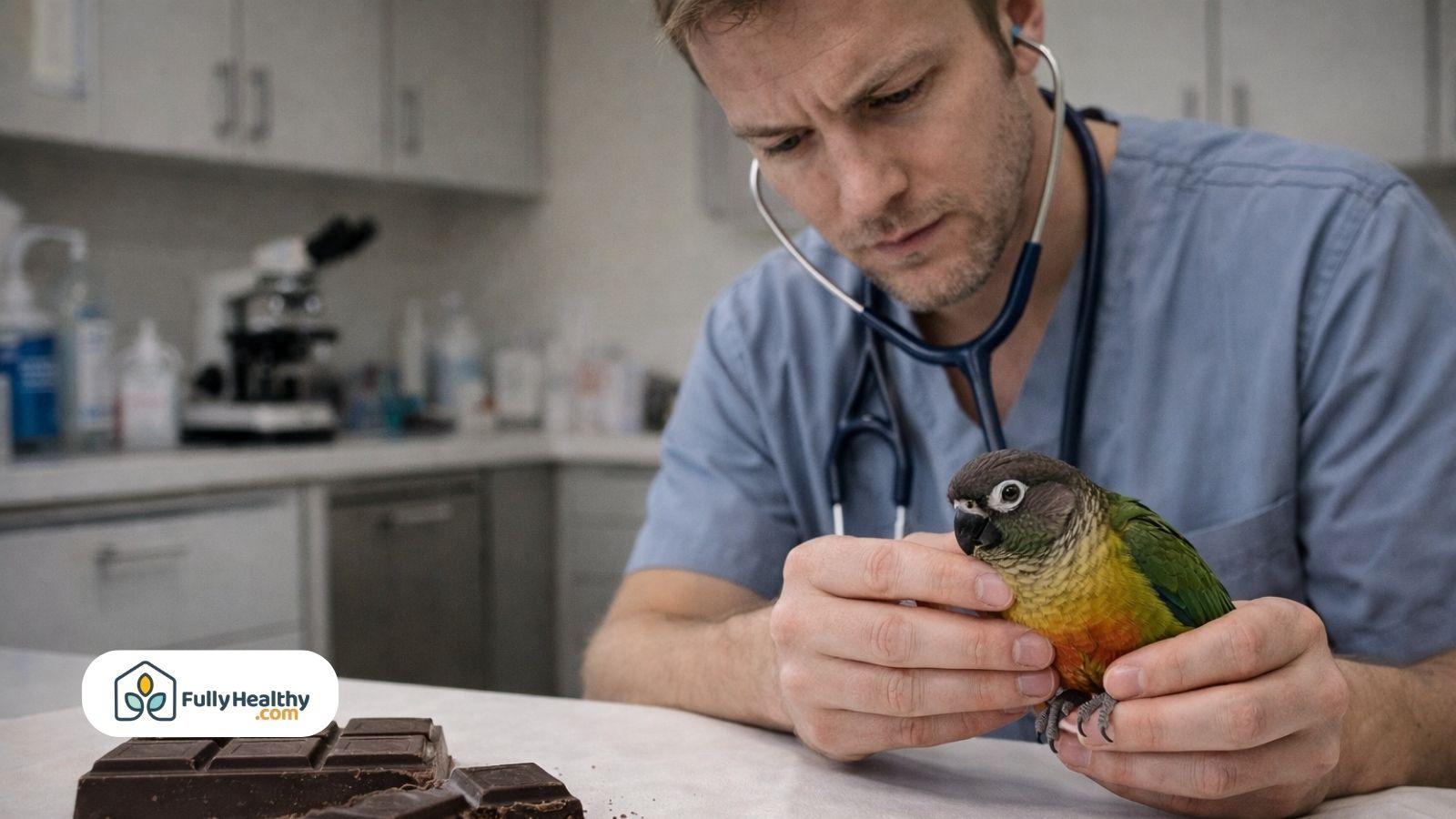
Since magpies are still birds, chocolate can still hurt them. Even though they look strong, chocolate is still bad for them. Magpies can get very sick if you feed them chocolate, so you should never do that.
Why Magpies Are Not An Exception
Chocolate is considered unsafe for all birds, but susceptibility and severity can vary by species, body size, dose, and chocolate type. No matter if it's a parrot or a wild magpie, chocolate is bad for them both.
-
No Natural Protection: Most birds react badly to chocolate ingestion.
-
Same Health Effects: Toxicity causes similar symptoms across different bird species.
-
Common Mistake: Thinking some birds are fine with chocolate can lead to serious trouble.
Safer Food Options For Magpies
Instead of chocolate, give birds foods that are similar to what they would normally eat. They stay healthy and don't have to deal with toxins this way.
-
Healthy Choices: Appropriate foods depend on the bird species; suitable options may include species-appropriate pellets, vegetables, limited fruit, and natural foods consistent with that species’ diet.
-
Foods To Avoid: Stay away from avocado, onions, garlic, and salty snacks.
-
Simple Feeding: Offer natural foods instead of processed human treats to reduce risk.
What Is Most Toxic To Birds?
Lots of things around the house can bother birds a lot. Chocolate is risky, but it's not the only thing that is. A lot of everyday items and foods have toxic substances that can hurt birds quickly.
There are times when birds get sick after eating something bad without their owner noticing. Knowing about these risks can help keep you healthy and lower the chance of an emergency happening.
Common Household Toxins Birds Must Avoid
A lot of things in the kitchen and around the house can kill birds. People don't always think about these risks, especially when children try to feed birds human food. Even a small amount of exposure can be very harmful.
-
Toxic Foods: Chocolate and avocado are well-recognized hazards for birds; onions, garlic, and very salty processed foods are also inappropriate and may be harmful depending on amount and context.
-
Hidden Drinks: Coffee, tea, and soda contain harmful substances that affect a bird’s heart and nerves.
-
Metal Exposure: Lead and zinc found in household items can damage the nervous system.
-
Cookware Danger: Heated nonstick pans release fumes that are deadly to birds.
How Toxicity Varies By Food And Exposure
The amount of poison depends on what the bird ingested, how much it ate, and its size. There are times when symptoms show up quickly and times when they take a while to show up. Waiting can make things worse.
-
Amount Matters: Even a small quantity can be dangerous depending on the toxin.
-
Bird Size: Smaller birds are affected faster and more severely.
-
Delayed Signs: Symptoms may not show right away, which can confuse the owner.
-
Action Point: If poisoning is suspected, contact a vet or veterinarian immediately.
What Does Fully Healthy Offer For Safe Food Alternatives?
Fully Healthy is an online site that helps people choose clean and safe foods. For birds, treat selection should be based on avian veterinary guidance and species-appropriate nutrition rather than human ‘clean ingredient’ products.
Even though it's not made for birds, it shows how important it is to stay away from ingredients that are bad for them. This idea can help bird owners make better decisions and keep animals from eating foods that aren't safe for them.
How FullyHealthy Supports Safer Ingredient Choices
Foods made for people with special diets are available on the platform. These products focus on simple ingredients instead of adding harmful ones. This helps more people understand how to pick safe foods and stay away from dangerous substances.
-
Clean Products: Foods are made without common allergens or harmful additives.
-
Better Awareness: Encourages people to check ingredients before feeding anything.
-
Health Focus: Supports a healthy life by avoiding unsafe substances.
Products That Align With Safer Treat Alternatives
FullyHealthy gives you choices like simple snacks and natural sweeteners. Even though these aren't for birds, they show other options besides candy or chocolate. This helps owners learn how to pick treats in a safer way.
-
Natural Sweeteners: Coconut sugar and maple syrup are less processed than regular sugar.
-
Simple Snacks: Baking mixes and snacks use fewer harmful ingredients.
-
Important Reminder: These products are for humans, not birds, but they show safer food choices.
Final Thoughts
People who own birds should really think about the question "Can birds eat chocolate?" because chocolate poisoning can happen quickly and hurt birds and other animals. The whole guide mentioned risks that show how even a small bite can hurt or kill a bird.
Chocolate and other poisonous foods should never be given to pets. Always choose natural, safe foods instead. To protect your bird, call a vet right away if something goes wrong.
FAQs
How Do I Tell A Parrot I Love You?
You can show love by speaking gently, spending time together, offering healthy treats, and using positive interaction like training and play.
Do Birds Eat Nutella?
No, birds should not eat Nutella because it contains chocolate, sugar, and fats that are harmful to their health.
What Is Poisonous To Pigeons?
Chocolate and caffeine-containing foods are unsafe for pigeons; avocado is also widely considered hazardous, while onions, garlic, and salty processed snacks should be avoided because they may be harmful.
What Is Bird Friendly Chocolate?
Bird Friendly chocolate refers to cocoa grown using methods that protect bird habitats, not chocolate that is safe for birds to eat.
Is Bird Friendly Chocolate Safe For Birds To Eat?
No, even Bird Friendly certified chocolate is still unsafe for birds because it contains theobromine and caffeine.
Leave a comment