

What Is Ghee Made Of? A Clear Guide to Ingredients
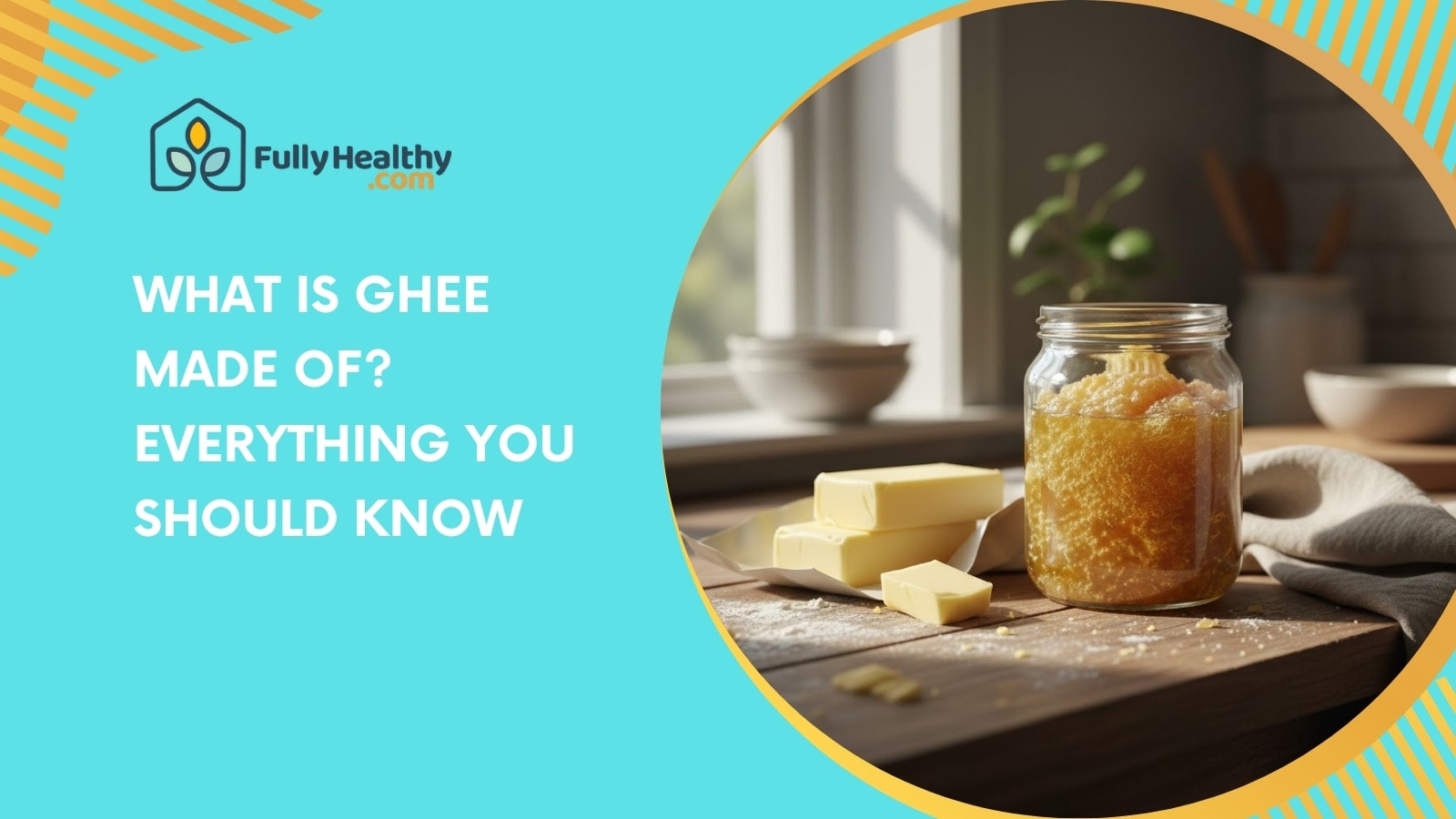
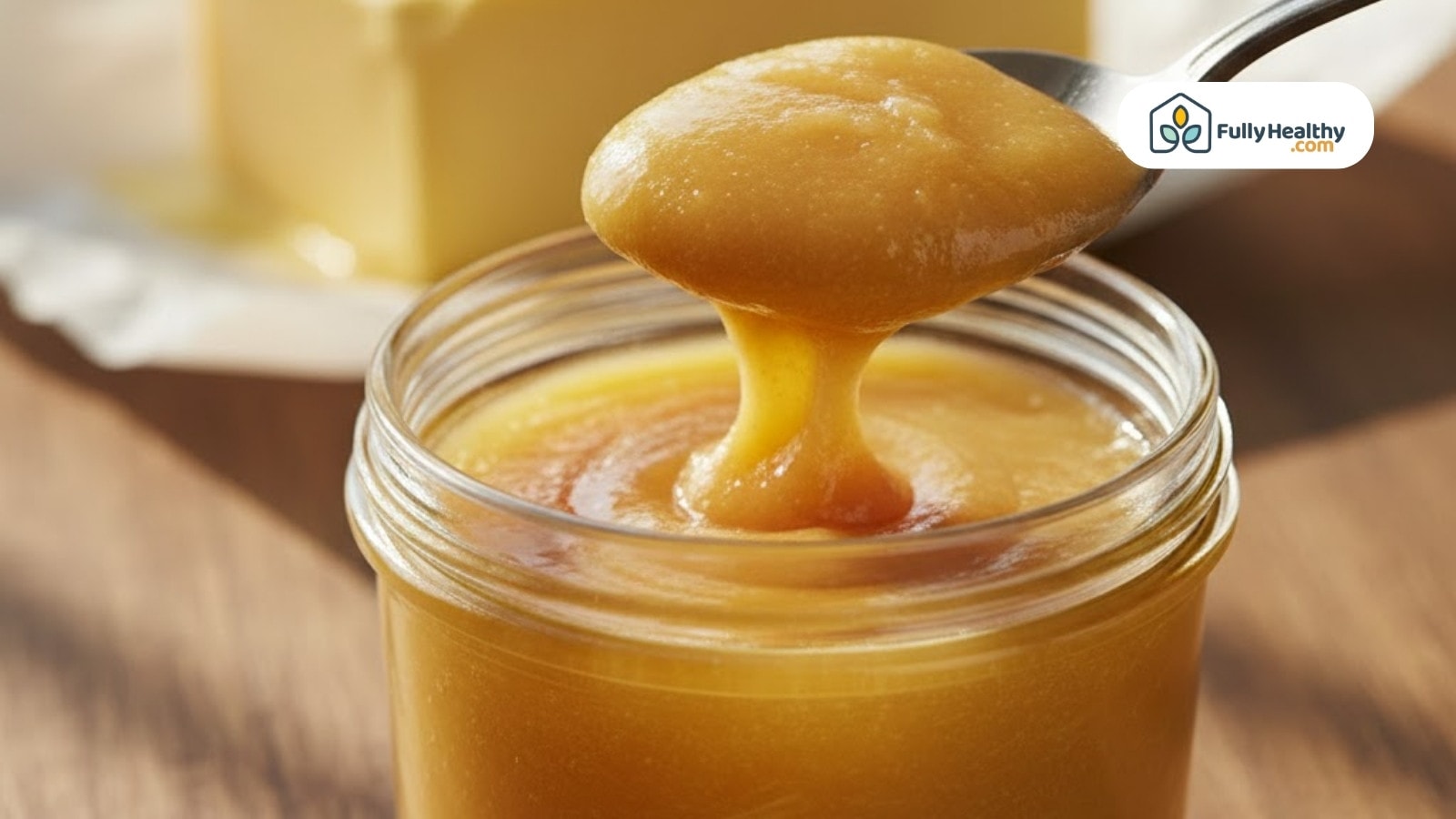
Ghee is a type of clarified butter made by heating butter to remove water and milk solids, leaving almost pure butterfat. Many people ask, what is ghee made of and is it healthier than butter or oil?
Ghee tastes rich and nutty, and it can smoke longer than butter. A lot of Indian cooking and traditional activities use it. This is what you need to know about it.
Featured Pantry Pick
Ahara Rasa // Traditional Ghee
Loading...
What Is Ghee Made Of?
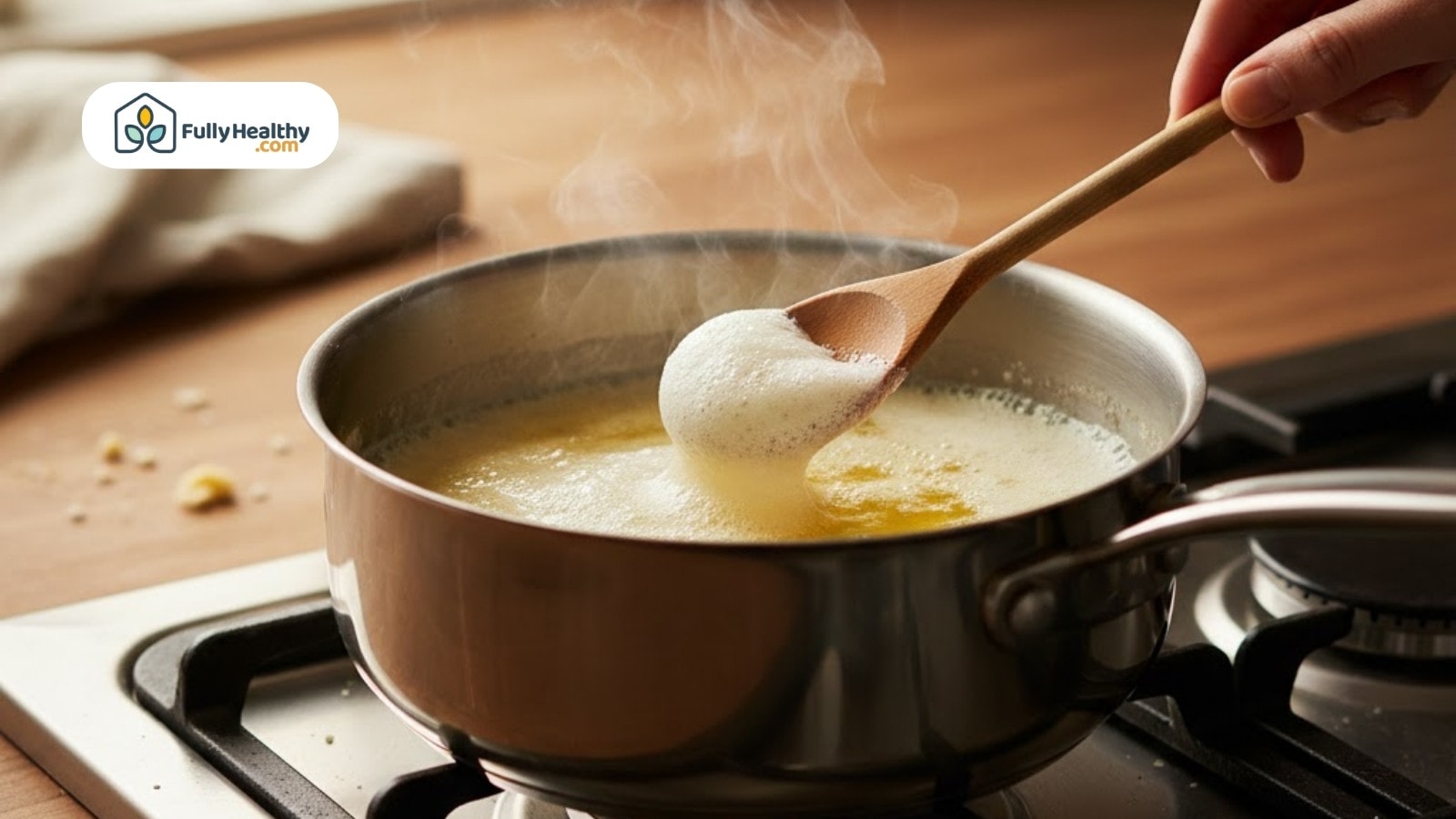
To make ghee clarified butter, slowly heat butter until the water evaporates and the milk solids are separated from the fat. This process takes a long time and makes a golden fat that tastes better than regular butter. Most people use cow's milk butter that isn't salted, and many like grass-fed butter better because it tastes and is better for you.
What Is Ghee Made Of and How Is It Prepared?
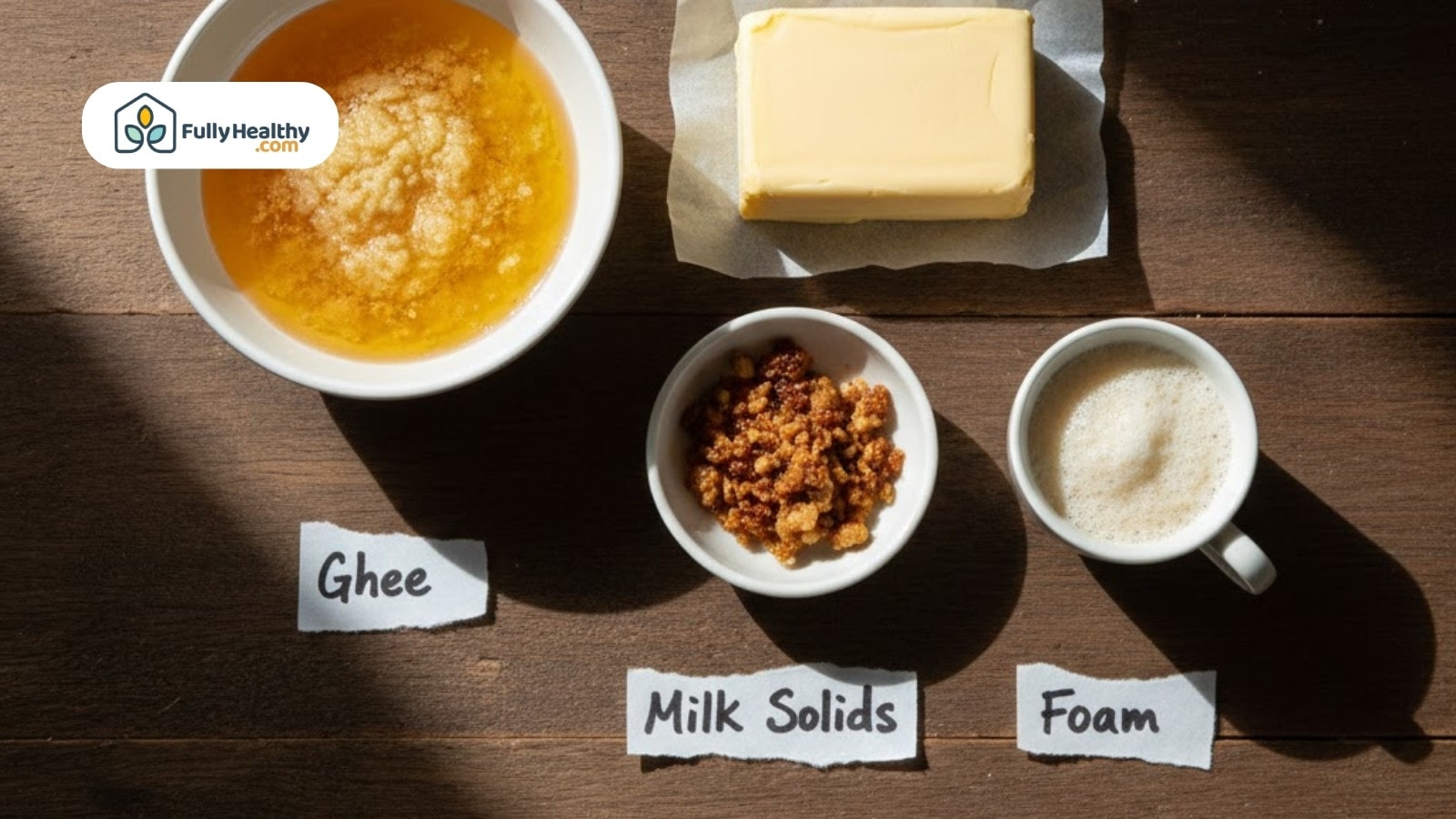
Making clarified butter is easy, but you have to be patient. Start with a butter simmer over medium low heat in a heavy bottomed saucepan. The milk solids separate and sink to the bottom as it cooks. Up at the top is foam, and in the middle is clear fat.
-
Butter choice: Use unsalted butter or cultured butter. Grass fed butter is often chosen for richer taste and better quality fat.
-
Cooking method: Keep the heat at low heat so the browned milk solids do not burn. Slow cooking helps develop a deeper flavor.
-
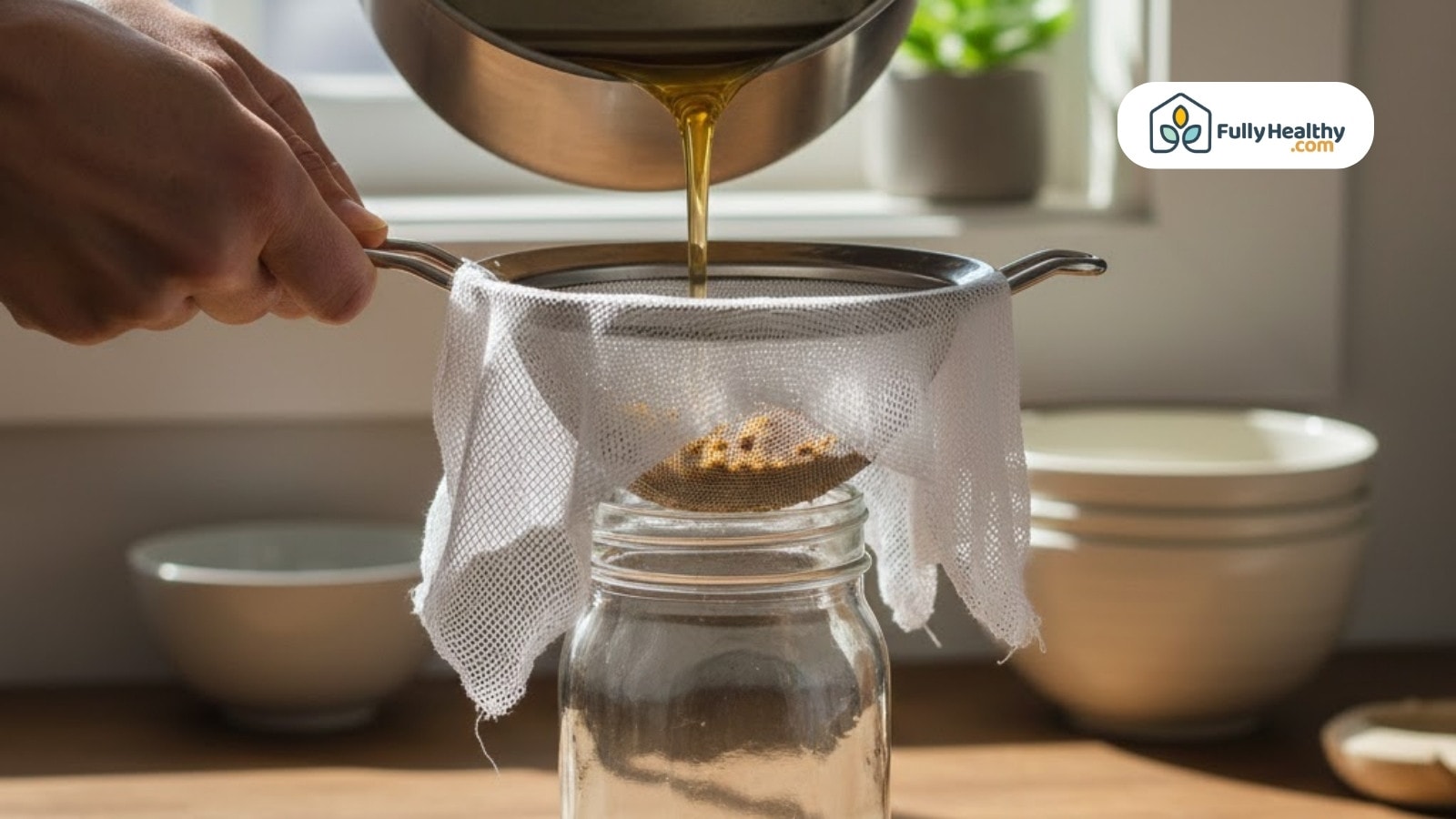
Straining process: Once the milk solids removed and browned solids settle, strain the liquid through a coffee filter for clean, pure ghee.
-
Final result: You get pure ghee that is shelf stable when stored in a sealed jar away from moisture.
Some people confuse it with brown butter. The difference is that brown butter keeps the browned solids, while ghee removes them fully.
Nutritional Composition of Ghee (Clarified Butter) Explained
Ghee is mostly fat since the solids and water have been taken out. Butter and ghee both have saturated fat and vitamins A, E, and K that dissolve in fat. Ghee has very little lactose because the milk solids have been taken out.
-
Fat content: More concentrated than regular butter because the water is removed.
-
Lactose level: Very low, which may help people with lactose intolerance, though it is not dairy free.
-
Flavor profile: The buttery flavor becomes stronger due to slowly cooked browned milk solids.
Is Ghee More Healthy Than Butter?
Both ghee and butter come from the same base ingredient, so their nutrition is very similar. The main differences come from moisture content, lactose level, and cooking performance. Ghee is more concentrated, but that does not automatically make it healthier.
Nutritional Differences Between Ghee and Butter
When you compare both ghee and regular butter, the calorie and fat content are close. However, ghee has slightly more fat per spoon because it has no water.
-
Calorie density: Ghee is slightly higher in calories due to its pure fat content.
-
Dairy sensitivities: Some people with dairy sensitivities tolerate ghee better, but it is not safe for milk allergies.
-
Moderation advice: Both ghee and butter should be used in small amounts as part of a balanced diet.
Which Is Better for Cooking and Digestion?
Ghee performs better in high heat cooking because it does not burn as fast as regular butter. The absence of milk solids helps it stay stable at higher temperatures.
-
Smoke point: Higher than butter, making it a reliable cooking oil for frying and sautéing.
-
Kitchen use: Works well in baking recipes when a recipe calls for melted butter but you want a richer taste.
-
Storage benefit: More shelf stable than butter, especially in warm climates.
Why Do Indians Use Ghee and Not Butter?
Ghee has been part of Indian life for centuries. It is used in daily meals, special dishes, and religious rituals. Before refrigeration, its shelf stable nature made it more practical than regular butter.
Cultural and Religious Significance of Ghee in India
Pure ghee holds strong cultural value. Many families still prepare homemade ghee from fresh butter.
-
Traditional role: Used in religious ceremonies and festive foods.
-
Homemade practice: Families often make ghee at home using simple methods.
-
Cultural trust: Seen as nourishing and important in many recipes.
Practical Cooking Advantages in Indian Cuisine
Indian cooking often involves heating spices in hot fat. Ghee works well for this method and gives food a deeper flavor.
-
High heat cooking: Ideal for frying spices without burning them.
-
Flavor strength: Adds rich, buttery flavor without extra moisture.
-
Alternative fats: While some use olive oil, coconut oil, avocado oil, or other vegetable oils, many still prefer ghee for tradition and taste.
Is Ghee Healthy Than Oil?
Many people compare ghee with modern cooking oils to decide which is better. The truth is, it depends on the type of oil and how you cook. There is a big difference between traditional fats and highly processed vegetable oils. Ghee is made from dairy products, while oils come from plants.
Comparing Ghee With Refined and Natural Oils
When you heat butter to make your own ghee, all the water boils away, leaving pure fat behind. Oils do not go through this same process. This changes how they behave in the kitchen.
-
Fat structure: Ghee is rich in saturated fat, while olive oil and avocado oil contain more unsaturated fats that are often linked to heart health.
-
Processing level: Some vegetable oils are highly refined, while extra virgin olive oil is less processed and keeps more natural compounds.
-
Milk components: Ghee contains only trace amounts of lactose and casein, but it is not fully lactose free.
-
Heat performance: Ghee stays stable during high-heat cooking and can help prevent burning compared to some oils.
Your choice should match your health needs and cooking habits.
Which Cooking Fat Is Best for Your Diet?
There is no single “best” fat. It depends on how you plan to use it. For frying or sautéing, ghee works well. For cold dishes, certain oils may be better. Store ghee in a sealed glass jar at room temperature, away from moisture and direct heat.
-
High-heat use: Ghee remains stable and does not break down quickly at higher temperatures.
-
Cold applications: Olive oil is ideal for dressings and finishing dishes.
-
Balanced approach: Rotating between ghee and plant oils can create a more varied fat intake.
FullyHealthy: Where to Find Quality Cooking Fats and Pantry Staples
Choosing high-quality fats makes a real difference in taste and nutrition. FullyHealthy is an online store that offers carefully selected pantry items. It focuses on products that support different eating styles.
Clean Pantry Options Available at FullyHealthy
FullyHealthy carries cooking fats and spreads that fit everyday meals and special diets.
-
Artisana Raw Cashew Butter: A simple nut butter made for spreading, blending, or adding to a great recipe.
-
Primal Kitchen Avocado Oil: A neutral oil suitable for sautéing and roasting.
-
Graza Sizzle Extra Virgin Olive Oil: Designed for cooking, with a flavor that works in many dishes.
These products give options whether you prefer ghee or plant-based fats.
How FullyHealthy Supports Specialized Diets
Many shoppers want better choices than common methods found in regular stores. FullyHealthy makes it easier to find trusted brands in one place.
-
Diet variety: Offers options for people limiting certain dairy products or exploring lactose free alternatives.
-
Recipe flexibility: Helps you switch between ghee and oils depending on the dish.
-
Recognized quality: Some featured brands are mentioned in publications like bon appétit and the washington post.
Final Thoughts
Ghee is simple, traditional, and practical. It is made by heating butter in a pot until the milk solids separate and you skim them off. As the water evaporates, the fat becomes clear and flavorful. If the heat is too high, you might even trigger a smoke alarm, so slow cooking matters.
Ghee works well for frying, roasting, and everyday meals. It lasts longer than regular butter and adds rich taste to food. While it is still a fat and should be used in moderation, it can fit into a balanced diet. Choosing quality ingredients and cooking carefully helps you get the best results in your kitchen.
FAQs
What happens if I heat ghee too much in a pot?
If you overheat it in a pot, it can burn, and heavy smoke may even set off a smoke alarm.
Do I need to skim anything when making ghee?
Yes, you should skim the foam and browned milk solids from the top for clear ghee.
Why is my smoke alarm going off while making ghee?
Your smoke alarm may go off if the heat is too high and the milk solids start to burn.
Can I use any pot to make ghee?
Use a heavy pot to control heat better and make it easier to skim impurities.
Can I use ghee for frying?
Yes, ghee’s high smoke point makes it suitable for high-heat cooking like frying.
Leave a comment