

How to Feed Sourdough Starter the Right Way Every Time
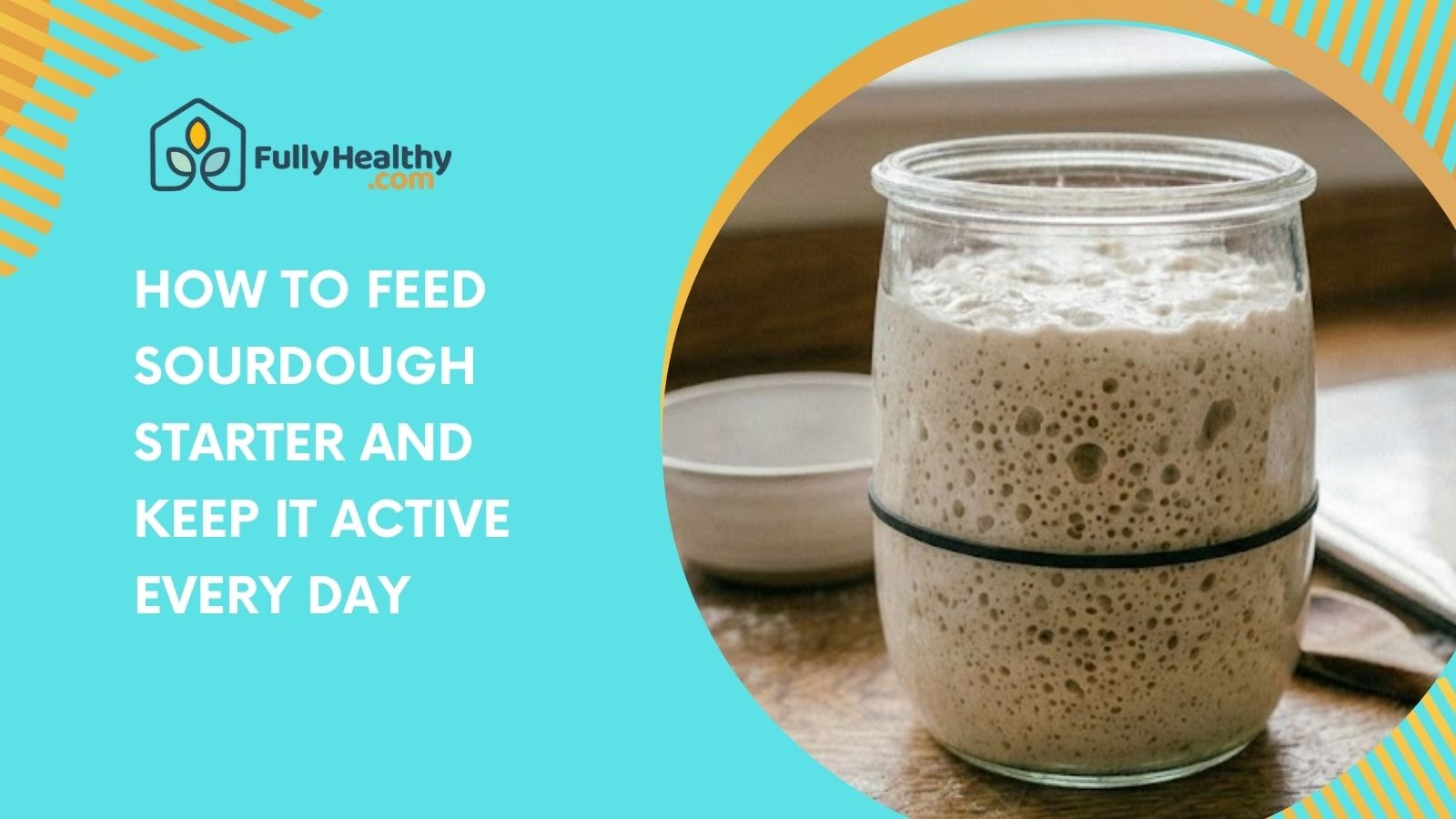
If you want better bread, you need to know how to feed sourdough starter the right way. When you know the right ratio, timing, water temperature, and mixing method, it's easy to feed your sourdough starter.
This article explains exactly how to keep your starter strong, active, and ready to bake sourdough bread without confusion or guesswork.
Featured Pantry Pick
Base Culture // Gluten Free Sourdough Bread - 16 oz
Loading...
How Should I Feed My Sourdough Starter?

A consistent routine keeps your sourdough starter strong and predictable for sourdough baking. Knowing how to feed sourdough starter properly helps you bake sourdough bread with better structure and flavor.
Understanding Feeding Ratios and Timing
A healthy starter needs equal parts flour and water to stay balanced and active. Most bakers use a 1:1:1 feeding ratio by weight, meaning the same amount of starter, flour, and water during feeding sourdough starter.
-
Feeding Ratio: Use equal parts starter, flour and water for an established starter.
-
Discard Step: Discard half before you feed to prevent excess acidity and control how much starter builds up.
-
Room Temperature: Keep a room temperature starter on a daily feeding schedule in a warm spot.
-
Refrigerated Starter: Store a starter in the fridge and feed weekly if you bake less often.
-
Hydration: Hydration refers to the balance of flour and water in your sourdough starter.
Step-By-Step Process for Consistent Rise
It's easy to feed them if you follow the steps step by step and use a clean jar. A strong routine helps keep the sourdough starter active and the starter rise steady.
-
Clean Jar: Use a separate jar or transfer to a clean jar before each feed.
-
Simply Discard: Simply discard sourdough starter so you keep only how much starter you need.
-
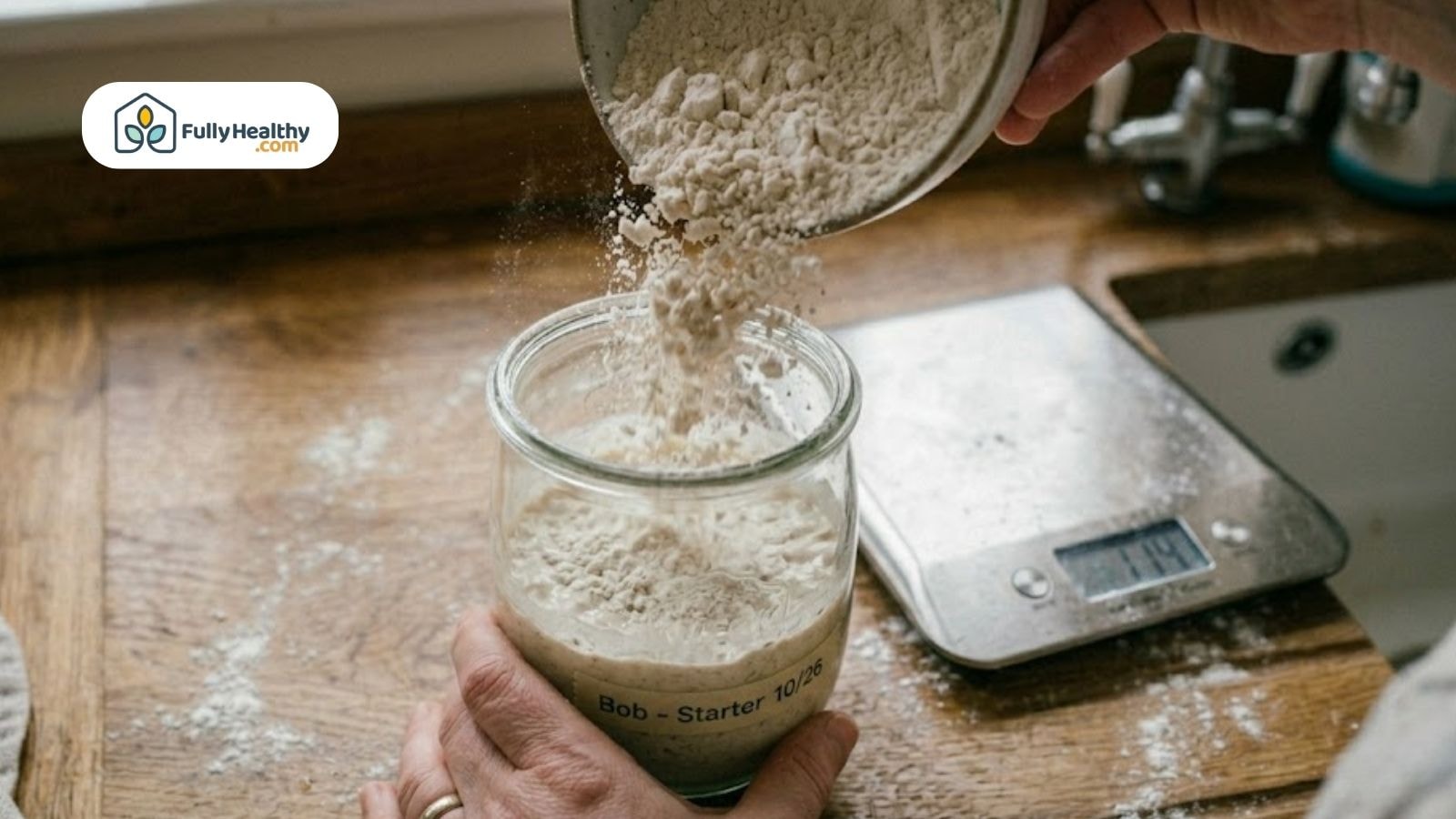
Add Flour and Water: Add the same amount of flour and water using your feeding ratio.
-
Stir Thoroughly: Stir until no dry flour remains and texture looks smooth.
-
Warm Spot: Leave at room temperature water warmth for a few hours until doubled.
Do You Mix Your Starter When You Feed It?
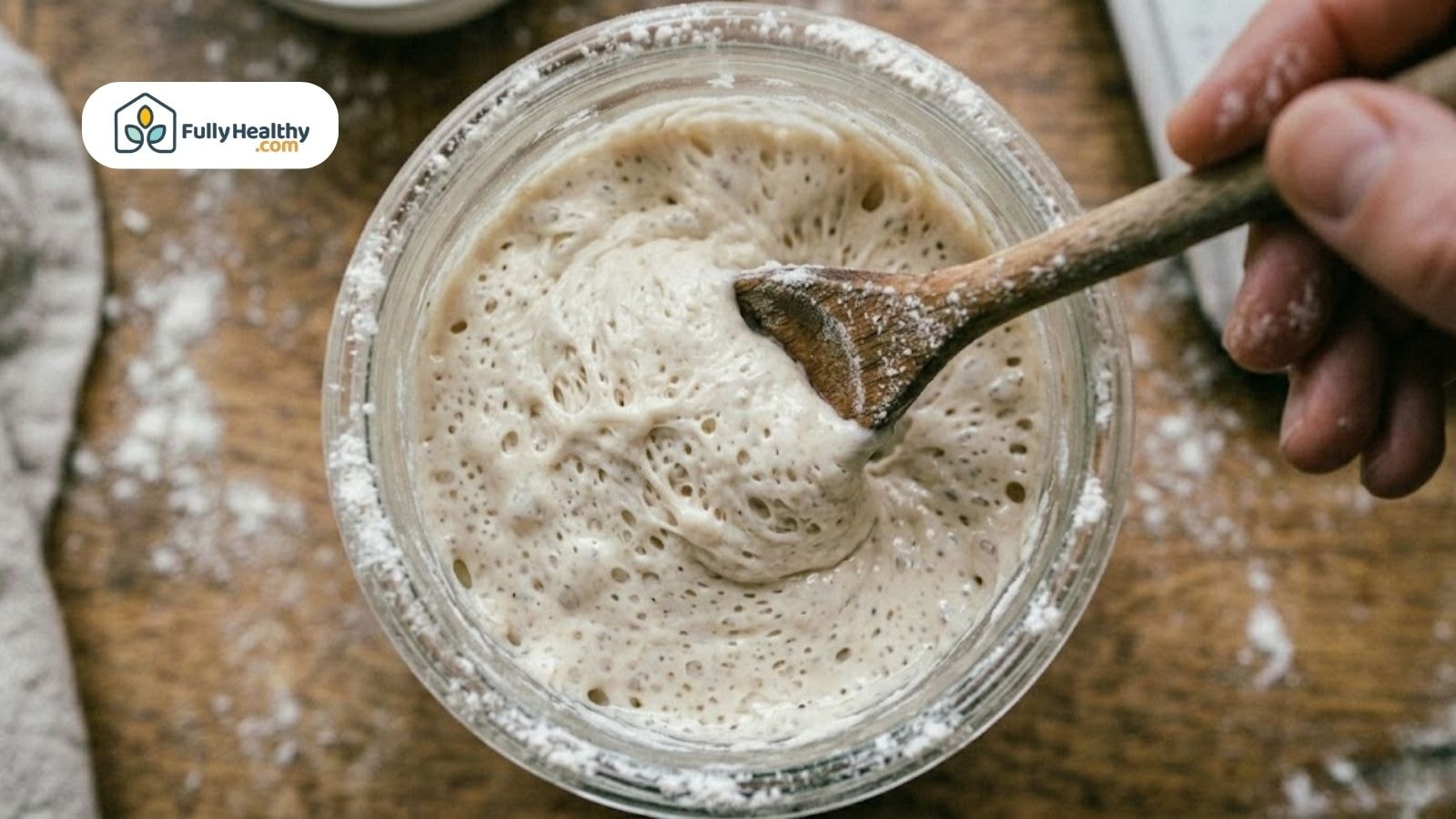
How evenly your sourdough starter ferments depends on how much you mix it. A healthy starter that is ready to bake bread needs to be stirred in the right way.
Why Thorough Mixing Matters
When you fully mix flour and water, the yeast and bacteria are spread out evenly in the starter that you already have. This helps the fermentation and activity to happen consistently.
-
Even Distribution: Stirring prevents dry pockets of flour.
-
Consistent Rise: A well mixed starter rise is more predictable.
-
Healthy Starter: Proper mixing keeps your healthy starter balanced.
-
Stronger Bake: Even fermentation improves how you bake sourdough bread.
-
Reliable Feed: Consistent mixing strengthens your feeding schedule.
Proper Mixing Technique Without Overworking
There's no need to be rough. Just stir until everything is smooth and mixed. When baking sourdough, it's fine to stir slowly.
-
Simple Stir: Use a spoon to stir until flour and water combine fully.
-
Texture Check: The mixture should resemble thick batter.
-
Avoid Overmixing: Too much whipping is unnecessary for sourdough.
-
Adjust Consistency: Add more flour or water if needed.
-
Monitor Activity: A properly stirred starter active culture becomes bubbly within a few hours.
What Does Overfed Starter Look Like?
If you feed your sourdough starter too much, it can upset the balance of microbes in it. If you know what the signs are, you can fix the problem before you bake.
Signs of Dilution and Weak Fermentation
It might take longer for the starter to reach full activity if the feed ratio is very high, since microbes need time to repopulate the new mixture. This makes the fermentation go more slowly and lowers the lift.
-
Slow Starter Rise: The starter takes longer than expected to double.
-
Thin Texture: The mixture looks watery instead of elastic.
-
Few Bubbles: Surface activity appears limited.
-
Flat Smell: Aroma lacks the tangy scent of active sourdough starter.
-
Float Test Failure: The starter floats test may not succeed.
How to Fix a Sluggish or Overfed Starter
To fix an imbalance, you need to be patient and make small changes. When feeding starts to stay the same, stability returns.
-
Reduce Feeding: Use less fresh flour and allow longer fermentation.
-
Warm Spot: Keep the starter in a warm spot during cooler months.
-
Skip Extra Feeds: Give the starter left time to recover before the next feed.
-
Use Strong Flour: Bread flour or rye flour can boost activity.
-
Stay Consistent: Maintain the same amount at each feeding ratio.
Do I Add Warm or Cold Water to My Sourdough Starter?
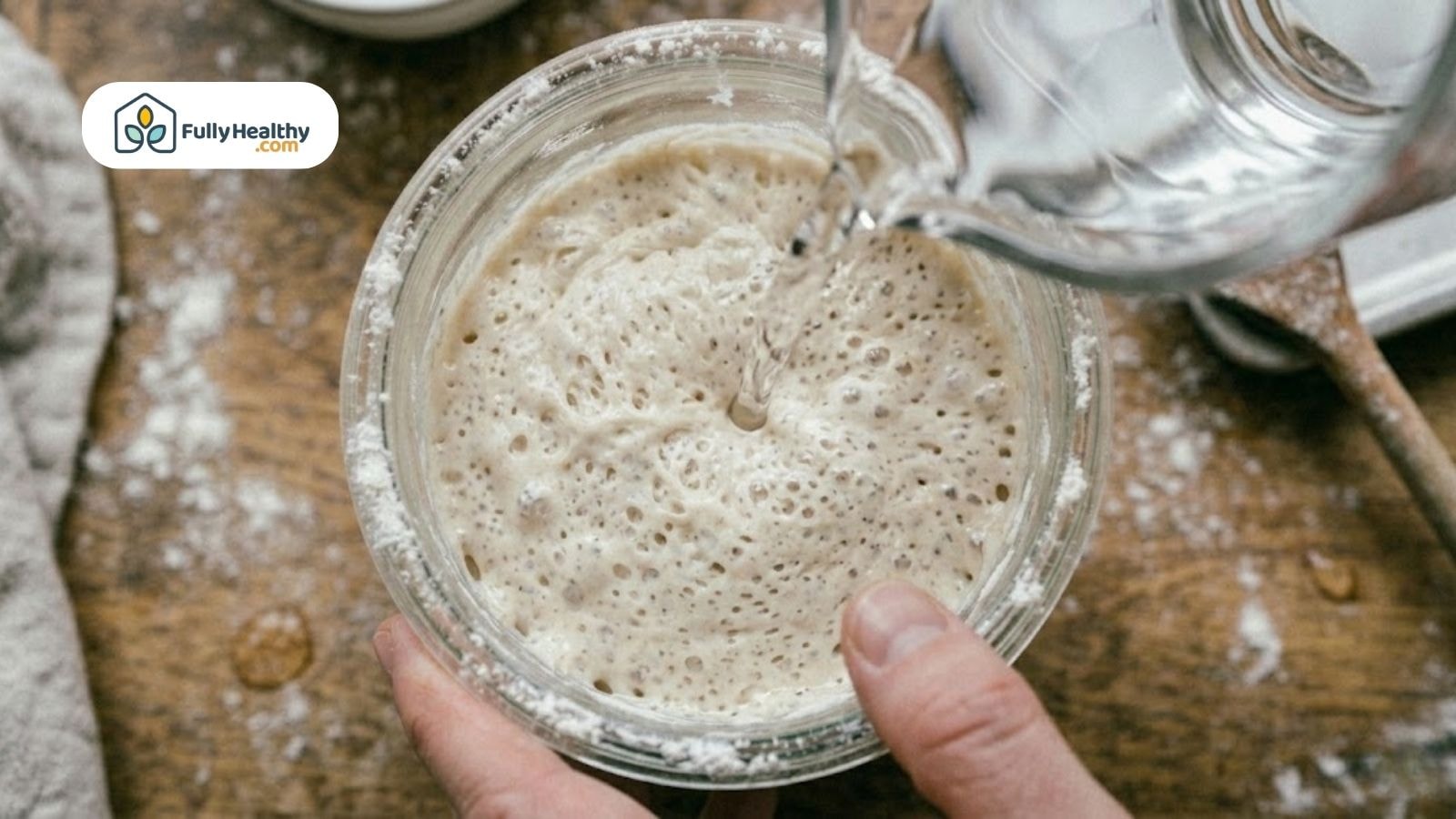
Water temperature directly impacts fermentation speed. Adjusting it helps manage timing and control.
Ideal Water Temperature for Fermentation
Yeast grows steadily in lukewarm water that doesn't hurt the culture. With room temperature water, most kitchens work well.
-
Lukewarm Water: Aim for moderate warmth to support fermentation.
-
Avoid Hot Water: Excess heat can damage your starter recipe.
-
Tap Water: Tap water is generally suitable, though highly chlorinated water may inhibit fermentation.
-
Spring Water: Some bakers prefer bottled water or spring water.
-
Cold Starter: A cold starter from the fridge needs time to warm.
When Cooler Water May Be Useful
Cooler water slows activity in warm kitchens. This helps prevent overproofing before you bake.
-
Hot Weather Control: Use cooler water during summer months.
-
Refrigerated Starter: A starter in the fridge benefits from gradual warming.
-
Flexible Feed: Adjust water temperature based on baking timing.
-
Consistent Routine: Maintain predictable fermentation with small changes.
-
Better Bread: Temperature control supports better sourdough bread results.
About FullyHealthy
FullyHealthy supports people who value clean ingredients and thoughtful preparation. The brand aligns with home cooks who appreciate quality bread and sourdough traditions.
Our Commitment to Quality Ingredients
FullyHealthy focuses on ingredient transparency and careful sourcing. This approach appeals to readers who value whole wheat and real flour products.
-
Careful Sourcing: Products avoid unnecessary additives.
-
Allergen Conscious: Many items support restricted diets.
-
Clean Labels: Ingredients are clearly listed.
-
Trusted Brand: Customers appreciate consistency.
-
Bread Options: Choices complement sourdough baking lifestyles.
Featured Product: Base Culture Gluten-Free Sourdough Bread
Base Culture gluten-free sourdough bread offers traditional flavor without wheat flour. It provides convenience for those not ready to maintain a new starter.
-
Gluten Free: Made without conventional purpose flour.
-
Ready to Bake: Simplifies baking without managing starter.
-
Traditional Taste: Designed to resemble classic sourdough bread.
-
Convenient Choice: Helpful alternative for busy households.
-
Accessible Option: Supports those who want bread without maintaining starter in the fridge.
Final Thoughts
Everything about sourdough is easier when you keep things simple, from sourdough bread recipes to how to deal with sourdough waste. If you need to, use measuring cups to get the right amount of whole wheat flour, organic all-purpose flour, or unbleached all-purpose flour.
Be sure to keep your starter jar clean, label it with a rubber band, and feed it at the right time each day before you start baking with parchment paper. Don't change anything, feed your starter, and keep learning as you bake.
FAQs
Can I feed my starter in the same jar?
Yes, you can feed my starter in the same starter jar as long as you keep it clean, scrape down the sides, and mark the rise with a rubber band to track an active starter.
What are signs of a bad starter?
A bad starter smells rotten, shows mold, lacks bubbles, and fails to rise even after you feed starter with whole wheat flour or organic all purpose flour.
How many days in a row can I feed my sourdough starter?
You can feed your starter daily for several days in a row to strengthen an active starter before you start baking sourdough bread recipes.
How to tell if your sourdough is hungry?
Your sourdough is hungry when it looks flat, smells sharp, has liquid on top, and needs fresh flour and water in the starter jar.
Does floating dough mean it's ready?
If the starter floats in water after feeding sourdough discard adjustments, it often means the active starter is ready to use for sourdough bread recipes.
Leave a comment