

Is Cassava Flour Gluten-Free? What’s Really in Your Flour
Is cassava flour gluten-free? Yes, pure cassava flour is naturally gluten-free because it comes from cassava root, not wheat or other gluten-containing grains. It is also grain-free and works in many cooking and baking recipes. Keep reading to learn how cassava flour compares, how to use it, and what to look for when buying.
Is Cassava Flour Gluten-Free?
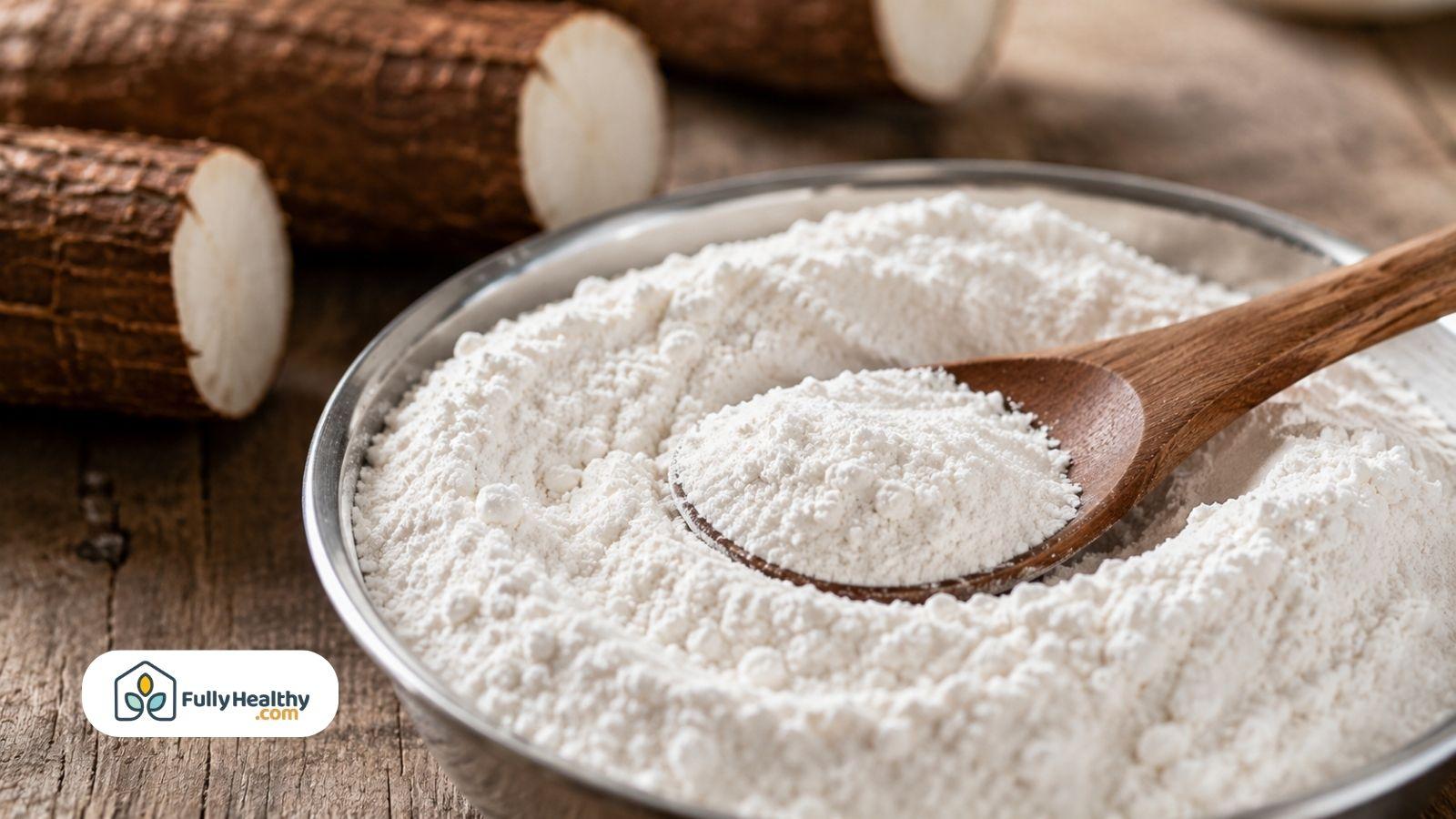
Yes, cassava flour is gluten-free. Pure cassava flour is made from cassava root, a starchy root vegetable rather than wheat, barley, or rye, so it naturally contains no gluten.
Why Cassava Flour Contains No Gluten
Cassava flour is made by processing the edible root of the cassava plant into flour. The cassava root is generally peeled, dried, and milled into a fine powder, giving this versatile gluten-free flour characteristics closer to regular flour than isolated starch.
-
Plant source: Cassava is a starchy tuber native to South America and has become a staple food and staple crop across tropical regions.
-
Not a grain: Unlike wheat flour, regular wheat flour, and traditional wheat flour, cassava comes from a root vegetable and is naturally grain-free.
-
Appearance: Cassava flour typically has an off-white color and mild flavor that works in sweet and savory recipes.
-
Other names: Cassava is also called manioc, so manioc flour can refer to flour produced from this same plant.
-
Processing: Using more of the whole tubular root makes cassava flour different from products containing only extracted cassava starch.
Cassava Flour for Gluten-Free and Grain-Free Diets
Cassava flour is gluten-free, grain-free, and naturally nut-free when made only from cassava. These characteristics make it useful for gluten-free baking and paleo baking, particularly for people seeking alternatives to grain- or nut-based flours.
-
Diet options: Cassava can serve as a grain-free flour or paleo flour without relying on almond flour or coconut flour.
-
Nutrition: Cassava flour is very rich in carbohydrates, but its exact carbohydrate, fiber, sugar, and vitamin C content varies by product and processing method.
-
Resistant starch: Cassava flour can contain resistant starch, which resists digestion in the small intestine and is fermented by gut bacteria.
-
Flour choices: Other gluten-free flours, including almond flour, coconut flour, and arrowroot flour, have different nutritional and cooking properties.
-
Overall diet: Potential health benefits should be considered alongside foods supplying protein, healthy fats, fiber, and other essential nutrients.
Is All Cassava Flour Safe for a Gluten-Free Diet?
No, not every cassava flour product is automatically suitable for someone who must strictly avoid gluten. Cassava is naturally gluten-free, but cross-contact during manufacturing can be a concern.
Cross-Contact and Gluten-Free Labels
Cross-contact happens when a gluten-free food comes into contact with wheat or another source of gluten during production. Checking the package for gluten-free labeling or certification can help when choosing cassava flour.
-
Gluten-free label: Look for products clearly labeled gluten-free when strict gluten avoidance is necessary.
-
Shared facilities: Manufacturing practices vary, so check the package for relevant processing or facility information.
-
Certification: Otto’s Naturals Cassava Flour sold by FullyHealthy is listed as Gluten-Free Certified.
-
Flour blends: Check baking mixes carefully because they can contain several ingredients besides cassava flour.
Cassava Flour Safety and Storage
Cassava flour should be properly processed and cooked before eating because cassava in its raw form naturally contains compounds called cyanogenic glycosides. Commercial cassava flour is processed before sale, while normal cooking or baking provides another reason not to eat the flour raw.
-
Proper preparation: Use cassava flour in cooked or baked recipes instead of eating raw flour or dough.
-
Storage: Keep the flour sealed in a cool, dry place to protect it from heat and moisture.
-
Shelf life: Bob's Red Mill states that cassava flour can have a shelf life of up to two years when stored properly.
-
Package directions: Follow the storage and preparation instructions provided by the manufacturer.
Is Cassava Flour Different From Other Gluten-Free Flours?
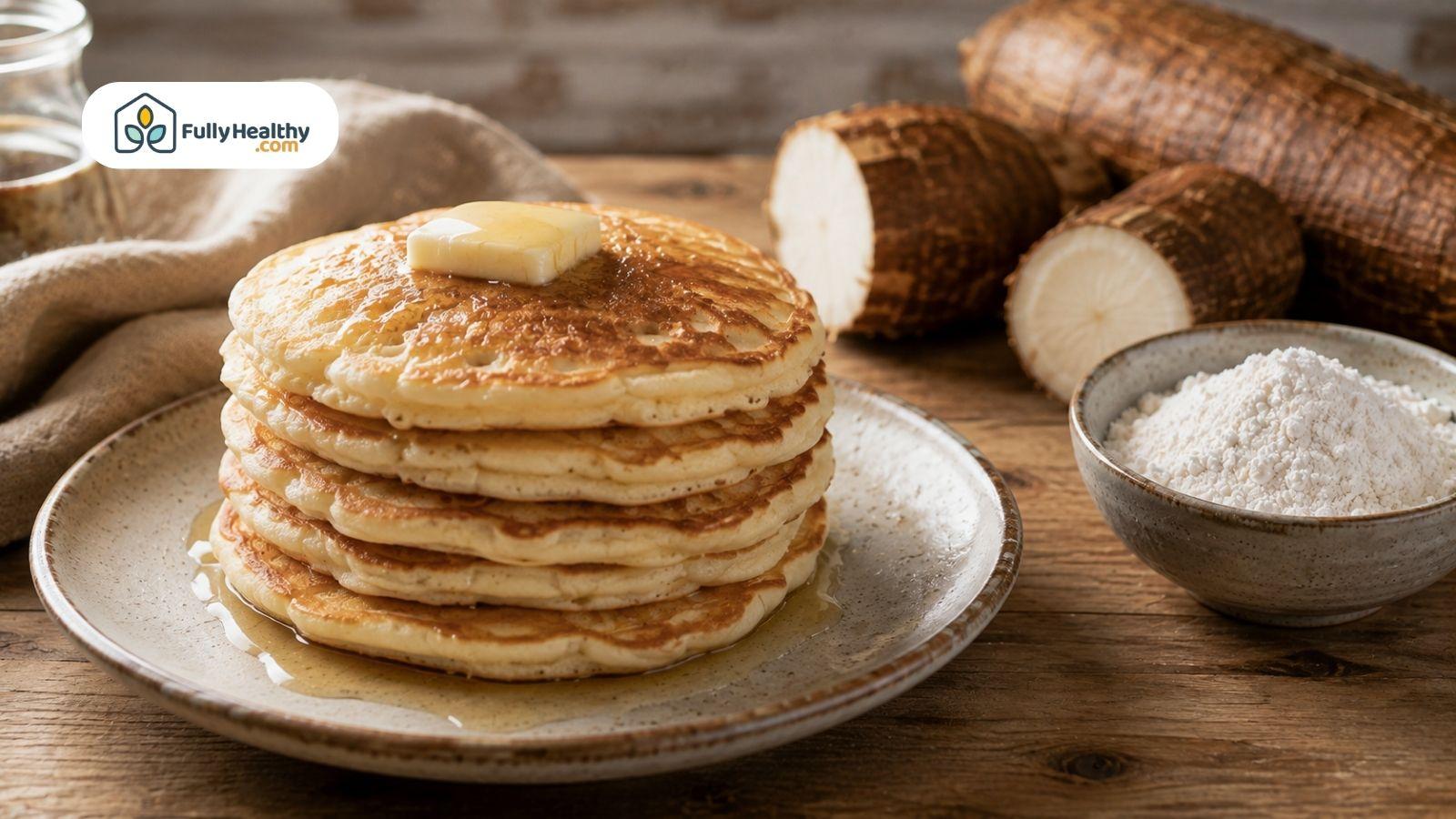
Yes, cassava flour is different from other gluten-free flours in how it is produced and how it performs in recipes. Its whole-root composition gives it different properties from extracted tapioca starch, while its lack of gluten changes its behavior compared with wheat-based flour.
Cassava Flour vs Tapioca Flour
Cassava flour and tapioca flour come from the same plant, but the two flours are not identical. Cassava flour uses more of the whole root, while tapioca flour, also called tapioca starch, is primarily the extracted starch from cassava.
-
Cassava flour: It provides bulk and structure for baked goods, tortillas, pancakes, muffins, and many recipes.
-
Tapioca: This primarily soluble carbohydrate is useful for thickening, binding, creating chewiness, adding crispness, and producing glossy sauces.
-
Texture: Cassava resembles conventional flour, while tapioca starch is a finer, smoother starch with different functional properties.
-
Substitution: Cassava flour and tapioca flour should not be substituted at a one-to-one ratio because they perform different functions in recipes.
-
Recipe choice: Cassava works as a flour base, while tapioca is often combined with other gluten-free flours to achieve a specific texture.
Cassava Flour vs Wheat Flour in Recipes
Cassava flour can replace wheat flour in many recipes, but it is not always a cup-for-cup substitute. Because cassava flour absorbs more liquid than regular wheat flour, the amount of flour or liquid may need to be adjusted for the desired texture.
-
Starting ratio: If a recipe calls for 1 cup of wheat flour, try using about 3/4 cup of cassava flour first. Add more only if the mixture needs it.
-
Gluten content: Wheat flour contains gluten, which helps dough stretch and baked goods hold their shape. Cassava flour is naturally gluten-free, so it behaves differently.
-
Baking uses: Cassava flour works well in cakes, tortillas, pancakes, and other baked goods, and it can also thicken gravies and sauces.
-
Liquid needs: If the batter or dough becomes too thick, you may need to add more liquid to get the right consistency.
-
Best results: Cassava flour recipes are usually easier to follow than changing a wheat flour recipe because the ingredient amounts are already adjusted for cassava flour.
Gluten-Free Cassava Foods at FullyHealthy
FullyHealthy carries gluten-free cassava flour and several cassava-based foods for shoppers building a gluten-free pantry. Options range from plain flour for home baking to tortillas and prepared baking mixes for convenient meals.
Shopping for Gluten-Free Foods at FullyHealthy
FullyHealthy is an online marketplace focused on foods for specialty diets, making it easier to purchase cassava flour alongside other pantry products. Shoppers can check individual product pages for ingredients, certifications, package sizes, and dietary information before ordering.
-
Cassava flour: Otto’s Naturals Cassava Flour is available for people who want a grain-free, gluten-free flour for cooking and baking.
-
Diet filters: Product information can help shoppers compare foods based on their individual dietary requirements.
-
Pantry use: Plain cassava flour offers flexibility for tasty recipes rather than limiting shoppers to a prepared baking mix.
-
Product checks: Always review the current product label and ingredient information, especially when managing strict dietary restrictions.
Cassava Flour, Tortillas, and Baking Products
FullyHealthy’s cassava selection includes plain flour, tortillas, and a convenient baking mix for different kitchen needs. These products give shoppers options for homemade recipes, quick meals, and gluten-free baking.
-
Otto’s Naturals Cassava Flour: A versatile cassava flour for homemade baked goods, tortillas, and other gluten-free recipes.
-
Otto’s Naturals Cassava Flour: A larger package option suited for households that cook or bake with cassava flour more frequently.
-
Coyotas Organic Cassava Tortillas: Large organic cassava tortillas that provide a convenient base for wraps, tacos, and other savory meals.
-
Coyotas Organic Cassava Tortillas: Medium-sized organic cassava tortillas suited for tacos, smaller wraps, and everyday meals.
-
Coyotas Organic Cassava Tortillas: Small organic cassava tortillas that work well for compact tacos, appetizers, and smaller portions.
-
Luv Yum Original Pancake & Waffle Mix: A prepared baking mix designed for making pancakes and waffles with less measuring and preparation.
Final Thoughts
Cassava flour is a simple alternative to traditional flour. It is naturally gluten-free and grain-free, with a mild flavor that suits many recipes. The perfect combination of ingredients can also create great texture in baked goods.
You can find cassava flour online and in specialty stores. Start with a trusted recipe, learn how the flour behaves, and try adding it to more of your everyday meals.
FAQs
Can Celiacs Eat Cassava Flour?
Yes. Pure cassava flour is naturally gluten-free, but people with celiac disease should choose products labeled gluten-free to reduce the risk of cross-contact.
Who Should Not Eat Cassava?
People with a cassava allergy should not eat cassava. Anyone with specific dietary or medical concerns should ask a qualified healthcare professional before adding it to their diet.
Is Cassava Flour Inflammatory?
No, cassava flour is not generally considered an inflammatory food. Its effects can vary based on portion size, overall diet, and individual response.
Does Cassava Flour Spike Blood Sugar?
Yes, cassava flour can raise blood sugar. It is high in carbohydrates, so portion size and the foods eaten with it can affect the blood sugar response.
What's the Best Gluten-Free Substitute for Flour?
A 1-to-1 all-purpose gluten-free flour blend is usually the easiest substitute for all-purpose flour. It is formulated to replace regular flour more reliably in many recipes.
Leave a comment