

Do Pizza Dough Have Eggs? Here’s What Goes Into the Dough
Do pizza dough have eggs? Usually, no. Traditional pizza dough is made with flour, water, yeast, and salt, sometimes with olive oil or sugar. However, certain recipes add whole eggs or egg whites for a softer, richer, or crispier crust. Here’s when eggs are used and how to check.
Do Pizza Dough Have Eggs?
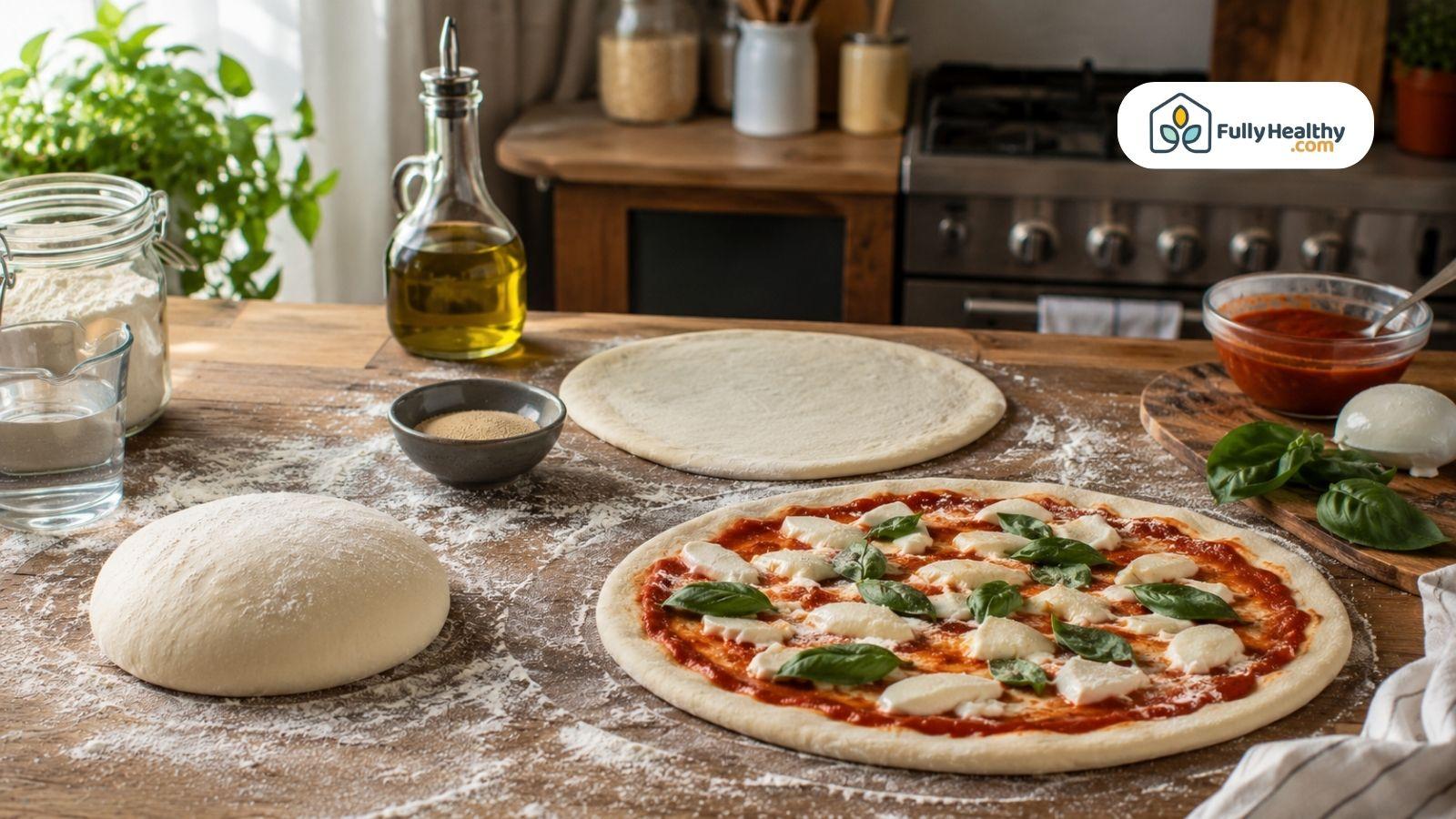
Pizza dough is commonly made without eggs because flour, water, yeast, and salt already provide what is needed to form and raise the dough. Eggs become an additional ingredient when a particular dough recipe calls for them.
Traditional Pizza Dough Does Not Require Eggs
No, eggs are not required to make traditional pizza dough. Flour provides structure, water forms the dough, yeast produces the gas needed for the dough rise, and salt adds taste and helps control fermentation.
-
Flour: Bread flour can create a chewy crust, while all purpose flour also works well for homemade pizza dough.
-
Water: Warm water hydrates the flour and can be used to prepare a yeast mixture.
-
Yeast: Active dry yeast and instant yeast help dough expand and become airy.
-
Salt: Salt adds flavor and helps control yeast activity.
-
Olive oil: Olive oil can produce a more tender crust and add extra flavor.
How to Add Eggs to Pizza Dough
If you want to add egg to your pizza dough, a practical ratio is 1 large beaten egg for every 2 cups of all purpose flour. Prepare the yeast mixture first, then add the beaten egg before combining the wet ingredients with the flour and kneading the dough.
-
All Purpose Flour: Use 2 cups as the base of the dough.
-
Egg: Add 1 large egg, beaten before mixing.
-
Warm Water: Use ½ cup to prepare the yeast mixture.
-
Active Dry Yeast: Add 1½ teaspoons to help the dough rise.
-
Olive Oil: Add 2 tablespoons for additional richness and flavor.
-
Mixing: Add the beaten egg to the wet ingredients, combine with the flour, and knead until smooth.
-
Proofing: Form a dough ball, cover with plastic wrap, and leave it in a warm place until risen.
Why Are Eggs Added to Pizza Dough?
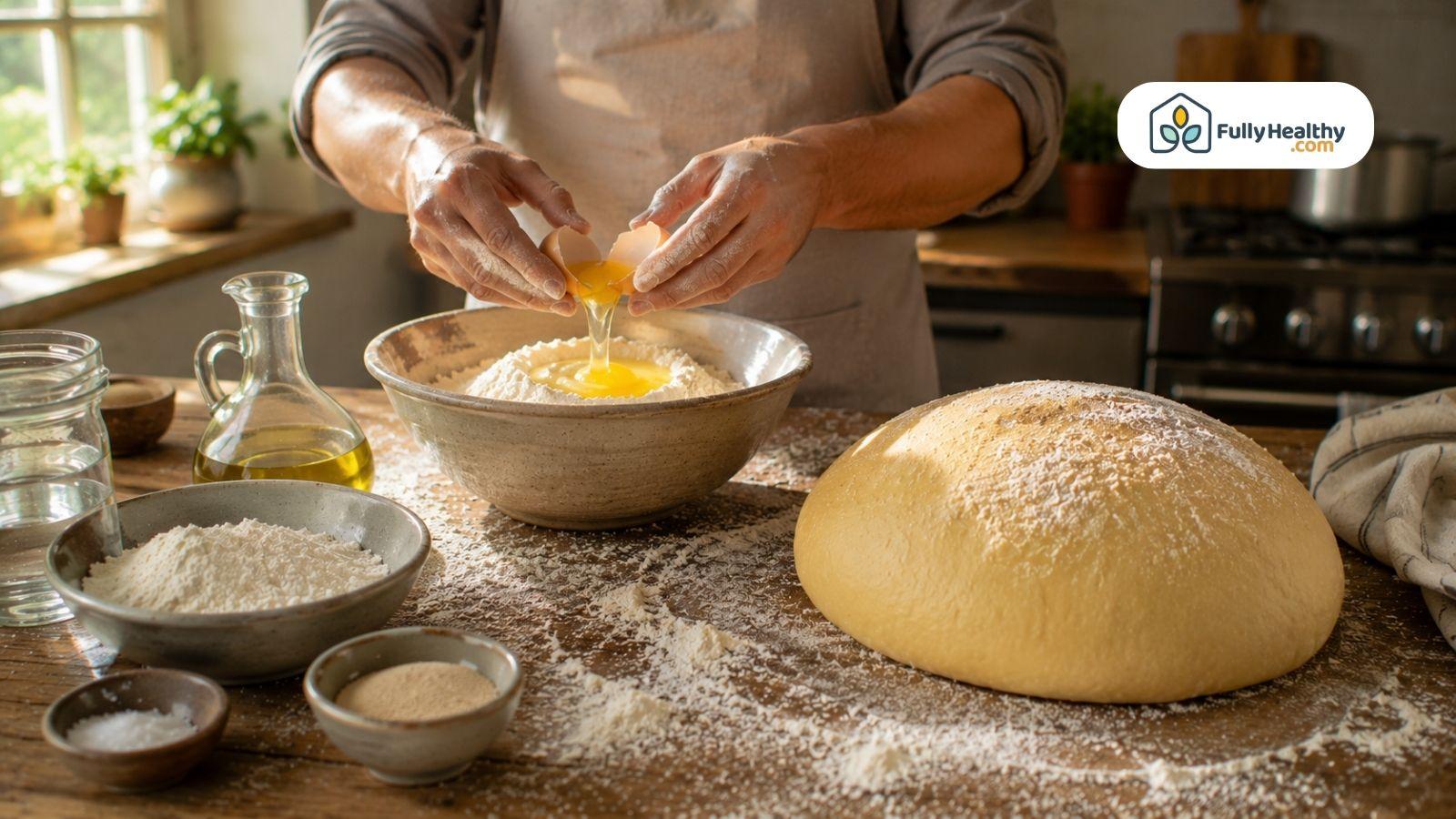
Eggs are added to change specific characteristics of the finished pizza crust, particularly crispness, tenderness, richness, and color. Their purpose is therefore about the desired baking result rather than helping pizza dough exist in the first place.
Egg Whites Can Make Pizza Crust Crispier
Egg whites can help create a firmer, crispier pizza crust because their proteins set and become firm during baking. They contain very little fat, so their effect is different from adding a whole egg or egg yolk, which contributes more richness and tenderness.
-
Crispness: Egg whites can help create a firmer outer crust.
-
Structure: Egg proteins become firm as the pizza bakes.
-
Thin Crust: A firmer texture can complement a thin crust pizza.
-
Browning: High temperature baking can help produce a crisp, golden brown surface.
-
Baking Surface: A pizza stone can promote a crisp base, while a pizza pan or baking sheet can produce different results.
Whole Eggs Change Richness, Color, and Tenderness
Whole eggs affect pizza dough differently because they contain both whites and yolks. The added protein, fat, and moisture can create a richer dough with characteristics different from a lean flour, water, yeast, and salt formula.
-
Richness: Egg yolk adds fat, giving the crust a richer, more buttery mouthfeel than lean pizza dough.
-
Tenderness: Yolk fat reduces toughness, producing a softer bite with less chew.
-
Color: Eggs help the crust develop a deeper golden brown color during baking.
-
Texture: Whole eggs create a softer, finer crumb instead of the open, chewy texture associated with lean pizza dough.
-
Flavor: Eggs can contribute richness alongside olive oil, sugar, and other ingredients used for more flavor.
Find Specialty-Diet Pizza Options at FullyHealthy
FullyHealthy brings together foods for people following specialized diets, making it easier to shop for ingredients that fit specific food preferences. Its selection includes products for AIP, Paleo, Low-FODMAP, gluten-free, keto, and vegan diets.
Shop FullyHealthy for Specialized Dietary Needs
FullyHealthy is an online marketplace focused on specialty-diet and allergen-conscious foods. Shoppers can browse by dietary needs instead of sorting through unrelated products one at a time.
-
AIP: Shop foods designed for an Autoimmune Protocol eating plan.
-
Paleo: Browse products that fit Paleo dietary preferences.
-
Gluten-free: Choose from foods made without gluten-containing ingredients.
-
Low-FODMAP: Browse options suited to a Low-FODMAP eating plan.
-
Vegan: Shop products made without animal-derived ingredients.
Pizza Crusts and Alternative Pizza Bases
FullyHealthy carries pizza dough mixes, flatbread mixes, and cassava tortillas that can be used for homemade pizza. These options give shoppers different choices for preparing a pizza crust or simple alternative base.
-
Simple Mills Pizza Dough Almond Flour Mix: An almond flour-based pizza dough mix for preparing homemade pizza crust without conventional wheat flour.
-
AIPeazy Flatbread Pizza Crust Mix With Tigernut Flour: A tigernut flour-based mix designed for making flatbread or pizza crust at home.
-
Coyotas Organic Cassava Tortillas Large 9-Inch: Organic cassava tortillas in a 9-inch size that can serve as a quick, thin pizza base.
-
Coyotas Organic Cassava Tortillas X-Large 12-Inch: Larger 12-inch organic cassava tortillas that provide more surface area for pizza sauce and toppings.
Final Thoughts
Pizza dough is generally egg-free, but the exact ingredients depend on the recipe. Eggs may be added for a richer taste, softer texture, deeper color, or crispier crust, while garlic powder can add extra flavor. You can make excellent pizza dough using simple ingredients and roll dough once it has risen.
Fresh dough made without eggs can still produce great pizza. If you eat eggs, adding them is simply another way to change your homemade crust.
FAQs
Is There Normally Egg in Pizza Dough?
No, traditional pizza dough normally contains flour, water, yeast, and salt rather than eggs.
Do Italians Put Eggs in Pizza Dough?
Traditional Italian pizza dough generally does not use eggs, although individual recipes can differ.
Does a Pizza Dough Recipe Need Eggs?
No, a pizza dough recipe can produce a crisp, chewy, and flavorful crust without adding eggs.
Does a Homemade Pizza Dough Recipe Need Eggs?
No, a homemade pizza dough recipe can use flour, water, yeast, and salt as its basic ingredients without eggs.
What Not to Eat if Allergic to Eggs?
If you have an egg allergy, avoid eggs and foods that may contain them, including mayonnaise, meringue, custard, certain cakes, cookies, pasta, breads, and pizza dough recipes that use eggs.
Leave a comment