

Is Kosher Halal? Key Differences You Should Know
Is kosher halal? Not always. Kosher and halal are religious food rules, but they follow different standards. Both avoid pork and control how meat is prepared. Halal rules prohibit intoxicating alcoholic drinks; standards differ regarding trace, naturally occurring, non-intoxicating, or processing-derived ethanol.
Some kosher foods can be halal, while others are not. This guide explains the key differences, when Muslims may eat kosher food, and how to check labels clearly with confidence.
Is Kosher Halal?
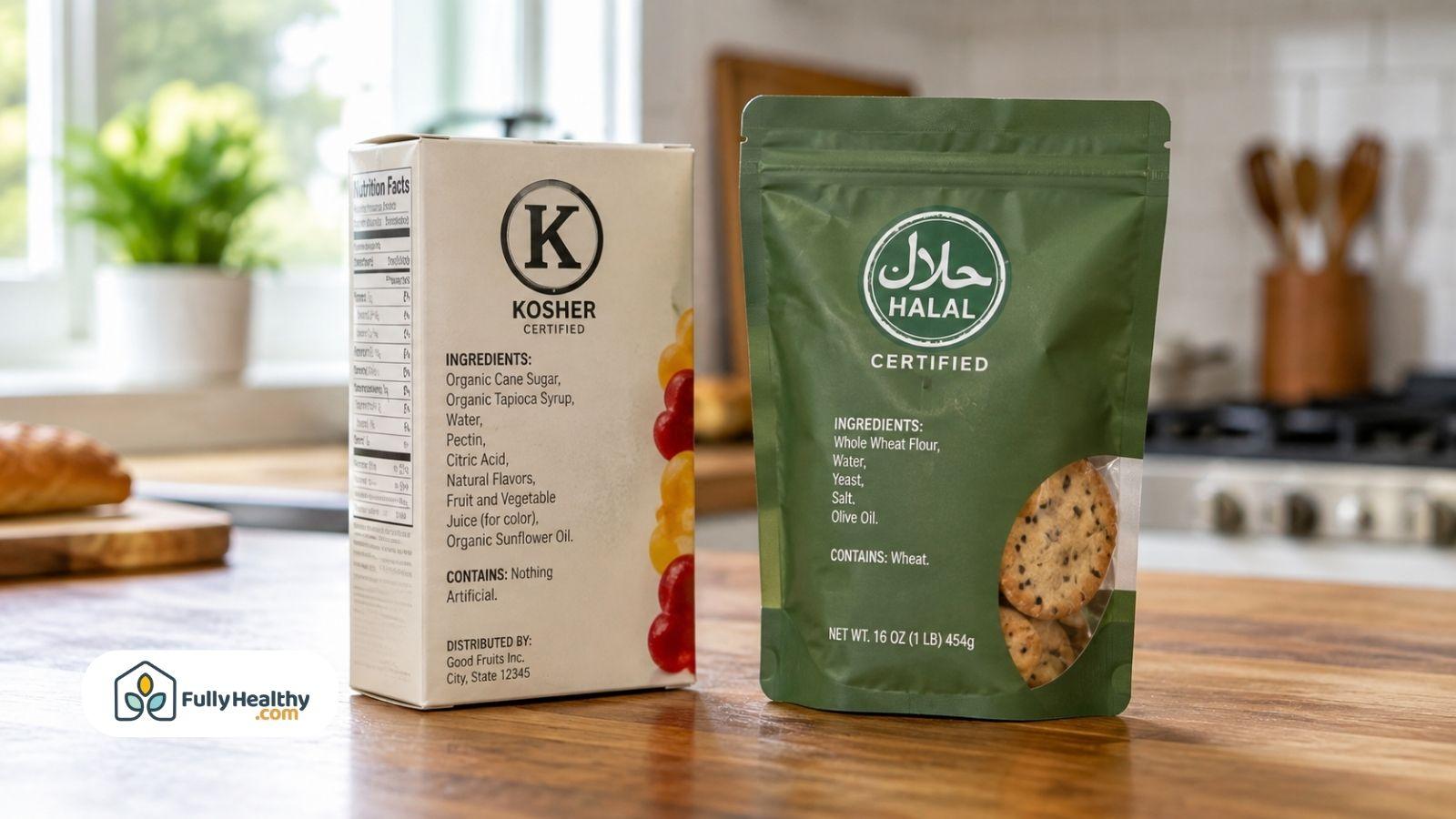
Kosher and halal food follow dietary laws. Is kosher halal? Not always. Kosher food follows Jewish dietary laws and kashrut, while halal food follows Islam and Islamic dietary guidelines.
Both guide food, meat, slaughter, and consumption. They define what is considered kosher or halal.
What Do Kosher and Halal Mean?
Kosher laws explain which animals, fish, dairy products, and other foods Jewish people may eat. Halal guidelines define what is permissible for Muslims. Both cover prepared meals, ingredients, by-products, and the supply chain.
-
Kosher Basics: Kosher land mammals must both have completely split hooves and chew the cud; separate criteria govern birds, fish, and other animals.
-
Halal Basics: Halal rules allow permissible animals but reject certain animals, flowing or deliberately consumed blood, alcohol, and anything considered haram.
-
Certification: Kosher certification confirms kosher status, while halal certification shows that a product meets halal standards.
Is Kosher Halal Under Islamic Dietary Rules?
Kosher practices do not always match halal practices. A product may follow kosher rules but fail halal guidelines because of alcohol, animal ingredients, cross-contact with non-halal materials or processing equipment, or the slaughter process.
Halal-certified products meet the requirements of the named certifying body; standards can differ among jurisdictions and certifiers.
-
Meat Review: Kosher meat may not qualify as halal meat because kosher slaughter and halal slaughter follow different ritual slaughter rules.
-
Ingredient Review: Dairy, gelatin, flavorings, and animal by-products can change whether food is permissible.
-
Trusted Guidance: The American Halal Foundation states that kosher does not automatically mean halal.
Can Muslims Eat Kosher?
Muslims eat kosher food sometimes, but the answer depends on the product and preparation. Processed meals need closer review.
When Can Muslims Eat Kosher Foods?
Kosher and halal may overlap when food contains no pork, alcohol, blood, or prohibited animals. Dedicated or appropriately cleaned equipment may prevent cross-contact with prohibited substances, but certification depends on the certifier’s complete ingredient and process requirements.
-
Safer Choices: Halal options include fruits, vegetables, grains, and some fish.
-
Label Checks: Review ingredients, kosher certification, halal certification, and animal by-products.
-
Seafood Rules: Kosher law permits only aquatic animals with fins and removable scales, excluding shellfish. Most Sunni interpretations permit seafood broadly, whereas some Islamic schools restrict particular species.
Can Muslims Eat Kosher Meat When Halal Meat Is Unavailable?
Some Muslim authorities accept meat slaughtered according to Jewish law as food of the People of the Book, subject to additional conditions; others require meat specifically certified under their halal standard.
Relevant questions include the animal species, slaughterer, invocation, slaughter technique, stunning practices, and whether flowing blood was adequately drained.
-
Kosher Method: Kosher slaughter—shechita—requires a trained Jewish slaughterer and a continuously inspected, exceptionally sharp, smooth knife used in an uninterrupted cut, severing specified neck structures.
-
Halal Method: Halal slaughter generally requires a permitted living animal, a qualified slaughterer, invocation of God’s name, rapid severance of specified neck vessels, and blood drainage; stunning rules vary among standards.
-
Different Views: Different interpretations exist, so Muslim communities may follow guidance.
-
Best Choice: Choose halal meat and halal offerings when halal options are available.
Does Kosher Mean Halal?

Kosher does not mean halal. Kosher laws and halal guidelines judge food differently. A product may be considered kosher without being considered halal.
What Similarities Make Kosher and Halal Seem Interchangeable?
Halal and kosher regulations regulate ingredients, species, slaughter, processing, equipment, and cross-contact with religiously prohibited materials. Pork is prohibited; permitted species are determined by specific kashrut criteria rather than by a universal rule excluding every animal described as carnivorous.
-
Animal Rules: Both systems regulate animal species and the slaughter of land animals and poultry; fish and other aquatic animals are governed by separate rules.
-
Food Control: Both review ingredients, preparation, equipment, and the supply chain.
-
Religious Purpose: Both connect food choices with religious dietary laws.
Which Rules Show That Kosher Does Not Mean Halal?
Kosher rules separate meat and dairy, while halal rules do not. Kosher foods may contain permitted alcoholic ingredients. Intoxicating beverages are prohibited in halal diets, while treatment of trace or processing-derived ethanol varies among halal standards.
Kosher meat may fail halal standards if the slaughter process does not satisfy Islamic requirements.
-
Dairy Rule: Jewish dietary laws require the separation of meat and dairy.
-
Alcohol Rule: Alcohol may be kosher, but is considered haram in Islam.
-
Animal Detail: Kashrut may address the sciatic nerve, split hooves, and cloven hooves.
-
Final Check: Use halal certification rather than kosher status to ensure compliance.
Is Kosher 100% Halal?

Kosher and halal share many similarities, but they are not the same. A kosher label does not always mean a product meets halal requirements.
Each system follows specific guidelines for ingredients, preparation, slaughter, and certification. These differences show why every kosher product may not suit a halal diet.
Why Is Kosher Certification Not a 100% Halal Guarantee?
Kosher certification shows that a product follows Jewish dietary laws. Halal certification shows that it meets Islamic dietary rules. Because these systems use different standards, a kosher product may still contain ingredients or use methods that do not meet halal requirements.
-
Different Standards: Kosher and halal certifications come from separate organizations that review products under different religious rules.
-
Ingredient Concerns: Some kosher products may contain alcohol-based flavors, animal-derived enzymes, or gelatin that may not be halal.
-
Meat Requirements: Kosher meat follows Jewish slaughter rules, but it is not always accepted as halal because the slaughter process differs.
-
Certification Value: Trusted halal certification gives stronger proof that a product follows Islamic rules.
-
Consumer Tip: Read the ingredient list and check the certification mark instead of relying only on a kosher symbol.
How Can You Check Whether a Kosher Product Is Also Halal?
Check each product before buying it. Labels, ingredient lists, and certification marks can prevent confusion with processed foods.
-
Check the Label: Look for a recognized halal certification mark beside any kosher symbol.
-
Review Ingredients: Watch for alcohol, gelatin, enzymes, flavorings, and other animal-derived ingredients.
-
Confirm Meat Sources: Make sure meat comes from halal-approved suppliers when halal compliance matters.
-
Ask the Manufacturer: Contact the company if an ingredient source is unclear.
-
Check Again: Recipes and suppliers can change, so review the label whenever you buy the product.
Why Choose Fully Healthy for Specialty Foods?
Fully Healthy is an online marketplace for people with specialized dietary needs. It helps shoppers find products in one place. The website also shares recipes and educational content for easier meal planning.
How Can FullyHealthy Help People Shop for Specialized Diets?
Fully Healthy focuses on products for people following the Autoimmune Protocol, gluten-free diets, and allergen-conscious lifestyles. Its organized collections make suitable products easier to find online.
-
Organized Collections: Shoppers can browse AIP Elimination, AIP Reintro stages, Snacks, Breakfast, Seasonings, Personal Care, Bundles, and New Products.
-
Useful Resources: Recipes and blog articles offer practical ideas for meals, snacks, and daily routines.
-
Simpler Shopping: Clear categories save time and help shoppers compare products.
Which Products Can Shoppers Find on FullyHealthy?
The website features specialty pantry items and baking mixes. Since stock may change, readers should check the current product page before buying.
-
Natural Sweeteners: Big Tree Farms Organic Brown Coconut Sugar, Bob’s Red Mill Organic Coconut Sugar, Coombs Family Farm Organic Maple Sugar, Coombs Family Farm Organic Maple Syrup, and Date Lady Date Sugar.
-
Baking Mixes: EAT G.A.N.G.S.T.E.R Cut-Out Sugar Cookie Mix, Banana Bread Mix, and Chewy Choconot Brownie Mix.
-
Shopping Tip: Read each product description and ingredient list to confirm that it fits your dietary needs.
Final Thoughts
Kosher and halal foods share some rules, but they are not the same. Kosher gelatin may originate from fish, kosher-slaughtered cattle, or sources accepted by particular kosher authorities under transformation-based rulings.
Muslims should check whether gelatin comes from halal-certified beef, fish, or another permitted source. Mainstream halal standards prohibit pork-derived gelatin; a minority jurisprudential discussion concerns whether complete chemical transformation can alter its status, but major certification systems generally do not certify it.
FAQs
Is Kosher Gelatin Halal?
Kosher gelatin may be halal only if it comes from a halal-permitted source and meets Islamic processing requirements.
Why Can’t Muslims Eat Jell-O?
Gelatin sources and formulations vary by product and market; consumers should verify the current ingredient statement and halal certification rather than generalizing across the Jell-O brand.
Can Jews Eat Pork Gelatin?
A limited number of kosher authorities have accepted gelatin from otherwise non-kosher sources based on substantial transformation, whereas many major kosher certifiers require fish gelatin or gelatin from kosher-slaughtered animals.
Do Jews Eat Halal Food?
Jewish people may eat halal food only when it also meets kosher requirements, because halal certification does not guarantee kosher compliance.
Does Kosher Gelatin Mean No Pork?
Not always, because kosher gelatin rules can vary by certifying authority, so the ingredient source should be verified.
Leave a comment