

Is Kosher Salt Iodized? Everything Home Cooks Need to Know
Is kosher salt iodized? In general, no, because kosher salt is usually sold without added iodine. That simple difference often raises more questions about cooking, baking, nutrition, and how it compares with table salt.
If you've ever wondered which salt belongs in your kitchen or how to get enough iodine in your diet, you're in the right place. Here's what you need to know before reaching for your next pinch of salt.
Is Kosher Salt Iodized?
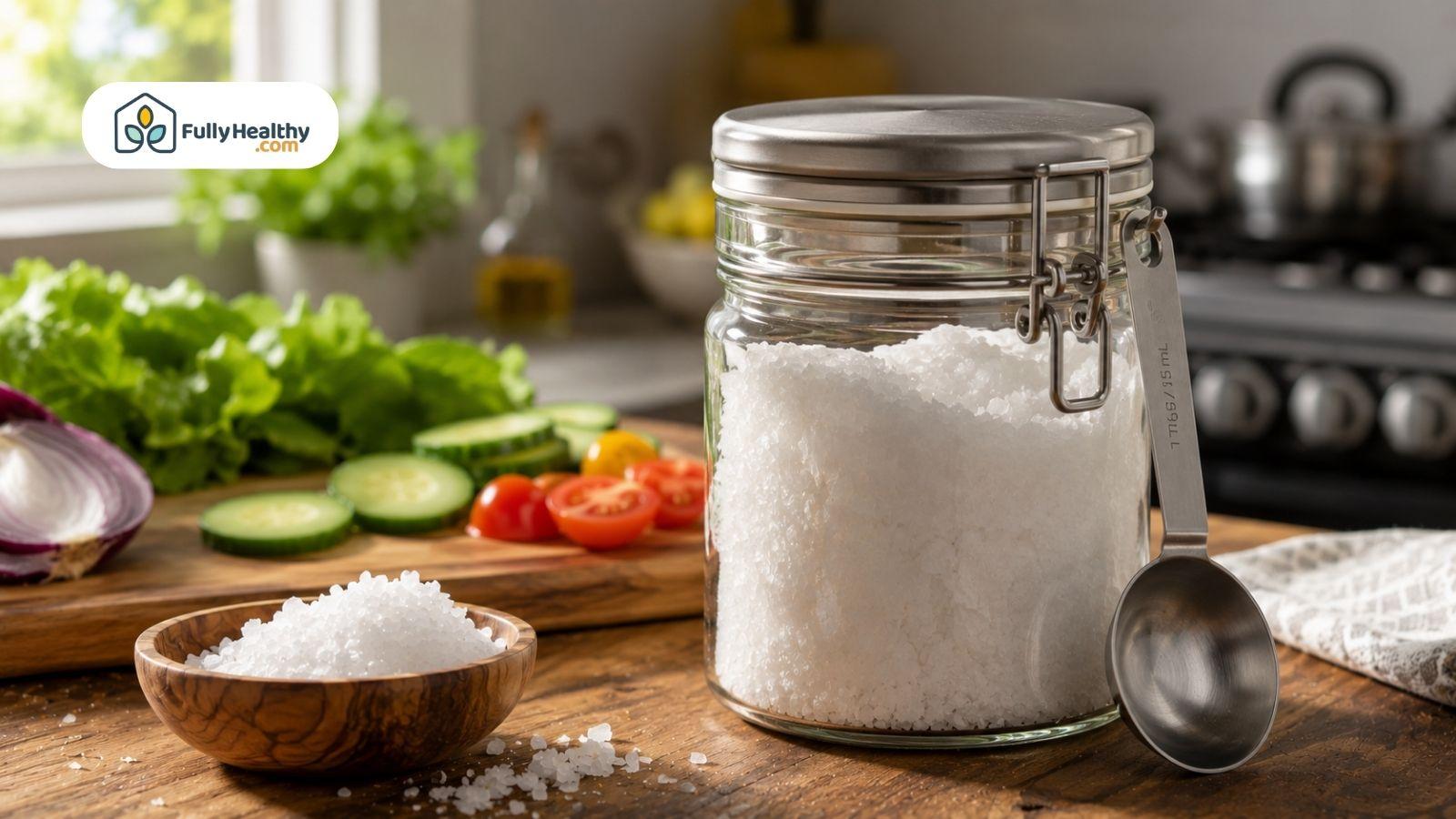
Kosher salt is typically non-iodized, but iodine content depends on the product, so check the ingredient label. Its name comes from its traditional use in koshering meat, where coarse salt helps draw moisture and blood from the surface.
Why Kosher Salt is Usually Not Iodized
Kosher salt is typically sold as non-iodized salt, meaning iodine is not added during processing. The name refers to its traditional role in koshering meat, but individual kosher salt products may also carry kosher certification.
-
Purpose: Kosher salt was developed for preparing kosher meat by helping remove surface blood before cooking.
-
Iodization: Unlike iodized table salt, kosher salt is commonly sold without added iodine.
-
Texture: Coarse grained kosher salt has large crystals that are easy to pinch, sprinkle, and spread evenly over food.
-
Label: Some manufacturers sell iodized varieties, so checking the ingredient list is always a good habit.
-
History: The historical significance of kosher salt comes from food preparation, not from its mineral content.
How to Meet Your Iodine Needs If You Use Kosher Salt
Using kosher salt does not automatically lead to iodine deficiency because iodine comes from several foods as well as iodized salt. A balanced diet that includes seafood, dairy products, eggs, or other iodine-rich food can provide enough iodine for healthy thyroid function.
-
Food Sources: Seafood, dairy products, eggs, and sea vegetables naturally contain iodine.
-
Iodized Salt: Iodized table salt provides an additional source of iodine for people with limited dietary intake.
-
Health: Iodine deficiency can contribute to hypothyroidism, dry skin, and other thyroid concerns.
-
Diet: People who avoid seafood and dairy products should pay closer attention to their iodine intake.
-
Doctor: A doctor can recommend the right approach if there are concerns about becoming iodine deficient.
What is the Difference Between Kosher Salt and Table Salt?
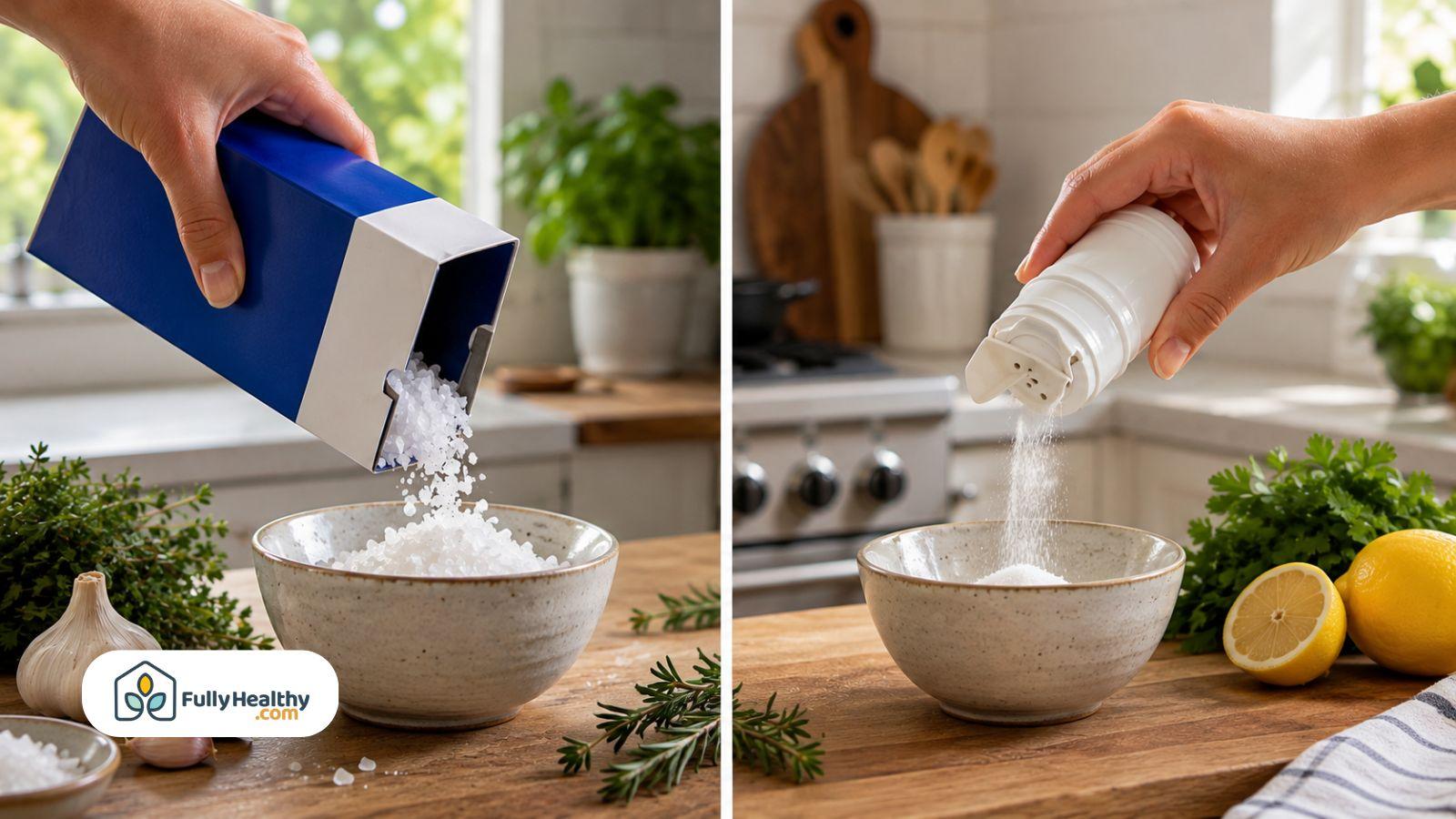
The biggest difference between kosher salt and table salt is crystal size, texture, and iodine content. Kosher salt has coarse flakes and is generally sold as non-iodized salt, while table salt has fine crystals, readily dissolves, and is commonly available as iodized table salt.
Crystal Size, Texture, and How Each Salt Is Made
Kosher salt and regular table salt are both forms of sodium chloride, but they are processed differently. Crystal shape, additives, and production methods affect how each salt performs in cooking, seasoning, baking, and recipes.
| Feature | Kosher Salt | Table Salt |
|---|---|---|
| Crystal Size | Large, coarse crystals | Fine, uniform crystals |
| Processing | Less refined | More refined |
| Additives | Usually no anti-caking agents | Often contains anti-caking agents |
| Mineral Content | Small amounts of trace minerals | Usually contains added iodine |
| Best Use | Cooking, seasoning, and brining | Baking and precise measurements |
-
Crystal Size: Kosher salt has coarse grained salt crystals, while table salt has small, uniform grains.
-
Processing: Regular table salt is refined to remove impurities from underground salt deposits.
-
Additives: Table salt often contains anti caking agents to support anti clumping and keep the salt free flowing.
-
Mineral Content: Sea salt, Himalayan salt, and pink Himalayan salt may contain trace minerals, although the amounts are small.
-
Taste: The flavor comes primarily from sodium chloride, but the crystal texture changes how salty a dish tastes.
Iodine, Sodium Content, and Recipe Measurements
Kosher salt and table salt contain similar amounts of sodium by weight, but they measure differently by volume because of their crystal size. A teaspoon of kosher salt often contains less sodium than table salt because its crystals pack less densely, but the amount varies substantially by brand.
-
Volume: Equal spoonfuls do not contain the same amount of salt because crystal sizes vary.
-
Cooking: A chef often prefers kosher salt because it is easier to control while seasoning meat and vegetables.
-
Baking: Table salt is suitable when recipes require precise measurements.
-
Iodine: Iodized table salt helps increase iodine intake, while kosher salt usually does not.
-
Conversion: Measuring by weight produces the most consistent results across different types of salt.
When Should You Use Kosher Salt?
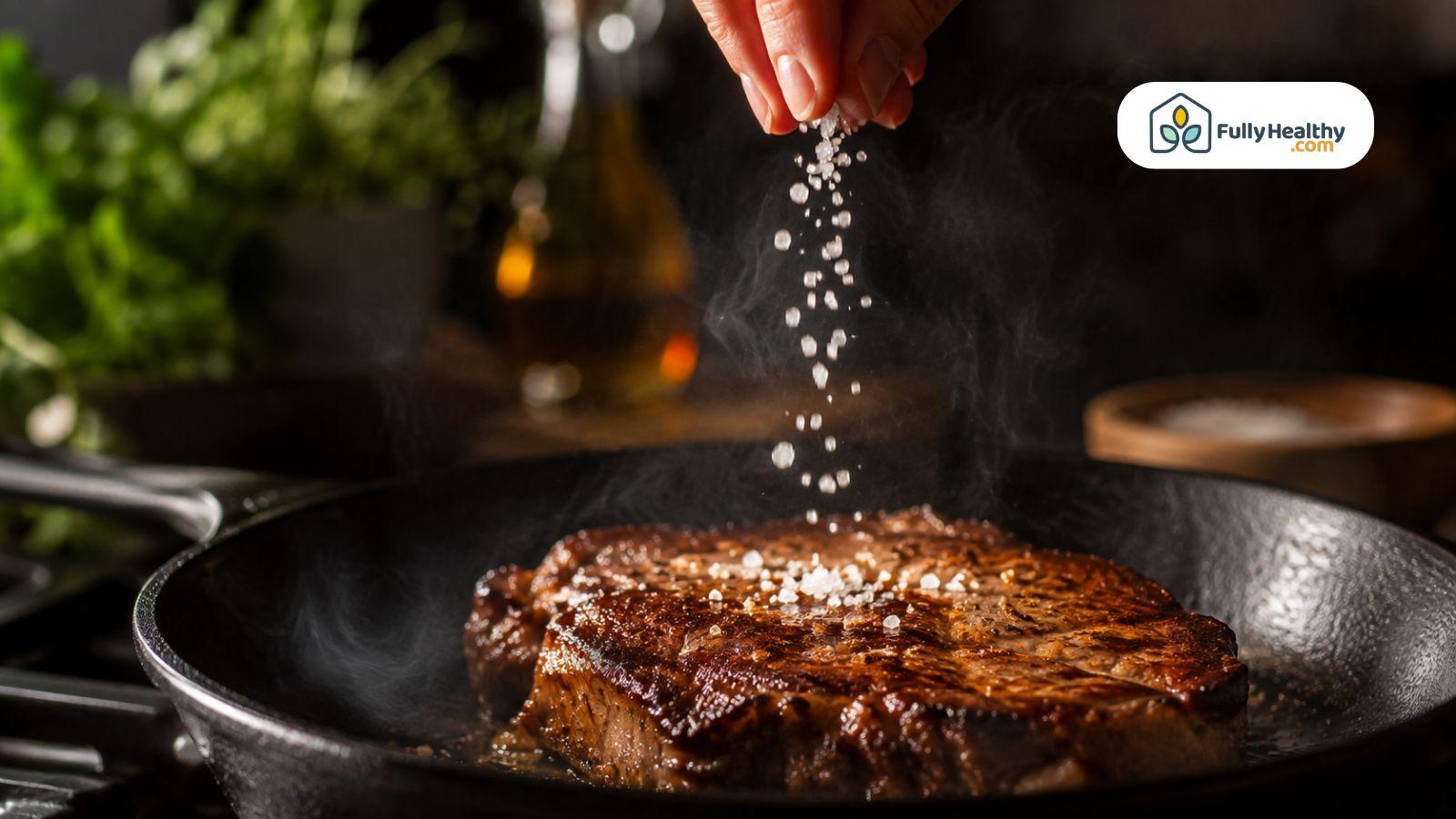
Kosher salt is best for everyday cooking, seasoning meat, dry brining, and recipes that benefit from even salt coverage. Its coarse grained kosher salt crystals are easy to pinch, making it a staple for both home cooks and professional chefs.
Best Cooking Tasks for Kosher Salt
Kosher salt works well because its visible, easy-to-pinch crystals provide greater control during seasoning and can adhere well to food. It is especially useful for meat, vegetables, soups, pasta, and brining, where even distribution improves flavor and texture.
-
Seasoning: Coarse grained salt is easy to pinch and sprinkle evenly over food.
-
Meat: Kosher salt is commonly used for dry brining because it draws moisture to the surface before it is reabsorbed, helping improve flavor and texture.
-
Pasta: Adding kosher salt to pasta water seasons noodles as they cook.
-
Grilling: Larger crystals stay visible, making it easier to control the amount of salt on steaks, chicken, and vegetables.
-
Chef Choice: A chef often reaches for kosher salt because it offers better control than regular table salt during cooking.
When Another Type of Salt Makes More Sense
Kosher salt is not the best choice for every recipe because different types of salt serve different purposes. Iodized table salt, sea salt, Himalayan pink salt, and finishing salts each have advantages depending on the dish and preparation.
-
Baking: Fine table salt works well in baking because it distributes easily, but kosher salt is also suitable when measured accurately by weight or converted for the specific brand.
-
Iodine: Iodized salt can help people maintain enough iodine when dietary sources are limited.
-
Finishing: Sea salt and pink Himalayan salt are often used as finishing salts to add texture before serving.
-
Recipes: Follow the salt listed in recipes whenever possible because different crystal sizes affect the amount used.
-
Substitutions: Adjust measurements when replacing kosher salt with other types of salt to avoid over-seasoning.
Is Kosher Salt Good for Baking?
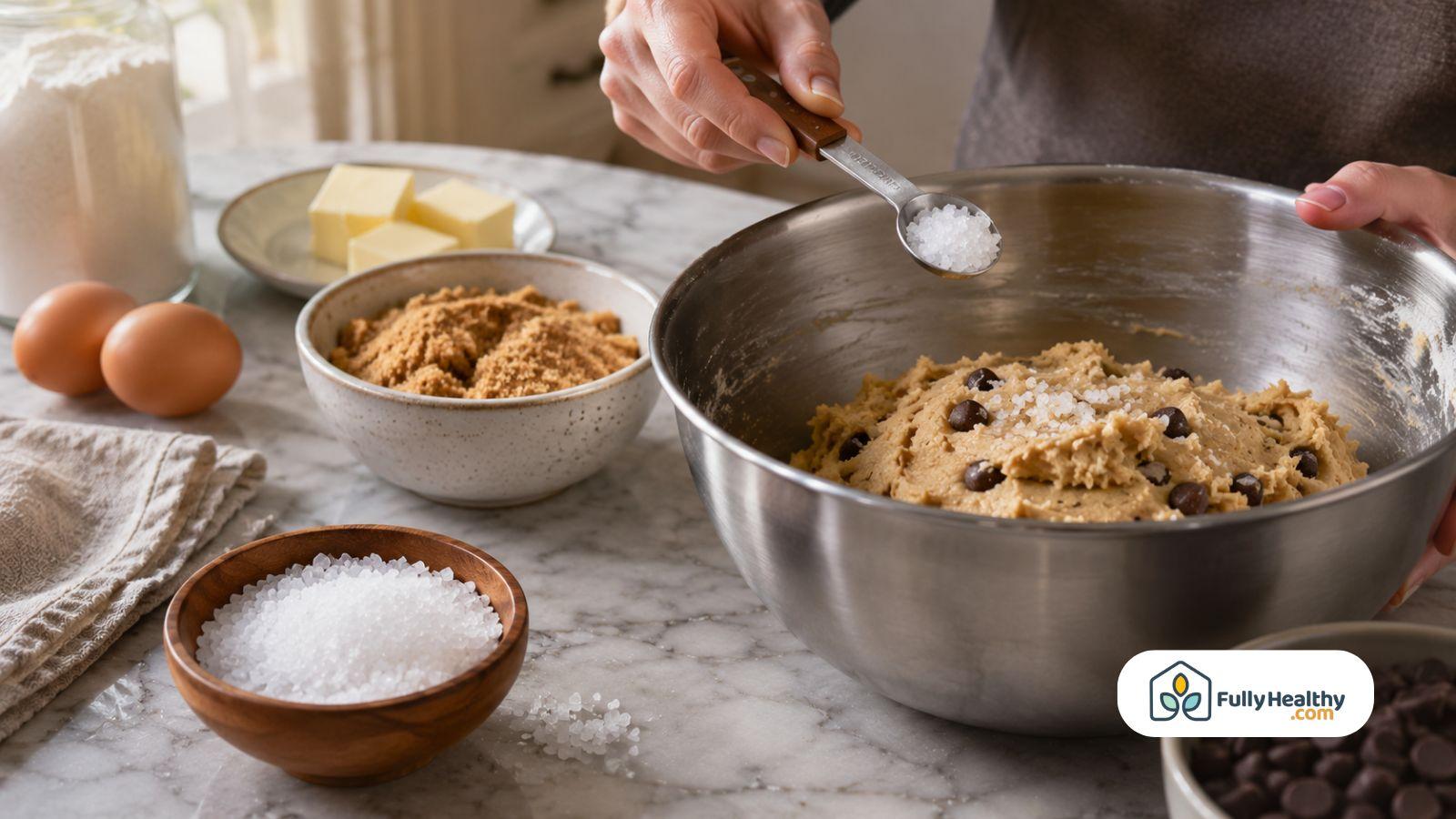
Yes, kosher salt can be used for baking, but accurate measurements are important because its crystal size differs from table salt. Using the correct amount helps maintain the intended flavor, texture, and balance in baked goods.
Why Accurate Salt Measurements Matter in Baking
Baking depends on precise ingredient ratios, and salt plays an important role in flavor and dough development. Since coarse grained kosher salt takes up more space than regular table salt, measuring by volume instead of weight can change the final result.
-
Crystal Size: Coarse crystals occupy more space than fine table salt.
-
Flavor: The correct amount of salt balances sweetness and enhances other ingredients.
-
Texture: Proper measurements help support consistent dough and batter structure.
-
Weight: Measuring salt by weight provides better accuracy than measuring by volume.
-
Recipes: Follow the type of salt listed in recipes whenever possible.
How to Substitute Kosher Salt in Baking Recipes
Kosher salt can replace table salt, but the amount should be adjusted because brands have different crystal sizes. Diamond Crystal and Morton kosher salt are common examples, and each measures differently in baking.
-
Conversions: Use a trusted conversion chart before replacing table salt with kosher salt.
-
Brands: Diamond Crystal has lighter flakes, while Morton kosher salt has denser crystals.
-
Consistency: Keep the same brand throughout a recipe for reliable results.
-
Testing: Try substitutions in small batches before preparing large recipes.
-
Preparation: Careful measuring helps preserve the intended flavor and texture.
Why Buy Kosher Salt From FullyHealthy?
FullyHealthy offers carefully selected specialty food products for people following different dietary preferences. Its collection includes quality kosher salt options that support everyday cooking, baking, seasoning, and meal preparation.
About FullyHealthy
FullyHealthy is an online store that specializes in specialty foods, pantry staples, and products designed for different lifestyles. Shoppers can browse trusted brands while looking for ingredients that fit their cooking needs.
-
Selection: The store offers specialty food products from established brands.
-
Quality: Products are chosen for everyday home cooking and pantry use.
-
Convenience: Online ordering makes pantry staples readily available.
-
Dietary Options: The catalog includes products for different dietary preferences.
-
Trusted Brands: FullyHealthy carries respected names used in home kitchens.
Shop Real Salt Kosher Sea Salt Products
FullyHealthy carries Real Salt Kosher Sea Salt in convenient pouch and shaker options for everyday use. These products are mined in the United States, contain naturally occurring trace minerals, and work well for seasoning, brining, cooking, baking, and finishing a dish.
-
Real Salt Kosher Sea Salt Pouch 16 oz: A refill-friendly pouch filled with coarse kosher sea salt that works well for cooking, dry brining, baking, and seasoning everyday meals.
-
Real Salt Ancient Kosher Sea Salt Shaker 10 oz: A convenient shaker designed for quick seasoning at the table or while cooking, featuring naturally harvested kosher sea salt with trace minerals.
-
Cooking Uses: Suitable for meat, vegetables, soups, pasta, baking, and pickling.
-
Packaging: Multiple sizes make it easy to choose the right product for home use.
Final Thoughts
Kosher salt is an excellent choice for everyday cooking, while iodized table salt can help support healthy iodine intake. The best option depends on your diet, recipes, and personal needs, not just the type of salt in your kitchen.
Your body needs iodine for normal thyroid function, and getting enough iodine is easier with balanced food choices. Keeping both options in your pantry gives you the flexibility to use the right salt for every recipe and every meal.
FAQs
Am I Getting Enough Iodine If I Use Kosher Salt?
No. Kosher salt usually does not provide iodine because it is typically sold without added iodine.
What is Healthier, Iodized Salt or Kosher Salt?
Neither iodized salt nor kosher salt is healthier than the other. Iodized salt provides iodine, while kosher salt is valued for its larger flakes and easier seasoning.
What Salt is Healthiest to Eat?
No single salt is the healthiest to eat because table salt, kosher salt, sea salt, and Himalayan pink salt all contain sodium, so the healthiest choice depends on your overall diet and using salt in moderation.
What Salt is the Highest in Iodine?
Iodized table salt contains the highest amount of iodine among common types of salt, with about 45 micrograms per gram.
Why Should I Not Eat Iodized Salt?
You only need to avoid iodized salt if your doctor recommends limiting iodine. For most people, iodized salt is a safe and effective way to get iodine and support healthy thyroid function.
Leave a comment