

Is Kosher Salt the Same as Sea Salt? A Complete Guide
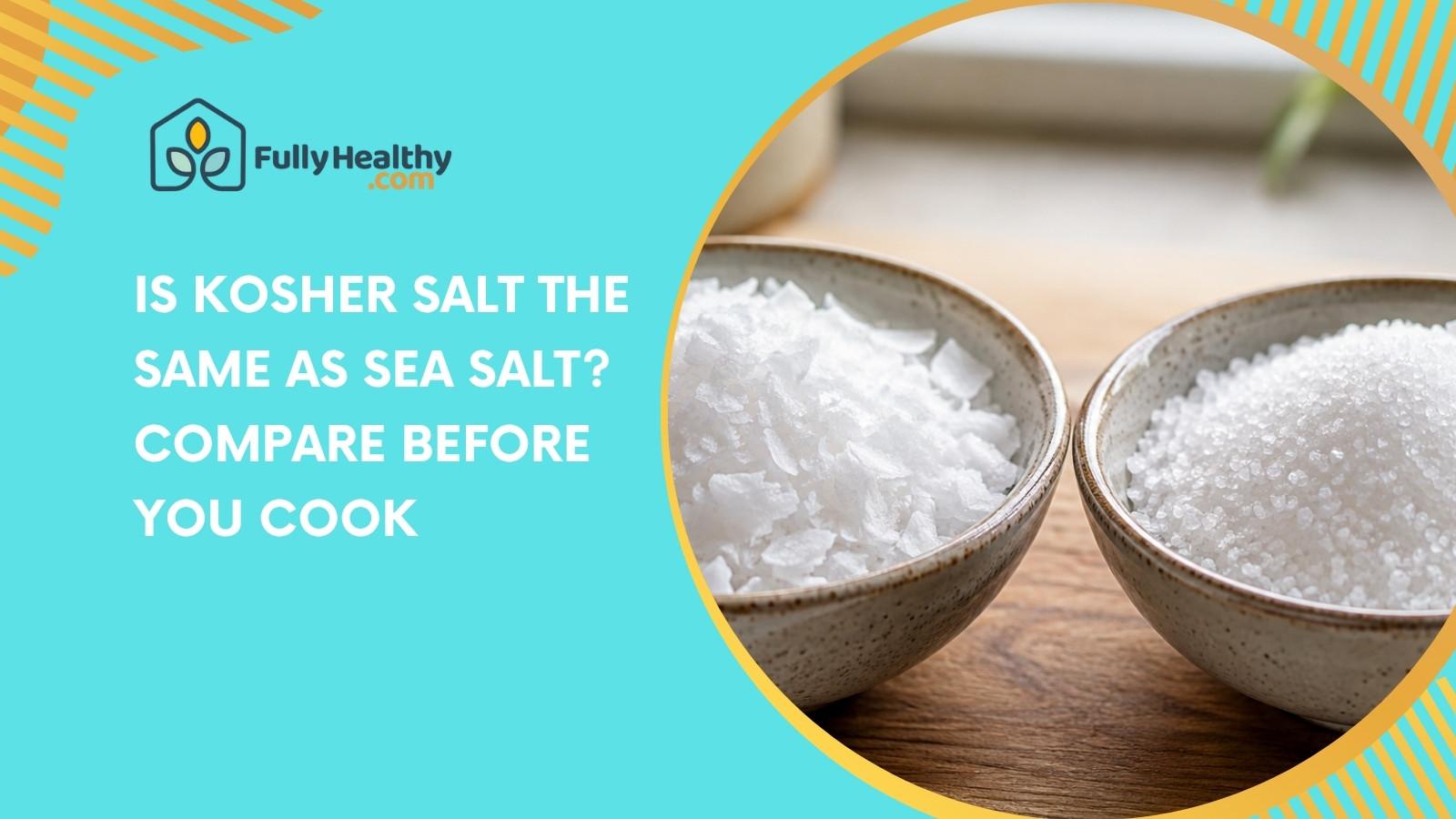
Is kosher salt the same as sea salt? No, but they are used in similar ways. Kosher salt usually has larger, lighter crystals that are easy to pinch while cooking. Sea salt comes from evaporated seawater and may be fine, coarse, or flaky.
Both are mainly sodium chloride, so neither is automatically healthier. You can swap them, but equal spoonfuls may taste different because crystal sizes vary. This guide explains the differences, substitutions, chef preferences, health facts, and available options.
Is Kosher Salt the Same as Sea Salt?

The short answer is no. Although kosher and sea salt are both mainly made of sodium chloride, they are not identical. They differ in where they come from, how they are processed, and how their crystal size affects cooking. Understanding these differences can help you choose the right cooking salt for each recipe and avoid using too much or too little.
What Makes Kosher Salt Different From Sea Salt?
Kosher salt was originally used in the koshering process, which follows Jewish law for making meat kosher by helping remove blood from meat. Its larger grains help draw out excess blood and surface blood before the meat is prepared. Sea salt, on the other hand, is made by evaporating seawater and may contain trace amounts of naturally occurring trace minerals.
-
Source: Kosher salt is often made from mined salt deposits, while sea salt is produced by evaporating seawater.
-
Traditional purpose: The coarse texture of kosher salt made it useful for drawing out surface blood during the process of preparing kosher meat.
-
Texture: Kosher salt usually has larger crystals or flat flakes, while sea salt may be finely ground, coarse, or flaky.
-
Mineral content: Some sea salts contain trace minerals, but the amounts are usually too small to provide a meaningful health benefit.
Why Do Crystal Size and Texture Matter More Than the Salt Name?
Crystal size affects how much salt fits into a spoon and how quickly it dissolves. This is why a recipe calls for a specific type or brand of salt in some cases. A tablespoon of Diamond Crystal kosher salt may contain less salt by weight than a tablespoon of regular table salt or iodized salt because its crystals are lighter and more open.
-
Measurement: Larger crystals take up more space, while smaller grains pack more tightly into a measuring spoon.
-
Saltiness: Using the same spoon measurement of different salts can create a slight variation in the final flavor.
-
Cooking control: Professional chefs often prefer Diamond Crystal because its coarser grains are easy to pinch and spread evenly.
-
Best practice: Check the recipe, measure carefully, and taste as you cook when switching to another salt.
Can I Substitute Kosher Salt for Sea Salt?
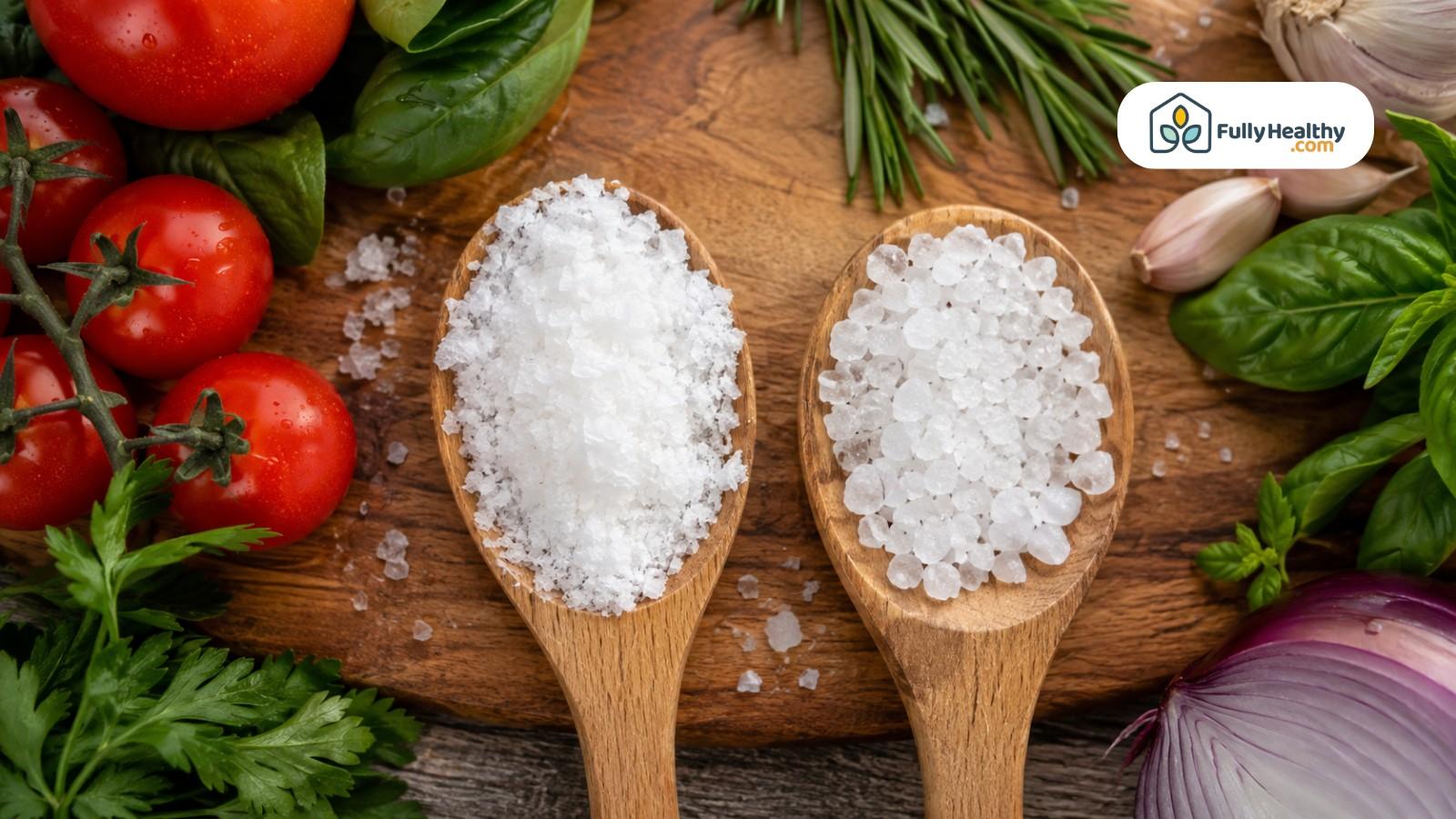
In many everyday recipes, you can substitute kosher or sea salt with good results. The main factor to consider is crystal size rather than the name on the package. Start with a smaller amount when replacing coarse salt with finely ground salt, then taste the food before adding more.
When Does Kosher Salt Work as a Sea Salt Substitute?
Kosher salt works well in soups, sauces, roasted vegetables, and seasoning meat because it dissolves evenly during cooking. It is also commonly used in pasta water because the larger crystals are easy to grab and sprinkle. In these recipes, kosher salt and sea salt can usually be swapped when the amounts are adjusted carefully.
-
Soups and sauces: Kosher salt dissolves well and is easy to add in small amounts.
-
Salting pasta water: Its larger grains make it easy to control how much salt goes into the pot.
-
Roasting: It spreads well over vegetables, poultry, and other proteins.
-
Everyday cooking: It is a practical substitute when the sea salt has a similar crystal size.
Which Recipes Require Extra Care When Swapping These Salts?
Some recipes depend on exact salt measurements. Baking, pickling, and brining often require more care because different crystal sizes pack differently into measuring spoons. Pickling salt, for example, is finely ground and made for preserving foods, so replacing it with coarse salt may affect how evenly it dissolves.
-
Baking: Smaller crystals may spread through dough or batter differently than larger crystals.
-
Brining: The salt-to-water ratio must be accurate because it affects both flavor and food safety.
-
Pickling: Pickling salt dissolves clearly and quickly, while other salt may contain additives that make the liquid cloudy.
-
Accurate measuring: Weighing salt is more reliable than using teaspoons or tablespoons when precision matters.
Do Chefs Use Sea Salt or Kosher Salt?
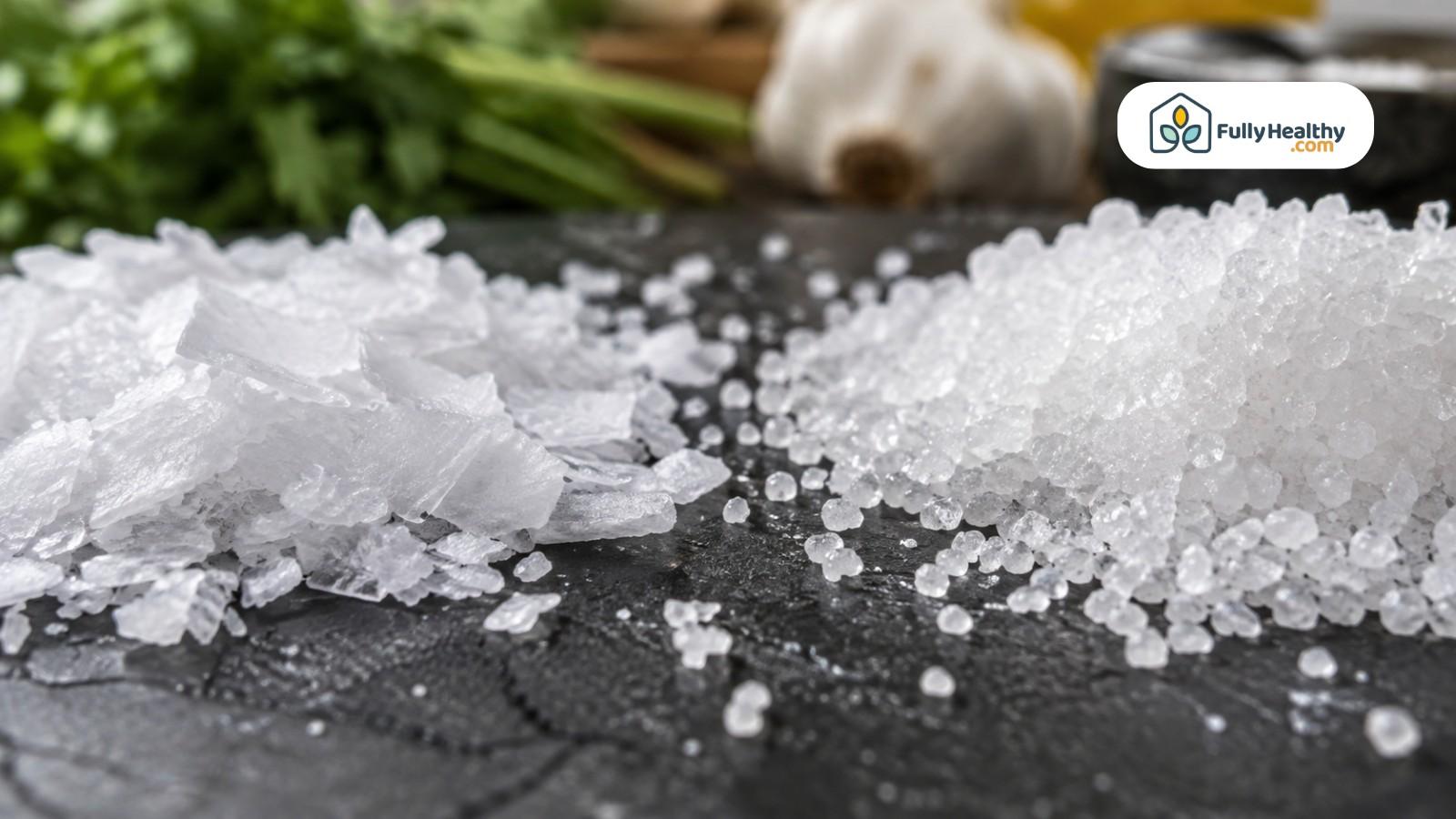
Many professional chefs keep both kosher salt and sea salt in the kitchen because each one has a different purpose. Kosher salt is usually the main cooking salt, while sea salt is often saved for finishing dishes. The choice depends on when the salt is added and what texture the chef wants.
Why Is Kosher Salt the Preferred Choice for Everyday Cooking?
Kosher salt is easy to grab, sprinkle, and control while cooking. Its larger grains allow cooks to season food more evenly and reduce the risk of adding too much at once. Many chefs also prefer the consistent shape and light texture of Diamond Crystal kosher salt compared with regular salt.
-
Control: Larger crystals are easier to pinch and spread by hand.
-
Consistency: Diamond Crystal has light, hollow flakes that help chefs season food more evenly.
-
Versatility: It works well for seasoning meat, vegetables, soups, sauces, and pasta water.
-
Kitchen use: It can be added during several stages of cooking without disappearing too quickly.
When Do Professional Chefs Choose Sea Salt Instead?
Sea salt is often used for finishing dishes because its flaky texture can add a light crunch and stronger surface flavor. Some varieties have flat flakes that stay on top of food instead of dissolving right away. This makes them useful for serving at the dining room table or adding a final touch before a dish is eaten.
-
Finishing: Sea salt adds texture to steaks, roasted vegetables, bread, and desserts.
-
Presentation: Large flakes can make finished food look more appealing.
-
Surface flavor: Because the crystals stay on top, they create a stronger burst of saltiness with each bite.
-
Best use: Kosher salt is usually better during cooking, while sea salt is often better for finishing dishes.
What Is Healthier, Sea Salt or Kosher Salt?

Many people compare kosher salt vs sea salt because they believe one is healthier than the other. In reality, both are mostly sodium chloride, so they have similar nutritional value. The main differences are their texture, how they are harvested, and how they are used in cooking rather than any major health advantage.
Do Sea Salt and Kosher Salt Have Different Nutritional Profiles?
Sea salt is harvested by evaporating seawater, while kosher salt is often produced from mined salt deposits. Depending on the brand, certain types of sea salt may contain tiny amounts of naturally occurring minerals. However, these minerals are present in very small amounts and should not be treated as a meaningful source of nutrition.
-
Sodium content: Both salts are mainly sodium chloride, so consuming too much of either can increase your total sodium intake.
-
Mineral content: Sea salt may contain trace minerals, but the amounts are usually too small to provide a clear health benefit.
-
Iodine: Kosher salt and many sea salts do not contain added iodine unless the package label clearly says they are iodized.
-
Best choice: The healthier option depends more on portion size and overall sodium intake than on the type of salt you choose.
Does One Salt Help Reduce Sodium Intake?
Some people believe coarse salt automatically lowers sodium intake because of its larger grain size. Larger crystals may cause you to use less salt by volume, but they do not contain less sodium by weight. The amount you consume still depends on how much salt you add and how often you eat salty foods.
-
Crystal size: A larger grain size changes how tightly salt fits into a spoon, but it does not remove sodium from the salt.
-
Cooking habits: Measuring carefully and tasting food before adding more salt can help prevent over-seasoning.
-
Health focus: Reducing total sodium intake is more useful than simply switching between different types of salt.
-
Practical tip: Choose the salt that works best for your recipe while following trusted daily sodium guidelines.
How Can FullyHealthy Help You Find Specialty Salt and Kosher Products?
FullyHealthy offers specialty foods for shoppers with specific dietary needs and preferences. Its online store brings together pantry items, seasonings, snacks, and other products in one place. This can make it easier to compare labels, review ingredients, and find items that fit your cooking needs without visiting several websites.
Which Salt and Kosher Products Does FullyHealthy Offer?
FullyHealthy carries verified salt products and snacks that suit different kitchen needs. The two Redmond Real Salt products contain Ancient Sea Salt, while the Bubbies snack shows that a kosher certified food can still list sea salt as an ingredient. Reading the full product label helps shoppers understand exactly what they are buying.
-
Redmond Real Salt Ancient Kosher Sea Salt Shaker, 10 oz: A ready-to-use shaker that works well for daily cooking, seasoning, and table use.
-
Redmond Real Salt Kosher Sea Salt Pouch, 16 oz: A larger pantry option that is useful for refilling a shaker or salt cellar.
-
Bubbies Kosher Dill Pickle Snacking Chips, 3.5 oz: A portable pickle snack made with sea salt, even though the product name includes the word “kosher.”
-
Shopping value: Each product page provides useful details such as ingredients, package size, dietary labels, and current availability.
Why Should You Check Product Labels Before Buying?
Product names do not always explain what type of salt a food contains. For example, the word “kosher” may refer to certification, food preparation, or product style rather than the use of kosher salt. Checking the ingredient list can help you avoid confusion and choose the right item for your diet or recipe.
-
Kosher meaning: A kosher certified product follows specific dietary standards, but it may contain sea salt instead of kosher salt.
-
Ingredient accuracy: The ingredient list gives clearer information than the product name alone.
-
Cooking needs: Different types of salt can vary in texture, crystal size, and how quickly they dissolve.
-
Historical context: Kosher salt was traditionally used to help drain blood from meat during preparation under Jewish dietary law, but that purpose does not apply to every product labeled kosher.
Final Thoughts
The answer to is kosher salt the same as sea salt is simple: no, but they can often be used in similar ways when you understand their differences. The biggest factors are crystal size, texture, production method, and how each salt performs in different recipes.
Kosher salt is a favorite for everyday cooking because it is easy to control, while sea salt is often chosen for its texture and finishing touch. Neither option is automatically healthier, so using the right amount is more important than choosing one over the other.
If you are looking for specialty salt products or diet-friendly groceries, FullyHealthy offers verified options that make shopping easier. Always read product labels and adjust measurements when switching between salts.
FAQs
Why do most chefs prefer kosher salt?
Most chefs choose kosher salt because the larger crystals are easier to pinch, season evenly, and control during cooking, which is one reason chefs love using it every day.
Can sea salt replace kosher salt in every recipe?
Sea salt can replace kosher salt in many recipes, but you may need to adjust the amount because different crystal sizes affect how much salt fits into a spoon.
Is sea salt healthier than kosher salt?
Not necessarily; both are mainly sodium chloride, and any naturally occurring minerals in sea salt are usually present in very small amounts.
Why is kosher salt called "kosher"?
Kosher salt gets its name from its traditional use in preparing kosher meat by helping remove blood during the koshering process, not because every package is automatically kosher certified.
Should I keep both kosher salt and sea salt in my kitchen?
Yes. Kosher salt is excellent for everyday cooking, while sea salt is useful for finishing dishes and adding texture just before serving.
Leave a comment