

Is Mayo Dairy-Free? Hidden Dairy, Health Facts, and More
Is mayo dairy-free? Yes, traditional mayonnaise is dairy-free because it is made with oil, egg yolks, vinegar or lemon juice, and seasonings instead of milk. However, flavored varieties and specialty recipes may contain dairy ingredients. This guide explains which mayonnaise products are dairy-free, what ingredients to watch for, how to choose a healthier option, and the best alternatives for different dietary needs.
Is Mayo Dairy-Free?
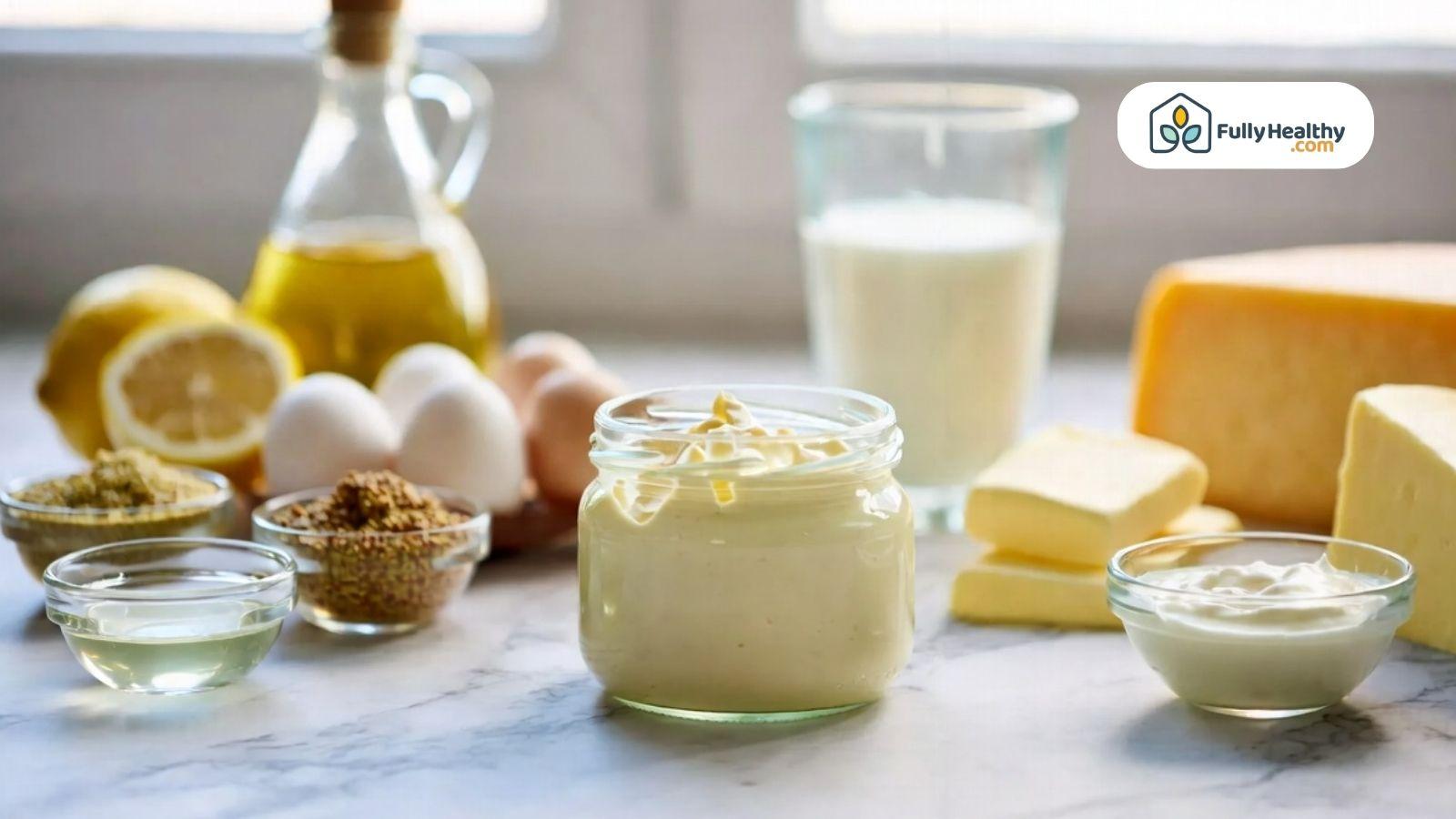
Traditional mayonnaise is dairy-free because it contains eggs, oil, and acidic ingredients instead of milk. However, some flavored varieties and specialty products include dairy ingredients, making it important to check the label before buying.
Traditional Mayonnaise Ingredients
Traditional mayonnaise is naturally dairy-free because it is made with oil, egg yolks, vinegar or lemon juice, mustard, salt, and spices instead of milk. Its smooth, creamy texture comes from an emulsion, where egg yolks bind the ingredients together into a stable mixture.
-
Core Ingredients: Classic mayonnaise combines oil, egg yolks, vinegar or lemon juice, mustard, salt, and spices.
-
Not A Dairy Product: Eggs come from poultry, so they are not considered dairy products even though they are an animal product.
-
Creamy Texture: Lecithin in egg yolks keeps the oil and liquid blended together without using cream or other milk products.
-
Everyday Uses: Mayonnaise is a versatile condiment used on sandwiches, salads, potato salad, burgers, wraps, and many recipes.
-
Suitable For Dairy-Free Diets: Most traditional mayo is a good choice for people following a dairy-free diet or managing lactose intolerance, provided they do not have an egg allergy.
Dairy Ingredients Hidden In Specialty Mayo
Some specialty mayonnaise products can contain dairy, even though traditional recipes do not. Flavored spreads and mayonnaise-based dressings may include milk-based ingredients to create a richer taste or a different texture.
-
Common Dairy Ingredients: Check the label for milk, whey, cheese, butter, cream, milk solids, casein, or milk protein hydrolysates.
-
Flavored Varieties: Garlic aioli, ranch, Parmesan, and other creamy sauce products may contain dairy ingredients.
-
Eggless Recipes: Eggless mayonnaise is not always dairy-free because some homemade and commercial recipes use condensed milk.
-
Read Every Label: Commercial mayonnaise brands can change their formulas, so ingredient lists should always be reviewed.
-
Dairy-Free Alternatives: Vegan mayonnaise made with soy milk or other plant-based ingredients is a dependable option for people avoiding dairy.
What is The Healthiest Mayonnaise That You Can Eat?
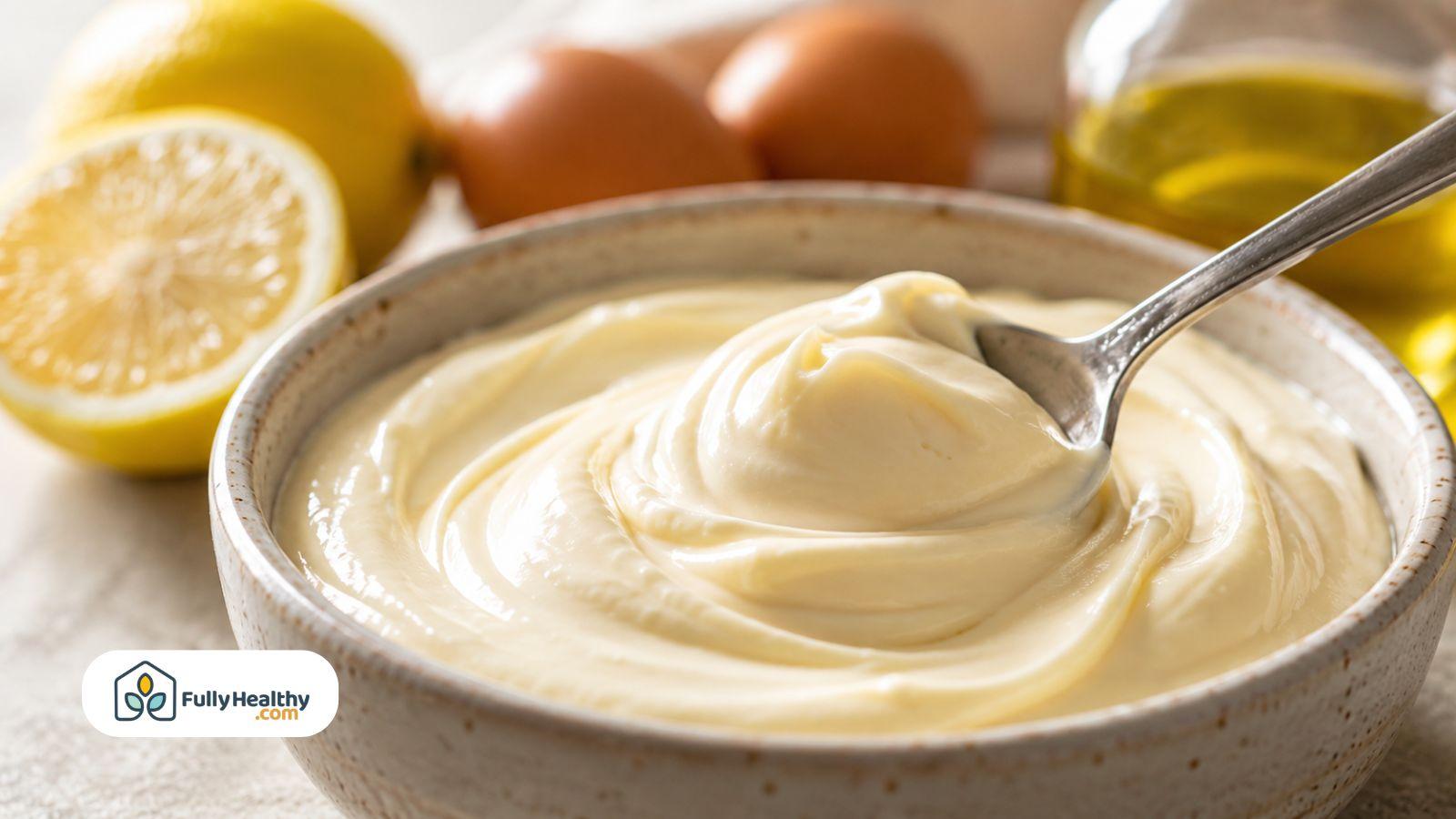
A healthieer choice of mayonnaise is made with heart-healthy oils, simple ingredients, and minimal additives. Compare the Nutrition Facts label for saturated fat, sodium, added sugar, calories, and serving size. Avocado or olive oil may provide more unsaturated fat, but the complete formulation matters.
Healthier Oils And Simple Ingredient Lists
Choose mayonnaise made with quality oils and a short ingredient list. Products containing avocado oil, egg yolks, vinegar or lemon juice, mustard, salt, and spices offer a simple recipe without unnecessary fillers.
-
Choose Healthy Oils: Avocado oil and olive oil are rich in unsaturated fats.
-
Keep It Simple: Select products with recognizable ingredients and fewer additives.
-
Read The Nutrition Label: Compare saturated fat, sodium, calories, and serving size.
-
Avoid Unnecessary Additives: Compare products based on nutrients relevant to your needs rather than assuming modified food starch or approved preservatives make mayonnaise unhealthy.
-
Enjoy In Moderation: Even healthier mayonnaise should be eaten in sensible portions.
Mayo Options For Different Nutrition Goals
The best mayonnaise depends on your dietary needs and preferences. Full-fat, light, and vegan options each have advantages, so compare ingredients before making your choice.
-
Full-Fat Mayo: Provides more fat and calories per serving, but ingredient-list length varies by brand and is not reliably shorter than light mayonnaise.
-
Light Mayo: Lowers calories but may contain extra thickeners or fillers.
-
Vegan Mayonnaise: Uses plant-based ingredients instead of eggs.
-
Special Diets: Dairy-free and gluten-free options support different dietary needs.
-
Choose What Fits: Pick the product that best matches your nutrition goals and taste preferences.
Is Mayonnaise Healthier Than Butter?
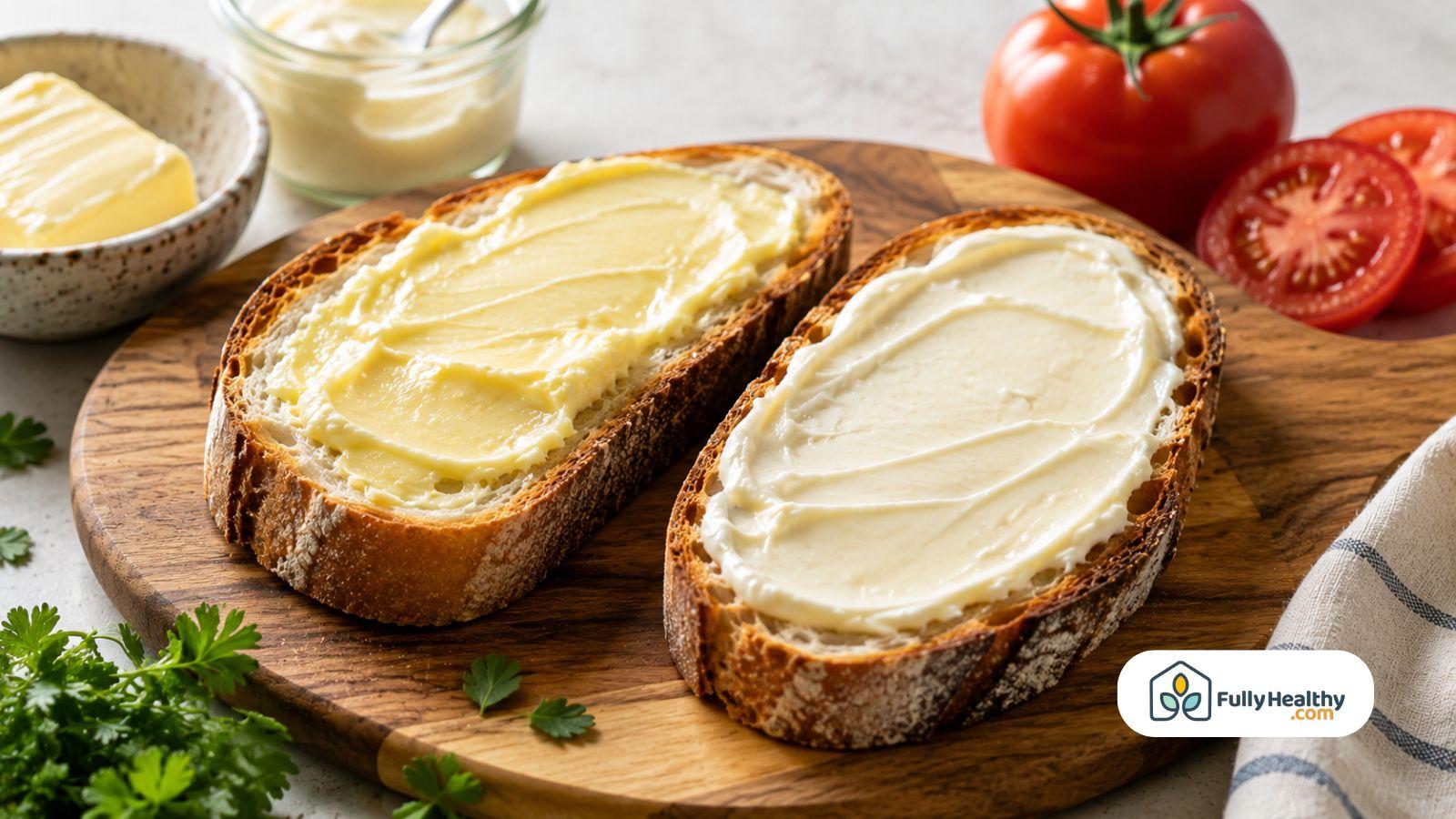
Mayonnaise can be a healthier choice than butter when made with heart-healthy oils because it contains more unsaturated fats and less saturated fat. However, both are calorie-dense, so the healthier option depends on your dietary needs, the ingredients used, and how much you eat.
Fat Content And Nutrition Differences
Mayonnaise and butter contain similar calories, but the type of fat is very different. Traditional mayonnaise is made with oil, giving it much less saturated fat and more unsaturated fat than butter, which is made from cream.
-
Calories: Butter provides about 717 calories per 100 g, while regular mayonnaise contains about 680 calories per 100 g.
-
Saturated Fat: Butter contains 50.5 g of saturated fat per 100 g, compared with 11.7 g in regular mayonnaise.
-
Cholesterol: Butter contains about 215 mg of cholesterol per 100 g, while mayonnaise contains about 42 mg.
-
Unsaturated Fat: Regular mayonnaise provides 44.7 g of polyunsaturated fat per 100 g, compared with 3 g in butter.
-
Dairy Content: Butter is made from cream and is a dairy product, while traditional mayonnaise is naturally dairy-free because it is made with oil, egg yolks, vinegar or lemon juice, and seasonings.
Which Spread is Better For Your Diet?
The better choice depends on your health goals, taste preferences, and the foods you are preparing. Choosing mayonnaise made with simple ingredients and quality oils can complement a dairy-free diet while still providing the creamy texture people enjoy.
-
For A Dairy-Free Diet: Traditional mayonnaise is a better choice because it does not contain milk or other dairy ingredients.
-
For Heart Health: Mayonnaise made with avocado oil or olive oil is generally lower in saturated fat than butter.
-
For Cooking: Butter adds a rich flavor to baked goods and cooked dishes, while mayonnaise works well in sandwiches, salads, potato salad, and creamy sauces.
-
For Special Diets: Vegan mayonnaise offers a dairy-free and egg-free alternative for people with food allergies or dietary restrictions.
-
Bottom Line: Choose the spread that best fits your nutrition goals and enjoy it in moderation as part of a balanced diet.
Does Mayonnaise Need To Be Refrigerated?
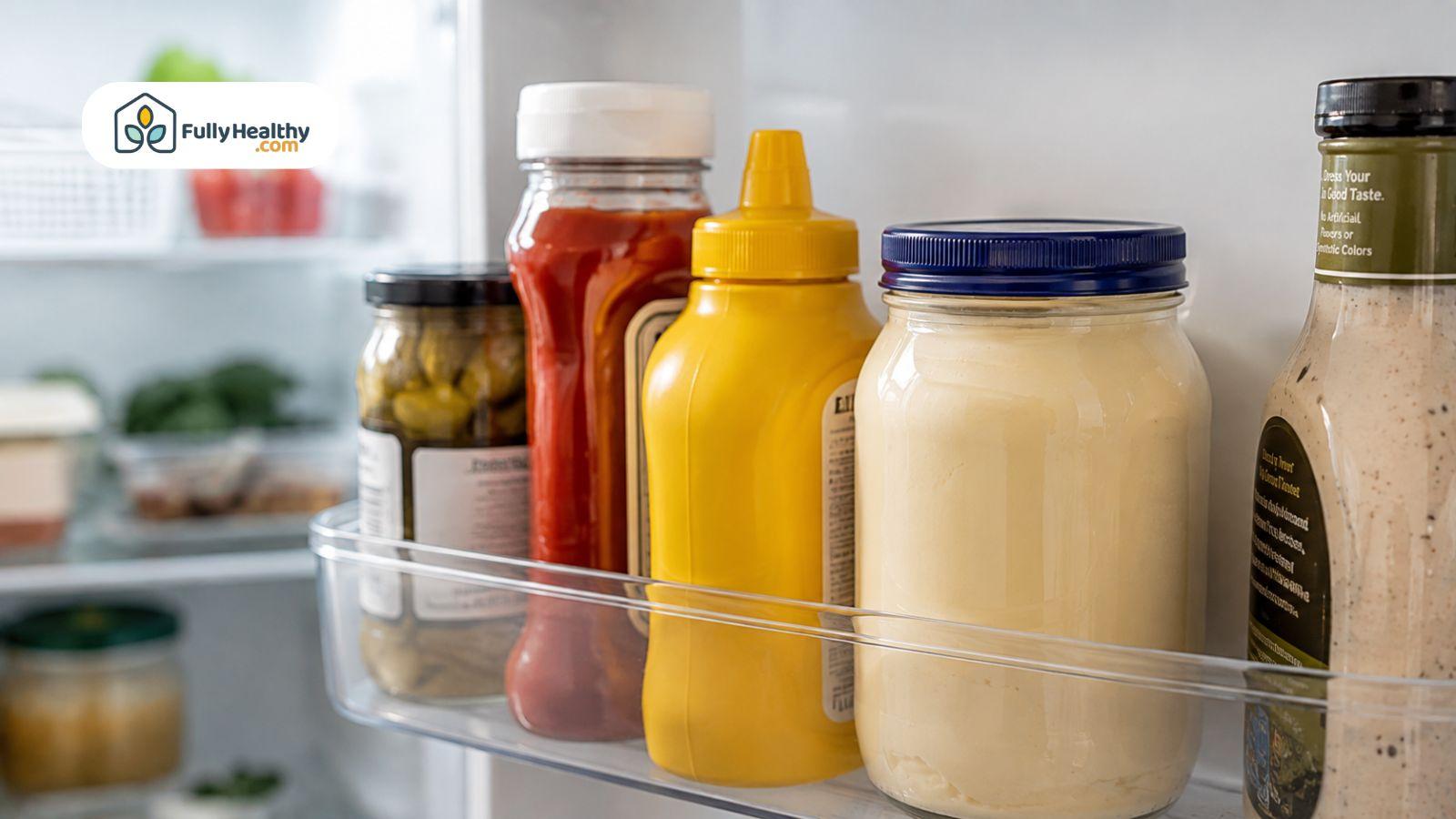
Yes, unopened commercial mayonnaise can be stored in a cool pantry, while opened mayonnaise should be refrigerated after use. Homemade mayonnaise should always stay refrigerated because it spoils much faster than commercially produced products.
Storage Rules For Unopened And Opened Mayo
Commercial mayonnaise is shelf-stable before opening because it is produced under controlled conditions and contains acidic ingredients that help preserve quality. After opening, refrigeration helps maintain freshness, flavor, and texture while reducing the chance of contamination.
-
Unopened Mayo: Store unopened jars in a cool, dry place away from direct sunlight and heat.
-
Opened Mayo: Refrigerate after opening and keep the lid tightly sealed between uses.
-
Clean Utensils: Use a clean spoon or knife each time to avoid introducing bacteria.
-
Package Instructions: Follow the storage directions printed on the label for the best quality.
-
Freshness: Refrigeration helps preserve the creamy texture and tangy flavor for longer.
Homemade Mayo And Spoilage Warning Signs
Homemade mayonnaise requires refrigeration because it does not go through the same preservation process as commercial products. Since it contains fresh egg yolks, it has a much shorter shelf life and should be discarded if it shows signs of spoilage.
-
Short Shelf Life: Homemade mayonnaise is best used within a few days when kept refrigerated.
-
Spoilage Signs: Discard mayonnaise with an off smell, mold, discoloration, or a separated texture that does not blend back together.
-
Safe Handling: Refrigerate immediately after preparation and avoid leaving it at room temperature for long periods.
-
Fresh Ingredients: Prepare homemade mayo with fresh eggs, clean utensils, and sanitary equipment.
-
When In Doubt: Throw it away if the smell, taste, or appearance seems unusual.
Find Specialty-Diet Foods More Easily With FullyHealthy
FullyHealthy makes shopping for specialty foods easier by bringing dairy-free, gluten-free, allergy-friendly, and plant-based products together in one place.
About The FullyHealthy Marketplace
FullyHealthy is an online marketplace dedicated to specialty foods for people following dietary restrictions or managing food allergies. The store organizes products into easy-to-browse categories, making it simpler to shop for pantry staples, condiments, snacks, baking essentials, and everyday foods that match your lifestyle.
-
Specialty Diets: Shop products that support dairy-free, gluten-free, vegan, Paleo, AIP, and other eating plans.
-
Allergy-Friendly Selection: Browse foods created for people avoiding common potential allergens, including dairy and gluten.
-
Convenient Shopping: Purchase specialty products from multiple trusted brands in one location.
-
Easy Navigation: Browse by dietary preference, product type, or brand to simplify meal planning.
-
Trusted Brands: FullyHealthy carries products designed to support a variety of nutritional needs.
Dairy-Free Condiments And Pantry Products
FullyHealthy offers a wide selection of pantry staples that help replace traditional condiments without sacrificing flavor or texture. Product labels clearly list ingredients, making it easier to choose options that fit your dietary preferences.
-
Chosen Foods 100% Avocado Oil Traditional Mayo: A dairy-free mayonnaise made with avocado oil that delivers a rich, creamy texture for sandwiches, salads, dips, and everyday recipes.
-
Truly AIP Ranch Mix: An allergy-friendly seasoning blend that makes it easy to prepare flavorful ranch dips, dressings, and creamy sauces without common allergens.
-
Coconut Secret Coconut Aminos: A soy-free, gluten-free seasoning sauce that adds savory umami flavor to marinades, stir-fries, and dipping sauces.
-
Big Tree Farms Organic Coco Aminos: An organic coconut-based seasoning that provides a balanced savory flavor for cooking, marinades, and everyday meals.
-
Product Labels: Always review the ingredient list before purchasing, as product formulas and ingredients may change over time.
Final Thoughts
Traditional mayonnaise is usually dairy-free because it is made with oil, egg yolks, vinegar or lemon juice, and seasonings instead of milk. The biggest exception is flavored or specialty products that may include dairy ingredients, so reading the ingredient label is always a smart habit.
If you have food allergies, lactose intolerance, or specific dietary needs, choosing the right product becomes even more important. Keep this guide in mind the next time you shop for mayonnaise or compare dairy-free alternatives.
FAQs
Does Any Mayonnaise Have Dairy?
Traditional mayonnaise generally does not contain dairy, but commercial flavored mayonnaise, dressings, and specialty formulations may contain milk ingredients, so check the ingredient and ‘Contains’ statements.
What is A Good Substitute For Mayonnaise?
The best substitutes for mayonnaise are plain Greek yogurt, sour cream, and mashed avocado. They provide a similar creamy texture in salads, dips, and sandwiches.
Can I Eat Mayo If I Am Lactose Intolerant?
Yes, most traditional mayonnaise is suitable if you are lactose intolerant because it does not contain milk, but always check the label for dairy ingredients.
Is All Mayonnaise Gluten-Free?
No. Traditional mayonnaise is usually gluten-free, but flavored or specialty varieties may contain gluten.
What Can I Replace Mayonnaise With In A Sandwich?
If you do not eat eggs, choose vegan mayonnaise, mashed avocado, or hummus to keep a creamy spread while matching your dietary preferences.
Leave a comment