

Is Sourdough Bread Gluten Free? What You Must Know
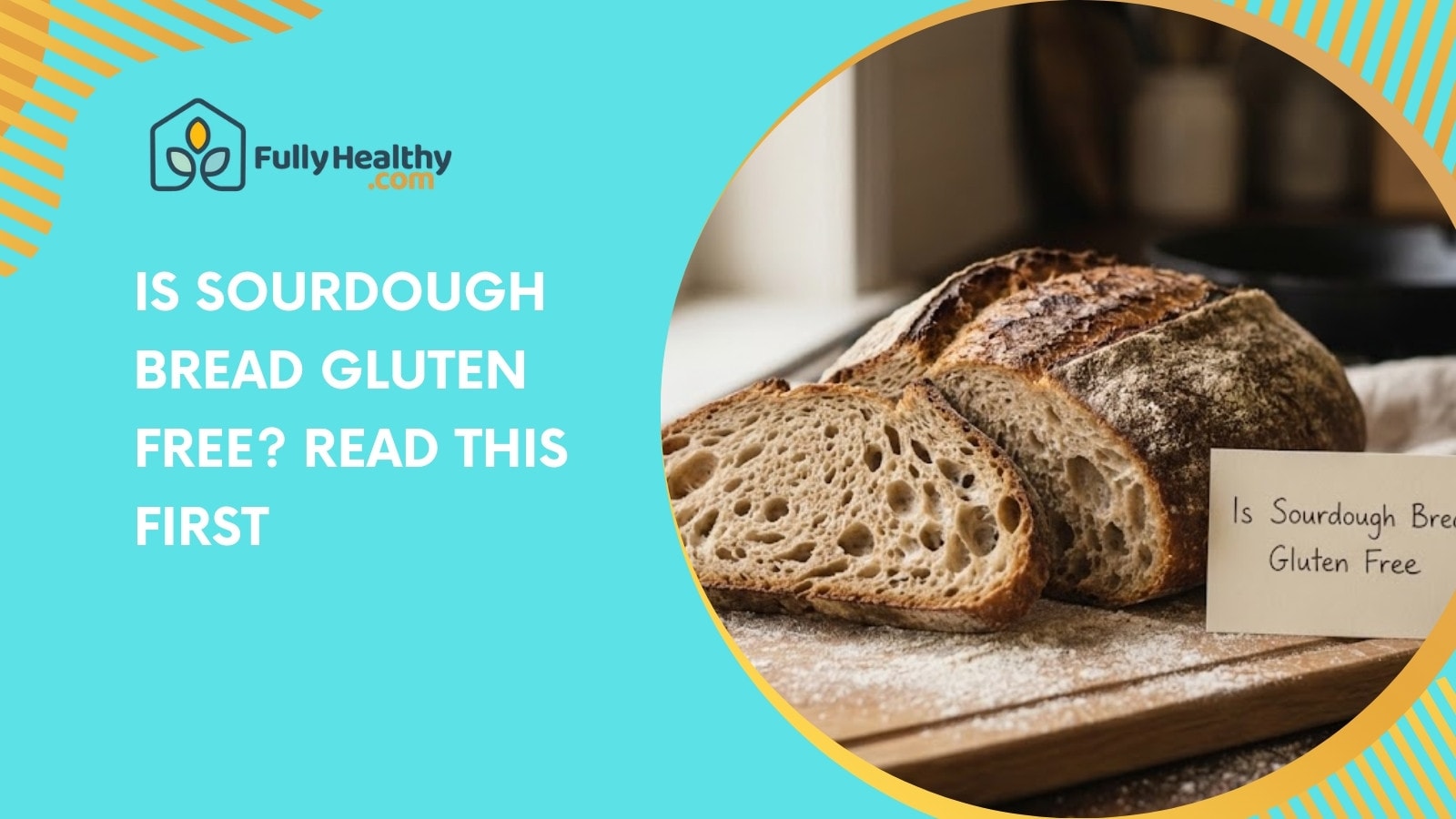
Is sourdough bread gluten free? The short answer is no, gluten is still in traditional sourdough made with wheat. Some gluten is lost during fermentation, but not enough to meet the FDA's standard of less than 20 parts per million gluten.
For people with celiac disease, that means it's not safe. But there is gluten-free sourdough that is made with other flours. Before you eat, read this.
Featured Bakery Pick
Base Culture // Gluten Free Sourdough Bread - 16 oz
Loading...
Is Sourdough Bread Gluten Free?
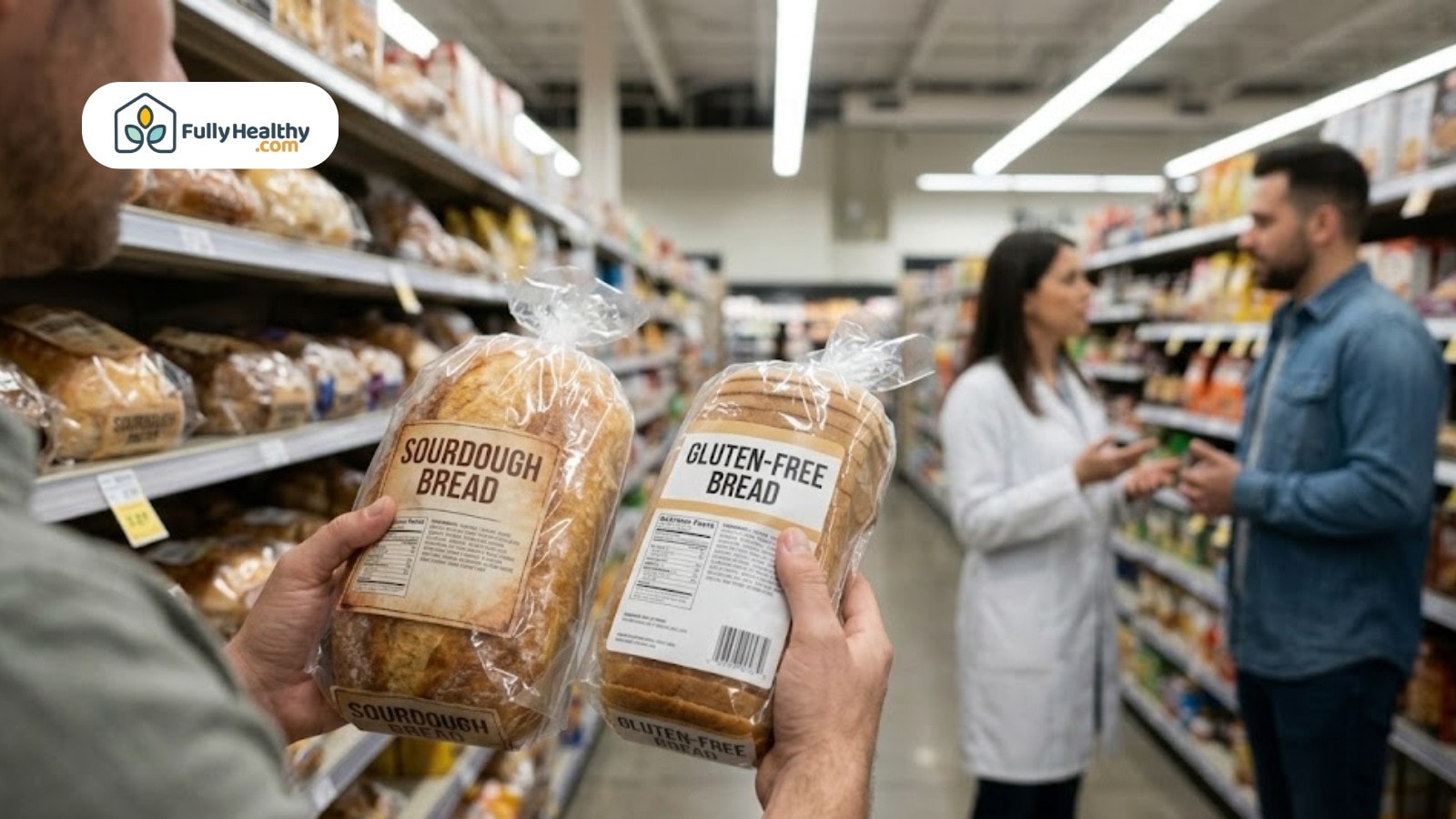
Sourdough that is made from wheat grains is not gluten-free. A small amount of gluten is lost during fermentation, but not all of it. For people who can't or has gluten intolerance, this difference is important.
The Direct Answer: Regular Sourdough Is Not Gluten Free
A lot of online myths say that gluten-free sourdough is the same as regular sourdough made with wheat. Research explains dough made from wheat still has more gluten than is safe. Gluten can still hurt your body even if you feel fine.
-
Gluten Content: Wheat sourdough still contains gluten protein from grains like wheat, barley, and rye.
-
FDA Standard: Gluten free food must contain less than 20 parts per million of gluten.
-
Health Risk: Gluten can damage the small intestine in people with celiac disease.
-
Hidden Harm: Some people have no clear symptoms, but internal damage can still happen.
Why Fermentation Does Not Remove Gluten Completely
Wild yeast and bacteria from the environment are used in the fermentation process. These microbes make the dough rise and feel better. They also break down some protein, but not enough to be dangerous.
-
Partial Breakdown: Fermentation weakens gluten but does not remove it fully.
-
Digestibility: Some people with mild gluten sensitivity say it is easier to digest.
-
Not Safe For Celiac: Even long hours of fermentation do not make wheat sourdough gluten free.
-
Better Option: Choose bread made with gluten free grains like rice, millet, or sorghum.
Is Sourdough Bread Inflammatory?
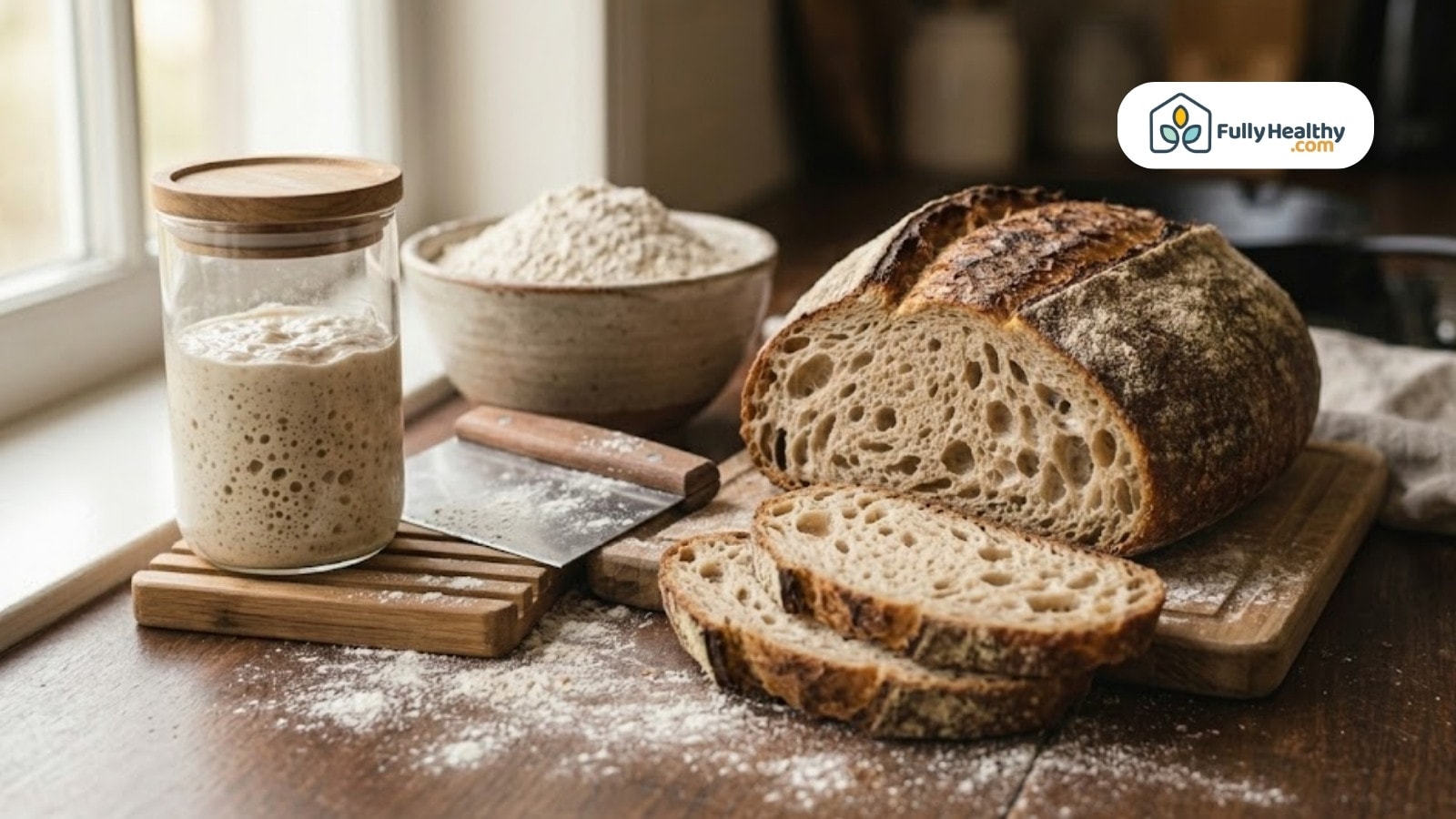
Sourdough often appears in blog stories that praise it as a healthy food. Some research suggests it may have anti-inflammatory effects. However, it is important to acknowledge what the science really says.
What A 2025 Study Reveals About Anti-Inflammatory Compounds
A 2025 laboratory study tested sourdough extract, not fresh loaves from your kitchen. The study looked at how certain compounds affect inflammation markers.
-
Lab Setting: The research was done in test tubes, not in humans.
-
Protein Activity: Compounds in sourdough interacted with inflammation pathways.
-
Antioxidant Effect: The extract showed antioxidant activity in controlled tests.
-
More Research Needed: Human studies are required before strong health claims are made.
Antioxidants, Polyphenols, And What They Mean For Your Body
During fermentation, organic acids and plant compounds increase. These changes may support general health and slow how the body processes carbohydrates.
-
Polyphenols: Natural plant compounds formed during fermentation.
-
Blood Sugar Response: Sourdough may lead to a slower rise compared to white bread.
-
Mineral Support: Fermentation may improve absorption of certain nutrients.
-
Balanced View: Potential benefits do not remove gluten risks.
Is Sourdough Bread Good For Your Gut?
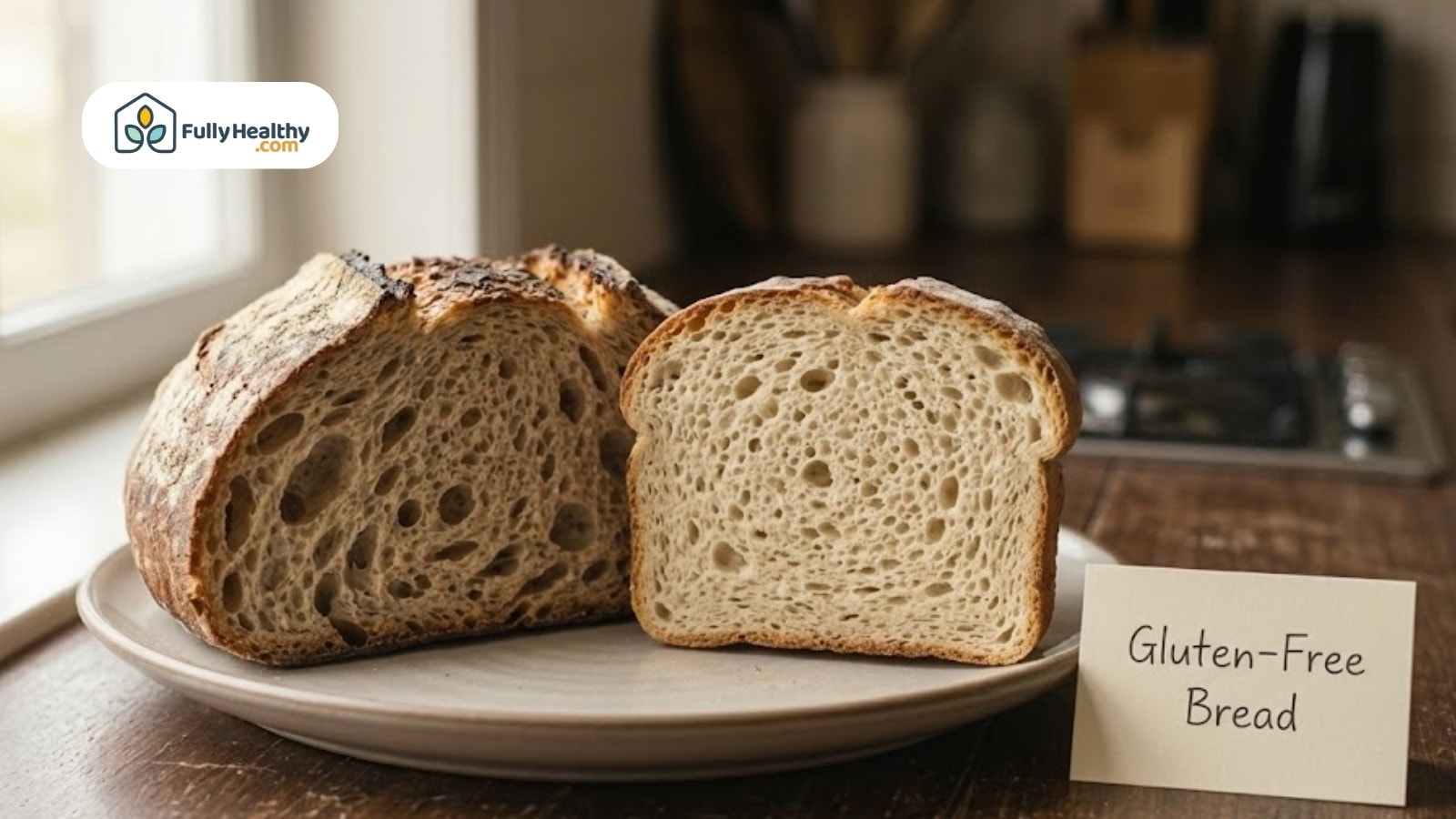
Many people say sourdough is easier to digest than other breads. The fermentation process changes the ingredients before baking. This may affect how your body handles the bread.
How Fermentation Affects Gut Bacteria And Digestion
Sourdough uses a starter made from flour and water. Natural bacteria feed on carbohydrates in the dough for several hours before baking.
-
FODMAP Reduction: Some fermentable sugars that cause bloating may decrease.
-
Prebiotic Effect: Compounds formed during fermentation can feed helpful gut bacteria.
-
Not Probiotic: Heat from baking kills live bacteria.
-
Improved Texture: Slow fermentation helps the dough rise and creates a better crumb.
Glycemic Impact And Mineral Absorption Benefits
Fermentation can reduce phytates, which are compounds in grains that block mineral absorption. This may help your body use nutrients more effectively.
-
Carbohydrates Present: Sourdough still contains carbohydrates and should be eaten in moderation.
-
Better Mineral Access: Iron and zinc may be easier to absorb after fermentation.
-
Whole Ingredients: Using organic flour may improve overall quality.
-
Proper Storage: Store bread correctly to keep it fresh and safe to eat.
Who Should Avoid Sourdough Bread?
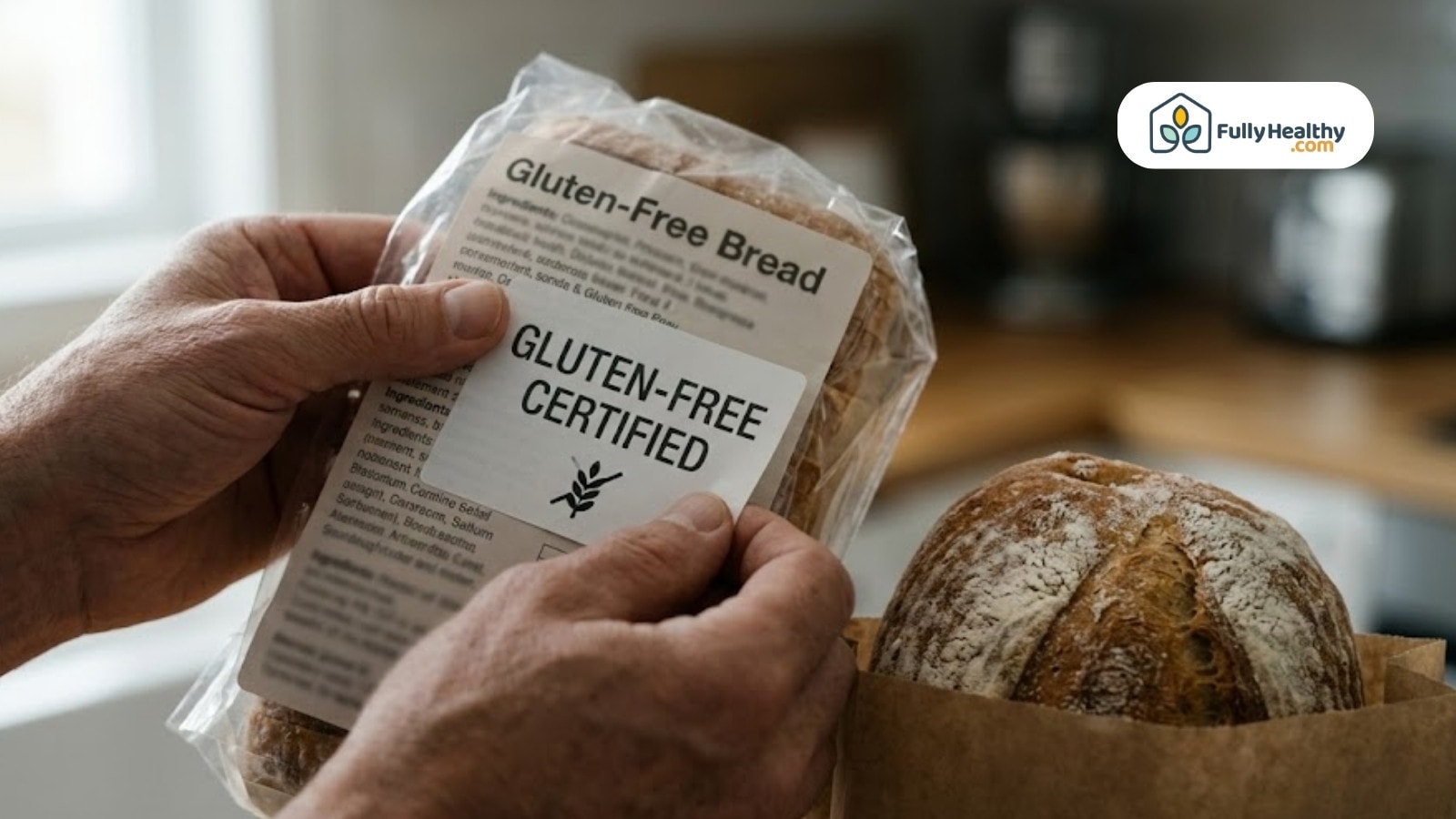
Sourdough has grown in appeal over the years, and a lot of people enjoy its flavor and texture. Still, it is not the right choice for everyone. To understand if it fits your diet, you need clear facts, not just public opinion or more comments under a post.
Celiac Disease And Severe Gluten Sensitivity
Medical experts agree that people with celiac disease should not eat regular wheat sourdough. Even if symptoms seem mild, internal damage can still happen. That is a proven fact backed by years of research.
-
Celiac Disease Risk: Gluten can damage the small intestine, even when no clear symptoms appear.
-
Gluten Sensitivity: Some people still react to sourdough because fermentation does not remove all gluten.
-
Expert Guidance: Doctors and dietitians recommend strict avoidance of wheat-based bread.
-
Safer Alternative: Choose certified gluten-free products to lower health risks.
Do not rely only on one blog post or comment thread. Always check trusted sources to educate yourself properly.
Low-Carb Dieters And Those Watching Sodium Intake
Sourdough is still bread, and bread contains carbohydrates. If you follow a low-carb way of eating, you may need to limit how much you eat each day. Sodium content is another important factor to review. Understanding these points helps you decide if sourdough works for your health goals.
-
Carbohydrate Load: A couple of slices can add a high number of carbs to your daily intake.
-
Blood Sugar Impact: People managing diabetes should monitor portions carefully.
-
Sodium Content: Some store-bought loaves contain more salt than expected.
-
Smart Portioning: Balance sourdough with protein and vegetables for better control.
FullyHealthy: Gluten-Free And AIP Bread Alternatives
If you miss bread but cannot eat gluten, FullyHealthy offers ready options that may work for you. The company started as ShopAIP and focuses on specialty diets. Their products are designed to work for people with strict dietary needs.
Base Culture Gluten Free Sourdough Bread
The Base Culture Gluten Free Sourdough Bread gives a sourdough-style experience without wheat. It can appeal to those who want the taste but need a safer option.
-
Grain-Free Recipe: Made with almond flour, arrowroot flour, eggs, and simple ingredients.
-
Sourdough Flavor: Uses sauerkraut and lactic acid to create a tangy taste.
-
Storage Advice: Keep refrigerated and use within several days, or freeze to store longer.
-
Diet Consideration: Suitable for gluten-free diets but not for people with nut allergies.
Simple Mills And Truly AIP Bread Mix Options
FullyHealthy also carries baking mixes that make it easier to prepare bread at home. These options help educate buyers who want better control over ingredients.
-
Simple Mills Option: Gluten free certified and made with almond flour; works well for pizza dough.
-
Truly AIP Mix: Created for the elimination phase of AIP using cassava and tigernut flour.
-
Flexible Use: One mix can make a couple of items like bread, waffles, or flatbread.
-
Informed Choice: Always read labels carefully and understand how each product fits your diet.
Final Thoughts
Sourdough can be a great food choice for some people, but it is not gluten free unless it is made with safe ingredients. Research has found that traditional wheat sourdough still contains gluten, even after fermentation. While many enjoy its soft texture and rich flavor, it is not the right place for people with celiac disease.
On the other hand, certified gluten-free options are now easy to find. If you want better digestion or unique taste, sourdough may work for you. Always read labels by hand, check ingredients carefully, and choose what fits your health needs. The right choice depends on your body and your goals.
FAQs
Is sourdough gluten free in every place it is sold?
No, most traditional sourdough found in stores is not gluten free unless clearly labeled.
Can sourdough be soft and still contain gluten?
Yes, soft texture does not mean it is gluten free because gluten is still present in wheat versions.
What should I check by hand before buying sourdough?
Check the ingredient list by hand to see if wheat or other gluten grains are included.
Have experts found safe sourdough options?
Yes, experts have found certified gluten-free sourdough made with alternative flours.
Is gluten-free sourdough easy to find in one place?
Yes, many specialty stores and online shops now offer gluten-free options in one place.
Leave a comment