

Should You Brush Your Teeth Before of After Breakfast? Best Brushing Time
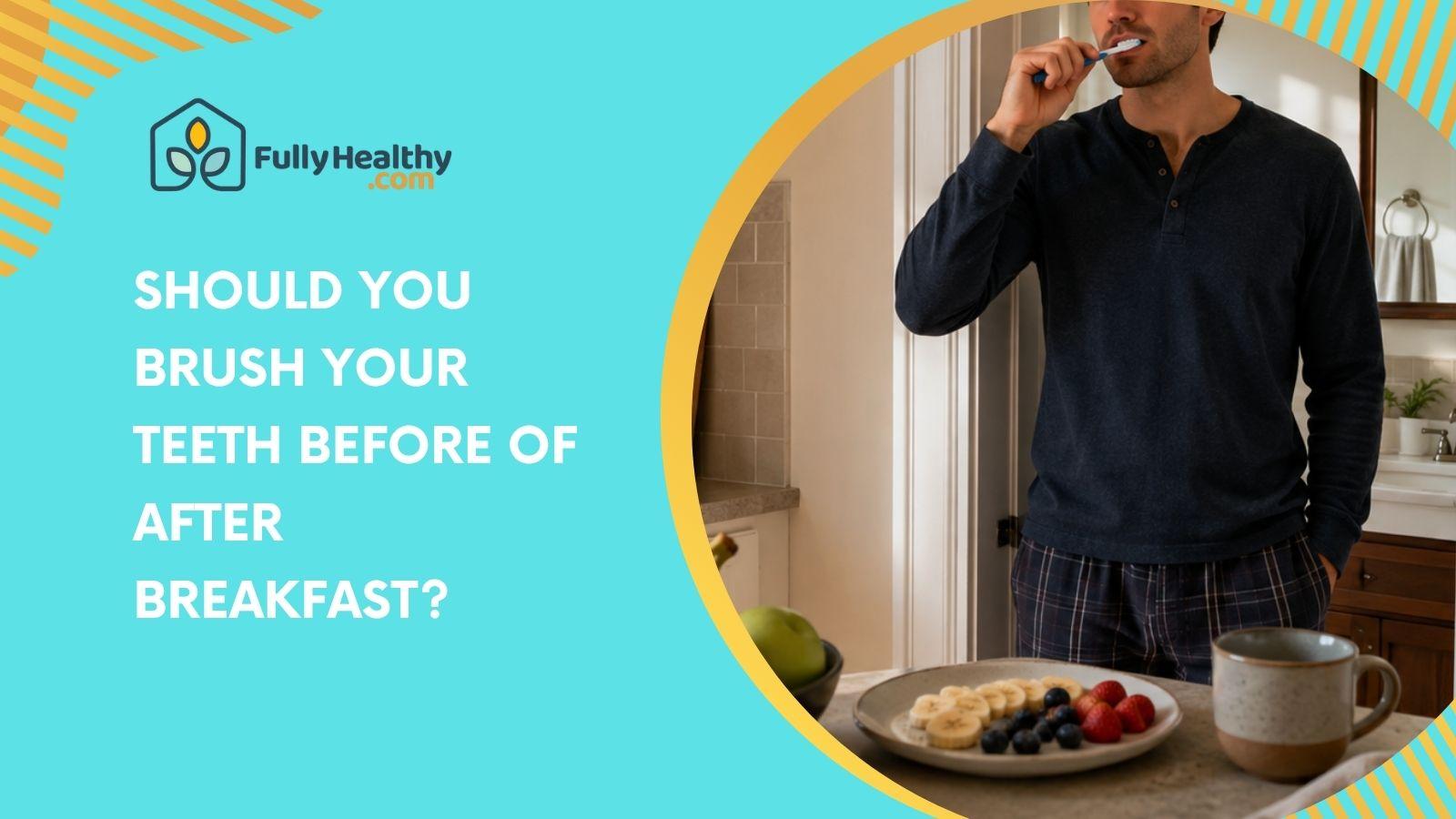
Should you brush your teeth before of after breakfast? Brushing before breakfast is often recommended because it removes overnight plaque and coats your teeth with fluoride before food acids arrive. If you prefer brushing afterward, wait 30 to 60 minutes, especially after acidic foods.
Read on for simple guidance on brushing times, enamel protection, and tooth-friendly breakfast choices.
Is It Better to Brush Your Teeth Before or After Breakfast?

It is usually better to brush your teeth before breakfast. If you brush after eating, wait 30 to 60 minutes, especially after acidic foods or drinks.
The Best Time to Brush
The best time to brush in the morning is shortly after waking and before eating breakfast. Saliva production decreases during sleep, allowing plaque-causing bacteria to multiply inside your mouth.
An ADA Morning Huddle article reports that featured dental experts favor brushing before breakfast because it removes overnight bacteria, stimulates saliva production, and creates a protective barrier over the enamel. Brushing at this time can also make oral care easier to remember during a busy morning.
-
Removes Overnight Plaque: Brushing clears bacteria and plaque that accumulated while saliva production was lower during sleep.
-
Freshens Morning Breath: Cleaning your teeth and tongue removes bacterial residue that contributes to unpleasant breath.
-
Applies Fluoride Early: Fluoride toothpaste strengthens enamel before contact with acidic or sugary breakfast foods.
-
Supports Consistency: Brushing after waking makes oral hygiene a dependable part of your morning routine.
Your Morning Brushing Routine
Brush for two minutes with a soft-bristled toothbrush and fluoride toothpaste. Follow these steps to clean each surface without placing excessive pressure on your teeth or gums:
-
Apply the Toothpaste: Place a pea-sized amount of fluoride toothpaste on the brush head.
-
Start at the Gumline: Hold the toothbrush at a slight angle where the teeth and gums meet.
-
Use Gentle Movements: Use gentle, short movements across every tooth surface.
-
Clean Every Surface: Brush the front, back, and chewing surfaces of each tooth for a total of two minutes.
-
Brush Your Tongue: Gently clean the tongue to remove bacteria that can contribute to bad breath.
-
Finish the Routine: Spit out excess toothpaste without immediately rinsing your mouth, then rinse the toothbrush thoroughly.
Why Can Brushing After Breakfast Affect Your Enamel?
Acidic foods and drinks can temporarily soften enamel, so brushing immediately afterward may increase wear.
Acidic Foods and Tooth Enamel
Tooth enamel is the hard outer layer that protects the sensitive structures inside each tooth. Orange juice, citrus fruit, coffee, and other acidic breakfast items can temporarily soften its surface. Brushing during this period may move acid and food particles across the teeth while the enamel is more vulnerable.
The concern is not brushing after breakfast itself, but brushing too quickly after eating acidic foods.
-
Orange Juice: Citrus acids can temporarily soften enamel, especially when the drink is slowly sipped.
-
Coffee: Coffee is naturally acidic, while added sugar also feeds acid-producing oral bacteria.
-
Citrus Fruit: Oranges and grapefruit expose the teeth directly to natural acids during the meal.
-
Bread and Pastries: Bacteria can break down their carbohydrates and produce acids that contribute to tooth decay.
How Long to Wait Before Brushing
Wait approximately 30 to 60 minutes before brushing after eating breakfast, especially after consuming acidic foods or drinks. During this period, saliva helps dilute acids, clear loose food particles, and return the mouth closer to its usual pH. This reduces the risk of brushing enamel while its surface is temporarily softened.
-
Allow Saliva to Work: Waiting gives saliva time to neutralize acids and support the enamel’s natural recovery.
-
Drink Plain Water: Water rinses away loose food particles and reduces the concentration of acids in the mouth.
-
Chew Sugar-Free Gum: Chewing increases saliva production and can freshen your breath while brushing must wait.
-
Ask Your Dentist: Reflux, sensitivity, dry mouth, or enamel erosion may require more specific advice.
What Breakfast Foods Are Healthy for Your Teeth?
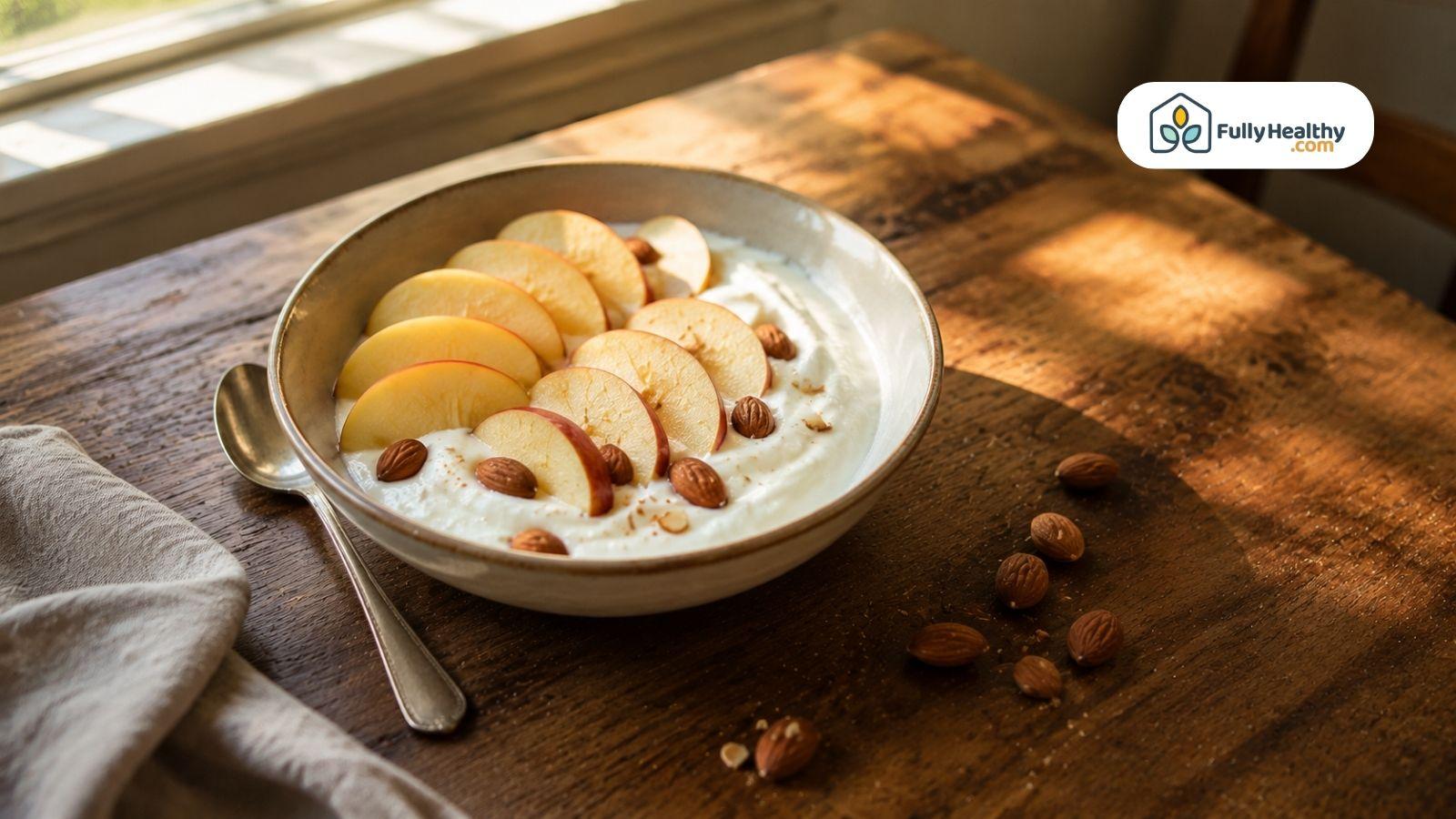
Cheese, plain yoghurt, leafy greens, apples, carrots, celery, and almonds can support oral health. Water is also a better breakfast drink for your teeth than sugary or acidic beverages.
Foods That Support Teeth and Gums
Calcium and protein help maintain strong teeth, while fibre-rich foods can stimulate saliva and support gum health. Cheese, plain yoghurt, leafy greens, and almonds provide useful nutrients without requiring a sugary breakfast. Choose unsweetened products when possible and consider your dietary needs.
-
Cheese: Calcium and protein support enamel, while chewing can increase saliva and help balance acidity.
-
Plain Yoghurt: It provides calcium and protein without the added sugar found in flavored varieties.
-
Leafy Greens: Kale and spinach provide calcium and folate while adding little sugar to breakfast.
-
Almonds: They provide calcium and protein while remaining lower in sugar than sweetened snacks.
Crunchy Foods and Water
Crunchy, fibre-rich foods can stimulate saliva and help loosen food particles from the teeth. They do not replace brushing with fluoride toothpaste, but they can contribute to a balanced breakfast. Water also rinses the mouth without adding sugar or prolonging acid exposure.
-
Apples: Their fibre, water, and chewing action stimulate saliva, though their natural sugar and acidity still matter.
-
Carrots: Raw carrots encourage saliva production and help clear loose food particles after eating.
-
Celery: Its fibrous texture can help loosen food debris while providing vitamins A and C.
-
Water: Plain water rinses the mouth without adding the sugar or acidity found in juice.
How Can FullyHealthy Fit Into Your Breakfast Routine?
FullyHealthy provides breakfast products for specialized diets, including AIP, Paleo, gluten-free, Low-FODMAP, keto, vegan, and allergen-conscious eating patterns. Product labels should still be reviewed for ingredients, sugar, and suitability for your current diet stage.
Breakfast Foods for Specialized Diets
The FullyHealthy breakfast collection brings together cereals, baking mixes, seasonings, and convenient meals from smaller specialty-food brands. The marketplace allows shoppers to browse products by dietary category rather than checking unrelated grocery aisles.
-
AIP Options: Products are organized for the elimination phase and different reintroduction stages.
-
Paleo Choices: The collection includes Paleo-compliant cereals, mixes, seasonings, and portable meals.
-
Ingredient Visibility: Product pages list ingredients and dietary information to support informed selection.
-
Multiple Categories: Shoppers can browse gluten-free, vegan, keto, Low-FODMAP, and other collections.
FullyHealthy Breakfast Products
FullyHealthy offers a variety of breakfast products for different tastes, routines, and specialized dietary needs. Here are a few options available from our collection:
-
Primal Palate Breakfast Blend: This AIP seasoning adds a warm, savory flavor to vegetables, meat, and other breakfast dishes.
-
Pancake and Waffle Mix: The mix contains cassava flour, tigernuts, coconut ingredients, cinnamon, and other AIP-compliant ingredients.
-
Banana Bread Mix: This grain-free mix uses cassava flour, coconut sugar, tigernut flour, coconut flour, and vanilla.
-
Wild Zora Instant Cereal: This grain-free cereal includes flaxseed meal, coconut, dried fruit, almond flour, walnuts, and raisins.
-
Wild Zora Variety Pack: The pack includes Apple Pie, Carrot Cake, Tropical Tart, Blueberry Muffin, and Banana Bread flavors.
-
Wild Zora Cacao Banana Meal: This portable meal combines banana, strawberries, mango, almonds, flaxseed, cacao nibs, and cinnamon.
Final Thoughts
Brushing before breakfast helps remove overnight plaque buildup and places fluoride on enamel before your morning meal. If you brush after eating, wait 30 to 60 minutes, especially after acidic foods. Water and sugar-free chewing gum can support saliva while you wait, but they do not replace brushing.
Consistent dental care helps limit plaque formation, tooth decay, and gum disease. Keep your routine simple, choose tooth-friendly breakfast foods, and ask your dentist for personal guidance when needed.
FAQs
What is the 3-3-3 Rule for Teeth?
The 3-3-3 rule commonly means brushing three times daily for three minutes, three minutes after eating, but wait 30 to 60 minutes after acidic foods.
Which Fruit is Called Nature's Toothbrush?
Apples are often called Nature’s toothbrush because their fibrous texture stimulates saliva and helps loosen food particles, but they do not replace brushing.
What Destroys Teeth the Most?
Frequent exposure to acids from plaque bacteria, sugary foods, and acidic drinks gradually weakens enamel and contributes to cavities.
Can I Eat a Banana After Brushing My Teeth at Night?
It is better to eat the banana before brushing because its natural sugars and carbohydrates can remain on your teeth during sleep.
Is Yogurt Bad for Your Teeth?
Plain, unsweetened yogurt can support teeth with calcium and protein, while sweetened varieties may increase the risk of tooth decay.
Leave a comment