

What Is Black Pepper? Cooking And Health Facts
What is black pepper and why is it used in almost every kitchen? Black pepper is made from the dried berries of the piper nigrum plant. It has a strong, spicy flavour. It makes food taste better, helps digestion, and goes well with a lot of different foods.
From whole peppercorns to ground black pepper, this spice is simple, powerful, and used daily in cooking around the world.
Featured Spice Pick
Simply Organic // Black Pepper - 4 oz
Loading...
What Is Black Pepper?
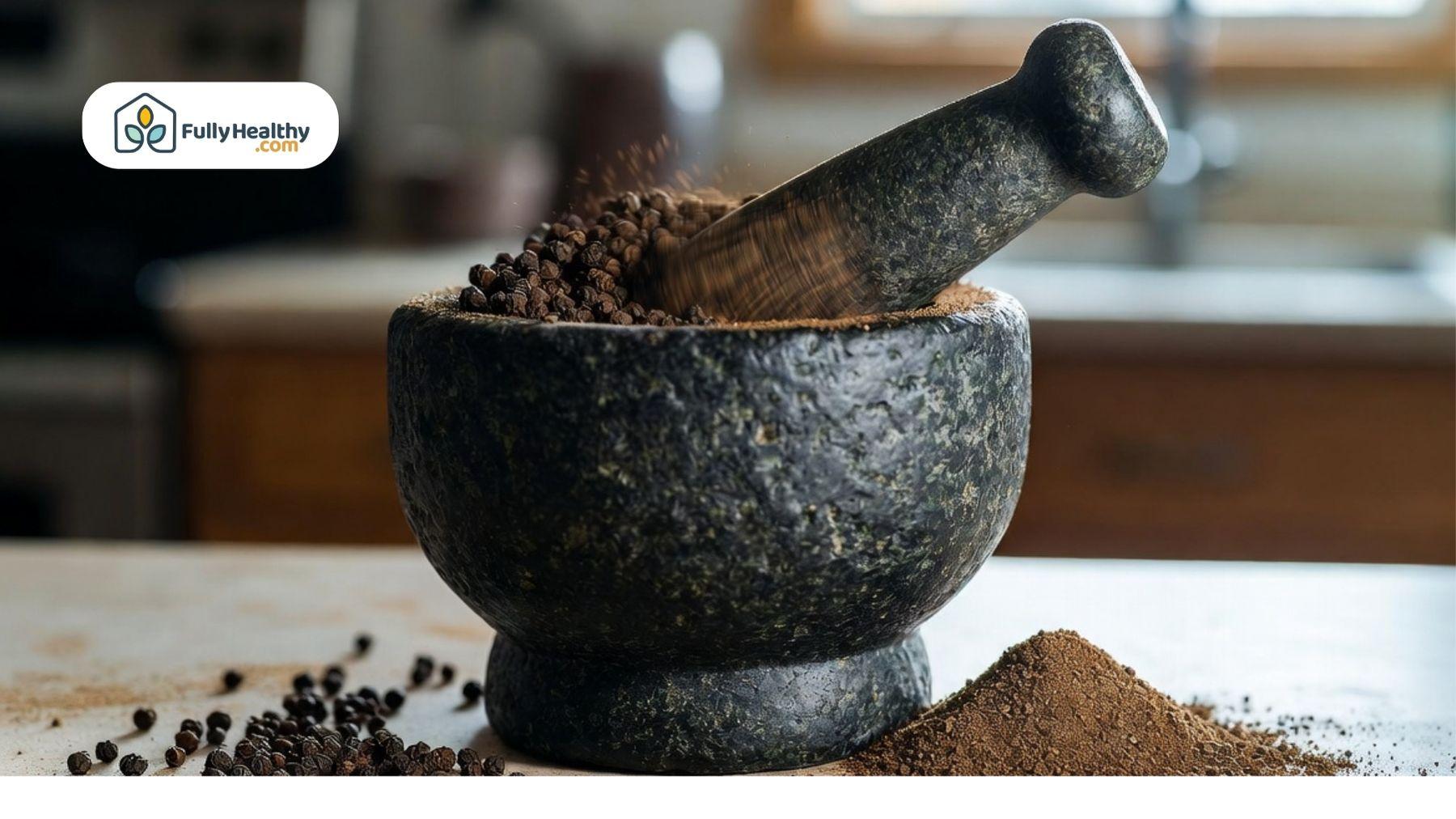
Even though black pepper is a very common spice in everyday cooking, a lot of people still don't know what it is or how it is made. People have loved its strong taste and smell since ancient times. It comes from a tropical pepper plant.
Where Black Pepper Comes From
Black pepper comes from the Piper Nigrum plant, a flowering vine native to the malabar coast in an Indian state and now primarily grown across Southeast Asia. This pepper vine produces small fruit that develops into peppercorns used globally.
-
Plant Source: The black pepper plant is a woody vine that produces fruit containing a single seed surrounded by an outer fruit layer.
-
Geographic Origin: Native to the Malabar Coast, with major producers now including southeast asia regions.
-
Historical Value: Known as black gold and the king of spices during the middle ages due to its trade importance.
-
Growth Cycle: The pepper plant can take up to seven years before producing consistent ripe fruits for harvesting.
-
Classification: Black pepper is one of the most common spice used worldwide and part of the spices category.
How Peppercorns Are Harvested And Processed
Black peppercorns are made from unripe drupes harvested while still green, then processed through heat and drying to develop their dark color and bold pepper flavor. This method defines black pepper production.
-
Harvesting Stage: Berries are picked as unripe drupes preserved while still green before they turn red.
-
Processing Method: Berries are briefly treated in boiling water, then sun dried for about a week until they turn black.
-
Color Transformation: The outer skin shrinks and darkens as moisture evaporate quickly, forming black peppercorns.
-
Varieties: Green peppercorns come from unpreserved green pepper drupes, while white peppercorns are made by removing the outer layer to reveal a white seed.
-
Grinding: Whole peppercorns are often crushed using pepper mills or handheld pepper mills to produce ground black pepper or ground pepper.
What Does Eating Black Pepper Do To Your Body?
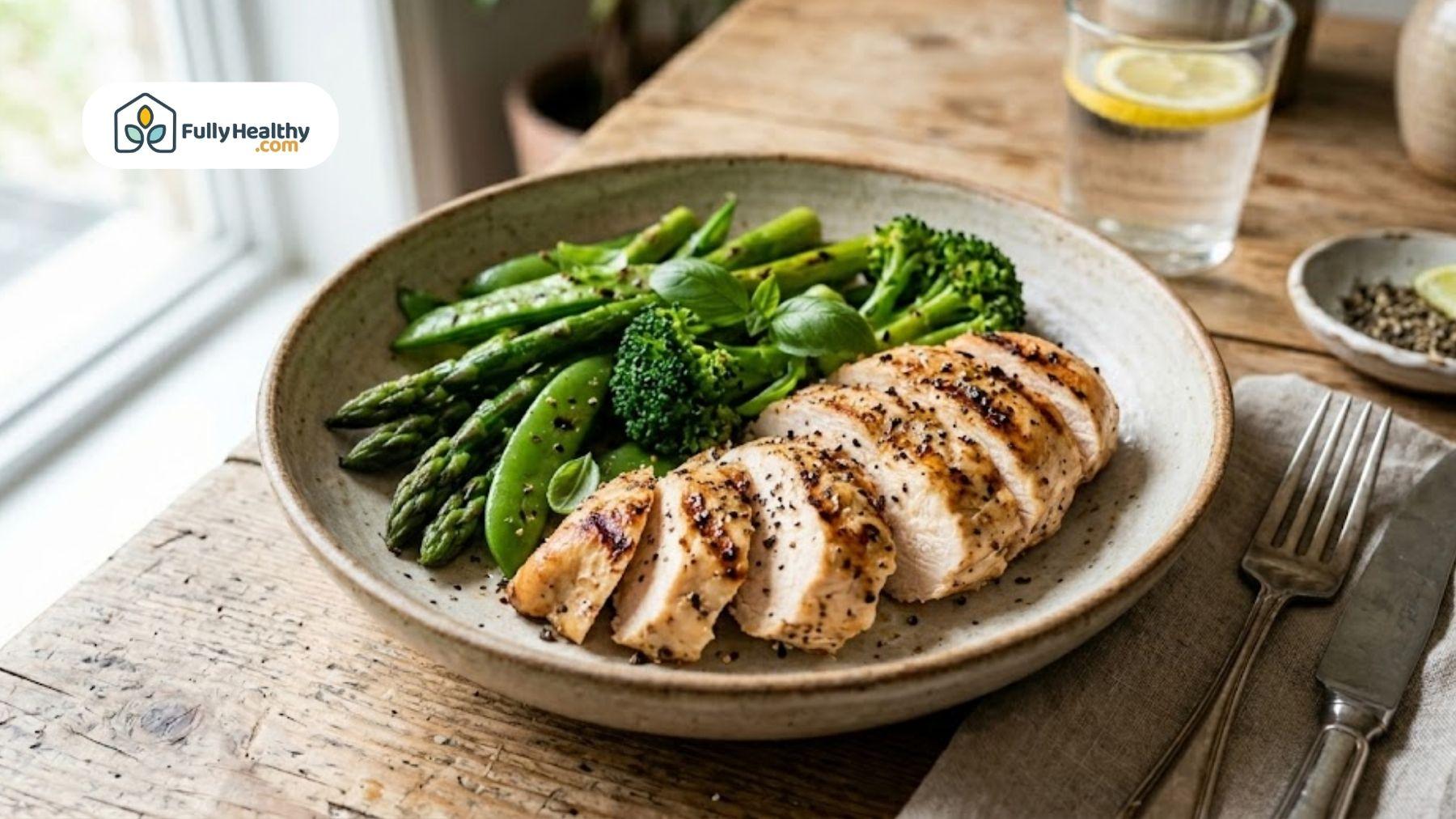
Black pepper offers more than flavor, as it contains natural compounds that support different body functions when used in cooking. Its active component plays a role in how nutrients are processed and absorbed.
Key Health Benefits Of Black Pepper
Black pepper contains compounds that support digestion and overall health, making it more than just a seasoning in food.
-
Antioxidant Content: Black pepper contains compounds that help protect cells from damage.
-
Digestive Support: It may stimulate stomach activity and improve digestion during cooking.
-
Respiratory Support: May create a warming sensation that can temporarily affect nasal passages, though clinical evidence is limited
-
Antimicrobial Properties: Some compounds in pepper may help reduce harmful bacteria.
-
Everyday Use: Commonly added with salt to enhance flavor and aroma in meals.
How Piperine Affects Digestion And Absorption
Piperine is the compound responsible for black pepper’s spicy taste and plays a role in nutrient absorption and metabolism.
-
Absorption Boost: Piperine helps the body absorb nutrients more efficiently from food.
-
Metabolic Effect: It may support how the body processes nutrients and energy.
-
Flavor Impact: Contributes to pepper’s aromatics and bright aroma in dishes.
-
Cooking Role: Helps enhance flavor and aroma when combined with other spices.
-
Usage Tip: Freshly ground pepper from pepper mills delivers stronger aroma than pre ground.
Is Black Pepper Low In FODMAP?
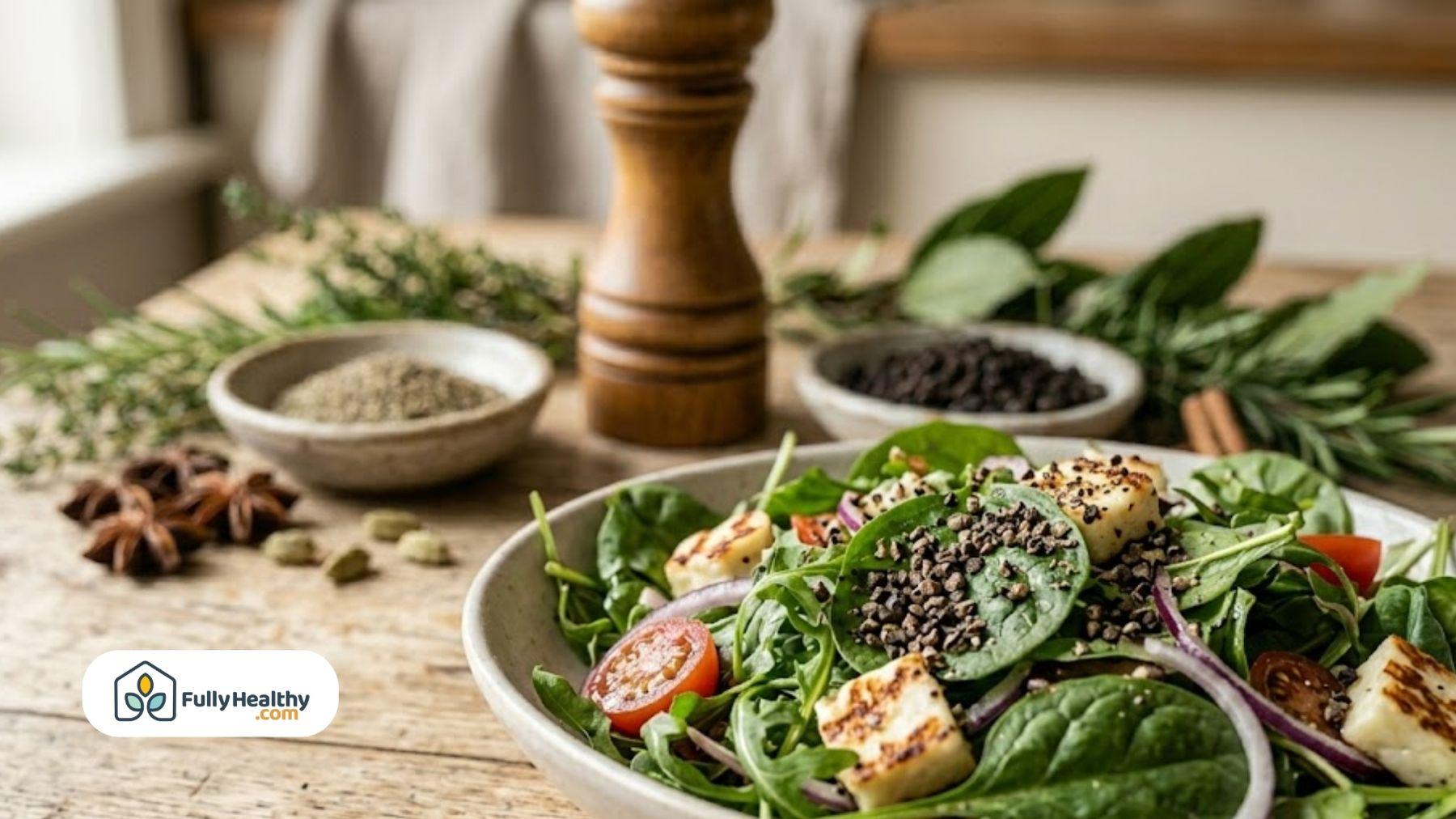
Black pepper is considered safe for most diets, including those focused on gut health, when used in normal amounts. It does not contain fermentable carbohydrates that typically trigger digestive discomfort.
Why Black Pepper Is Safe For Low FODMAP Diets
Black pepper is low in FODMAPs and can be used regularly in cooking without causing digestive issues for most people.
-
Low FODMAP Status: Black pepper contains no fermentable sugars that cause IBS symptoms.
-
Serving Size: Safe in trace amounts typically used in cooking.
-
Digestive Tolerance: Well tolerated compared to other spices that may irritate digestion.
-
Cooking Flexibility: Can be added to many meals without restriction.
-
Consistency: Remains safe across different forms like whole peppercorns or ground.
Other Low FODMAP Spices You Can Use
Many other spices can be used alongside black pepper to maintain flavor without triggering digestive issues.
-
Common Options: Turmeric, cumin, paprika, and ginger are safe for low FODMAP diets.
-
Mild Alternatives: Herbs like basil and oregano provide flavor without strong irritation.
-
Combination Use: Mixing spices enhances flavor without relying on a single ingredient.
-
Cooking Strategy: Using spices instead of heavy sauces supports gut-friendly cooking.
-
Balance: Combining spices creates depth in dishes while keeping meals simple.
Is Black Pepper Healthier Than White Pepper?
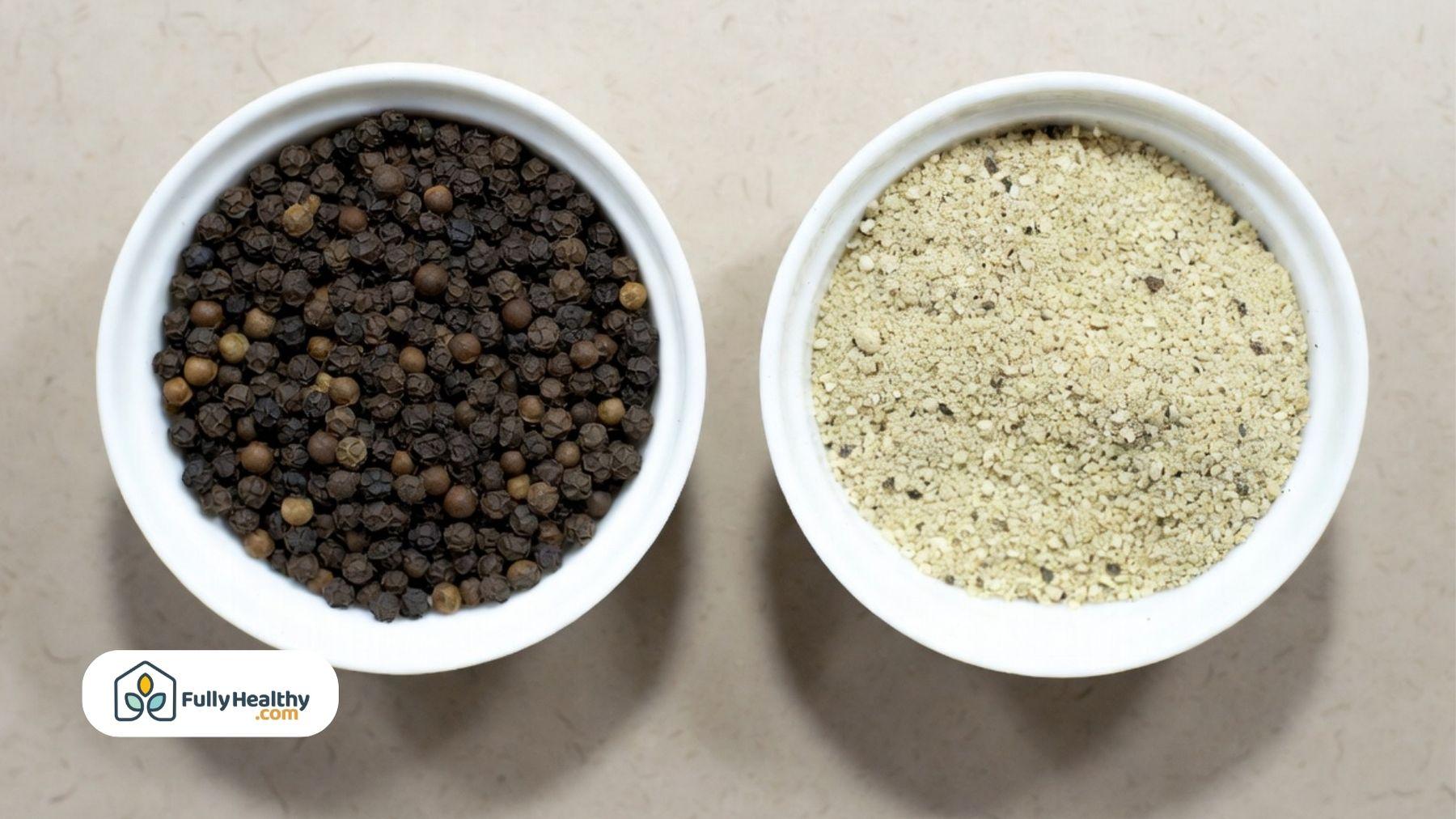
Black pepper and white pepper both come from the same plant, but they are processed, taste, and have different amounts of nutrients. These differences have an effect on both the taste and the health value.
Which Pepper Is Better For Daily Use
Both peppers can be used in cooking, but black pepper is often preferred due to its stronger flavor and retained nutrients.
-
Flavor Strength: Black pepper provides a more robust spicy taste compared to white pepper.
-
Cooking Use: White pepper is often used in lighter dishes where color matters.
-
Nutritional Edge: Black pepper is slightly more nutrient dense due to the retained outer layer.
-
Versatility: Black pepper works well across most savory dishes.
-
Practical Use: Ground black pepper is more commonly used in everyday cooking than white pepper.
Nutritional Differences Between Black And White Pepper
The main difference comes from how each pepper is processed and which parts of the fruit are retained.
-
Outer Layer: Black pepper retains the outer skin, which contains more nutrients and compounds.
-
Processing Method: White pepper is made by removing the outer layer through soaking or fermentation process.
-
Piperine Content: Black pepper generally contains higher levels of piperine.
-
Flavor Profile: Black pepper has a stronger pepper flavor and aroma, while white pepper is milder.
-
Structure: White pepper exposes the naked seed inside the fruit.
Why Choose FullyHealthy For Clean Ingredients
Choosing quality ingredients matters when building meals that support dietary needs and preferences. FullyHealthy offers options that align with clean and specialty diets.
About FullyHealthy
A carefully chosen marketplace, FullyHealthy specializes in offering goods for dietary restrictions and clean ingredient preferences.
-
Product Focus: Offers items designed for specific dietary needs like gluten free and allergen conscious eating.
-
Quality Standards: Emphasizes clean ingredient sourcing and transparent labeling.
-
Convenience: Provides access to pantry staples and ready to use foods.
-
Variety: Includes a range of spices, meals, and packaged products.
-
Accessibility: Supports individuals managing dietary restrictions.
Black Pepper And Pantry Products Available
FullyHealthy provides products that include black pepper and other spices to support everyday cooking and convenience.
-
Simply Organic Black Pepper 4 oz: Organic ground black pepper with clean sourcing for consistent flavor and aroma.
-
Wild Zora Quick Quinoa Meal Fiesta Beef: Ready meal with spices and pepper flavor for quick cooking.
-
Wild Zora Instant Soup Roasted Pumpkin: Convenient soup option using balanced spices and flavor.
Final Thoughts
Many dishes need black pepper because it gives them a strong flavour and helps the digestive system. Everything from whole peppercorns to ground black pepper works well in everyday meals. The uses of pepper are increased by varieties like Tellicherry pepper and long pepper, and the taste is changed by freeze drying and black pepper.
Majority of producers use biological methods, and the use and demand for this spice keep growing around the world. Use it wisely in cooking. Use it wisely in cooking.
FAQs
What are green peppercorns and how are they different?
Green peppercorns are unripe berries preserved fresh, and peppercorns immediately processed or freeze drying helps keep their bright flavor compared to black or white forms.
Is black ground pepper good for sinuses?
Yes, black pepper may help clear sinuses because its spicy compounds can loosen mucus and support breathing.
What is another name for black pepper?
Black pepper is often called the king of spices, and related varieties include tellicherry pepper, long pepper, pink peppercorns, and red peppercorns.
Who should not consume black pepper?
People with stomach sensitivity or certain conditions may need to limit black pepper, especially in high amounts or strong forms.
What is the best time to eat black pepper?
Black pepper can be eaten anytime with meals, and black pepper mellows in cooking while still supporting digestion and flavor.
Leave a comment