

Where Does Cumin Come From? The Plant, Origin, and History
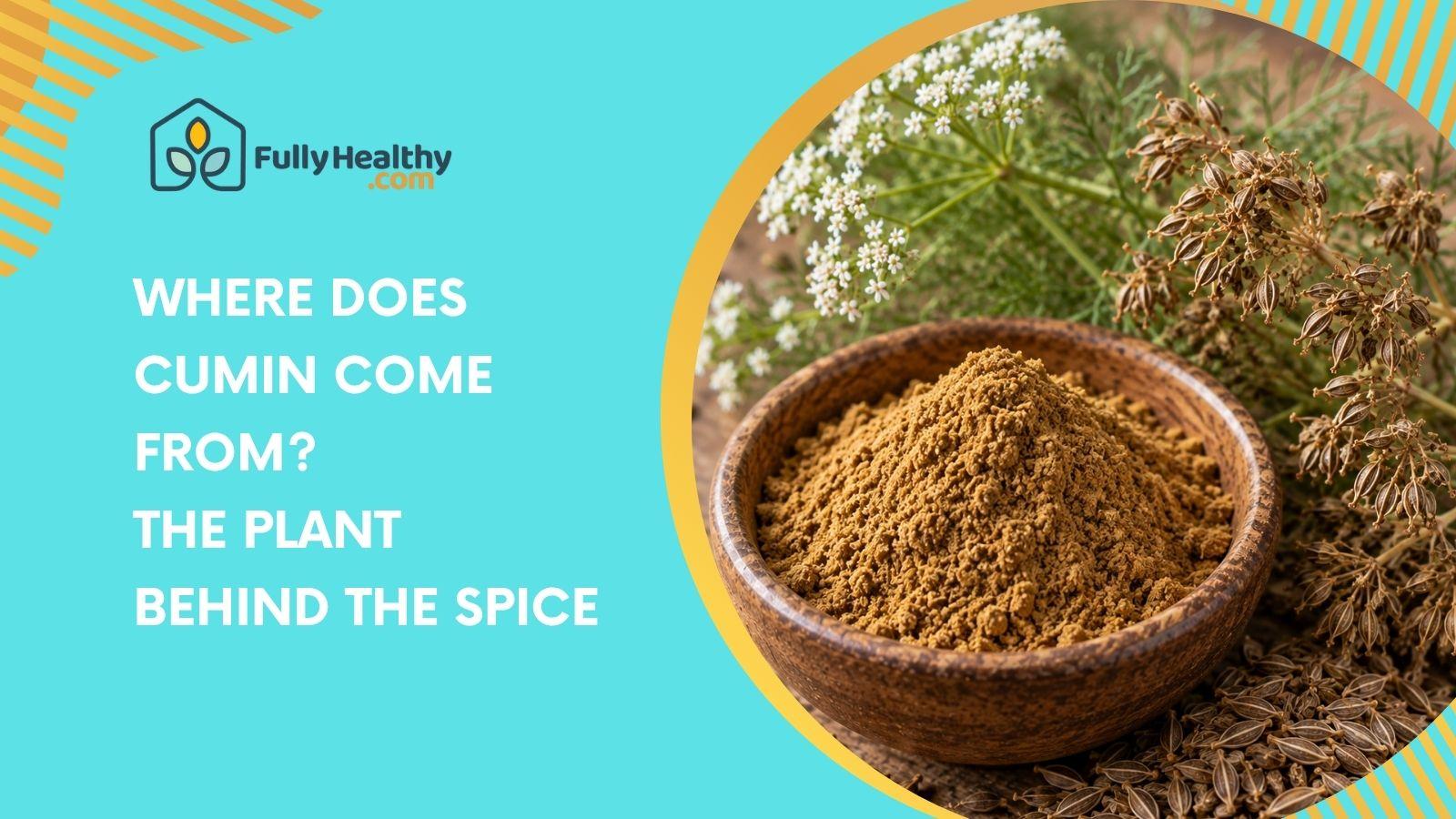
Where does cumin come from? Cumin comes from the dried fruit of the cumin plant, Cuminum cyminum, an annual herb in the parsley family. The plant originated around the Mediterranean region and Southwest Asia. Today, cumin is grown mainly in warm, dry regions, especially India, and used in cuisines worldwide. Here’s how this ancient plant became the familiar spice in your kitchen.
Where Does Cumin Come From?
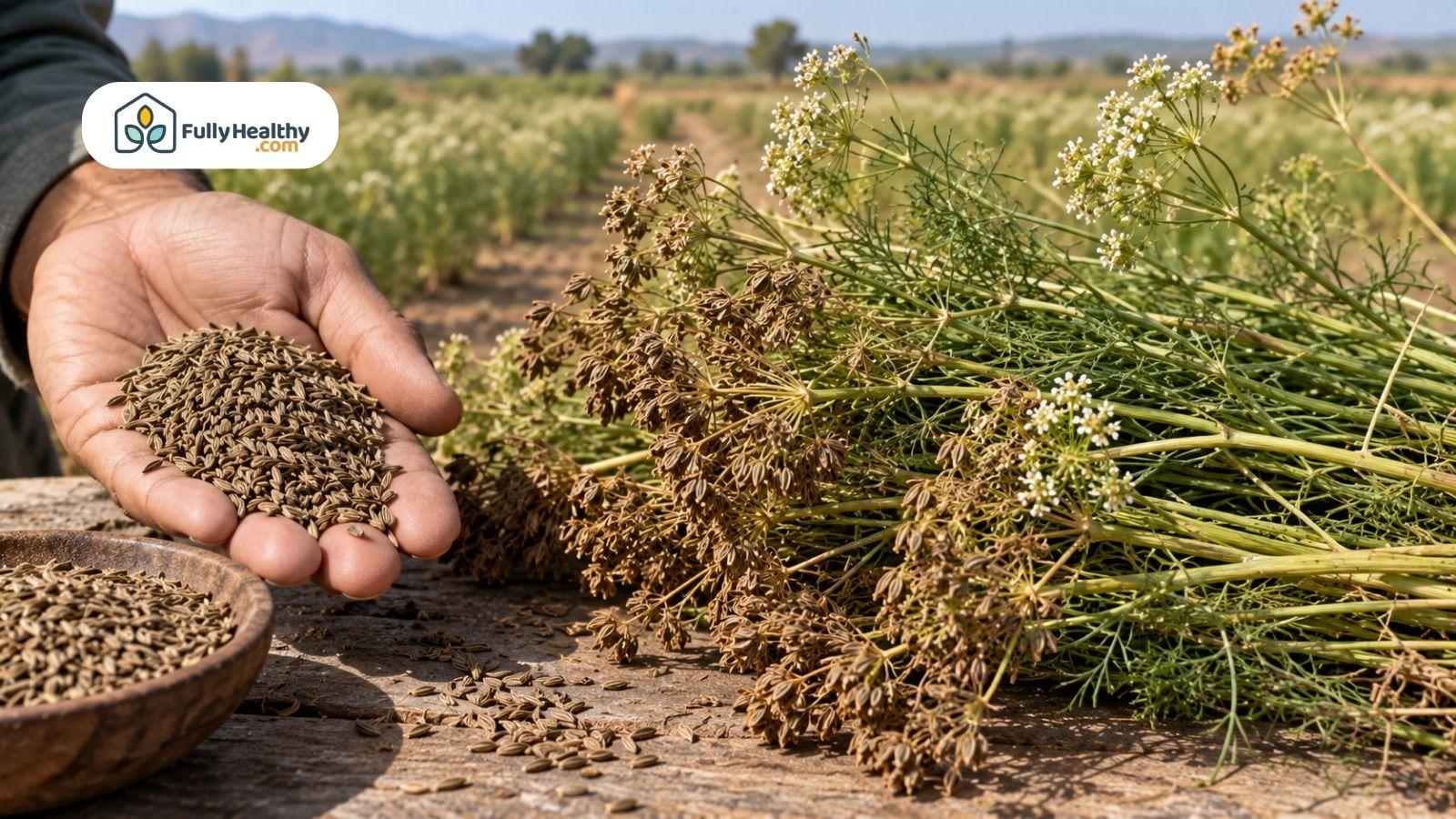
Cumin originated around the Mediterranean region and Southwest Asia and comes from the cumin plant, Cuminum cyminum. Its ancient origins and distinctive plant characteristics help explain how this versatile spice became widely used around the world.
Origins of Cumin in the Mediterranean and Southwest Asia
Cumin comes from Cuminum cyminum, a small annual herb in the Apiaceae, or parsley family. This annual herb produces small fruits, about 4–6 mm long, commonly called cumin seeds.
Inside are oil canals containing volatile oils and essential oils that create the distinctive aroma and earthy cumin flavor associated with both whole cumin and its ground form.
-
Appearance: Cumin seeds are narrow, ridged, elongated, and yellow brown.
-
Plant family: Cumin shares the same plant family as parsley and other culinary herbs.
-
Flavor: Cumin has a warm, earthy flavor with slightly bitter notes.
-
Similar spices: Cumin may resemble caraway seeds, but their flavors differ.
-
Cumin oil: Cumin oil contains concentrated aromatic compounds naturally present in the plant.
Where Does Cumin Come From Historically?
Where does cumin come from historically? Archaeological evidence connects cumin with ancient Southwest Asia, with cumin seeds excavated from sites dating back thousands of years, including the second millennium BC.
Ancient Greeks and Romans used it as a seasoning, and cumin remained popular through the Middle Ages. Cumin was introduced to the Americas after European contact and became established in regional cuisines, including Mexican cooking.
-
Biblical history: Cumin appears in both the Old Testament and New Testament.
-
Ancient Greece: Ancient Greeks reportedly kept cumin on the dining table.
-
Ancient Rome: Cumin was used in ancient Roman cuisine.
-
Ancient Egypt: Mummification claims may confuse cumin with Nigella sativa, or black cumin.
-
Traditional uses: Cumin was associated with food preservation, traditional medicine, and medicinal purposes.
Where is Cumin Grown Today?
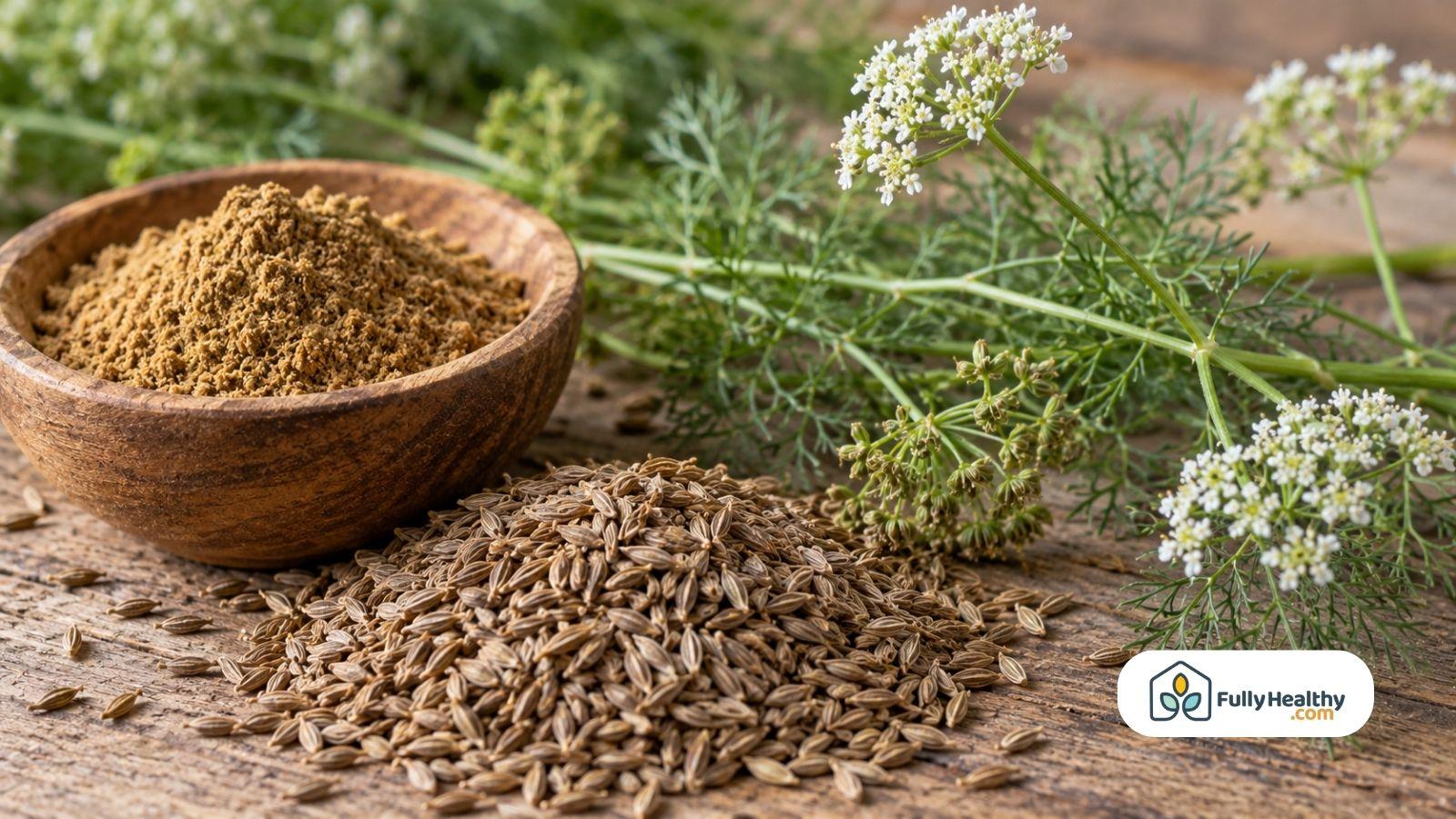
India is the leading producer and consumer of cumin, while the plant is also cultivated in Turkey and other warm, dry regions. Modern production supplies cumin for cuisines and spice blends used throughout the world.
Major Cumin-Producing Countries
India dominates modern cumin production and consumption, making the spice especially important in Indian cooking and Indian cuisine. Cumin is also cultivated in Turkey and other suitable regions and remains prominent in Middle Eastern cuisines and North African cooking.
Its spread to the Americas also established it in Mexican cuisine, where its distinctive flavor complements chiles, meats, beans, and many other spices.
-
India: Cumin seasons curries, lentils, rice, vegetables, and most curry powders.
-
Middle East: Middle Eastern dishes use cumin with meats, legumes, and vegetables.
-
North Africa: North African recipes commonly combine cumin with other spices.
-
Mexico: Cumin is widely used in Mexican cuisine and seasoning mixtures.
-
Spice blends: Cumin is an essential ingredient in chili powder and many other spice blends.
Climate and Growing Conditions for Cumin
The cumin plant grows best in warm, relatively dry conditions and typically takes around three to four months to mature. As an annual herb, it completes its entire growth cycle within one season before producing dry fruits for harvest.
Excess moisture can encourage problems such as powdery mildew, so suitable growing and drying conditions are important for producing high quality cumin with a distinctive aroma.
-
Growing period: Cumin commonly matures in about 120 days.
-
Climate: Warm temperatures and relatively dry conditions suit the crop.
-
Harvest: Plants are collected after their fruits mature.
-
Plant health: Excess moisture can encourage powdery mildew.
-
Quality: Proper handling helps protect volatile oils and overall nutritional value.
How Does Cumin Become the Spice We Use?
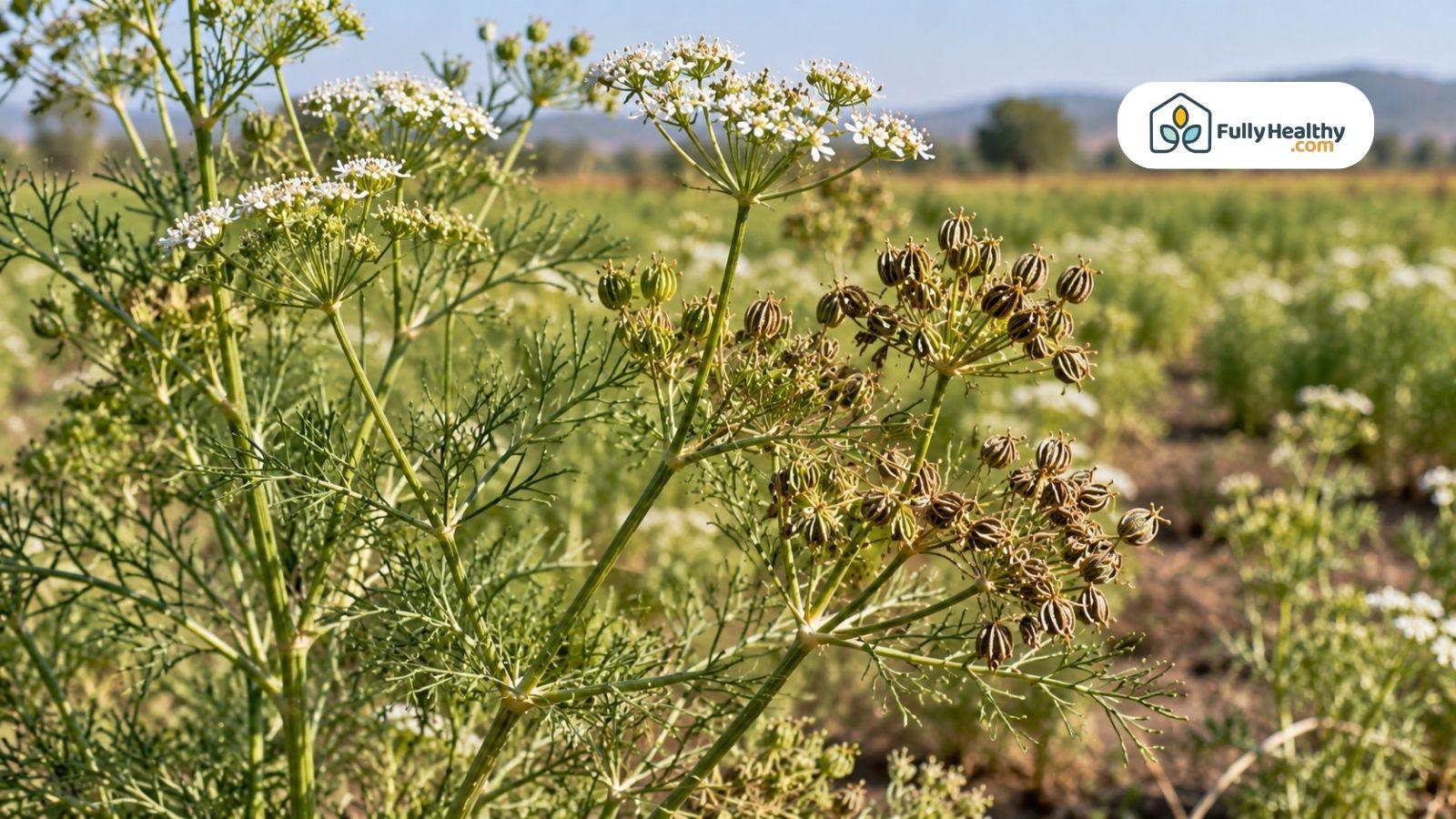
Cumin becomes a kitchen spice after its mature fruits are harvested, dried, cleaned, and packaged. Producers sell it as whole cumin seeds or process it into ground cumin for different cooking needs.
From Cumin Plant to Dried Seed
Once the cumin plant reaches maturity, growers harvest the plants and allow the fruits to dry before separating and cleaning them. What cooks commonly call a dried seed is technically a small dry fruit.
After cleaning, producers can package whole seeds directly or mill them into ground cumin seeds, while careful processing helps protect the essential oils and volatile oils responsible for cumin's aroma.
-
Harvesting: Mature plants are cut when the fruits are ready.
-
Drying: Harvested cumin is dried before separation.
-
Cleaning: Unwanted plant material is removed.
-
Whole cumin: Cleaned fruits can be packaged without grinding.
-
Ground cumin: Dried cumin can be milled into a fine ground form.
Whole Cumin Seeds vs. Ground Cumin
Whole cumin seeds generally retain their distinctive aroma longer because less surface area is exposed to air, while ground cumin distributes flavor quickly throughout food. Whole cumin can also be lightly roasted before grinding to strengthen its earthy flavor. Both forms are used in innumerable recipes, including Indian cuisine, Middle Eastern dishes, curry powders, chili powder, marinades, vegetables, meats, and many other spice blends.
-
Whole seeds: Useful for toasting, tempering, and fresh grinding.
-
Ground form: Convenient for quick and even seasoning.
-
Storage: Keep cumin sealed in its own container away from heat and moisture.
-
Flavor: Both forms provide cumin's characteristic earthy flavor.
-
Cooking: Whole and ground cumin can add flavor to numerous culinary dishes.
Shop Specialty Pantry Products at FullyHealthy
FullyHealthy makes it easier to shop for pantry staples, seasonings, snacks, and other foods that fit specialized dietary needs. Its selection includes products for AIP, Paleo, gluten-free, Low-FODMAP, Keto, and Vegan diets, giving shoppers a convenient place to browse foods based on their preferences.
Specialty Foods for Different Dietary Needs
FullyHealthy carries a range of foods and pantry products for people following specific diets or looking for alternatives to conventional grocery items. Shoppers can browse seasonings, sauces, snacks, baking ingredients, beverages, and other everyday staples while filtering products according to their dietary needs.
-
AIP: Shop products suitable for different stages of the Autoimmune Protocol.
-
Paleo: Browse foods and pantry staples that fit a Paleo approach.
-
Gluten-free: Choose from products made for gluten-free diets.
-
Low-FODMAP: Browse options designed around Low-FODMAP dietary needs.
-
Keto and Vegan: Shop additional products based on Keto or Vegan preferences.
Cumin and Related Products at FullyHealthy
FullyHealthy carries cumin and complementary pantry products that can add different flavors and textures to everyday meals. These options include ready-to-use ground cumin, fermented vegetables, a convenient quinoa meal, and a seasoned masala product.
-
Simply Organic Ground Cumin 2.57 oz: Ready-to-use ground cumin for curries, soups, vegetables, meats, marinades, and spice blends.
-
Love Kraut Organic Raw Sauerkraut 16 oz: Organic raw sauerkraut that adds a tangy fermented flavor and crisp texture to meals.
-
Wild Zora Quick Quinoa Meal Fiesta Beef 3 oz: A quick quinoa meal made with beef, tomato, bell peppers, and sweet potato.
-
Mint Masala: A seasoned pantry option with mint and spices for adding bold flavor to meals.
Final Thoughts
Cumin traces its roots to the Mediterranean region and Southwest Asia, where it has been valued for thousands of years. Today, its distinctive earthy flavor has earned it a lasting place in kitchens and cuisines around the world. The next time you reach for cumin, you’ll know the long history behind this familiar spice.
FAQs
Is Cumin a Seed or a Spice?
Cumin is used as a spice, while what we call cumin seeds are technically the dried fruits of the Cuminum cyminum plant.
Where Does Cumin Come From Originally?
Cumin is associated with the Mediterranean region and Southwest Asia, where it has a history stretching back thousands of years.
Is Cumin From India?
Cumin did not originate solely in India, but it is now the world's leading producer and consumer and uses the spice extensively in Indian cuisine.
Are Cumin and Black Cumin the Same?
No, common cumin is Cuminum cyminum, while black cumin can refer to Nigella sativa, which is a different plant with different characteristics.
What Plant Does Cumin Come From?
Cumin comes from Cuminum cyminum, an annual herb in the parsley family that produces the small dry fruits commonly called cumin seeds.
Leave a comment