

How Are Sunflower Seeds Harvested? Signs, Steps, and Tips
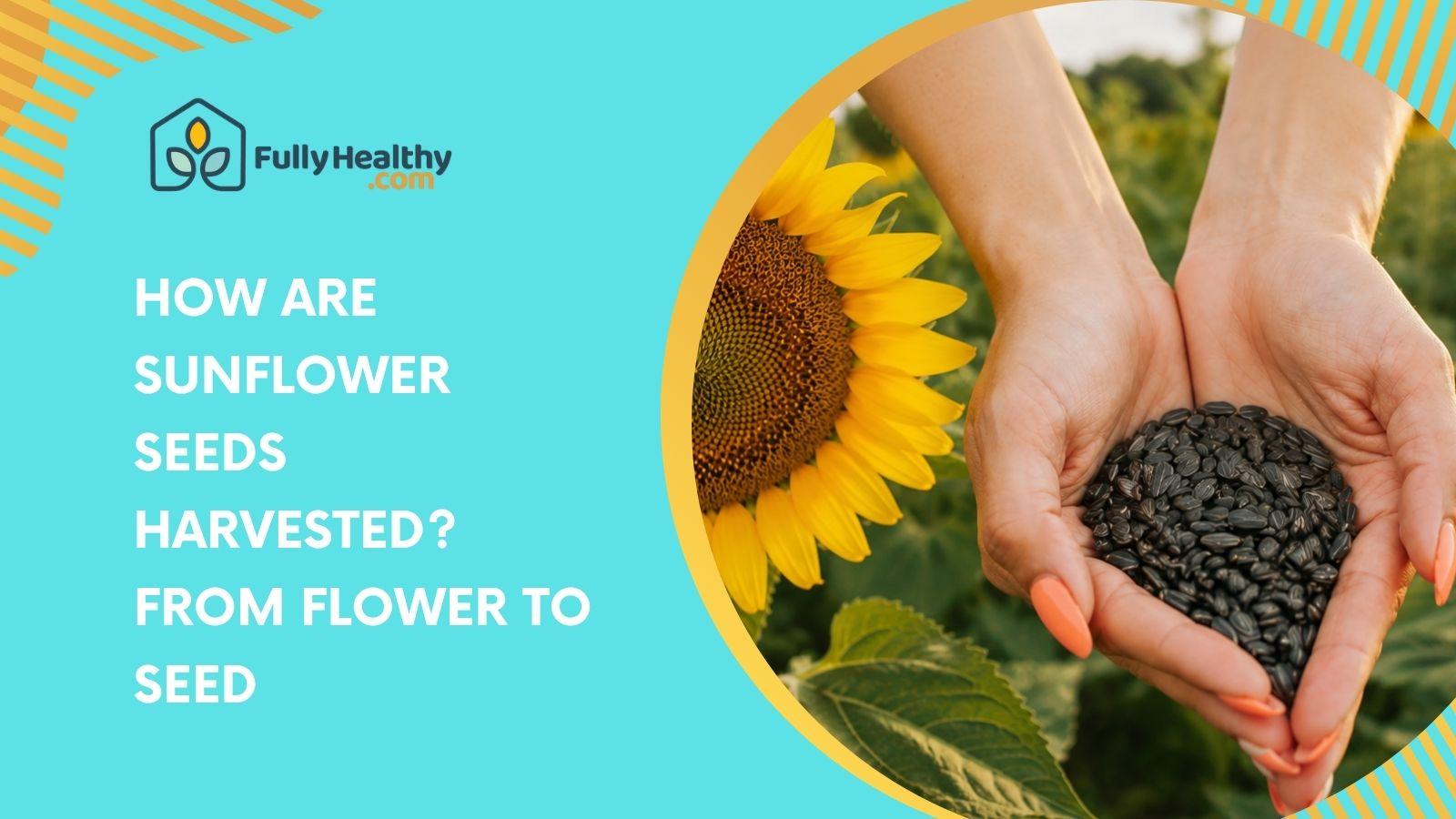
How are sunflower seeds harvested? The process starts when the flower heads mature and dry. Growers then cut the heads, let them dry further, and remove the ripe seeds. After cleaning and final drying, the seeds are ready for storage, planting, roasting, or eating. Here’s how the process works.
How Are Sunflower Seeds Harvested?
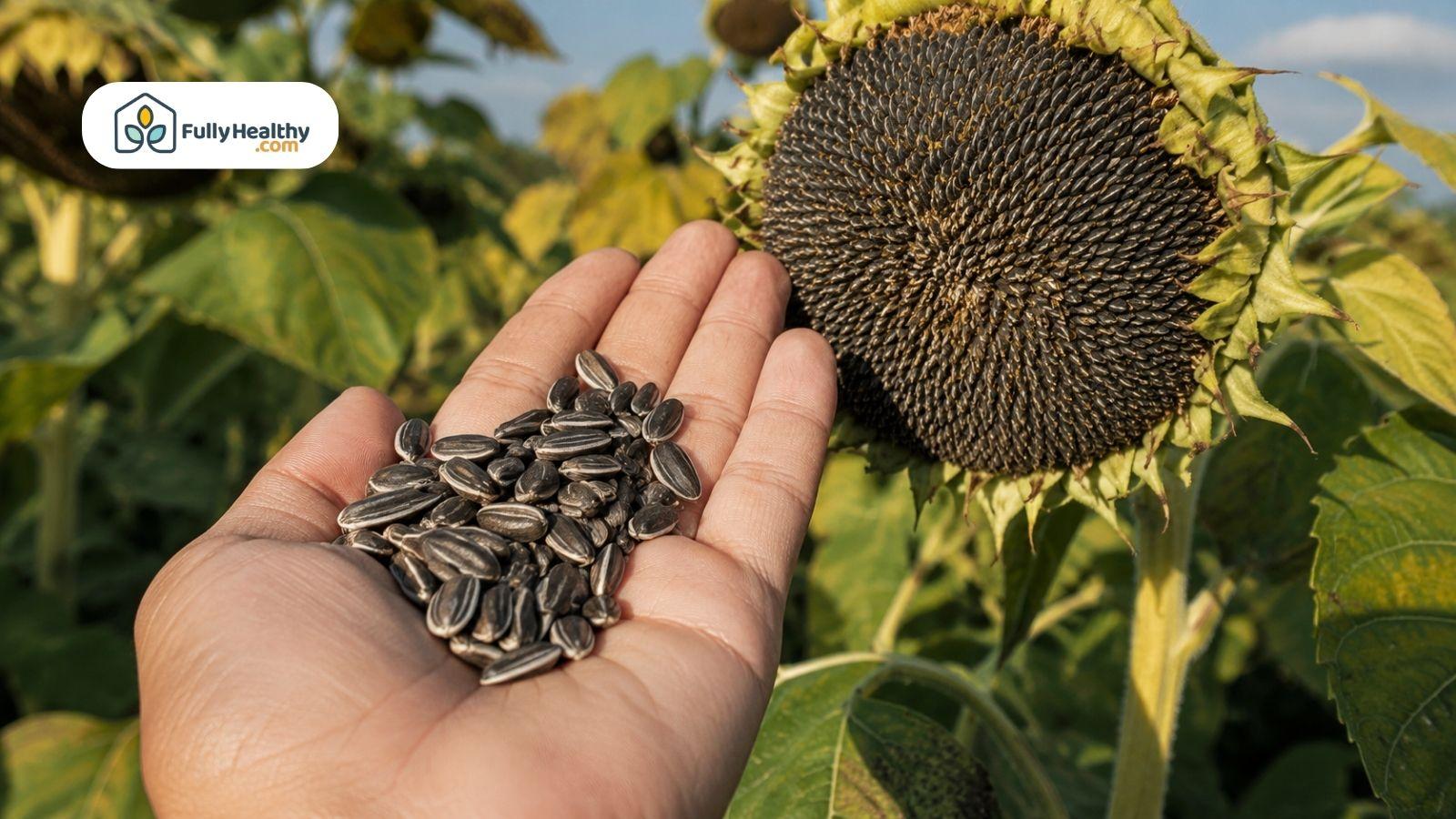
Harvest sunflower seeds by checking maturity, protecting and cutting the head, drying it, removing the seeds, and completing final drying.
Preparing the Sunflower Heads for Harvest
Harvesting sunflower seeds begins when the sunflower head is mature enough to cut. Home gardeners can harvest by hand, while commercial growers typically use a combine after the crop reaches maturity and dries to a suitable harvest moisture level.
-
Step 1, Check Maturity: Look for a drooping head, dried petals, and a back changing from green to yellow or brown.
-
Step 2, Inspect the Seeds: Remove several seeds and check that the shells look developed and the kernels are full.
-
Step 3, Protect the Head: Use a paper bag, cheesecloth, or netting to reduce losses from birds and squirrels.
-
Step 4, Choose a Dry Day: Avoid cutting wet flowers because excess moisture can slow drying and affect seed quality.
-
Step 5, Cut the Head: Cut the mature flower head with about one foot of stem attached for easier handling and hanging.
Drying and Removing the Seeds
After cutting, hang each sunflower head in a sheltered area with good airflow and low humidity until thoroughly dry. On commercial farms, harvesting sunflowers as an oil based crop requires attention to crop yield and equipment safety because dry fine fibers and plant material can create a constant fire hazard during combine harvesting.
-
Step 6, Hang the Head: Keep it in a dry, ventilated place where air can circulate around the seed head.
-
Step 7, Wait for Drying: Let the head and florets become dry enough for the seeds to loosen easily.
-
Step 8, Release the Seeds: Rub the dry face of the head gently so the ripe seeds fall free.
-
Step 9, Remove Debris: Separate the seeds from dried florets, dust, shell fragments, and other plant material.
-
Step 10, Spread the Seeds: Arrange the loose seeds in a thin layer so remaining moisture can escape before storage.
When Are Sunflower Seeds Ready to Harvest?
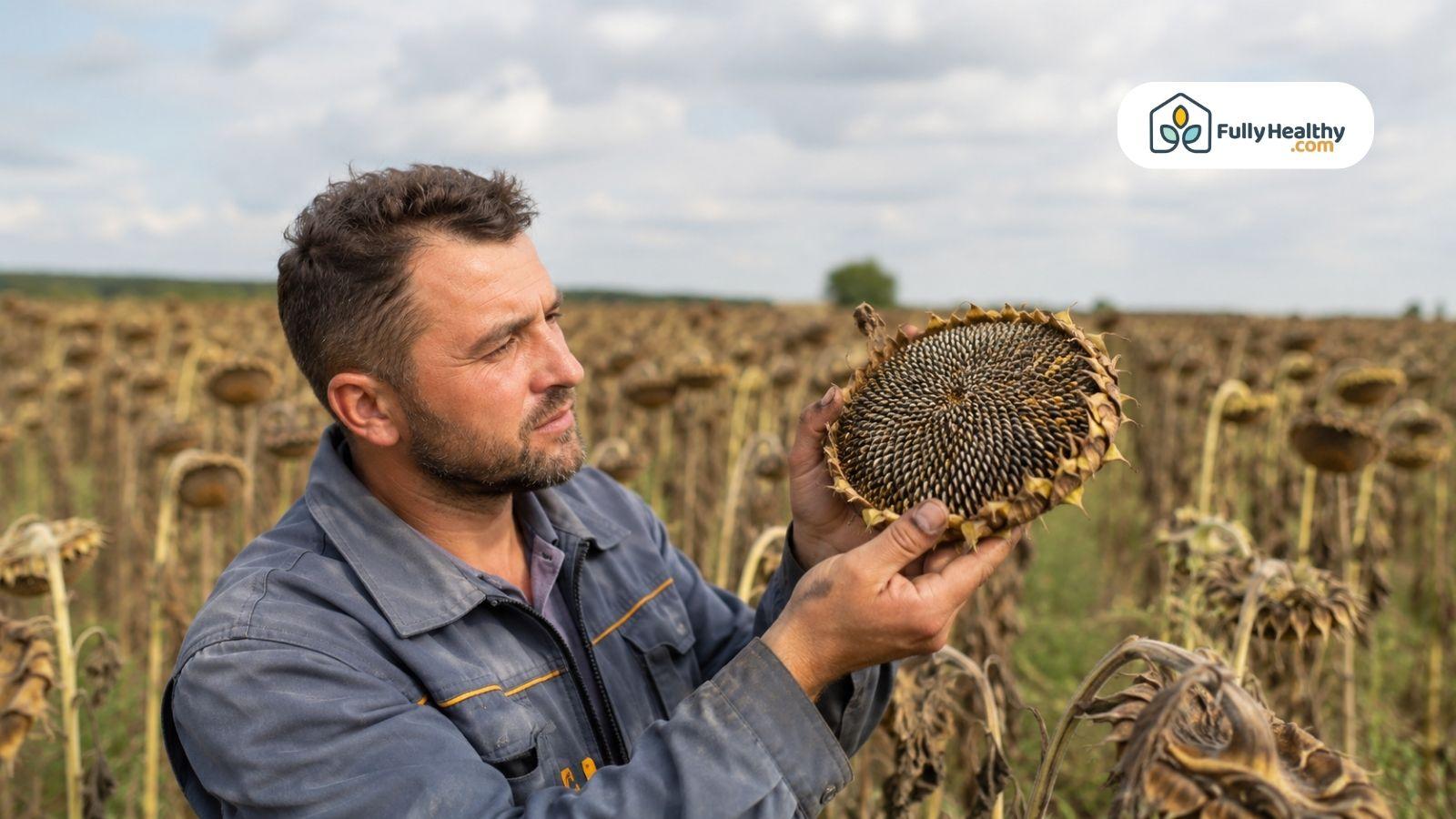
Sunflower seeds are ready when the head droops, the back turns yellow or brown, plant material dries, and seeds loosen easily.
Flower Head Maturity Signs
A mature sunflower changes noticeably as summer ends and the harvest season approaches. The flowers fade, petals dry, and the heavy head begins facing the ground as energy that supported flowering shifts toward mature seeds.
-
Head Position: Seed-filled heads usually begin drooping downward.
-
Back Color: The back changes from green toward yellow as maturity approaches.
-
Brown Tissue: The head turns brown as the plant continues drying.
-
Petal Condition: Mature flowers have wilted, dry, or fallen petals.
-
Floret Condition: Small florets covering the seeds become dry and easier to brush away.
-
Seed Release: Ripe seeds loosen more readily from the flower head.
Seed Color and Development
The seeds provide another practical way to judge maturity before harvest. Mature striped sunflower seeds develop recognizable black coloring with white stripes, while the shell should contain a properly developed kernel.
-
Sample the Head: Check several seeds from different parts of the sunflower.
-
Check Color: Mature striped varieties should display black and white stripes.
-
Check Fullness: A developed shell should contain a substantial kernel.
-
Check Attachment: Mature seeds should become easier to remove.
-
Watch for Empty Shells: Empty seeds can result from poor pollination rather than insufficient drying.
What Should You Do With Sunflower Seeds After Harvesting?
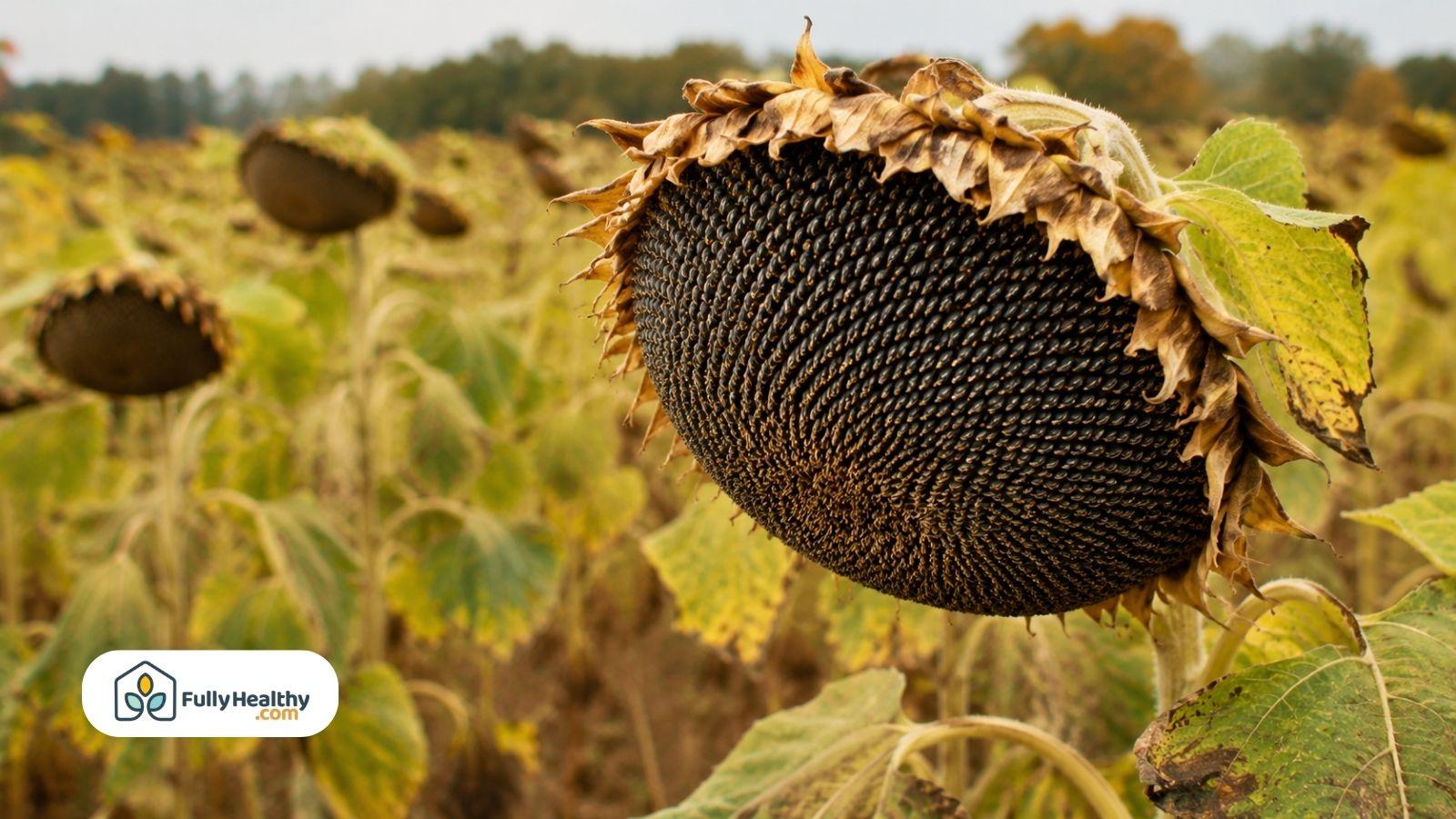
After harvest, clean and dry sunflower seeds thoroughly before moving them into storage or preparing edible seeds for roasting.
Cleaning, Drying, and Storing the Seeds
Freshly harvested seeds can retain plant debris and moisture, so they should not go directly into a closed container. Clean the batch first, then spread the seeds on newspaper, absorbent paper, or another dry surface until no excess moisture remains.
-
Remove Debris: Clear away florets, dust, plant pieces, and damaged seeds.
-
Spread the Seeds: Keep them in a thin layer rather than a damp pile.
-
Provide Airflow: Choose a dry location with good ventilation and low humidity.
-
Check Dryness: Wait until the seeds are completely dry before storage.
-
Use a Container: Transfer dry seeds into a clean container for protection.
-
Store Appropriately: Keep the container in a cool, dry location until the seeds are needed.
Preparing Sunflower Seeds for Eating
To prepare sunflower seeds for eating, Kansas State University Extension recommends a salted-water method before roasting. Seeds can soak overnight or boil and simmer for two hours, then drain on absorbent paper before going into the oven.
-
Add Salt: Combine the seeds with salted water before roasting.
-
Soak or Boil: Soak overnight or simmer the seeds for two hours.
-
Drain Well: Remove excess water and place the seeds on absorbent paper.
-
Use a Shallow Pan: Spread the prepared seeds evenly instead of piling them.
-
Roast the Seeds: Place the pan in a 300°F oven for 30 to 40 minutes.
-
Stir Occasionally: Move the seeds during roasting for more even browning.
-
Check the Color: Remove them when crisp and golden brown, then cool before you eat or store them.
What Makes FullyHealthy Different?
FullyHealthy is an online marketplace focused on special-diet foods, including pantry staples, snacks, baked goods, and seed-based products.
A Marketplace for Special-Diet Foods
FullyHealthy brings products for different dietary needs and preferences into one online marketplace. Shoppers can browse pantry foods, snacks, baking products, and other everyday food without having to focus on a single ingredient category.
-
Special-Diet Focus: Products are organized around different dietary preferences and needs.
-
Everyday Foods: The selection includes snacks, pantry staples, and baked products.
-
Online Access: Customers can shop across multiple food categories in one place.
-
Product Information: Listings provide ingredients and dietary details for individual products.
Seeds and Seed-Based Products
FullyHealthy carries a range of seed-based foods, from sunflower seed cookies to flavored seed snacks and bread. These options make it easy to add different seeds and seed-based products to your pantry.
-
Jack's Paleo Kitchen Sunflower Seed Butter Cookies: Soft-baked cookies made with sunflower seed butter for a convenient seed-based snack.
-
Barbecue: A savory seed-based snack seasoned with a smoky barbecue flavor.
-
Pumpkin Spice: A seed-based snack featuring warm pumpkin spice flavors for a sweet, spiced option.
-
Cacao Clouds: A cacao-flavored seed snack that offers a chocolate-inspired option for snacking.
-
Himalayan Sunrise: A seasoned seed-based snack made for a simple savory pantry option.
-
Base Culture Gluten Free 7 Nut and Seed Bread: A gluten-free bread containing a blend of nuts and seeds, including sunflower, pumpkin, flax, chia, and hemp seeds.
Final Thoughts
Harvesting sunflower seeds is simple once the flower heads are mature and dry. In a home garden, the seeds can produce new plants or become food after proper cleaning and preparation. Unlike wheat, sunflowers have large heads that make hand harvesting practical for gardeners.
Because sunflower seeds pose different storage and eating considerations, proper drying matters. Follow the maturity signs, protect your harvest from moisture, and enjoy the seeds in the way that works best for you.
FAQs
Can You Eat Sunflower Seeds Straight From the Flower?
You can eat mature sunflower kernels from the flower, but cleaning and drying them first helps remove dirt and plant debris.
Can You Take a Seed From a Sunflower and Plant It?
Yes, a mature, viable sunflower seed can be planted and may grow when given suitable soil, moisture, warmth, and sunlight.
How Many Sunflower Seeds Do You Get From One Flower?
A single sunflower head can contain between 500 and 2,000 seeds., depending on the variety, head size, and pollination.
Why Can't You Eat the Shell of a Sunflower Seed?
Sunflower seed shells are tough, fibrous, and difficult to digest, so you should remove the shell and eat the kernel inside.
Why Do I Feel Weird After Eating Sunflower Seeds?
Feeling unwell after eating sunflower seeds can have several causes, including eating too much, excess salt, digestive sensitivity, or an allergic reaction.
Leave a comment