

Are Bagels Vegan? A Simple Guide to Making the Right Choice
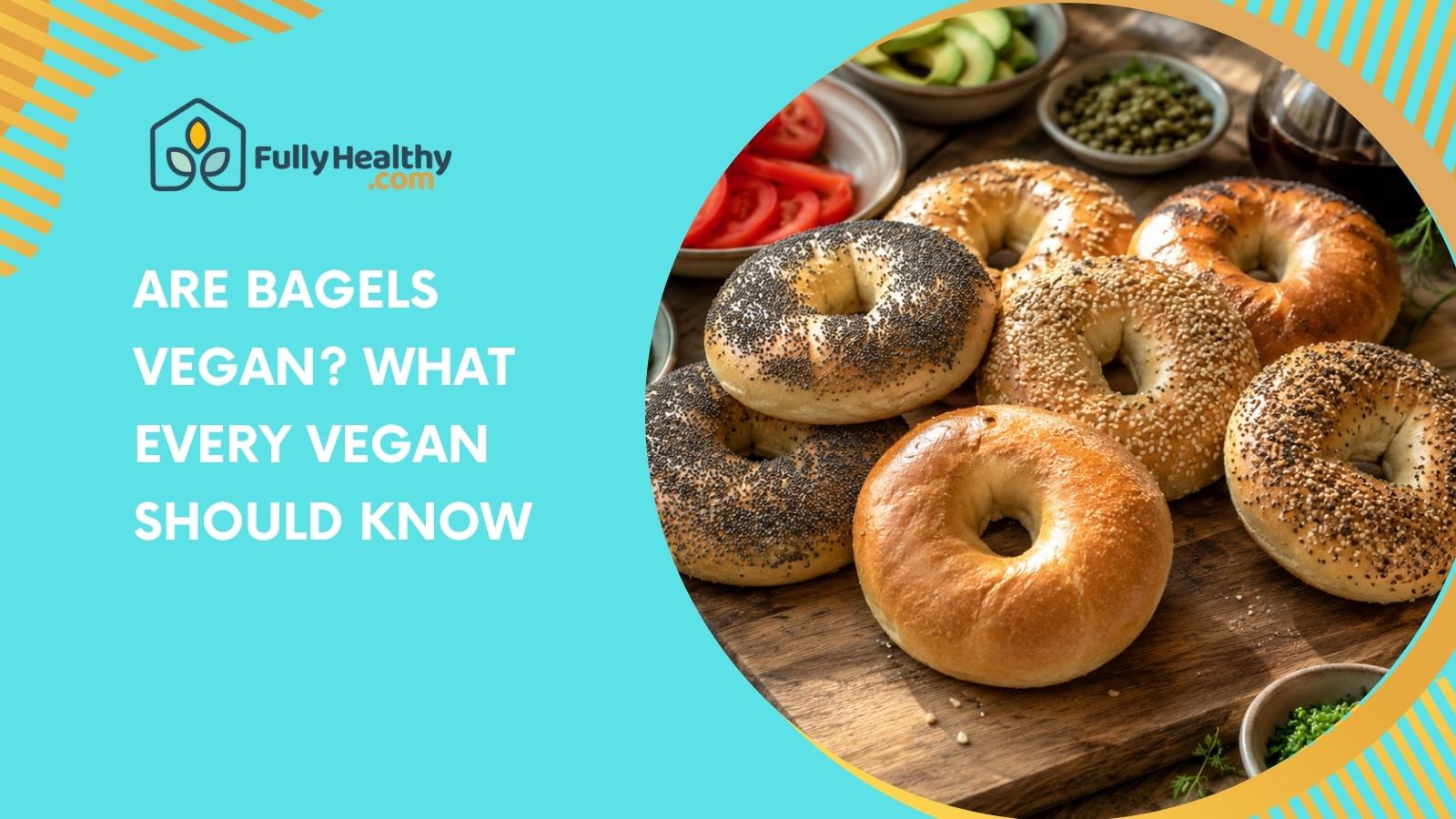
Wondering, are bagels vegan? Most traditional bagels are, since they are usually made with flour, water, yeast, salt, and malt. Still, some bagels may contain eggs, milk, honey, cheese, or other animal-based ingredients.
Toppings and bakery methods can also change whether a bagel is vegan. This guide will help you spot vegan-friendly bagels, avoid hidden ingredients, choose tasty plant-based toppings, and shop with more confidence.
Are Bagels Vegan?
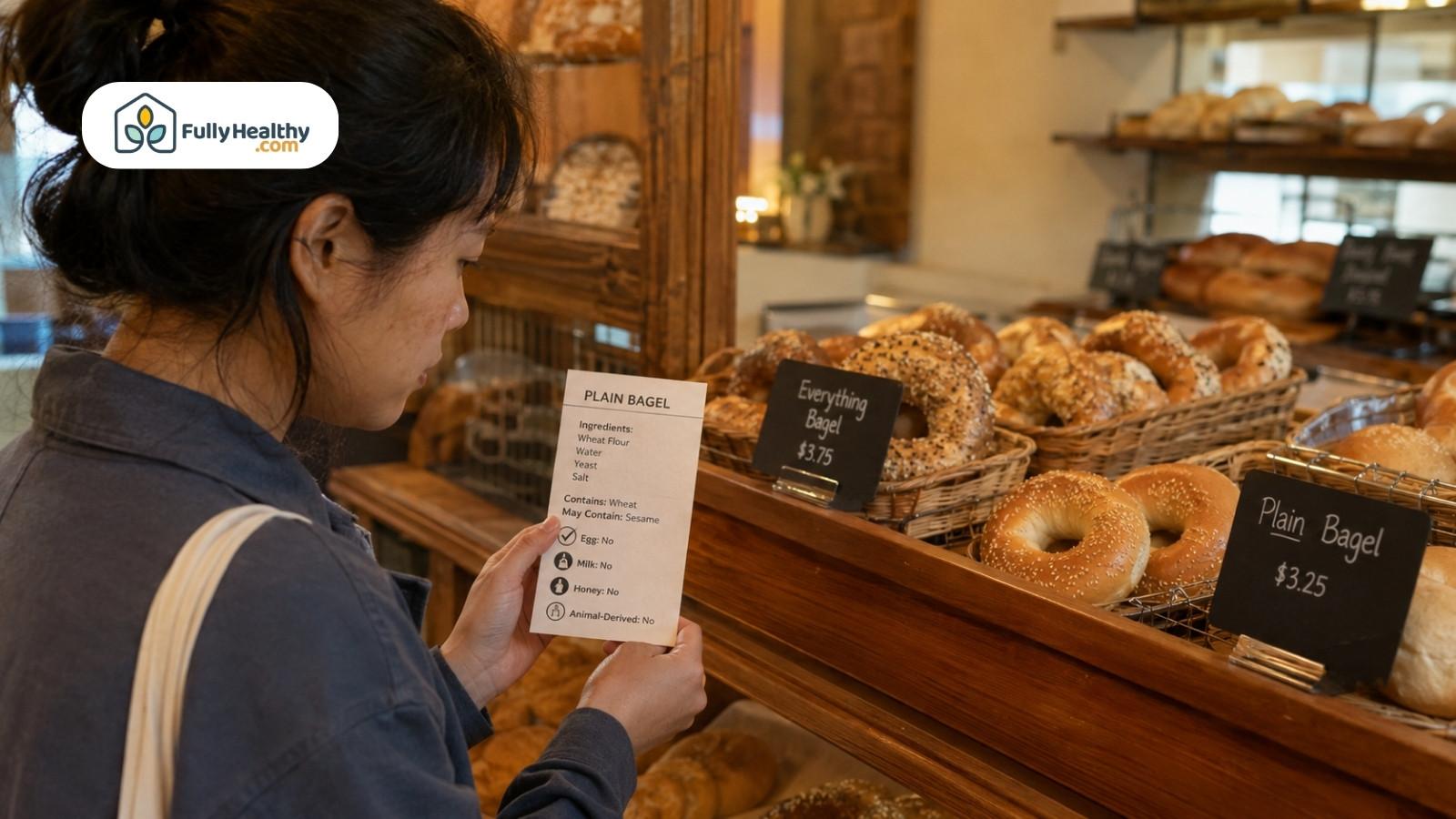
Many basic bagel recipes are vegan and use wheat flour, water, yeast, salt, and sometimes barley malt syrup or another sweetener; recipes vary substantially among manufacturers and bakeries. These bagel ingredients create a chewy texture. However, some recipes include non vegan ingredients or animal derived ingredients, so check labels at bagel shops.
Are Bagels Vegan in Most Bakeries and Grocery Stores?
Plain bagels are usually vegan, but recipes vary. Stores sell vegan bagels, while bakeries may add ingredients for flavor or texture. Reading the label helps you find the best vegan bagels.
-
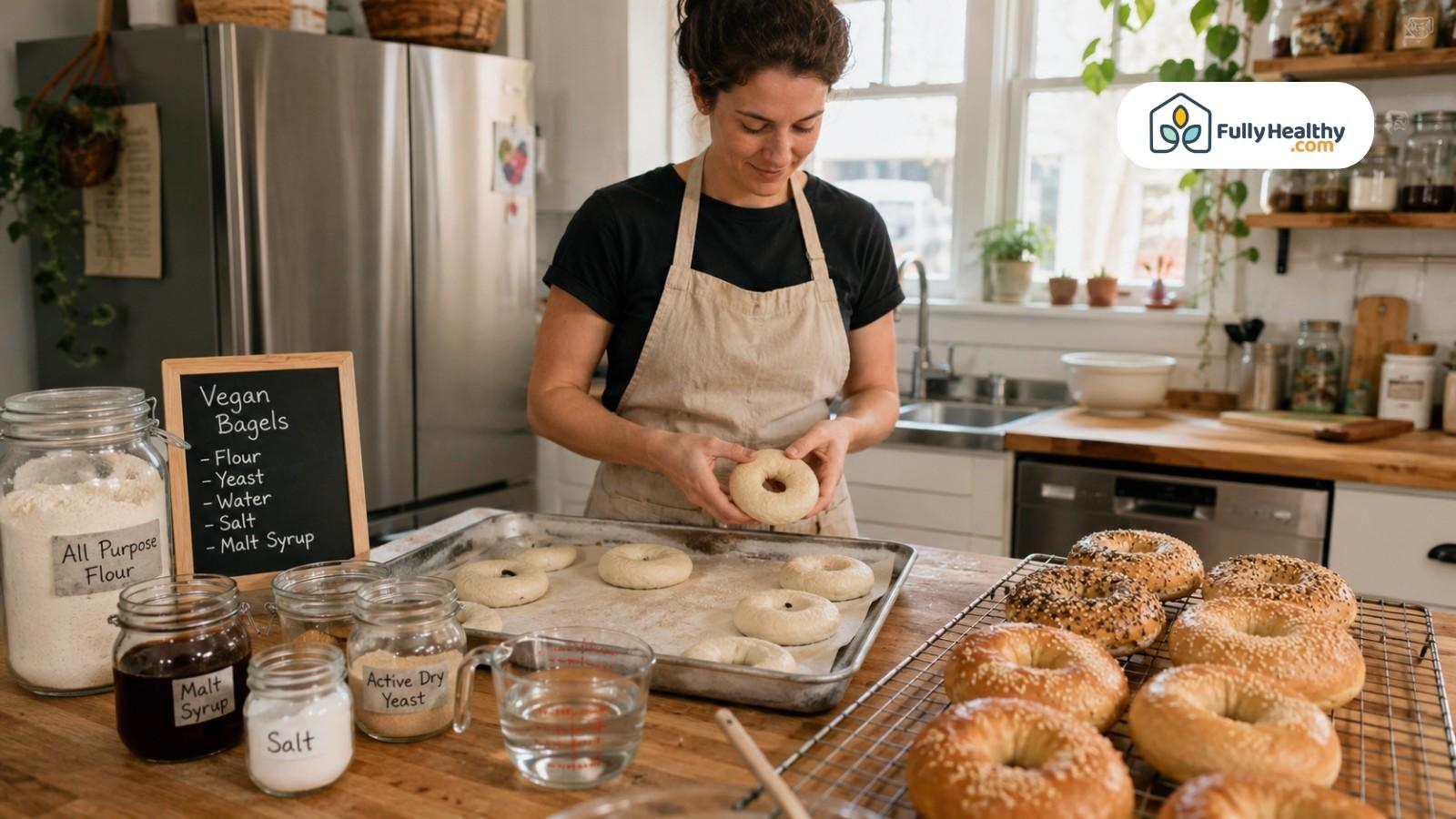
Traditional recipe: Most use wheat flour, water, instant yeast, salt, and barley malt syrup.
-
Vegan choices: Plain bagels, cinnamon raisin, sesame, onion, garlic, and many everything varieties are often vegan.
-
Bakery differences: Recipes may differ by shop, location, or supplier.
-
Homemade choice: Homemade bagels let you control ingredients, from bread flour to bagel seasoning.
How Can You Tell if a Bagel Is Truly Vegan?
A bagel may look vegan but contain hidden animal derived ingredients. Some manufacturers use dough conditioner or dough softener from animal sources. Others use egg wash for shine or to hold toppings.
-
Check labels: Look for eggs, honey, whey, milk, butter, and dairy products.
-
Watch additives: Some dough conditioner products contain L-cysteine, which may come from poultry feathers.
-
Ask staff: Fresh bagels may use egg wash on vegan dough.
-
Choose clear labels: Third-party vegan certification can reduce uncertainty, but certification standards differ and may not eliminate the possibility of cross-contact during manufacturing.
Do Bagels Contain Eggs?
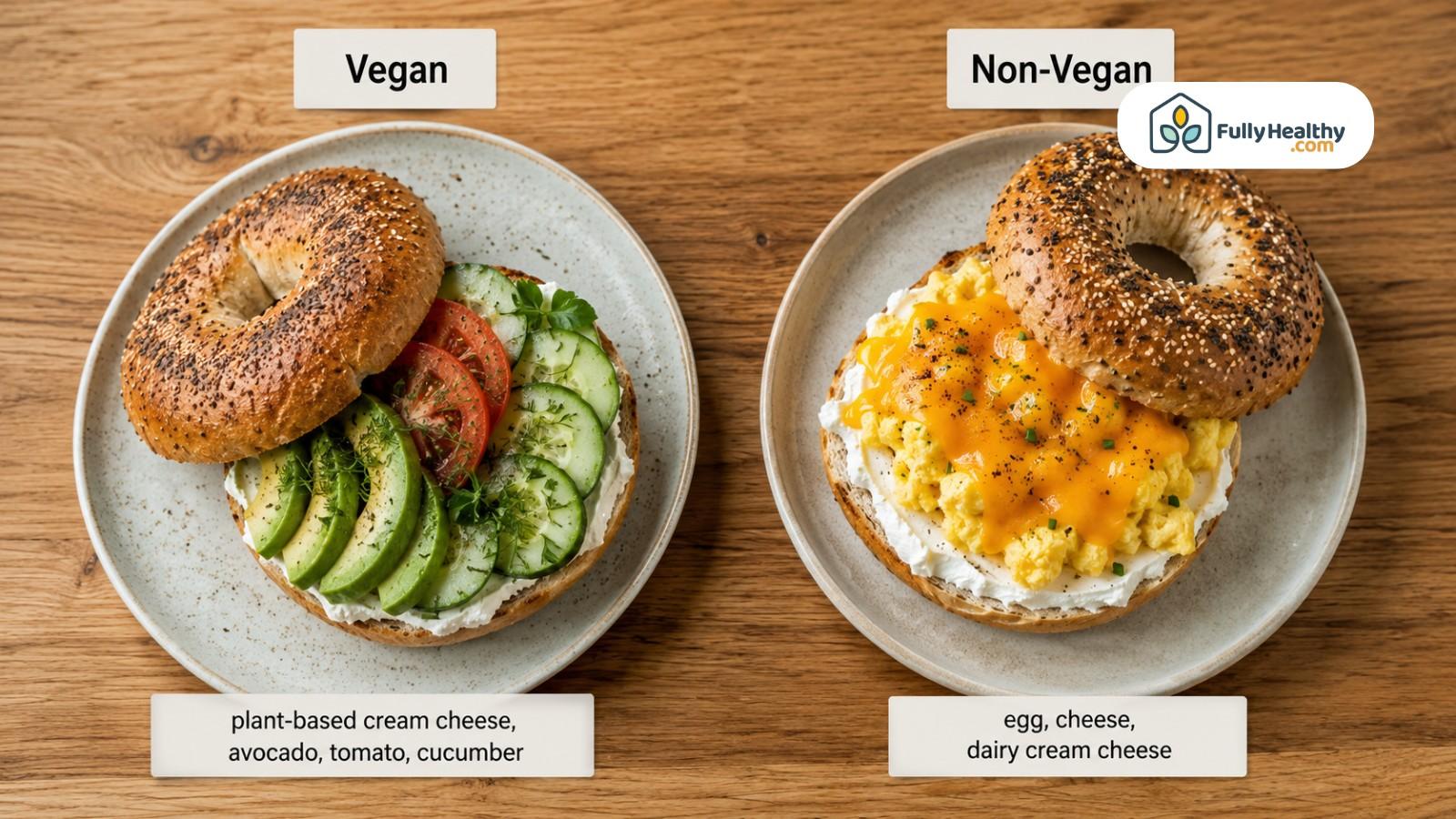
Bagel dough does not need eggs. Eggs are used in specialty recipes for richness, color, or softness. Knowing the difference helps shoppers choose vegan options confidently.
Why Do Some Bagels Include Eggs While Others Do Not?
Eggs can make bagels softer, richer, and more golden. That is why egg bagels differ from classic types. Classic recipes use strong flour and boiling for structure.
-
Egg bagels: These use eggs or egg whites for color and richness.
-
Traditional bagels: These contain flour, water, yeast, salt, and malt.
-
Texture support: High protein bread flour builds strength without eggs.
-
Home baking: Parchment paper prevents sticking.
Can Egg Wash Make an Otherwise Vegan Bagel Non-Vegan?
Yes. Some bakeries brush bagels with egg wash. It adds shine and helps bagel seasoning stick. A plant-based dough then becomes non vegan.
-
Egg wash: It creates a glossy crust and holds toppings.
-
Seasoning check: Everything bagel seasoning may be vegan, but the coating beneath may not be.
-
Bakery question: Ask whether egg wash is used before ordering.
-
Safer option: Packaged vegan bagels usually list ingredients clearly.
What Kind of Bagels Are Vegan?
Delicious vegan bagels are sold in stores and bakeries. Classic flavors are often plant-based, while specialty types may contain eggs, honey, cheese, or dairy products. Check each recipe.
Which Classic Bagel Flavors Are Usually Vegan?
Classic flavors are often vegan, but flavor names do not reliably indicate vegan status; verify the complete ingredient list and preparation method for each product. They suit breakfast, lunch, or a bagel sandwich with vegan cream cheese.
-
Common flavors: Plain bagels, cinnamon raisin, sesame, poppy seed, onion, garlic, and many everything varieties are often vegan.
-
Simple base: They use bread flour, water, yeast, salt, and barley malt syrup.
-
Serving ideas: Pair them with vegan cream cheese, hummus, avocado, or vegan recipes.
-
Homemade flavor: Add everything bagel seasoning for savory flavor.
Which Bagel Flavors Should Vegans Avoid?
Specialty bagels often contain non vegan ingredients. Cheese, eggs, honey, and milk are common. Labels help shoppers choose the best vegan option.
-
Cheese varieties: Asiago, cheddar, and stuffed bagels may contain cheese or cream cheese.
-
Sweet varieties: Honey wheat and dessert flavors may include honey or dairy products.
-
Breakfast bagels: Filled bagels may contain eggs, cheese, or cream cheese.
-
Smart shopping: Compare bagel ingredients before buying.
What Do Vegans Put on Bagels?
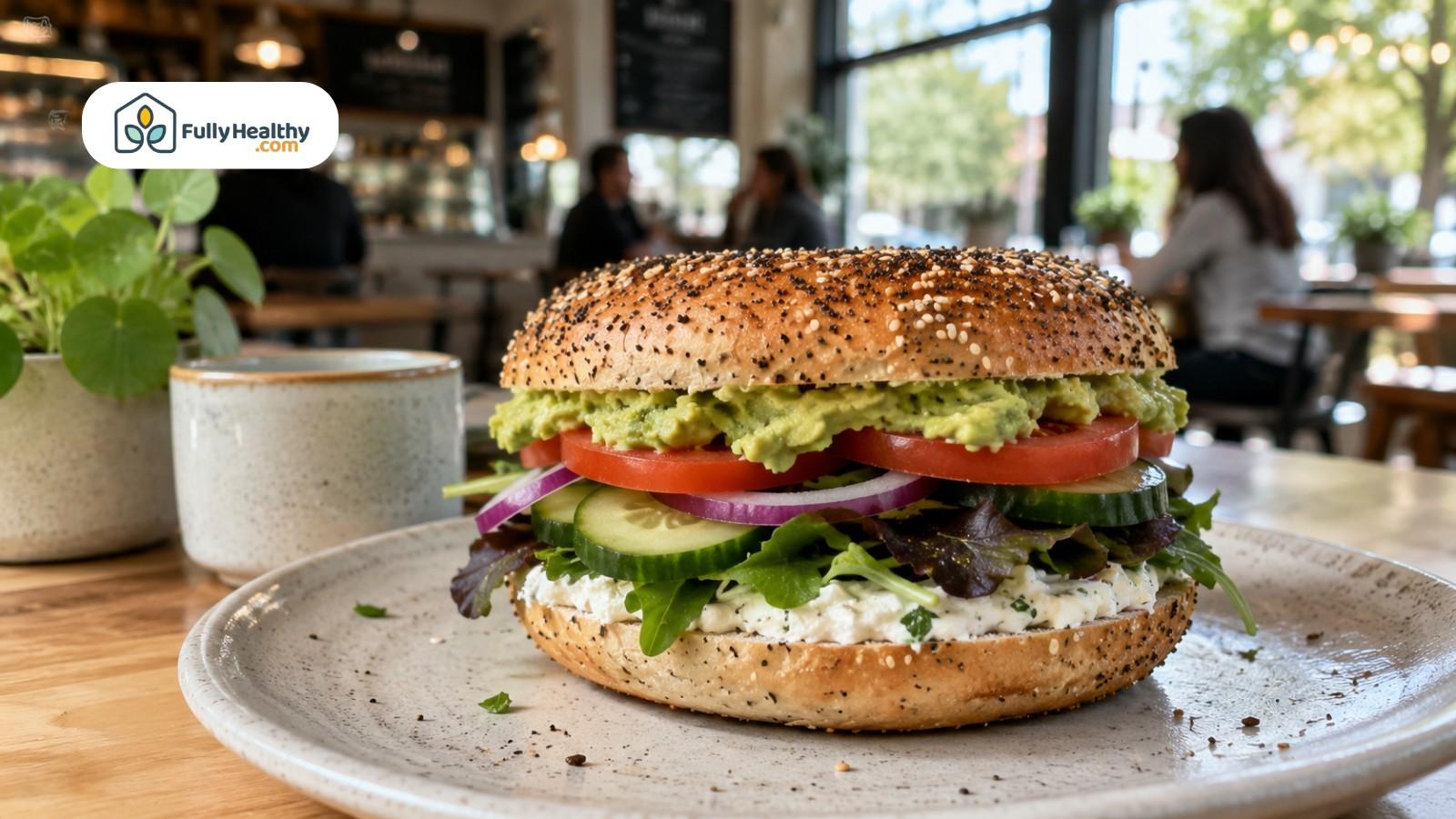
A vegan bagel can be filling with the right toppings. Savory spreads, vegetables, fruit, and plant-based ingredients work well. Plant-based toppings can add protein, fiber, produce, and unsaturated fats, but whether the meal is nutritionally balanced depends on the bagel’s portion size, grain content, toppings, and the person’s overall diet.
What Are the Best Savory Vegan Bagel Toppings?
Savory toppings are ideal. They add texture, flavor, and protein. These ideas work on plain or whole grain bagels.
-
Classic choice: Spread hummus on the bagel, then add cucumber, tomato, spinach, or fresh herbs.
-
Creamy option: Use dairy-free cream cheese with avocado, roasted peppers, onions, or everything seasoning.
-
Protein boost: Add tofu scramble, mushrooms, and spinach for a filling bagel sandwich without chicken or other animal products.
-
Roasted topping: Cook peppers, onions, or mushrooms in the oven for deeper flavor and better texture.
Which Sweet Vegan Bagel Toppings Are Worth Trying?
Sweet toppings can turn a bagel into a breakfast, snack, or dessert. Fruit, nuts, and plant-based spreads add natural flavor.
-
Fruit pairing: Combine banana, strawberry, apple, or blueberry with peanut butter or almond butter.
-
Crunchy finish: Add chopped nuts, seeds, or granola for more texture.
-
Natural sweetness: Drizzle maple syrup or another vegan sweetener over fruit and nut butter.
-
Dessert idea: Melt dairy-free chocolate over berries or banana for a simple treat with great taste.
How Can FullyHealthy Help You Find Vegan-Friendly Foods?
FullyHealthy makes specialty-diet shopping easier by offering products for vegan, gluten-free, AIP, and allergen-conscious needs. Clear product details help shoppers compare ingredients and avoid unsuitable items. This saves time. This also helps readers choose foods that match their needs without extra guesswork daily.
Which FullyHealthy Products Support a Vegan Lifestyle?
FullyHealthy carries verified vegan-friendly items that can add flavor, convenience, or sweetness to meals. These products are not all bagel toppings, but each supports a vegan kitchen.
-
The Wizard’s Organic Gluten Free Vegan Worcestershire: Use it in savory spreads, vegetable marinades, or tofu fillings.
-
Wild Zora Vermicelli Vegan Minestrone Noodle Soup: Pair this quick soup with a toasted bagel for lunch.
-
Enjoy Life Ricemilk Chocolate Morsels: Add them to baked goods, homemade bagels, or sweet toppings with fruit.
-
Smart use: Check current labels as details can change.
Why Is FullyHealthy Helpful for Specialty-Diet Shoppers?
The store groups products by dietary need, making shopping faster. Clear ingredient lists also help shoppers decide whether a product fits their lifestyle.
-
Simple browsing: Dietary categories help users narrow choices without searching many stores.
-
Clear details: Product pages list ingredients, size, and dietary claims.
-
Better storage: Keep homemade spreads in an air tight container to protect freshness.
-
Home baking: Mix all purpose flour, warm water, sugar, and yeast in a large bowl, use a large pot for the boiling process, then bake in the oven.
Final Thoughts
Most traditional bagels are vegan, but the ingredients and preparation methods always matter. While plain varieties are often made with simple plant-based ingredients, some recipes include eggs, dairy, honey, or other animal-derived ingredients that make them unsuitable for vegans.
Reading labels, asking questions at bakeries, and choosing trusted brands can help you make better choices. Pair your bagel with plant-based spreads, fresh vegetables, or fruit for a satisfying meal.
If you follow multiple dietary needs, specialty retailers such as FullyHealthy can make shopping easier with clearly labeled products. With a little attention to ingredients, you can confidently enjoy vegan-friendly bagels that fit your lifestyle and taste preferences.
FAQs
Are plain bagels usually vegan?
Yes, plain bagels are usually vegan, but always check the ingredient list for eggs, dairy, honey, or hidden animal-derived ingredients.
Why do some bagels contain unusual ingredients like human hair?
Some older discussions mention L-cysteine that could be sourced from human hair or poultry feathers, but many manufacturers now use synthetic or fermentation-derived alternatives, so checking the label is the best approach.
Which bagel flavors are most likely to be vegan?
Plain, sesame, poppy seed, onion, garlic, and many everything bagels are commonly vegan, although recipes vary by brand and bakery.
What can I put on a vegan bagel?
Popular choices include vegan cream cheese, hummus, avocado, nut butter, fruit, roasted vegetables, and other plant-based toppings.
How can I be sure a bagel is vegan before buying it?
Read the ingredient label, ask bakery staff about the recipe and egg wash, and look for products that are clearly labeled as vegan.
Leave a comment