

Are Bananas Fattening? The Truth About Calories And Weight
Are bananas fattening? They are not fattening on their own, as a medium banana has about 105 calories and includes fiber that helps you feel full. They provide natural sugars, vitamins, and potassium that support daily nutrition. Weight gain depends on total calories from all food, not just bananas.
This guide explains how bananas affect weight, blood sugar, and how to include them in your daily routine.
Featured Snack Pick
Barnana // Organic Chewy Banana Bites - 3.5 oz
Loading...
Are Bananas Fattening?

People worry that eating bananas leads to weight gain, but that concern often misses the bigger picture of how the body handles food and calories. Bananas are a fresh fruit full with nutrients, and they can fit into a balanced diet without causing unwanted weight changes.
Why Bananas are Not Automatically Fattening
Bananas are not fattening on their own because weight gain happens when total calorie intake consistently exceeds what the body uses for energy. A medium banana contains about 105 calories, which is relatively low compared to many snack options, and it provides useful nutrients that support overall health.
-
Calories: One medium banana offers moderate energy without pushing calorie intake too high.
-
Carbohydrate Content: Bananas contain natural sugars and carbohydrates that fuel the body, not automatically turn into fat.
-
Fiber Content: The dietary fiber helps you feel full longer, which can reduce overeating.
-
Nutrition: Bananas provide potassium, vitamin B6, vitamin C, and minerals that support heart health and body function.
-
Balanced Diet: Including bananas with vegetables, protein, and whole grains supports steady weight management.
Are Bananas Fattening or Filling?
Bananas are more filling than fattening because their fiber content and resistant starch support satiety and help regulate how the body responds to sugar. This means eating bananas can actually help control hunger instead of increasing it.
-
Resistant Starch: Unripe bananas and greener bananas contain resistant starch that slows digestion and supports fullness.
-
Blood Sugar Response: Fiber helps slow sugar absorption, which may reduce the rate of blood sugar rise, though bananas still increase blood sugar.
-
Glycemic Index: Bananas typically have a glycemic index of about 42–62 depending on ripeness.
-
Digestive Health: Fiber supports gastrointestinal health and improves digestion over time.
-
Satiety: Eating bananas between meals can help reduce cravings and support weight loss.
Are 2 Bananas a Day Fattening?
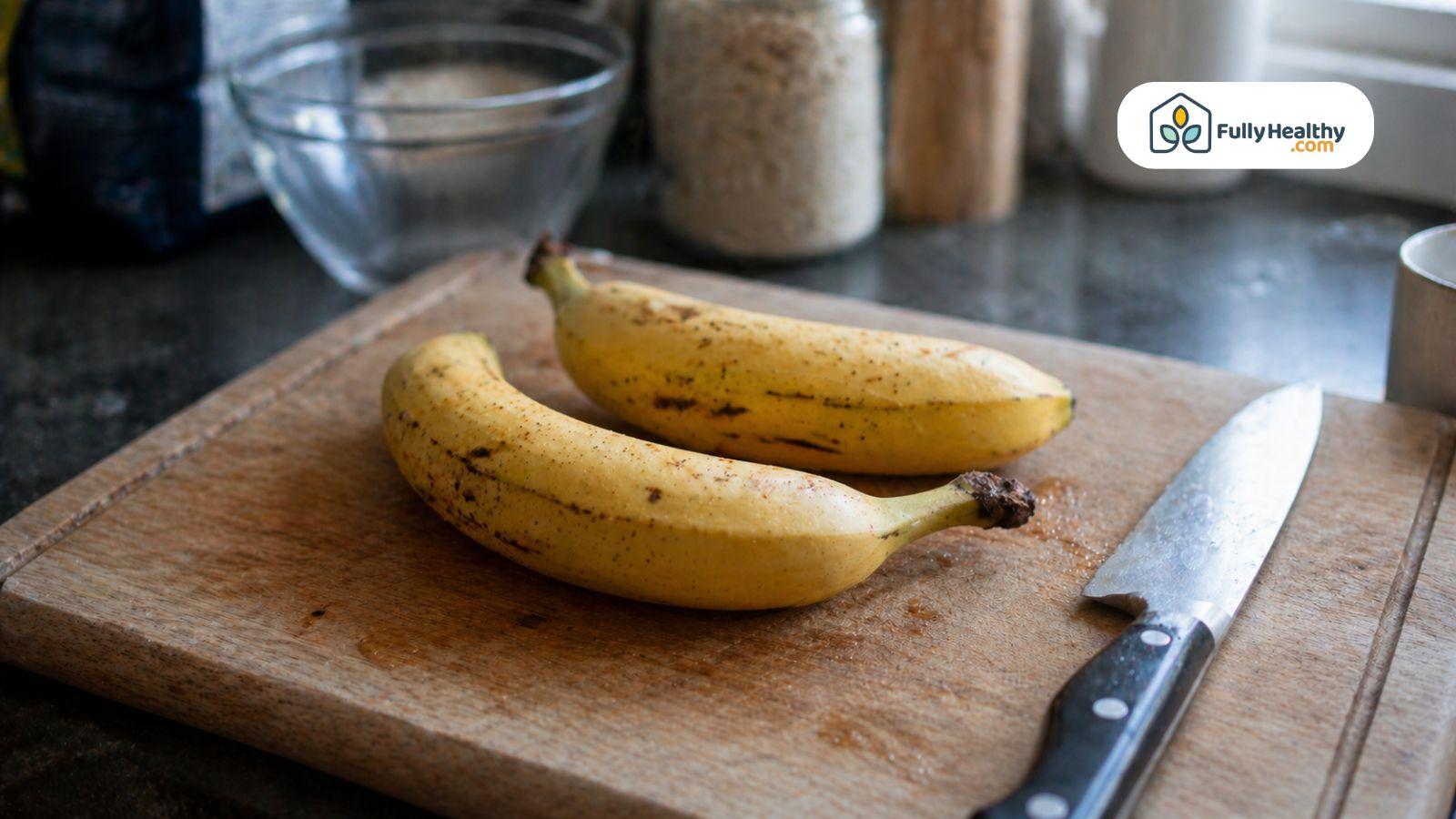
Eating two bananas a day is not a problem for most people and can easily fit into a healthy eating pattern. The effect on weight depends on total daily intake and lifestyle habits rather than the number of bananas alone.
Are Two Bananas a Day Fattening for Most People?
For most people, two bananas a day are not fattening when eaten as part of a balanced diet and normal activity level. They provide essential nutrients while staying within a reasonable calorie range.
-
Calories: Two bananas contain around 210 to 220 calories, which is moderate for a snack.
-
Nutrients: They supply potassium, vitamin B6, fiber, and other nutrients needed for body function.
-
Daily Consumption: Regular intake can support energy, especially for active individuals.
-
Blood Sugar: Those managing blood sugar should be mindful of portions due to carbohydrate content.
-
Weight Management: Overall calorie balance is more important than focusing on a single fruit.
Better Ways to Eat Two Bananas
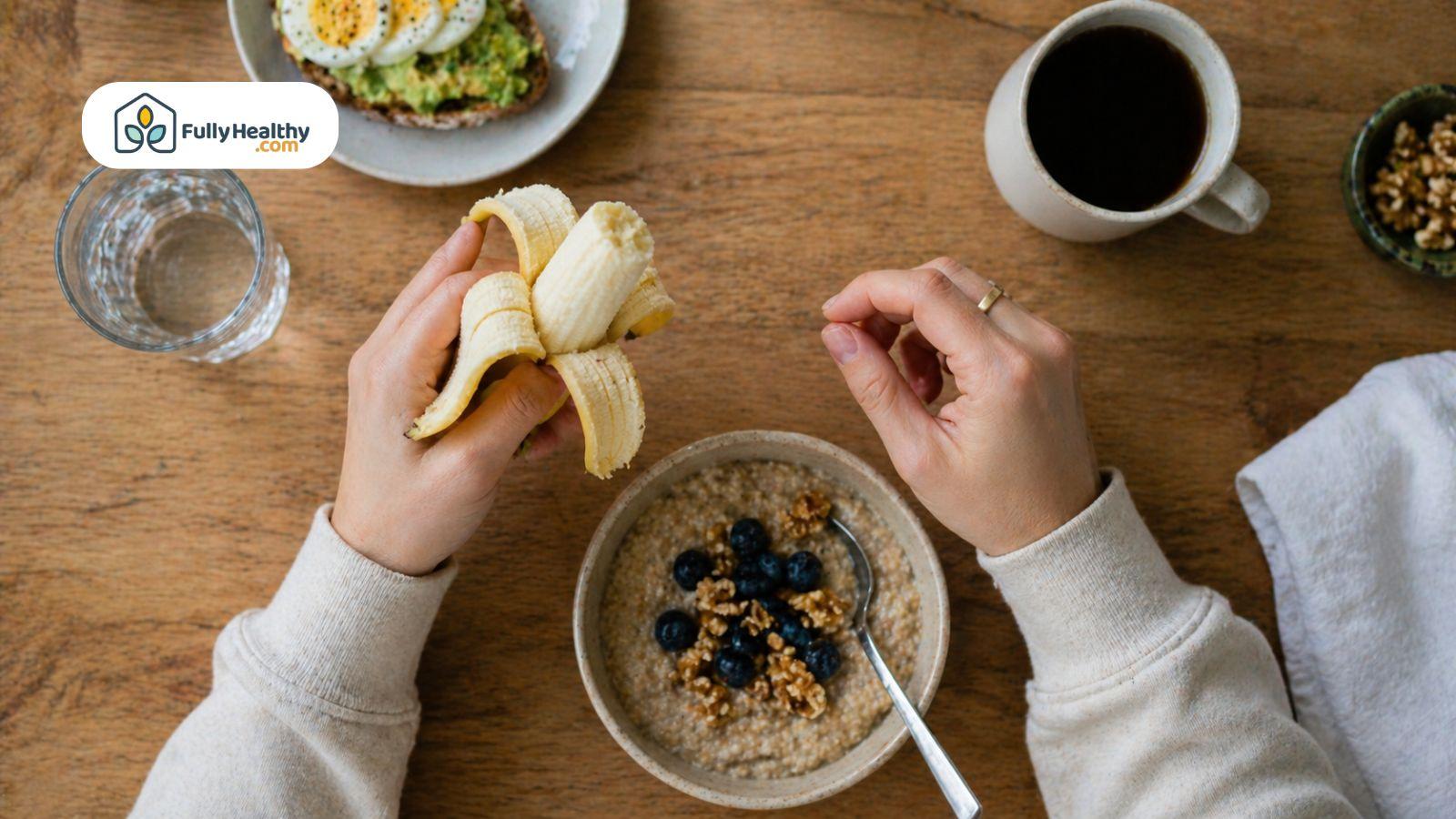
Eating bananas with other foods can improve satiety and help maintain a steady blood sugar response throughout the day. Pairing them properly makes them more effective for weight management.
-
Nut Butter: Banana slices with nut butter add healthy fats and slow digestion.
-
Protein: Pairing with yogurt, eggs, or protein powder increases fullness.
-
Whole Grains: Adding bananas to oatmeal or whole grain toast provides longer-lasting energy.
-
Smoothies: Blending bananas with milk or protein sources creates a balanced snack.
-
Meal Balance: Combining bananas with other nutrients helps avoid rapid blood sugar spikes.
What Fruit is Best for Losing Weight?
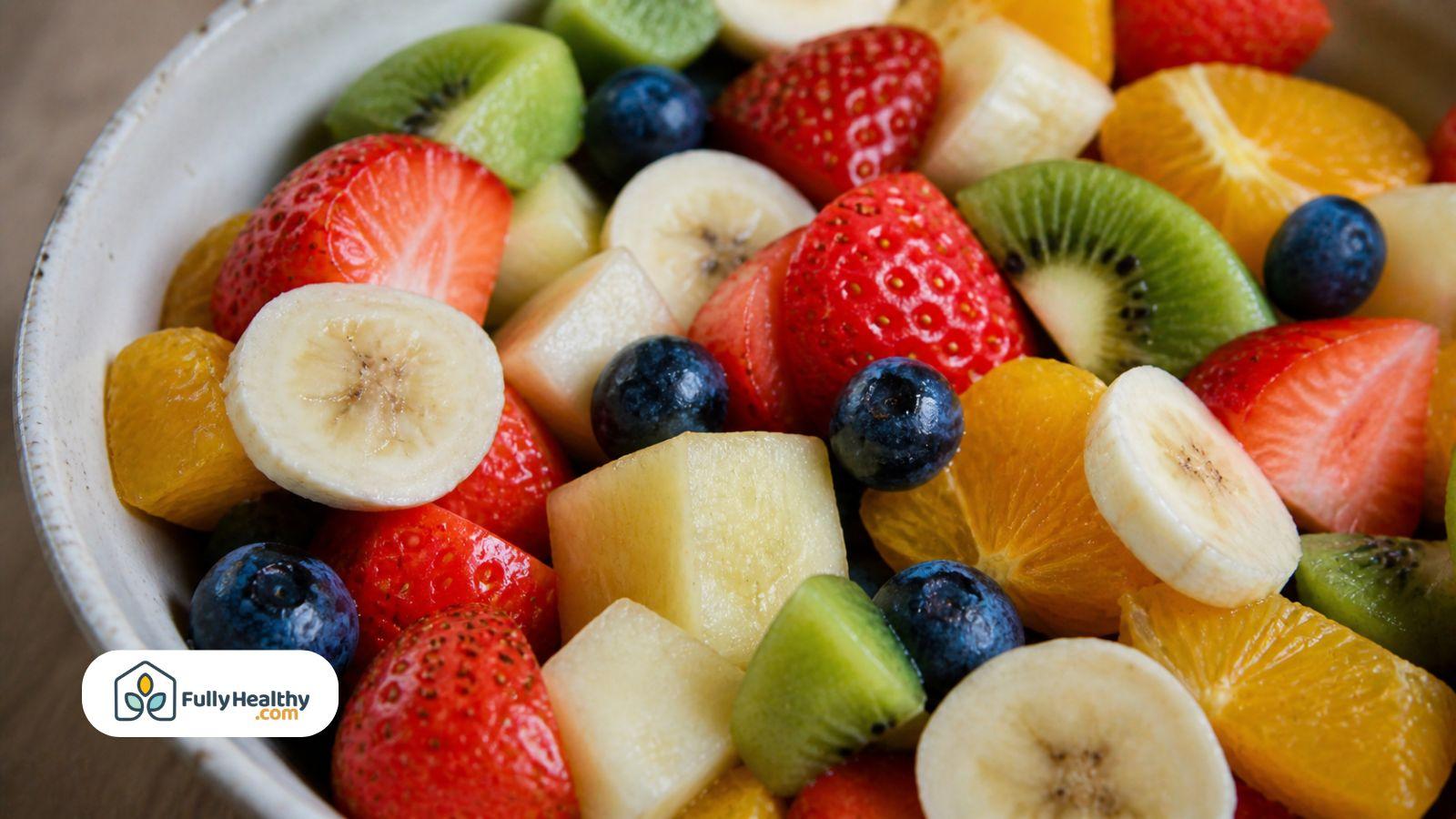
Choosing the right fruits can support weight loss by helping you feel full while keeping calorie intake controlled. Fruits vary in fiber, water content, and sugar levels, which all affect how the body responds.
Best Fruits for Weight Loss and Fullness
The best fruits for weight loss and fullness include apples, berries, grapefruit, oranges, and pears because they are high in fiber and water while having fewer calories. These fruits help you feel full longer and support appetite control, making them easier to include in a calorie restricted diet.
-
Apples: High fiber foods that promote satiety and reduce hunger between meals.
-
Berries: Lower in sugar and rich in antioxidants, making them ideal weight loss friendly foods.
-
Grapefruit: Known for supporting reduced calorie intake and better weight management.
-
Oranges: High in water and fiber, helping you feel full with fewer calories.
-
Pears: Provide strong fiber content that supports digestive health and steady energy.
Where Bananas Fit Compared With Other Fruits
Bananas are slightly higher in carbohydrate content than some other fruits, but they remain a healthy choice because they are filling and nutrient-dense. They are convenient, portable, and useful for energy, especially before physical activity.
-
Energy Source: Bananas provide quick energy due to natural sugars and carbohydrates.
-
Fiber Intake: They still contribute to dietary fiber, supporting fullness and digestion.
-
Nutrition: Bananas contain potassium, vitamin B6, and other nutrients that support heart health.
-
Versatility: Can be eaten alone or added to other food like oatmeal, smoothies, or banana bread.
-
Balance: Including bananas with other fruits helps create a balanced diet for weight loss.
Are There Downsides to Eating Bananas?
While bananas offer many health benefits, there are situations where eating bananas may not be ideal for everyone. Understanding these helps you make better food choices based on your needs.
When Bananas May Cause Problems
Bananas are generally healthy, but certain individuals may experience issues when eating bananas in large amounts or with specific sensitivities. These effects are not common but are worth noting:
-
Blood Sugar Spikes: Ripe banana consumption may increase blood sugar levels quickly in some individuals.
-
Digestive Issues: Too much fiber or resistant starch can cause bloating or discomfort for some people.
-
Migraines: Some people may experience headaches triggered by compounds in bananas.
-
Dental Health: Natural sugar content may affect teeth if oral hygiene is not maintained.
-
Allergies: Oral allergy syndrome may occur in those sensitive to certain proteins.
Who Should Be More Careful With Bananas
Certain groups may need to limit bananas or monitor how their body responds due to health conditions or sensitivities:
-
Diabetes: Monitoring blood sugar response is important due to carbohydrate content.
-
Kidney Conditions: High potassium intake may not be suitable for some individuals.
-
Insulin Resistance: Portion control helps manage blood sugar levels effectively.
-
Allergies: Those with latex or pollen allergies may react to bananas.
-
Medical Conditions: Always consider individual health needs when including bananas in the diet.
Healthy Banana Snacks From FullyHealthy
Finding convenient banana-based snacks can help you enjoy the benefits of bananas without relying on highly processed food. FullyHealthy offers a wide range of options that support different dietary needs while keeping ingredients simple and clean.
Why FullyHealthy Carries Banana-Based Options
FullyHealthy focuses on providing clean, allergen-conscious products that support a balanced diet and overall wellness. Their selection includes options suited for gluten-free, paleo, keto, and other lifestyle preferences.
-
Product Variety: Offers snacks, baking mixes, and pantry staples made with simple ingredients.
-
Diet Support: Many products are suitable for AIP, gluten-free, and dairy-free diets.
-
Clean Ingredients: Focus on minimal added sugar and whole food sources.
-
Nutrition: Products aim to preserve nutrients from fruits like bananas.
-
Convenience: Easy-to-use options for busy lifestyles without sacrificing quality.
Banana Products Worth Trying
FullyHealthy provides several banana-based products that can fit into different meals or snacks while supporting weight management and nutrition goals.
-
Barnana Organic Chewy Banana Bites: A simple snack made from bananas, ideal for quick energy and easy portion control.
-
Eat Gangster Banana Bread Mix: A baking option that lets you control ingredients while still enjoying classic banana bread.
-
Autoimmune Paleo Perfection Vanilla Banana Protein Powder: Combines banana flavor with protein to improve satiety and support muscle recovery.
-
That’s It Apple + Banana Fruit Bar: A convenient snack made from simple fruit ingredients with no added sugar.
-
Monkey Brittle Strawberry Banana Crunch: A crunchy snack that combines banana with other fruits for texture and flavor.
-
Solely Banana With Cacao: A naturally sweet snack with cacao added for a richer taste.
-
Wild Zora Instant Grain-Free Hot Cereal Banana Bread: A warm, grain-free option that works well for breakfast or light meals.
Final Thoughts
Bananas are a healthy choice that can support good for weight loss when eaten in proper portions within a balanced diet. An average banana provides fiber, potassium, and nutrients that help support blood pressure and overall health. As bananas ripen, their sugar content increases, so portion control matters, especially compared to high sugar fruits.
Bananas are good when balanced with other foods and habits, helping support a reduced risk of health issues over time. Keep portions in check and stay consistent.
FAQs
Is it okay to eat bananas when trying to lose weight?
Yes, bananas good for weight loss when included in a balanced diet, since an average banana provides fiber and nutrients that support weight management without causing weight gain.
Is a banana a day too much sugar?
No, one average banana contains natural sugar and is not comparable to high sugar fruits when eaten in moderation as part of daily nutrition.
Are bananas good to lose belly fat?
Bananas support weight loss and fullness but do not burn fat, and should be eaten in moderation due to their carbohydrate content.
How many bananas a day is too many?
Eating more than two or three bananas a day may be too much due to higher potassium and calorie intake, which can contribute to weight gain, nutrient imbalance, and possible digestive discomfort.
Is saging na saba high in sugar?
Saging na saba is high in carbohydrates and natural sugars, especially as it ripens, making it an energy-dense fruit. It provides potassium and fiber, but its sugar content can raise blood sugar, so moderate intake is recommended, particularly for diabetics.
Leave a comment