

Are Eggs Gluten-Free? A Guide to Safe Meals and Pairings
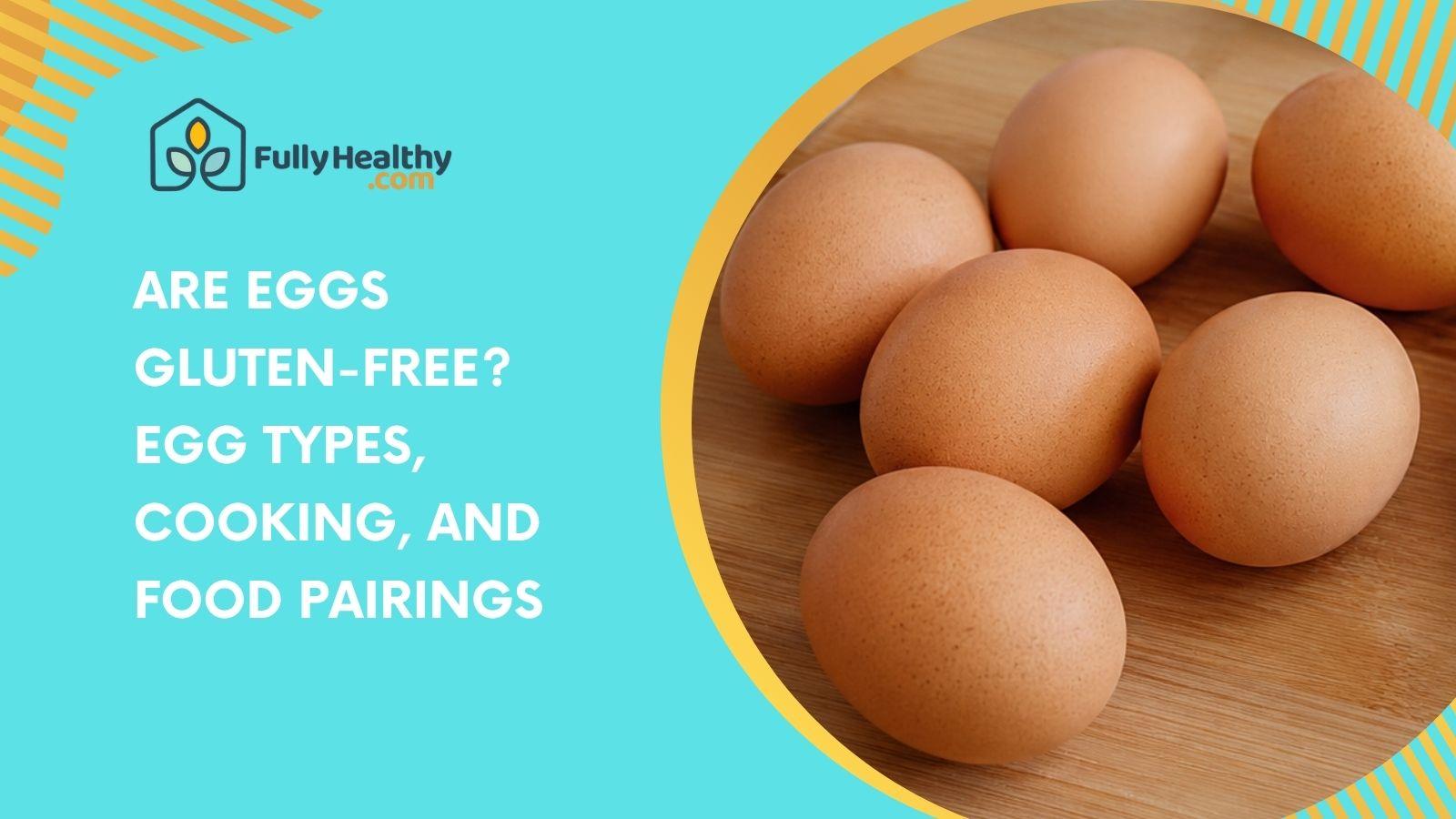
Are eggs gluten-free? Yes, whole, fresh eggs are naturally gluten-free and can be safely included in a gluten-free diet. The main concerns are added ingredients and cross-contact during cooking, especially at restaurants. Here’s what to know about choosing, preparing, and pairing eggs while keeping your meals gluten-free.
Are Eggs Gluten-Free?
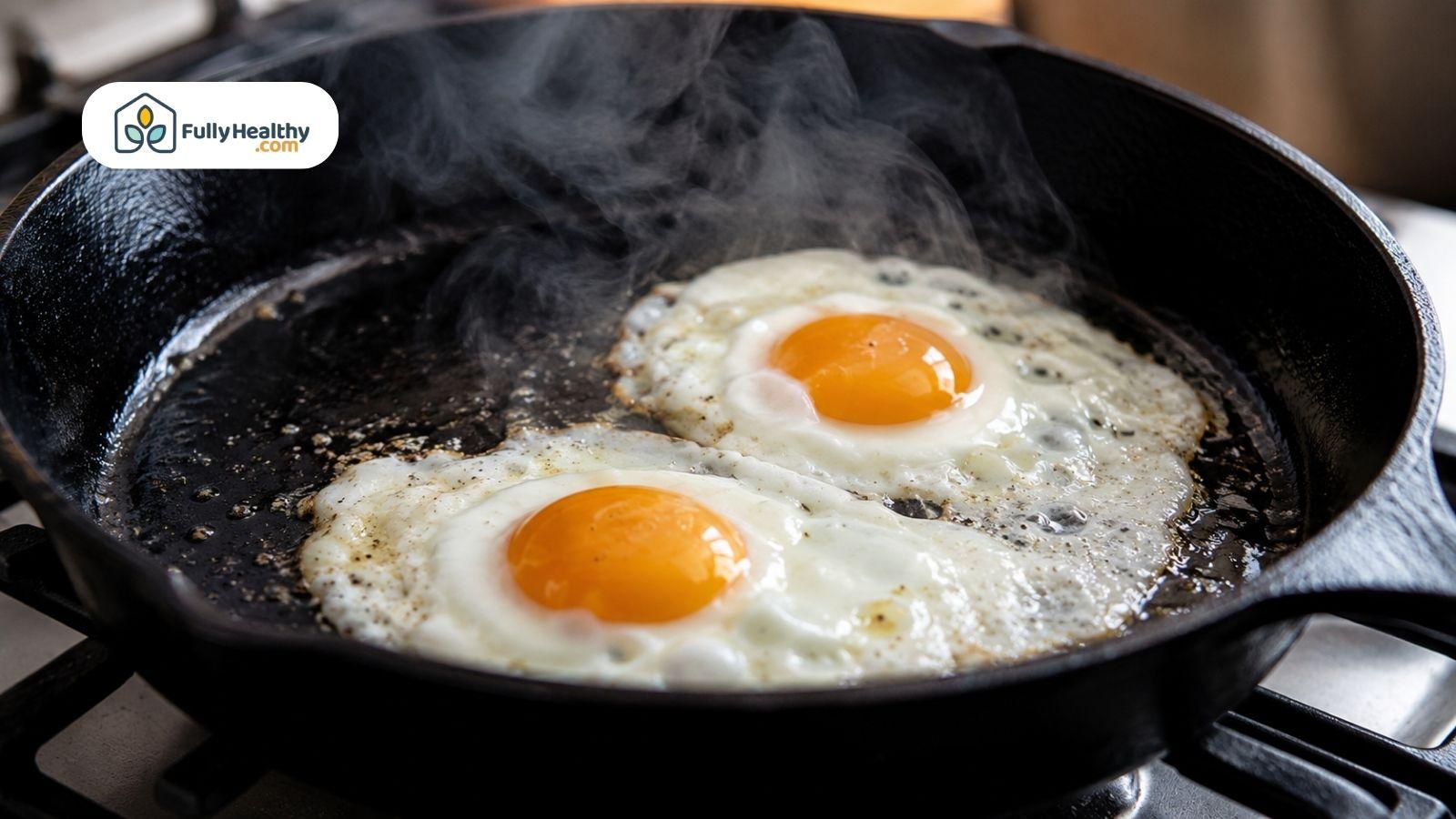
Yes, plain eggs are naturally gluten-free and can be part of a gluten-free diet. Eggs do not contain wheat, barley, rye, or gluten, but added ingredients and cross-contact with gluten containing foods can affect a prepared dish.
Why Eggs Are Naturally Gluten-Free
The answer to are eggs gluten-free is simple: plain eggs contain no gluten. Whole eggs and egg whites are naturally gluten-free, making them a useful food for people, including those managing celiac disease or coeliac disease.
-
Whole Eggs: Plain white and brown eggs are gluten-free.
-
Egg Whites: Plain egg whites naturally contain no gluten.
-
Gluten Sources: Wheat, barley, and rye are major sources of gluten.
-
Nutrition: Eggs provide protein as part of a healthy, varied diet.
-
Cooking: Eggs can be boiled, fried, scrambled, or baked with gluten-free ingredients.
-
Recipes: Eggs work in many gluten-free recipes, from breakfast dishes to baking.
Gluten Cross-Contact During Egg Preparation
Cross-contact can introduce gluten to otherwise gluten-free eggs during preparation. Shared pans, utensils, griddles, and surfaces that have touched gluten containing foods can create a contamination risk, especially for people with celiac disease.
-
Shared Griddles: Eggs may cook beside pancakes or other wheat-based foods.
-
Shared Pans: Flour and crumbs can remain on cooking equipment.
-
Scrambled Eggs: Some restaurant recipes may contain batter or unexpected additions.
-
Seasonings: Packaged blends and sauces may require a careful label check.
-
Added Ingredients: Butter, milk, cream, cheese, or ham should be checked when packaged or flavored.
-
Restaurant Safety: Ask how egg dishes are prepared since many restaurants use shared equipment.
Are Eggs From Grain-Fed Chickens Gluten-Free?
Yes, eggs from grain-fed chickens are gluten-free. Gluten in animal feed does not transfer intact into shelled eggs, so grain-free feed is not required for eggs to fit a gluten-free diet.
Gluten in Chicken Feed and Egg Safety
Gluten from chicken feed does not transfer intact into eggs. The Gluten Intolerance Group states that naturally prepared meat and shelled eggs remain gluten-free regardless of gluten-containing grains in an animal's diet.
-
Chicken Feed: Wheat in feed does not make eggs contain gluten.
-
Shelled Eggs: Plain eggs remain naturally gluten-free.
-
Plain Meat: Beef, pork, chicken, and fish are naturally gluten-free.
-
Processing: Marinades, breading, coatings, and seasonings may introduce gluten.
-
Preparation: Cross-contact is more relevant to gluten safety than animal feed.
Grain-Free Eggs and Gluten-Free Diets
Grain-free-fed eggs are not necessary simply because you follow a gluten-free diet. People with celiac disease or coeliac disease should focus instead on processing, ingredients, labels, and cross-contact because these are more relevant routes of gluten exposure.
-
Packaged Eggs: Check flavored or prepared egg products before eating.
-
Processed Meat: Ham and other packaged meats may contain added ingredients.
-
Restaurant Meals: Ask how eggs and accompanying foods are cooked.
-
Added Ingredients: Sauces, coatings, flour, and seasonings can introduce gluten.
-
Labels: Read the ingredients list when checking packaged foods.
What Can I Eat With Eggs on a Gluten-Free Diet?
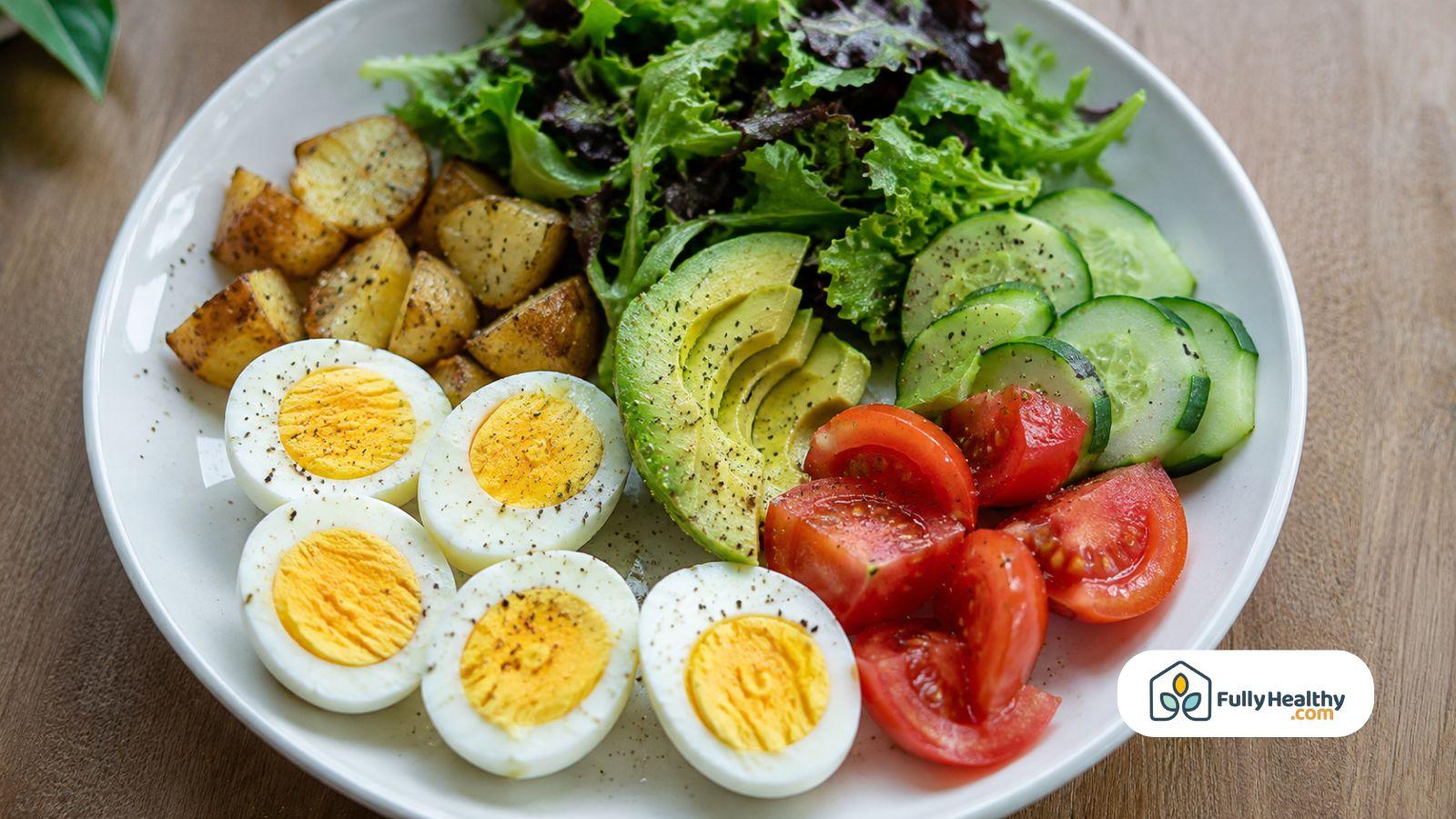
You can eat eggs with vegetables, fruit, avocado, beans, potatoes, rice, meat, and other naturally gluten-free foods. Eggs also pair well with labeled gluten-free bread or tortillas, giving you plenty of options for breakfast and other gluten-free meals.
Building a Balanced Gluten-Free Meal With Eggs
Pair eggs with vegetables, carbohydrates, healthy fats, and other protein-rich foods for a balanced gluten-free meal. Tomatoes, avocado, beans, potatoes, fruit, rice, cottage cheese, and vegetables can turn simple eggs into a more filling breakfast, lunch, or dinner.
-
Vegetables: Add tomatoes, spinach, mushrooms, or peppers to egg dishes.
-
Healthy Fats: Serve eggs with avocado, nuts, or seeds.
-
Extra Protein: Pair eggs with plain meat, fish, beans, or cottage cheese.
-
Simple Bowl: Combine eggs, rice, vegetables, and half an avocado.
-
Easy Flavor: Sprinkle salt and pepper or add lemon juice where appropriate.
-
Scrambled Eggs: Stir the egg mixture in a clean bowl and cook over medium high heat.
Gluten-Free Carbs to Pair With Eggs
Potatoes, rice, corn, quinoa, and labeled gluten-free bread are practical carbohydrates to serve with eggs. They can substitute for conventional wheat toast, muffins, and other baked goods while adding variety to gluten-free meals.
-
Potatoes: Serve roasted potatoes or homemade potato hash with eggs.
-
Rice: Add eggs to a rice bowl with vegetables and protein.
-
Corn Tortillas: Use labeled gluten-free tortillas for breakfast tacos.
-
Quinoa: Pair cooked quinoa with eggs, tomatoes, and vegetables.
-
Gluten-Free Bread: Check the label before using packaged bread or muffins.
-
Baking: Eggs support structure in baking, but every flour, dough, and batter ingredient must also be gluten-free.
What Are the Best Gluten-Free Snacks?
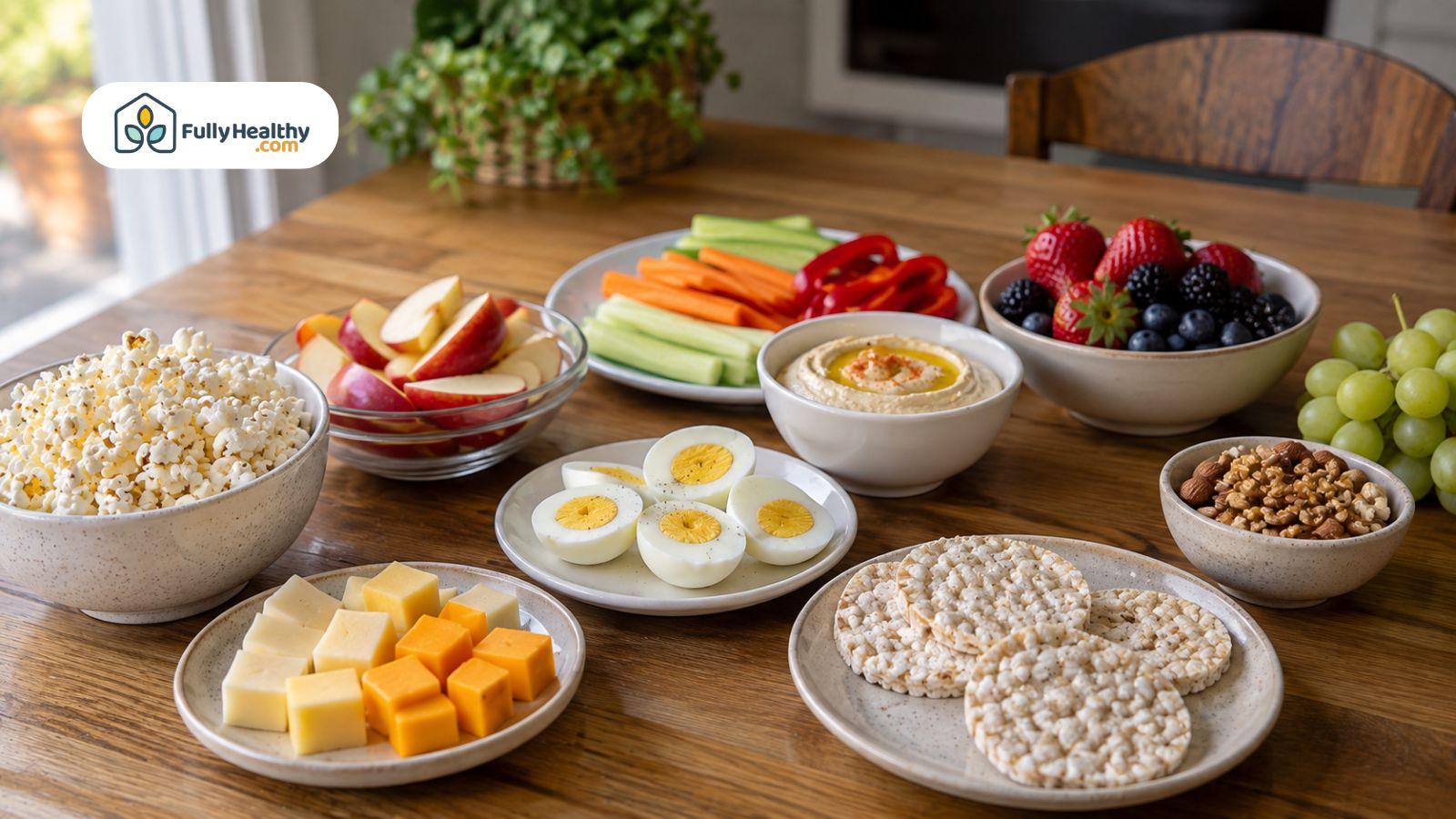
The best gluten-free snacks include naturally gluten-free whole foods and packaged products specifically labeled gluten-free. Fruit, vegetables, nuts, seeds, and other simple foods can make convenient choices, while packaged snacks require closer attention to ingredients and cross-contact.
Naturally Gluten-Free Whole-Food Snacks
Fresh fruit, vegetables, nuts, and seeds are naturally gluten-free and make simple snacks without relying on specialty substitutes. Pairing carbohydrates with protein or healthy fats can also make a snack more satisfying between gluten-free meals.
-
Fresh Fruit: Apples, bananas, berries, grapes, and oranges require little preparation.
-
Vegetables: Carrots, cucumbers, peppers, and tomatoes work well with a gluten-free dip.
-
Nuts and Seeds: Plain almonds, walnuts, pumpkin seeds, and similar foods provide protein and healthy fats.
-
Nut Butter: Pair a gluten-free nut butter with fruit or vegetables after checking the label.
-
Boiled Eggs: Prepared eggs make a portable, protein-rich snack when stored safely.
-
Simple Pairings: Combine fruit with nuts or vegetables with hummus for more variety.
Packaged Gluten-Free Snacks and Label Checks
Packaged crackers, pretzels, chips, cookies, bars, and baked goods can fit a gluten-free diet when their ingredients and labeling support that claim. Do not assume a product is gluten-free based only on the type of food, since wheat, barley, rye, seasonings, flour, or cross-contact may introduce gluten.
-
Check the Label: Look for clear gluten-free labeling on packaged foods.
-
Read Ingredients: Review the ingredients list for wheat and other gluten sources.
-
Check Recipes: Similar snacks can use very different ingredients between products.
-
Watch Seasonings: Flavored chips, nuts, and crackers may contain added seasonings or coatings.
-
Consider Cross-Contact: Manufacturing practices matter for people with celiac disease or coeliac disease.
-
Keep It Varied: Mix packaged options with naturally gluten-free food instead of relying on substitutes alone.
Find Gluten-Free Pantry Staples at FullyHealthy
FullyHealthy offers foods for people shopping around gluten-free and other specialty dietary needs. A well-stocked pantry can make gluten-free recipes and everyday gluten-free meals easier to prepare without replacing every food you already eat.
Gluten-Free Shopping at FullyHealthy
FullyHealthy carries gluten-free, AIP, allergen-conscious, and specialty-diet products for different cooking and pantry needs. Shoppers can browse individual product information and check each label and ingredients list against their own diet requirements before purchasing.
-
Gluten-Free Options: Browse foods intended for gluten-free eating and cooking.
-
Specialty Diets: Products cover several dietary preferences beyond gluten-free foods.
-
Pantry Foods: Stock everyday ingredients used for cooking, baking, snacks, and meals.
-
Product Details: Check individual ingredients before adding a packaged food to your diet.
-
Dietary Needs: People with celiac disease should confirm that a product meets their specific requirements.
Simple Pantry Staples for Gluten-Free Meals
Simple pantry staples can make eggs and other naturally gluten-free foods easier to turn into satisfying meals. FullyHealthy carries gluten-free breads and condiments that can complement breakfast, sandwiches, and savory egg dishes.
-
Base Culture Gluten-Free Sourdough Bread: A gluten-free sourdough bread option to serve as toast alongside eggs or use for breakfast sandwiches.
Final Thoughts
Eggs are naturally gluten-free and can fit easily into a balanced gluten-free diet. The bigger concern is cross-contact or added ingredients when eggs are prepared with many foods, especially in shared kitchens and restaurants. Drinks served alongside your meal may also need a label check if flavored or packaged.
At home, using clean cookware, including a clean oven, helps reduce cross-contact. Enjoy eggs with simple gluten-free sides and always check unfamiliar ingredients before eating.
FAQs
Can Scrambled Eggs Have Gluten?
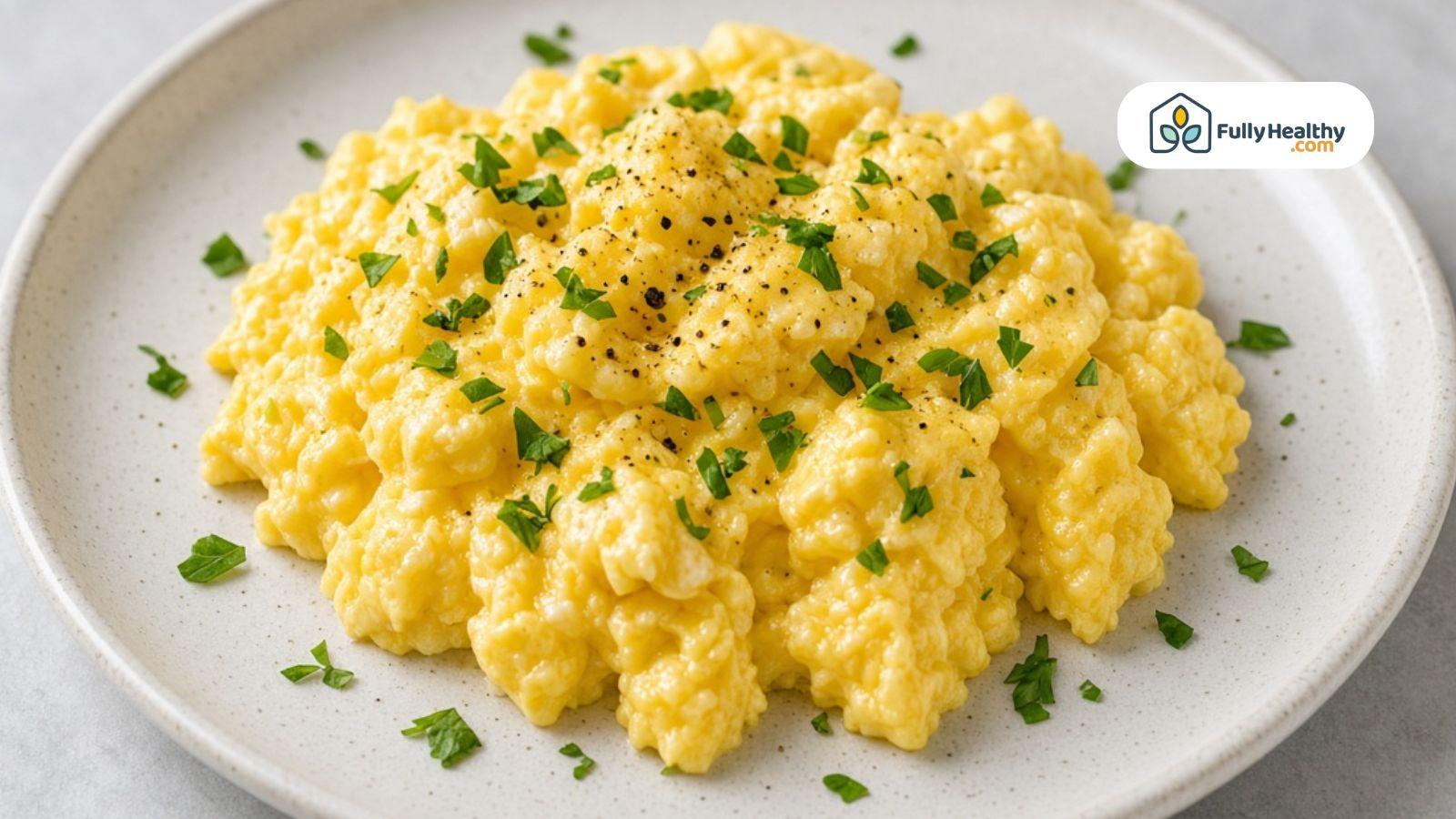
Yes, scrambled eggs can have gluten if batter, sauces, seasonings, or other gluten-containing ingredients are added, or if they are prepared on shared cooking equipment.
What are the Worst Foods for Gluten?
Foods made primarily with wheat, barley, or rye, such as regular bread, pasta, pastries, crackers, and many baked goods, are major gluten sources and should be avoided on a gluten-free diet.
Are Fried Eggs Gluten-Free?
Yes, fried eggs are naturally gluten-free when cooked simply with butter, oil, salt, and pepper.
Are Hard-Boiled Eggs Gluten-Free?
Yes, plain hard-boiled eggs are naturally gluten-free because boiling whole eggs in water does not introduce gluten.
What Gluten Free Food Can I Eat With Eggs?
You can eat eggs with many naturally gluten-free foods like bacon, fresh vegetables, potatoes, and avocado.
Leave a comment