

Is Soy Sauce Gluten-Free? What’s Really Hiding in the Bottle

Is soy sauce gluten-free? Usually, no. Traditional soy sauce often contains wheat, which is a source of gluten. Gluten-free versions are available, along with alternatives like tamari and coconut aminos.
This guide explains why soy sauce contains gluten, how gluten-free versions are made, and which substitutes work best. You’ll learn what to check on labels before choosing a sauce for your meals.
Is Soy Sauce Gluten-Free?
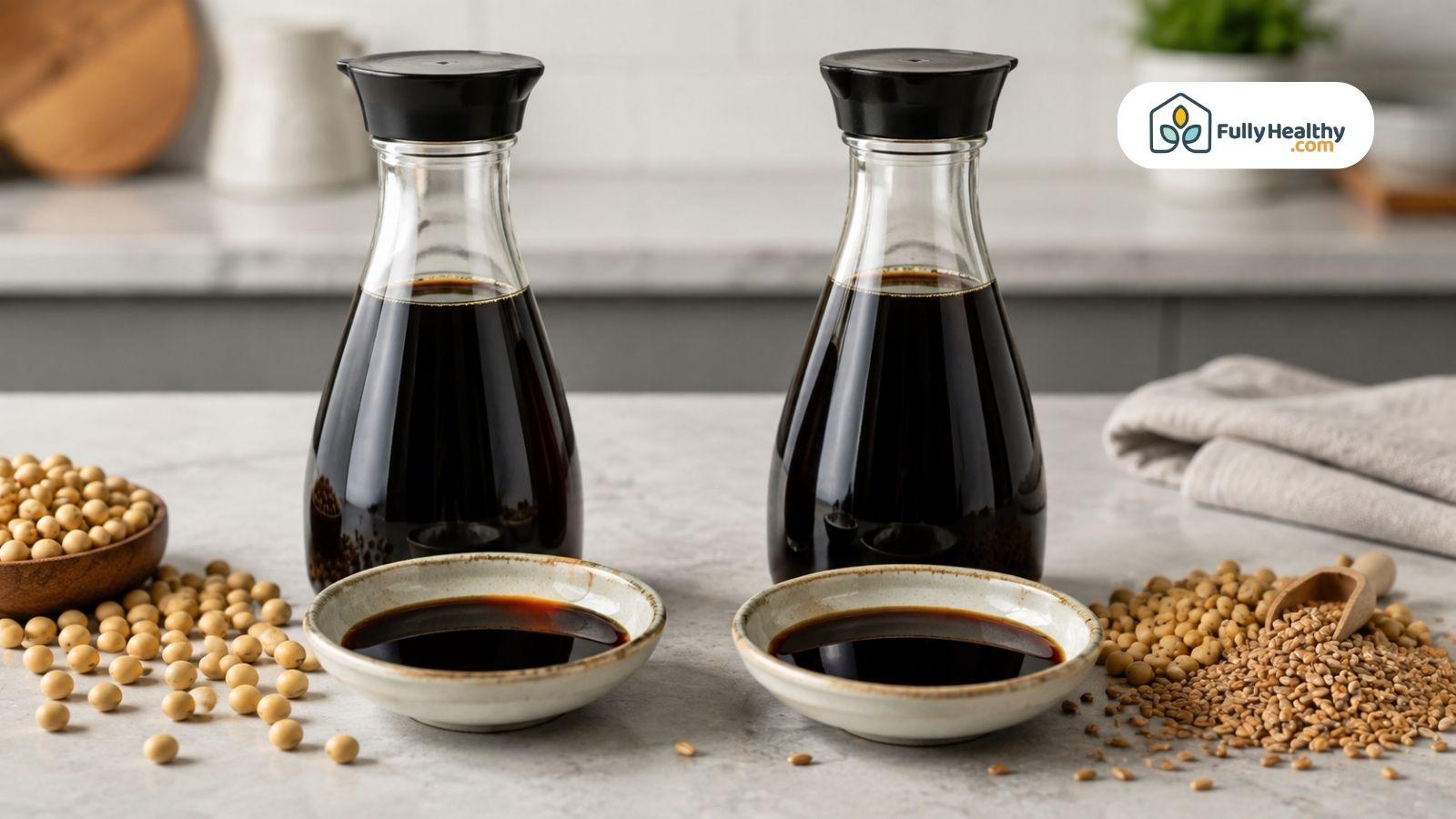
No, regular soy sauce is generally not gluten-free because traditional soy sauce is commonly brewed with wheat. Gluten-free soy sauce is available, but people with celiac disease, gluten intolerance, gluten sensitivity, or a wheat allergy should check the label and ingredients before using it.
Why Traditional Soy Sauce Contains Gluten
Traditional soy sauce contains gluten because wheat is commonly combined with soybeans during the brewing process. Although soy is naturally gluten-free, adding wheat introduces wheat gluten before fermentation creates the sauce’s salty, rich umami flavor.
-
Main gluten source: Wheat contains gluten proteins.
-
Traditional ingredients: Japanese soy sauce commonly uses soybeans, wheat, water, and salt.
-
Brewing process: Fermentation develops color, aroma, umami, and savory taste.
-
Common uses: Soy sauce seasons stir fries, marinades, soups, meats, vegetables, and rice.
-
Dietary concerns: Check labels for wheat, soy, peanuts, tree nuts, and other allergens.
How to Identify Gluten-Free Soy Sauce
Look for products labeled gluten-free or certified gluten-free and check the ingredient list for wheat. Do not assume that tamari, premium soy sauce, or a product described as traditionally brewed is automatically suitable for a gluten-free diet.
-
Check the package: Look for a clear gluten-free claim.
-
Read the ingredients: Watch for wheat and other gluten-containing grains.
-
Check tamari brands: Tamari is not automatically gluten-free.
-
Consider cross-contact: Avoid cross contamination from shared cooking equipment.
-
Review allergens: Gluten-free products can still contain soy or other allergens.
How Do They Make Soy Sauce Gluten-Free?

Manufacturers make soy sauce gluten-free by leaving gluten-containing wheat out of the recipe and using suitable gluten-free ingredients instead. Some products replace wheat with rice while retaining soybeans, salt, water, and fermentation to create the familiar savory flavor.
Replacing Wheat With Gluten-Free Ingredients
One method is replacing wheat with a gluten-free grain such as rice. This allows soy sauce to develop its familiar savory taste without using a gluten-containing grain.
-
Rice replacement: Rice can take the place of wheat.
-
Gluten-free status: Look for products clearly labeled gluten-free.
-
Flavor: Fermentation can still produce a rich umami flavor.
-
Soy content: Gluten-free soy sauce can still contain soy.
-
Different formulas: Ingredients vary between gluten-free products.
Fermentation and the Gluten Testing Problem
Fermentation can break wheat gluten into smaller gluten peptides, but it does not automatically make wheat-based soy sauce gluten-free. Testing fermented foods and hydrolyzed foods is difficult because conventional methods may not accurately measure gluten after proteins have been broken apart.
-
Protein breakdown: Fermentation breaks proteins into smaller fragments.
-
Testing limits: Broken gluten can be difficult to measure accurately.
-
FDA rules: Special requirements apply to fermented and hydrolyzed foods.
-
Label guidance: Choose products specifically labeled gluten-free.
-
Alternative option: Coconut aminos can be a great substitute without soy or wheat.
Does Soy Sauce Have More Gluten Than Bread?
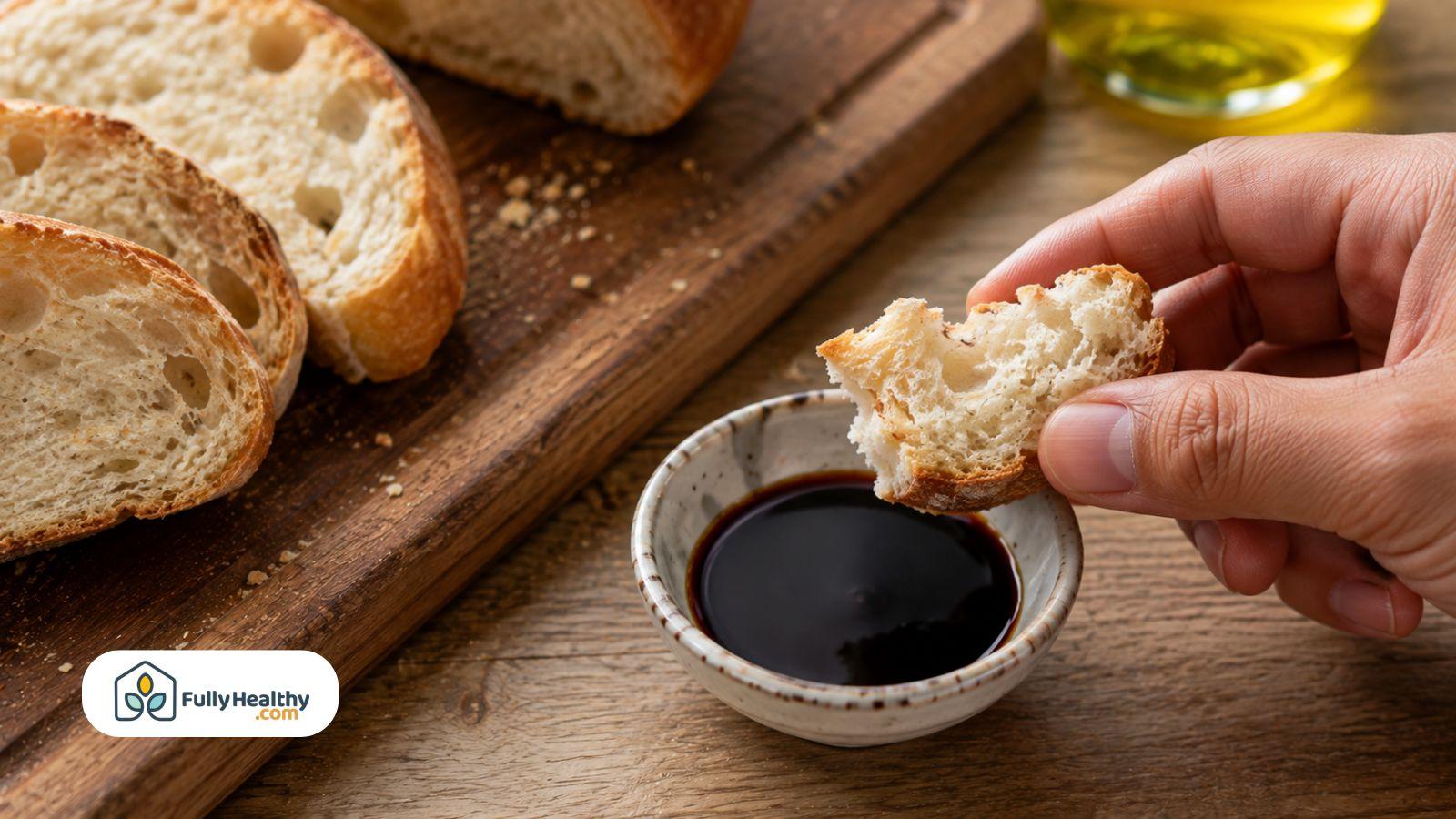
There is no reliable simple answer showing that soy sauce has more gluten than bread. Bread and traditionally brewed soy sauce process wheat differently, and fermentation changes wheat proteins in ways that make direct comparisons of gluten levels difficult.
Why a Simple Gluten Comparison is Misleading
Bread and soy sauce cannot be accurately compared using a simple “more gluten” or “less gluten” answer. Bread generally contains relatively intact wheat proteins, while fermented soy sauce contains proteins that have been changed during processing.
-
Different processing: Bread and soy sauce process wheat differently.
-
Fermentation: Brewing changes the structure of wheat proteins.
-
Testing: Fragmented gluten can be difficult to quantify.
-
Ingredients: Wheat-based soy sauce should not be assumed safe.
-
Better choice: Use a verified gluten-free option when avoiding gluten.
What Fermentation Does to Wheat Gluten
Fermentation breaks wheat gluten proteins into smaller peptides, but broken down does not mean completely removed. A traditionally brewed soy sauce containing wheat should therefore not automatically be considered suitable for celiac disease, coeliac disease, or gluten sensitivity.
-
Gluten peptides: Fermentation creates smaller protein fragments.
-
Detection: Smaller fragments can complicate gluten testing.
-
Safety: Low readings do not prove a sauce is gluten-free.
-
Labels: Choose certified gluten-free products when needed.
-
Cooking: Verified sauces work for dipping, soups, stir fries, and marinades.
What Can I Replace Instead of Soy Sauce?
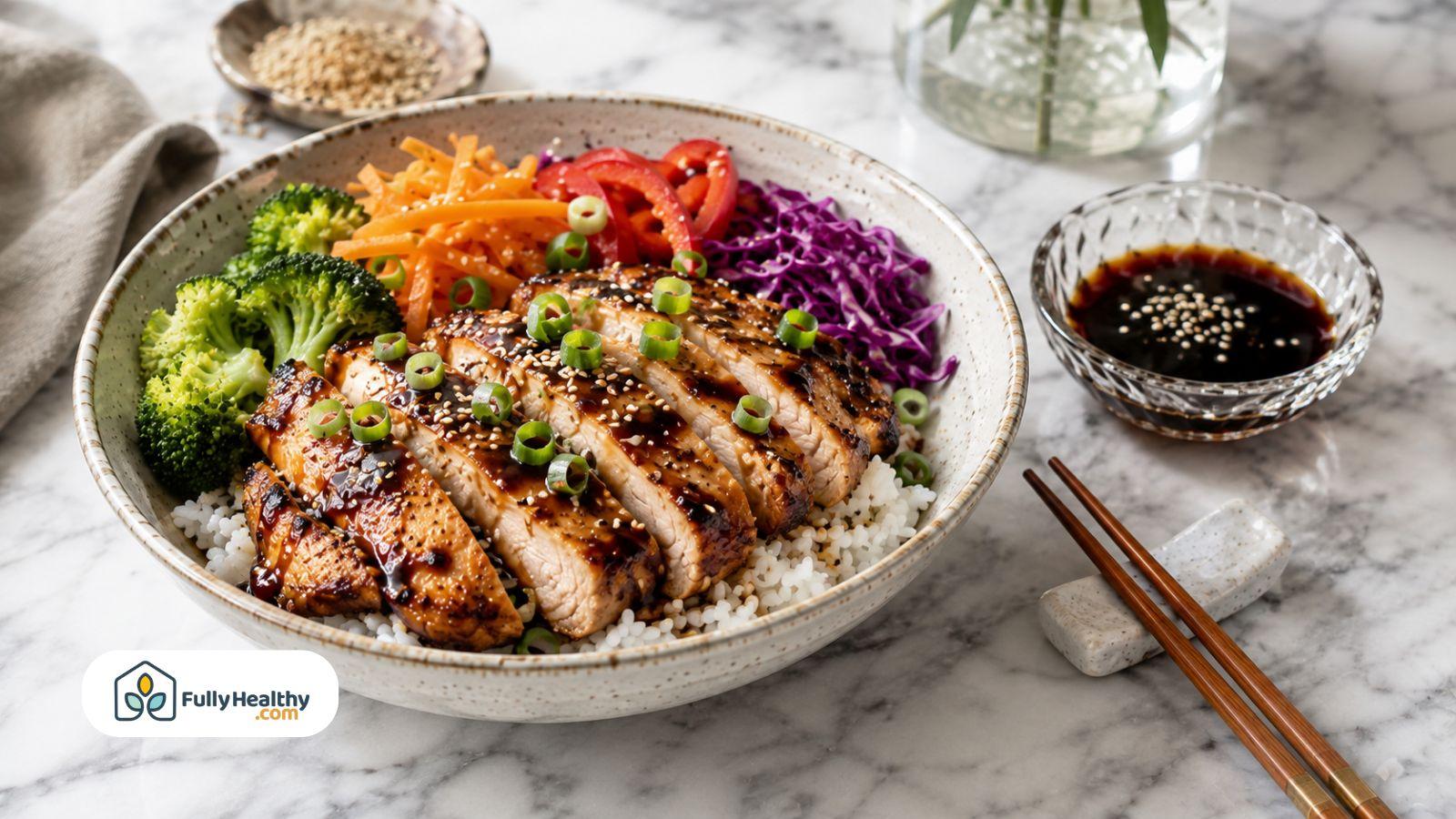
You can replace soy sauce with labeled gluten-free tamari, coconut aminos, or fish sauce, depending on your dietary restrictions and the flavor needed for the meal. Each substitute has a different taste, so the best choice depends on the recipe and any food allergies you need to consider.
Tamari, Coconut Aminos, and Other Savory Alternatives
Gluten-free tamari is one of the closest substitutes for traditional soy sauce because it provides a similar salty, savory taste and umami flavor. Coconut aminos offer a milder option without soy or wheat, while fish sauce can add strong savory depth to suitable dishes.
-
Tamari: Choose tamari specifically labeled gluten-free.
-
Coconut aminos: A great substitute for avoiding both soy and gluten.
-
Fish sauce: Adds a salty, savory flavor to recipes.
-
Dietary needs: Check labels for gluten and other food allergies.
-
Cooking uses: These alternatives work in marinades, stir fries, dipping sauces, and vegetables.
Choosing a Substitute Based on Flavor and Recipe
Choose a soy sauce substitute based on the taste and function you need rather than expecting every alternative to taste identical. Tamari is closest to regular soy sauce, coconut aminos are typically sweeter and milder, and fish sauce provides a stronger salty and savory character.
-
For similar flavor: Use labeled gluten-free tamari.
-
For milder taste: Try coconut aminos in sauces and marinades.
-
For savory depth: Fish sauce can add concentrated umami.
-
For dipping: Match the substitute to the other ingredients.
-
For strict diets: Check every packaged sauce for gluten and allergens.
Where Can You Find Gluten-Free Sauces and Alternatives?
FullyHealthy offers specialty foods for people following gluten-free and other dietary lifestyles, including AIP, Paleo, Low-FODMAP, Keto, and Vegan options. Its selection includes coconut aminos, fish sauce, seasonings, and other sauces that can make cooking around dietary restrictions easier.
FullyHealthy for Specialty-Diet Shopping
FullyHealthy is an online marketplace focused on foods for specialty diets and ingredient-conscious cooking. Its categories can help shoppers narrow products based on dietary needs, including a gluten-free diet and other food restrictions.
-
Gluten-free: Shop products designed around gluten avoidance.
-
AIP: Products are available for an Autoimmune Protocol diet.
-
Paleo: The marketplace includes Paleo-friendly food options.
-
Low-FODMAP: Shoppers can browse products for this dietary approach.
-
Other diets: Keto and Vegan categories are also available.
Gluten-Free Sauce Alternatives to Consider
FullyHealthy carries several products that can support gluten-free cooking, but not every sauce listed is a direct replacement for soy sauce. Bragg Coconut Aminos and Red Boat Fish Sauce are the most relevant savory alternatives, while KC Natural and Hearty Sauces products serve different seasoning and cooking needs.
-
Hearty Sauces AIP Taco Seasoning: A savory seasoning blend for adding taco-style flavor to meats, vegetables, and other dishes.
-
Bragg Coconut Aminos: A soy-free seasoning alternative with a savory, slightly sweet flavor for dipping, marinades, and cooking.
-
KC Natural Traditional-Style Tomato-Free Pasta Sauce: A tomato-free pasta sauce designed for adding rich flavor to pasta and specialty-diet recipes.
-
KC Natural Primal Cherry AIP-Friendly BBQ Sauce: An AIP-friendly barbecue sauce with cherry flavor for meats, marinades, and other savory dishes.
-
Red Boat Fish Sauce: A savory fish sauce that adds salty umami flavor to soups, marinades, meats, vegetables, and sauces.
Final Thoughts
Regular soy sauce can be a problem for people who cannot eat gluten because of a health condition. The fermentation process changes wheat proteins, but it does not make standard soy sauce gluten-free. Even small amounts can matter for people with celiac disease. Gluten-free alternatives may contain ingredients such as soy, rice, salt, or sugar, depending on how the soy sauce made without wheat is formulated. Always check the label before adding it to your meal.
FAQs
What is Surprisingly Not Gluten-Free?
Soy sauce, malt vinegar, certain soups, sauces, and processed foods can surprisingly contain gluten, so people who cannot eat gluten should always check the ingredients.
What Condiments Are Not Gluten-Free?
Regular soy sauce, certain teriyaki sauces, malt vinegar, and other condiments made with wheat or gluten-containing ingredients may not be gluten-free.
Why Does Soy Sauce Contain Wheat?
Traditional soy sauce contains wheat because wheat is one of the main ingredients used with soybeans during fermentation.
How Much Gluten is in Soy Sauce?
There is no reliable gluten amount for regular soy sauce because fermentation makes gluten difficult to measure accurately. Wheat-based soy sauce should not be considered gluten-free.
How Can You Tell if Soy Sauce is Gluten-Free?
Check for a gluten-free label and read the ingredients for wheat, choosing certified gluten-free soy sauce when stricter gluten avoidance is needed.
Leave a comment