

Is Cheesecake Gluten-Free? What Makes a Slice Safe
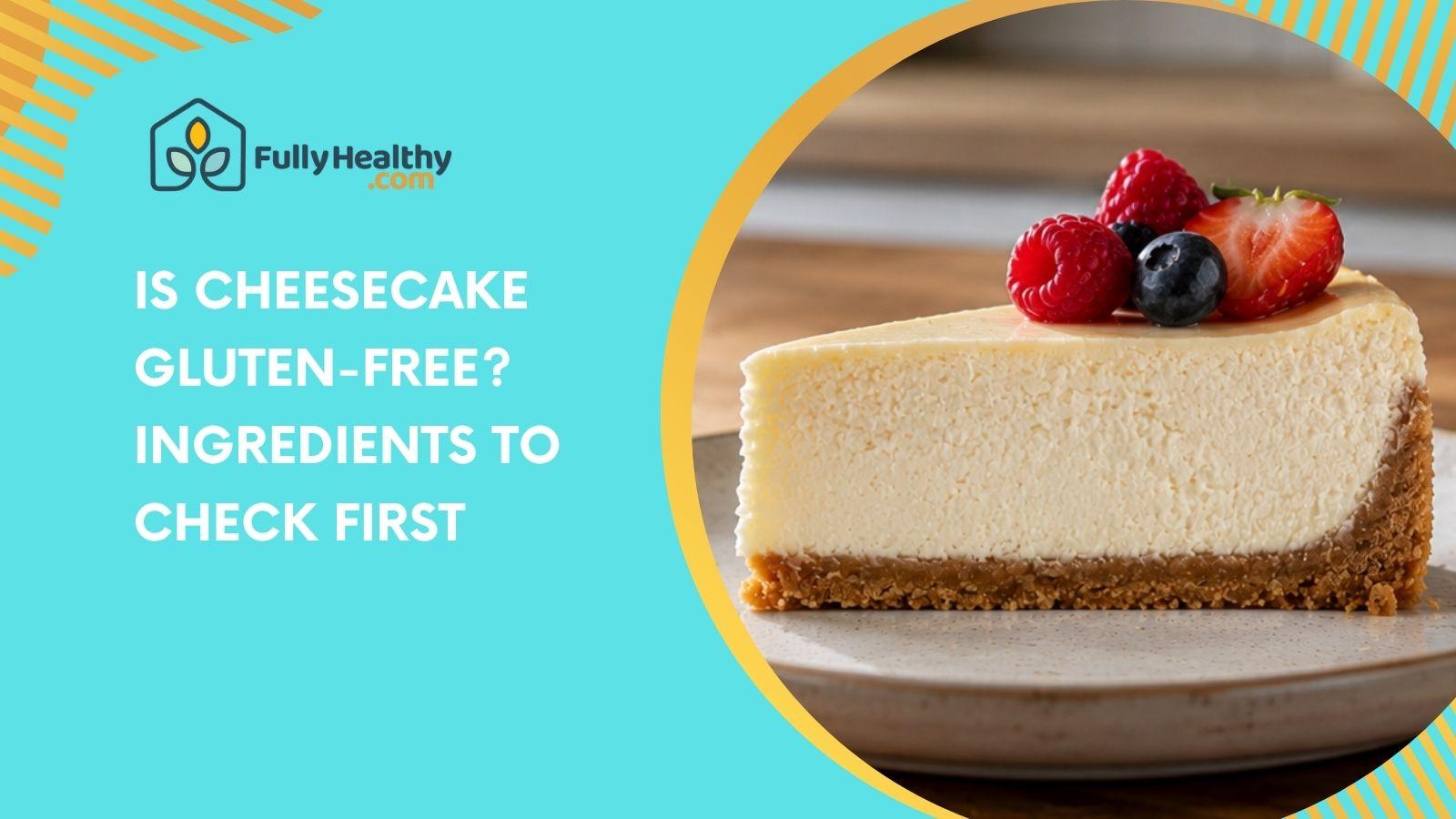
Is cheesecake gluten-free? No, traditional cheesecake usually contains gluten because the crust is made with wheat-based graham crackers or cookies. The cream cheese filling can be gluten-free, but recipes and toppings vary. Gluten-free crust alternatives make this classic dessert easier to enjoy. Here’s what to check, which ingredients are safe, and which alternatives can satisfy your next cheesecake craving.
Is Cheesecake Gluten-Free?
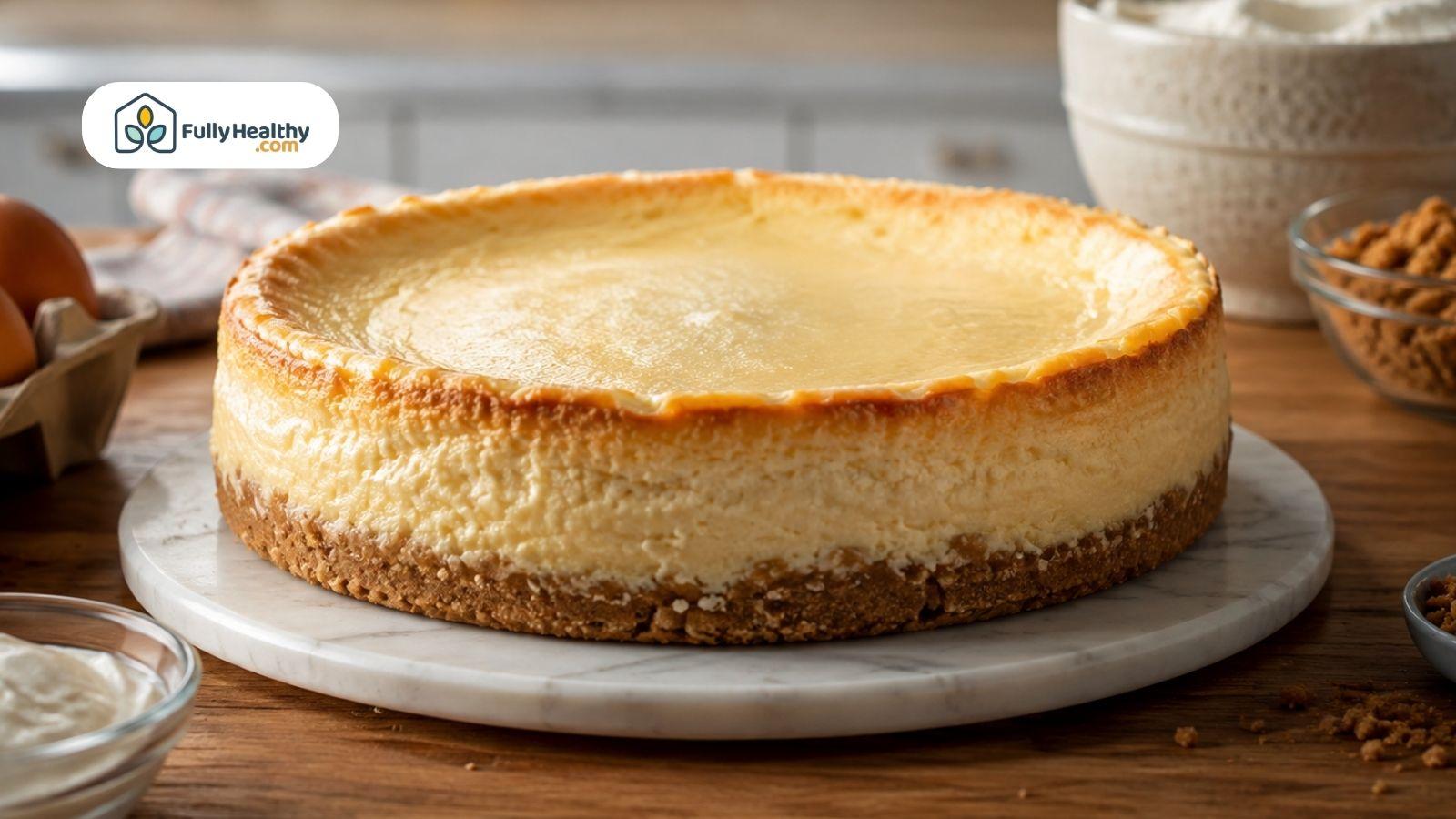
No, traditional cheesecake is not gluten-free. The cheesecake filling often contains naturally gluten-free ingredients, but conventional crusts commonly use wheat-based graham crackers or cookies, while added thickeners or cross-contact can introduce gluten.
Gluten Sources Hiding in Traditional Cheesecake
The crust is usually the first place gluten appears because a classic graham cracker crust contains wheat-based graham cracker or cookie crumbs. The filling may contain cream cheese, sugar, eggs, sour cream, vanilla, and lemon juice, but individual recipes can differ.
-
Traditional Crust: Graham crackers typically contain wheat, so combining them with melted butter and sugar does not produce a gluten-free crust.
-
Added Flour: Some cheesecake recipes add wheat flour to the cheesecake batter for structure, creating another source of gluten.
-
Cross-Contact: Shared pans, utensils, counters, and baking equipment can expose otherwise gluten-free ingredients to gluten.
Choosing Cheesecake When You Avoid Gluten
Choose cheesecake specifically prepared with verified gluten-free ingredients instead of judging it by appearance. People with celiac disease should also check preparation practices because cross-contact can occur in restaurants, bakeries, and shared kitchens.
-
Ingredient Labels: Check the crust, cream cheese, thickeners, flavorings, sauces, and remaining ingredients before eating.
-
Fruit Toppings: Fresh berries and fresh strawberries are naturally gluten-free, while prepared strawberry sauce and strawberry topping require individual label checks.
-
Homemade Sauce: A strawberry mixture can be cooked over low heat and thickened with a cornstarch slurry when every ingredient is gluten-free.
-
Kitchen Equipment: Clean the mixing bowl, large mixing bowl, small bowl, stand mixer, food processor, rolling pin, and utensils before preparing cheesecake.
What Can I Use for a Gluten-Free Cheesecake Crust?
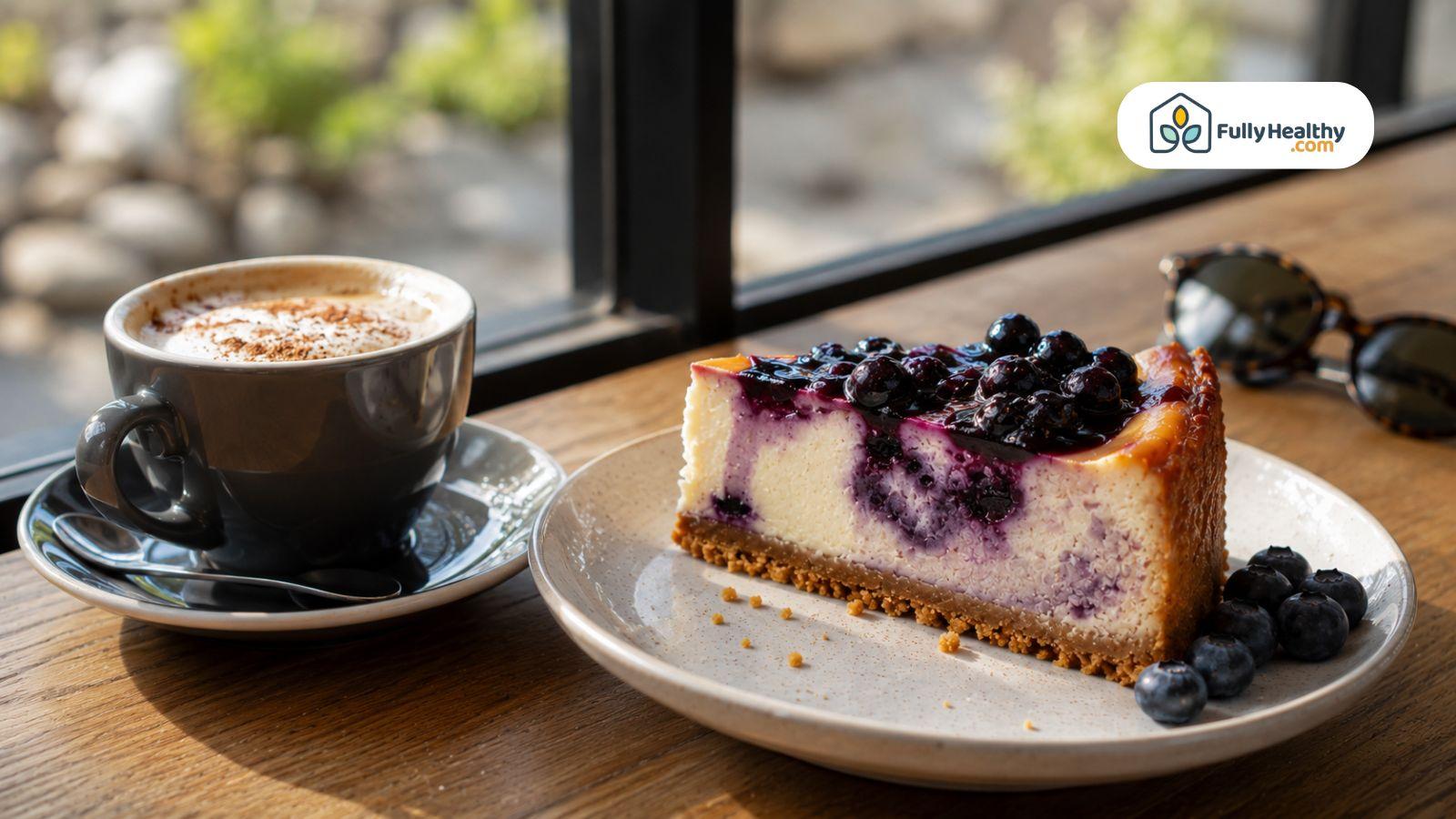
You can use gluten-free graham crackers, certified gluten-free oats, nuts, or a gluten-free shortbread-style base for a cheesecake crust. These alternatives provide textures ranging from a familiar buttery crust to a heartier oat or nut base.
Classic Gluten-Free Crust Swaps
A gluten-free graham cracker is one of the closest substitutes for conventional graham crackers in a gluten-free cheesecake recipe. Combining gluten-free graham cracker crumbs with butter creates the familiar crisp base that complements a creamy filling.
-
Gluten-Free Graham Crackers: Crush gluten-free graham crackers into fine graham cracker crumbs and mix them with melted butter for a familiar buttery crust.
-
Gluten-Free Cookies: Vanilla cookies, chocolate cookies, or other certified gluten-free cookies can be crushed in a food processor and used in place of graham crackers.
-
Gluten-Free Shortbread: A shortbread-style crust made with gluten-free flour can create a firmer, more cookie-like base for cheesecake.
-
Certified Gluten-Free Oats: Oats can be finely ground and combined with butter, coconut oil, or another binder for a heartier crust.
-
Nut-Based Crust: Finely ground almonds, pecans, or other nuts can be mixed with butter and sugar to create a rich, crunchy base.
Oat, Nut, and Nut-Free Alternatives
Certified gluten-free oats can create a crunchy base without traditional graham crackers, while finely ground nuts offer a richer flavor. A nut-free oat crust is another option for people avoiding nuts, provided all ingredients meet their dietary needs.
-
Oat Crust: Choose oats specifically labeled gluten-free because regular oats can experience cross-contact with wheat during production.
-
Nut Crust: Ground almonds and similar nuts can produce a dense, flavorful crust but are unsuitable for people with relevant nut allergies.
-
Nut-Free Base: Certified gluten-free oats can provide structure and crunch without relying on wheat-based cookies or nuts.
-
Equipment: A clean food processor helps produce evenly sized crumbs that are easier to press firmly into the pan.
-
Pan Choice: Spring form pan and springform pan describe the same removable-sided baking pan commonly used for cheesecake.
Does Cream Cheese Contain Gluten?
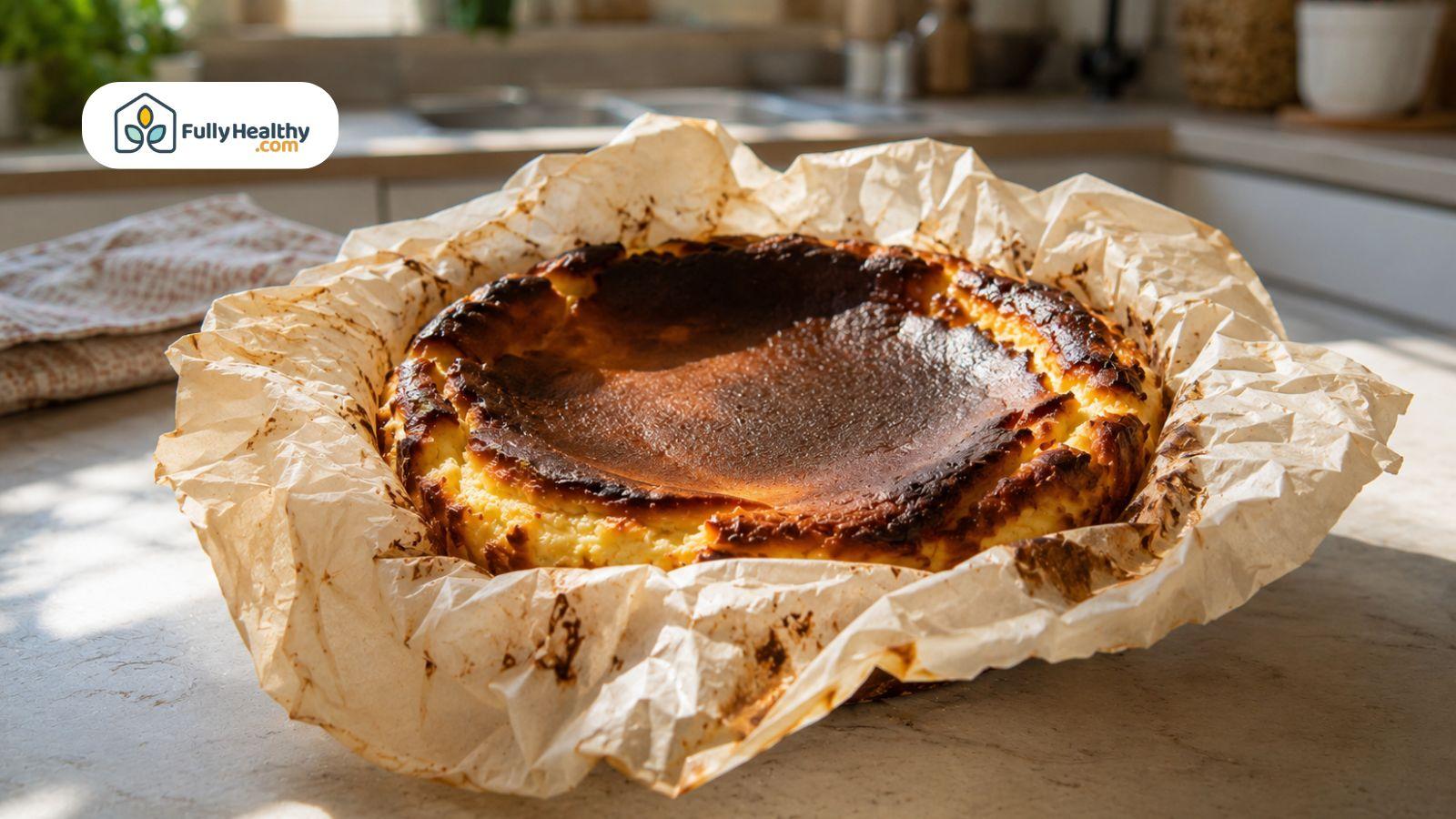
No, plain cream cheese generally does not contain gluten. Its standard dairy ingredients are naturally gluten-free, although flavored cream cheese, processed spreads, and dairy-free alternatives can contain different ingredients that require individual checks.
Why Plain Cream Cheese Is Usually Gluten-Free
Plain cream cheese commonly contains milk, cream, cultures, salt, and stabilizers rather than wheat, barley, or rye. In cheesecake, the crust and added ingredients are generally more likely sources of gluten than plain cream cheese itself.
-
Room Temperature: Softened cream cheese at room temperature blends more easily with sugar and helps produce a smooth cheesecake batter.
-
Dairy Ingredients: Full fat sour cream adds richness, while some recipes use Greek yogurt for a slightly different texture and tang.
-
Mixing Method: Using a stand mixer at low speed can help prevent too much air from entering the cheesecake batter.
-
Eggs: Add eggs according to the cheesecake recipe and avoid excessive mixing after they enter the batter.
-
Flavorings: Vanilla and lemon juice can complement the filling, but packaged flavorings should still be checked for gluten-containing ingredients.
Flavored Spreads and Added Ingredients
Flavored cream cheese and processed spreads need closer label checks because their formulations can differ from plain varieties. Dairy-free alternatives, sauces, crusts, and toppings should also be assessed individually before they become part of a gluten-free cheesecake.
-
Label Review: Check flavorings, stabilizers, sauces, and other added ingredients instead of relying only on the product name.
-
Water Bath: Some recipes use a water bath with warm water to provide gentle, consistent heat around the springform pan.
-
Even Heating: Following the recommended oven temperature helps maintain an even temperature as the cheesecake bakes.
-
Temperature Changes: Avoid drastic temperature changes when the recipe calls for gradual cooling because a drastic temperature shift can encourage cracking.
-
Cooling: Follow instructions for the oven door, then cool completely before covering the cheesecake with plastic wrap and refrigerating it.
What is the Best Gluten-Free Dessert?
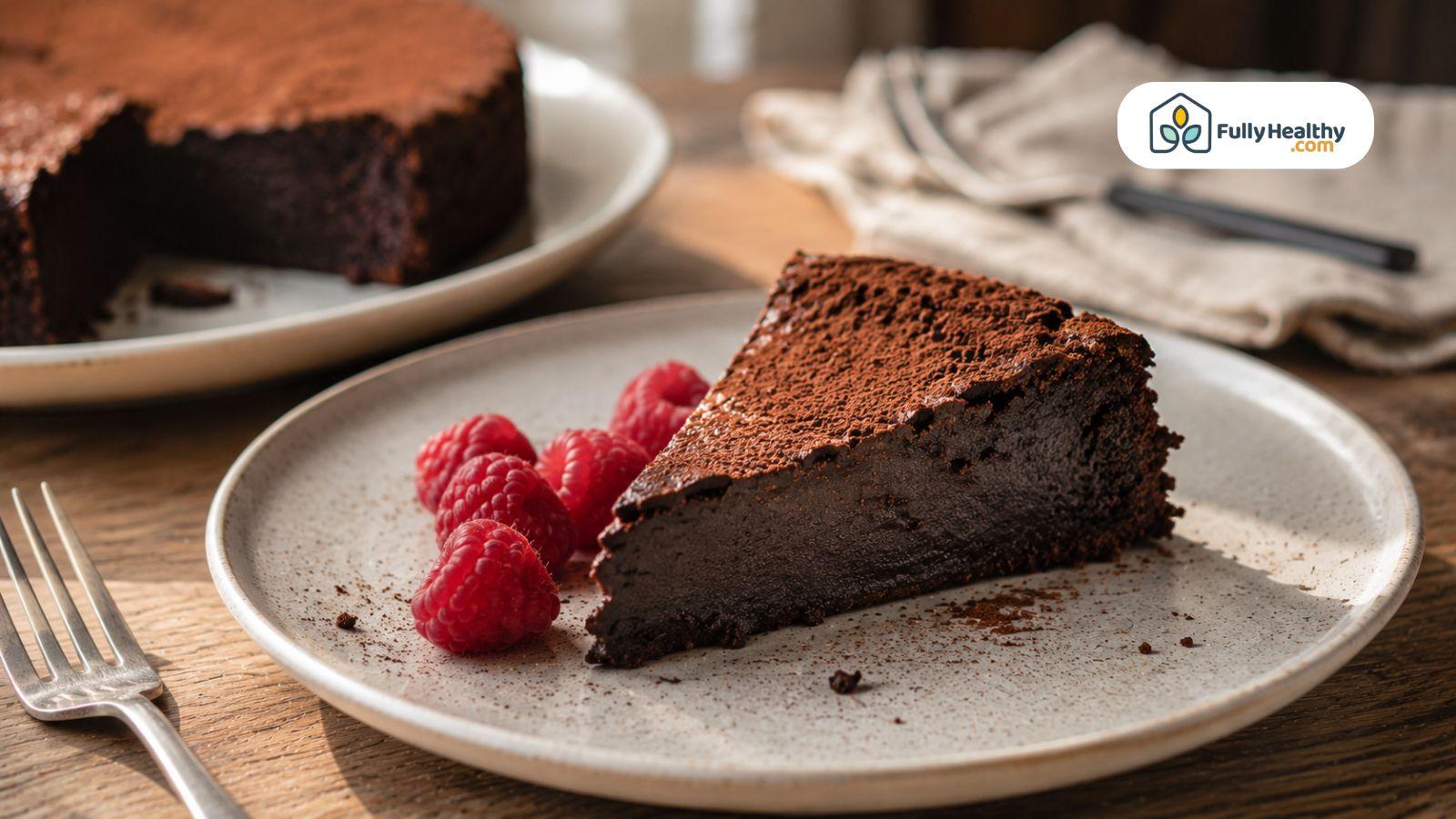
The best gluten-free dessert depends on personal taste, but gluten-free cheesecake, chocolate torte, crème brûlée, pudding, and polenta cake are strong options. Safe choices use verified gluten-free ingredients and account for cross-contact during preparation.
Naturally Flourless Dessert Choices
Naturally flourless desserts can reduce the need to replace conventional wheat flour, but “flourless” does not automatically mean gluten-free. Chocolate, sauces, flavorings, toppings, and preparation methods still need individual checks.
-
Chocolate Torte: Recipes based on chocolate, eggs, sugar, and butter can avoid conventional wheat flour.
-
Crème Brûlée: Traditional versions center on cream, eggs, vanilla, and sugar, making the ingredient list relatively simple.
-
Puddings: Homemade puddings can be gluten-free when all thickeners and flavorings are suitable.
-
Polenta Cakes: Corn-based polenta can provide structure without conventional wheat flour.
-
Toppings: Whipped cream, fresh berries, and fresh strawberries can complement these desserts without requiring a wheat-based crust.
Gluten-Free Versions of Classic Desserts
Classic cheesecake, cookies, cakes, and pies can be adapted using appropriate gluten-free substitutes. For cheesecake lovers, the best gluten-free cheesecake still provides a creamy center and crisp crust from the first bite without relying on wheat.
-
Cheesecake: Start with a tested gluten-free cheesecake recipe instead of simply removing wheat flour from a conventional recipe.
-
Cookies: Gluten-free flour blends can recreate familiar cookies when used in recipes developed specifically for those blends.
-
Pies: Gluten-free flour, nuts, or gluten-free cookie crumbs can replace wheat-based pastry and crumb crusts.
-
Key Lime Pie: Gluten-free graham crackers can provide the familiar crumb base without conventional wheat-based crackers.
-
Serving: Favorite toppings such as strawberry topping, fresh fruit, or whipped cream can add flavor while keeping ingredient checks simple.
Find Gluten-Free Pantry Favorites at FullyHealthy
FullyHealthy offers foods organized around dietary needs, including a dedicated gluten-free collection. Individual product details should still be reviewed because not every item on the website is intended for every dietary restriction.
Gluten-Free Shopping Made Simpler
FullyHealthy organizes pantry staples, baking products, snacks, seasonings, sauces, sweets, and beverages across dietary categories. This can simplify shopping for a gluten-free cheesecake recipe or other dessert cuisine when specific dietary preferences matter.
-
Diet Categories: Products can be browsed according to dietary preferences, including gluten-free options.
-
Baking Essentials: Pantry categories include ingredients that can support home cooking and gluten-free baking.
-
Product Information: Check individual ingredient lists and dietary information before purchasing unfamiliar foods.
-
Celiac Considerations: People with celiac disease should pay particular attention to gluten-free labeling and available cross-contact information.
Simple Pantry Staples From FullyHealthy
FullyHealthy also carries simple pantry ingredients, including Real Salt products made with ancient sea salt. The Real Salt Kosher Sea Salt Pouch and Ancient Kosher Sea Salt Shaker provide straightforward seasoning options for everyday recipes.
For gluten-free cooking and baking:
-
Bob's Red Mill Gluten Free Baking Flour 1 To 1: A gluten-free 1-to-1 wheat flour substitute for cakes, cookies, brownies, muffins, and other baked goods.
-
Real Salt Kosher Sea Salt Pouch: Coarse ancient sea salt for cooking and baking.
-
Real Salt Ancient Kosher Sea Salt Shaker: Ancient sea salt in a convenient shaker.
For gluten-free cake alternatives:
-
EAT G.A.N.G.S.T.E.R. Dark Choconot Fudge: Rich chocolate-style cake alternative.
-
EAT G.A.N.G.S.T.E.R. Cinnawin Spice: Cinnamon-spiced cake alternative.
Final Thoughts
Cheesecake can still have a place on a gluten-free menu, but checking the full dessert matters. The crust is usually the biggest concern, followed by added thickeners, toppings, and cross-contact during preparation.
Choosing a clearly labeled gluten-free cheesecake or making one at home gives you more control over the ingredients. When shopping or ordering dessert, check the label and preparation details so you know exactly what is going into your next slice.
FAQs
Is Cheesecake Gluten Free Without the Crust?
Yes, crustless cheesecake can be gluten-free if the filling, thickeners, flavorings, and toppings contain no gluten and cross-contact is avoided.
Can I Eat Cheesecake if I'm Gluten-Free?
Yes, you can eat cheesecake if you're gluten-free when it uses verified gluten-free ingredients, including the crust, filling, sauces, and toppings.
What Snacks Are Surprisingly Gluten-Free?
Popcorn, plain nuts, fresh fruit, rice cakes, cheese, yogurt, and certain corn tortilla chips can be surprisingly gluten-free when their ingredients and labels confirm it.
Is Ice Cream Gluten-Free?
Plain ice cream can be gluten-free, but flavors containing cookies, brownies, cake pieces, or other wheat-based additions may contain gluten.
What Should a Gluten-Free Cheesecake Recipe Include?
A gluten-free cheesecake recipe should use a verified gluten-free crust and filling ingredients, with preparation practices that limit gluten cross-contact.
Leave a comment