

Are Peanuts Nuts? A Clear Guide for Everyday Readers
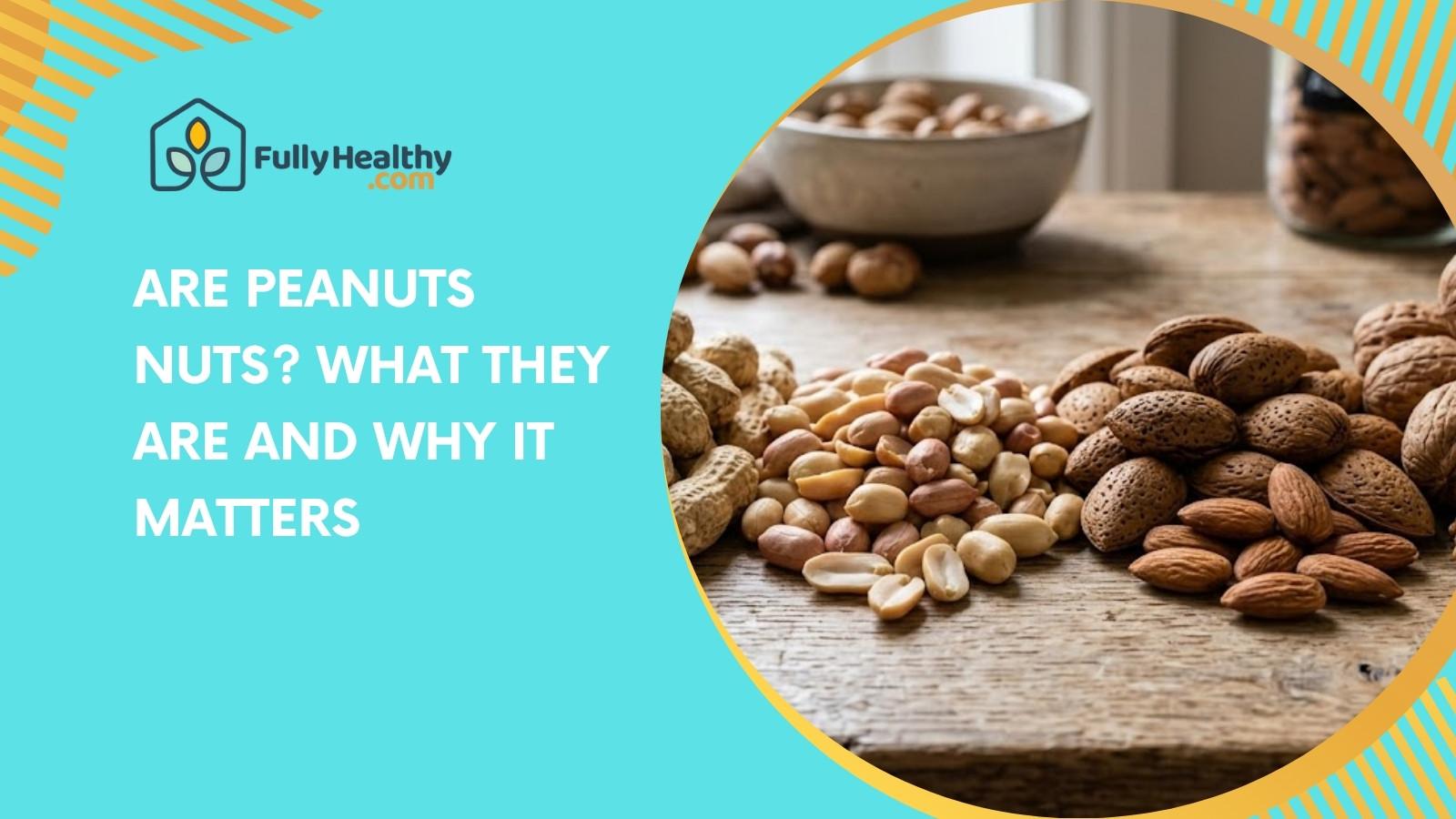
Are peanuts nuts? The short answer is no. Peanuts are legumes, like beans and lentils, not true nuts. Still, they look and taste like nuts, which causes confusion. This article explains the difference in simple terms.
You’ll also learn why the name stuck, how peanuts compare to real nuts, and what it means for allergies and health. Let’s clear up the facts quickly and clearly.
Featured Snack Pick
Mauna Loa // Hawaiian Sea Salt Macadamia Nuts - 4 oz
Loading...
Are Peanuts Nuts?
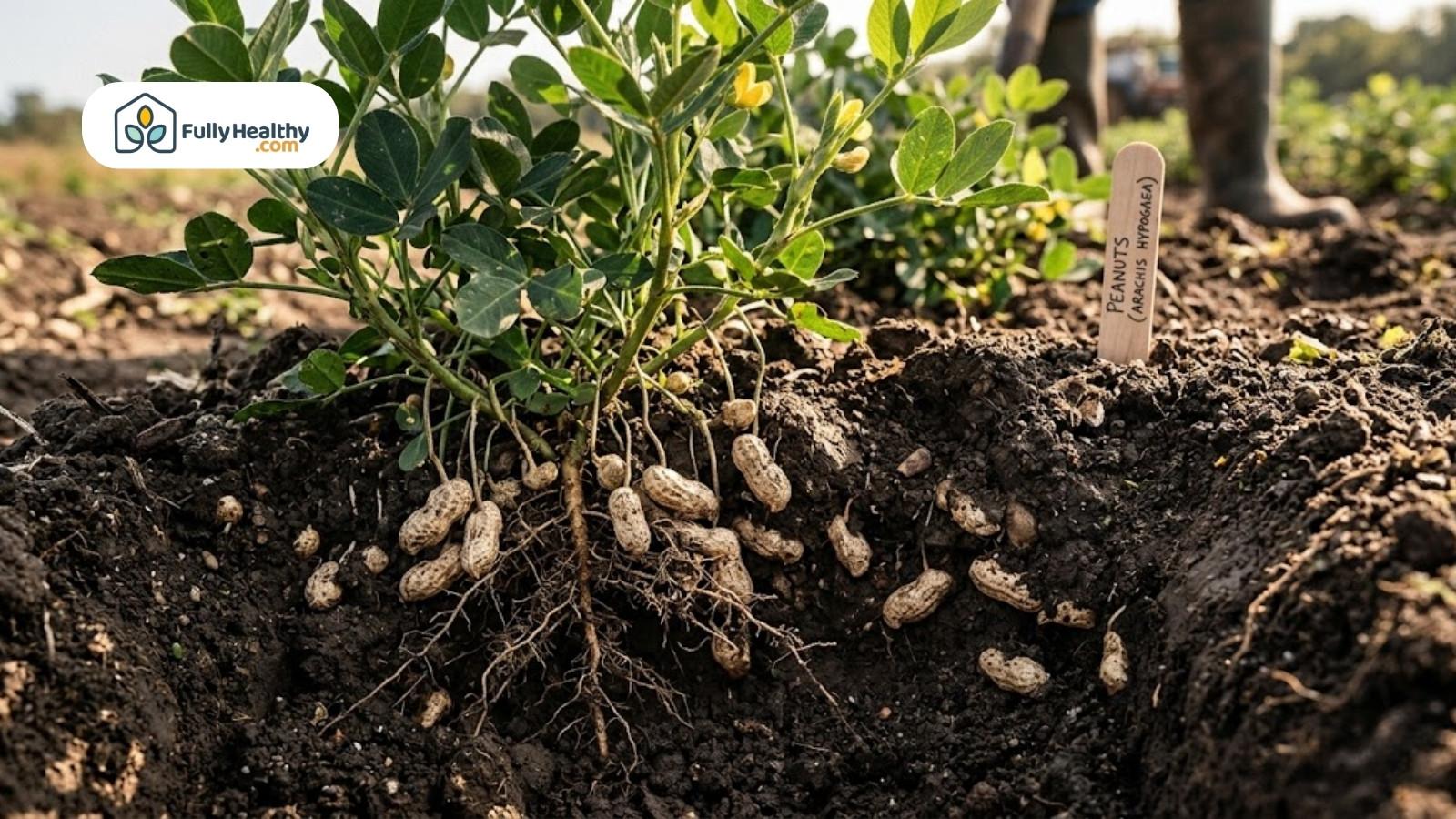
Peanuts often confuse people because they look like tree nuts, but the answer is simple. Peanuts are not true nuts. They belong to the pea family and grow very differently from almonds, walnuts, and other nuts. Knowing this helps you understand their nutrition, uses, and role in food.
Are Peanuts Nuts Or Legumes? The Direct Answer
Peanuts are legumes, not nuts. They come from the peanut plant, which produces pods filled with edible seeds. Unlike tree nuts, peanuts grow underground, making them closer to peas and beans.
-
Definition: Legumes are plants that produce seeds inside pods, unlike tree nuts which have hard shells.
-
Growth: Peanuts grow underground in sandy soil during the growing season, not on trees.
-
Structure: Each pod holds one or more seeds, similar to other legumes like peas.
-
Comparison: Tree nuts such as almonds and hazelnuts grow on trees, not in the ground.
Botanical Vs Culinary Definitions Explained
In everyday food use, peanuts are grouped with nuts because they taste similar. However, science classifies them differently. This difference often causes confusion.
-
Botanical view: True nuts are hard-shelled fruit that do not split open.
-
Culinary view: Peanuts are used like nuts in snacks, spreads, and recipes.
-
Examples: Almonds, walnuts, pecans, and pistachios are commonly grouped as tree nuts in food and allergy contexts, though not all are ‘true nuts’ botanically.
-
Key point: Peanuts are edible seeds from a legume plant, not true nuts.
Why Are They Called Peanuts If They Aren’t Nuts?
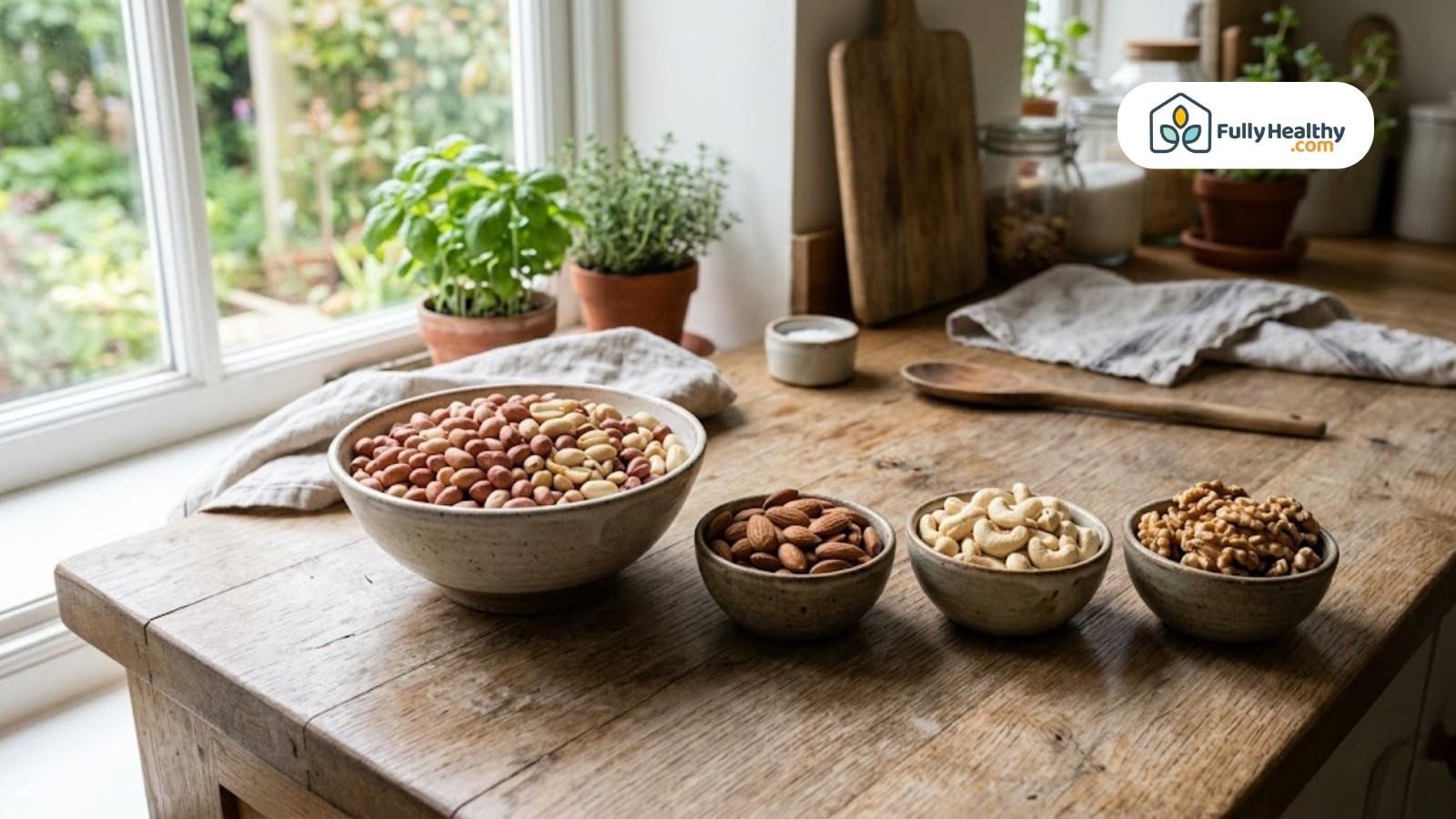
The name “peanut” comes from appearance, not science. Over time, people kept using the name because it was easy and familiar.
The Origin Of The Name “Peanut”
Peanuts started in South America and later spread across the world. People named them based on how they looked and tasted.
-
Naming reason: The word “peanut” comes from its small size and nut-like look.
-
History: The crop spread from South America to Europe and North America.
-
Alternate name: “Ground pea” reflects how peanuts grow underground.
-
Adoption: The name became popular in markets and everyday food use.
Other Names For Peanuts Around The World
Peanuts have many names depending on location and culture. These names often describe how the plant grows or how the food is used.
-
Regional term: Goober pea is a traditional name used in the American South.
-
Global name: Groundnut highlights that peanuts grow underground.
-
Food uses: Peanuts are used in dishes like peanut sauce and snacks like roasted peanuts.
-
Preparation: Common forms include boiled peanuts and roasted peanuts with salt.
Can You Eat Peanuts If You Have A Nut Allergy?
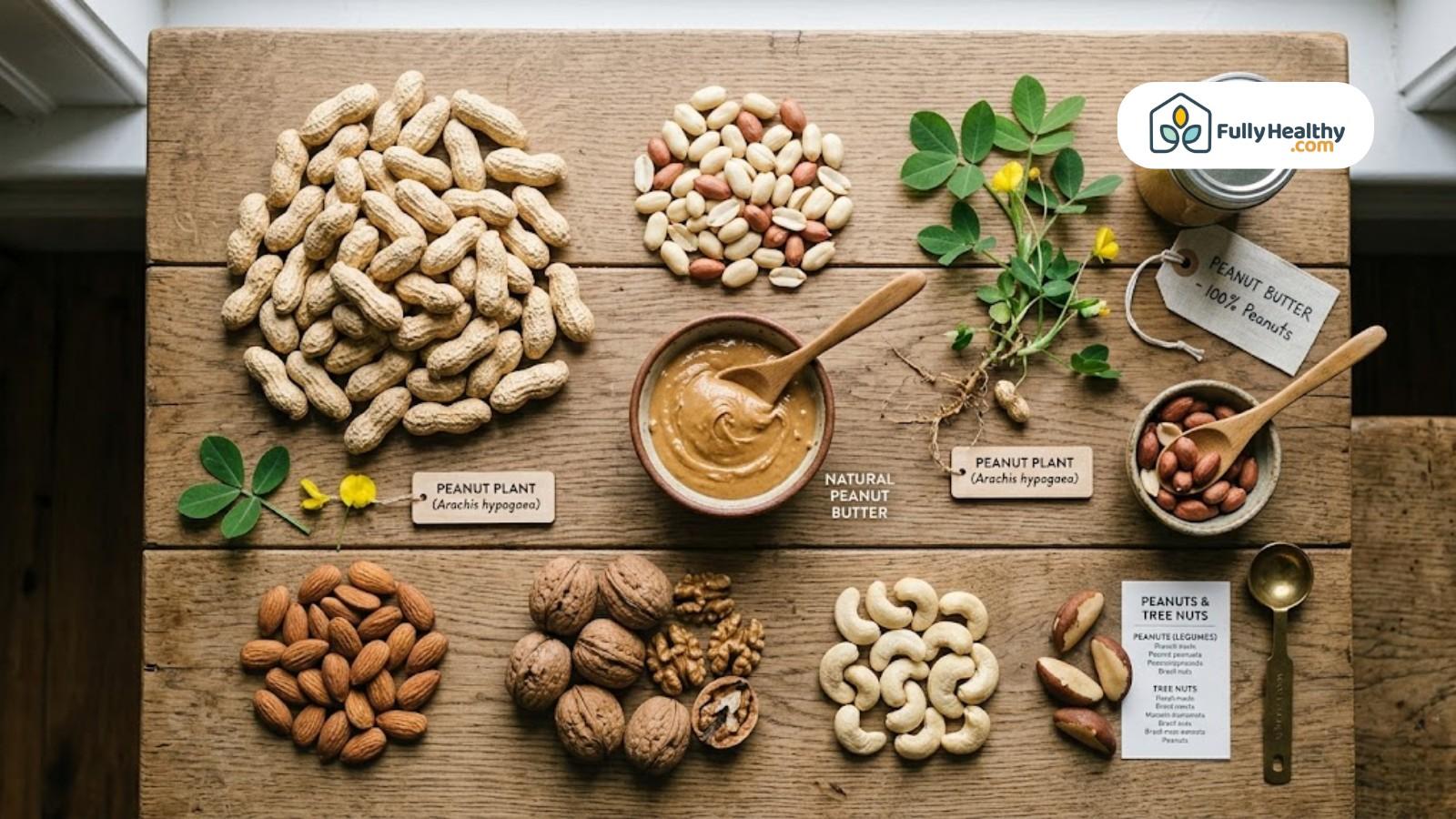
Peanut allergy and tree nut allergy are different, but they can overlap. It is important to understand this before eating any nut-related food.
Peanut Allergy Vs Tree Nut Allergy Differences
Peanuts come from a different plant group than tree nuts. Peanut and tree nut allergies are different, but some people have both; no one with either allergy should assume another nut or peanut is safe without evaluation by an allergist.
-
Plant type: Peanuts come from a legume plant, while tree nuts grow on trees.
-
Family difference: Peanuts belong to the pea family, unlike almonds, cashews, or hazelnuts.
-
Overlap risk: Some people have both peanut allergy and tree nut allergy.
-
Medical advice: Always check with a doctor before trying peanuts if you have allergies.
When Peanuts May Still Be Unsafe
Even though peanuts are different, they can still be risky. Cross-contact during food processing is a common issue.
-
Processing risk: Peanuts and tree nuts may mix during packaging or handling.
-
Hidden sources: Peanut sauce, oils, and snacks may contain peanuts without clear signs.
-
Safety tip: Always read food labels carefully before eating.
-
Health concern: Severe peanut allergy reactions can cause anaphylaxis, and trigger heart disease which may rapidly affect breathing and blood pressure and requires immediate medical treatment.
What Is the #1 Healthiest Nut?

Many people ask which nut is the healthiest, but there is no single winner. Each nut offers different benefits based on nutrients like protein, vitamins, and minerals. What matters most is variety and balance. Eating a mix of nuts can support your body and give you steady nutrition.
Is There a Single Healthiest Nut?
There is no one nut that stands above the rest. Each type supports the body in a different way depending on its nutrients.
-
Nutrient focus: Some nuts are higher in protein, while others provide more vitamins and minerals.
-
Unique benefits: Brazil nuts are rich in selenium, which supports important body functions.
-
Balanced intake: Eating different nuts helps you get a wider range of nutrients.
-
Simple truth: Most people benefit more from variety than choosing just one nut.
Where Peanuts Compare Nutritionally
Peanuts are not true nuts, but they still offer strong nutrition. They are often compared with tree nuts because of their similar texture and flavor.
-
Protein source: Peanuts are high in protein, which helps the body grow and develop.
-
Nutrient value: They provide vitamins and minerals that support daily health.
-
Texture and taste: Peanuts have a crunchy texture and rich flavor, making them easy to enjoy.
-
Common use: They are often served in a bowl as a salty snack or added to meals.
What FullyHealthy Can Offer for Nut and Specialty Diet Needs
FullyHealthy helps people find food that fits their needs. It offers products designed for those who are allergic or follow special diets. This makes shopping easier and safer for many households.
Specialty Foods for Restricted Diets Made Simple
The platform focuses on simple, clean ingredients. It removes the stress of checking labels and helps you choose safe food quickly.
-
Clean choices: Products avoid unnecessary additives and focus on simple ingredients.
-
Dietary support: Options are available for people who are allergic or have sensitivities.
-
Easy shopping: Foods are grouped by diet type, saving time and effort.
-
Daily use: These foods can replace common items like bread or snacks.
Featured Products Available on FullyHealthy
FullyHealthy offers a range of products that support different lifestyles. These include baked goods and snacks made with real ingredients.
-
Bread mixes: Almond flour mixes create a soft texture and mild flavor for daily meals.
-
Nut breads: These combine seeds and other ingredients for better nutrition and variety.
-
Snack options: Items like macadamia nuts provide a crunchy and slightly salty bite.
-
Natural ingredients: Many products use parts of the entire plant, including roots, flowers, and natural sources like cherries and peaches.
Final Thoughts
Peanuts may seem confusing, but the answer is clear. They are legumes, not nuts, even if most people treat them like nuts in food. This difference matters for health, allergies, and understanding how plants grow.
For instance, peanuts grow underground and are harvested differently from tree nuts. In places like Georgia, the climate supports large peanut harvest cycles.
Peanuts provide protein, unsaturated fats, niacin, folate, vitamin E, and magnesium; they are not a major source of calcium. Technically, peanuts are legumes, a plant family that also includes beans, lentils, and peas. Generally, knowing this helps you make better food choices and understand what you eat.
FAQs
Are peanuts technically nuts or vegetables?
Peanuts are technically legumes, not nuts or vegetables, but they are often grouped with nuts in food.
Do peanuts grow in a special climate like georgia?
Yes, peanuts grow best in warm climate areas like Georgia where the harvest season supports full plant growth.
Are peanuts good for health from childhood?
Yes, peanuts provide protein and calcium, which help support growth from childhood through adulthood.
Why do peanuts look green when growing?
The peanut plant starts green and grows underground before harvest, unlike tree nuts.
Are peanuts generally safe for everyone?
Peanuts are generally safe, but people with allergies should be careful, even if they are not technically tree nuts.
Leave a comment