

Are Raisins Good for Constipation? Best Daily Habits for Better Digestion

Are raisins good for constipation? Yes, raisins may help support bowel movements because they contain fiber and sorbitol, a natural compound that may help soften stool. Many people use raisins as a simple way to support digestive health and ease mild constipation at home.
This article explains how raisins work, how many to eat, the best time to eat them, and which dried fruits may support digestion even more effectively.
Are Raisins Good for Constipation?
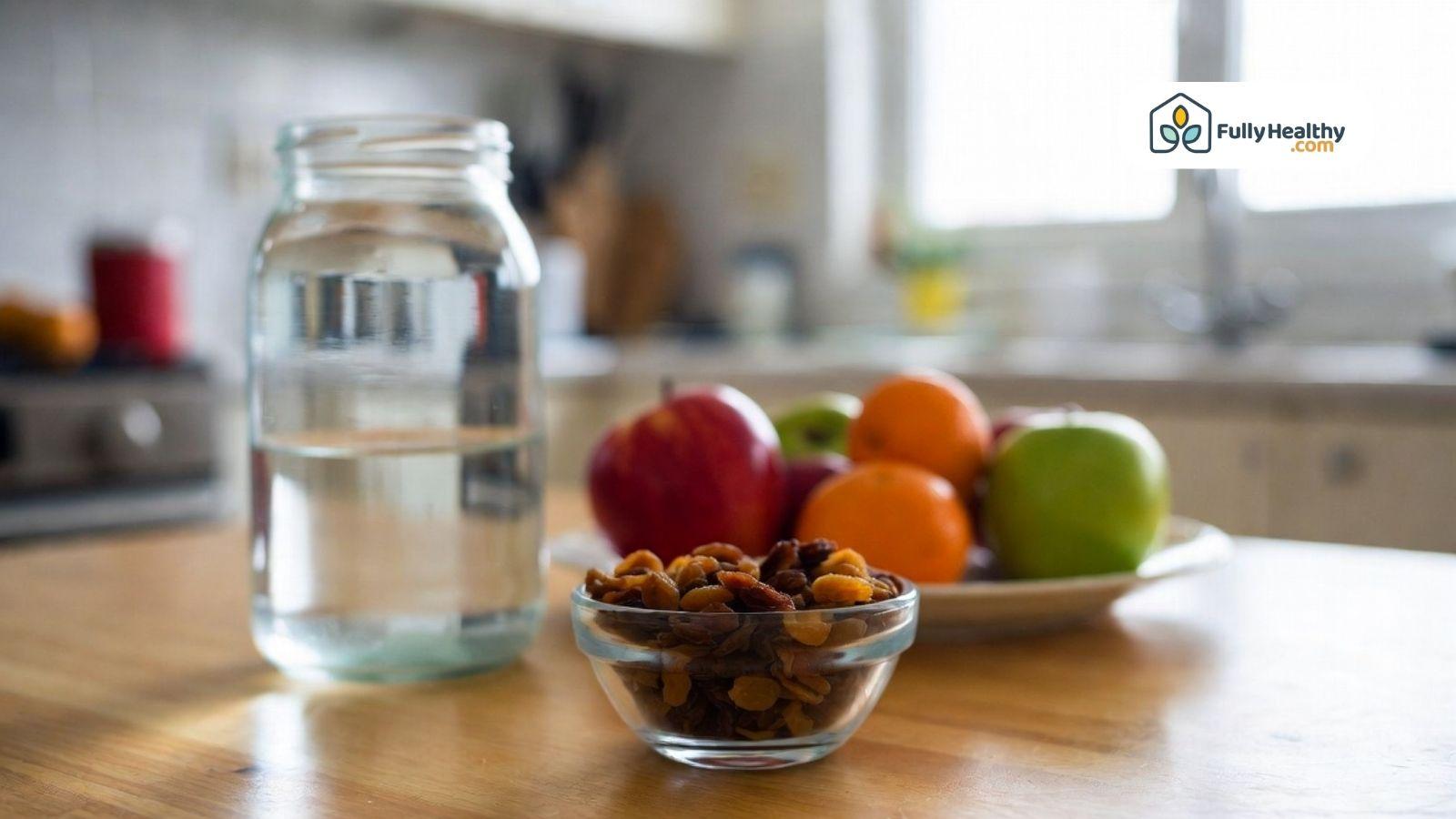
Raisins are one of several high fiber foods that may help relieve constipation naturally. They contain dietary fiber and sorbitol, which may support bowel movements and improve digestive health.
Fiber Helps Support Regular Bowel Movements
Yes, are raisins good for constipation because they contain soluble fiber and insoluble fiber that help support the digestive system. The fiber in raisins may help support more complete bowel movements by adding bulk to stool.
-
Dietary Fiber: Raisins contain more than 7 grams of fiber per cup.
-
Soluble Fiber: Helps draw water into stool and may soften stool naturally.
-
Insoluble Fiber: Supports gastrointestinal motility and movement inside the large intestine.
-
Digestive Health: Fiber may support gut bacteria and healthy bacteria linked to gut health.
-
High Fiber Foods: Whole grains, wheat bread, brown rice, kidney beans, black beans, and leafy greens also help with constipation.
Sorbitol May Help Soften Stool Naturally
Raisins contain sorbitol, which is a natural sugar alcohol that may help you poop more easily during constipation episodes. Sorbitol may help soften stool by helping draw water into the digestive tract and supporting regular bowel movements.
-
Natural Laxative: Sorbitol may help draw water into the intestines, which can support easier stool passage.
-
Digestive Process: Softer stool may help reduce abdominal pain and difficult passing stools.
-
Gut Motility: Fiber and sorbitol together may support better gut motility.
-
Constipation Symptoms: Hard stools and incomplete bowel movements may improve with more fiber and fluids.
-
Lifestyle Changes: Drinking water and eating high fiber vegetables may help prevent constipation naturally.
How Many Raisins a Day for Constipation?
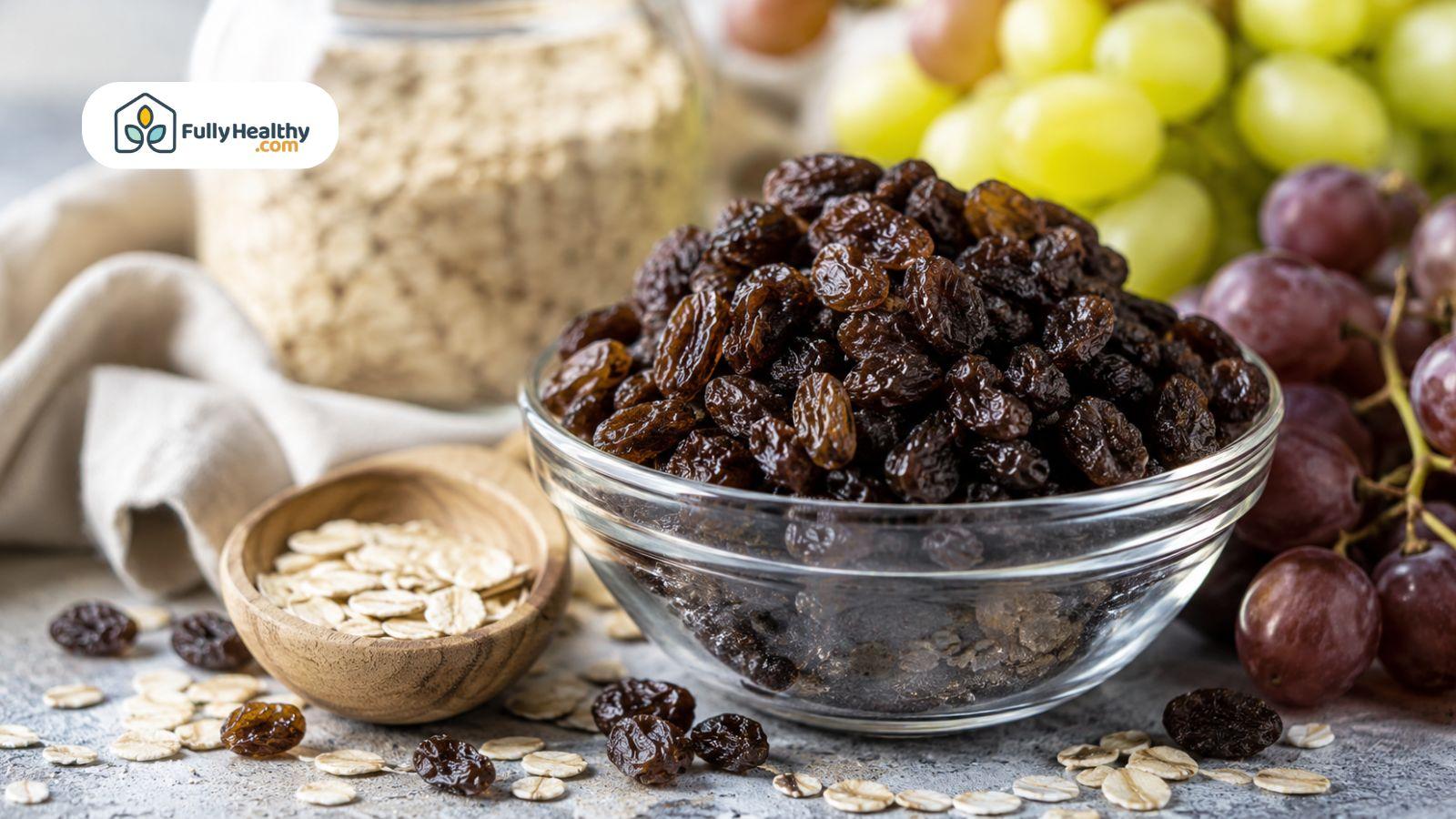
Small portions often work best because suddenly adding more fiber may upset the digestive system. Many people use raisins as one of several at home remedies to ease constipation gently.
Start With Small Portions to Avoid Digestive Discomfort
Most recommendations suggest eating about 1 to 2 small handfuls of raisins daily, or roughly 30 to 50 grams, to help relieve constipation. Starting small may help the digestive tract adjust to higher fiber intake without causing bloating or discomfort.
-
Fiber Intake: Gradually add fiber instead of eating large amounts immediately.
-
Digestive Comfort: Too many raisins may cause gas, bloating, cramps, or loose stools.
-
Daily Fiber: Raisins may help support regular bowel movements when eaten consistently.
-
Healthy Diet: Pair raisins with sweet potatoes, wheat bran, and other fruits for better digestive health.
-
Constipation Relief: High fiber foods often work better than processed baked goods and low fiber diet choices.
Soaked Raisins are Commonly Used for Morning Digestion
Many people soak raisins overnight in water because softer dried fruit may feel easier on the digestive system. Eating soaked raisins and drinking the raisin water in the morning is one of many home remedies linked to bowel movements and digestive movement.
-
Preparation: Soaking raisins may soften their fiber content naturally.
-
Morning Routine: Some people eat soaked raisins on an empty stomach to support digestion.
-
Digestive Tract: Added moisture may help soften stool and improve passing stools.
-
Fiber Content: Raisins still provide soluble and insoluble fiber after soaking.
-
Digestive Health: Water and fiber together may help ease constipation more effectively.
Which Dried Fruit is Best for Constipation?

Different dried fruit options support digestive health in different ways. Raisins, prunes, figs, and dried apricots all contain dietary fiber that may help with constipation.
Prunes Usually Have the Strongest Clinical Support
Prunes often receive the strongest medical support because they contain high fiber and more sorbitol than many other foods. Many people use prunes or prune juice as a natural laxative for constipation relief.
-
Prune Juice: May help soften stool and support bowel movements quickly.
-
Sugar Alcohol: Sorbitol may help draw water into the digestive tract.
-
Digestive System: Prunes contain soluble fiber and insoluble fiber for gut motility.
-
Chronic Constipation: Some people respond better to prunes than fiber supplements alone.
-
Digestive Health: Prunes may support healthy gut microbiota and healthy bacteria.
Raisins, Figs, and Apricots Can Support Digestive Regularity
Raisins, figs, and dried apricots may also help with constipation because they provide fiber and support the digestive process naturally. These fruits work best when combined with hydration and other high fiber foods.
-
Dried Apricots: Provide dietary fiber that supports regular bowel movements.
-
Other Fruits: Figs and raisins may help improve digestive health naturally.
-
Whole Grains: Brown rice and whole grains may support fiber intake alongside dried fruit.
-
High Fiber: Combining fruits with high fiber vegetables may help prevent constipation.
-
Gut Health: Fiber-rich foods may support gut bacteria inside the large intestine.
When is the Best Time to Eat Raisins?

The best time to eat raisins for constipation often depends on your digestive habits and overall diet. Many people eat raisins in the morning or between meals because the fiber content may support regular bowel movements throughout the day.
Morning Consumption May Support Digestive Movement
Soaked raisins eaten in the morning may help support bowel movements because they contain fiber and sorbitol, which may help stimulate digestive movement earlier in the day. Morning intake may also support the digestive system after several hours without food overnight.
-
Digestive Process: Morning fiber intake may support gastrointestinal motility naturally.
-
Natural Laxative: Raisins contain sorbitol, which may help soften stool.
-
Daily Fiber: Eating raisins early may help increase daily fiber intake more consistently.
-
Digestive Health: Water and dried fruit together may help ease constipation symptoms.
-
Gut Motility: Morning hydration may support better movement inside the digestive tract.
Raisins Also Work as a Convenient Fiber-Rich Snack
Raisins may also help with constipation when eaten between meals because they are easy to carry and naturally high fiber. Pairing raisins with healthy fats or other high fiber foods may support gut health and more complete bowel movements.
-
Healthy Fats: Nuts and seeds can make raisin snacks more filling, while fiber remains the main digestion-supporting nutrient.
-
Other Foods: Medium kiwi, leafy greens, and black beans may help support bowel movements.
-
Fiber Intake: Small snacks with more fiber may help prevent constipation naturally.
-
Digestive System: Fiber-rich snacks may support healthy bacteria and gut microbiota.
-
Healthy Diet: Replacing baked goods with fruits and dried fruit may improve digestive health.
About FullyHealthy
FullyHealthy focuses on wellness-focused foods that support different dietary needs and digestive goals. The site includes ingredient-conscious products that fit balanced eating habits and digestive health routines.
FullyHealthy Offers Simple Wellness Foods
FullyHealthy offers products designed for people looking for cleaner ingredients and supportive food options for daily wellness. Many products focus on digestive health, high fiber foods, and specialized diet preferences.
-
Specialty Foods: Includes gluten-free, grain-free, and allergy-friendly pantry products.
-
Digestive Health: Fiber-rich foods may support bowel movements and gut health.
-
Healthy Diet: Balanced meals with whole foods may help prevent constipation.
-
Dried Fruit: Raisins and other fruits fit into many digestive-friendly meal plans.
-
Lifestyle Changes: Better food choices may support long-term digestive comfort.
Featured Raisin Products
Digestive-friendly foods may help people maintain steady fiber intake without relying heavily on processed snacks. Many people improve digestive health by combining high fiber foods with hydration and balanced lifestyle changes.
-
AIPEAZY Instant Hot Cereal Cinnamon Raisin: Warm high fiber cereal with cinnamon raisin flavor that may support daily fiber intake and digestive comfort.
-
Jack’s Paleo Kitchen Cinnamon Raisin Cookies: Soft cinnamon raisin cookies made with ingredient-conscious ingredients for convenient snacking.
-
Eat G.A.N.G.S.T.E.R Oatmeal Schmoatmeal Cookie Mix: Baking mix inspired by oatmeal-style flavors that pairs well with fiber-rich eating habits.
-
Jack’s Paleo Kitchen Chocolate Cranberry Nut-Free Trail Mix Bites: Portable snack bites with dried fruit ingredients that fit balanced snack routines.
-
Jack’s Paleo Kitchen Orange Chocolate Trail Mix Bites: Sweet and citrus-flavored snack bites that work well for convenient everyday snacking.
-
Monkey Brittle Strawberry Banana Crunch: Crunchy fruit-based snack option that supports simple ingredient and dried fruit snack preferences.
Final Thoughts
Raisins can support healthier digestion because they contain fiber and natural compounds that may help soften stool and improve bowel movements.
Eating moderate portions alongside enough water and balanced meals may help support better digestive comfort over time. If constipation becomes frequent or painful, it is best to speak with a healthcare professional.
FAQs
Can You Eat 12 Raisins Instead of Grapes?
Yes, 12 raisins can provide fiber and dried fruit benefits, but grapes contain more water and may support hydration differently.
What Not to Drink When Constipated?
Sugary drinks, excess alcohol, and low-fluid diets may worsen constipation symptoms and slow the digestive system.
When to Not Eat Raisins?
People with irritable bowel syndrome, certain foods sensitivities, or medical conditions affecting sugar intake may need to limit raisins.
When Does Chronic Constipation Need Medical Attention?
Chronic constipation with abdominal pain, blood in stool, or common symptoms lasting several weeks may need medical evaluation.
What Constipation Symptoms Should You Watch Closely?
Constipation symptoms like hard stools, bloating, feeling constipated, and incomplete bowel movements may signal digestive health problems when they happen often.
Leave a comment