

Can Diabetics Eat Bananas? How To Avoid Blood Sugar Spikes
Can diabetics eat bananas? Yes, but portion size, ripeness, and timing matter. Bananas have sugar naturally, but they also have fibre and important nutrients that help keep blood sugar in check. Spikes can be avoided by eating smaller or slightly green bananas with protein or healthy fats.
This guide talks about how bananas affect blood sugar and how to safely add them to a healthy daily diet.
Featured Snack Pick
Barnana // Organic Chewy Banana Bites - 3.5 oz
Loading...
Can Diabetics Eat Bananas?
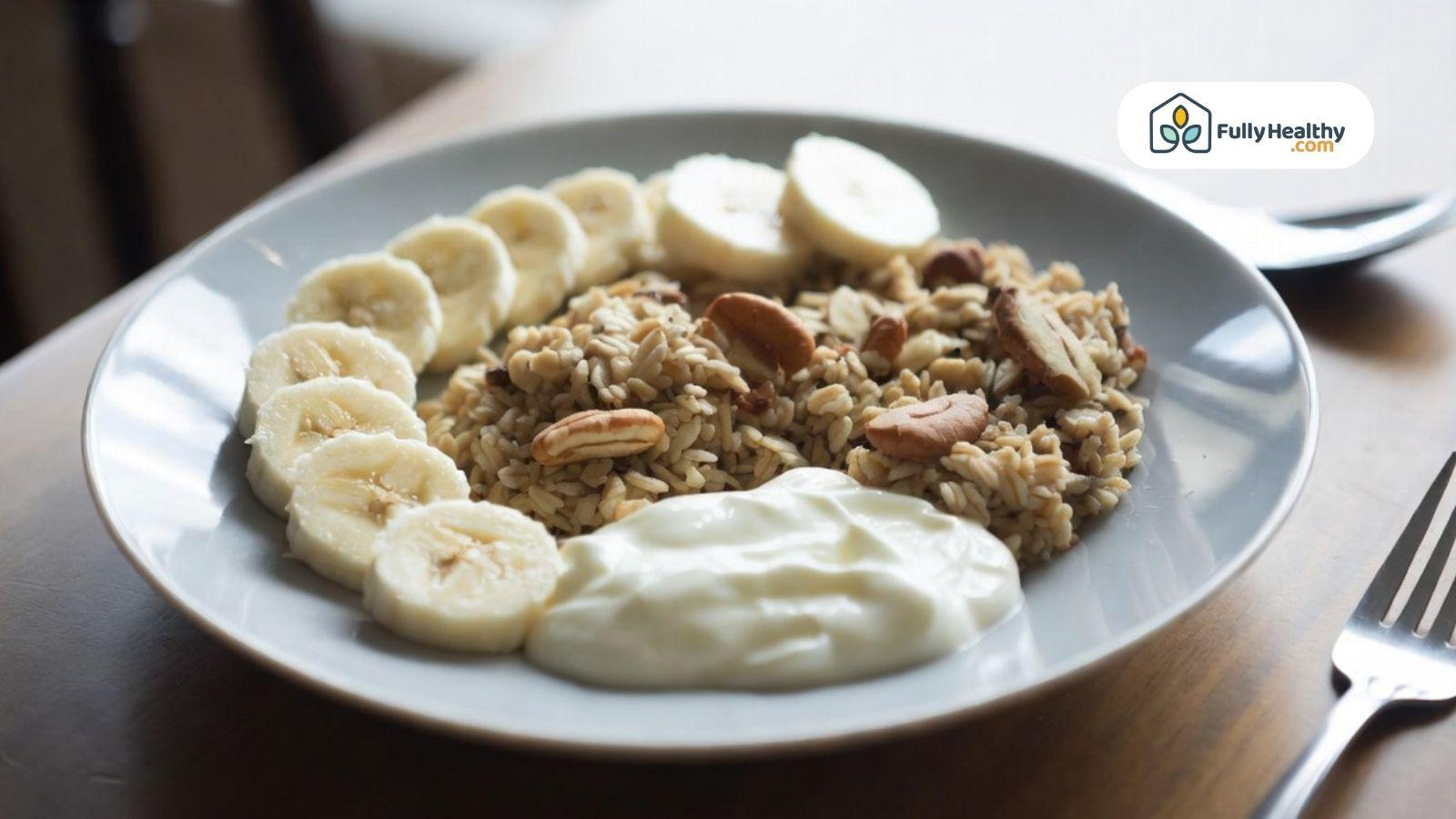
Bananas are often questioned in a diabetes eating plan because of their sugar content, but they can still fit into a balanced diet. Understanding how bananas affect blood sugar levels helps people with diabetes make better food choices.
Why Bananas Can Fit Into a Diabetes Diet
Yes, bananas can be included in a diabetes eating plan when portion control, timing, and food pairing are managed carefully. While they contain natural sugar, they also provide fiber and other nutrients that help support blood sugar balance.
-
Carbohydrate content: A medium banana contains about 27–28 grams of carbohydrates, including natural sugar, starch, and fiber, which can raise blood sugar levels depending on portion size.
-
Fiber support: Dietary fiber slows sugar absorption and helps reduce a rapid blood sugar spike.
-
Nutrient value: Bananas are nutrient rich foods with potassium, vitamin B6, and support for heart health and blood pressure.
-
Whole fruit benefit: Whole fruit is better than fruit juice or canned fruit with added sugars because it controls glycemic response.
-
Balanced intake: Eating bananas in a diabetes meal plan supports nutritional needs when combined with low gi foods.
How Ripeness Changes Blood Sugar Impact
Ripeness plays a major role in how bananas affect people's blood sugar levels and glycemic response. Less ripe bananas contain resistant starch, while ripe ones contain more sugar.
-
Green bananas: Higher resistant starch slows digestion and may support steadier blood sugar response.
-
Ripe banana: More sugar develops as starch breaks down, which can raise blood sugar levels faster.
-
Glycemic index: The GI scale ranks foods based on how quickly they affect blood sugar, and bananas fall into medium GI.
-
Portion effect: Larger ripe ones increase glycemic load and may cause a stronger blood sugar spike.
-
Smart pairing: Eating bananas with healthy fats or a protein source like plain greek yogurt reduces sugar absorption.
How Many Bananas Can A Diabetic Eat A Day?
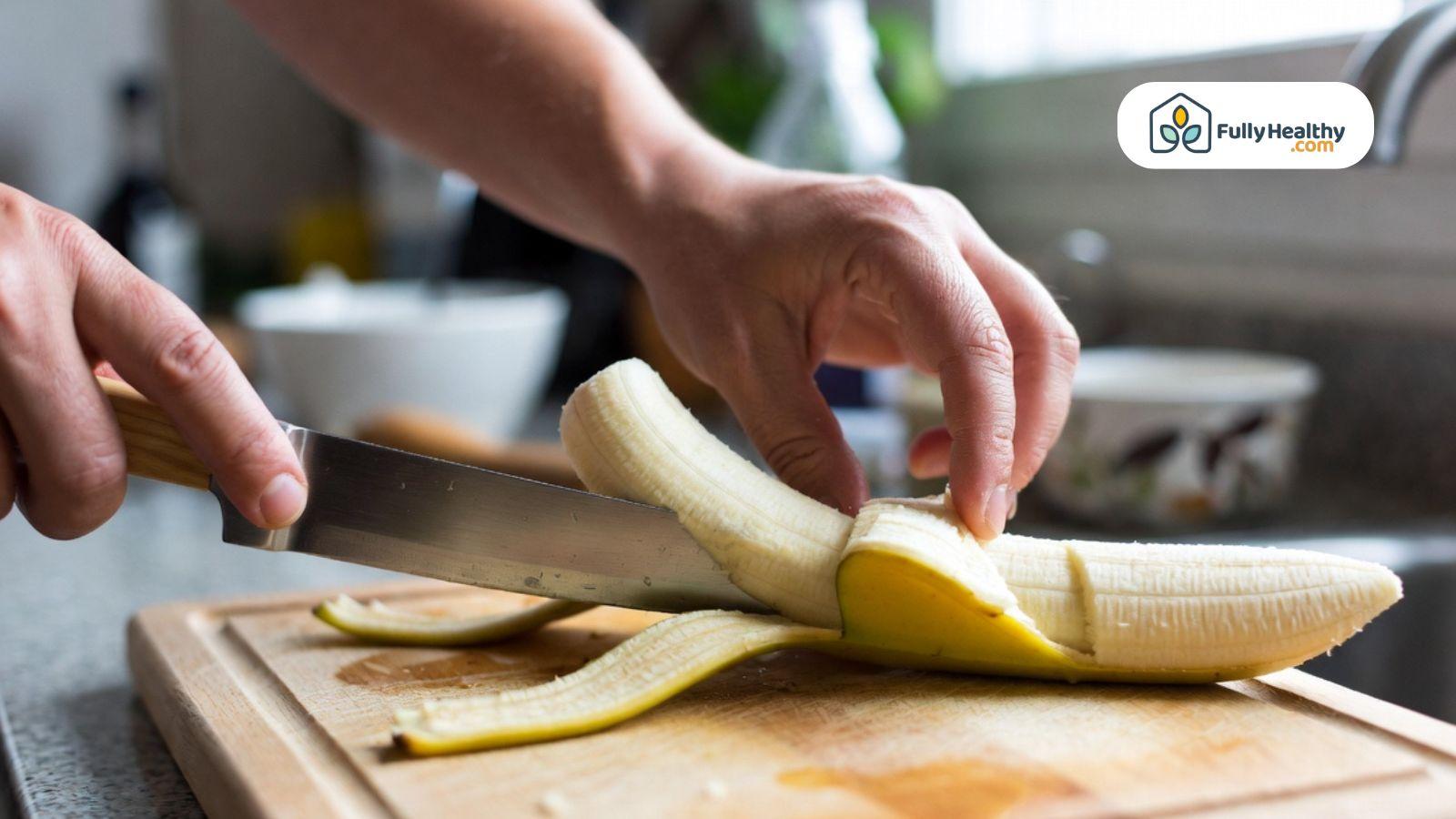
Portion sizes matter more than avoiding bananas completely in a diabetes eating plan. Small adjustments can help control blood sugar response without removing fruit from daily meals.
Safe Daily Portions
Diabetics can generally eat one small-to-medium banana per day without significantly raising blood sugar levels when it fits within their daily carbohydrate allowance. A safe daily intake still depends on portion control and how bananas affect individual blood sugar response within a structured diabetes eating plan.
-
Standard portion: One small-to-medium banana per day fits into most meal plans.
-
Research insight: A small pilot study found that 250g of banana per day was harmless in diabetic and hypercholesterolemic volunteers, but larger studies are needed.
-
Carb budgeting: Bananas should be counted within total daily carbs to prevent excess sugar intake.
-
Glycemic load control: Smaller portion sizes lower glycemic load and reduce blood sugar spike risk.
-
Individual needs: A registered dietitian may adjust intake based on insulin resistance and metabolic diseases.
How To Eat Bananas Without Spiking Blood Sugar
The way bananas are eaten affects how quickly they raise blood sugar and overall glycemic response. Practical adjustments can improve blood sugar balance.
-
Choose smaller fruit: A small banana has less sugar content and reduces blood sugar impact.
-
Eat with meals: Eating bananas with other foods slows digestion and stabilizes blood sugar levels.
-
Pair wisely: Combine with healthy fats or greek yogurt to reduce sugar absorption.
-
Select unripe bananas: Unripe bananas have less sugar and a lower glycemic index.
-
Monitor response: Track how bananas affect people's blood sugar levels to adjust intake.
What Fruit Should A Diabetic Not Eat?
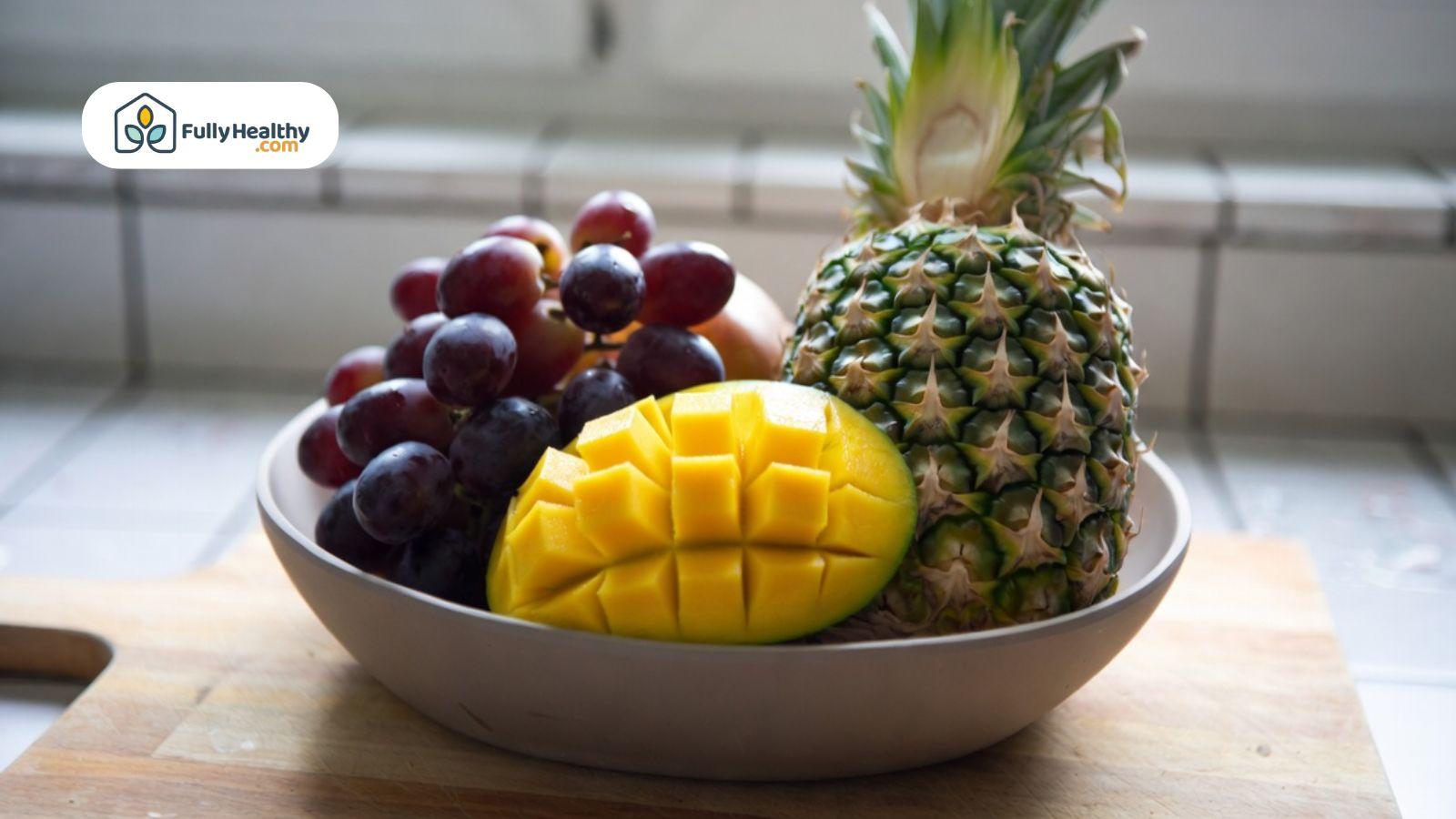
Not all fruit impacts blood sugar in the same way, so choosing the right types helps maintain stable blood sugar levels. The goal is not to avoid fruit but to choose wisely.
Fruits To Limit Due To High Sugar Impact
People with diabetes should limit high sugar or high glycemic index fruits because they can raise blood sugar levels quickly and increase the risk of a blood sugar spike. These fruits are not completely restricted but require portion control to maintain blood sugar balance within a diabetes eating plan.
-
Pineapple and watermelon: High glycemic index fruits that can raise blood sugar levels faster when eaten in large portions.
-
Overripe bananas: Ripe ones contain more sugar and can trigger a quicker blood sugar response.
-
Dried fruits: Raisins and dried cranberries have concentrated sugar and can spike blood sugar in small servings.
-
Fruit juice: Lacks dietary fiber and leads to rapid sugar absorption that can raise blood sugar levels quickly.
-
Canned fruit: Canned fruit in syrup often contains added sugars that increase glycemic load.
Best Fruits For Stable Blood Sugar Levels
Choosing low gi foods helps maintain steady blood sugar levels and supports a healthy diabetes meal plan. Whole fruit with fiber is the best option.
-
Berries: Low glycemic index and high fiber help stabilize blood sugar response.
-
Apples: Contain soluble fiber that forms a gel like substance to slow digestion.
-
Citrus fruits: Provide vitamin C and controlled sugar content for better balance.
-
Fresh fruit: Fresh fruit is better than processed fruit options for glycemic control.
-
Portion control: Small portion sizes help prevent spikes and maintain blood sugar balance.
What Are The Best Snacks For Diabetics?
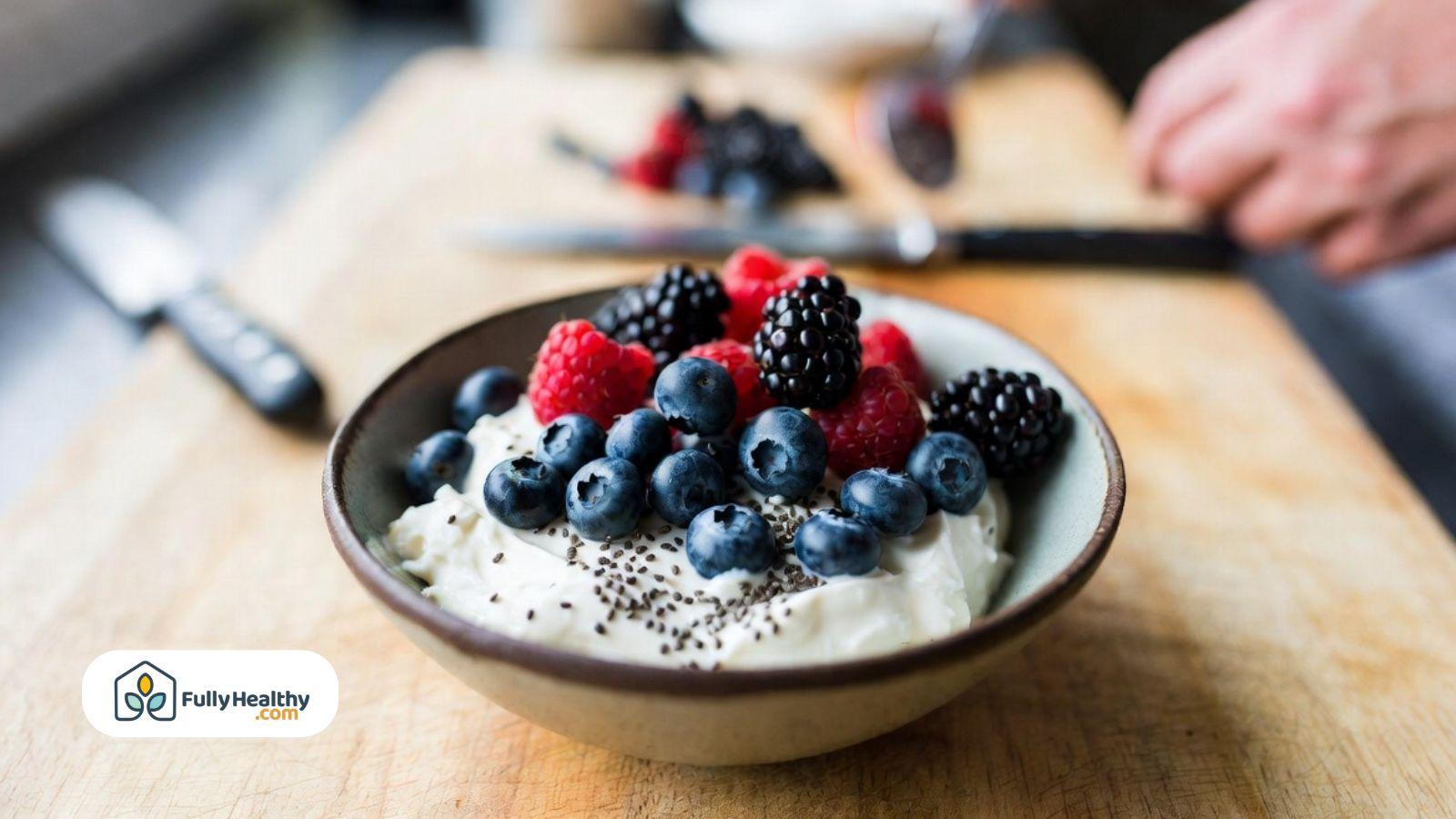
Snacks can help support steady blood sugar levels between meals when needed. Choosing the right combination of nutrients may help prevent spikes and maintain energy balance.
Practical Snack Examples That Work Daily
Simple snack choices can support blood sugar balance and reduce cravings for a sweet tooth. Options from Cleveland Clinic are easy to follow.
-
Eggs: Provide protein and help maintain steady blood sugar levels.
-
Nuts: Offer healthy fats and reduce sugar absorption when paired with fruit.
-
Greek yogurt: Greek yogurt or plain greek yogurt adds protein and supports gut health.
-
Hummus and vegetables: Fiber rich and low glycemic index for stable energy.
-
Bananas with protein: Eating bananas with a protein source helps control glycemic load.
What Makes A Snack Blood Sugar-Friendly
A blood sugar-friendly snack combines nutrients that slow digestion and prevent rapid spikes in glucose levels. The goal is to keep blood sugar levels steady by balancing carbs with protein, fiber, and healthy fats.
-
Protein source: Protein slows digestion and helps reduce sharp rises in blood sugar.
-
Healthy fats: Healthy fats delay sugar absorption and support longer-lasting energy.
-
Fiber content: Fiber helps control how quickly sugar enters the bloodstream.
-
Balanced carbs: Pairing carbs with protein or fat lowers the chance of a blood sugar spike.
-
Portion control: Smaller portions help maintain stable blood sugar levels throughout the day.
FullyHealthy For Special Diet Needs
FullyHealthy provides options that support structured eating plans for people managing diabetes and other dietary restrictions. The focus is on clean ingredients and balanced nutrition.
What FullyHealthy Offers For Special Diets
The platform offers allergen free and specialized foods that align with different health needs. It supports people looking for better food choices in a diabetes eating plan.
-
Diet focused options: Includes gluten free and AIP friendly foods for various nutritional needs.
-
Clean ingredients: Avoids added sugars and supports better blood sugar balance.
-
Convenience: Ready to use foods simplify meal plan preparation.
-
Health support: Helps people with diabetes maintain consistent eating habits.
-
Variety: Provides multiple food categories for balanced diet planning.
Recommended Products For Balanced Snacking
Banana-based snacks can still support steady blood sugar levels when portion control and ingredient quality are considered. These options combine whole fruit, fiber, or protein to help manage sugar absorption within a diabetes meal plan.
-
Barnana Organic Chewy Banana Bites: Made from whole fruit with natural sugar and no added sugars, helping support blood sugar balance in small portions.
-
Eat G.A.N.G.S.T.E.R Banana Bread Mix: Grain-free banana bread mix with lower simple carbs and added fiber for improved glycemic response.
-
Autoimmune H&N Paleo Perfection Vanilla Banana Protein Powder: Provides a protein source that helps slow sugar absorption and stabilize blood sugar levels.
-
That's It Apple Banana Fruit Bar: Simple whole fruit snack with controlled sugar content and no added sugars for better portion control.
-
Monkey Brittle Strawberry Banana Crunch: Crunchy banana-based snack that supports balanced snacking habits without excessive sugar.
-
Solely Banana With Cacao: Combines banana with cacao for added nutrients while keeping ingredients simple and clean.
-
Wild Zora Instant Grain-Free Hot Cereal Banana Bread: Warm banana cereal option with fewer refined carbs that supports steady blood sugar response.
Final Thoughts
Bananas can fit into a balanced diet when portion control, timing, and pairing support steady blood sugar levels and overall health benefits. Understanding how much sugar is in a banana and choosing low glycemic index diets helps reduce greater risk linked to metabolic diseases and heart health. It is still important to eat fruit in moderation, compare with other fruit, and enjoy bananas or enjoy fruit as part of a structured plan that supports long term control.
FAQs
Can canned fruit affect blood sugar levels in diabetes?
Canned fruit with added sugars can raise blood sugar levels quickly, so choose whole fruit options to support better blood sugar balance.
What food is the number one enemy of diabetes?
The main foods that worsen diabetes are sugary drinks, refined carbs like white bread and rice, trans fats, and processed snacks. These can quickly raise blood sugar and increase the risk of insulin resistance and heart disease.
Do bananas lower A1c?
Bananas do not directly lower A1c, but controlled portion sizes within a balanced diet can support better blood sugar levels over time.
What is the miracle fruit for diabetics?
There is no single miracle fruit, but low glycemic index diets that include whole fruit like berries and apples support stable blood sugar levels.
Which organ is most affected by diabetes?
Diabetes mainly damages the heart and blood vessels, increasing the risk of heart disease and stroke. It also affects the kidneys, eyes, and nerves because high blood sugar harms blood vessels throughout the body.
Leave a comment