

Can Dogs Eat Lamb? What To Know Before Sharing
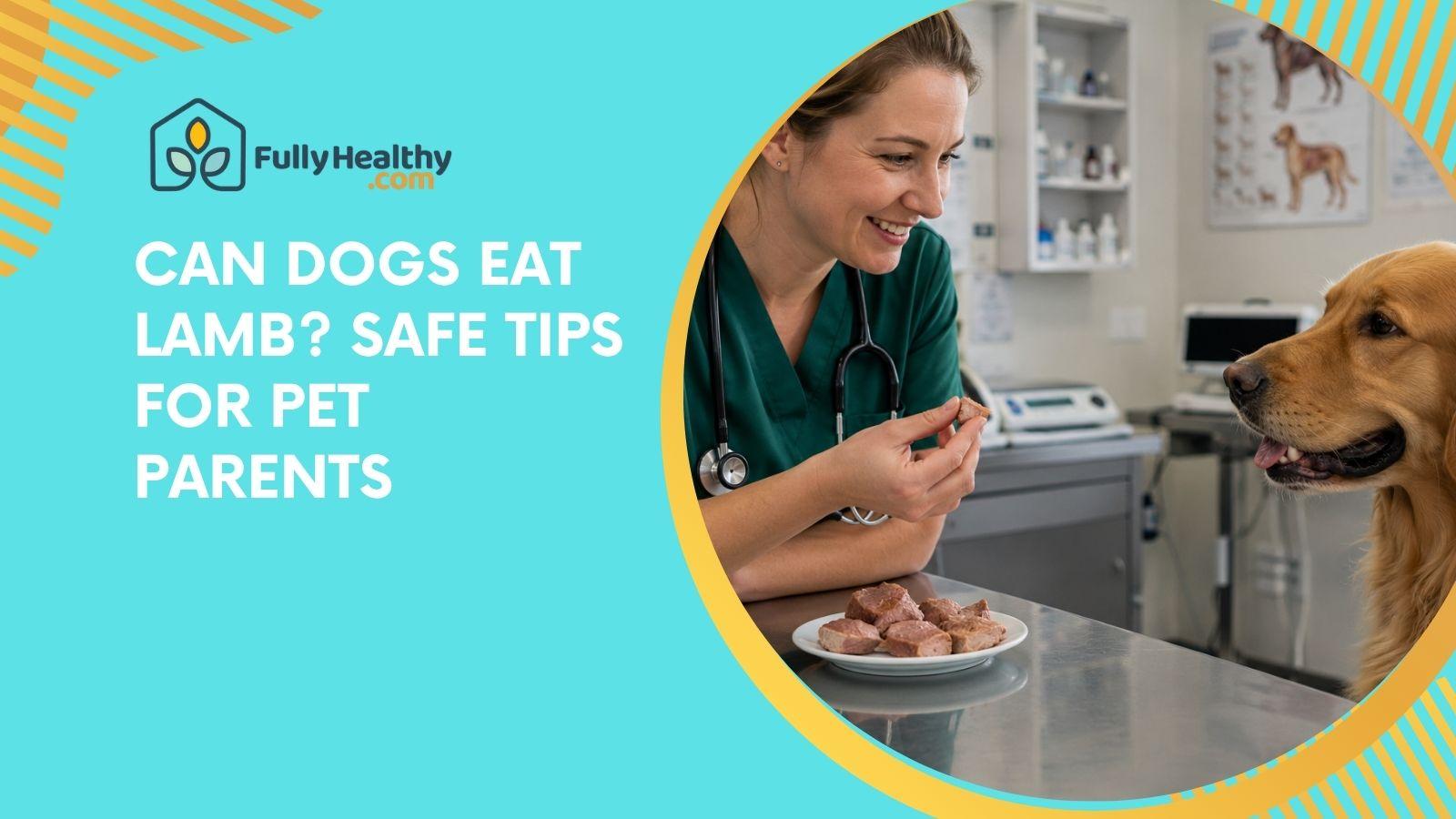
Can dogs eat lamb? Most dogs can handle small portions of plain, cooked lamb. This nutrient-rich meat has iron, zinc, protein, and B vitamins that support dogs health. But lamb must have no bones, no seasoning, and not be too fatty.
Excess lamb fat can cause gastrointestinal upset, add unnecessary calories, and may increase pancreatitis risk, so choose lean, trimmed lamb. Some dogs may develop vomiting, diarrhea, gas, itching, or other signs of food intolerance or allergy; stop feeding lamb and consult a veterinarian if signs occur. This blog covers adding lamb, safe portions, meats to avoid, lamb vs. chicken, and when to talk to your vet.
Featured Snack Pick
Wild Zora // Meat & Veggie Bar Mediterranean Lamb - 1 oz
Loading...
Can Dogs Eat Lamb?
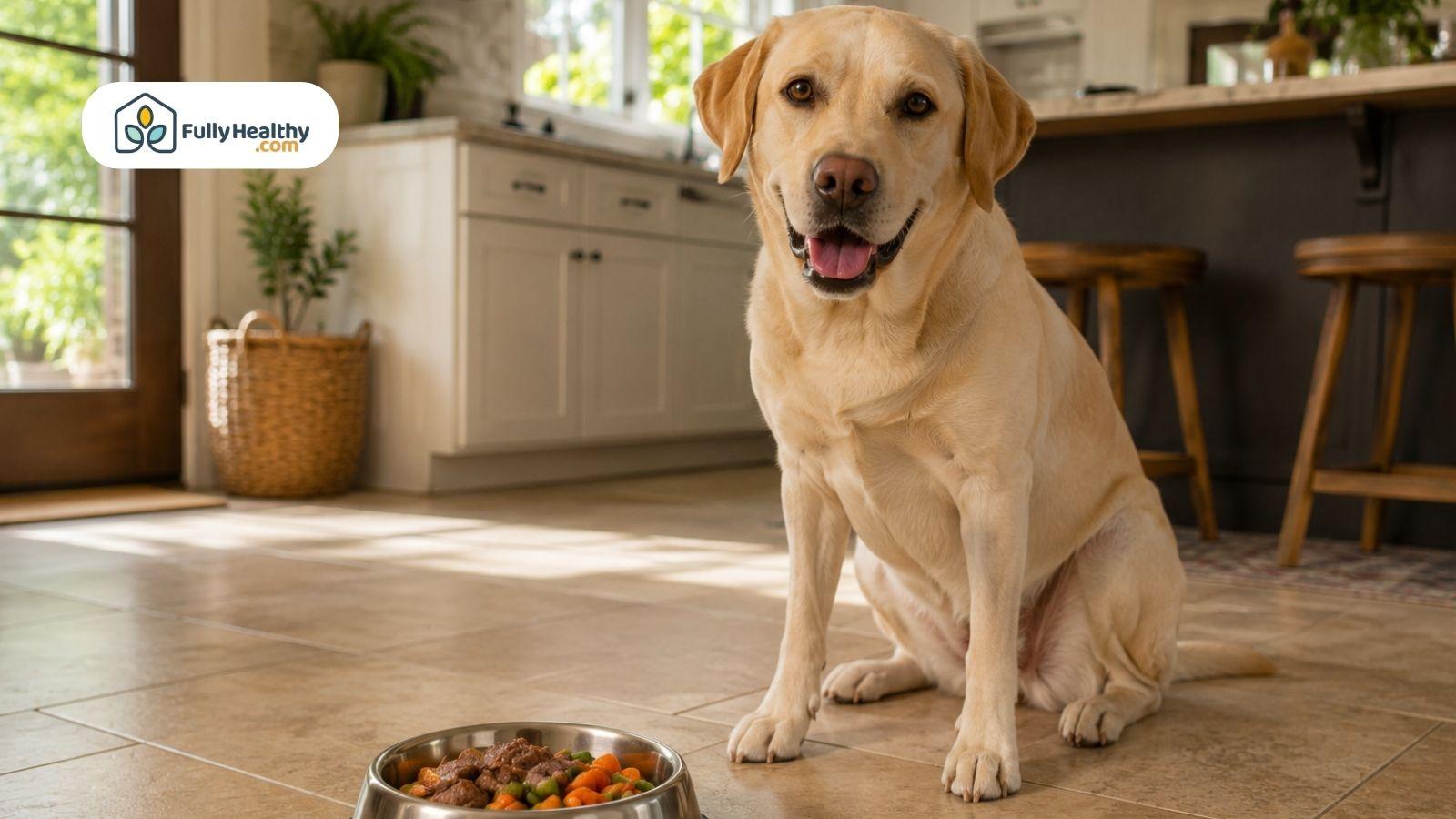
A lot of pet owners want to know if dogs can eat lamb. Lamb that is plain, fully cooked, and served in small amounts can be eaten by dogs. High-quality protein, essential amino acids, B vitamins, and minerals can be found in lamb meat.
These nutrients help dogs keep their muscles and stay healthy overall. Lamb meal is used in many dog foods as a protein source; it may help only if the dog tolerates lamb and has not previously reacted to it.
Is Lamb Safe When It’s Plain And Cooked?
Most dogs can safely eat plain cooked lamb. Avoid added salt, sauces, seasonings, and especially onion or garlic, which are toxic to dogs. If your dog has a sensitive stomach, feeding lamb slowly can help keep them safe.
-
Best Choice: Plain cooked lamb is safer than seasoned lamb, raw lamb, or fatty table scraps.
-
Serving Tip: Cut cooked lamb into bite-sized pieces so your dog can chew and digest it easily.
-
Avoid This: Do not let dogs eat lamb bones, cooked lamb bones, chop bones, or lamb rib bones.
-
Portion Control: Small dogs need smaller amounts because the serving size depends on the dog’s size.
What Nutrients Does Lamb Offer Dogs?
Lamb can provide nutrients for dogs when included as part of a complete and balanced diet. If it's part of a dog's balanced diet and not the only thing they eat, it can help their health.
-
Protein Support: Lamb provides amino acids that help with muscle maintenance and repair.
-
Key Nutrients: Lamb contains protein, amino acids, iron, zinc, vitamin B12, niacin, riboflavin, and other B vitamins.
-
Sensitive Dogs: Lamb may help some dogs only when it is a tolerated or novel protein; lamb itself can also trigger adverse food reactions.
-
Watch Closely: Stop feeding lamb if you notice vomiting, itching, diarrhea, or any allergic reaction.
What Three Meats Should Dogs Avoid?
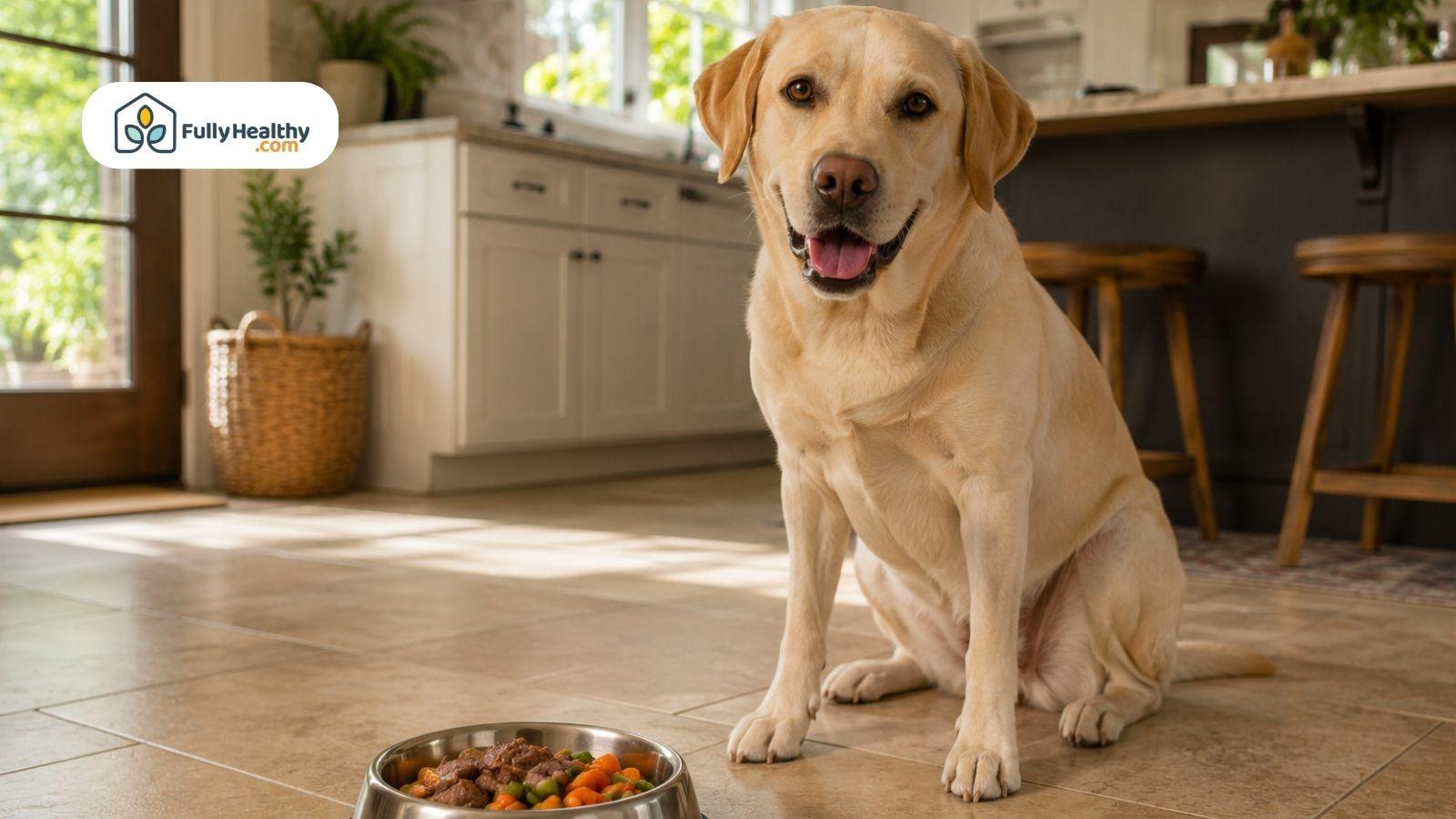
Risk usually depends on preparation: bones, fatty trimmings, processed salty meats, raw meat, and seasoned meat are unsafe choices. Don't give your dog dangerous scraps. Instead, feed them plain, lean meat that has been cooked.
Why Should Dogs Avoid Ham And Fatty Meat Scraps?
Ham, lamb fat, and fatty food scraps can make a dog sick. When given often or in large amounts, lamb fat can cause digestive upset and excess calorie intake and may increase pancreatitis risk. Having too much fat can also make you gain weight.
-
Fat Risk: Excess fat can cause stomach upset and may raise the risk of pancreatitis.
-
Better Choice: Choose lean lamb meat instead of fatty lamb chops or greasy leftovers.
-
Health Tip: Dogs with sensitive digestion should avoid rich meats.
-
Feeding Rule: Feeding lamb is safest when portions are small and lean.
Why Are Poultry Skin And Bones Unsafe For Dogs?
Bones are not safe treats. Lamb bones or bones from other animals can cause choking, dental injury, obstruction, perforation, or digestive tract injury. When dogs eat lamb or dog bones, they could choke, get a blockage, or hurt their digestive tract.
-
Bone Danger: Cooked bones can splinter and harm the mouth, throat, stomach, or intestines.
-
Never Feed: Do not let dogs eat cooked lamb bones or eat cooked bones from any meat.
-
Raw Bones: Raw bones may carry pathogenic bacteria and can still cause tooth fractures, choking, obstruction, or gastrointestinal injury.
-
Vet Warning: Call a vet if your dog eats bones and shows pain, vomiting, or bloating.
How Much Lamb Can I Give My Dog?
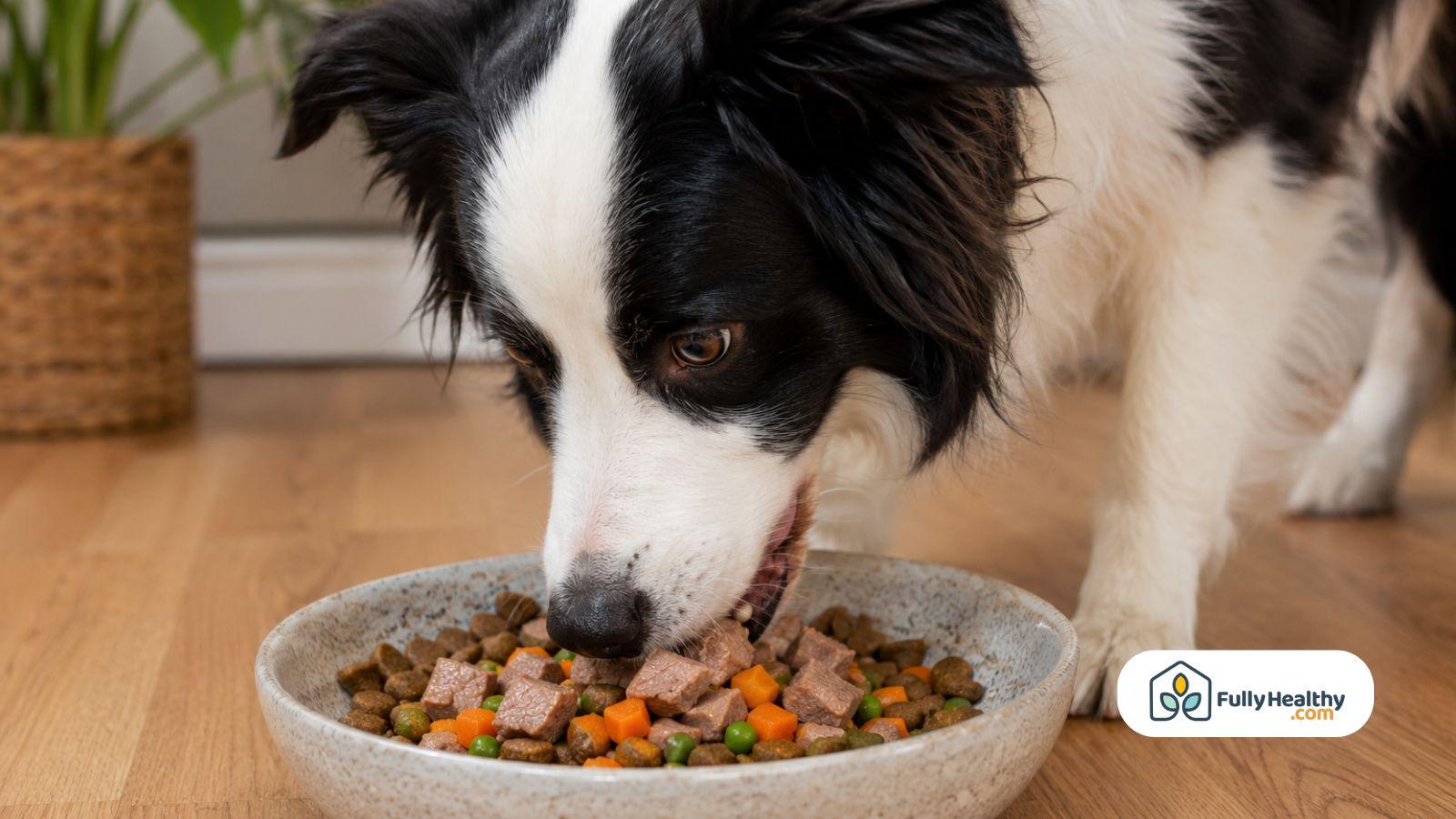
For healthy dogs, plain cooked lamb should be offered in small amounts as a treat or topper; treats and extras should generally stay within about 10% of daily calories unless the diet is professionally formulated.
Lamb shouldn't be used instead of dog food. A dog should eat a complete diet that gives it all the nutrients it needs to stay healthy.
How Should You Estimate A Safe Lamb Portion?
If you are new to lamb, start with small amounts. If your dog is a puppy, a small dog, or has a sensitive stomach, this is very important.
-
Start Small: Give a few bite-sized pieces and watch your dog’s reaction.
-
Safe Texture: Use fully cooked lamb because it reduces pathogen risk compared with raw lamb.
-
Monitor Signs: Look for diarrhea, gas, itching, or other signs of food allergies.
-
Adjust Slowly: Increase only if your dog handles the lamb well.
Can Dogs Eat Lamb Every Day Safely?
A complete-and-balanced lamb-based dog food can be fed daily; plain cooked lamb should not replace a complete diet. However, unless your vet says it's okay, don't eat raw lamb. Raw meat can contain bacteria that are bad for you.
-
Daily Use: Lamb can be part of many dog diets when served in appropriate portions.
-
Avoid Raw Lamb: Raw lamb and raw diets may expose dogs to harmful bacteria.
-
No Bones: Dogs eat cooked lamb safely, but they should never eat cooked lamb bones.
-
Best Balance: Lamb works best with complete dog food, not as the only meal.
Is Lamb Better For Dogs Than Chicken?
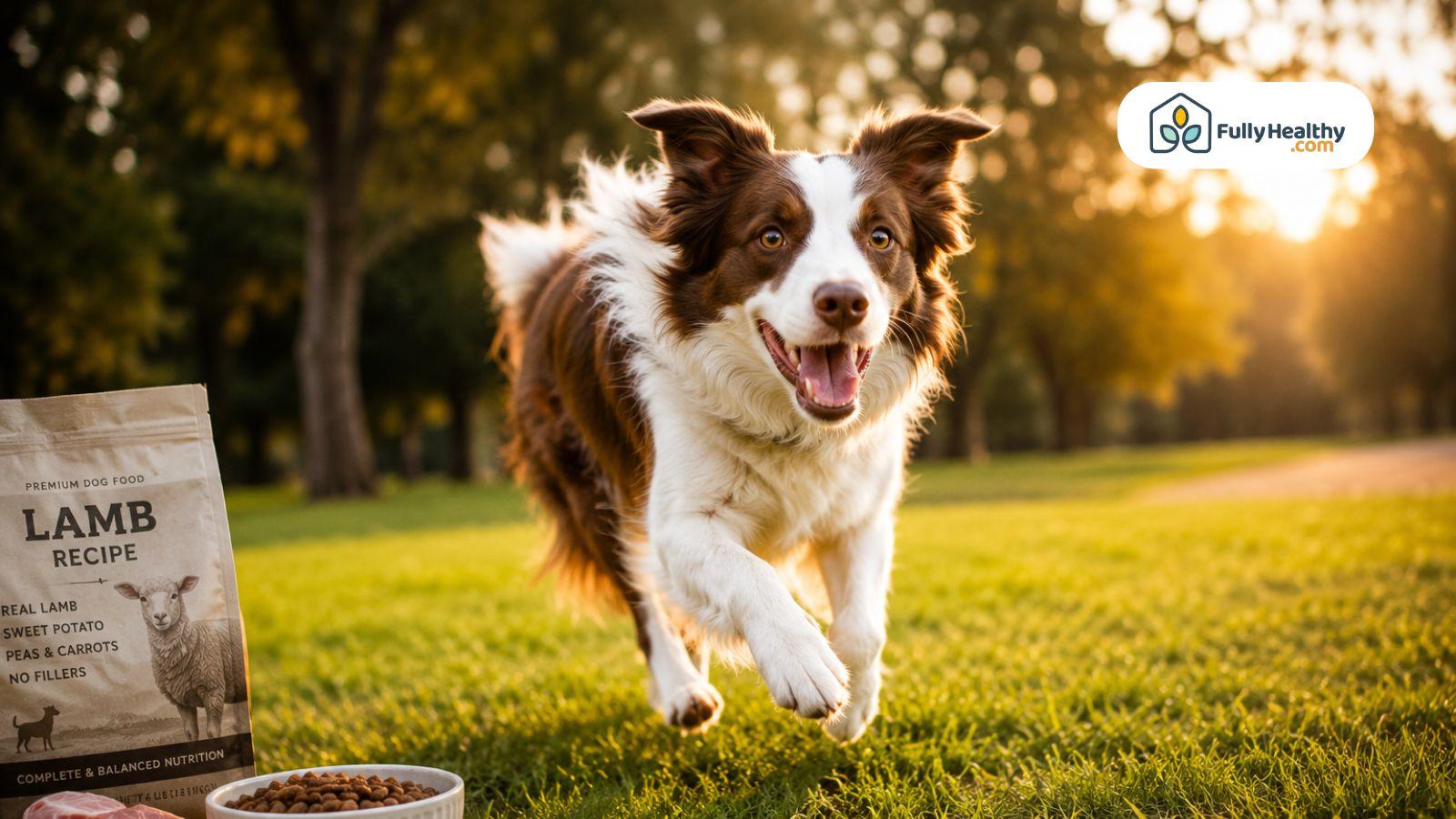
When picking protein for their dog, many dog owners look at lamb and chicken side by side. It depends on the dog. The best choice for your dog will depend on its age, activity level, weight, health needs, and personal taste. When used in good dog food and as part of a balanced diet, both can be good for dogs.
When Is Lamb Better Than Chicken For Dogs?
Dogs that don't do well with other proteins might do better with lamb. Some dogs may be able to handle lamb better than chicken if they are sensitive to certain foods. Lamb also smells and tastes better than other meats, which can help picky eaters enjoy their food.
-
Food Sensitivities: Lamb may work well for dogs that react poorly to chicken or other meats.
-
Picky Eaters: The strong smell and taste of lamb may make meals more appealing.
-
Active Dogs: Some lamb cuts are higher in fat than skinless chicken, but fat content depends on the cut and preparation; active dogs need appropriate total calories and balanced nutrition.
-
Protein Variety: A lamb-based diet can add variety, but it should still be balanced.
When Is Chicken Better Than Lamb For Dogs?
Chicken is often widely available and can be lean if skinless, but cost and fat content vary by product and preparation. For dogs needing calorie control, a lean, complete, and balanced diet may be preferable; protein choice should depend on the dog’s health status, tolerance, and veterinary guidance.
-
Lower Fat: Chicken is often leaner than lamb and may fit calorie-controlled diets.
-
Weight Control: Lean chicken can help reduce extra calories in your dog’s meals.
-
Budget Friendly: Chicken-based dog foods are often less expensive than lamb formulas.
-
Daily Nutrition: Chicken still gives dogs useful protein and nutrients for everyday health.
What Does Fully Healthy Offer For Dog Owners Researching Lamb And Special Diets?
Fully Healthy is mostly a market for specialty foods for people. It's not a brand of dog food or a health food source for pets.
Still, dog owners may come across it when they are looking into food allergies, allergen-friendly diets, or specific grocery items. You shouldn't use it to show that a food is safe for dogs.
Is FullyHealthy A Dog Food Or Lamb Product Source?
Based on what I saw on the homepage, Fully Healthy doesn't seem to sell dog food or lamb products made just for dogs. It's all about foods that are good for people with AIP, gluten, and allergies.
-
Main Focus: FullyHealthy sells human specialty foods, not pet food.
-
Safety Reminder: Human-friendly does not always mean dog-safe.
-
Dog Safety: Avoid bones, rich seasonings, and unsafe ingredients when feeding pets.
-
Best Step: Use trusted pet nutrition sources before giving new foods to your dog.
What Products And Collections Does FullyHealthy Feature?
FullyHealthy has a lot of unique grocery items for people who have to follow strict diets. These items might help people shop, but they aren't made for dogs' food.
-
Collections: AIP Elimination, AIP Reintros, Snacks, Breakfast, Bundles, and Seasonings.
-
Products: Coconut sugar, maple sugar, maple syrup, and specialty baking mixes.
-
Clear Limit: These are human foods, not dog nutrition products.
-
Reader Tip: When comparing lamb and other meats for dogs, rely on veterinary or pet nutrition guidance.
Final Thoughts
Most dogs can eat lamb as a healthy red meat protein source as long as it is plain cooked meat and served in the right amount. Many pet parents choose lamb because many dog foods use it for good source of protein, essential amino acids, and other important nutrients.
However, dog owners should avoid bones, too much fat, and heavily seasoned meat because these can cause stomach issues or weight gain. Puppies should receive a complete-and-balanced growth diet; plain lamb should only be a small occasional addition unless included in a properly formulated puppy food.
FAQs
Can dogs eat lamb every day?
Dogs can eat a complete-and-balanced lamb-based diet daily; plain cooked lamb should only be a limited addition unless formulated by a veterinary nutrition professional.
Can dogs eat lamb bones?
No, dogs should not eat lamb bones, cooked lamb bones, lamb rib bones, chop bones, or other cooked bones because they can damage the digestive tract.
Is lamb good for dogs with food sensitivities?
Lamb is often used as a novel protein and may help some dogs with food sensitivities, but any dog can still have an allergic reaction.
What meat can a dog eat daily?
Many dogs can eat diets containing cooked chicken, turkey, lean beef, or lamb daily when the overall diet is complete, balanced, safely prepared, and appropriate for the individual dog.
Are eggs good for dogs?
Yes, eggs can be a nutritious addition to a dog's diet because they provide protein, amino acids, and essential vitamins when fully cooked.
Leave a comment