

Can Nuts Cause Constipation? Simple Tips For Better Digestion
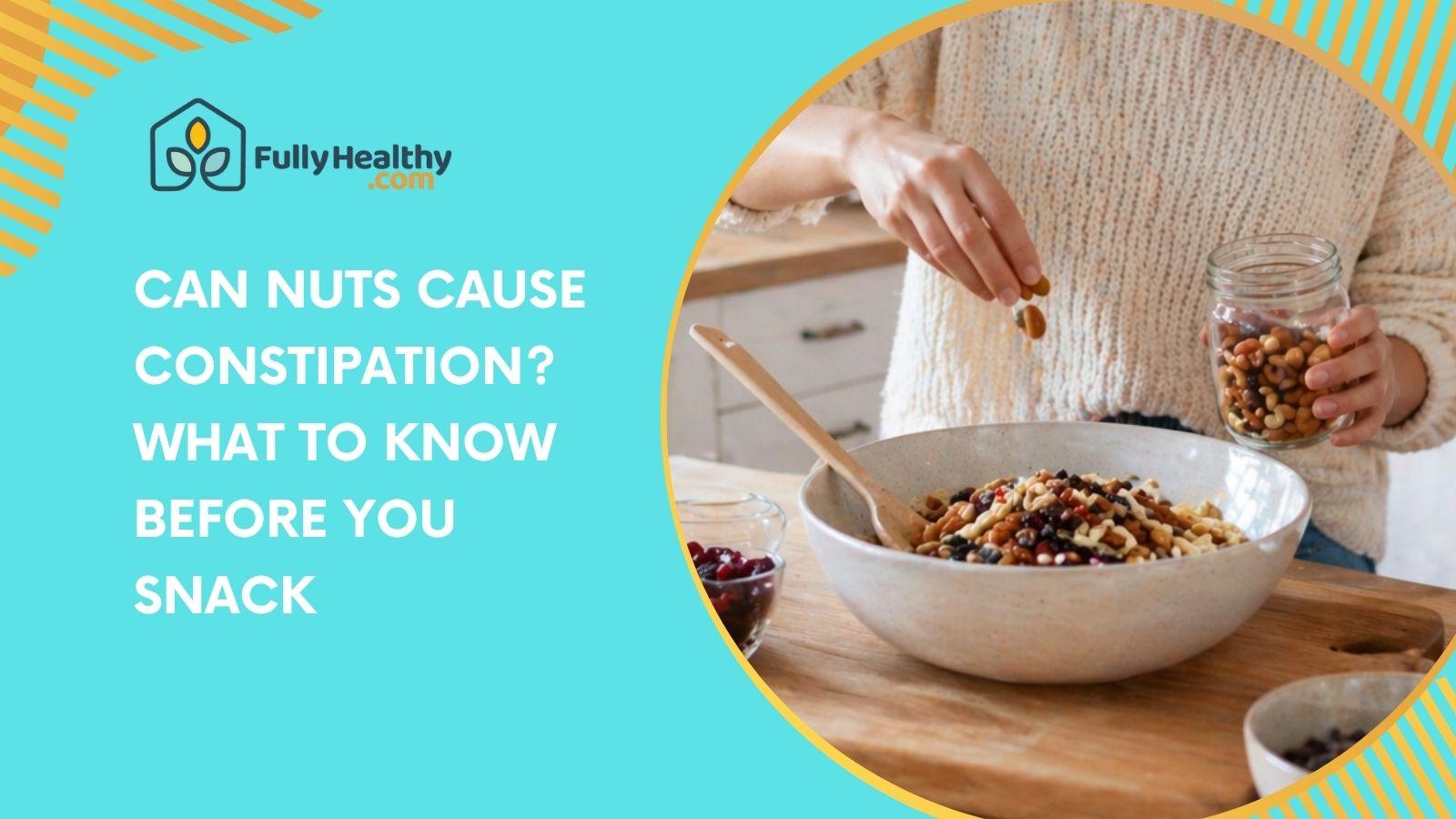
Can nuts cause constipation? Yes, but it depends on how much you eat and how your body reacts. Dietary fiber, which is found in lots of nuts, can help with bowel movements. But too much fiber or fat without enough water can slow digestion.
This article tells you when nuts can help with constipation and when they can make it worse. It also lists foods to avoid and easy ways to improve digestive health and get fast relief from constipation.
Featured Snack Pick
Mauna Loa // Hawaiian Sea Salt Macadamia Nuts - 4 oz
Loading...
Can Nuts Cause Constipation?

Nuts can affect the digestive system in different ways depending on fiber intake, hydration, and portion size. Understanding this helps explain how they impact digestion while supporting better digestive health and regular bowel movements.
Why Nuts Can Trigger Constipation In Some People
Yes, can nuts cause constipation when eaten in large amounts, especially without enough fluids to support the digestive process. This combination can slow gut motility and lead to infrequent bowel movements and uncomfortable constipation symptoms.
-
High Fat Content: Nuts are calorie-dense and high in fat, so very large portions may feel heavy and slow digestion in some people.
-
Low Fluid Intake: Not drinking enough fluids can make stool harder, especially when fiber intake increases.
-
Too Much Fiber: Increasing fiber intake too quickly can lead to abdominal pain, bloating, and other gastrointestinal symptoms.
-
Gut Sensitivity: People with irritable bowel syndrome may react more strongly to nuts and seeds, leading to stomach discomfort.
-
Sedentary Lifestyle: Limited movement reduces gut motility and contributes to infrequent bowel movements.
Why Nuts Can Also Help Relieve Constipation
Nuts can also help with constipation because they contain dietary fiber that supports bowel movements and promotes a healthy gut microbiome. When consumed in moderation with enough fluids, they support a healthy balance in the digestive system.
-
High Fiber Content: Nuts provide soluble and insoluble fiber that supports bowel movements and improves stool consistency.
-
Magnesium Support: Almonds contain magnesium, which supports normal muscle and bowel function, but they should not be treated like a stool softener.
-
Healthy Bacteria: Fiber can support helpful gut bacteria and may contribute to better digestive regularity.
-
Balanced Intake: A moderate serving of nuts can fit into a diet that supports regular bowel movements.
-
Hydration Needed: Enough fluids help fiber supports making bowel movements easier and more consistent.
How Many Nuts Per Day Is Too Much?
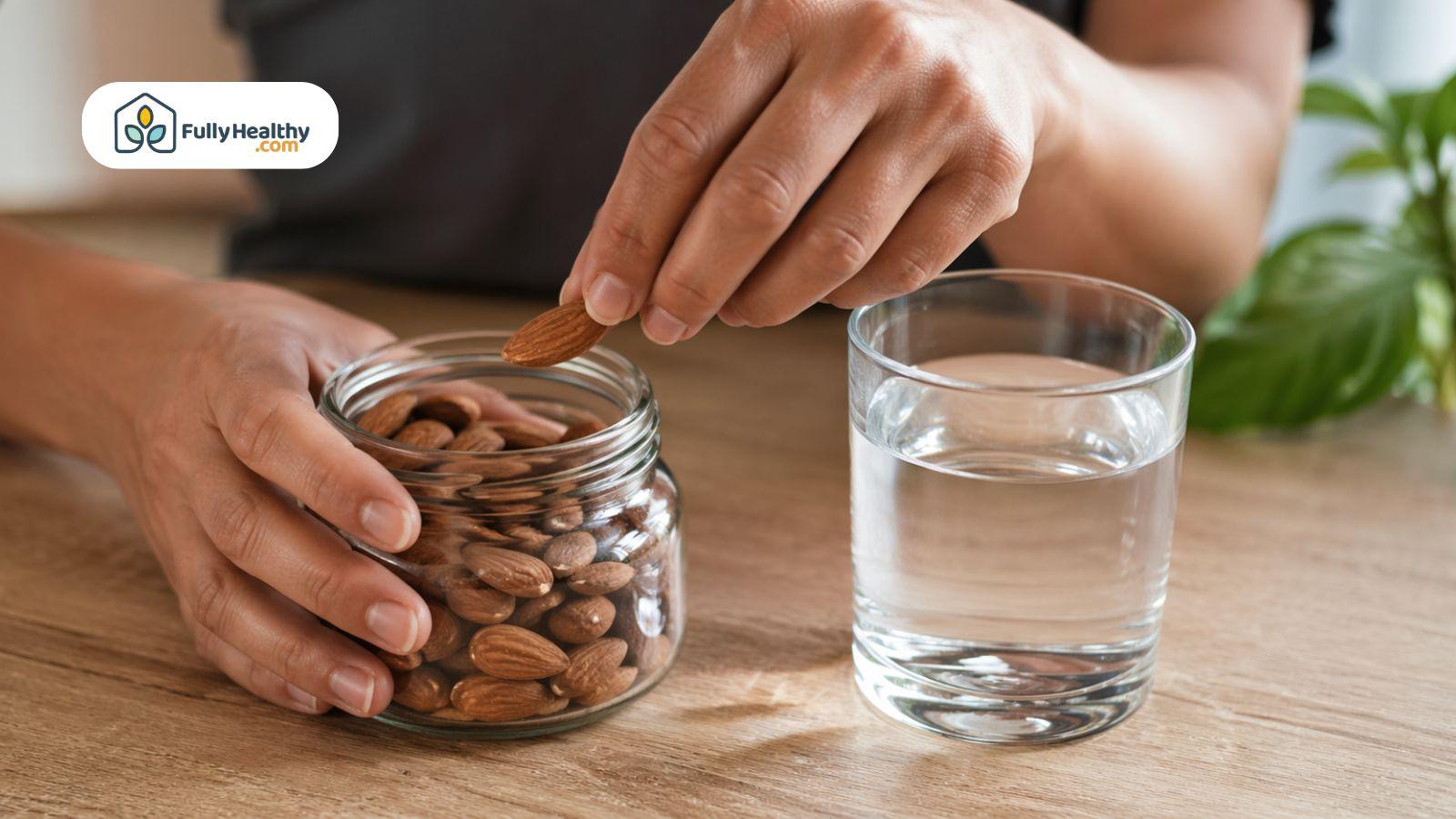
How much you eat is very important for digestive health because too much can mess up the digestion process and cause constipation. Eating the right amount of food helps keep your bowel movements regular and your health in general.
Recommended Daily Intake For Nuts
A small handful, around 30 grams or about one ounce, supports digestive health without overwhelming the digestive system. This amount provides enough fiber without risking too much fiber or excess fat intake.
-
Standard Portion: About 20 to 30 almonds or 10 walnuts provide enough fiber and nutrients.
-
Balanced Fiber Intake: This level supports dietary fiber needs without causing gastrointestinal symptoms.
-
Digestive Support: Moderate intake helps fiber supports healthy bowel movements.
-
Nutrient Density: Nuts provide all the nutrients needed for gut health and a healthy gut microbiome.
-
Healthy Balance: This portion helps prevent constipation and supports overall health.
Risks Of Eating Too Many Nuts
Eating too many nuts increases fat and fiber intake beyond what the digestive system can handle, which may cause constipation and stomach discomfort. Overconsumption can also affect long-term digestive health.
-
Too Much Fiber: Excess fiber intake can lead to abdominal pain and slow stool movement.
-
High Fat Load: Large amounts of saturated fat slow muscle contractions in the digestive tract.
-
Digestive Overload: Excess intake can disrupt gut motility and cause infrequent bowel movements.
-
Brazil Nuts Limit: Consuming more than 1 to 2 daily may lead to toxicity due to selenium.
-
Weight Impact: High calorie intake can affect overall health and digestive balance.
What Are The Worst Foods For Constipation?
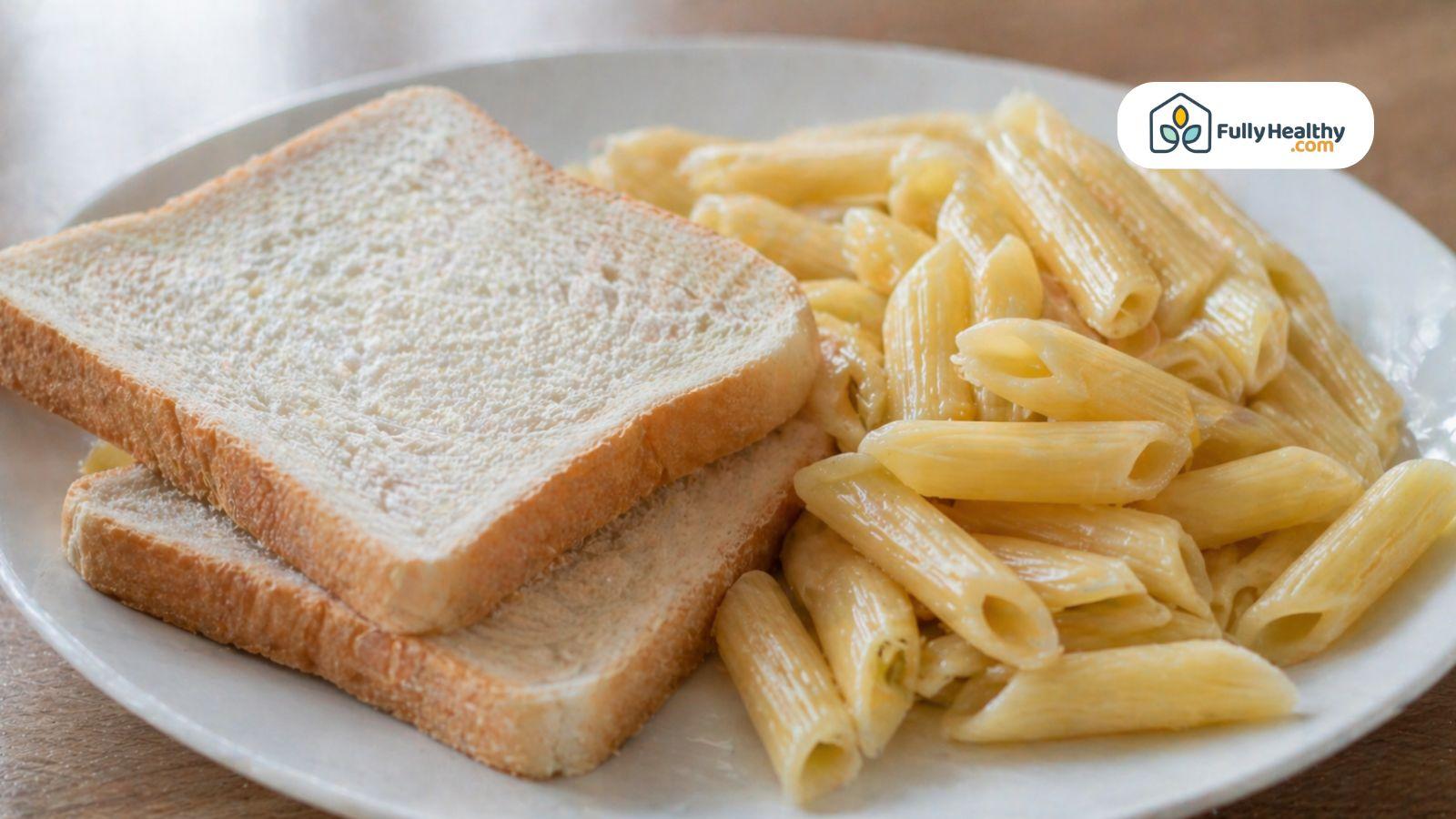
Certain foods slow digestion and worsen constipation symptoms by reducing fiber intake and affecting the digestive tract. These foods disrupt the digestive process and lead to poor digestive health.
Low-Fiber And Processed Foods That Slow Digestion
Low fiber foods reduce stool bulk and make bowel movements harder, which increases the risk of chronic constipation and untreated constipation. A low fiber diet limits nutrients needed to support a healthy digestive system.
-
Refined Grains: White bread, white pasta, and white rice lack dietary fiber and slow the digestive process.
-
Low Fiber Diet: Diets centered on low-fiber foods like processed cereals and baked goods reduce stool bulk.
-
Processed Foods: Hot dogs, frozen meals, and snack foods are often low in fiber, which can worsen constipation.
-
Sugary Foods: Desserts like cookies, cakes, and pastries replace naturally sweetened fruit and reduce fiber intake.
-
Fast Food Intake: Meals such as burgers, fries, and fried chicken contribute to gastrointestinal symptoms and poor digestion.
High-Fat And Dairy Foods That Can Worsen Symptoms
High fat foods delay digestion and reduce bowel movement frequency, making it harder to pass stool and maintain regular bowel movements. These foods can increase stomach discomfort and worsen constipation symptoms.
-
Fried Foods: Deep-fried items like fried chicken and French fries slow gut motility and digestion.
-
Dairy Products: Cheese and some dairy foods may worsen constipation in some people because they contain little fiber and can be filling.
-
Red Meat: Beef and pork lack dietary fiber and take longer to move through the digestive tract.
-
Saturated Fat: Foods high in saturated fat like butter and fatty cuts of meat slow the digestive process.
-
Certain Foods: Diets high in rich, fatty meals and low in fiber disrupt digestive health and bowel movements.
What Foods Help With Constipation Immediately?
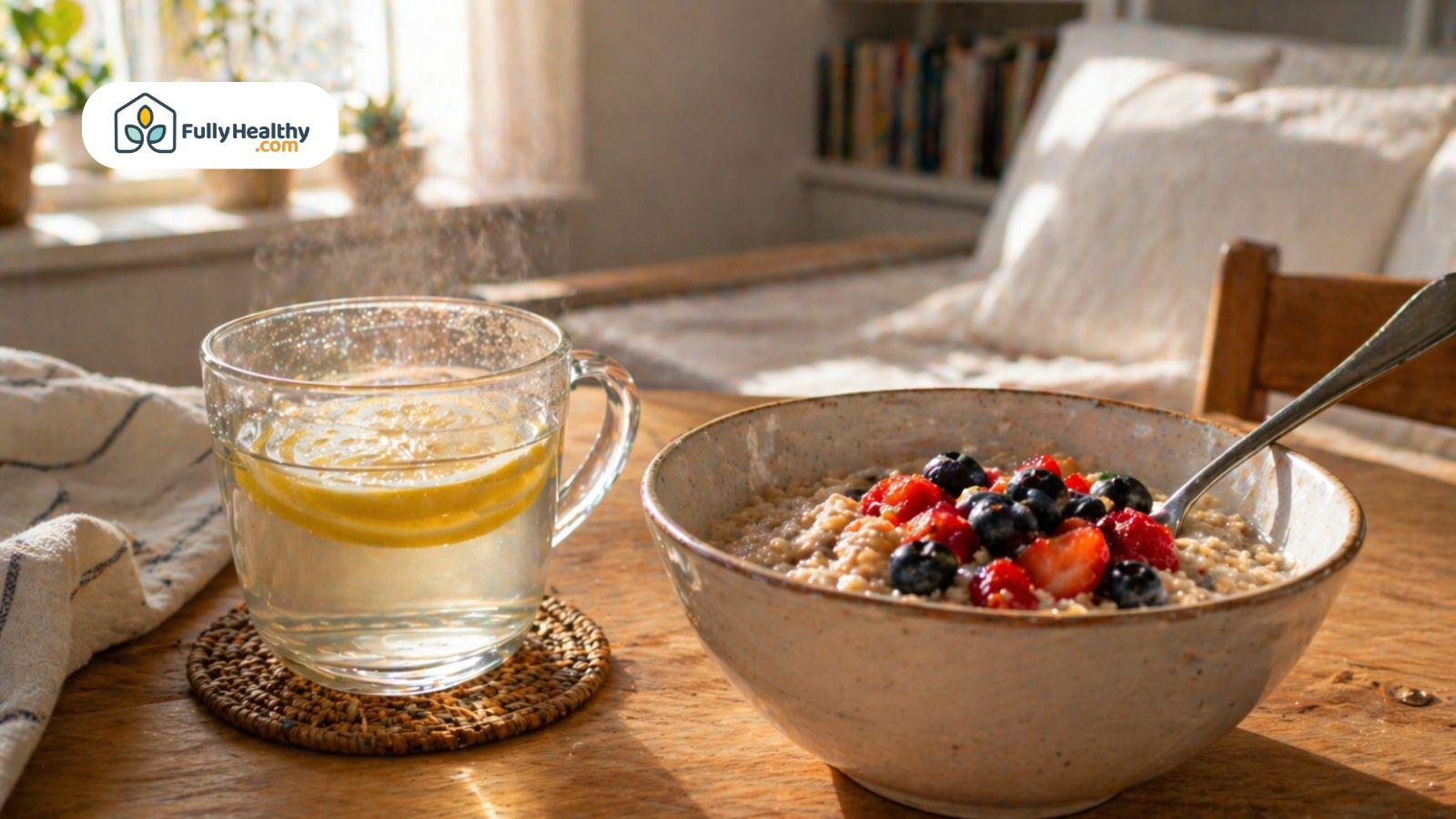
Certain foods support fast constipation relief by improving stool movement and supporting the digestive system. These foods help restore balance and improve gut motility.
High-Fiber Foods That Work Quickly
High fiber foods add bulk to stool and help support regular bowel movements in the digestive tract. Including more high fiber foods improves digestive health and supports a healthy gut microbiome.
-
Fiber Rich Fruits: Apples, pears, and berries improve bowel movements and provide dietary fiber.
-
Whole Grains: Brown rice and whole wheat bread increase grams of fiber and support digestion.
-
Legumes: Kidney beans provide more fiber and improve stool consistency.
-
Leafy Greens: These support gut motility and improve digestive health.
-
Bran Flake Cereals: These increase fiber intake and support regular bowel movements.
Natural Laxatives And Hydration Support
Natural laxatives and fluids help soften stool and stimulate bowel movements, which provides fast constipation relief and improves digestive process. Hydration plays a key role in helping fiber work effectively.
-
Prune Juice: Acts as a natural stool softener and helps relieve constipation.
-
Hot Beverages: Warm drinks stimulate muscle contractions and improve bowel movements.
-
Vegetable Juices: Support hydration and improve digestive tract function.
-
Enough Fluids: Water helps dietary fiber move smoothly through the digestive system.
What FullyHealthy Offers
Food choices play a major role in digestive health, especially when focusing on high fiber foods and clean ingredients. A trusted source can help support better dietary changes and gut health.
About FullyHealthy
FullyHealthy focuses on clean, simple ingredients that support digestive health and a healthy gut microbiome. Their products are designed to align with dietary fiber needs and support better digestion.
-
Clean Ingredients: Products avoid unnecessary additives that disrupt the digestive system.
-
Dietary Support: Options include foods rich in fiber and nutrients for gut health.
-
Digestive Focus: Helps maintain regular bowel movements and improve digestive tract function.
-
Balanced Nutrition: Supports overall health with carefully selected ingredients.
-
Gut Health Support: Encourages healthy bacteria and improved digestion.
Featured Products For Digestive-Friendly Choices
FullyHealthy products support digestive health by offering balanced options that fit high fiber foods and clean eating habits.
-
Mauna Loa Hawaiian Sea Salt Macadamia Nuts: Provide healthy fats that support the digestive system when eaten in moderation.
-
Base Culture Seven Nut And Seed Bread: Combines nuts and seeds to increase dietary fiber and support regular bowel movements.
-
Wild Zora Instant Grain Free Hot Cereal: Offers a simple option for those avoiding refined grains while supporting gut health.
-
Convenient Options: Easy to include in daily meals to improve digestive health and maintain a healthy balance.
-
Digestive Support: Helps prevent constipation and supports consistent bowel movements.
Final Thoughts
Depending on how much soluble fiber you eat and how balanced your digestive system is overall, nuts can affect how well you digest food. They help you go to the bathroom, but too much fiber or fat without enough water can slow down your digestion and make you constipated sometimes.
If symptoms continue, a health care professional may suggest stool softeners or stimulant laxatives, especially for digestive and kidney diseases. Keep your routine simple, stay hydrated, and adjust your diet as needed.
FAQs
What Drink Helps Soften Poop?
Prune juice and hot beverages help soften stool, support soluble fiber action, and improve bowel movements for occasional constipation.
Is Toast Better Than Bread For Constipation?
Whole wheat bread is better than refined grains like toast from white bread because it contains dietary fiber that supports bowel movements.
How Much Water Should I Drink If Constipated?
Enough fluids daily help dietary fiber work properly in the digestive system and support gut health and constipation relief.
What Is A Homemade Laxative That Works Right Away?
Natural laxatives like prune juice and vegetable juices support the digestive process and can help with constipation quickly.
What Fruit Is Good For Constipation?
Fiber rich fruits like apples, pears, and naturally sweetened fruit support digestive health and help relieve constipation.
Leave a comment