

Can Puppies Eat Lamb Bones? New Safety Warnings for Puppy Owners
Can puppies eat lamb bones? Usually, no. When lamb bones are cooked, they can break up and hurt your puppy's mouth, throat, or stomach. Even though raw lamb bones may be less likely to splinter than cooked bones, they can still cause choking, tooth fractures, gastrointestinal injury, and exposure to pathogens such as Salmonella, Campylobacter, or E. coli.
Puppy care needs extra attention because they are small, curious, and still growing. If your puppy eats a lamb bone, this guide will tell you what to do and what other chew toys are safer.
Featured Snack Pick
Wild Zora // Meat & Veggie Bar Mediterranean Lamb - 1 oz
Loading...
Can Puppies Eat Lamb Bones?
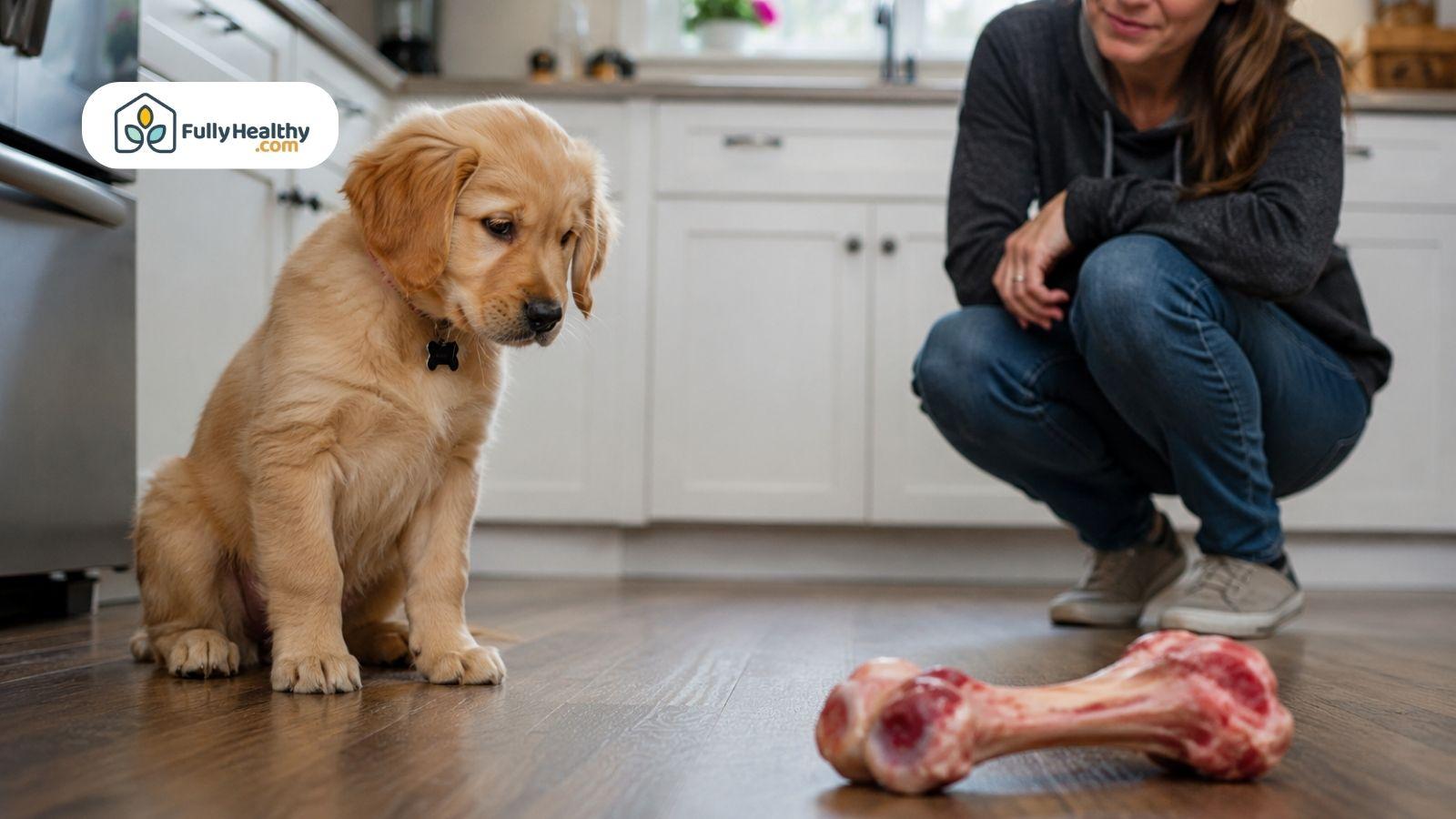
For the most part, the simple answer is "no." Is it safe for puppies to eat lamb bones? Not often. Puppies have small mouths, developing adult teeth, immature chewing habits, and smaller digestive tracts, which can increase choking, tooth-injury, and obstruction risks.
Lamb bones might look like a healthy treat, but they can choke your pet, break their teeth, or hurt their insides. Lamb bones that have been cooked are especially dangerous because they splinter easily.
Why Raw Lamb Bones Are Still Risky For Puppies?
It's not as likely for raw lamb bones to break as cooked bones, but they still can. When puppies chew too hard, they might swallow small bones or get pieces stuck in the dog's throat. Raw meat and raw bones can carry bacteria that may make puppies sick and can also expose people in the household through handling, saliva, or contaminated surfaces.
-
Choking Hazard: Bone pieces can block the throat or become stuck.
-
Bacteria Risk: Raw bones may carry germs from raw meat.
-
Digestive Trouble: Bone pieces can irritate the digestive tract.
-
Size Concern: Lamb bones may be too hard, too small, irregular, sharp, or splinter-prone for puppies, depending on the cut.
Why Cooked Lamb Bones Are Never Safe?
Puppies should never be given cooked lamb bones. Heat makes bones weak and dry. As a result, cooked bones easily splinter and may create sharp edges. These fragments can damage the mouth, throat, digestive tract, and digestive system.
-
Splinter Risk: Cooked lamb bones can break into sharp pieces.
-
Injury Risk: Sharp fragments may cause internal damage.
-
Emergency Risk: Serious injuries may need surgery.
-
Safer Choice: Use vet-approved dog chews instead of dog-cooked bones.
Can My Dog Eat Uncooked Lamb Bones?
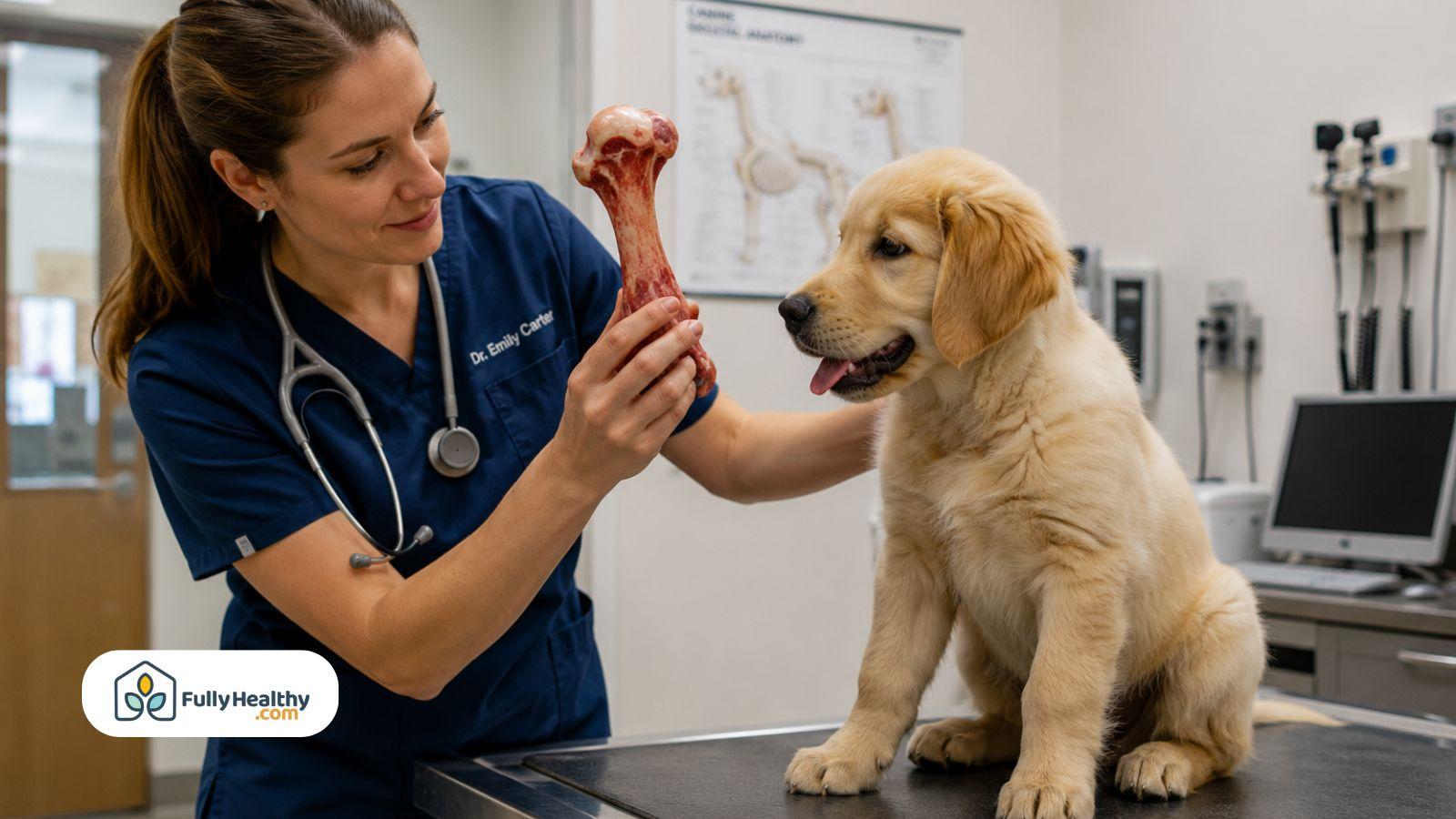
Some adult dogs may be offered raw bones by owners, but this does not make them safe; puppies are at higher risk and should only be given chews recommended by a veterinarian.
Raw bones may contain minerals and connective tissue, but they are not necessary for dogs eating a complete and balanced diet, and the risks can outweigh potential benefits.
When Raw Lamb Bones May Be Safer Than Cooked Bones?
Uncooked bones are usually safer than cooked bones because they don't break up as easily. As a result, dog raw bones must be big enough, not have any sharp edges, and be used very carefully.
-
Proper Size: A chew should be too large to swallow whole, appropriate for the puppy’s age and chewing strength, and should not be hard enough to fracture teeth.
-
Chewing Use: Bones should be for chewing, not eating.
-
Possible Benefit: Chewing can help satisfy chewing behavior, but hard bones can fracture teeth; use puppy-safe dental chews or toys instead.
-
Supervision: Never leave dogs alone with dog bones.
Why Puppies Need Stricter Rules With Raw Bones?
Because puppies are still growing, they have developing teeth, smaller airways and digestive tracts, and less reliable chewing habits. Consuming raw bones can lead to choking, constipation, diarrhea, or gastrointestinal obstruction.
-
Weak Teeth: Hard bones can lead to broken teeth.
-
Stomach Risk: Bone pieces may upset the digestive system.
-
Health Issues: Puppies with health issues should avoid raw diet items.
-
Vet Advice: A vet can help prevent problems before they happen.
What Kind Of Bones Are Safe For Puppies?
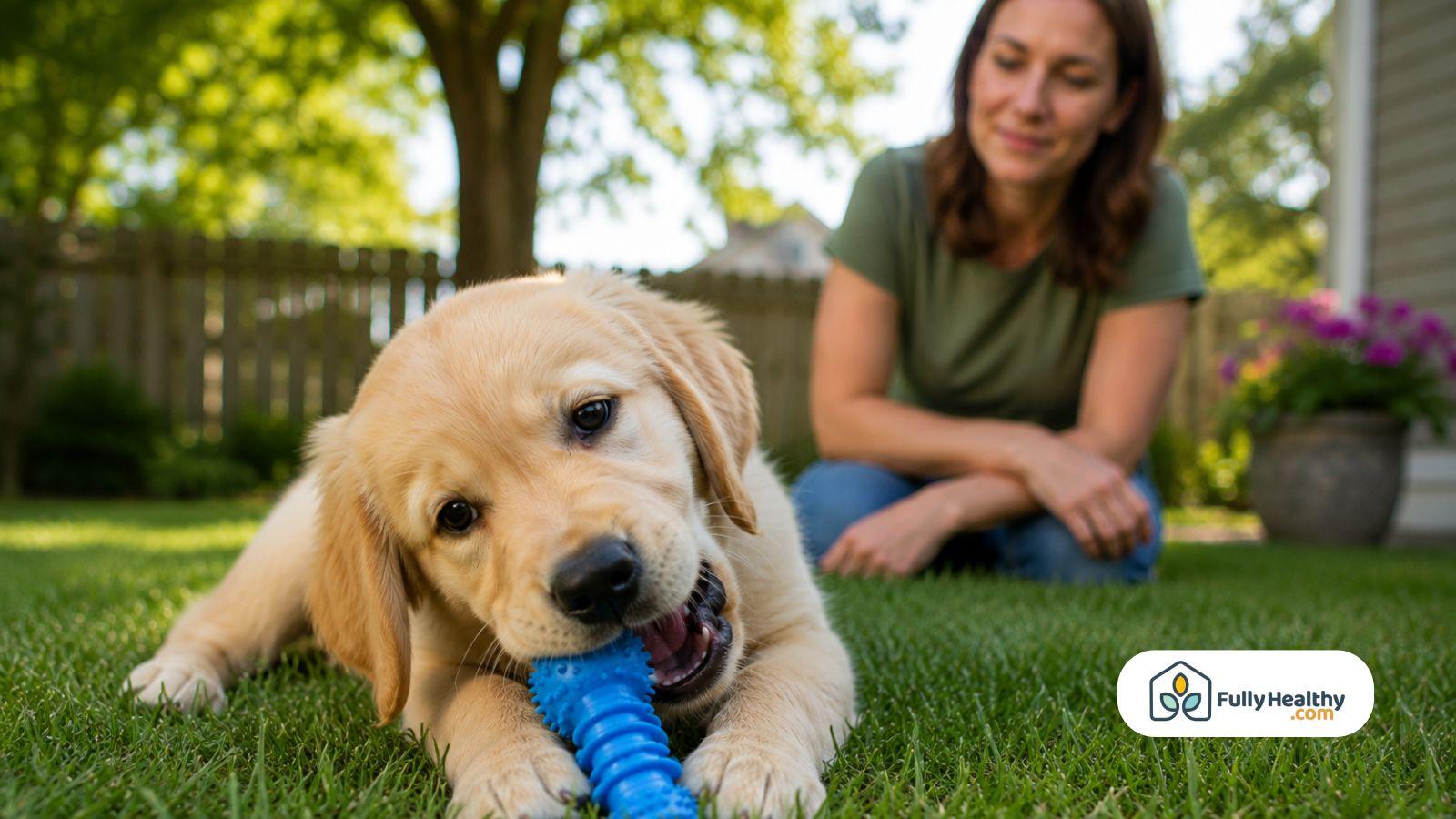
There is no real bone that is 100% safe for puppies. Even though dogs love bones, that doesn't mean bones dogs are safe. Puppy-friendly dog chews that are made for teething and gentle chewing are usually safer.
Puppy-Safe Chews Are Usually Better Than Real Bones
Puppy chews are generally designed for chewing, but they still must be correctly sized, durable, digestible when edible, and monitored for wear or breakage. Most of the time, they are safer than leg bones, marrow bones, lamb bones, chicken bones, or beef bones.
-
Better Options: Choose age-appropriate teething toys, veterinarian-recommended dental chews, or VOHC-accepted products when suitable; use rawhide only with veterinary guidance.
-
Lower Risk: These are less likely to splinter than cooked or raw bones.
-
Teething Help: Softer chews can soothe sore teeth.
-
Food Safety: Avoid giving human food or meat bones without vet guidance.
What Makes Any Chew Safer For A Puppy
A safer chew should be the right size, age, and strength for your puppy. Often check it and throw it away if it gets too small, broken, or sharp.
-
Right Size: A chew should not fit fully inside the puppy’s mouth.
-
No Sharp Edges: Remove chews that crack, grind down, or splinter.
-
Close Eye: Watch for choking, blood, vomiting, constipation, or diarrhea.
-
Vet Check: Ask your vet before giving new bones, rawhide bones, or treats.
What To Do If A Dog Eats Lamb Bones?
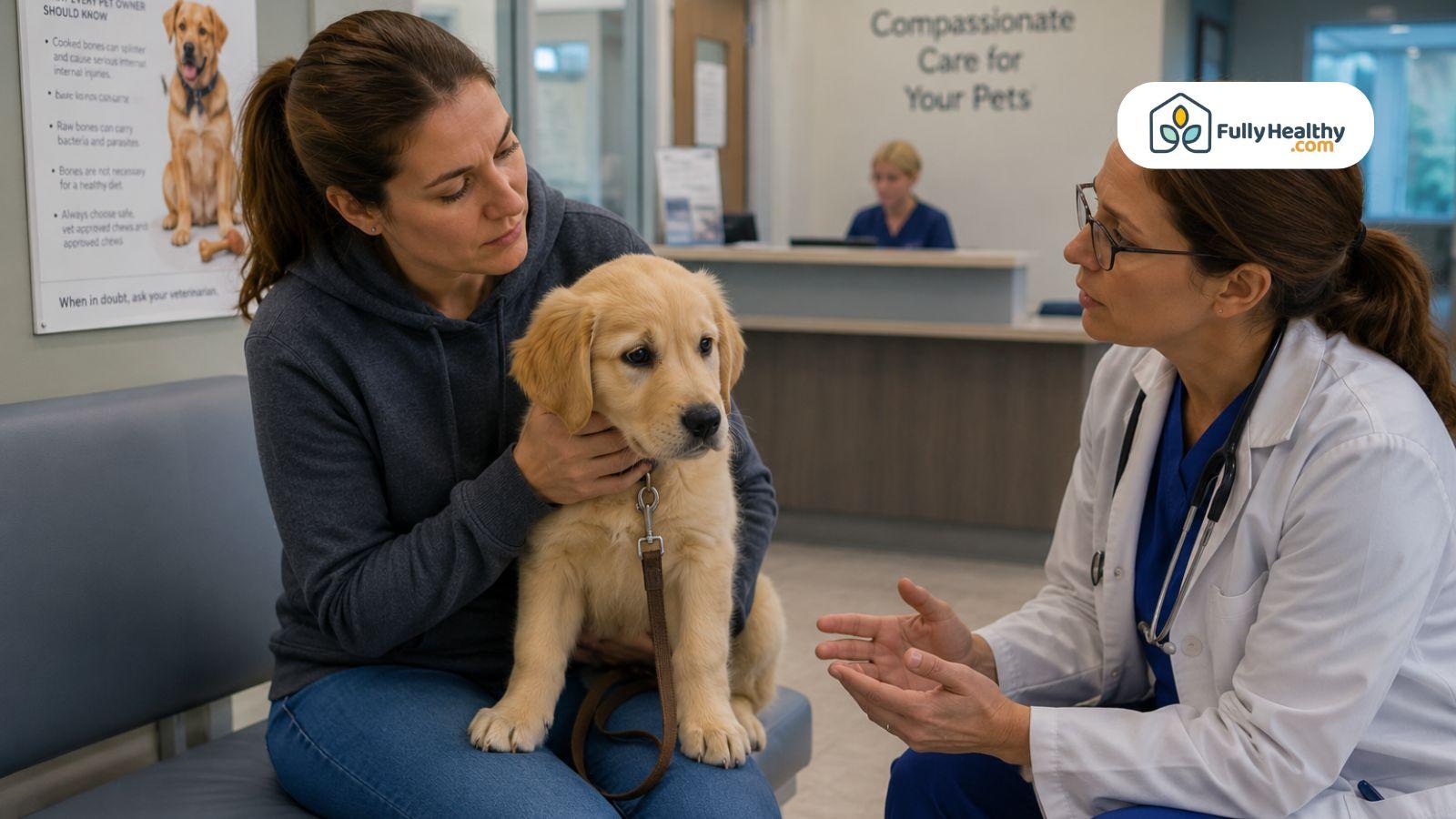
Although raw lamb bones may splinter less readily than cooked bones, they can still cause choking, tooth fractures, gastrointestinal upset, obstruction, perforation, or bacterial exposure.
How dangerous it is depends on whether the bone was raw or cooked, how much your dog ate, and if your pet is acting in any abnormal ways.
Check The Bone Type And Watch For Red Flags
Firstly, check to see if the bone was still raw or cooked. Bodies that have been cooked are more dangerous because they can break into sharp pieces. Although raw dog lamb bones may be better for you, they can still choke you or make your stomach hurt.
-
Bone Type: Check if the bone was raw, cooked, small, or sharp.
-
Warning Signs: Watch for choking, vomiting, diarrhea, constipation, blood in stool, or stomach pain.
-
Behavior Changes: Refusing food, acting weak, or hiding may mean your dog is in pain.
-
Ongoing Monitoring: Keep a close eye on your dog for the next few days.
When To Call A Vet Immediately?
Notify the vet right away if your dog is choking, throwing up a lot, having trouble breathing, or showing a lot of pain. It's not worth waiting for symptoms to get worse. Bone fragments may get stuck or hurt the digestive system.
-
Emergency Signs: Trouble breathing, repeated vomiting, severe pain, or blood in stool need urgent care.
-
Possible Blockage: Bone pieces can cause a blockage or internal injury.
-
Vet Help: A vet may suggest an exam, X-rays, or treatment.
-
Fast Action: Early care can lower the risk of surgery and serious health issues.
What Does Fully Healthy Offer For Readers Researching Puppy Bone Safety?
Fully Healthy is a market for health and specialty foods. The home page scan doesn't show that it sells dog treats, puppy lamb bones, or pet safety items. For this subject, it shouldn't be used to get advice on how to feed your pet or keep their bones safe.
Does Fully Healthy Offer Puppy Lamb Bones Or Dog Chews?
From what I saw on the homepage, Fully Healthy does not sell dog chews, puppy lamb bones, or dog lamb bones. Food for people with special dietary needs, like AIP, gluten-free, and allergen-free diets, is what it does best.
-
Main Focus: Fully Healthy sells specialty foods for people, not animals.
-
Pet Products: No dog bones, puppy chews, or lamb bone products were found on the homepage.
-
Reader Value: Use this site for human specialty diet shopping, not puppy feeding advice.
-
Best Step: Ask a vet before you give your dog any bone or chew.
Products On FullyHealthy And Why They Should Not Be Used As Puppy Bone Advice
Fully Healthy has a list of grocery items for people, like maple syrup, coconut sugar, baking mixes, snacks, seasonings, and personal care items. These may support human nutrition, but they are not a good source for puppy bone safety.
-
Human Products: These products are made for people, not pets.
-
Healthy Label: A healthy human food is not always safe for a puppy.
-
Not A Great Idea: Do not use human food products as replacements for vet-approved puppy chews.
-
Clear Limit: Cartilage, bones, and pet treats need separate safety guidance from a vet.z
Final Thoughts
Can puppies eat lamb bones? In most cases, it is safer to avoid them, especially cooked lamb bones. Some dogs may be given raw lamb bones while being closely watched, but puppies are more likely to choke, break teeth, get bacteria on their teeth, or have digestive problems.
Most of the time, chew toys that are safe for puppies are better. Should you be unsure about whether a bone, meat, or treat is safe for your puppy, you should ask your vet.
FAQs
Can puppies eat lamb bones if they are raw?
Raw lamb bones may be less likely to splinter than cooked bones, but they can still cause choking, tooth damage, and digestive issues in puppies.
At what age can a puppy eat bones?
Some sources suggest puppies can start chewing certain puppy-safe bones after their adult teeth begin developing, but a vet should help determine the right timing.
Can puppies eat raw meat safely?
Raw meat can contain harmful pathogens, and many veterinary and public-health organizations advise caution or avoidance, especially for puppies, immunocompromised dogs, and households with children, older adults, pregnant people, or immunocompromised individuals.
What is the best meat for dogs?
Appropriate meats for dogs can include properly cooked, unseasoned lean chicken, turkey, beef, or lamb when used as part of a complete and balanced diet.
What meats should dogs avoid?
Dogs should avoid processed meats, heavily seasoned meats, and any meat containing toxic ingredients such as garlic, onions, or excessive fat that may cause health problems.
Leave a comment