

Can Vinegar Go Bad? The Truth About Expiration and Safety

Can vinegar go bad? The quick answer is no, not really. Because it is high in acidity, vinegar can be stored for a very long time and rarely becomes unsafe. But over time, it may lose its taste, smell, and strength.
The water may appear cloudy or have sediment in it, but these are usually not harmful. To keep vinegar safe, read this guide. It will teach you how to tell when it's really going bad and how to store it correctly.
Featured Pantry Pick
Bragg // Organic Apple Cider Vinegar with The Mother - 16 oz
Loading...
Can Vinegar Go Bad?
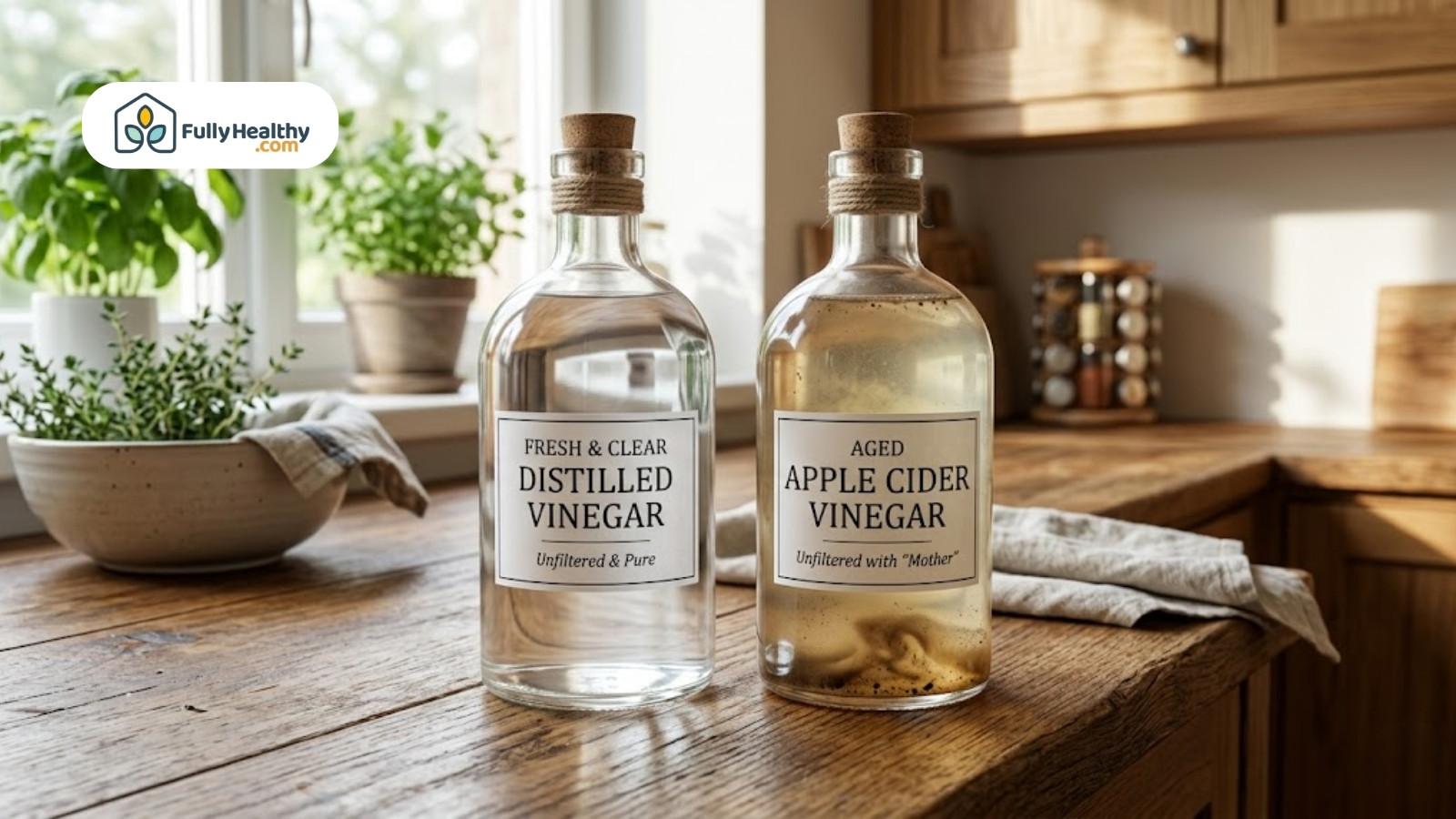
When does vinegar go bad? Not in the same way that most foods do. Because it is acidic and has natural antimicrobial properties, vinegar can be kept for a very long time. Long-lasting safety. It may lose some of its quality over time, though. Some of the taste, smell, and strength may go away, especially after the bottle has been opened.
Why Vinegar Rarely Spoils But Can Change Over Time
Vinegar is made through fermentation, where alcohol turns into acetic acid. This strong acid stops harmful bacteria from growing. That is why white distilled vinegar can remain virtually unchanged for years when stored in a dark place.
-
Acetic acid levels: Usually 4–8%, which makes vinegar very stable and safe.
-
Natural preservation: The acidic environment blocks harmful bacteria from growing.
-
Vinegar institute insight: Confirms vinegar has a nearly indefinite shelf life.
-
Stable types: Distilled vinegar and white distilled vinegar last the longest.
What “Going Bad” Really Means For Vinegar
Vinegar does not technically expire, but it can lose quality. Over time, volatile compounds break down, which affects the taste and smell. This is more noticeable in delicate types like balsamic vinegar, wine vinegar, and rice vinegar.
-
Flavor loss: The vinegar may taste dull or less sharp than before.
-
Aroma changes: The strong sour wine smell becomes weaker over time.
-
Oxygen exposure: Opening the bottle lets air in, which speeds up changes.
-
Type matters: Balsamic, red wine vinegar, and rice vinegar lose quality faster.
How Can You Tell If Vinegar Has Gone Bad?

Most vinegar bottles do not spoil easily, but it is still smart to check them. Some changes are normal and harmless, while others may mean the vinegar is no longer good to use. Always trust your smell, taste, and sight.
Clear Signs Your Vinegar Is No Longer Good To Use
Real spoilage is rare, but it can happen. If something feels off, it is better to avoid using it in foods. Mold is the biggest warning sign.
-
Off smell: A strange odor instead of the usual sharp acidic scent.
-
Bad taste: Flat, bitter, or lacking the normal tangy flavor.
-
Visible mold: Discard vinegar if you see fuzzy mold growth or obvious contamination; a smooth jelly-like ‘mother’ is different and is usually harmless.
-
Major changes: Unusual look that goes beyond normal sediment or color shifts.
Harmless Changes That Do NOT Mean Vinegar Is Bad
Some changes may look strange but are completely safe. These happen due to harmless vinegar bacteria forming during storage, especially in natural or unfiltered types like apple cider vinegar.
-
Cloudiness: Caused by harmless vinegar bacteria and safe to consume.
-
Sediment: Natural particles that settle at the bottom, simply strain before use.
-
Mother formation: A jelly-like substance from fermentation, not harmful.
-
Color changes: Common in balsamic vinegar or red wine vinegar over time.
Can Apple Cider Vinegar Affect Metformin?
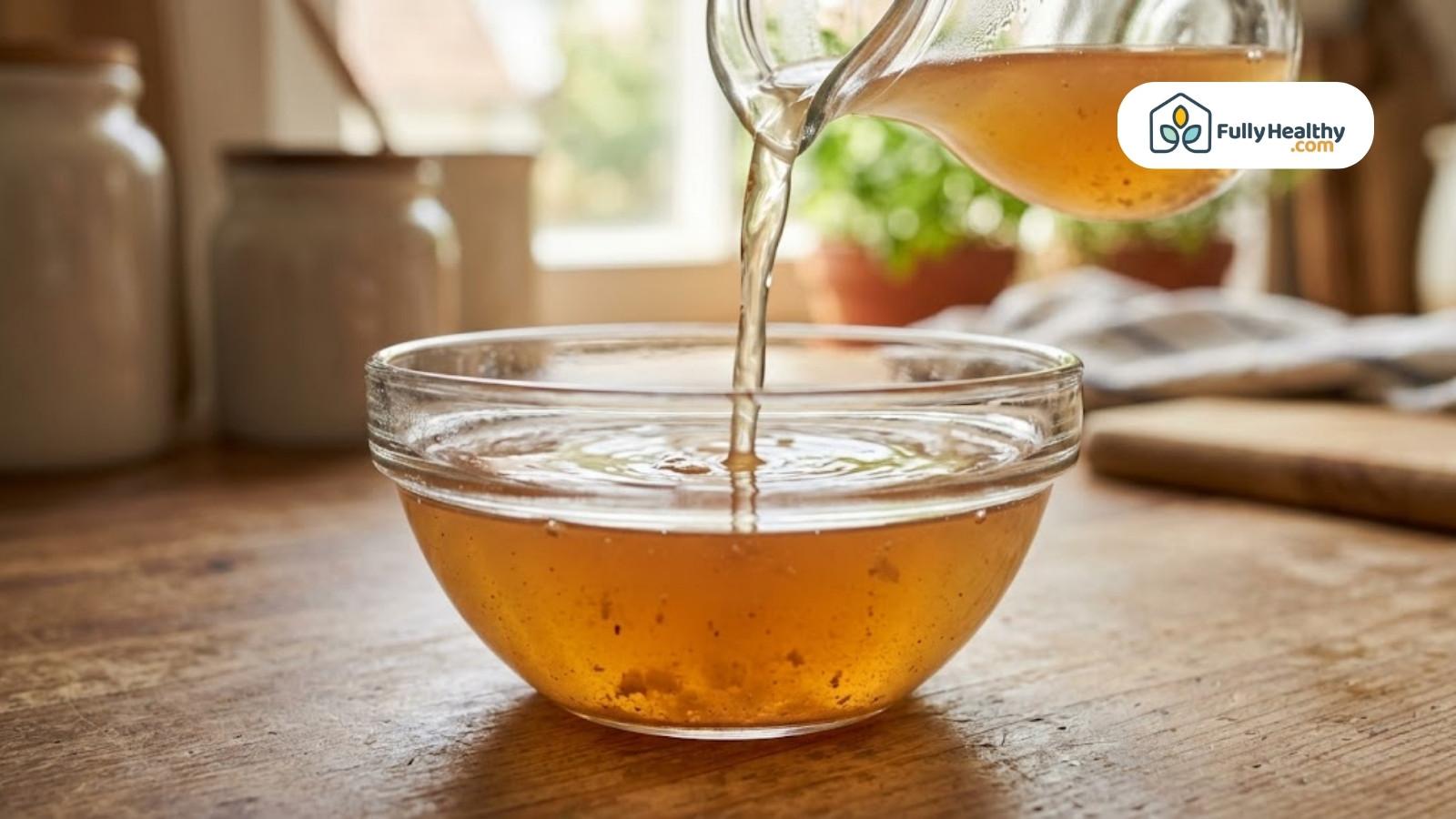
Apple cider vinegar is widely used, but it can interact with some medications. If you take metformin, you should be careful. The issue is not about spoilage, but how vinegar affects blood sugar and the body.
How Apple Cider Vinegar Interacts With Blood Sugar
Apple cider vinegar can lower blood sugar levels. It works by slowing digestion and changing how the body handles sugar from foods like rice or other carbs.
-
Slower digestion: Food leaves the stomach more slowly.
-
Sugar control: Helps reduce sudden spikes in blood sugar.
-
Fermentation compounds: These may affect how the body processes sugar.
-
Acid effect: The acidic nature plays a key role in blood sugar control.
Risks Of Combining ACV With Metformin
Using apple cider vinegar with metformin can lower blood sugar too much. This can lead to hypoglycemia, which needs attention.
-
Low blood sugar risk: Low blood sugar is not a typical effect of metformin alone.
-
Common symptoms: Weakness, sweating, confusion, and fast heartbeat.
-
Potassium impact: Very large, chronic vinegar intake has been linked to low potassium in rare case reports; this is not typical of normal food use.
-
Medical advice: Always talk to a doctor before combining vinegar with medication.
Can I Use Expired Vinegar?
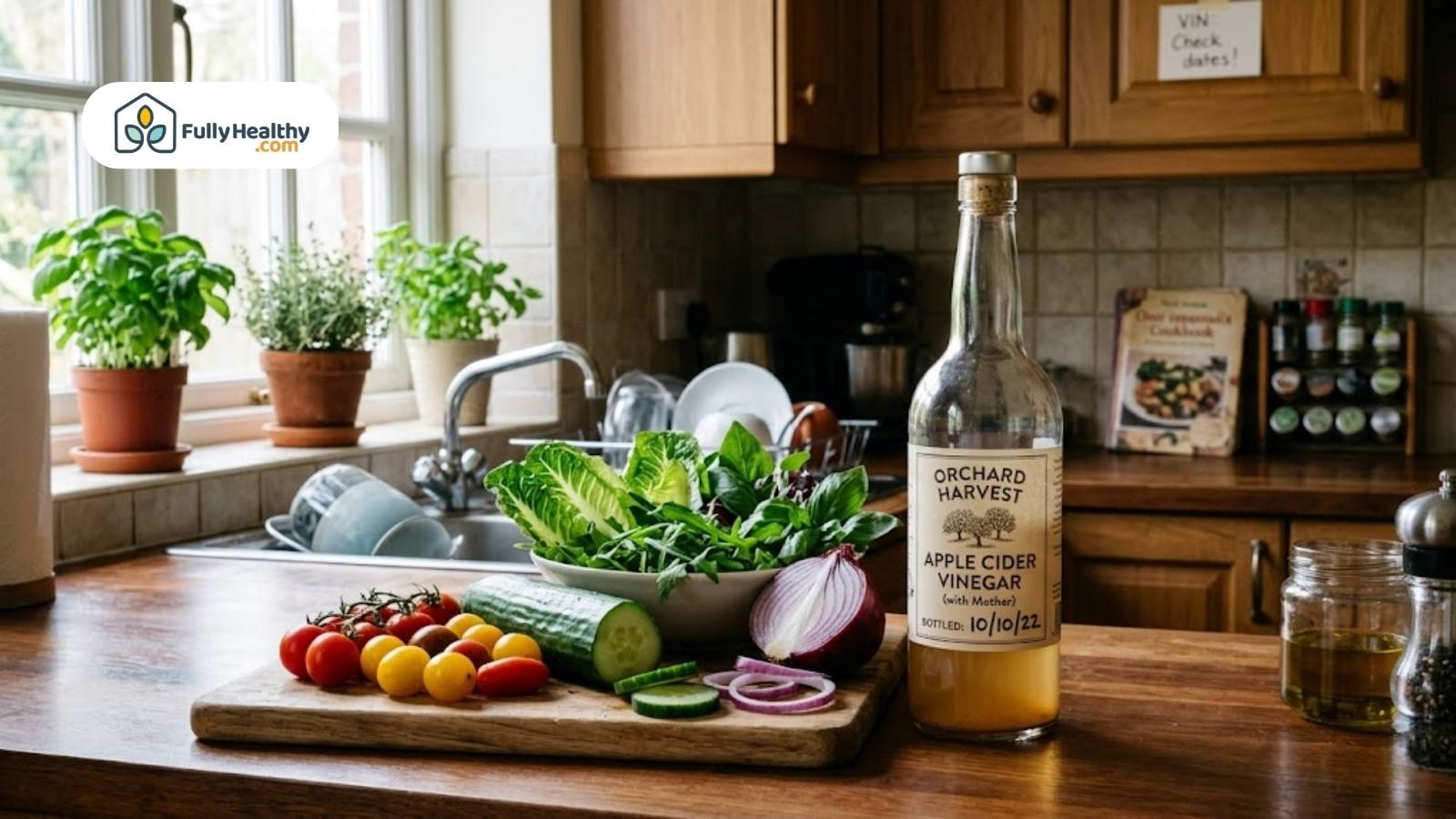
Many people worry when they see an old bottle sitting in the pantry. The truth is, vinegar is a fermented product with strong preservative power. It does not spoil like other foods. Even past the expiration date, it is usually safe to use for cooking, pickling, or cleaning around the home.
Is Expired Vinegar Still Safe To Consume?
Vinegar is made by fermenting alcohol from sources like grapes, beer, or even vodka. This process creates acid that keeps it stable for a long time. That is why many other varieties stay safe even as they age.
-
Safe after expiration date: Vinegar does not become harmful if stored properly in a cupboard or pantry.
-
Natural preservative: Its acidic nature slows spoilage and keeps it stable over time.
-
Made from many sources: Vinegar can come from fruits, starch, or grains like rice, which all support long shelf life.
-
Low safety risk: Even as it ages, vinegar is still safe for most cooking uses.
When To Use Old Vinegar For Cooking Vs Cleaning
Even though vinegar stays safe, its taste may change over time. Older vinegar can lose its strong flavor, which may affect your recipe. When this happens, you can still use it in other helpful ways.
-
Cooking use: Still works for recipes, marinades, or adding a splash to vegetables.
-
Flavor changes: The taste may become weaker, especially in delicate condiments.
-
Cleaning option: Great for cleaning surfaces, removing stains, or freshening spaces.
-
Pickling tip: Use fresh vinegar for pickling to keep the right acid level and best results.
FullyHealthy: A Trusted Source For High-Quality Vinegar Products
Choosing the right vinegar can feel confusing with so many other types available. FullyHealthy makes it easier by offering clean and trusted options in one place. Whether you need vinegar for cooking, condiments, or special diets, this platform helps you shop with confidence.
Why FullyHealthy Makes Finding The Right Vinegar Easier
FullyHealthy focuses on simple, high-quality foods. It supports people with strict diets by removing the guesswork. You can shop knowing the products meet clear and clean standards.
-
Curated products: Carefully selected items with no hidden ingredients.
-
Diet-friendly options: Suitable for AIP and other restricted eating plans.
-
Time-saving: Helps you avoid searching through many other varieties.
-
Trusted brands: Works with companies that focus on clean, fermented foods.
Popular Vinegar Products Available On FullyHealthy
FullyHealthy offers unique vinegar options for different needs and tastes. These products are made from natural ingredients and work well in many dishes, from simple meals to full recipes.
-
Bragg apple cider vinegar: A fermented option with natural yeast, great for dressings and daily use.
-
Napa Valley champagne vinegar: Made from grapes and aged for a light, smooth flavor.
-
Eden ume plum vinegar: A salty and tangy choice that pairs well with vegetables, rice, and more.
-
Everyday use: Perfect for cooking, adding a small splash to meals, or improving condiments.
Final Thoughts
Vinegar is one of the most stable kitchen staples you can keep. The word vinegar itself comes from sour wine, which explains its strong tartness and long life. You can store it in a cool cupboard or even the fridge if you prefer, but you don’t always need to refrigerate it.
Just keep it away from heat and light. Over time, the flavor may change a bit, but it is still safe to use for most stuff like cooking or cleaning. Add a splash of salt if needed to balance taste. In simple terms, vinegar stays useful for a very long time.
FAQs
Can vinegar go bad if you keep it in the fridge or not refrigerate it?
No, vinegar stays safe whether you keep it in the fridge or not refrigerate it, as long as it is stored in a cool place away from heat.
Does the word vinegar mean it will lose tartness over time?
Yes, the word vinegar comes from sour wine, and while it keeps its tartness, it may lose a bit of flavor over time.
Should I add salt if vinegar loses a bit of taste?
Yes, you can add a small bit of salt to balance flavor if the vinegar tastes weaker.
Can heat affect vinegar and other stuff in the bottle?
Yes, too much heat can reduce quality and change the taste of vinegar over time.
Is it safe to use vinegar for all stuff even after a long time?
Vinegar is usually safe after long storage if the bottle is intact and there is no mold or contamination, though flavor and aroma may decline over time.
Leave a comment