

Do Pickles Go Bad? What Every Pickle Lover Should Know
Do pickles go bad? Yes, they can. Their shelf life depends on how they were made, stored, and handled after opening. Unopened shelf-stable pickles may last a long time, while refrigerator and homemade pickles spoil sooner.
Watch for mold, bad smells, slimy texture, unusual fizzing, or a bulging lid. Cloudy brine can be normal in fermented pickles, so context matters. This guide explains spoilage signs, storage rules, quick-pickle ratios, and whether very old pickles are safe for you to eat.
Do Pickles Go Bad?
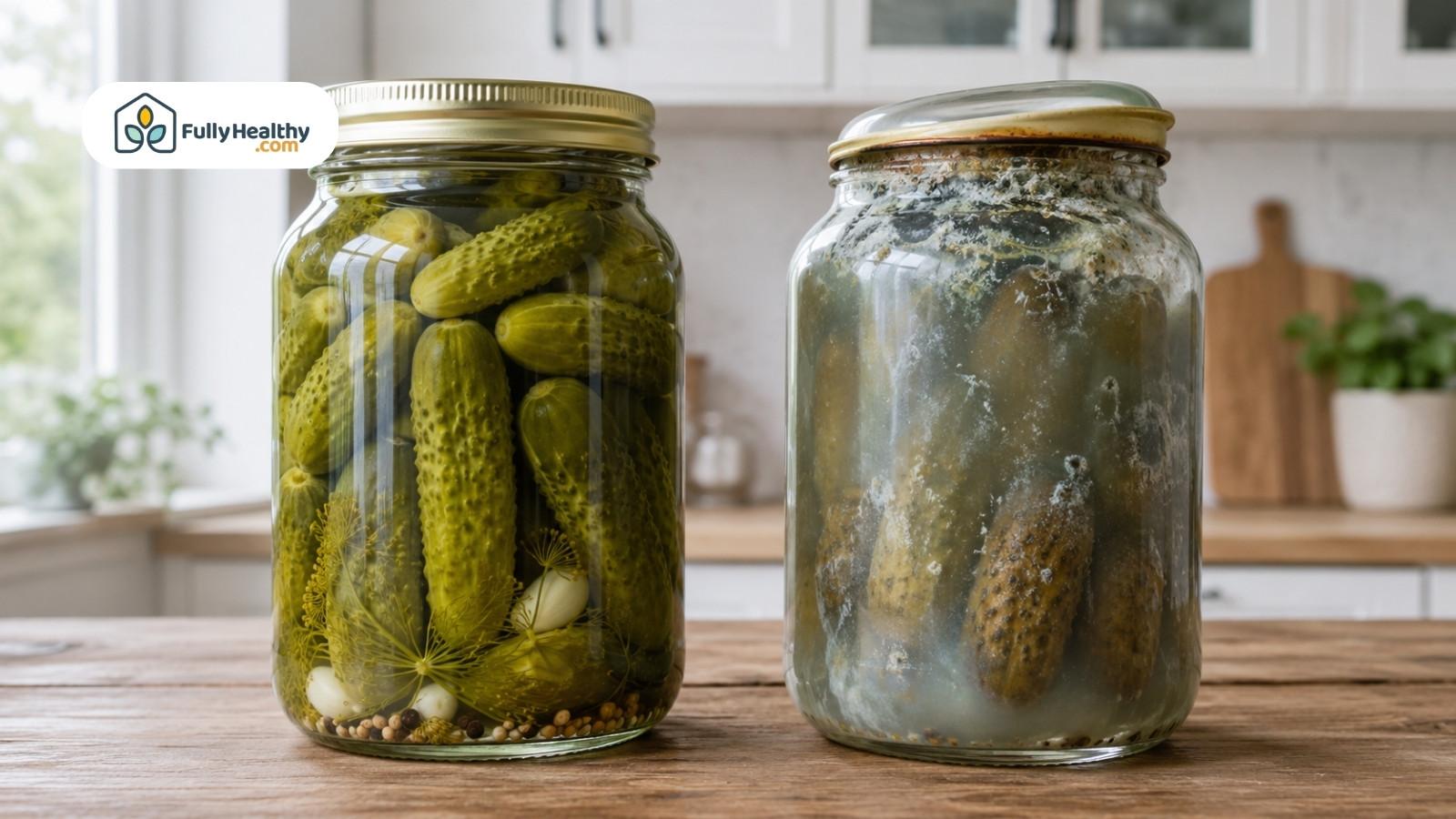
Yes, pickles can go bad. How long pickles last depends on how they were made, stored, and handled. Shelf-stable canned pickles usually outlast fresh pickles, refrigerator pickles, and homemade pickles. Proper storage protects flavor and safety.
When properly stored, shelf stable products offer a long shelf life. Heat processed jars resist spoilage better than quick pickles, but improper storage can still cause damage. Look for obvious signs such as leaks, rust, unusual pressure, or broken seals. These checks help readers avoid waste while making safer choices about jars, especially when the storage history is unknown or uncertain.
Do Pickles Go Bad Even When the Jar Is Unopened?
Unopened jars do not stay perfect forever. Properly sealed, heat-processed canned pickles may remain safe, but quality declines. The expiration date often marks best flavor and maximum freshness, not an exact safety deadline.
-
Shelf-Stable Pickles: Commercial canned pickles may keep good quality for up to two years, depending on storage.
-
Proper Storage: Store pickles in a cool, dark place.
-
Jar Condition: Avoid jars with cracks, leaks, rust, or a bulging lid.
-
Long-Term Storage: Check unopened jars for signs of spoilage.
How Long Do Opened and Refrigerated Pickles Last?
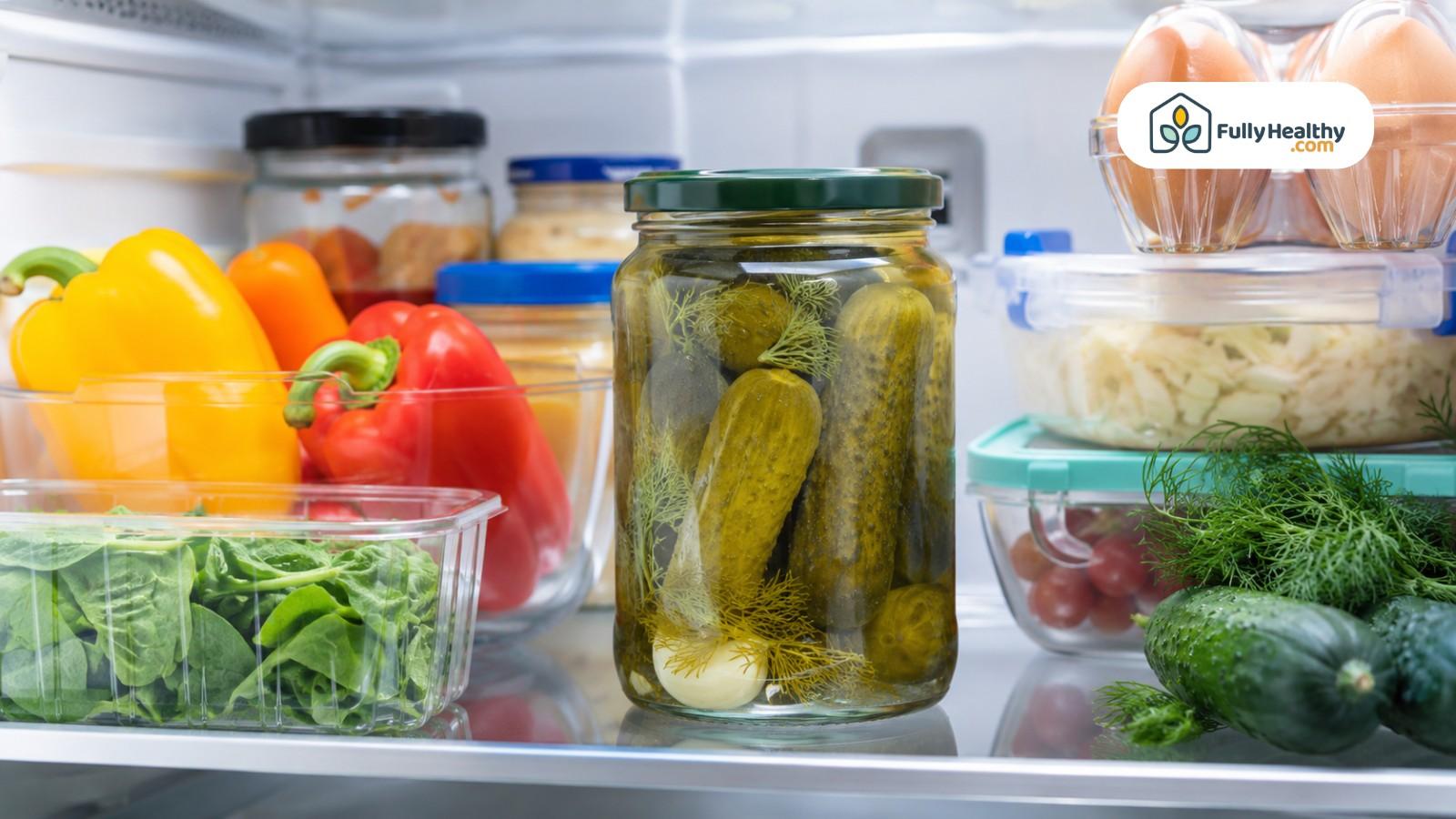
Opened pickles need refrigeration. Air and utensils can introduce microbial growth. Refrigerator pickles and homemade pickles have a shorter shelf life than shelf-stable products.
-
Opened Jars: Use clean utensils to reduce contamination.
-
Pickle Brine: Keep pickles covered with pickle brine or pickle juice.
-
Refrigerated Section: Keep products from the refrigerated section cold.
-
Best Quality: Eat opened pickles while crisp.
How Do You Know if Pickles Are Spoiled?
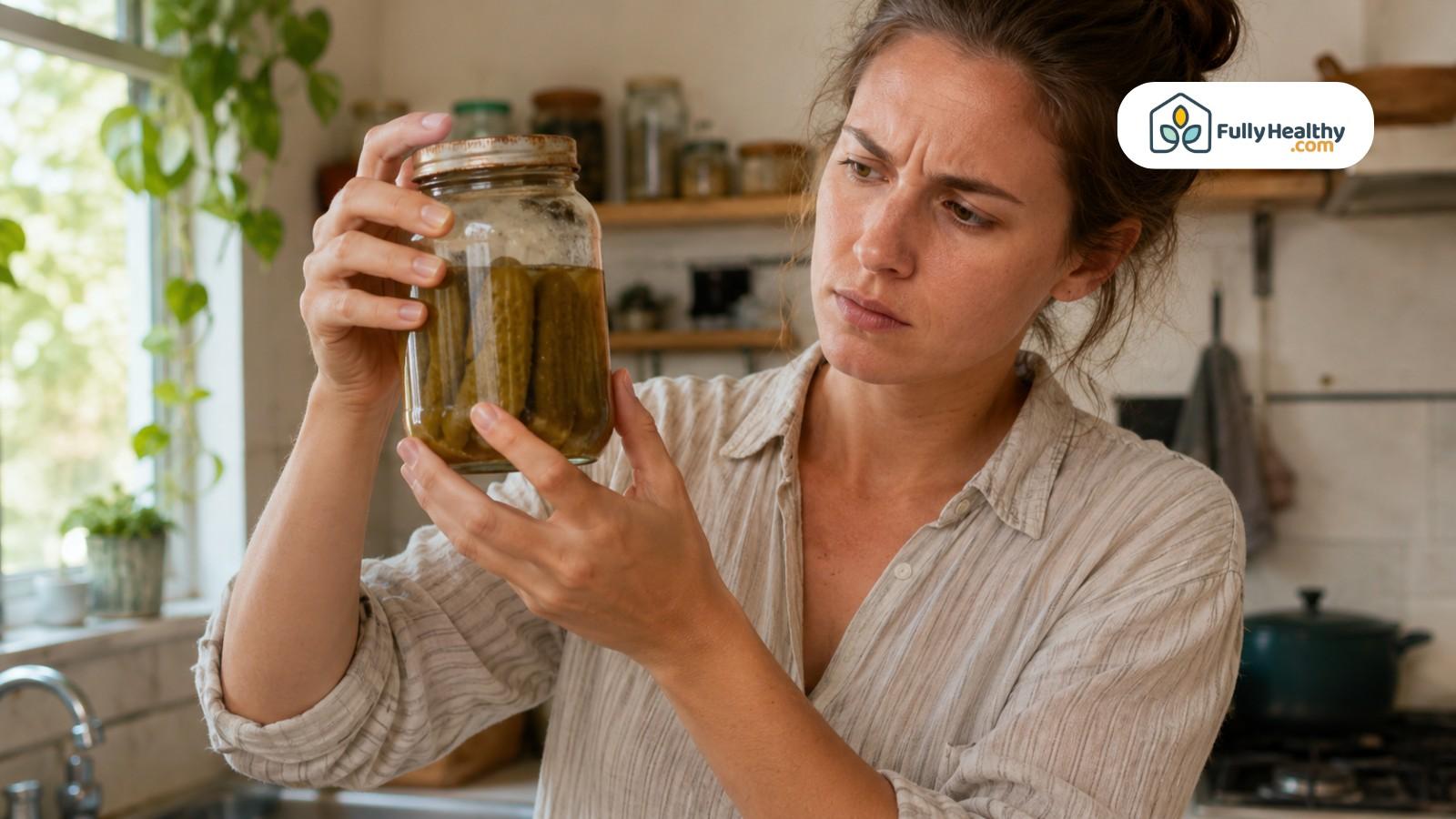
To tell if pickles are safe, check smell, color, texture, jar, and brine. Expired pickles may still be usable, but several warning signs mean the pickles have gone bad.
Which Smells, Colors, and Textures Signal Spoiled Pickles?
Fresh pickles smell sour or vinegary. A bad smell, visible mold, or slime can signal spoilage. Slight softness may only show age.
-
Visible Mold: Discard pickles with fuzzy growth.
-
Bad Smell: A rotten odor is a warning sign.
-
Texture Changes: Slimy pickles are unsafe; mild softness may mean age.
-
Color Changes: Dark patches can indicate spoilage.
Is Cloudy Brine or Fizzing Always a Spoilage Warning?
Cloudy brine can be normal in fermented food. Unexpected fizzing in vinegar pickles may signal microbial growth, especially with leaks or foul odors.
-
Cloudy Brine: Check other signs before discarding fermented pickles.
-
Kahm Yeast: This thin white film differs from fuzzy mold.
-
Bulging Lid: A swollen lid may show internal pressure.
-
Unsafe Combination: Mold, leaks, fizzing, and bad smells mean the jar should be discarded.
What Is the 3-2-1 Rule for Pickles?
The 3-2-1 rule is a simple method for making quick refrigerator pickles. It uses three parts water, two parts vinegar, and one part sugar to create a balanced sweet-and-sour pickle brine. This method works well for vegetables such as onions, carrots, radishes, and cucumbers.
How Does the 3-2-1 Pickle Brine Ratio Work?
A Food52 food writer gives three parts water, two parts vinegar, and one part sugar. Add salt separately. The mix suits onions, carrots, and radishes.
-
Water: Three parts water soften the vinegar’s sharp taste.
-
Vinegar: Two parts vinegar add acidity and tang.
-
Sugar: One part sugar balances the sour flavor.
-
Salt: Add about one tablespoon for each cup of vinegar.
Does the 3-2-1 Rule Make Pickles Shelf-Stable?
No. It makes refrigerator pickles, not shelf-stable canned pickles. Without tested heat processing, jars must stay cold. For long term storage, use an approved canning recipe.
-
Refrigeration: Keep the pickles at 40°F or below.
-
Shelf Life: Use them within about two weeks for the best flavor and texture.
-
Safe Canning: Never use this quick-pickle ratio for pantry canning.
-
Trusted Guidance: Follow USDA or National Center for Home Food Preservation recipes.
Can You Eat 10-Year-Old Pickles?
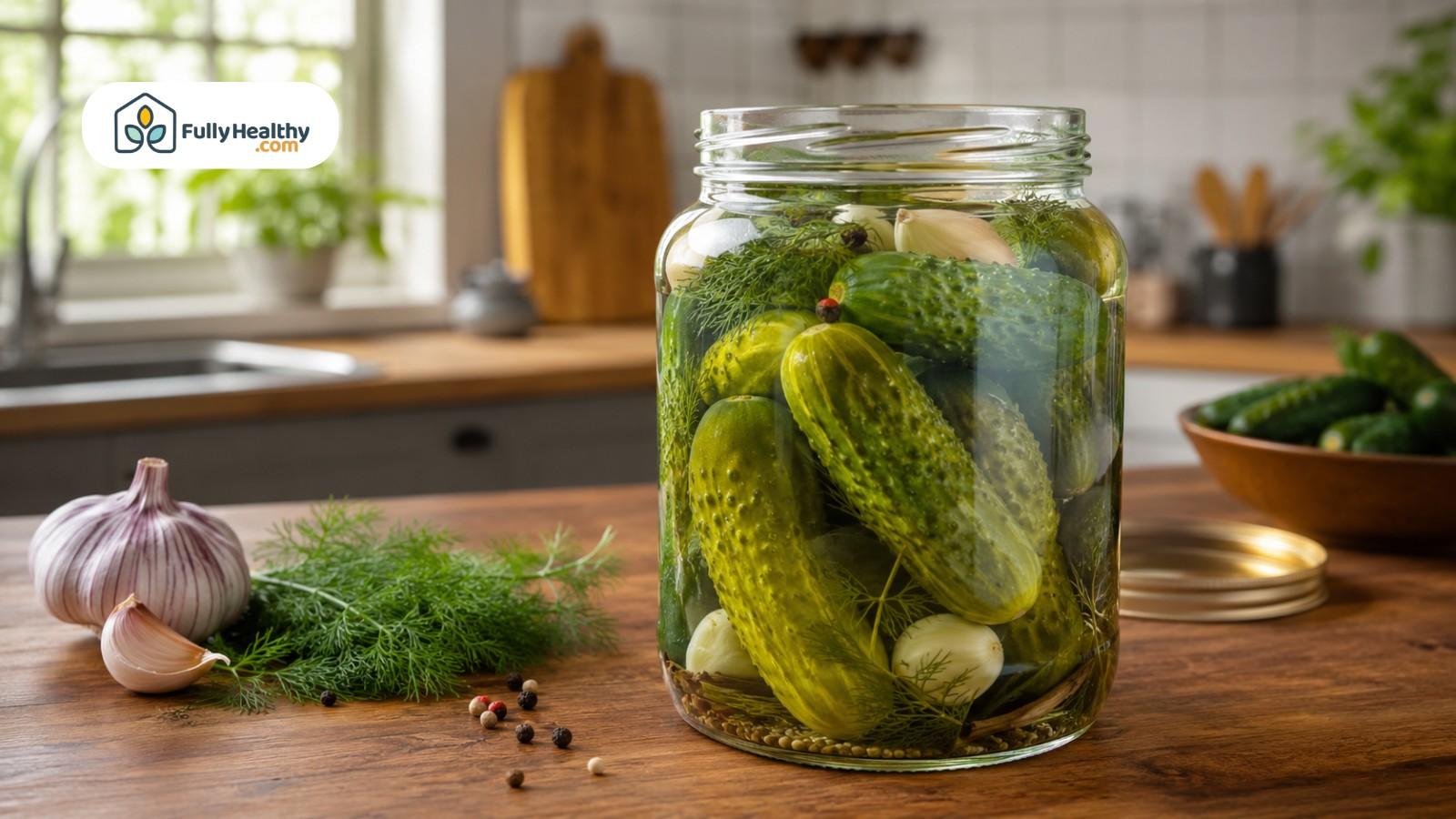
The short answer is that age alone cannot confirm safety. A jar may stay preserved for a very long time, but its seal, storage history, and condition matter. Check it before deciding whether to keep it or toss it.
Can an Unopened Seal Make 10-Year-Old Pickles Safe?
A tight seal is a good sign, but it does not guarantee safety. Heat, rust, moisture, or lid damage can increase spoilage risk.
-
Check the Lid: Throw away any jar with a bulging, damaged lid.
-
Inspect the Jar: Look for cracks, mold, or leaks.
-
Review Storage: Pickles kept in a cool, dry place are more reliable than jars exposed to heat.
-
Choose Safety: When storage history is unknown, toss the jar.
Why Should You Never Taste-Test Very Old Pickles?
Taste-testing is an unpleasant way to discover spoiled food. If the jar looks damaged, smells bad, or releases pressure, do not sample it.
-
Use Your Senses: Check for mold, swelling, leaks, or a foul smell.
-
Avoid Risky Tasting: Never eat a small bite to test a questionable jar.
-
Discard Unsafe Food: Throw away pickles that show clear signs of spoilage.
-
Follow Trusted Advice: Use food-safety guidance instead of social media comments.
How Can FullyHealthy Help You Find Specialty Pickled and Fermented Foods?
FullyHealthy helps shoppers find foods for AIP, gluten-free, and other dietary needs. Its curated selection creates a smoother brand experience for people seeking fermented products. Product pages also make ingredients easier to compare.
How Does FullyHealthy Simplify Specialty-Diet Shopping?
The website groups specialty products in one place. Clear categories make it easier to check ingredients and choose suitable options.
-
Easy Navigation: Browse products by diet type or food category.
-
Convenient Selection: Find specialty foods that may be difficult to buy locally.
-
Clear Details: Review ingredients, size, and descriptions.
-
No Membership: Shop without joining a subscription program.
Which Pickled and Fermented Products Does FullyHealthy Carry?
FullyHealthy lists three Pickled Planet products: Taqueria Mix, Immune Boost Organic Raw Sauerkraut, and Lil Kim Chee Organic Raw Sauerkraut. Each uses fermented veggie ingredients, salt, and spices. Keep them in the fridge. Eddie Andre discussed Grillo’s Pickles, not Pickled Planet, so his advice is not product-specific here.
-
Taqueria Mix: Contains carrots, onion, jicama, jalapeños, filtered water, and Himalayan salt.
-
Immune Boost Sauerkraut: Combines cabbage, carrots, garlic, ginger, herbs, lemon, and spices.
-
Lil Kim Chee Sauerkraut: Blends cabbage, carrots, daikon, garlic, ginger, cayenne, and paprika.
-
Storage Guidance: Keep products cold because the pages do not list a confirmed shelf life.
Final Thoughts
Do pickles go bad? Yes, but proper storage and careful inspection can help you enjoy them safely. Always check the jar for mold, leaks, bad odors, or a swollen lid before eating.
Remember that unopened shelf-stable pickles usually last longer than refrigerator or homemade varieties, but quality still declines over time. Keep opened pickles refrigerated and covered with brine to help maintain their texture and flavor. When in doubt, throw the jar away instead of taking a risk.
If you enjoy fermented foods, choose products from trusted brands and follow their storage instructions. With the right handling, you can keep your pickles safe, fresh, and delicious for as long as possible.
FAQs
Can pickles still taste delicious after the best-by date?
Yes, they can still taste delicious if the jar is properly sealed, stored correctly, and shows no signs of spoilage.
Should I throw away pickles with a bulging lid?
Yes, a bulging lid can indicate pressure inside the jar, so it is safest to discard it without tasting the contents.
Why do some pickles become cloudy?
Cloudy brine can be normal in naturally fermented pickles, but you should also check for mold, bad smells, slime, or leaks.
Are homemade pickles less durable than store-bought ones?
Yes, homemade refrigerator pickles usually have a shorter shelf life because they are not commercially heat processed for pantry storage.
What is the best way to keep pickles fresh?
Store unopened jars in a cool, dark place, refrigerate opened jars, keep the pickles covered with brine, and use clean utensils every time.
Leave a comment