

Do Spinach Give You Gas? Why it Happens and How to Stop It

Do spinach give you gas? Yes, spinach can cause gas and bloating. Yes, spinach can cause gas and bloating. Raw spinach and large portions are more likely to trigger digestive discomfort. Fortunately, a few simple changes can make spinach easier to digest.
This guide explains why spinach may cause gas, what foods may help relieve it, how much spinach to eat, and which food pairings to consider.
Do Spinach Give You Gas?
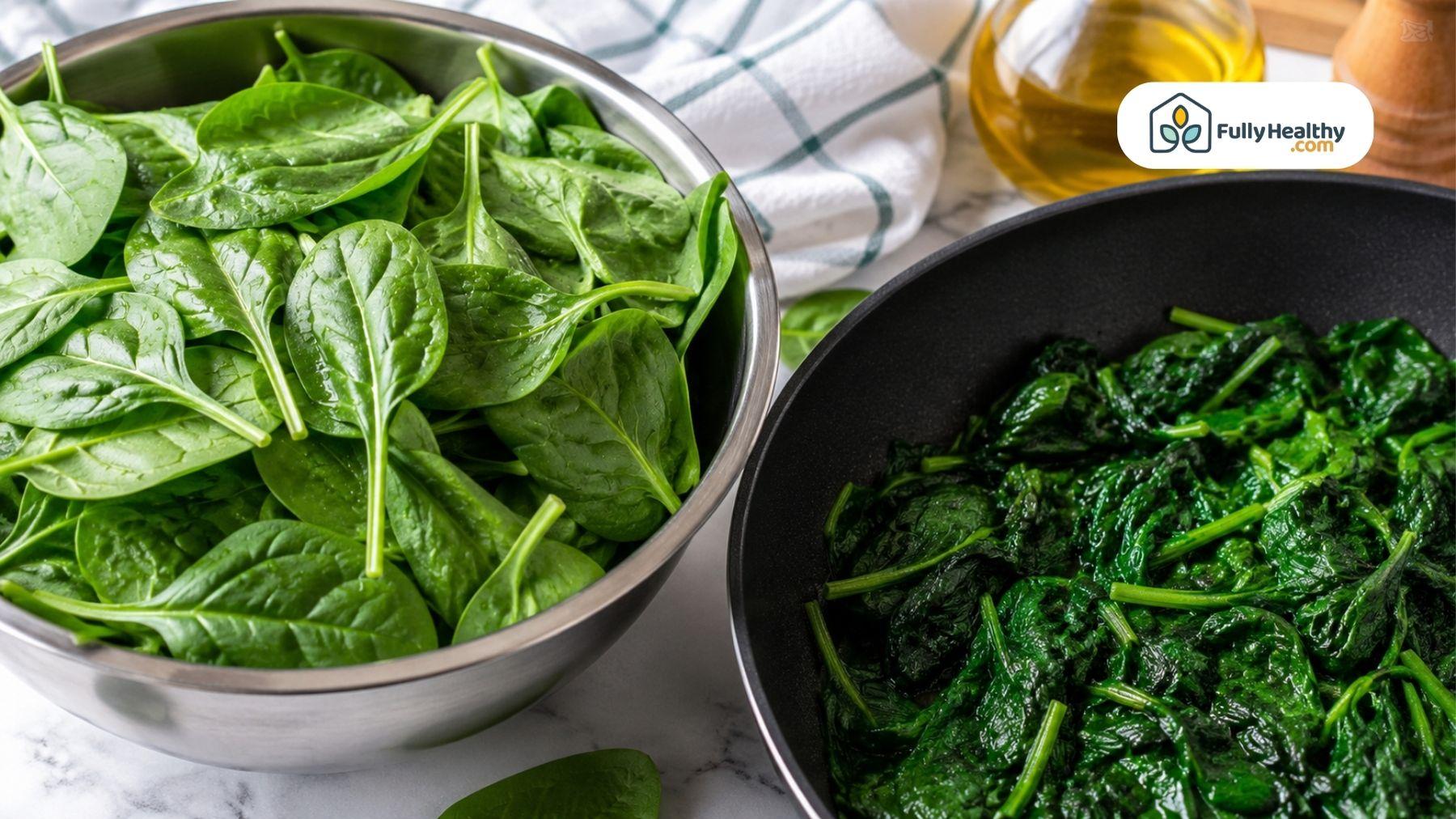
Spinach is a healthy leafy green vegetable, but it can cause gas and bloating in some people. This usually happens because some fiber and carbohydrates are not fully digested in the small intestine and may be fermented by bacteria in the colon.
Why Spinach Can Cause Gas
Yes, spinach may cause gas and bloating, especially when eaten in large amounts or as raw spinach. Its fiber content supports digestive health, but some people may experience digestive distress as their body breaks it down.
-
High Fiber Content: Spinach contains fiber that supports healthy bowel movements but may increase gas production when intake rises too quickly.
-
Insoluble Fiber: Raw spinach contains cellulose, a type of insoluble fiber that passes through the digestive system largely undigested.
-
Gut Bacteria: Bacteria in the colon break down fiber and produce gas as a natural byproduct.
-
Digestive Sensitivity: People with digestive issues may experience more gas and bloating after eating spinach.
-
Large Portions: Eating too much spinach in one meal may increase digestive symptoms.
Simple Ways to Reduce Spinach-Related Gas
You can continue eating spinach without discomfort by adjusting how they prepare and consume it. Small changes can improve digestion while allowing you to enjoy the health benefits of this leafy green.
-
Choose Cooked Spinach: Cooked spinach may be easier to digest because heat softens the leaves and reduces volume.
-
Start With Smaller Portions: A moderate serving size allows the digestive system to adjust gradually.
-
Drink More Water: Proper hydration helps fiber move through the body more efficiently.
-
Chew Thoroughly: Breaking down food well can support digestion and reduce digestive distress.
-
Increase Fiber Slowly: Gradual changes help reduce gas and bloating caused by too much fiber.
What to Eat to Get Rid of Gas?

Foods that may help relieve gas include ginger, peppermint tea, probiotic foods, and water-rich foods. Along with healthy digestion habits, these options may help reduce gas and bloating more comfortably.
Foods That May Help Relieve Gas
Some foods may help calm the digestive system and support healthy bowel movements. These options are commonly recommended for people dealing with occasional gas and bloating.
-
Ginger: May help support digestion and reduce stomach discomfort.
-
Peppermint Tea: Often used to ease digestive symptoms and bloating.
-
Probiotic Foods: Yogurt and fermented foods may support beneficial bacteria.
-
Fluids: Drinking enough water may help fiber move through the digestive tract more comfortably.
-
Simple Meals: Plain foods are often easier for the body to digest during digestive upset.
Daily Habits That Support Better Digestion
Daily routines can have a major impact on digestive health. Healthy habits may help reduce gas episodes while supporting overall health and nutrition.
-
Eat Slowly: Eating too quickly may increase swallowed air and gas.
-
Stay Hydrated: Water supports digestion and healthy bowel movements.
-
Move After Meals: Light activity may help food move through the digestive system.
-
Track Trigger Foods: Monitoring eating habits can identify foods that increase symptoms.
-
Avoid Overeating: Large meals may place extra stress on digestion.
How Many Times a Week Should You Eat Spinach?

Spinach is rich in vitamins, minerals, and antioxidants, making it a valuable addition to a healthy diet. People can safely consume spinach several times per week as part of a balanced eating plan.
Finding the Right Amount for Your Diet
Eating spinach a few times per week or even daily in moderate portions can be part of a healthy diet. The key is balancing spinach with other vegetables and paying attention to serving size rather than eating large amounts every day.
-
Moderate Portions: About 1 to 2 cups of fresh spinach or ½ to 1 cup of cooked spinach is a reasonable serving for most people.
-
Several Times Per Week: Spinach can be included several times per week in moderate portions as part of a varied diet.
-
Mix Your Greens: Rotating spinach with other leafy green vegetables helps provide a wider range of nutrients.
-
Consider Your Health History: People with kidney stones or certain medical conditions may need different recommendations from their healthcare provider.
-
Avoid Excessive Intake: Eating too much spinach regularly may increase oxalic acid intake and raise concerns for some individuals.
The Benefits of Eating Spinach Regularly
Eating spinach regularly can provide important nutrients that support many functions throughout the body. Research suggests that moderate consumption may contribute to good health and long-term wellness.
-
Vitamin K: Supports healthy bones and overall bone health.
-
Vitamin A: Helps support vision, immunity, and healthy skin.
-
Vitamin C: Supports immune function and helps the body absorb iron.
-
Folate Content: Supports cell growth and healthy blood production.
-
Magnesium And Iron: Essential minerals that contribute to energy production and overall health.
What Should You Not Mix With Spinach?
Foods high in calcium, oxalates, and certain compounds that affect nutrient absorption are commonly listed as less ideal pairings with spinach.
Food Combinations That May Affect Nutrient Absorption
Some foods may reduce the body's ability to absorb certain minerals found in spinach. This is mainly related to oxalic acid, a natural compound that spinach contains.
-
Large Amounts of Dairy Products: Calcium can bind oxalate in the gut, which may reduce oxalate absorption, though spinach’s oxalates can also limit calcium absorption from the meal.
-
High-Oxalate Foods: Beets, rhubarb, nuts, chocolate, or some beans, may raise total oxalate intake.
-
Iron-Rich Foods Alone: Oxalic acid may reduce how much non-heme iron the body can absorb from plant foods.
-
Pumpkins: Similar concerns exist about enzymes that may affect certain vitamins when foods are combined.
Better Pairings for Balanced Meals
The best spinach meals combine flavor, nutrition, and variety. Pairing spinach with complementary ingredients can help support a healthy diet and overall health.
-
Lean Proteins: Chicken, fish, and eggs help create balanced meals that are filling and nutritious.
-
Healthy Fats: Olive oil, avocado, and nuts may help the body absorb fat-soluble vitamins.
-
Colorful Vegetables: Bell peppers, carrots, and other vegetables add extra nutrients and variety.
-
Fresh Herbs: Cilantro, parsley, and other herbs can add flavor without excess sodium.
-
Whole Grains: Brown rice, quinoa, and oats help create satisfying meals with additional fiber.
About FullyHealthy
FullyHealthy makes shopping easier by offering products that support a wide range of wellness goals while prioritizing quality ingredients and transparency.
Supporting Specialized Dietary Needs
FullyHealthy is an online marketplace focused on specialty diets and wellness-focused shopping. The platform offers carefully selected products designed for people looking for cleaner ingredients, allergen-friendly options, and foods that support their personal health goals.
-
Specialty Diet Options: Shop products that fit gluten-free, grain-free, Paleo, and other dietary lifestyles.
-
Ingredient Transparency: Product labels and ingredient information make it easier to understand what you're eating.
-
Convenient Shopping: Access a variety of wellness-focused foods in one place.
-
Quality Standards: Many products are selected with ingredient quality and dietary needs in mind.
-
Everyday Wellness: The goal is to help consumers make informed choices that support good health.
Featured Products for Spinach Lovers
If you enjoy spinach as part of a healthy diet, several products available through FullyHealthy can help create flavorful and convenient meals. These options pair well with spinach and make it easier to incorporate nutritious ingredients into your routine.
-
Wild Zora Herb Roasted Chicken With Spinach: A convenient quinoa meal made with chicken, spinach, carrots, and herbs for a quick and satisfying lunch or dinner.
-
Wild Zora Greek Garden Lentil Meal: Features lentils, tomatoes, spinach, and green olives for a flavorful plant-based meal packed with wholesome ingredients.
-
Paleo Power Herbed Salt: A savory herb seasoning that adds flavor to cooked spinach, vegetables, soups, and other everyday dishes.
-
Simply Organic Cilantro: A versatile herb that brings fresh flavor to spinach salads, grain bowls, soups, and homemade dressings.
-
Simply Organic Parsley: A pantry staple that pairs well with spinach recipes and helps add color and flavor to a variety of meals.
Final Thoughts
Do spinach give you gas? They can, especially when eaten as raw spinach or in larger portions. Fortunately, simple changes such as choosing cooked spinach, adjusting serving size, and staying hydrated may help reduce discomfort.
Despite the potential for gas and bloating, spinach remains a nutrient-rich food with many health benefits. Enjoying it in moderation can help you get the most from this versatile leafy green.
FAQs
Why am I gassy after eating spinach?
Spinach contains fiber that gut bacteria break down during digestion, which can lead to gas and bloating.
What are the disadvantages of eating spinach?
Possible side effects of eating too much spinach include gas, bloating, diarrhea, and a higher risk of calcium oxalate stones.
Does spinach irritate the gut?
Spinach may cause digestive discomfort and digestive issues because its fiber can be harder to digest, especially in large portions.
Is spinach a healthy leafy green to eat regularly?
Yes, spinach is a leafy green and a good source of vitamins, minerals, antioxidants, and nutrients that support overall health.
What causes gas and bloating after eating foods like spinach?
Gas and bloating can happen when bacteria in the digestive system break down fiber from eating foods such as spinach, which may lead to temporary digestive symptoms.
Leave a comment