

Does Chocolate Have Caffeine? A Simple Guide to What’s Inside
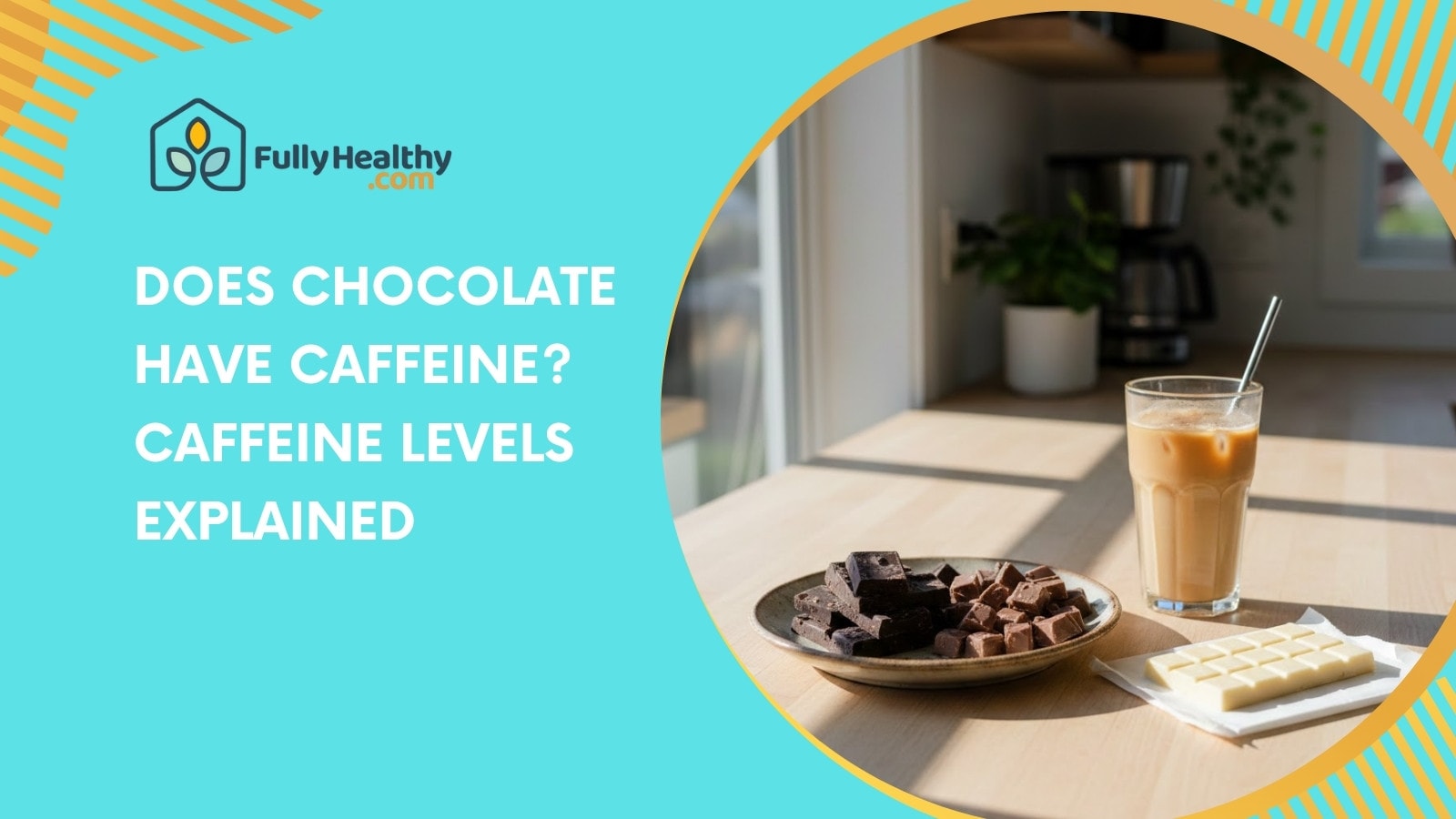
Yes, chocolate does have caffeine, but not all types do. Cocoa solids, which are found in both dark and milk chocolate, are what give chocolate its caffeine. There is none in white chocolate, which is made from cocoa butter alone. It is said that darker the chocolate the more caffeine in it.
This article will talk about how much caffeine is in different kinds of chocolate, how it stacks up against coffee, and what kinds of chocolate don't have caffeine. Let's break it down.
Featured Baking Pick
Enjoy Life // Semi-Sweet Mini Chocolate Chips - 9 oz
Loading...
Does Chocolate Have Caffeine?
Actually, some kinds of chocolate do have caffeine in them. This coffee's caffeine comes from cocoa solids, which are created when chocolate is made. Usually, chocolate with more dark parts has more caffeine. White chocolate typically contains no caffeine, although trace amounts may be present depending on processing or added ingredients.
What Determines the Caffeine in Chocolate?
The amount of caffeine in chocolate depends on how much cocoa solids it has. Since caffeine isn't in cocoa butter, a chocolate product that only uses that won't have any.
-
Dark chocolate has more cocoa solids: That’s why it has the highest caffeine content.
-
Milk chocolate includes milk powder: This lowers the amount of cocoa solids, so it has less caffeine.
-
White chocolate contains only cocoa butter: Since it has no cocoa solids, it has zero caffeine.
-
Caffeine levels depend on cocoa beans: The origin and processing of the beans also affect how much caffeine ends up in the final chocolate.
What Happens When You Eat Chocolate with Caffeine?
Chocolate can give you a small boost of energy. Because cacao beans naturally contain both caffeine and theobromine, which are stimulants that make chocolate taste good.
-
Caffeine gives a mild energy boost: Especially noticeable in dark chocolate.
-
Theobromine works slower than caffeine: It improves mood and focus with fewer jitters.
-
Hot cocoa made with cocoa powder: Still contains caffeine because it uses cocoa solids.
-
Caffeine in chocolate is much lower than in coffee: But it still adds to your daily intake.
Is 70% Chocolate High in Caffeine?

Chocolate that has 70% cocoa solids or more is thought to be high in caffeine. That's because it has more cocoa solids from cacao trees, which have caffeine in them naturally.
How Much Caffeine Is in 70% Chocolate?
As the cocoa percentage goes up, so does the amount of caffeine in the chocolate. One ounce of 70–85% dark chocolate can give you a caffeine hit that you can feel.
-
Dark chocolate (70–85%): Contains about 22 to 60 mg of caffeine per ounce.
-
Milk chocolate typically has less: Around 5 to 20 mg per ounce, depending on the brand.
-
White chocolate has none: It uses cocoa butter, not cocoa solids.
-
The more cocoa solids, the more caffeine: Baking chocolate or 90% bars can go even higher.
What Else Affects Caffeine Levels in Chocolate?
There are different kinds of 70% chocolate. Caffeine amounts can be changed by the cacao beans and the way they are made.
-
Cacao beans from South America: Like those from Ecuador or Peru, usually have higher caffeine.
-
Cacao from Ghana or Mexico: Often has less caffeine.
-
The chocolate making process matters: Roasting and grinding don’t change caffeine, but bean type and blend do.
-
Cocoa powder still has caffeine: So hot chocolate made from it can still give you a little boost.
What Chocolate Has No Caffeine?

Some chocolates won't give you that buzz if you're sensitive to it or trying to stay away from it. It’s important to know what ingredients are in your chocolate.
Why White Chocolate Contains No Caffeine
Caffeine is found in cocoa solids, which white chocolate does not have. It's made with cocoa butter instead.
-
Made with cocoa butter only: No cocoa solids means no caffeine.
-
Not suitable for energy boost: It’s purely a sweet treat.
-
Good for bedtime snacks: You can enjoy it without affecting your sleep.
-
Popular in baking recipes: A great option when avoiding caffeine.
Caffeine-Free Chocolate Alternatives
The taste of chocolate can be found in some products that don't use caffeine-containing ingredients.
-
Carob-based drinks and powders: Look and taste like chocolate, but contain zero caffeine.
-
Autoimmune-friendly blends: Like those at Fullyhealthy, use carob instead of cocoa.
-
Great for hot chocolate lovers: A comforting drink without the caffeine kick.
-
Always check labels: Even baking mixes can contain cocoa powder, which has caffeine.
Which Has More Caffeine: Coffee or Chocolate?

A lot of people like both coffee and chocolate, but they have different amounts of caffeine. While caffeine is in chocolate, but not as much as in coffee or even tea. It's still important to keep track of how much you're taking, especially if you're sensitive to stimulants.
Caffeine in Chocolate Compared to Coffee and Tea
The caffeine content in chocolate is small, but it still adds up. It is easy to see the difference between chocolate and drinks like black tea, brewed coffee, or green tea.
-
Brewed coffee (8 oz): Usually has 95–200 mg of caffeine, depending on the brewing method.
-
Dark chocolate contains: About 20–60 mg of caffeine per 1-ounce serving.
-
Milk chocolate contains: Around 6–20 mg per ounce due to milk solids and less cocoa content.
-
Black or green tea: Typically has 25–50 mg of caffeine per cup, depending on the type of tea leaves.
How Chocolate Affects Your Daily Caffeine Intake
Caffeine in chocolate, even small amounts, can change how much caffeine consumption overall. In the evening, this is important for people who are watching how much chocolate they eat.
-
A typical chocolate bar: Adds only a little caffeine but may still affect sensitive individuals.
-
Energy drink vs. chocolate: One energy drink can have 80–300 mg—far more than chocolate.
-
Caffeine and theobromine compared: Both affect the central nervous system but in different ways.
-
United States Department of Health guidance: Suggests keeping caffeine intake under 400 mg daily for most adults.
Fullyhealthy: Chocolate Alternatives Without the Buzz
Fullyhealthy has options for you if you want the taste of chocolate without the caffeine boost. Because these are made with carob instead of cocoa, they are a great choice for people who can't have caffeine or are on a special diet and the ones who avoids chocolate.
Autoimmune H&N Hot Coco Carob Blend
Without any caffeine, the Autoimmune H&N Hot Coco Carob Blend makes you feel warm and cozy like hot chocolate.
-
Uses carob, not cocoa: Carob is naturally caffeine-free and gentle on digestion.
-
No added sugar or caffeine: Helps support a calm, balanced diet.
-
Perfect for night use: Won’t disturb sleep or raise blood pressure.
-
Great for AIP and paleo diets: Free from common allergens and inflammatory ingredients.
Double Chocolate Protein Powder
With Double Chocolate Protein Powder, you can make chocolate-flavored drinks without using chocolate.
-
No additional caffeine: Safe for those limiting caffeine intake.
-
No roasting process: Ingredients stay nutrient-rich and clean.
-
Formulated for sensitive diets: Ideal for those avoiding naturally occurring stimulants.
Final Thoughts
Caffeine in chocolate may seem small, but it can still affect people who are sensitive. How much caffeine ends up in the final product can vary depending on cocoa content, cacao origin, and processing methods. While trace amounts of caffeine are naturally found in most chocolate, white chocolate remains caffeine-free.
If you're looking to support heart health or enjoy a good night's sleep, avoid large quantities of dark chocolate late in the day. Choose options with no added caffeine, especially if you're comparing chocolate to a full cup of brewed coffee. Fullyhealthy’s caffeine-free alternatives make it easier to enjoy the flavor without the buzz.
FAQs
Does chocolate vary depending on where it’s made?
Yes, caffeine levels vary depending on where the cacao is grown—cacao from Ivory Coast has less than from Ecuador.
Can I enjoy chocolate and still get a good night's sleep?
Yes, but avoid large quantities and added caffeine close to bedtime to protect a good night's sleep.
Is caffeine naturally found in all chocolate types?
No, only in products with cocoa solids, white chocolate has none, but dark may contain trace amounts.
How does chocolate caffeine compare to a cup of brewed coffee?
Chocolate has much less than a cup of brewed coffee, but it depends on cocoa content and processing methods.
Is chocolate good for heart health even with added caffeine?
Dark chocolate may support heart health due to its flavonoid content, not its caffeine.
Leave a comment