

What Is White Chocolate Made Of? Learn What’s Inside
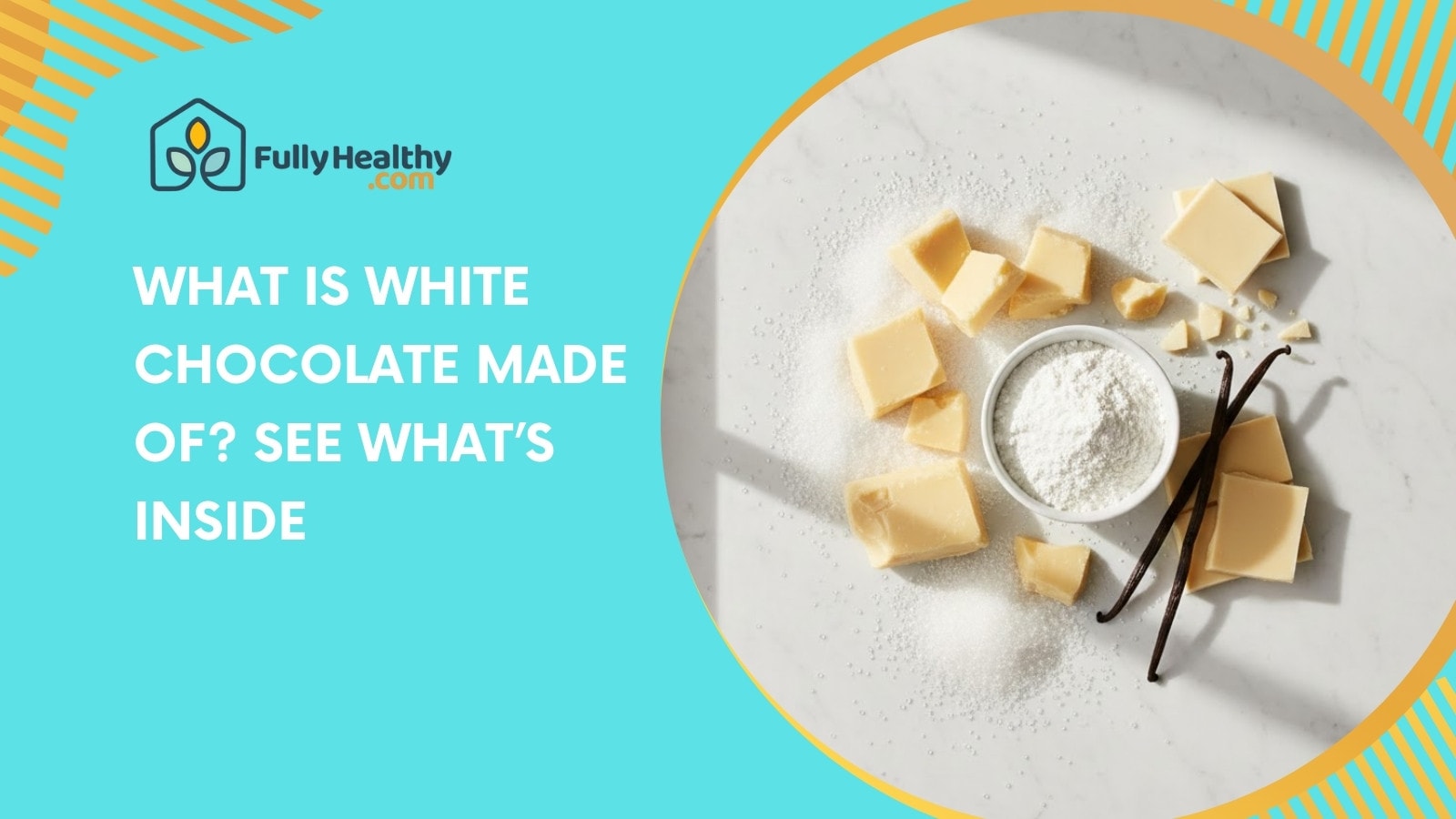
Cocoa butter, sugar, milk solids, and sometimes vanilla are used to make white chocolate. There are no cocoa solids in it like there are in milk or dark chocolate. This is what gives it its creamy color and sweet, buttery taste. It's real chocolate if it meets the legal requirements for cocoa butter content.
We'll tell you what white chocolate is made of, what it tastes like, how healthy it is, and more, so you know exactly what you're eating.
Featured Baking Pick
Enjoy Life // Semi-Sweet Mini Chocolate Chips - 9 oz
Loading...
What Is White Chocolate Made Of?

White chocolate is a creamy confection made using only the cocoa butter from cocoa beans. This makes it pale, gives it a sweet taste, and makes it smooth. As long as it meets certain legal requirements, it's chocolate.
Key Ingredients in White Chocolate
White chocolate ingredients are simple, but they have to meet certain quality standards in order to be legally called chocolate. White chocolate does not have any cocoa powder or cocoa mass in it like milk chocolate or dark chocolate does.
-
Cocoa butter: The main fat from cocoa beans that creates a smooth and creamy texture
-
Milk powder: Adds a rich, milky taste and helps create the soft consistency
-
Sugar and milk: Provide sweetness and balance the flavor
-
Vanilla flavor and lecithin: Used for extra taste and to blend everything together
How White Chocolate Is Processed
During the production process, only the cocoa butter from cacao nibs is taken out and used. This process makes chocolate that looks and tastes different from both milk and dark chocolate.
-
Cocoa butter separation: Cocoa beans are pressed to remove cocoa mass, leaving just cocoa butter
-
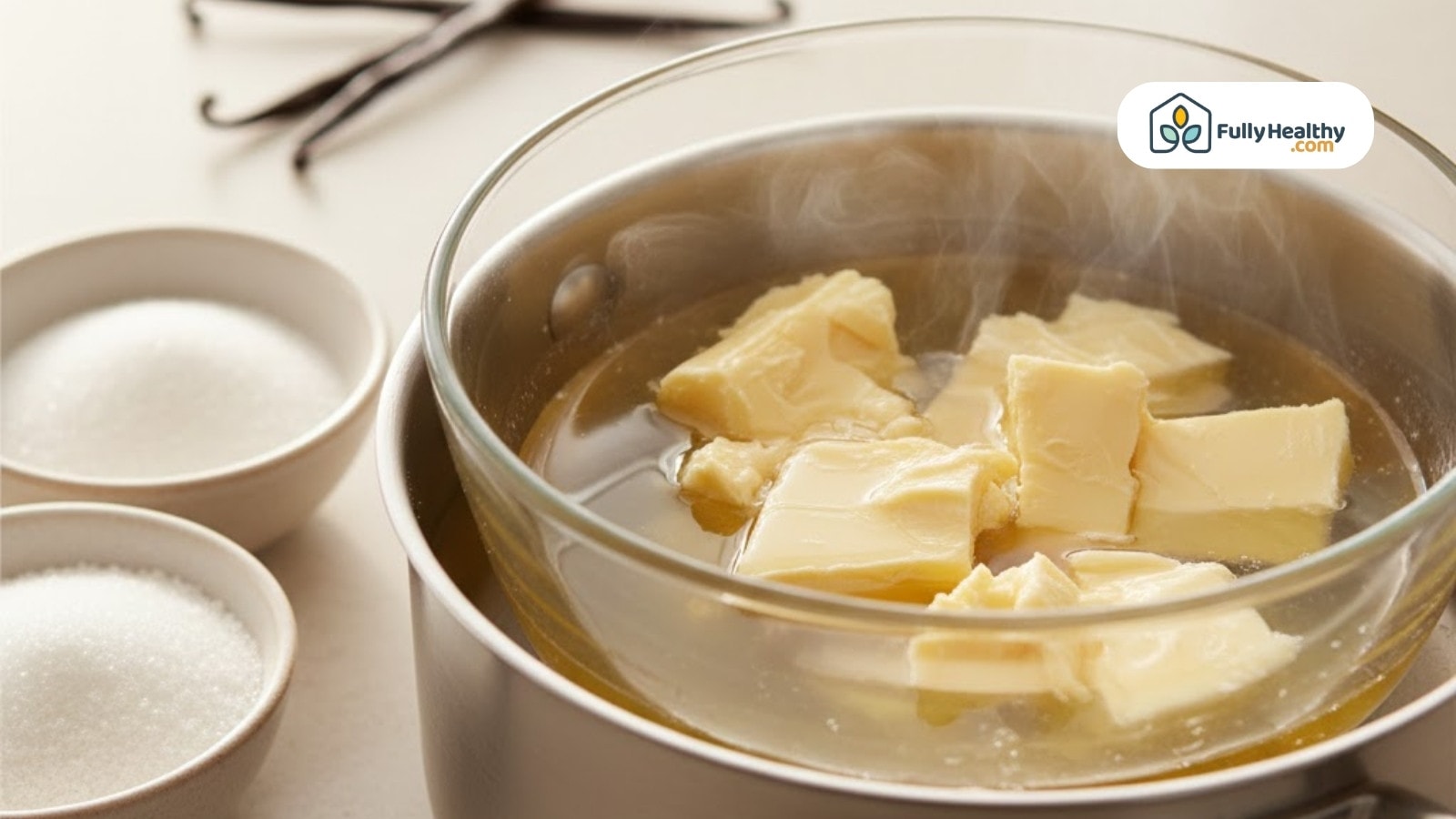
Mixing in conching machine: Cocoa butter is blended with sugar, milk powder, and vanilla for several hours
-
Shaping: The mixture is tempered and poured into molds to create white chocolate bars
Is White Chocolate Considered Healthy?
White chocolate tastes sweet and feels smooth, but it's not as good for you as dark or milk chocolate. There are fewer nutrients in it and more sugar and saturated fat.
Potential Health Benefits of White Chocolate
While white chocolate isn't the healthiest choice, eating it in moderation can still have some benefits. Even though white chocolate doesn’t have the antioxidants found in dark chocolate, it’s okay to enjoy white chocolate occasionally.
-
Mood boost: Sugar and milk can help your brain release feel-good chemicals
-
Calcium source: Milk powder adds a little calcium for bone support
-
Rich source of energy: Cocoa butter gives quick energy due to its fat content
Nutritional Drawbacks and Risks
White chocolate should be eaten with care because it has more sugar and less nutrition than other kinds of chocolate. Chocolate is legally defined, but it's really more of a treat than a healthy food.
-
High sugar content: One white chocolate bar can have 20g or more of sugar
-
Lacks antioxidants: No cocoa mass or powder means no flavonoids or healthy compounds
-
Contains saturated fat: Too much can affect heart health if eaten regularly
What Is the Actual Flavor of White Chocolate?

White chocolate tastes sweet and smooth, not at all like milk chocolate or dark chocolate. It tastes like mild vanilla and feels soft and creamy, a perfect match in the mouth.
Taste Profile and Sensory Qualities
White chocolate has a unique taste because it doesn't have any cocoa solids in it. It goes well with light desserts. Because of this taste, it's used in desserts that don't need the strong cocoa taste.
-
Creamy texture: Cocoa butter melts easily in your mouth.
-
Milky taste: Comes from the milk powder used in the recipe.
-
Vanilla flavor: Adds warmth and sweetness without bitterness.
-
Pairs well with: Dried fruits, citrus, nuts, and spices in baked goods.
Why It Melts Differently Than Other Chocolate
It changes how it works when heated compared to milk and dark chocolate because it has a lot of cocoa butter. When you make white chocolate at home or from a recipe, you need to be careful because it has more cocoa butter.
-
Lower melting point: It melts quickly at body temperature.
-
Ideal for coatings: Great for drizzling, dipping, and candy-making.
-
Needs gentle heating: Must be melted slowly to avoid burning.
Is There Pig Fat in White Chocolate?

Many people believe that white chocolate has pig fat or other ingredients that come from animals. The truth is that cocoa butter from plants is used to make white chocolate. It's safe for vegetarians because it doesn't have any meat fat in it.
Common Misconceptions About Animal Fats
Though white chocolate doesn't have pig fat in it, its rich and creamy texture causes some confusion.
-
Cocoa butter source: Extracted from roasted cocoa beans, not animals.
-
No pork fat: Traditional white chocolate has no pig or meat-based ingredients.
-
Dairy misinterpretation: Milk fat is often mistaken for animal fat, but it’s from cow’s milk.
-
Check the label: Always review the ingredient list for t
-
ansparency.
Is White Chocolate Vegetarian or Vegan?
Most of the time, white chocolate is vegetarian, but not always. That depends on whether or not it has dairy in it.
-
Vegetarian-friendly: Contains dairy but no meat, gelatin, or animal fat.
-
Not typically vegan: Most white chocolate includes milk powder or other dairy ingredients.
-
Vegan alternatives exist: Some versions use coconut or cashew milk instead of dairy.
-
Look for labeling: Certified vegan products are clearly marked on the packaging.
Why Do I Feel Weird After Eating White Chocolate?
If white chocolate makes you sick, it could be because you have food allergies or sensitivities. Even though it doesn't have cocoa solids like dark and milk chocolate, other ingredients in it can still make some people react.
Possible Food Allergens in White Chocolate
Something added to the chocolate, not the cocoa butter itself, is usually what causes reactions.
-
Dairy content: Milk powder or milk solids can cause digestive issues.
-
Soy lecithin: A common emulsifier that may affect those with soy allergies.
-
Flavor additives: Some people react to artificial or natural flavoring agents.
-
Cross-contact risk: Manufactured on equipment shared with nuts or gluten.
Allergy vs. Sensitivity: How to Tell the Difference
Becoming aware of the difference between an allergy and a sensitivity can assist you in better controlling your symptoms.
-
Allergies: Immune responses like hives, swelling, or difficulty breathing.
-
Sensitivities: Digestive symptoms such as bloating, nausea, or headaches.
-
Caffeine alert: While small, white chocolate can still contain trace caffeine.
-
Consult your doctor: Testing can help confirm what’s really causing the reaction.
What Can FullyHealthy Offer White Chocolate Lovers?
People who follow the allergen-free, Paleo, or AIP diets can trust the online store FullyHealthy. This platform has chocolate alternatives that are clean, safe, and still tasty for people who love chocolate but are careful about what's in it.
AIP- and Paleo-Friendly Sweet Alternatives
FullyHealthy has chocolate-themed items that are good for people on strict diets because they don't have any added sugars or chemicals.
-
Legit Bread Company Frosting Mix: A Paleo-friendly frosting made with coconut sugar.
-
Elements Truffles Cardamom Chocolate: Infused with rose petals and cardamom for a floral, gourmet flavour.
-
Autoimmune H&N Coco-Carob: A caffeine-free drink that mimics hot chocolate or coffee.
Why FullyHealthy Is a Trusted Source
Anyone looking for safe, clean ingredients, especially for baking and sweets, goes to this site first.
-
Allergen-safe options: Products are free from gluten, soy, and dairy.
-
Real ingredients: No preservatives, dyes, or refined sugars.
-
Focus on small brands: Partners with ethical companies around the world.
-
Versatile use: Great for cakes, sauce, or other types of desserts.
Final Thoughts
White chocolate is a unique treat made from cocoa butter, milk powder, and sugar. Though it doesn't have cocoa solids like dark and milk chocolate, it’s still considered chocolate if it meets the legal standards.
Since white chocolate was invented by a Swiss company, it has grown popular worldwide for its creamy, sweet taste. Whether you enjoy it in a white chocolate bar or as a sauce for cakes, it’s important to read labels and eat in moderation.
FAQs
When was white chocolate invented?
White chocolate invented in 1930s by a Swiss company.
Is white chocolate considered chocolate like dark and milk chocolate?
Yes, white chocolate is considered chocolate but it doesn’t have cocoa mass like dark and milk chocolate.
Does white chocolate contain caffeine like coffee or other types?
White chocolate has little or no caffeine, not like coffee or other types with cocoa powder.
Can I use white chocolate for sauce and cakes?
Yes, white chocolate is used for sauce, frosting, and cakes recipes.
What makes a Swiss company different in making white chocolate?
Swiss company use smooth methods and other ingredients when they make white chocolate.
Leave a comment