

Does Cinnamon Lower Blood Pressure? Updated Safety and Daily Use Guide
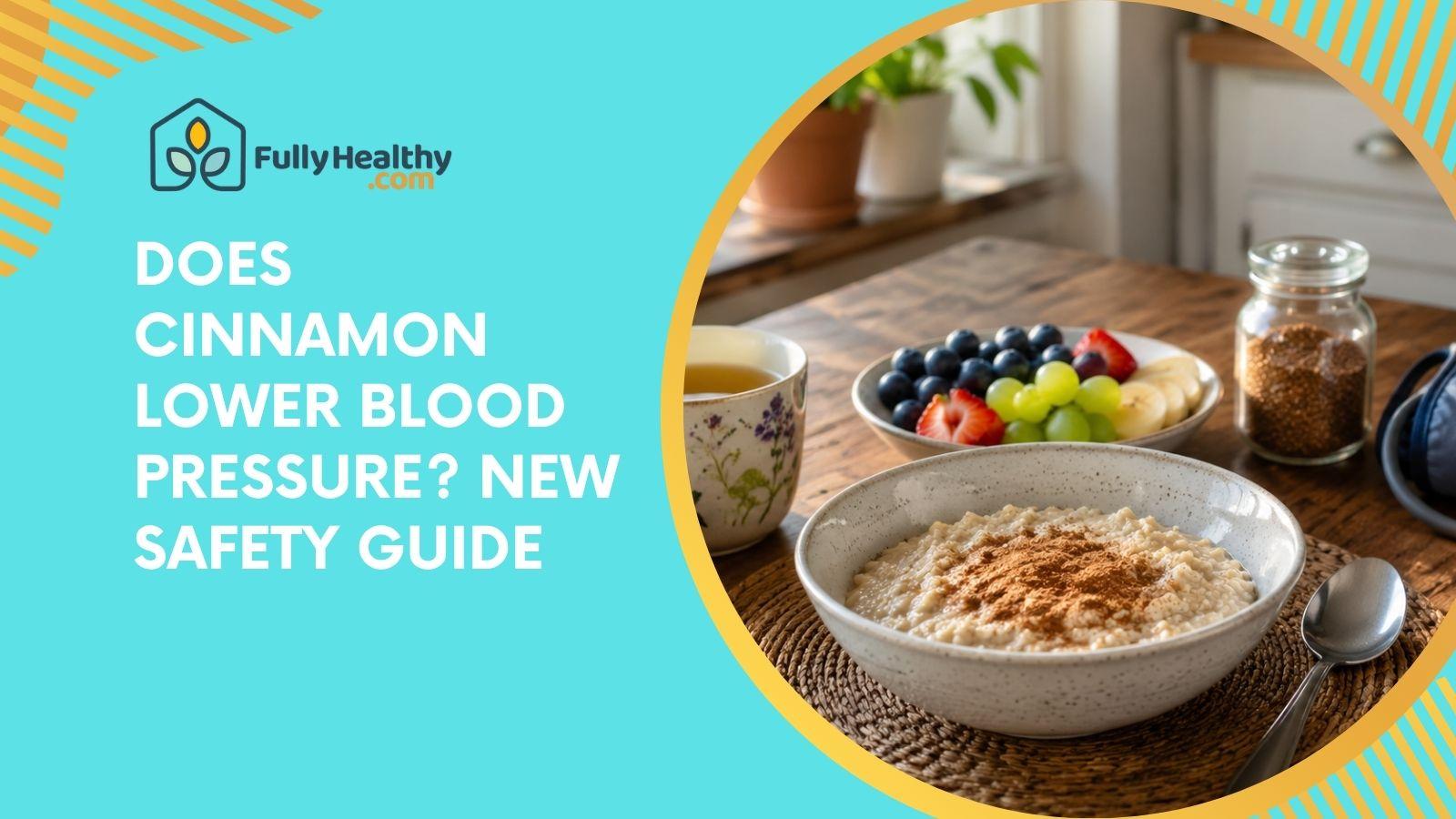
Does cinnamon lower blood pressure? As of now, the evidence does not definitely say. While cinnamon may help with a healthy diet, it shouldn't be used instead of medicine, exercise, better sleep, stress management, or a low-sodium eating plan.
Cinnamon may help your heart because it has antioxidants, but there isn't a lot of research on this yet. Learn what cinnamon can and can't do, how to use it safely, and when you should talk to a doctor.
Featured Spice Pick
Simply Organic // Ground Ceylon Cinnamon - 2.08 oz
Loading...
Does Cinnamon Lower Blood Pressure?

Lots of people want to know if cinnamon can lower blood pressure. While research suggests that cinnamon may be good for your heart, some meta-analyses suggest cinnamon may modestly reduce blood pressure, but evidence is not strong enough to recommend it as a hypertension treatment.
Some experts believe cinnamon compounds found in cinnamon may help blood vessels relax and support blood sugar control. Still, doctors need to do more research before they say that cinnamon supplements can help lower blood pressure. When you eat healthy foods and make healthy changes to your lifestyle, cinnamon works best.
What Science Says About Whether Cinnamon Lowers Blood Pressure?
Several systematic reviews and meta-analyses of randomized trials suggest small reductions in systolic and/or diastolic blood pressure, with uncertain clinical significance.
However, evidence-based complementary and integrative health practitioners who are based on evidence say the results are not strong enough yet. Also, the National Center for Complementary and Integrative Health says that there isn't a lot of research yet.
-
Research findings: Some studies connect ground cinnamon with better blood sugar, cholesterol, inflammation, and weight control.
-
Current evidence: Experts need larger studies before cinnamon can be used as a blood pressure treatment.
-
Medical advice: Ask a doctor first if you have heart disease, diabetes, obesity, or liver disease.
Why Cinnamon Gets Linked To Heart Health?
A spice called cinnamon is used in cooking, traditional medicine, and everyday food. Many people think cinnamon is good for the heart because it may have anti-inflammatory properties and antioxidant effects. While these potential health benefits may be good for the body, they don't prove that cinnamon can treat high blood pressure.
-
Common types: Cassia cinnamon and Ceylon cinnamon are the two main forms people use.
-
Safety note: Cassia may contain more coumarin, which can be toxic in high doses or large amounts.
-
Best use: Use cinnamon to add flavor to oatmeal, drinks, and healthy meals without adding sugar.
How To Take Cinnamon To Lower Blood Pressure?
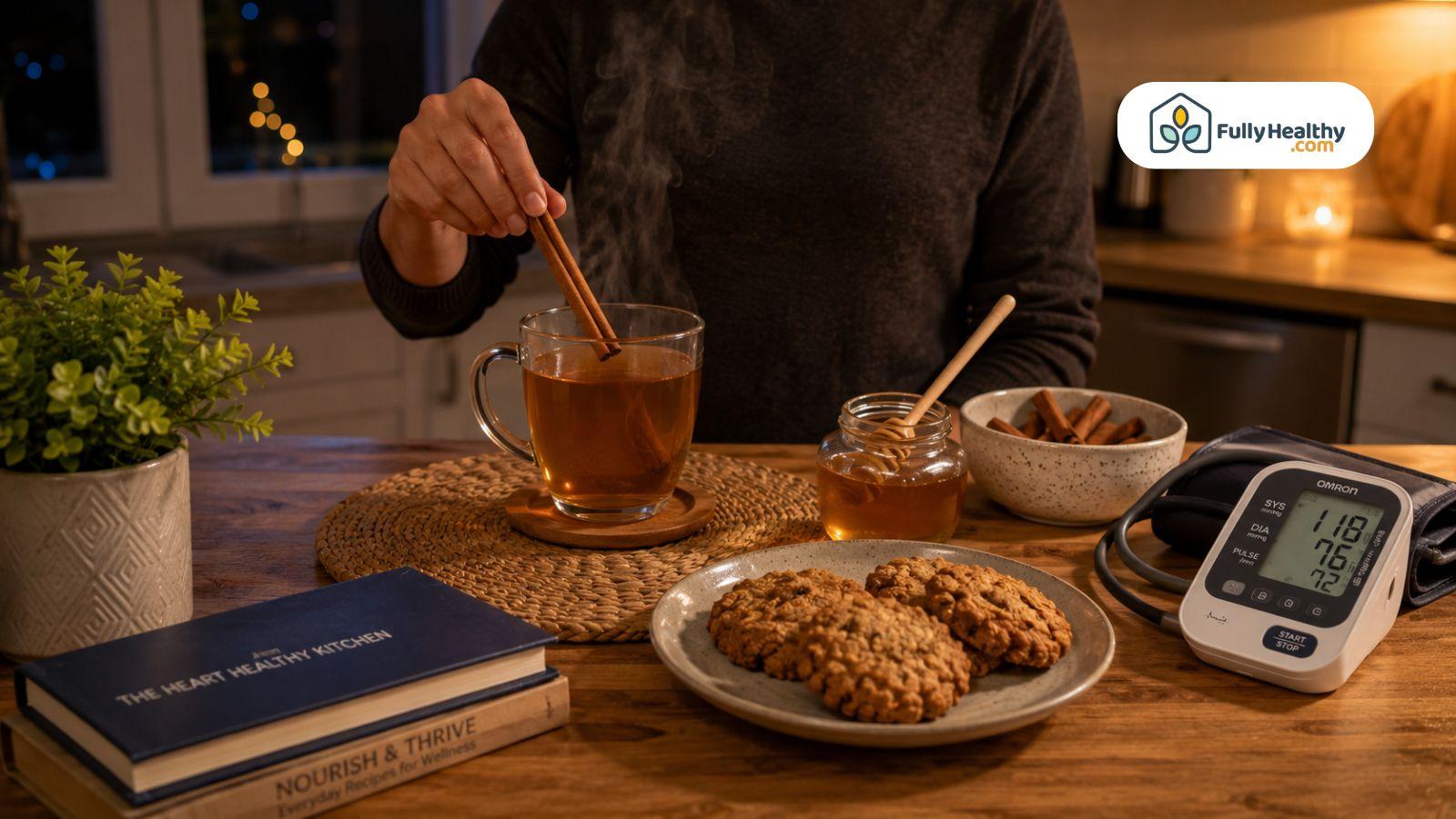
Cinnamon is usually safe in small amounts, so many people add it to their food or drinks. Still, there isn't a set amount of medicine that can lower high blood pressure. Before telling you to make changes to your diet, exercise, sleep, stress management, or weight, doctors usually tell you to make changes that have been shown to work.
Safe Ways To Use Cinnamon In Food
It is safer to use cinnamon in food than to take supplements. You can add flavor to oatmeal, yogurt, tea, or smoothies with a small teaspoon of ground cinnamon. It doesn't add salt or sugar.
-
Easy ideas: Mix cinnamon into coffee, fruit, whole-grain toast, or warm drinks.
-
Nutrition support: Pair cinnamon with foods rich in potassium, calcium, and vitamins for a balanced diet.
-
Better habit: Healthy meals often have a bigger impact on blood pressure than one dietary supplement.
Why Cinnamon Supplements Are Not The Best BP Strategy
There are many cinnamon supplements on the market, and the quality of the ingredients can vary from brand to brand. High doses of cinnamon supplements may be bad for your health, especially if you have liver disease or are taking medicine.
-
Supplement concerns: Some supplements may contain unclear doses, added ingredients, or high levels of cassia.
-
Medical guidance: A doctor should approve any long-term dietary supplement routine.
-
Smarter focus: Use cinnamon for flavor, but rely on proven lifestyle changes to support blood pressure.
What Are The Side Effects Of Taking Cinnamon Every Day?

Cinnamon is generally considered safe when used in food, but daily use in large amounts may cause problems. Some people may get sore throats, mouth irritation, or allergic reactions. How safe it is for you depends on the type of cinnamon you use, how much you take, and your health.
Daily Cinnamon: Food Use Vs. Supplement Use
Cinnamon supplements are not the same as the amount you use in cooking. There may be some potential benefits to using cassia cinnamon in food, but too much of it can be dangerous because it contains coumarin.
-
Safer choice: Ceylon cinnamon is often suggested because it usually has less coumarin than cassia.
-
Possible risks: Large amounts may affect the liver or interfere with some treatment plans.
-
Healthy limit: Use normal amounts of cinnamon in food and avoid it in extreme doses unless your doctor says otherwise.
Who Should Be Extra Careful With Cinnamon?
People with liver disease, diabetes, those taking glucose-lowering drugs, anticoagulants, or regular medications should be cautious with high-dose cinnamon supplements.
-
Medication warning: Cinnamon may affect blood sugar and could interact with some medicines.
-
Health monitoring: Talk with a doctor before using cinnamon supplements every day.
-
Smart approach: Integrative health works best when it supports medical care, balanced food, and safe habits.
Should I Take Cinnamon In The Morning Or At Night?
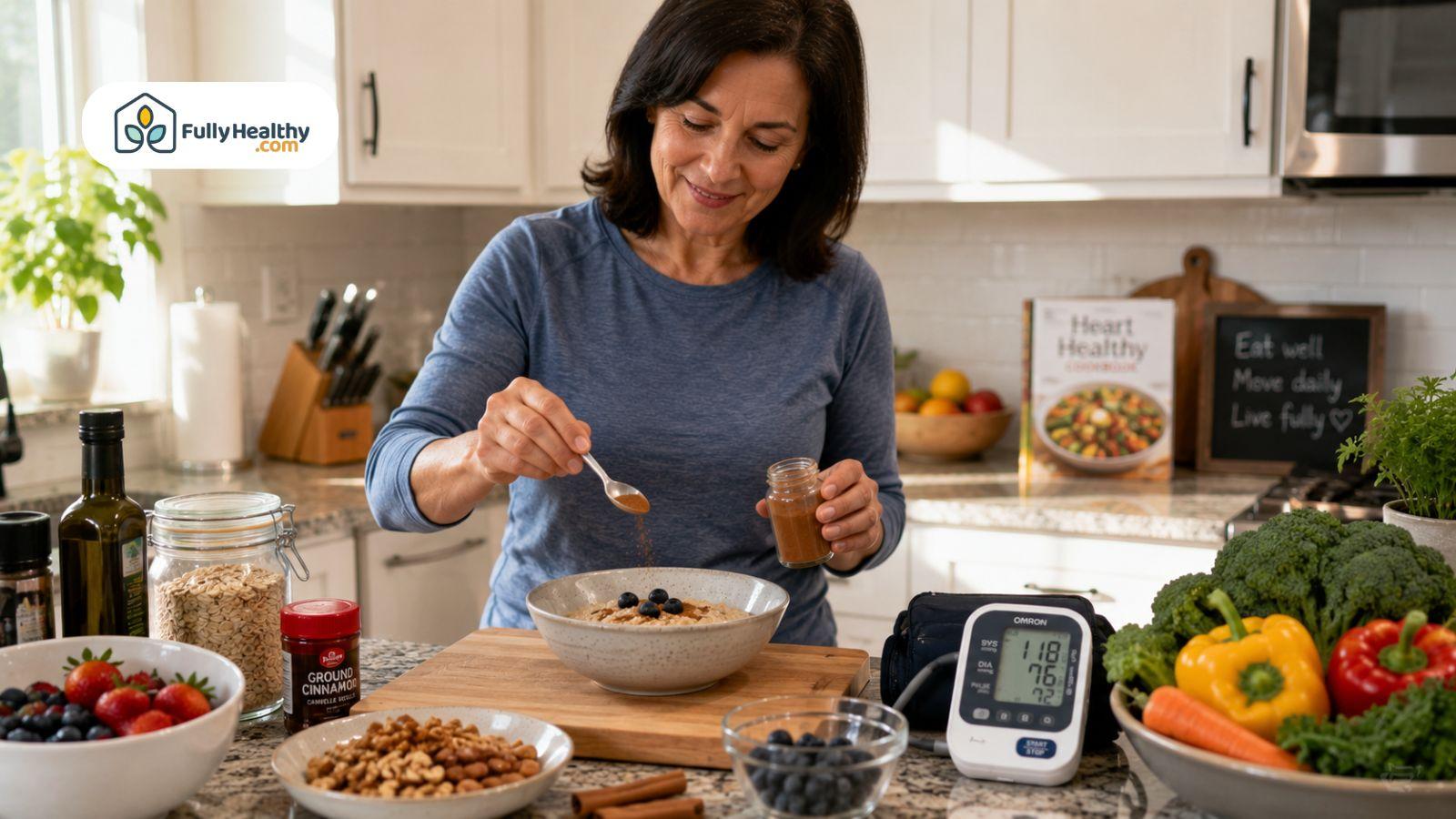
To lower blood pressure, many people wonder if cinnamon works better in the morning or at night. This is not the best time yet, according to research. While cinnamon may help you stick to healthy habits, timing by itself won't lower your blood pressure. What's more important is that you use it safely along with healthy meals, better sleep, exercise, and medical advice.
Morning Vs. Night: Timing Matters Less Than Overall Habits
No solid evidence shows that cinnamon works better at certain times of the day. It tastes good with breakfast for some and evening tea for others. Pick the time that works for you.
-
Morning option: Add cinnamon to oatmeal, fruit, coffee, or yogurt for flavor without extra sugar.
-
Night option: Mix cinnamon into warm drinks or a light snack if it helps you keep a relaxing routine.
-
Healthy focus: Better sleep, stress control, exercise, and balanced food choices matter more for blood pressure.
How To Fit Cinnamon Into A Healthy Routine
The best way to use cinnamon is in normal amounts in food. It might make healthy food taste better, but it shouldn't be used instead of medicine or treatment. Laboratory and animal studies suggest possible anti-inflammatory and anticancer-related mechanisms, but cinnamon has not been shown to prevent cancer in humans.
-
Simple uses: Sprinkle cinnamon on smoothies, baked apples, whole-grain toast, or plain yogurt.
-
Balanced approach: Pair cinnamon with foods rich in potassium, calcium, fiber, and vitamins.
-
Smart reminder: Use cinnamon for flavor, not as a cure for high blood pressure or heart disease.
How Can FullyHealthy Support A Heart-Conscious Diet?
It looks like Fully Healthy has specialty foods and healthy grocery options. The information on the website could not be fully checked during the scan, so medical claims should not be made in this section. Pay attention to how readers can use the site to find useful foods that might fit a plan for watching blood pressure.
What Can FullyHealthy Offer Readers Managing Blood Pressure Through Diet?
Eating better is often the first step in a plan to lower blood pressure. People may look for foods that have simple ingredients and less sodium and sugar added. People on certain diets may find FullyHealthy helpful because it has a lot of different foods.
-
Diet support: Look for gluten-free, dairy-free, low-sugar, or clean-label options when available.
-
Health goal: Choose foods that support balanced nutrition, healthy weight, and steady daily habits.
-
Practical tip: Read labels carefully instead of assuming a product is heart-healthy.
Which FullyHealthy Products Fit A Heart-Conscious Eating Plan?
Check the official FullyHealthy product pages before adding product names and claims. People who read need clear facts, not guesses. Labels with allergens, sodium, sugar, serving sizes, and ingredients are all useful information.
-
Better options: Look for low-sodium snacks, simple pantry items, and healthier baking mixes.
-
Helpful details: Compare sodium, sugar, fiber, and ingredient lists before buying.
-
Important reminder: No single food or supplement can cure hypertension, heart disease, or other serious conditions.
Final Thoughts
Does cinnamon lower blood pressure? It might help people stick to healthy habits, but it hasn't been shown to treat high blood pressure. When you eat cinnamon, use the right amount, and be careful when taking cinnamon supplements.
Focus on making changes to your lifestyle, eating well, exercising, getting enough sleep, and following your doctor's advice for better heart health.
FAQs
Can Too Much Cinnamon Affect Your Blood Pressure?
Large amounts may interact with medications and affect blood sugar; evidence for direct harmful effects on blood pressure is limited.
What Is The Best Way To Take Cinnamon Daily?
The safest way is to use small amounts of cinnamon in food, oatmeal, smoothies, or drinks as part of a balanced diet.
What Is The Best Natural Remedy For High Blood Pressure?
Lifestyle changes such as regular exercise, healthy eating, stress control, better sleep, and reducing sodium are the most effective natural approaches.
Is 1 Teaspoon Of Cinnamon A Day Safe?
One teaspoon of cassia cinnamon may approach or exceed the tolerable daily intake for coumarin in some adults, depending on body weight and coumarin content.
Which Organ Does Cinnamon Affect?
Large amounts of cassia cinnamon may affect the liver because it contains coumarin, which can become harmful in high doses.
Leave a comment