

Does Flour Go Bad? Bad Flour Clues Bakers Should Know
Does flour go bad? Yes, it can. Flour does not spoil like fresh food, but it can turn stale, smell rancid, grow mold, or attract bugs when stored poorly.
The shelf life depends on the type of flour, its date, and how much heat, air, and moisture it meets. Before baking, check the smell, color, texture, and package. This guide shows when flour is safe to use, when to toss it, and how to store it better at home today.
Featured Baking Pick
Bob's Red Mill // Gluten Free 1-to-1 Baking Flour - 44 oz
Loading...
Does Flour Go Bad?
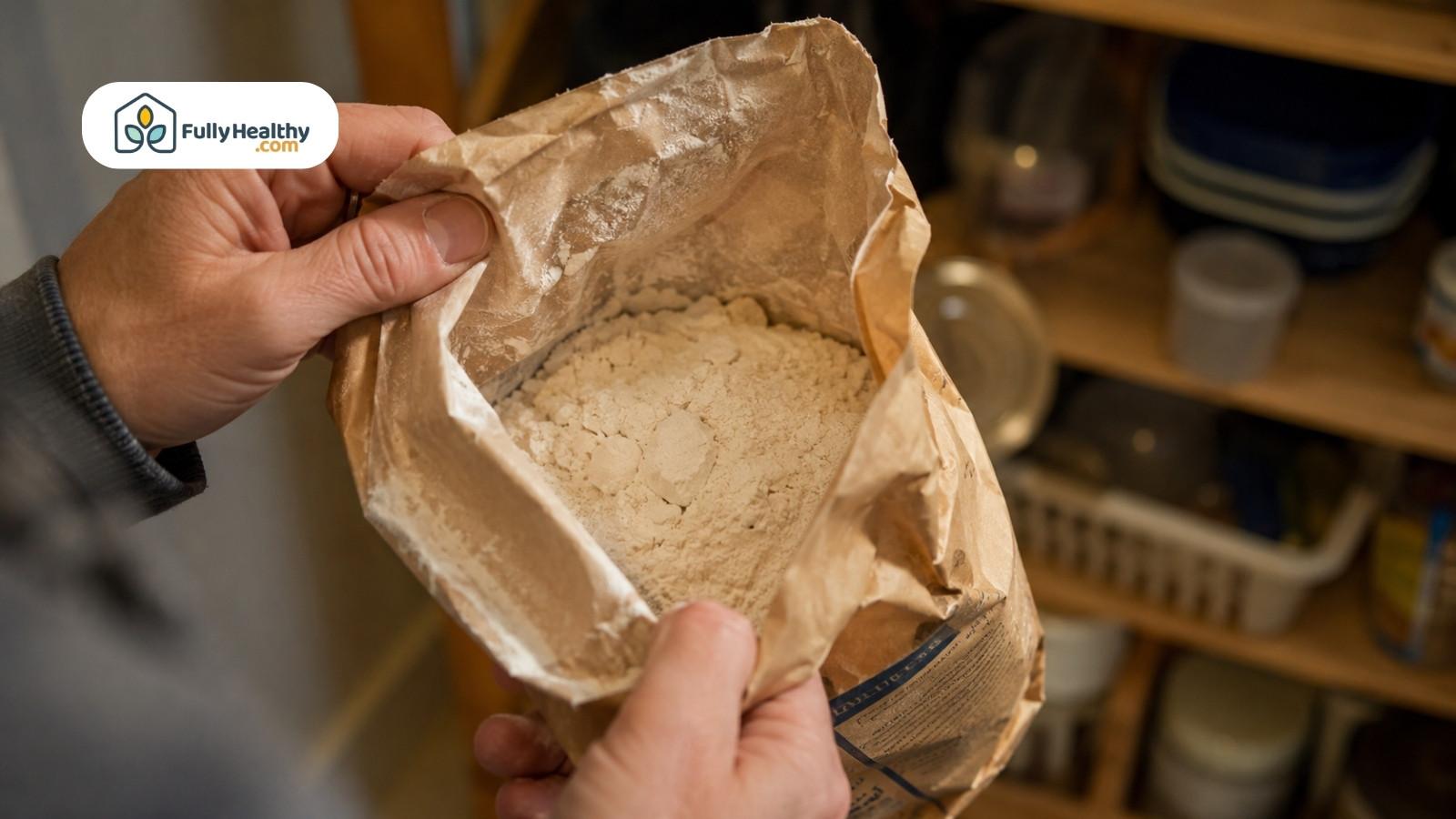
Yes, flour can go bad. This pantry staple is dry and shelf stable, but it does not last forever. Heat, air, moisture, and time can weaken its quality. Fresh flour should smell clean and mild. Old flour may lose flavor, attract bugs, or become spoiled flour.
Yes, Flour Can Go Bad Over Time
Flour changes slowly as it sits in storage. Refined flour and refined white flours usually last longer because many oily parts of the grain are removed. Whole grain flours, whole wheat flour, wheat flour, coconut flour, nut flours, and many gluten free flours contain more natural oils, so they can turn rancid faster.
-
Smell Check: Rancid flour may smell sour, stale, musty, oily, or like wet cardboard.
-
Food Safety: Do not taste raw flour to tell if it's still good because raw flour can carry harmful germs.
-
Quick Rule: If flour smells bad, looks damp, has mold, or contains bugs, toss it.
Why Flour Type Changes Shelf Life?
Shelf life depends on the type of flour, the package, and how it is stored. All purpose flour, bread flour, and refined white flours are usually more stable than grain flours with more oil. Self rising flour can also lose quality because its baking powder, the leavening agent, gets weaker over time.
-
Longer Lasting: Refined white flour often remains usable for about 6–12 months at room temperature when stored properly, and longer under refrigerated or frozen storage.
-
Shorter Lasting: Whole grain flours, whole wheat flour, coconut flour, and nut flours lose quality faster because they contain more natural oils.
-
Baking Results: Weak or old flour may make baked goods taste dull, feel dense, or bake unevenly.
Can I Use Flour 2 Years Out Of Date?
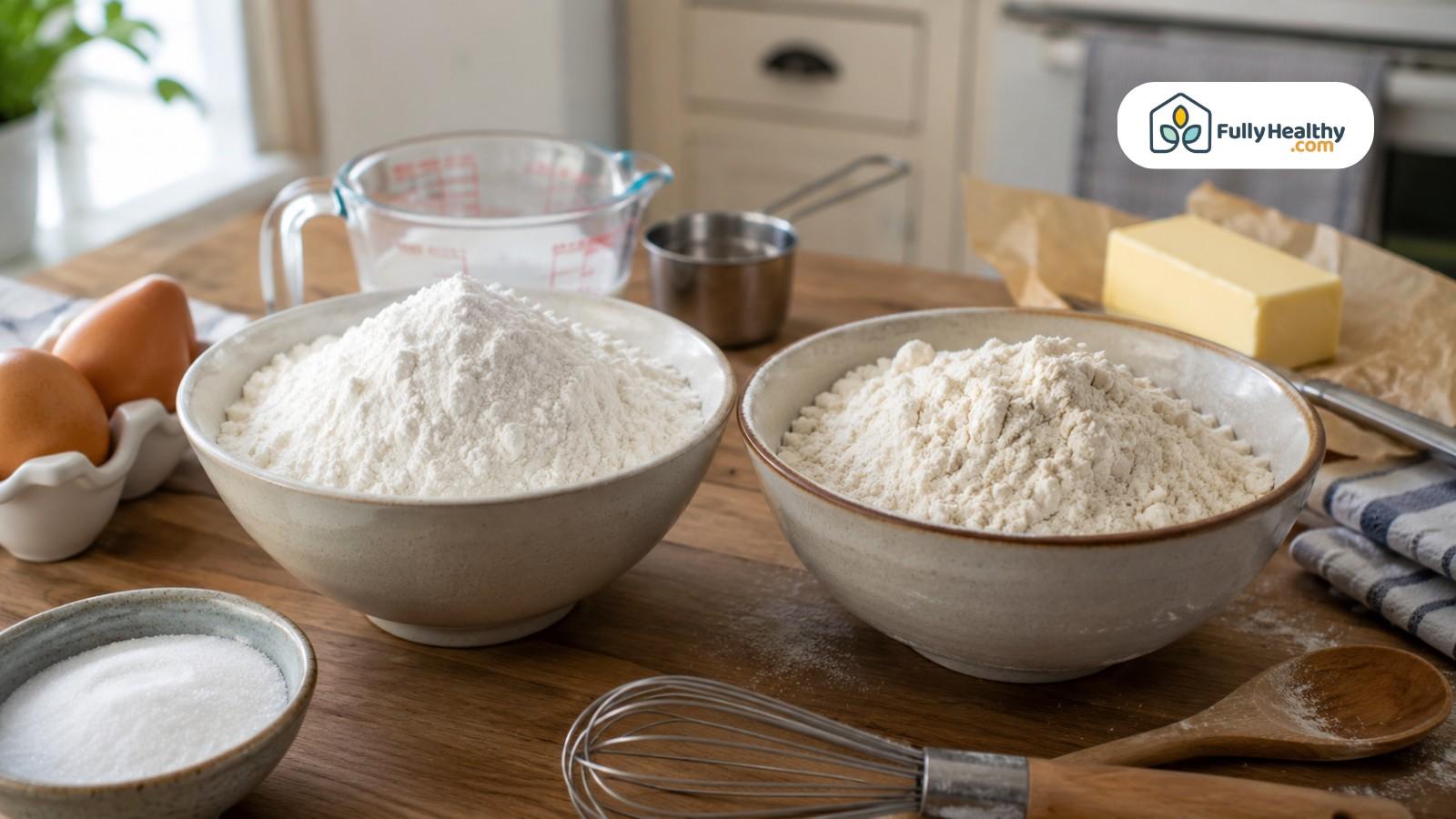
You might be able to use expired flour two years after the expiration date, but only if it was stored well and passes a careful check. Best by dates usually guide quality, not instant food safety. A pastry chef or baking experts would still check the smell, texture, and performance before using flour past its date.
Best By Dates Are Quality Guides, Not Automatic Toss Dates
Dates on flour often point to peak freshness, not the exact day it becomes unsafe. If flour stayed sealed in a cool, dry, dark place, it may still work. But old flour with a bad smell, moisture, mold, or pests should not be used in any recipe.
-
Use Caution: Two-year-old refined flour is more likely to stay usable than whole grain flour because it has fewer natural oils.
-
Skip Risk: Never bake with flour that is moldy, damp, insect-filled, or smells sour.
-
Better Choice: Replace questionable flour before making bread, cakes, cookies, or other important recipes.
A Safe Check Before Using Old Flour
Before using flour past the date, inspect it with a simple food science check. Look at it, smell it, and feel it. Check the bag or container too. If the flour was left open, stored near heat, or exposed to humidity, proper storage likely failed.
-
Texture Check: Dry flour should feel soft and powdery, not wet, hard, sticky, or clumpy.
-
Color Check: Avoid flour with unusual discoloration, dark spots, or visible mold growth; natural color varies by flour type.
-
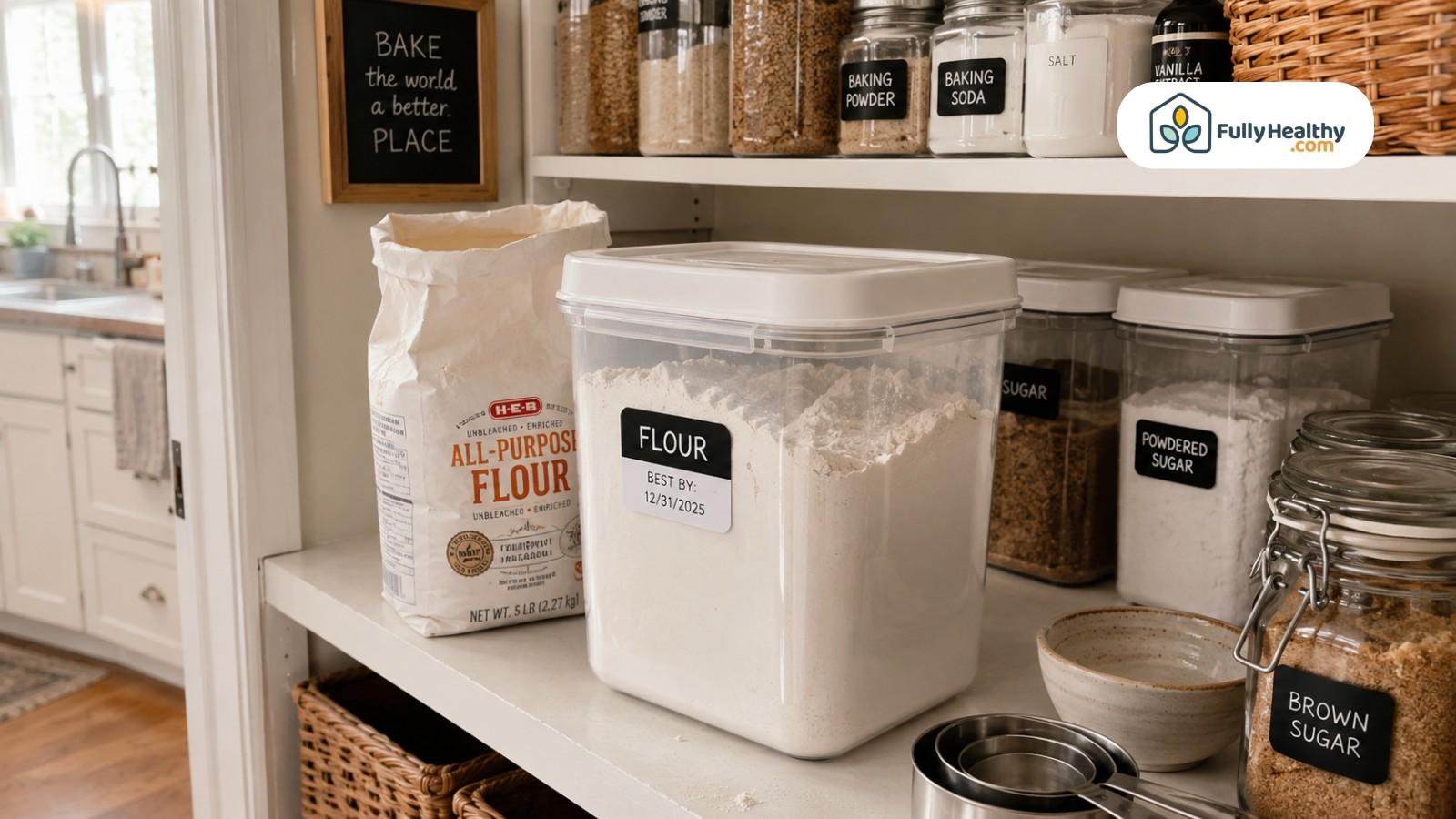
Storage Check: Store flour in an airtight container and keep it away from heat, sunlight, and moisture.
How Do You Know If Flour Has Gone Bad?
You can spot bad flour with your senses, except taste. The easiest signs are smell, color, texture, moisture, mold, and pests. Good flour should look dry and smell plain. If something feels wrong, it is safer to check again before adding it to dough or batter.
Start With Smell, Because Your Nose Knows
Smell is the fastest clue. Fresh flour should not have a strong odor. Rancid flour or spoiled flour may smell sharp, sour, musty, oily, chemical-like, or stale. This odor happens when fats break down, especially in whole grain flours and other high-oil flours.
-
Bad Odor: A wet cardboard, paint-like, sour, or musty smell means the flour should be thrown away.
-
No Taste Test: Raw flour is not safe to taste because it can carry germs from the field or processing.
-
Recipe Impact: Rancid flour can ruin bread, cakes, pancakes, cookies, and other baked goods.
Check Color, Texture, Moisture, Mold, And Bugs
Visual checks matter just as much as smell. Mold, webbing, weevils, pantry moths, damp clumps, or strange colors mean the flour is unsafe or poor quality. Do not scoop out the bad part and keep the rest. Seal the flour and toss it, or use a compost bin if appropriate.
-
Mold Warning: Moisture can let mold spread deeper into flour, even if you only see a small spot.
-
Pest Warning: If you find bugs in flour, check nearby cereal, rice, grains, and baking mixes too.
-
Prevention Tip: Store flour sealed, cool, dry, and dated so you can track freshness more easily.
When Should You Throw Flour Away?
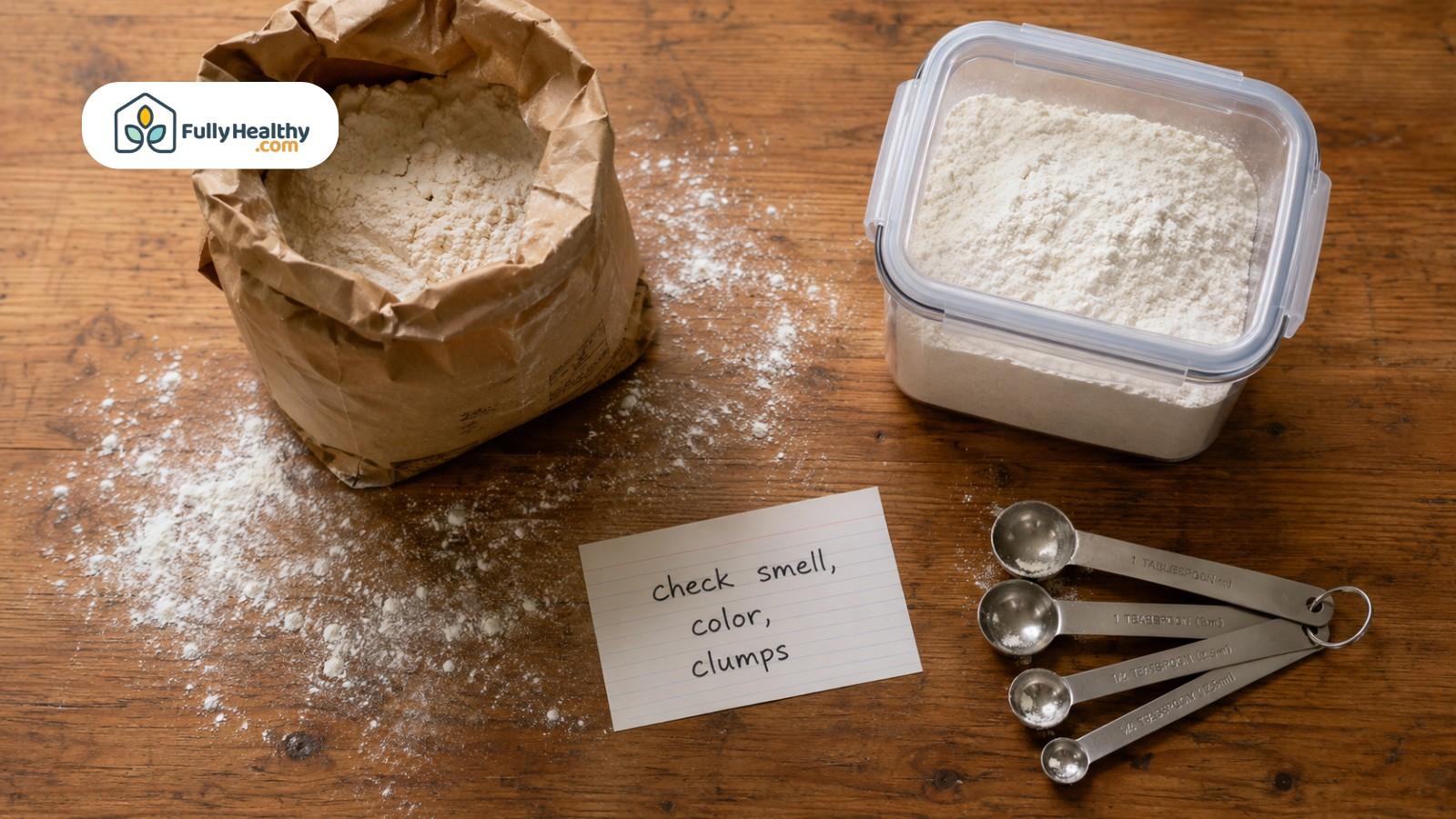
Throw flour away when it shows clear signs of spoilage. Bad flour can ruin your recipe and may not be safe to eat. If it smells strange, looks wet, or has pests, it is better to toss it than risk your food.
Throw Flour Away When Spoilage Signs Are Obvious
Spoiled flour is usually easy to spot when you know what to check. If it smells sour, musty, oily, or like play doh, it is no longer fine. Flour with mold, bugs, or damp clumps should not be used.
-
Smell Warning: A sour, musty, oily, or wet cardboard smell means the flour should be thrown away.
-
Moisture Warning: Damp flour can support mold growth, especially when exposed to moisture and warm storage conditions.
-
Pest Warning: If you see weevils, webbing, or pantry moths, toss the flour and check nearby food.
Throw Flour Away When It Ruins Baking Performance
Flour can be too old even if it looks normal. This often happens with whole grain flour, rye flour, or flour with bran because they have a higher fat content. Those natural oils can turn bad faster without proper storage.
-
Flat Bakes: Old self-rising flour may not rise well because the baking powder can lose strength.
-
Poor Texture: Cakes, cookies, bread, and other baked goods may taste dull, dry, or heavy.
-
Smart Choice: Replace old flour before making recipes with eggs, butter, or other costly ingredients.
How FullyHealthy Helps With Better Flour Choices
FullyHealthy can help you restock after you throw away old flour. It is useful if you need gluten-free, grain-free, AIP-friendly, or specialty baking products. This makes it easier to choose flour that fits your recipes and diet needs.
FullyHealthy Makes Specialty Flour Shopping Easier
FullyHealthy gives shoppers a more focused way to find baking products for special diets. Instead of checking many stores, you can look for options that match your cooking style. After buying flour, store it in a cool, dark place or use the fridge or freezer for longer freshness.
-
Easy Shopping: FullyHealthy gathers specialty food products in one place for simple browsing.
-
Better Planning: You can choose flour based on your recipes, diet needs, and shelf life.
-
Freshness Tip: Keep flour in an airtight container, away from heat, light, and strong odors.
FullyHealthy Flour Products Worth Highlighting
FullyHealthy carries helpful products for different baking needs. These options are useful when you want to replace old flour with something that fits your kitchen better. Always check each product label for storage tips before you freeze, refrigerate, or open it.
-
AiPeazy Pizza Crust Mix With Tigernut Flour: This mix is made for quick flatbread-style pizza at home.
-
Otto’s Naturals Cassava Flour: This grain-free flour works for baking, thickening, dredging, and starch-based recipes.
-
Bob’s Red Mill Gluten Free 1-To-1 Baking Flour: This blend works well for cookies, cakes, muffins, pancakes, and brownies.
Final Thoughts
Flour is a pantry staple, but it does not last forever. Fresh flour should smell mild, look dry, and work well in baked goods. Expired flour may still be fine, but you need to tell if it's still safe by checking odor, color, moisture, and pests.
If it smells like wet cardboard, play doh, or sour oil, toss it. Rancid flour and spoiled flour can ruin food and affect food safety.
Store flour in an airtight container, in a dark place, away from light, heat, and moisture. For longer shelf life, use the fridge or freezer, and freeze high-risk flours. Proper storage keeps flour past best by dates useful when stored properly.
FAQs
Can Old Flour Still Be Used?
Yes, old flour can be used if it smells fresh, looks dry, has no bugs, and was stored properly, but baking experts and a pastry chef would toss it if the expiration date is far past and the flour shows spoilage.
Which Flours Go Bad Faster?
Whole grain wheat flour, whole wheat flour, rye flour, coconut flour, nut flours, and some gluten-free flours generally turn rancid faster because their higher oil content reduces shelf life.
Which Flours Last Longer?
Refined flour, refined white flours, all purpose flour, and bread flour are more shelf stable than grain flours because they contain less oil, but they still need proper storage in an airtight container.
Why Does Self-Rising Flour Stop Working?
Self rising flour can fail because baking powder is the leavening agent, and when it gets old, it may not lift baked goods with eggs, starch, or fine flour as well.
Can Bad Flour Go In The Compost Bin?
Yes, flour can go in a compost bin if it has no harmful chemicals, but do not eat spoiled flour, rancid flour, or flour with mold, pests, or a strong bad smell.
Leave a comment