

Does Spinach Make You Poop? Read This Before Eating More Greens

Does spinach make you poop? Yes, it can help some people have easier bowel movements. Spinach has water and fiber that may support bowel regularity; its magnesium content is modest per serving.
Still, it is not a fast laxative, and it does not work the same for everyone. Eating too much may cause gas, bloating, or loose stool. This guide explains how spinach affects digestion, when it helps, and when you may need to be careful.
Does Spinach Make You Poop?
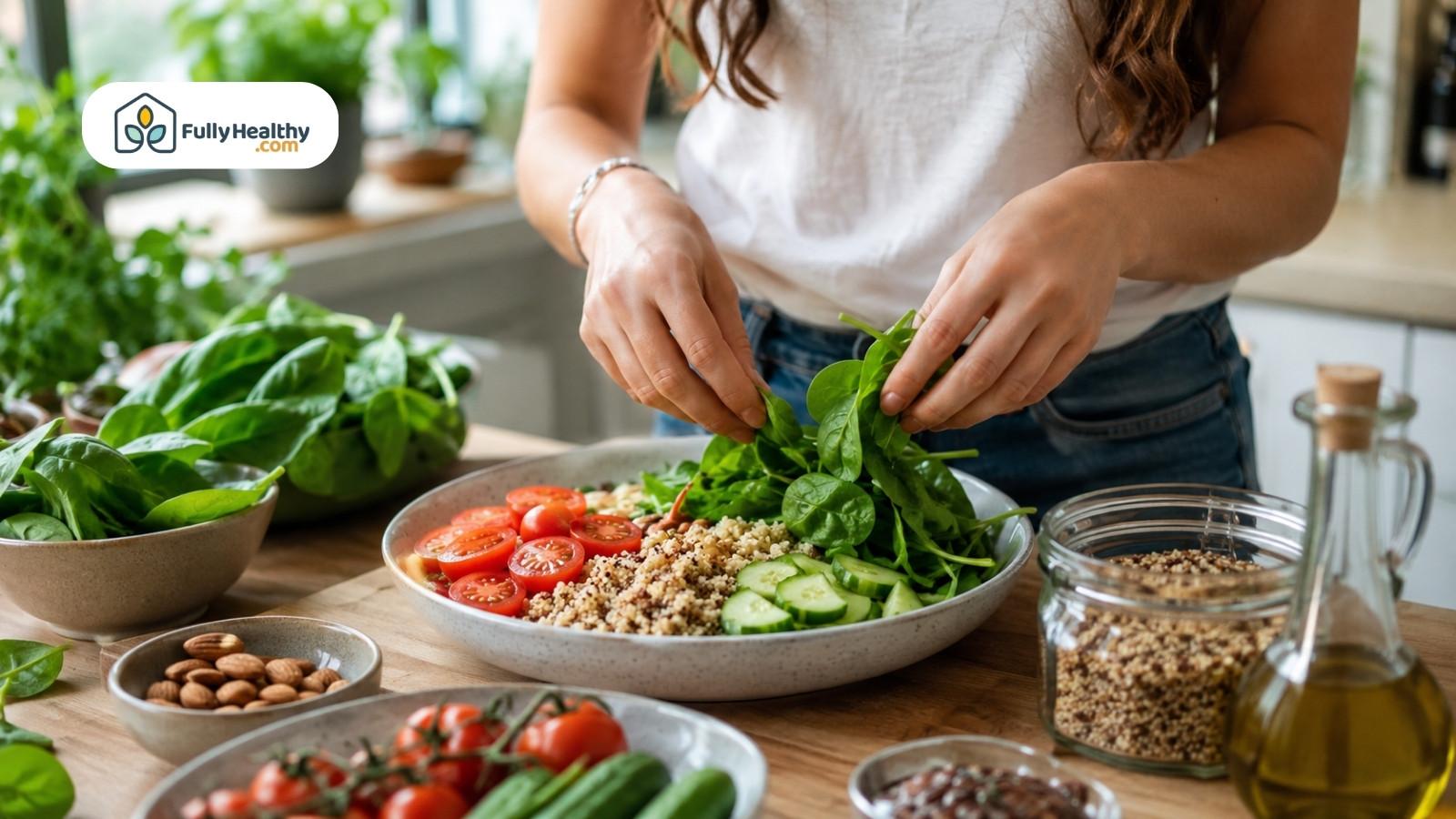
Yes, spinach may help some people poop because it is a leafy green with water, dietary fiber, and magnesium. Spinach contains soluble fiber and insoluble fiber, which can help support stool movement through the digestive tract.
Still, raw spinach or cooked spinach is not medicine. Your digestive system also depends on fluids, fiber intake, and your overall diet.
Why Spinach May Help You Poop?
Spinach can support bowel movements because fiber spinach adds bulk to stool. Insoluble fiber helps food move through the small intestine and colon. Research suggests that high fiber vegetables may help ease constipation when paired with enough water.
-
Fiber Support: Dietary fiber helps stool hold water, making it softer and easier to pass.
-
Hydration Matters: Spinach has water, but you still need to drink enough fluids each day.
-
Better Balance: Pair more spinach with fruits, grains, beans, and vegetables for better digestion.
Why Spinach Does Not Work The Same For Everyone?
Some people may notice undigested spinach in their stool after eating raw spinach. This can happen when plant fibers pass through the gut quickly. It is usually not a concern unless it comes with strong gastrointestinal symptoms.
-
Possible Discomfort: Too much spinach may cause digestive issues, gas, stomach cramps, or loose stool.
-
Sudden Change: A sudden change in fiber intake can upset your gut and cause bloating.
-
Watch Reactions: Avoid spinach and seek medical advice if it causes allergic symptoms such as swelling, hives, wheezing, or severe gastrointestinal symptoms.
Is Spinach A Laxative?
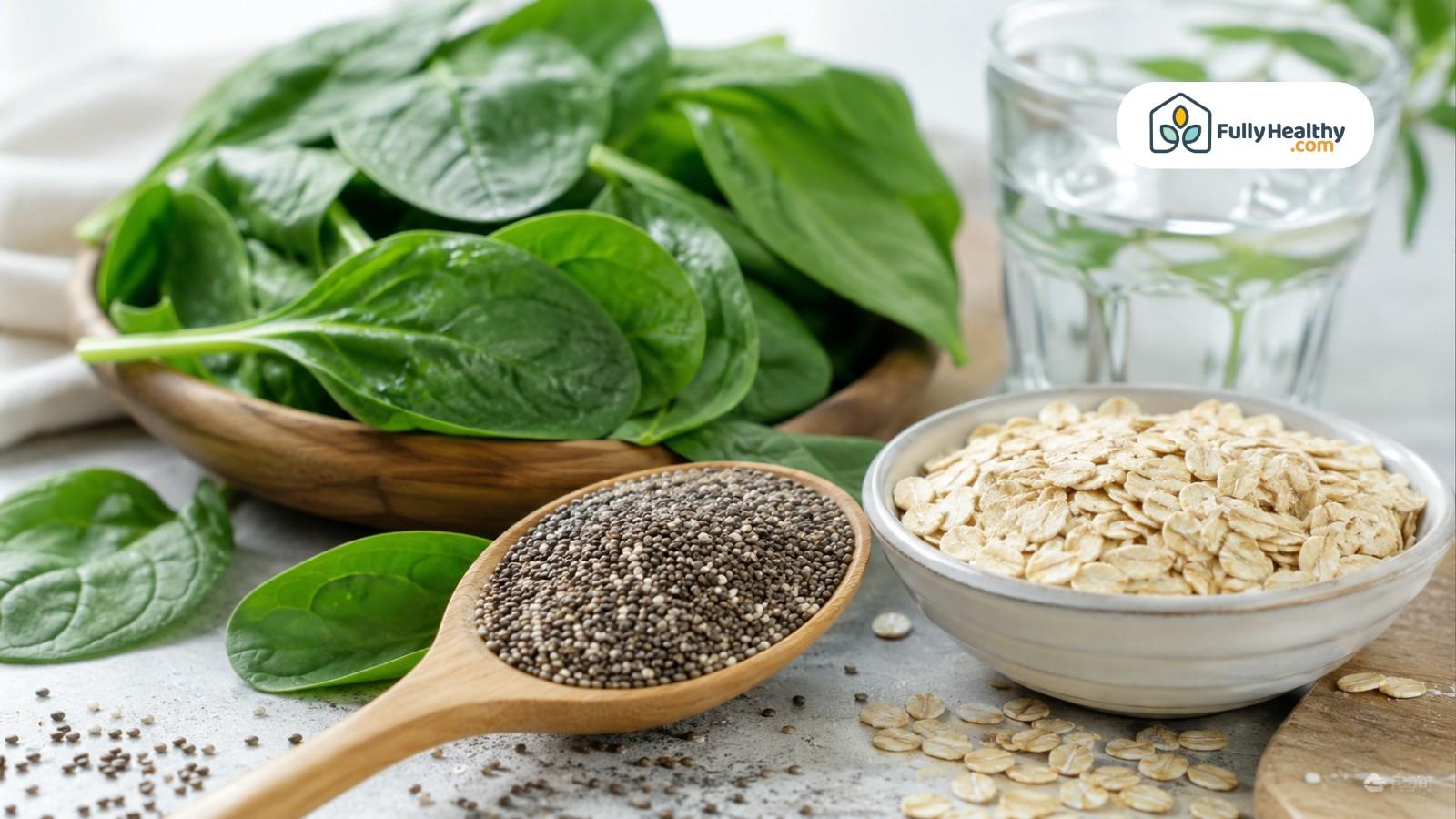
Spinach is not a true laxative. It does not force your bowel to move like some medicines do. Instead, it supports the digestive system as a high fiber food. Its health benefits come from fiber, vitamin C, vitamin K, plant based iron, and minerals.
Spinach Is Not A True Laxative
Spinach may help with constipation, but it should not replace medical care. If you have constipation with bleeding, weight loss, severe pain, or ongoing stomach cramps, it is best to talk to a healthcare provider.
-
Gentle Effect: Cooked spinach may feel easier on the digestive tract than large raw salads.
-
Not Instant: Eating more spinach today may not make you poop right away.
-
Food Safety: Wash spinach well before eating it to lower the risk of food poisoning.
How To Eat Spinach To Support Bowel Movements?
For better digestion, start with a small serving and increase slowly. Add spinach to soup, eggs, rice bowls, smoothies, or pasta. If dairy products bother your stomach, try lactose free milk in smoothies instead.
-
Smart Meals: Mix spinach with vitamin c foods to support plant based iron absorption and help lower iron deficiency risk.
-
Less Grease: Avoid fatty foods if they trigger reflux, bloating, or digestive discomfort.
-
Portion Control: Excessive consumption or high quantities of spinach may cause bloating or loose stool.
What Happens If You Eat Spinach Daily?

Eating spinach daily can fit a healthy diet for many people. It may support eye health, bone health, blood pressure, and the nervous system. Still, certain foods affect people differently, so your portion size matters.
Daily Spinach May Support More Than Digestion
Spinach contains vitamin K, which helps with blood clotting. It also has nutrients linked with eye health, bone health, and normal body function. Some plant compounds in spinach may also support healthy blood pressure.
-
Nutrient Mix: Spinach offers vitamin C, folate, magnesium, vitamin K, and plant based iron.
-
Body Support: These nutrients help support the nervous system, blood, muscles, bones, and eyes.
-
Simple Summary Spinach: Spinach is healthy, but it works best when eaten with a varied diet.
Daily Spinach Can Be Too Much For Some People
Too much spinach can be a concern for people prone to kidney stones. Its oxalate content may raise the risk of calcium oxalate stones in sensitive people. People taking blood thinners should also keep vitamin k intake steady.
-
Kidney Caution: Ask a healthcare provider before eating more spinach if you have kidney stones or kidney disease.
-
Medicine Caution: Blood thinners may require steady vitamin K habits, so avoid sudden diet changes.
-
Gut Caution: High quantities of spinach may cause digestive issues, especially after a sudden change in fiber intake.
What Not To Mix With Spinach?
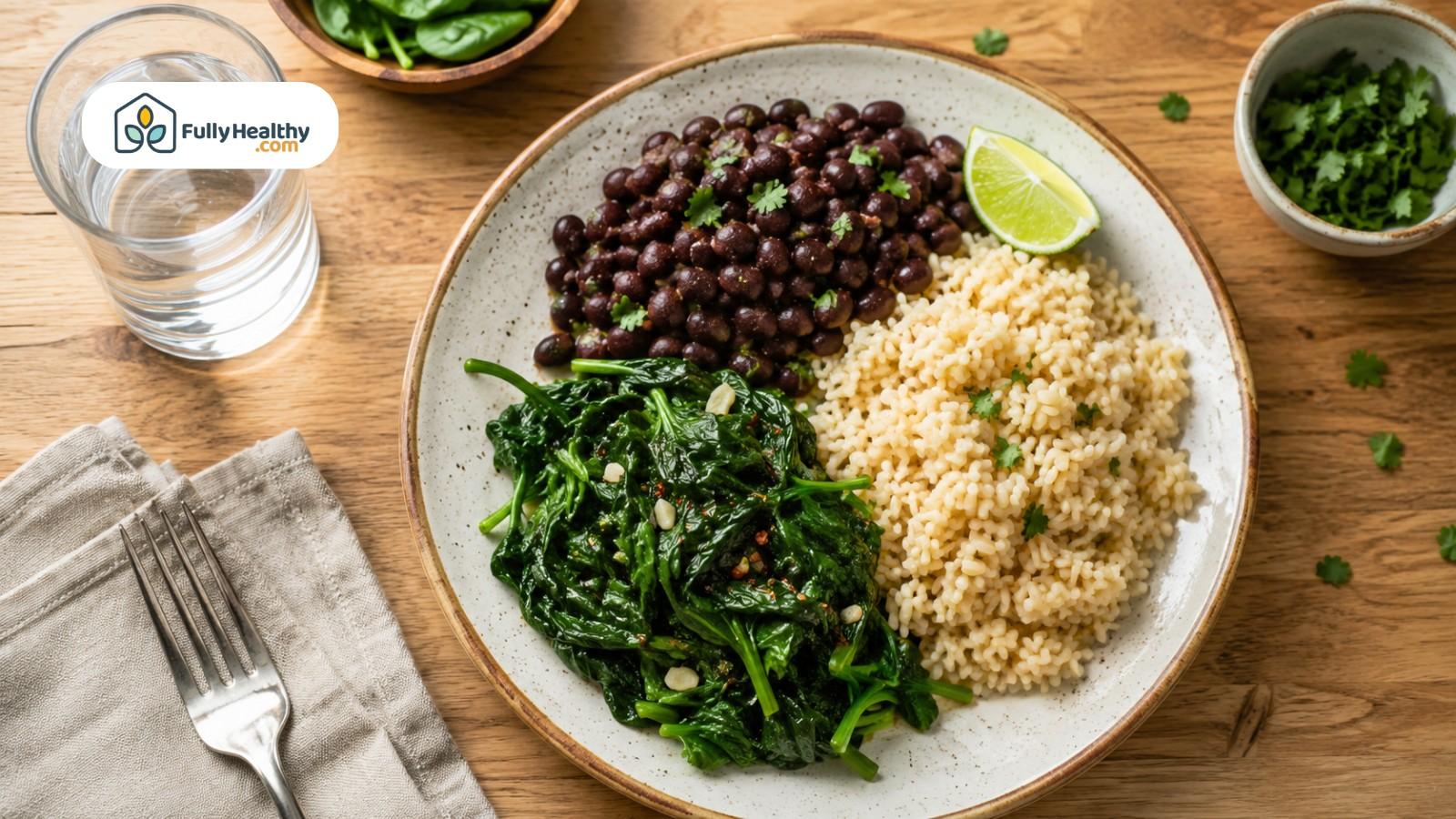
Spinach is healthy, but some pairings need context. Most people can eat it with veggies, grains, or protein without a problem. The bigger concerns are serving size, food safety, and how your stomach reacts. Large amounts may cause diarrhea, especially if your body is not used to greens.
Spinach Food Pairings Need Context
Some claims say spinach should not be mixed with certain foods, but many are not strongly proven. Instead of fearing every mix, focus on balance, freshness, and how your gut feels after eating.
-
Calcium Foods: Dairy may bind some oxalates, but it does not automatically make spinach unsafe.
-
High Fiber Meals: Spinach has high fiber content, so mixing it with kale, cabbage, beans, or many veggies may feel heavy.
-
Food Safety: Wash fresh spinach well because bacteria can cause food poisoning, stomach cramps, or diarrhea.
Better Foods To Pair With Spinach
Spinach works well in simple, balanced meals. You can pair it with eggs, fish, lean meat, grains, fruit, and other vegetables. For better nutrition, add vitamin C foods like tomatoes, citrus, or bell peppers.
-
Iron Support: Vitamin C helps your body absorb plant-based iron from spinach.
-
Easy Digestion: Cook spinach if raw greens make your stomach feel bloated.
-
Smart Portions: Start with a small serving size, then slowly add more if your gut feels fine.
How FullyHealthy Can Help With Easy Spinach-Friendly Meals
FullyHealthy can help readers find pantry items for special diets. It offers easy meal options and simple seasonings. For spinach lovers, choose products that already include spinach or help season it. Always check nutrition labels, allergens, and serving size before buying.
Spinach Products Available On FullyHealthy
FullyHealthy has useful options for people who want quick spinach-friendly meals. These products can make it easier to add greens, flavor, and variety to your diet without much prep.
-
Wild Zora Herb Roasted Chicken Meal: This quick quinoa meal includes spinach, carrots, herbs, and chicken.
-
Wild Zora Greek Garden Lentil Meal: This quick quinoa meal includes tomato, spinach, green olives, and lentils.
-
Paleo Power Herbed Salt Free: This seasoning adds flavor to cooked spinach, eggs, or veggies without added salt.
Who These FullyHealthy Options May Help
These options may help busy readers who want cleaner meals. They may also fit people watching ingredients, salt, or diet choices. Spinach, kale, cabbage, and other vegetables can support a healthy eating pattern.
-
Busy Readers: Quick meals make spinach easier to add to lunch or dinner.
-
Careful Shoppers: Check ingredients, allergens, serving size, and diet labels before buying.
-
Balanced Eating: Use these products with fresh food, not as your only nutrition source.
Final Thoughts
So, does spinach make you poop? Yes, it can help some people because spinach has water, fiber, and nutrients that support digestion. It is not a fast laxative, but it can help stool move better when you eat it with enough water and a balanced diet.
Spinach is also a good source of vitamin K, vitamin C, iron, and plant compounds linked to general health. Still, high amounts may cause gas, bloating, or loose stool in some people.
Eating too much can also be a concern for people with kidney stone risks. Spinach may support a healthy diet, but it does not prevent or cure cancer. Start small and listen to your body daily.
FAQs
Can Spinach Help With Constipation?
Yes, spinach may help constipation because it has fiber and water that support smoother bowel movements.
Can Eating Too Much Spinach Cause Diarrhea?
Yes, high amounts of spinach may cause diarrhea, gas, or bloating in people with sensitive digestion.
Is Spinach A Good Source Of Fiber?
Yes, spinach is a good source of fiber, but it works best with water and other healthy foods.
Can Spinach Lower Cancer Risk?
Spinach has plant nutrients linked to health, but it does not directly prevent or cure cancer.
How Much Spinach Should You Eat?
A small serving is best at first, since high amounts may upset your stomach.
Leave a comment