

Does Vinegar Expire? How Long It Really Lasts
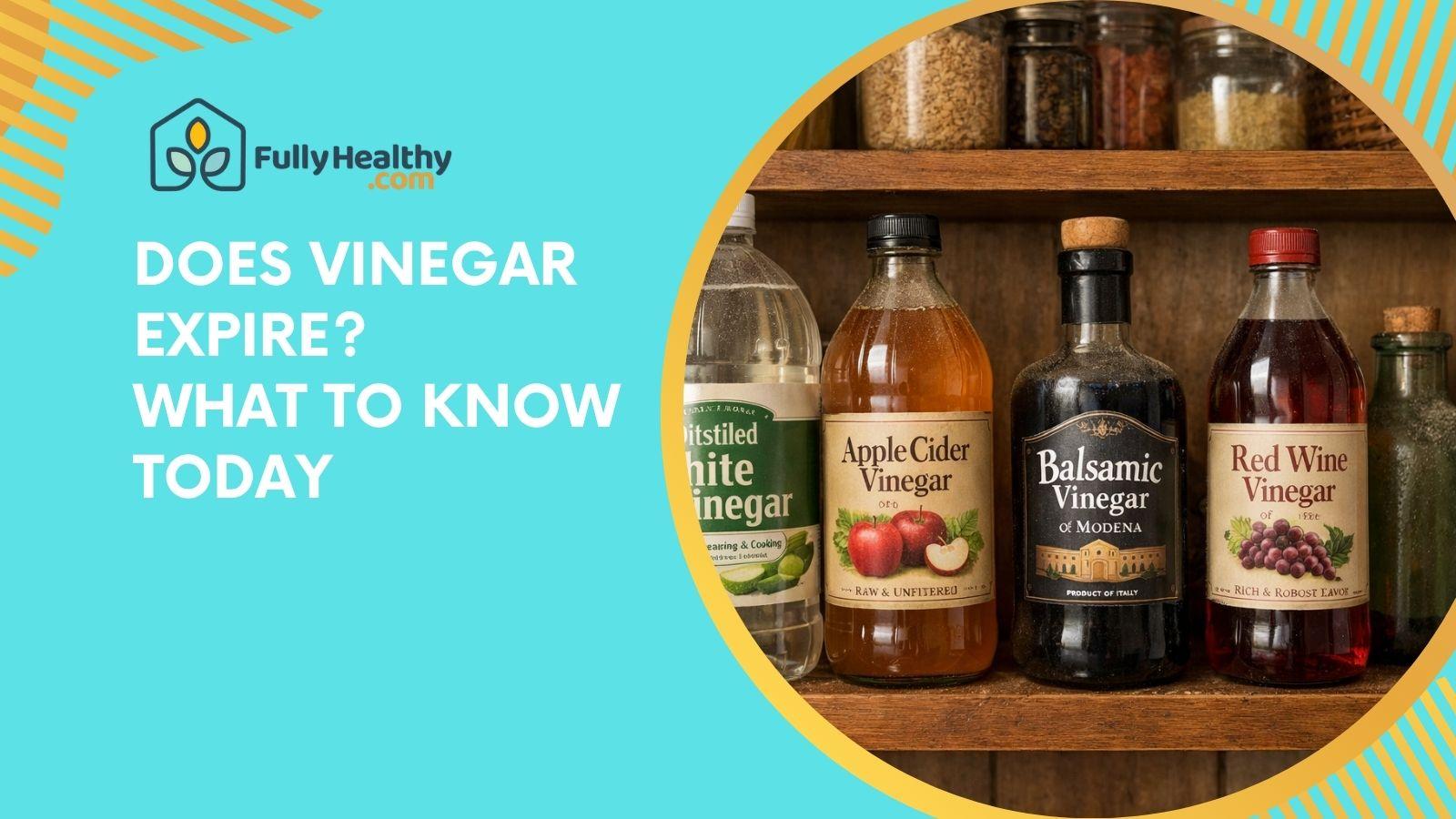
Does vinegar expire? Not like most foods do. Because it is naturally acidic, vinegar lasts a very long time. It rarely gets unsafe, but over time, the way it tastes, looks, and is strong can change. There is a difference between vinegar that is safe to use and vinegar that has gone bad. This guide tells you how long vinegar lasts, how to keep it safe, and when to get a new bottle.
Featured Pantry Pick
Napa Valley Naturals // Champagne Vinegar - 12.7 oz
Loading...
Does Vinegar Expire?
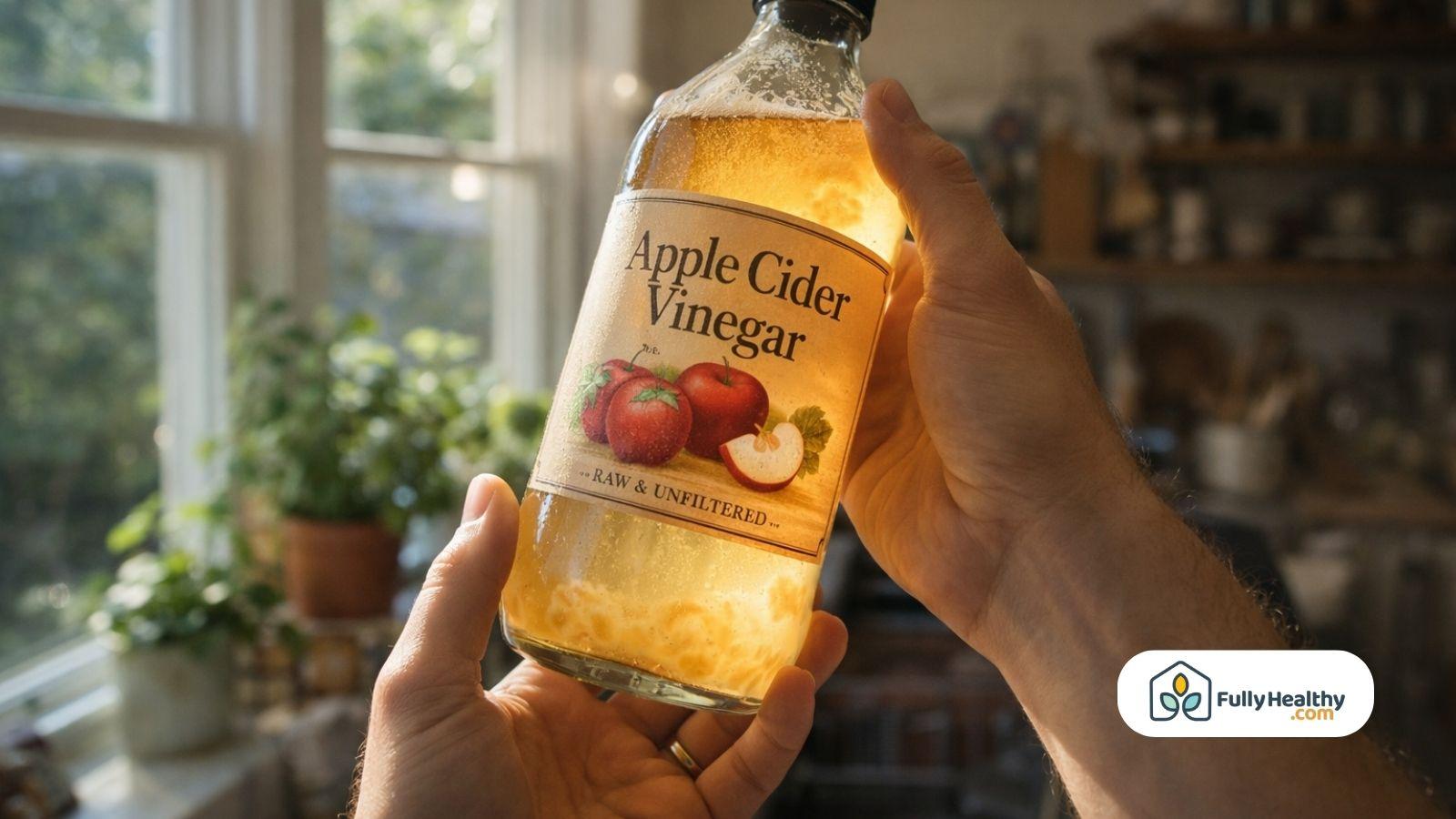
Given its acidic nature, vinegar does not go bad like most other foods. A substance called fermentation changes alcohol from wine, beer, rice, or apple cider into acetic acid. When vinegar is stored properly, this process makes it last forever. Although vinegar's quality, taste, and strength can change over time, especially if bottles are kept in a pantry.
Why Vinegar Has An Almost Indefinite Shelf Life
Acetic acid in vinegar inhibits many microorganisms, which is why vinegar is shelf-stable for long periods. The word "vinegar" comes from the word for "sour wine," which shows that it originates from fermentation. Vinegar is generally safe for cooking and dressings, but for pickling or home canning, only vinegar with a known acidity—typically 5% acetic acid—should be used.
-
Acetic Acid Protection: Prevents harmful bacteria and keeps vinegar safe to use.
-
Fermentation Process: Turns alcohol from wine, beer, or vodka into acid.
-
Stable Structure: Contains few volatile compounds, so it does not spoil easily.
-
Variety Or Types: Includes cider vinegar, balsamic, and other varieties that are safe.
Best By Dates Vs Actual Expiration
When vinegar bottles say "expired," it's about quality, not safety. It's usually fine to eat vinegar after the dates given. Although older vinegar may lose potency, taste, or tartness over time, it is still safe to use. This helps you discard food more efficiently and cut down on food waste at home.
-
Expiration Date Meaning: Shows peak quality, not when vinegar go bad.
-
Flavor Changes: May become weaker or less sharp over time.
-
Long Shelf Life: Safe for extended periods if stored in a cool, dark place.
-
Smart Use: Use older vinegar for cleaning instead of throwing it away.
How Can You Tell If Vinegar Has Gone Bad?
Vinegar doesn't usually go bad, but it can change over time. These changes don't usually happen because of bad bacteria, but because of light, heat, or air. If you know what's normal, you can tell if the vinegar is still good for cooking or cleaning.
Harmless Changes Vs Real Spoilage Signs
Some changes might look odd, but they are safe. For instance, vinegar might get cloudy or develop sediment. It is also possible for a "mother" to form, which is a natural result of fermentation and the activity of bacteria.
-
Cloudy Look: Cloudiness may result from harmless sediment or a vinegar ‘mother,’ especially in unfiltered vinegar, but unusual growth or visible mold warrants discarding.
-
Mother Formation: A vinegar ‘mother’ is a natural cellulose-rich biofilm formed by acetic acid bacteria in some unfiltered vinegars; it is generally harmless, but fuzzy or colored mold is not.
-
Sediment Build-Up: Common in less-filtered types like balsamic or cider vinegar.
-
Easy Fix: Simply strain using a coffee filter before using it.
Smell, Taste, And Visual Clues To Watch
Rarely does real spoilage happen, but it can. If vinegar tastes bad, smells bad, or grows mold, it might not be safe to use in recipes. If you're not sure whether to buy wine vinegar or rice vinegar for cooking, a simple taste test can help you decide.
-
Off Smell: Vinegar normally has a strong acidic smell; discard it if it develops mold, obvious contamination, or an atypical putrid odor.
-
Taste Test: If the flavor has become flat or altered, the vinegar may still be safe but lower in quality; replace it if flavor strength matters.
-
Mold Growth: Shows contamination and should not be consumed.
-
Color Change: Extreme changes may affect quality and flavor.
Can Apple Cider Vinegar Affect Metformin?

Apple cider vinegar may modestly affect post-meal glucose responses in some studies and can delay gastric emptying; people taking glucose-lowering medicines should use caution and seek medical advice. It comes from apple cider that has been fermented and has acetic acid in it, which changes how the body breaks down sugar and starch.
How Apple Cider Vinegar Impacts Blood Sugar
It's possible that apple cider vinegar can slow down digestion and help the body handle sugar better. This can help keep blood sugar levels in check, but it can also cause problems when taken with medicines that lower glucose.
-
Slower Digestion: Delays how quickly food leaves the stomach.
-
Better Sugar Control: Helps the body manage sugar from food.
-
Acidic Effect: Influences how the body reacts to sugar and salt.
-
Common Use: Often added as a splash in drinks or recipes.
Risks Of Combining ACV With Metformin
Metformin alone rarely causes hypoglycemia. Apple cider vinegar may affect post-meal glucose in some people, so patients on diabetes medicines should monitor symptoms and consult a clinician, but a specific harmful interaction with metformin is not well established. If this condition is not treated properly, it can get worse. Be careful and talk to a doctor if you need to.
-
Low Blood Sugar Risk: Levels may drop too much when combined.
-
Warning Signs: Include sweating, weakness, and confusion.
-
Drug Interaction: Affects medications like metformin and insulin.
-
Safety Tip: Always consult a healthcare provider before combining them.
Is Expired Vinegar Still Safe To Use?
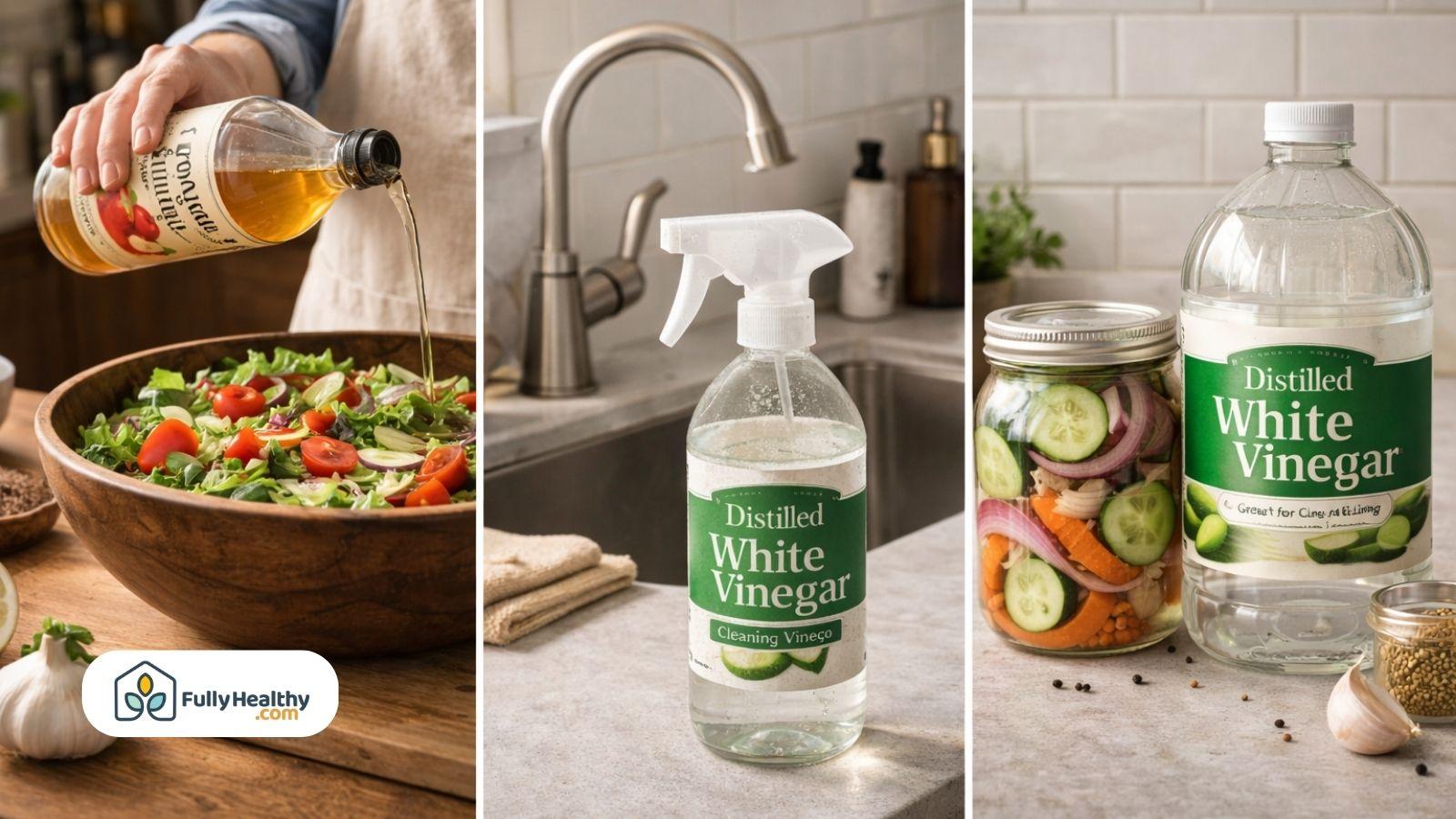
Even if a bottle of vinegar has passed its expiration date, it is usually still safe to use. It stops bad bacteria from growing with its strong acid. Quality can change over time, though. There might be a small change in taste, color, or strength. When cooking or pickling vegetables, where balance and taste are important, this is even more important.
Why Old Vinegar Is Usually Still Safe
Commercial vinegar is usually stable for long periods, but its acidity and quality can be affected by dilution, contamination, or prolonged poor storage. It rarely goes bad after being stored in the fridge or pantry for a long time. The right way to store it will help keep its quality and make it useful for many tasks.
-
Acid Stability: The acid level stays strong and prevents harmful bacteria growth.
-
Long Shelf Life: Can last for years, even without the need to refrigerate.
-
Safe Usage: Still fine for cooking, cleaning, and light pickling.
-
Storage Tip: Keep it away from direct sunlight and heat to protect quality.
When To Avoid Using Older Vinegar
There are times when something other than vinegar is better. If it's been out in the air or water, it might lose its strength. With raw vegetables or recipes that need the right amount of acidity, this is very important.
-
Dilution Risk: Water or condensation can weaken the vinegar.
-
Flavor Loss: May taste flat or less sharp over time.
-
Pickling Safety: Do not use vinegar for pickling if its acidity is unknown or if it may have been diluted; safe pickling requires vinegar of known strength, typically 5% acidity.
-
Warning Signs: If it smells off or looks unusual, it is best to discard it.
What Does Fully Healthy Offer For Vinegar And Clean Pantry Alternatives?
Fully Healthy is an online store that sells healthy and unique foods. People can use it to find products that are gluten-free or allergen-free, for example. It doesn't just have vinegar; it has a lot of pantry items that help you cook better and make healthier choices.
How FullyHealthy Supports Specialty Diets And Clean Eating
FullyHealthy makes shopping easy by selling goods that only have clean ingredients. It helps people who want to avoid additives and pick better condiments and pantry items.
-
Diet Support: Offers options for gluten-free and allergen-free needs.
-
Clean Ingredients: Focuses on simple, easy-to-understand food choices.
-
Convenient Shopping: Saves time by reducing the need to check labels.
-
Pantry Essentials: Provides items that support everyday cooking.
Featured Products And Pantry Staples You Can Explore
The platform has many pantry items that can be used instead of older ones when needed. These items help your food taste better, stay fresh, and be well-balanced.
-
Wide Selection: Includes snacks, baking mixes, and cooking essentials.
-
Fresh Options: Great for replacing older pantry items.
-
Better Cooking: Helps improve recipes with quality ingredients.
-
Storage Advice: Keep items in a cool place or fridge if needed, though most do not require you to refrigerate.
Final Thoughts
Unlike most foods, vinegar can be stored for a very long time without going bad because it is acidic. It's usually still safe to use even if it tastes, smells, or looks a little bit different. Food waste can be avoided by knowing how to store it, how to tell when it's going bad, and how to use it correctly. When used the right way, vinegar is a reliable pantry staple that can be used for cooking, pickling, or cleaning.
FAQs
What Are The Symptoms Of Vinegar Poisoning?
High concentrations of acetic acid can cause throat pain, burns, stomach damage, vomiting, and ulcers when ingested.
Can Diabetes Patients Drink Apple Cider Vinegar?
Yes, but only in small amounts and with medical guidance, as it may lower blood sugar and interact with medications.
Why Do Doctors No Longer Prescribe Metformin?
Doctors still commonly prescribe metformin as a first-line medicine for type 2 diabetes, though it may be avoided or adjusted in some patients, such as those with advanced kidney disease.
What Should You Never Do While Taking Apple Cider Vinegar?
Avoid drinking it undiluted, taking large amounts, or mixing it with certain medications without consulting a doctor.
Is It Bad To Pour White Vinegar Down The Drain?
Occasional use of household white vinegar is generally not considered harmful to most drains, though it should not be treated as a universal fix for plumbing problems.
Leave a comment