

What Is Beef Tallow? A Simple Guide to This Animal Fat
Beef tallow is rendered fat from cows, made by slowly melting and purifying animal fat. It has been used for centuries in cooking and skincare.
It's back in style as a "natural" alternative to modern products and seed oils. But is it really safe or healthy? It talks about what beef tallow is, how it's used, and what scientists and experts really say about its pros and cons.
Featured Pantry Pick
EPIC // Grass Fed Beef Tallow - 11 oz
Loading...
What Is Beef Tallow?
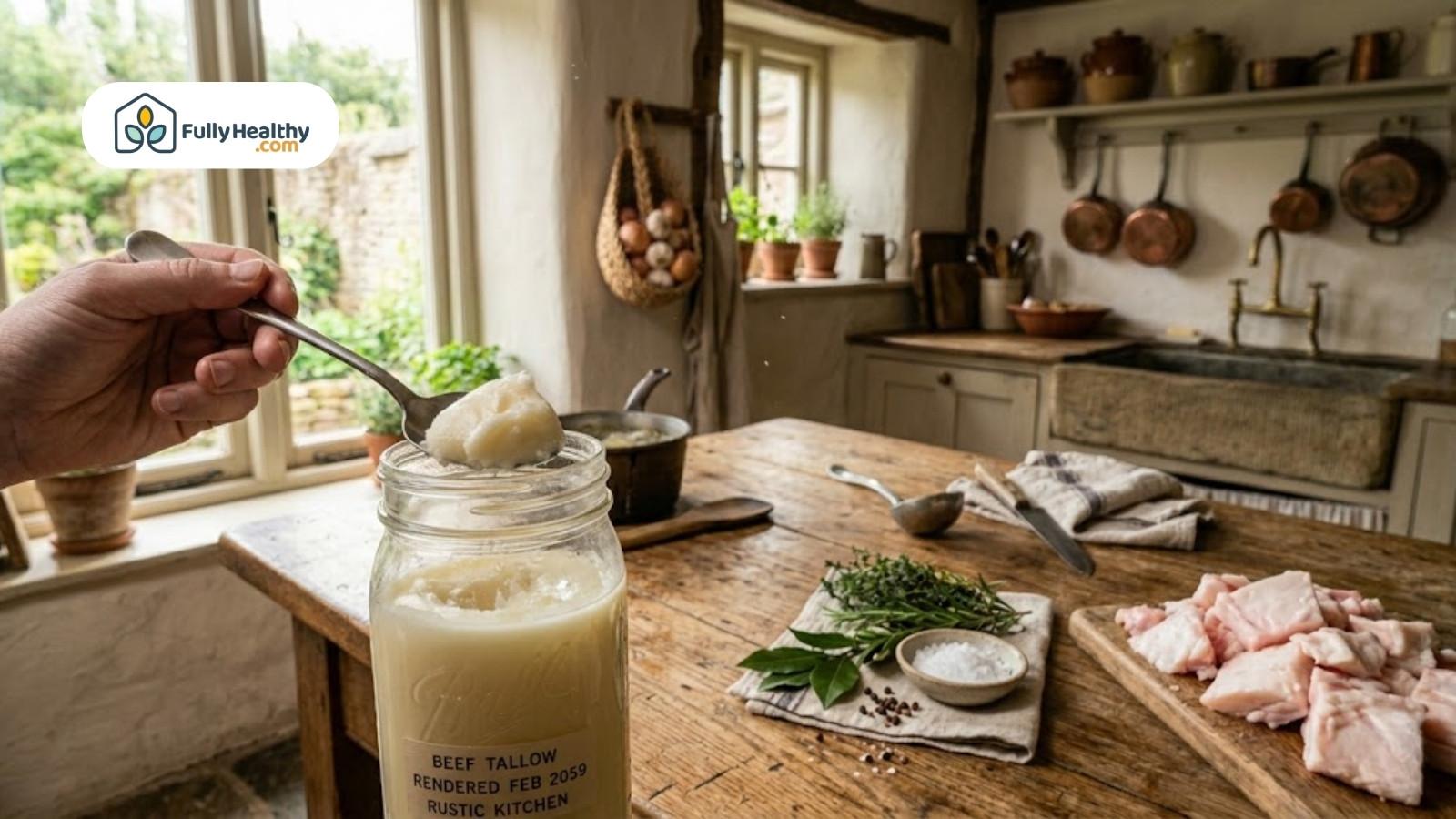
Beef tallow is rendered cow fat made by slowly heating beef fat or beef trimmings until it becomes a clean, stable liquid fat. Melted tallow hardens when it cools down and can be used again in cooking, using on your skin, or even making soap. The ancient people used it for hundreds of years before modern vegetable oils became popular.
Definition, Origins, And How It’s Made
Beef tallow is made from beef fat, which is usually taken from the kidney suet. The fat is slowly heated until the impurities separate, leaving a cooking oil that is clean. This method makes a stable fat that is good for high temperature cooking.
-
Rendering process: Beef trimmings are slowly heated until they turn into liquid fat, then strained to remove impurities.
-
Final product: Melted tallow cools into a solid fat that can handle very high temperatures without breaking down.
-
Traditional use: Before vegetable oils, people relied on tallow for frying, baking, and preserving food.
Common Uses In Cooking And Skincare
Beef tallow is known for its high smoke point, which makes it ideal for deep frying and cooking at very high temperatures. It is also used in soap making and skincare because beef tallow contains fatty acids that can support skin health.
-
Cooking uses: Great for frying, roasting, and to season cast iron pans for better durability.
-
Skincare uses: Often applied to dry skin to help protect the skin barrier and lock in moisture.
-
Flavor profile: Has a neutral flavor or slightly beefy taste, depending on how it is processed.
How Unhealthy Is Beef Tallow?

Beef tallow is rich in saturated fats and calories, which raises concerns about heart disease. While it contains some nutrients, it should be used in moderation. The question “does beef tallow support health?” depends on how often and how much you consume.
Saturated Fat, Calories, And Heart Health Risks
Beef tallow contains high levels of saturated fatty acids, including stearic acid. Eating too much can raise LDL cholesterol and increase health risks over time.
-
High saturated fats: Linked to higher LDL cholesterol and increased risk of heart disease.
-
Calorie density: Like other saturated fats, it provides 9 calories per gram, which can lead to weight gain.
-
Diet balance: Experts recommend choosing more monounsaturated and polyunsaturated fats for better heart health.
Beef Tallow Vs Seed Oils: What Science Says
Some people claim beef tallow healthy compared to vegetable oils, but research supports unsaturated fats like olive oil. Polyunsaturated fats and monounsaturated fats are known to support heart health better.
-
Scientific evidence: There is no strong proof that linoleic acid in vegetable oils causes harm.
-
Healthier fats: Olive oil and other oils provide better fatty acids balance.
-
Real takeaway: Beef tallow benefits exist, but overuse may increase health risks.
Why Don’t Dermatologists Like Beef Tallow?
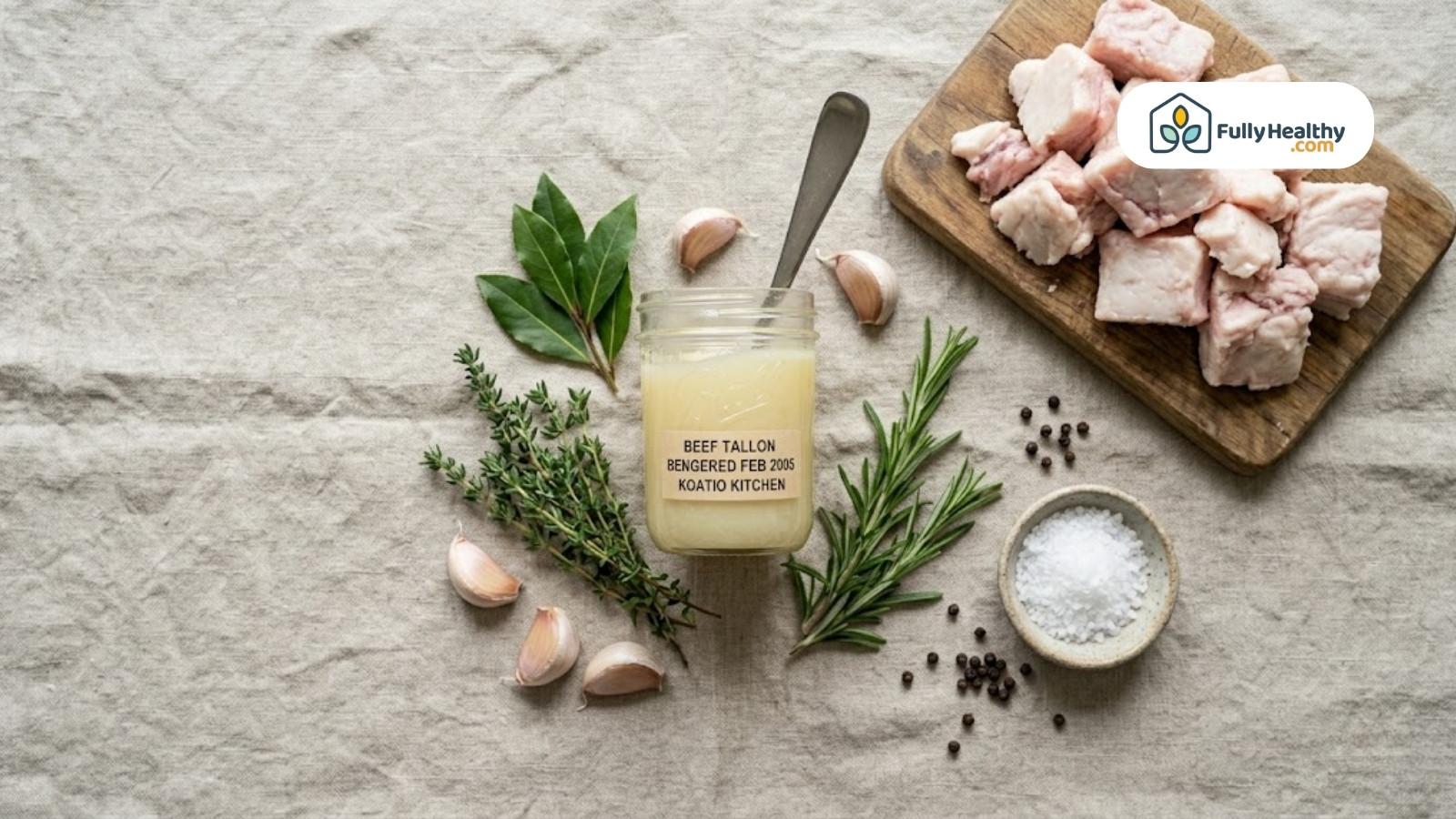
Beef tallow is becoming popular in skincare, but dermatologists remain cautious. While it may help with dry skin, it is not suitable for everyone. Experts warn about clogged pores, lack of testing, and possible skin reactions.
Pore-Clogging, Acne, And Skin Reactions Explained
Beef tallow is thick and forms a heavy layer on the skin. This can trap oil and bacteria, which may lead to breakouts, especially for acne prone skin.
-
Pore clogging: Because beef tallow is highly occlusive, it may worsen breakouts in some acne-prone individuals, but direct clinical evidence specifically on beef tallow’s comedogenicity is limited.
-
Skin sensitivity: It may worsen conditions in people with acne prone skin or sensitive skin.
-
Barrier effect: While it can reduce water loss from the skin, occlusive products may feel heavy and may aggravate acne in some users; this should not be framed as literally ‘trapping dirt and bacteria underneath.
Lack Of Research And Safer Skincare Alternatives
There is limited research on how effective beef tallow is for skin health. Many modern skincare products are tested and designed to support the skin barrier safely.
-
Limited studies: There is not enough long-term research to prove its safety or effectiveness.
-
Quality concerns: Products can vary based on sourcing, such as grass fed animals.
-
Better options: Dermatologist-approved products often contain balanced fatty acids and safer ingredients.
Is Beef Tallow The Same As Lard?
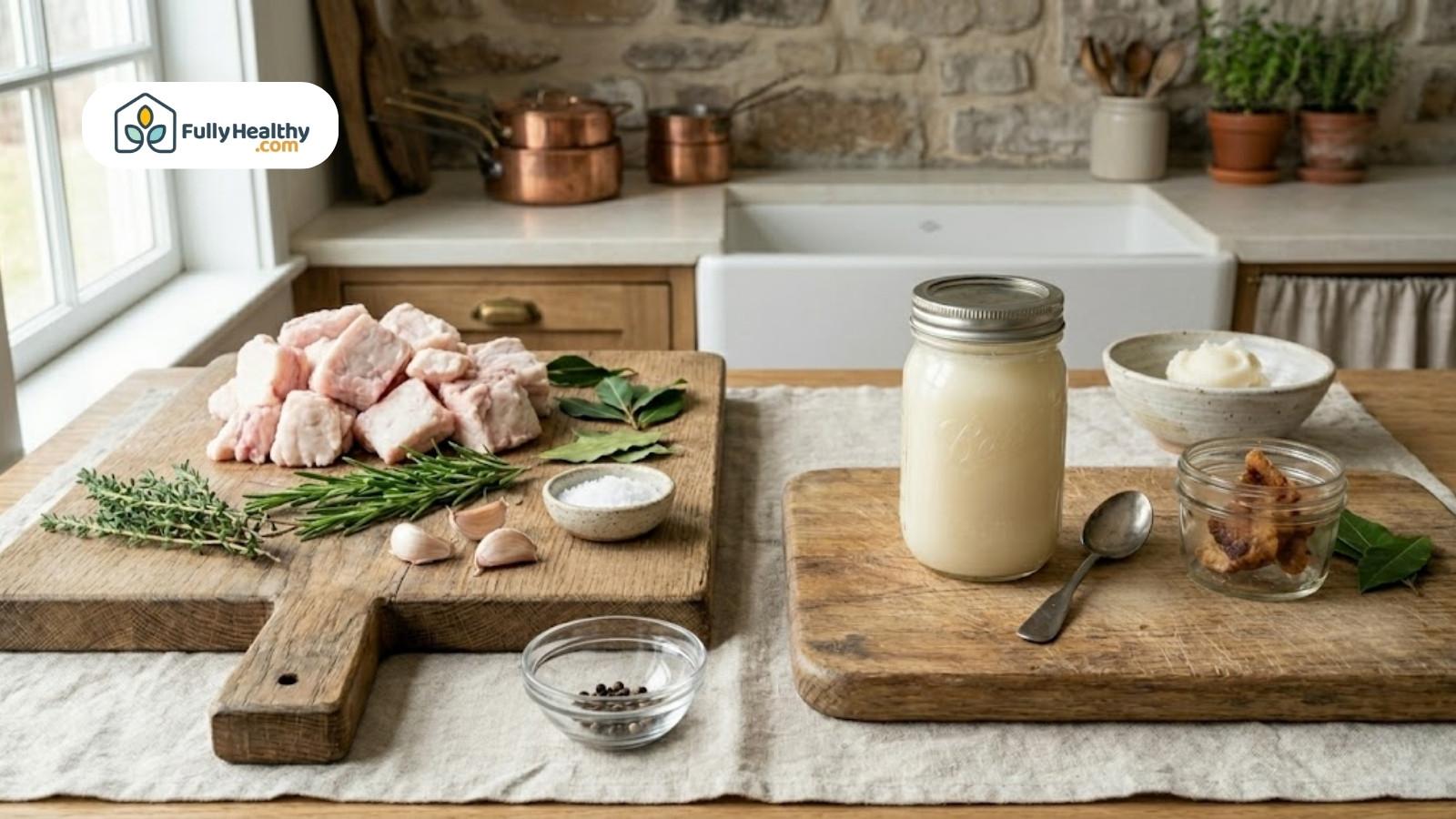
Beef tallow and lard are both animal fats, but they are not the same. Beef tallow is made from cow fat, while lard comes from pork fat. They differ in flavor, texture, and cooking use. Knowing these differences helps you pick the right fat for frying, baking, or everyday cooking.
Key Differences In Source, Flavor, And Cooking Uses
Beef tallow is made by slowly heating cow fat, while lard comes from rendered pork fat. Each fat behaves differently in the kitchen.
-
Source difference: Beef tallow comes from cow fat, while lard is made from pork fat.
-
Flavor profile: Tallow has a rich, savory taste, while lard has a more neutral taste.
-
Cooking uses: Tallow works best for frying foods like french fries, while lard is better for baked goods.
Beef Tallow Benefits, Nutritional Differences And When To Use Each
Both fats can contain some fat-soluble vitamins and fatty acids, but amounts vary substantially by animal diet, tissue source, and processing, so neither should be presented as a dependable major vitamin source. However, they vary in texture and how they perform in recipes.
-
Fat composition: Both may contain small amounts of conjugated linoleic acid (CLA), but the amounts in normal culinary use are limited, and meaningful health benefits in humans from these dietary amounts remain unproven.
-
Texture difference: Lard has a softer texture, which makes it ideal for pastries and baked goods.
-
Best use cases: Use tallow for high-heat cooking and lard as a butter alternative in baking.
What Healthy Products FullyHealthy Can Offer You?
FullyHealthy is an online store that focuses on clean, simple products for special diets. It helps people find high-quality items without reading long labels. If you want to buy beef tallow or related products, this platform makes the process easier.
Shop Clean, Diet-Friendly Beef Tallow Healthy Products
FullyHealthy offers a curated selection of products that support specific dietary needs. Many items are made with simple ingredients and careful sourcing.
-
Curated options: Products are selected to meet AIP, allergen-free, and clean eating standards.
-
Small-batch quality: Many items are produced in small batches to ensure freshness and quality.
-
Easy shopping: The platform helps you quickly find and buy beef tallow and similar products.
Featured Products: Tallow, Balm, And Organ Supplements
FullyHealthy offers a range of products that combine traditional ingredients with modern convenience. These products cover cooking, skincare, and nutrition.
-
EPIC Grass-Fed Beef Tallow: A cooking fat with a long shelf life, stored in an airtight container and suitable for both low heat and high heat cooking.
-
Hearty Sauces Beef Tallow Balm: A skincare product for dry skin, though other moisturizers may work better for some skin conditions.
-
Pluck Pure Beef Organ Supplement Powder: A nutrient-dense supplement with potential benefits, though more research is needed to confirm all health benefits.
Final Thoughts
Beef tallow is a new trend that brings back traditional cooking methods using rendered meat fat. It offers some value in the kitchen, especially for frying and cooking at room temperature stability, but it is not perfect. Health experts, including the American Heart Association, still warn about high saturated fat intake.
While you can use a fine mesh strainer to make it at home, it’s important to balance it with other fats. Beef tallow can be useful, but it should not replace healthier options completely. Always think about moderation, your diet, and overall lifestyle when deciding how often to use it in daily cooking.
FAQs
What is beef tallow and how is it made?
Beef tallow is rendered meat fat made by heating fat and straining it through a fine mesh strainer.
Can beef tallow stay stable at room temperature?
Yes, beef tallow can stay solid at room temperature, which makes it useful for cooking and storage.
Is beef tallow part of a new trend?
Yes, beef tallow is a new trend as more people return to traditional meat-based cooking fats.
Does the American Heart Association recommend beef tallow?
The American Heart Association suggests limiting saturated fats like beef tallow due to health concerns.
Can I cook meat with beef tallow daily?
You can cook meat with beef tallow, but it’s best to use it in moderation for better health balance.
Leave a comment