

Does Vinegar Kill Lawns? What Happens After You Spray
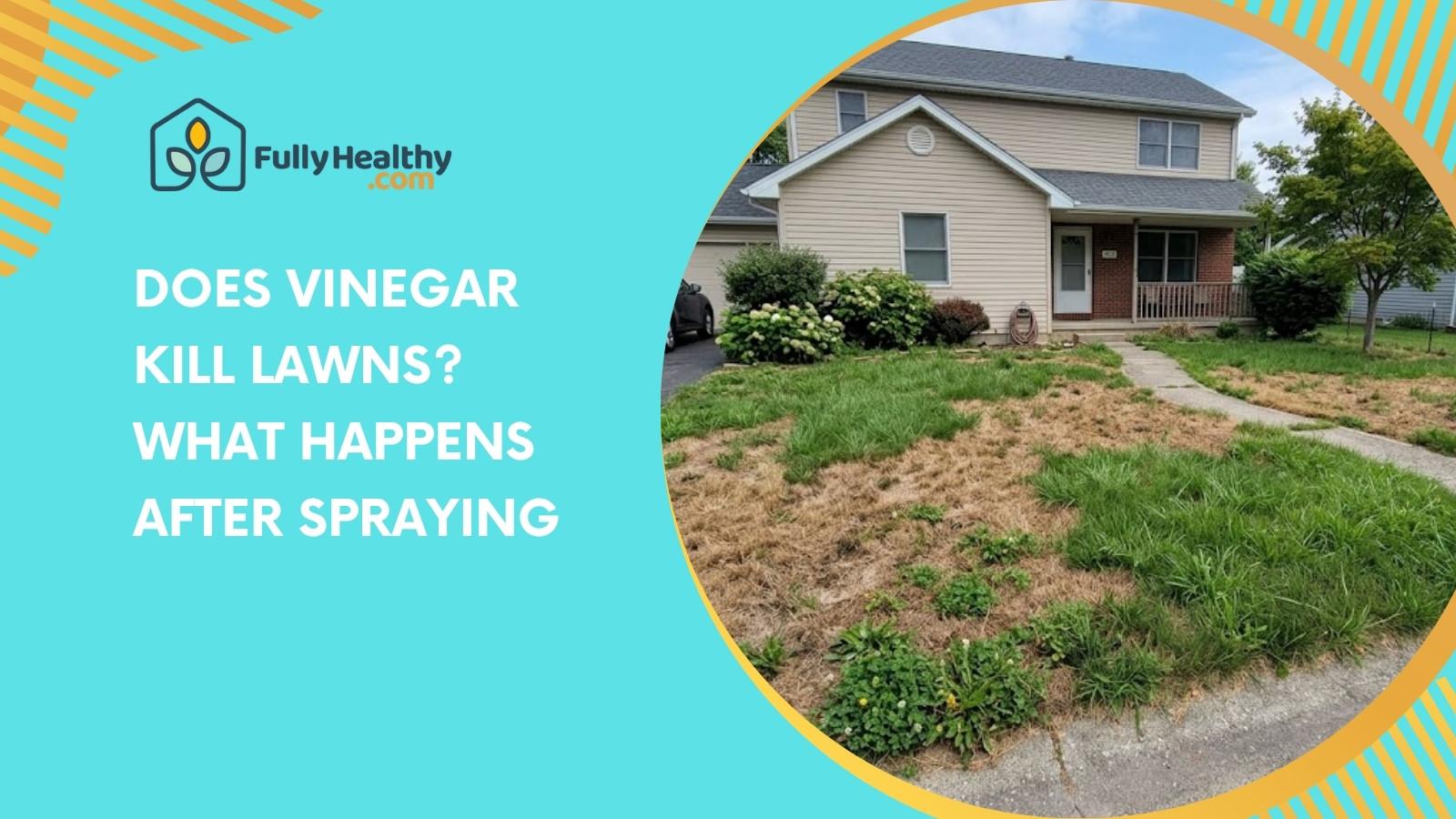
Does vinegar kill lawns? Yes, it can. Vinegar is a natural weed killer, but it does not choose between weeds and grass. It burns plant leaves on contact and can damage or kill your lawn. The effects depend on strength, timing, and how much you use. In this guide, you’ll learn how fast it works, if grass grows back, and the risks before you spray.
Featured Wellness Pick
Bragg // Organic Apple Cider Vinegar with The Mother - 16 oz
Loading...
Does Vinegar Kill Lawns?
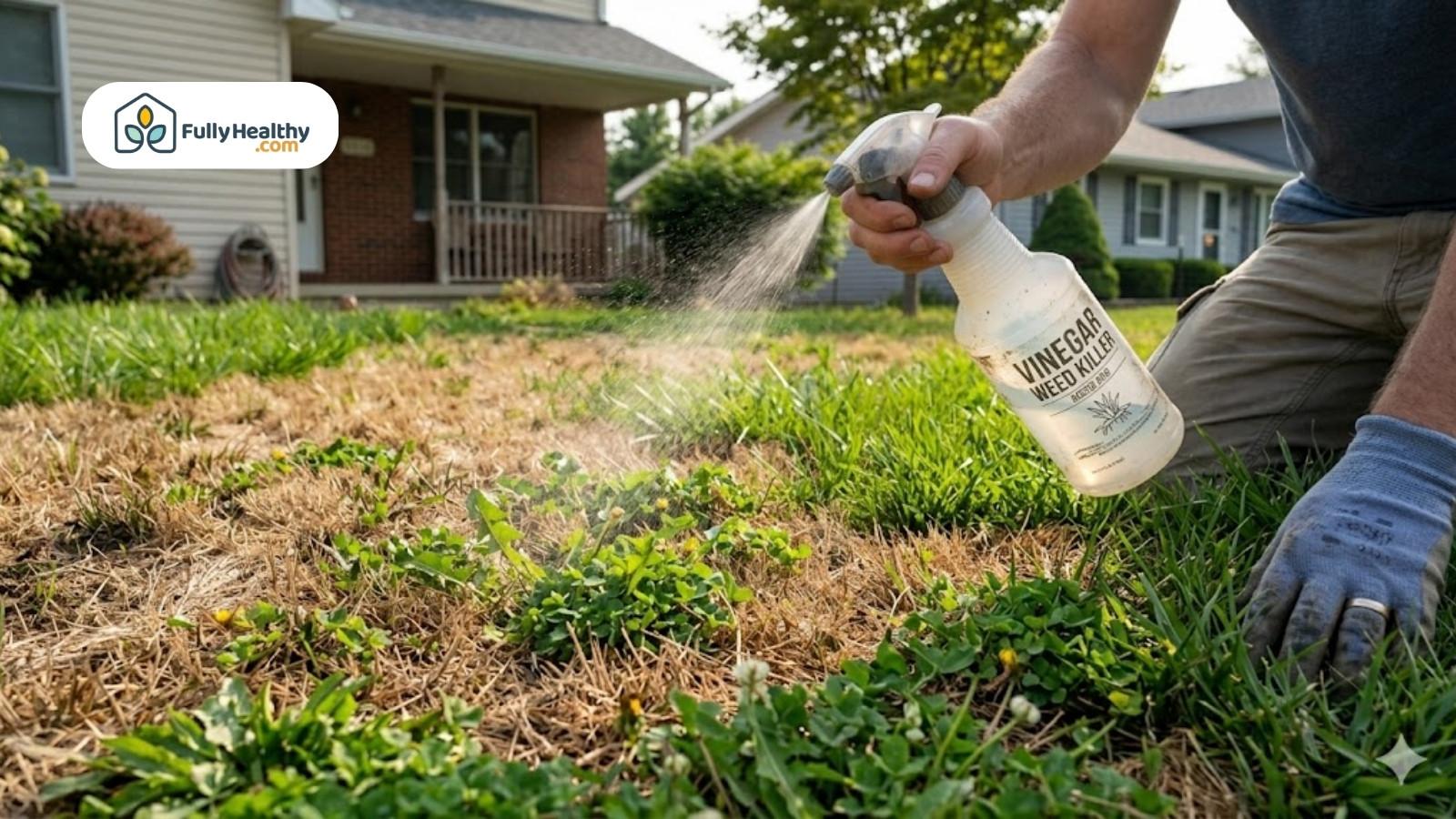
Vinegar is often used to kill weeds, but it can also damage lawn grass. The reason is simple: it is a contact herbicide that affects any plant it touches. When people use vinegar to kill weeds, they often end up harming grass too. This makes it risky for lawns.
Why Vinegar Kills Grass and Not Just Weeds
Acetic acid causes rapid contact injury to plant tissues, including membrane disruption and desiccation. This is why vinegar kill weeds works so fast, especially on young weeds and annual weeds. However, lawn grass reacts the same way.
-
Acetic acid action: It breaks down plant tissue and removes moisture, causing fast damage.
-
Non-selective effect: It harms desirable plants, including grass and nearby plants.
-
Quick results: Tender weeds sprayed can wilt within hours in sunny weather.
-
Surface impact: It mainly affects leaves and may not reach deep roots.
Is Vinegar a Non-Selective Herbicide?
Vinegar is not like selective herbicides that only target weeds. It will harm anything green, including nearby plants and healthy turf. This is why spraying vinegar must be done carefully.
-
Non-selective nature: It can kill lawn weeds and grass at the same time.
-
Spray drift risk: Using a spray bottle can spread the vinegar solution to areas you don’t want.
-
Limited control: It’s hard to apply vinegar to kill weeds without harming grass.
-
Safer option: Selective herbicides are better when you want to protect your lawn.
How Long Until Vinegar Kills Grass?
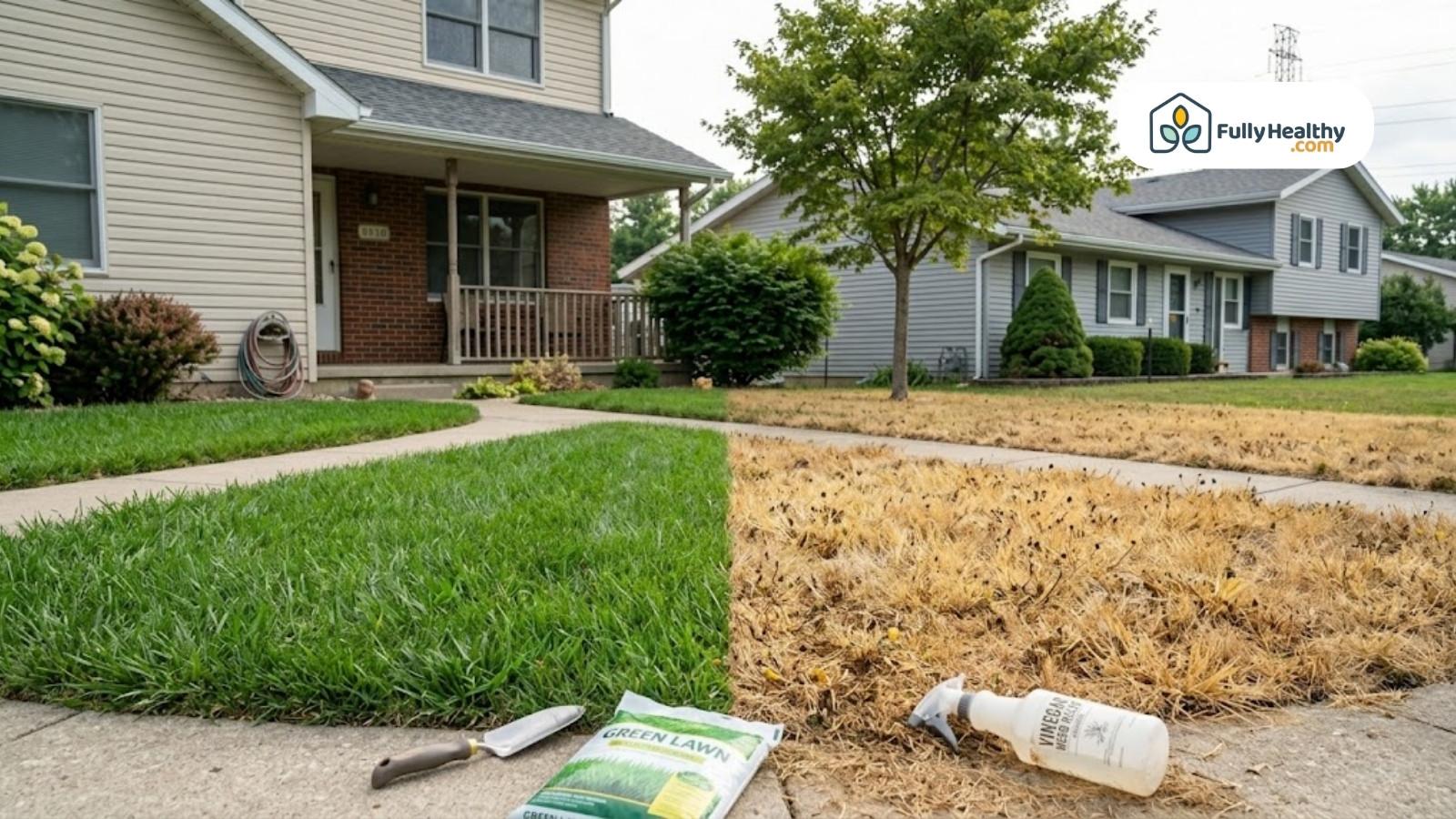
The speed depends on the vinegar strength, weather, and plant type. Most damage appears quickly, but full results vary. Household vinegar works slower, while concentrated vinegar acts faster on tough weeds.
How Fast Does Vinegar Work on Grass?
Vinegar solution starts working soon after contact, especially in warm, sunny conditions. You may notice wilting the same day when spraying vinegar directly on grass.
-
Fast action: Tender weeds sprayed can show damage within hours.
-
Typical timing: Most plants begin to decline within 24 hours.
-
Weather factor: Heat and sunlight speed up the drying process.
-
Repeat use: Stubborn weeds may need more than one treatment.
Does Vinegar Strength Affect How Fast Grass Dies?
Yes, strength plays a big role. Household vinegar (5%) is weaker, while horticultural vinegar (10–20%) is stronger and more aggressive.
-
Household vinegar: Works best on young weeds and annual weeds.
-
Horticultural vinegar: More effective on tough weeds and mature weeds.
-
Concentrated vinegar: Acts faster but can be dangerous to handle.
-
Tough weeds sprayed: Deep rooted weeds may survive because roots are not fully killed.
Will Grass Grow Back After Using Vinegar?
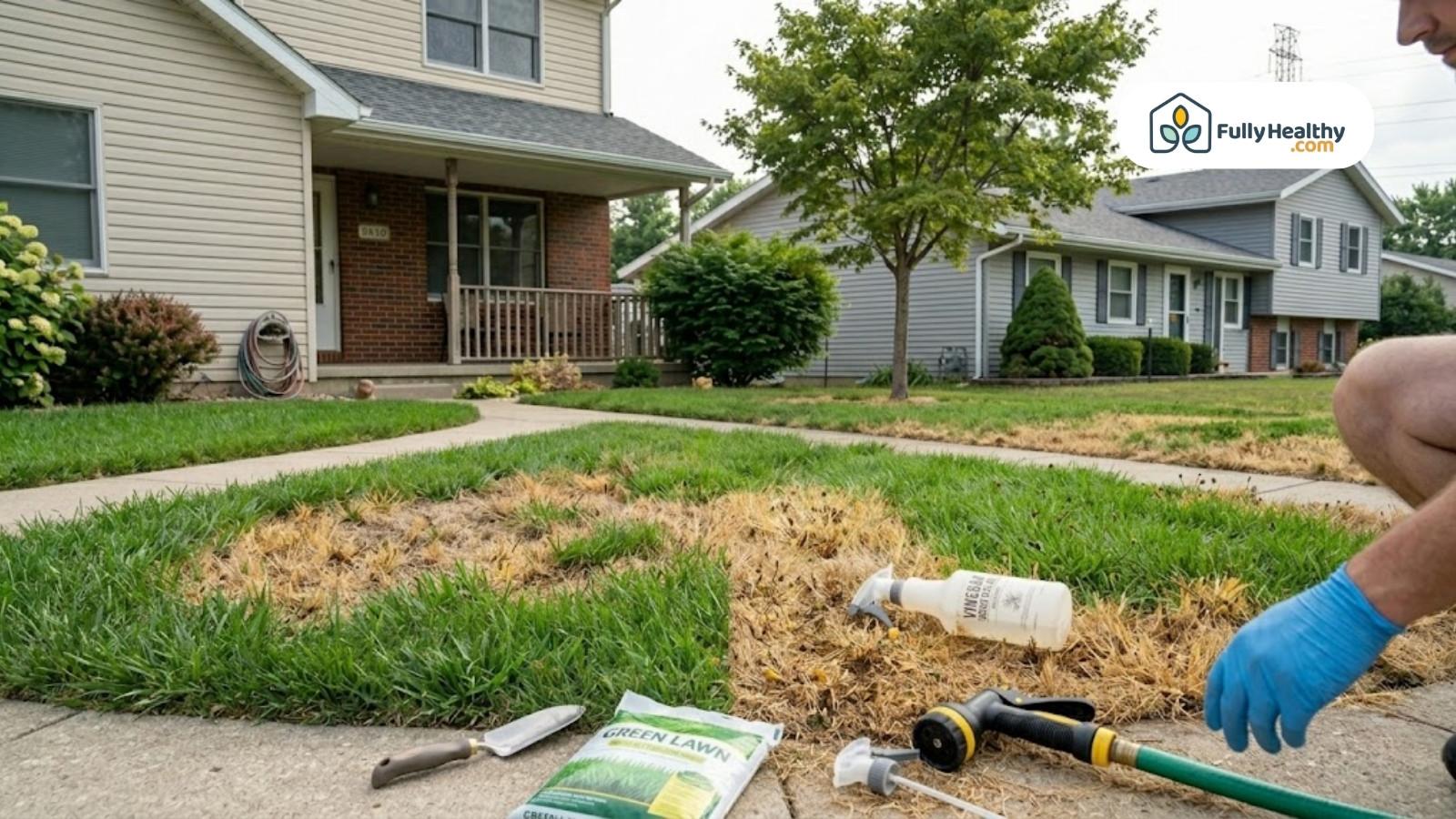
Grass recovery depends on how much damage occurred. Since vinegar is a contact herbicide, it often affects leaves first. If roots survive, lawn grass may regrow over time.
Can Grass Recover After Vinegar Damage?
In many cases, grass can recover if exposure was light. This is common when using a mild vinegar weed killer or small amounts.
-
Leaf burn only: Grass blades may turn brown, but roots can stay alive.
-
Regrowth chance: Healthy lawn grass can grow back with proper watering.
-
Soil impact: Small applications may only temporarily affect soil pH, but repeated or high-dose use can alter soil chemistry depending on soil buffering capacity.
-
Mild exposure: Light use reduces the risk of harming grass permanently.
When Vinegar Causes Permanent Lawn Damage
Stronger applications or repeated use can lead to lasting damage. This is more likely when using horticultural vinegar on deep rooted weeds or stubborn weeds.
-
Root damage: Vinegar typically acts as a contact herbicide and mainly damages aboveground tissues; vinegar kill grass permanently, especially with household vinegar.
-
Perennial weeds: These may regrow, but grass may not recover the same way.
-
Repeated spraying vinegar: Weakens plants and may affect soil quality over time.
-
Lawn repair: You may need to reseed and mow cool season grasses properly to restore growth.
What Are The Downsides Of Using Vinegar To Kill Lawns?
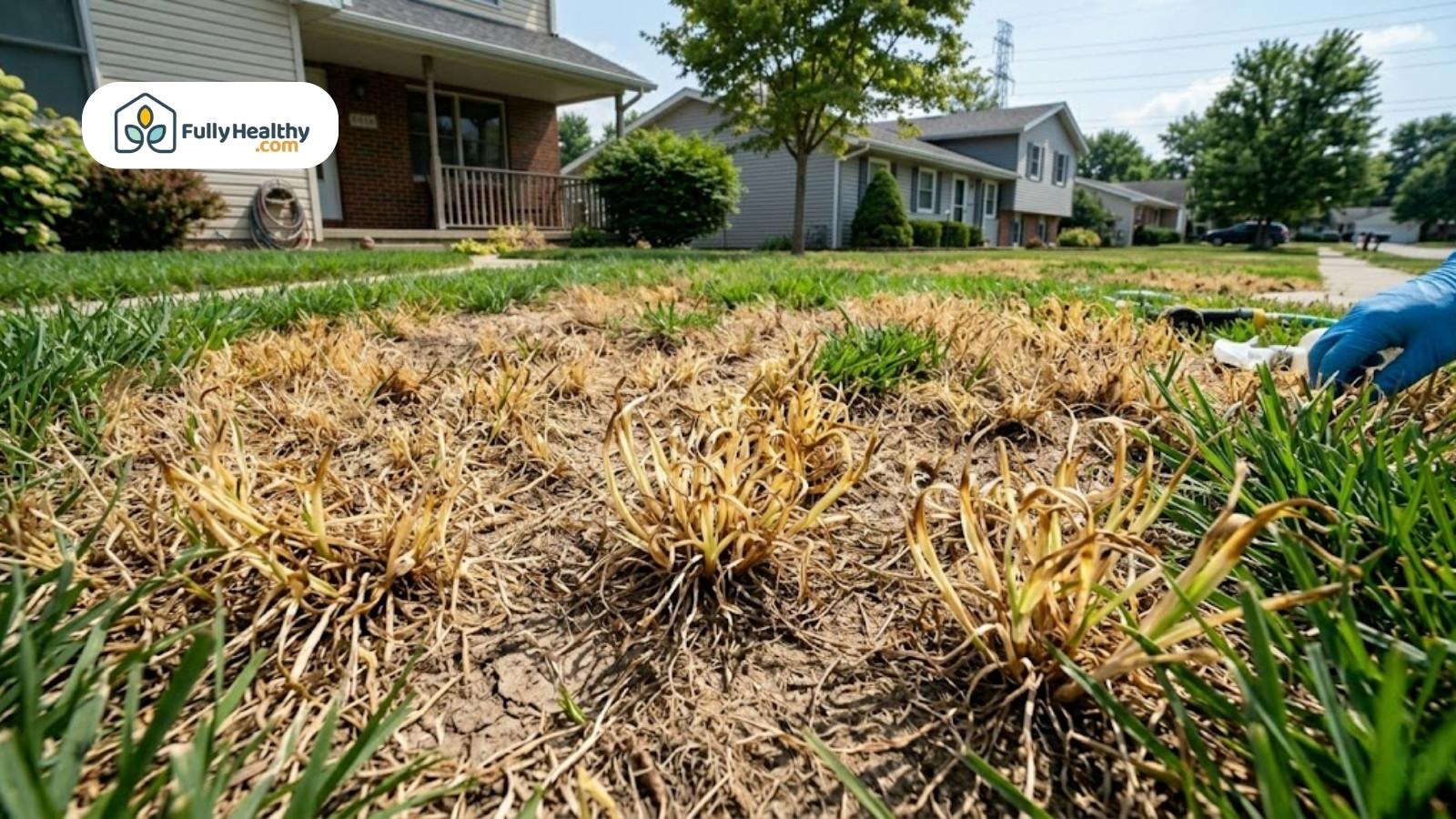
Using vinegar for weed control may seem simple, but it comes with clear risks. Many people attempt killing weeds with such a vinegar solution without understanding the full impact. It can harm other plants, reduce soil quality, and make lawn care harder over time.
Why Vinegar Can Damage More Than Intended
Vinegar does not target only weeds. It spreads easily and can affect nearby plants, especially when using a pump sprayer. This makes controlling weeds less precise and more risky.
-
Non-selective action: It can destroy weeds but also harm grass and other plants, including broadleaf weeds.
-
Spray drift: Using a pump sprayer can lead to grass accidentally being sprayed.
-
Additive effect: Mixing dish soap helps vinegar stick to weed leaves, but it also increases the risk of damaging grass.
-
Application caution: Always avoid spraying vinegar on windy days to protect nearby plants.
Soil, Safety, And Effectiveness Concerns
Vinegar can also affect the soil and long-term lawn health. High or repeated applications may affect some surface soil organisms locally, but strong evidence for significant long-term impact on overall soil life is limited.
-
Soil impact: It can damage soil organisms that support healthy soil life and plant growth.
-
Limited effectiveness: Unlike post emergent herbicides, vinegar may not fully destroy weeds with deep roots.
-
Repeat treatments: Stubborn and emerging weeds often require multiple applications.
-
Safety risks: Concentrated vinegar can irritate skin and eyes during residential weed control.
What Can FullyHealthy Do For You?
FullyHealthy is a trusted online store for clean, diet-friendly foods. It focuses on helping people find safe, allergen-friendly products. While it offers vinegar products, these are made for cooking and wellness, not for weed control.
Healthy Vinegar Options For Cooking And Wellness
FullyHealthy provides high-quality, food-grade vinegars designed for everyday use. These products support a healthy lifestyle and are not meant to destroy weeds.
-
Napa Valley Naturals Champagne Vinegar: A light, crisp vinegar ideal for salads and marinades.
-
Eden Foods Ume Plum Vinegar: A salty, tangy option great for dressings and vegetable dishes.
-
Bragg Organic Apple Cider Vinegar: A popular choice with “the mother,” often used for digestion and wellness.
-
Clean nutrition focus: All products are made for dietary needs, not residential weed control.
Why FullyHealthy Vinegars Should Not Be Used On Lawns
These products are not designed for lawn care. Using them on grass can lead to poor results and unnecessary damage.
-
Low strength: Food-grade vinegar is weaker than alternative herbicides used in weed control.
-
Limited reach: It may only affect a few weeds and not fully remove broadleaf weeds or deep roots.
-
Lawn damage risk: It can harm grass accidentally and reduce the lawn’s ability to breathe.
-
Better solutions: Consider applying selective herbicides or pre emergent herbicides for safer control of emerging weeds.
-
Targeted control: You can buy selective herbicides that kill only certain plants, unlike vinegar.
-
Lawn care tip: Let your lawn breathe, cut cool season grasses properly, and maintain warm season grasses.
Final Thoughts
Many homeowners use white vinegar for removing weeds, but it can harm lawn grass if used without care. Even household vinegar can damage plants because it does not target only weeds. Damaging grass fortunately can be avoided with careful use, but mistakes happen.
If roots survive, grass bounce is possible with time and proper care. For better results, tools like a garden trowel or safer methods may work best when you want to kill mixed weeds without harming your lawn.
FAQs
Does white vinegar kill mixed weeds and grass?
Yes, white vinegar can kill mixed weeds and grass because it is non-selective.
Can even household vinegar damage lawn grass?
Yes, even household vinegar can cause damaging grass fortunately if used incorrectly.
Will grass bounce back after vinegar use?
Grass bounce is possible if roots are not fully damaged.
What is the safest way for removing weeds?
Using a garden trowel is a safer method for removing weeds without harming grass.
Why do many homeowners use vinegar for weed control?
Many homeowners use it because it is simple, but it may still kill mixed plants.
Leave a comment