

Does Vinegar Kill Lice? Misconceptions and Solutions
Does vinegar kill lice? The short answer is no, vinegar does not kill lice or their eggs on the scalp. It cannot stop the lice lifecycle or prevent hatching. A lot of people start their treatment with home remedies, but most of them don't work. This article tells you what works, how lice spread, and the right way to treat them at home without harm.
Featured Pantry Pick
Napa Valley Naturals // Champagne Vinegar - 12.7 oz
Loading...
Does Vinegar Kill Lice?
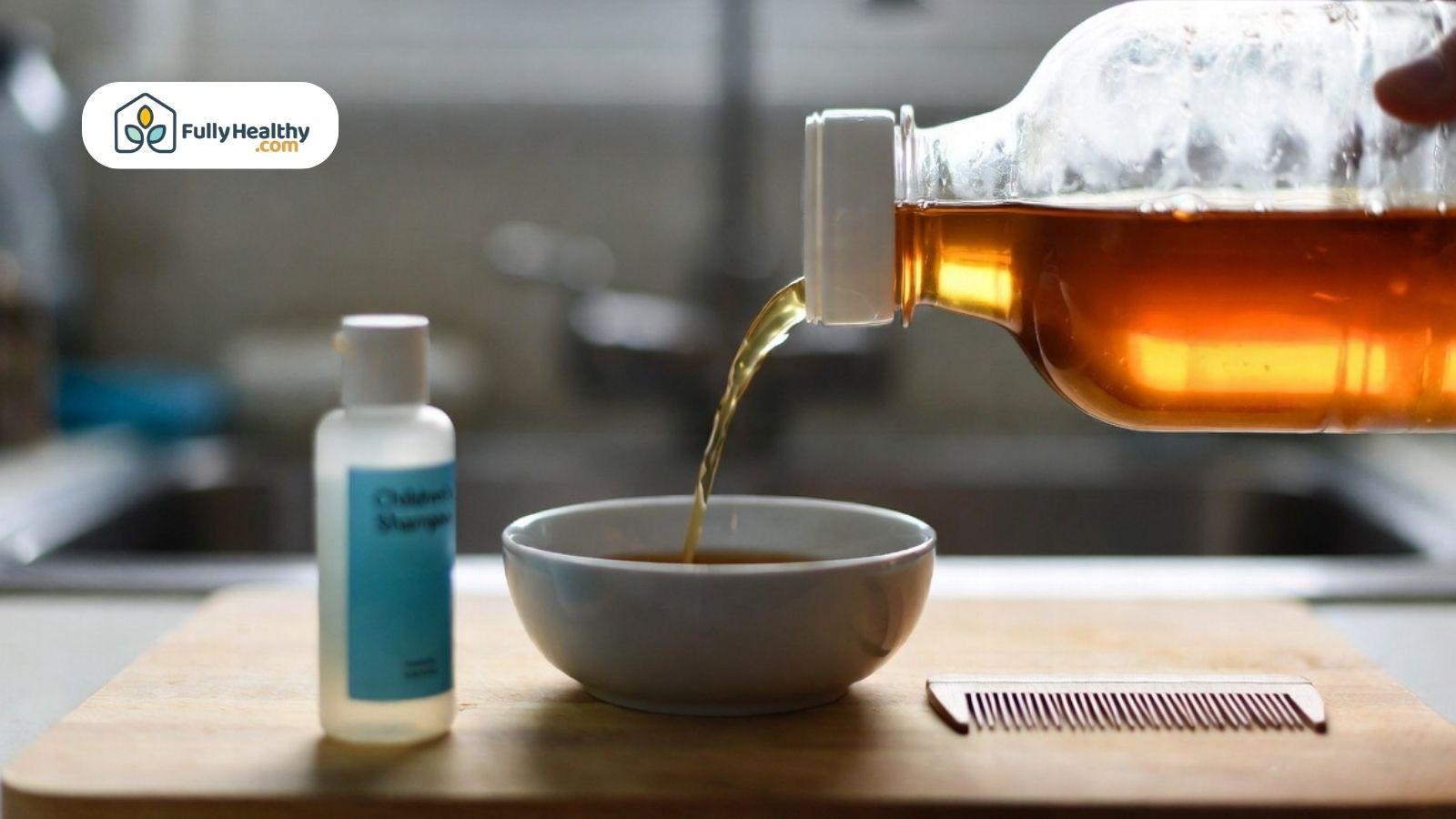
Many people dealing with a head lice problem look for natural ways to treat lice at home. A common question is does vinegar kill lice and if it can replace proper lice treatment.
What Science Says About Vinegar And Lice
Vinegar does not kill lice or adult lic. It does not contain a strong active ingredient needed to kill lice or stop eggs from hatching on a human host.
-
Low effectiveness: Vinegar and apple cider vinegar do not kill lice or kill nits effectively.
-
Study results: Vinegar ranks among the weakest common home remedies for lice treatment.
-
Lifecycle issue: Lice eggs continue hatching even after vinegar is applied to the hair.
-
Treatment gap: Vinegar cannot treat lice or stop the spreading process.
-
Medical advice: A doctor will recommend an effective treatment instead of vinegar alone.
Vinegar Cannot Kill Nits Too
Vinegar is often suggested for removing lice eggs, but studies and expert sources confirm it does not kill nits. It cannot stop hatching, so relying on vinegar alone will not eliminate a head lice infestation.
-
No kill effect: Vinegar does not kill lice eggs firmly attached to hair roots.
-
Hatching continues: Nits will hatch within 7–10 days, restarting the head lice problem.
-
Not a combing aid: Vinegar dries hair and is ineffective for physically removing nits.
-
Scalp irritation: Using vinegar may sting or cause allergic reactions on sensitive skin.
-
Incomplete treatment: Only thorough nit combing or medical treatment can fully remove nits.
What Is The Root Cause Of Lice?
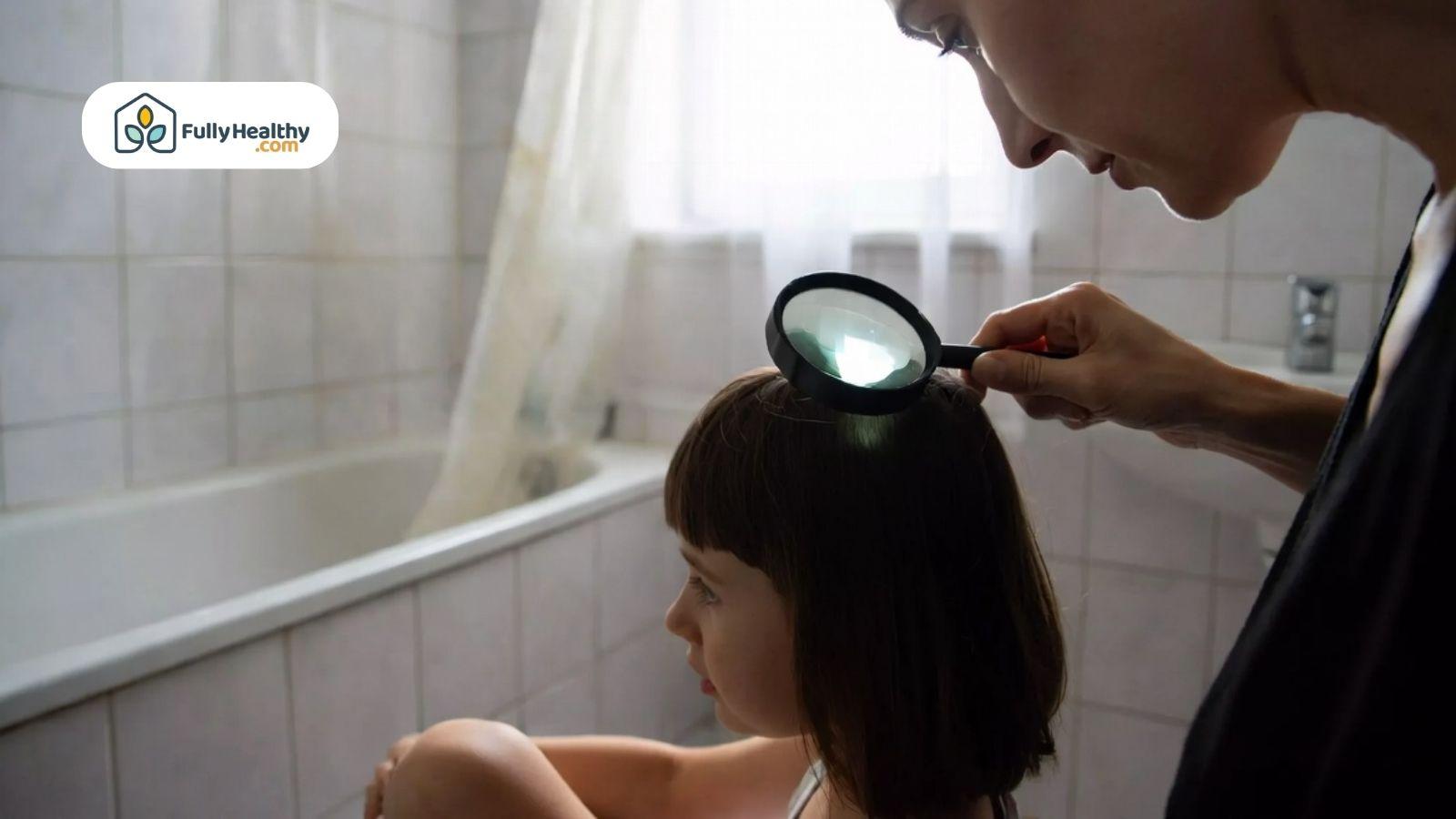
Knowing how lice get started can help stop them from spreading and infecting other people. The main cause has nothing to do with cleanliness and everything to do with people touching each other.
How Lice Spread From Person To Person
Head lice spread through direct head-to-head contact, allowing lice to crawl from one human host to another. They cannot jump or fly, but they move quickly through hair during close contact.
-
Direct contact: Lice spread when heads touch during play, school, or close interaction.
-
No jumping: Lice cannot jump or fly between people.
-
Shared items: Lice may spread through hats, brushes, scarves, or pillows.
-
Close environments: Kids and child groups increase the chance of spreading.
-
Fast transfer: Lice move quickly across hair during contact.
Why Cleanliness Is Not The Cause
Lice are not caused by poor hygiene and can affect any child or adult regardless of how often they wash hair. These insects survive by feeding on blood from the scalp, not dirt or oils.
-
No hygiene link: Clean hair and dirty hair can both host lice.
-
Feeding behavior: Lice feed on blood from the scalp to survive.
-
Common myth: Dandruff or unwashed hair does not cause lice infection.
-
Equal risk: Kids and adults are equally exposed during contact.
-
Misconception: Washing hair often does not prevent lice.
Which Home Remedy Is Best To Kill Lice?
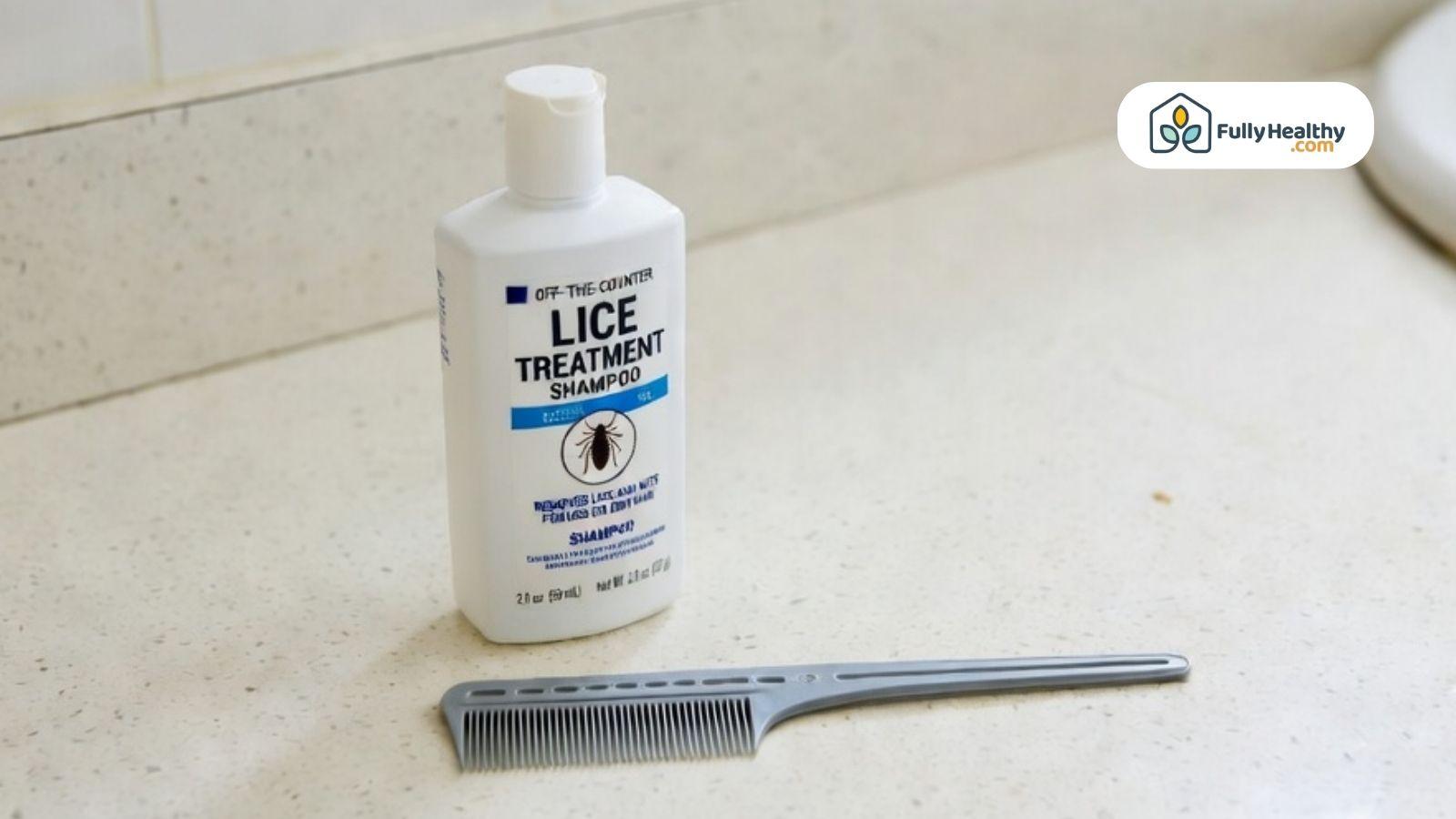
People turn to home remedies to treat lice, but not all methods are effective or safe. Understanding what works helps avoid repeated infection and wasted effort.
What Actually Works At Home According To Experts
The most effective treatment combines over the counter lice treatment products with careful combing to remove lice and nits. Products like Rid or medicated shampoo contain an active ingredient designed to kill lice on the scalp.
-
Combination method: Treatment plus combing is the most effective approach.
-
OTC products: Rid and similar shampoo options target adult lice.
-
Manual removal: Fine combing helps remove nits firmly attached to hair.
-
Repeat process: Treatment must be repeated to catch newly hatching eggs.
-
Resistance issue: Some lice are resistant to common chemicals.
Why Most Home Remedies Fail To Eliminate Lice
Some everyday items, like mayonnaise, coconut oil, and tea tree oil, don't kill lice or their eggs completely. While these methods may slow down lice, they don't always stop the whole lifecycle.
-
Incomplete kill: Oils may coat lice but do not kill nits.
-
Temporary effect: Lice can survive and continue feeding after treatment.
-
Missed eggs: Eggs remain attached and hatch later.
-
False security: Home remedies delay proper treatment.
-
Low effectiveness: Most natural methods lack proven results.
What All Does Vinegar Kill?
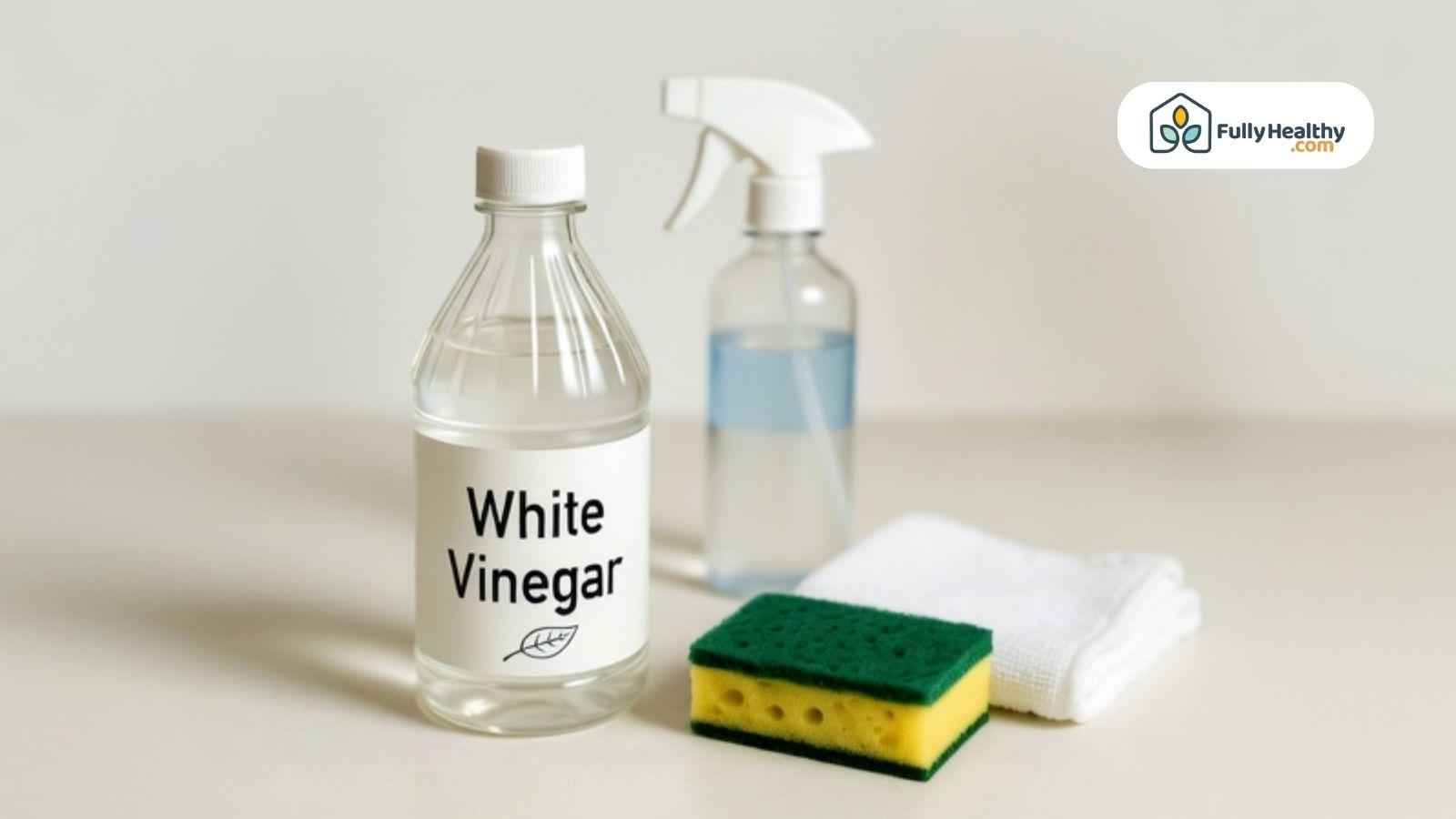
Vinegar is often used in household cleaning, but its effectiveness depends on what you are trying to clean or disinfect. It works as a mild cleaner but not as a full disinfectant.
What Vinegar Can Kill In Household Cleaning
Vinegar contains acetic acid, which helps remove dirt, some bacteria, and light mold from surfaces. It is commonly used in household cleaning for safe and natural maintenance.
-
Bacteria control: Vinegar can reduce some common household bacteria.
-
Mold removal: Helps clean mild mold and mildew buildup.
-
Surface cleaning: Removes dirt and residue from surfaces.
-
Mineral buildup: Breaks down deposits from water stains.
-
Natural option: Used as a safer alternative to strong chemicals.
What Vinegar Cannot Kill Or Disinfect
Vinegar is not a broad disinfectant and cannot kill all germs, viruses, or resistant bacteria. It should not replace proper disinfecting products when deeper sanitation is required.
-
Limited power: Vinegar cannot kill many viruses.
-
Not medical grade: Does not work as a full disinfectant.
-
Resistant germs: Some bacteria survive vinegar cleaning.
-
Surface limits: Not suitable for all materials in the household.
-
Cleaning vs disinfecting: Cleaning removes dirt, not all germs.
About FullyHealthy
FullyHealthy focuses on providing natural and clean-label products that support everyday wellness without relying on harsh chemicals. The platform highlights simple ingredients and transparency in sourcing.
What FullyHealthy Offers
FullyHealthy provides a wide range of natural products designed for wellness, diet, and household use. The brand focuses on clean ingredients and options that support a natural lifestyle.
-
Clean products: Emphasis on natural and simple ingredients.
-
Wellness focus: Supports diet, health, and lifestyle needs.
-
Wide selection: Includes food, pantry items, and household products.
-
Transparency: Product sourcing is clearly presented.
-
Safe approach: Avoids unnecessary chemicals in products.
Popular Vinegar Products Available On FullyHealthy
FullyHealthy offers several vinegar products used for cooking, diet, and general wellness routines:
-
Napa Valley Naturals Champagne Vinegar: Used in cooking and food preparation for light, crisp flavor.
-
Eden Foods Ume Plum Vinegar : Adds flavor and balance to meals with a tangy profile.
-
Bragg Organic Apple Cider Vinegar With The Mother : Used for diet and daily routines in natural lifestyles.
-
Bragg Organic Citrus Ginger Apple Cider Vinegar With The Mother: Blended option with citrus and ginger for added flavor.
Final Thoughts
Does vinegar kill lice is a common concern, but vinegar alone cannot kill lice, adult lice, or lice eggs on the scalp or hair. A proper lice treatment uses a combination of shampoo, active ingredient formulas, and combing to treat itching, lice and kill nits effectively.
Home remedies like apple cider vinegar, coconut oil, olive oil, or mayonnaise may help slightly but are not an effective treatment. For a head lice problem, consult a doctor or follow a safe treatment process to stop spreading and prevent reinfection for your child.
FAQs
What Lice Treatment Works To Kill Lice Fast?
Lice treatment that works uses over the counter shampoo like rid with active ingredient plus combing to kill lice, kill nits, and treat lice on scalp and hair effectively.
What Can I Mix With Vinegar To Kill Lice?
Mixing vinegar with oil, coconut oil, olive oil, or tea tree oil does not kill lice, adult lice, or lice eggs and does not improve effectiveness for treating head lice problem.
What Do Head Lice Hate The Most?
Head lice hate disruption from combing, treatment, and chemicals but still survive on the human host by feeding on blood and staying attached to hair roots on the scalp.
What Smell Do Hair Lice Hate?
Lice may react to smells like tea tree oil or natural oils, but smell alone does not lead kill lice, kill nits, or stop eggs from hatching during treatment.
Can Lice Live On Pillows?
Lice can survive for short periods on pillows, hats, scarves, or brushes but need a human host to feed, so washing items in hot water helps reduce spreading.
Leave a comment