

How Long Does Tuna Last in the Can? Shelf Life Explained
 Photo Credit: Canva Pro
How long does tuna last in the can depends on how well it’s stored and handled. When kept in a cool, dark, and dry place away from heat and sunlight, tuna in a can will stay safe for up to five years. Eat it within three to four days after opening if stored you keep it in the fridge the right way.
How long canned tuna lasts, how to store it, and how to tell when it's no longer safe to eat are all covered in this article.
Featured Pantry Pick
Wild Planet // Wild Albacore Tuna - 5 oz
Loading...
How Long Does a Can of Tuna Last Unopened?
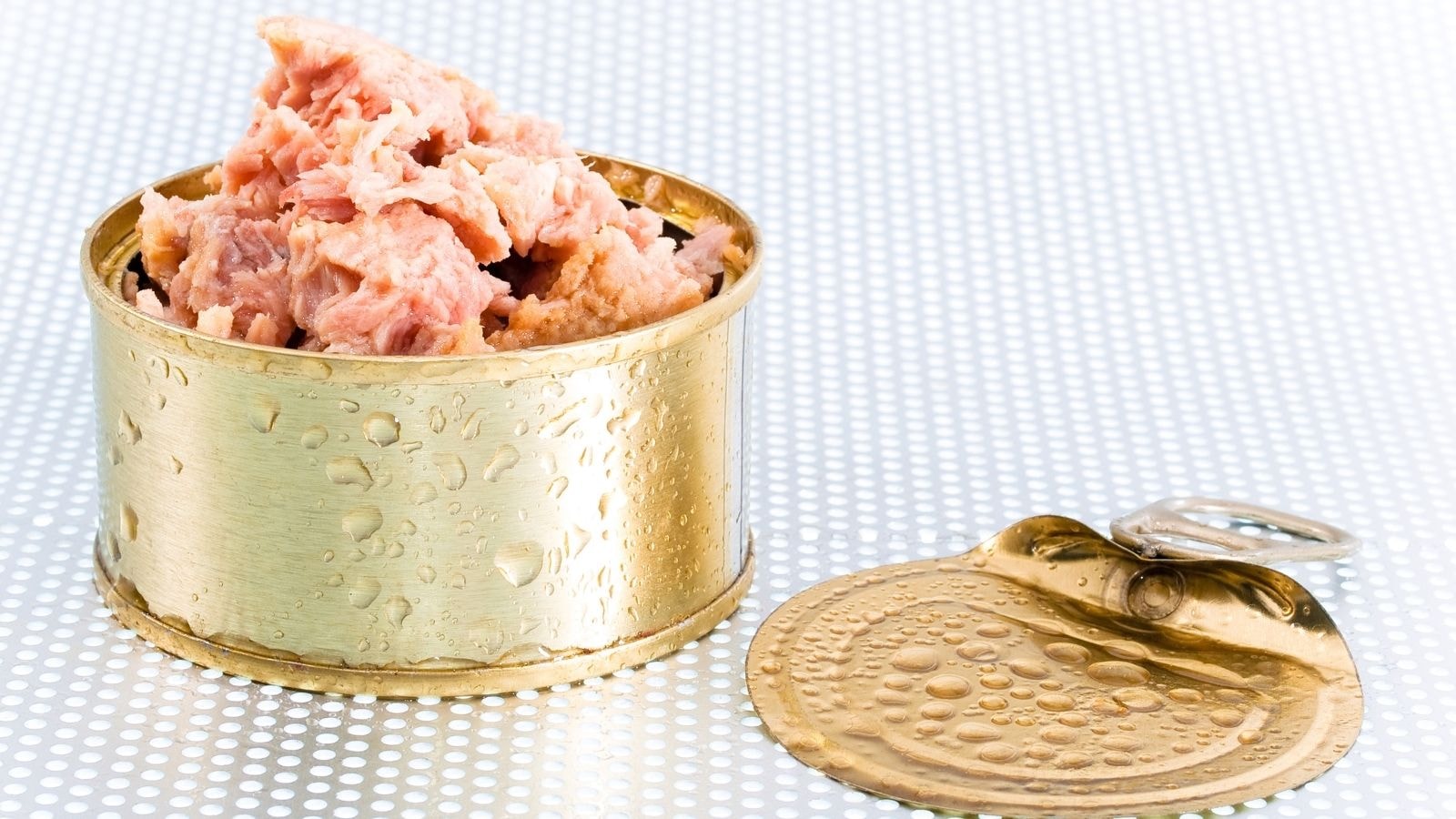 Photo Credit: Canva Pro
Shelf Life and Storage Conditions
Because the fish is heated to a very high temperature during the canning process and the jars are vacuum sealed, the tuna stays fresh for a long time. When kept in a cool, dry place, tuna cans that haven't been opened can stay safe to eat for three to five years.
Keep canned goods in a dark place, away from heat and direct sunlight, to keep their best quality and flavor.
-
Shelf Life: Unopened canned tuna lasts about three to five years when stored properly.
-
Storage Conditions: Keep tuna in a pantry or dry area where temperature fluctuations are minimal.
-
Avoid Heat: High or higher temperature areas near ovens can shorten the shelf life and spoil the food inside.
-
Proper Storage: Store canned foods upright and away from moisture to prevent rusting.
-
Inspect Before Eating: Throw away immediately any cans that are bulging or have deep dents, as they may contain unsafe fish.
-
Cool Area: A steady room temperature helps the food remain at peak quality for an extended period.
Opened Tuna and Refrigeration
When you open a can of tuna, you should handle it like any other cooked seafood. Put the tuna in a glass or BPA-free plastic container that's airtight. Store it in the fridge. If you want the tuna to taste good and be safe to eat, you should eat it within three to four days.
-
Storage Method: Always remove the tuna from the can before putting it in the fridge.
-
Temperature Control: Keep the refrigerator at 40°F or below to slow bacterial growth.
-
Leftovers: If not eaten in time, tuna may be frozen in a sealed airtight container, though this may affect texture and flavor.
-
Food Safety: Never leave opened tuna at room temperature for more than two hours.
-
Clean Containers: Airtight containers help preserve tuna’s natural taste and prevent odor transfer to other foods.
How Do You Know if Canned Tuna Has Gone Bad?
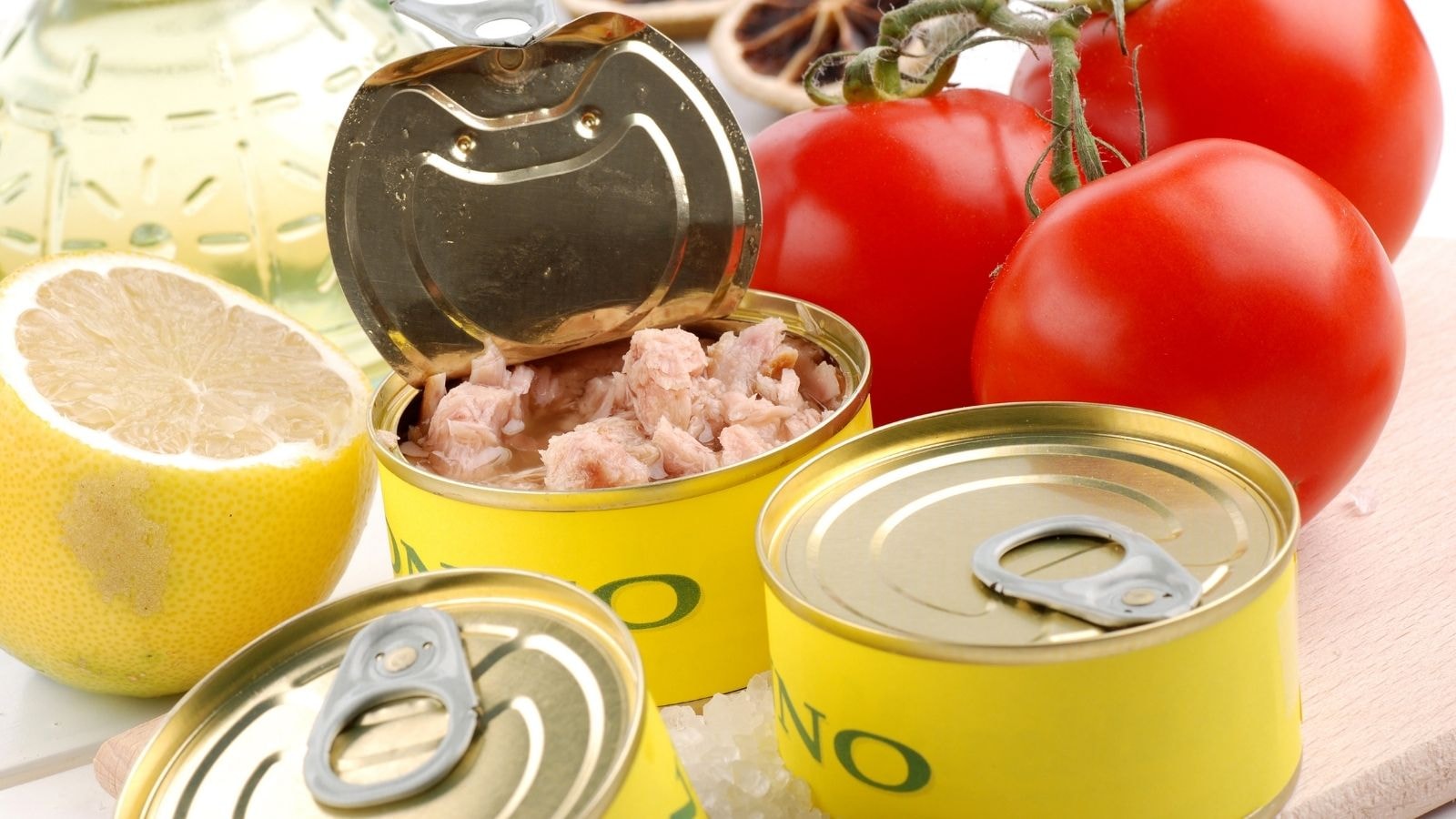 Photo Credit: Canva Pro
Visual and Smell Indicators
Tuna that has gone bad has changes in color, smell, and texture that you can tell. A bad smell, a dull gray color, or a slimy surface are often signs of spoilage. You should throw away the fish right away if it doesn't look or smell fresh.
-
Smell Test: A sour or rancid smell means the tuna is spoiled.
-
Texture Check: Changes in canned tuna’s texture, such as stickiness or excessive softness, indicate contamination.
-
Color Change: Dark or greenish tones in the tuna or cloudy liquid inside show spoilage.
-
Taste Safety: Never taste tuna that seems off because even a small bite can risk food poisoning.
-
Storage Reminder: Proper storage prevents most spoilage issues before they happen.
Can Damage and Contamination Risks
You can tell if the tuna is still safe to eat by looking at the can. When a can bulges, leaks, or rusts, it's usually because the seal has been broken, letting germs grow inside. To keep your health safe, always check canned foods before you open them.
-
Damaged Cans: Bulging, rusted, or severely dented cans must be discarded immediately.
-
Seal Compromise: A broken seal allows air into the food, which may lead to bacterial growth.
-
Storage Caution: Avoid stacking heavy items on top of canned foods to prevent dents or punctures.
-
Expiration Date: Even if past its expiration date, tuna can remain safe if the can is intact and properly stored.
-
Disposal: When in doubt, throw it away to avoid food-borne illness from spoiled seafood.
What Is the Healthiest Canned Tuna to Eat?
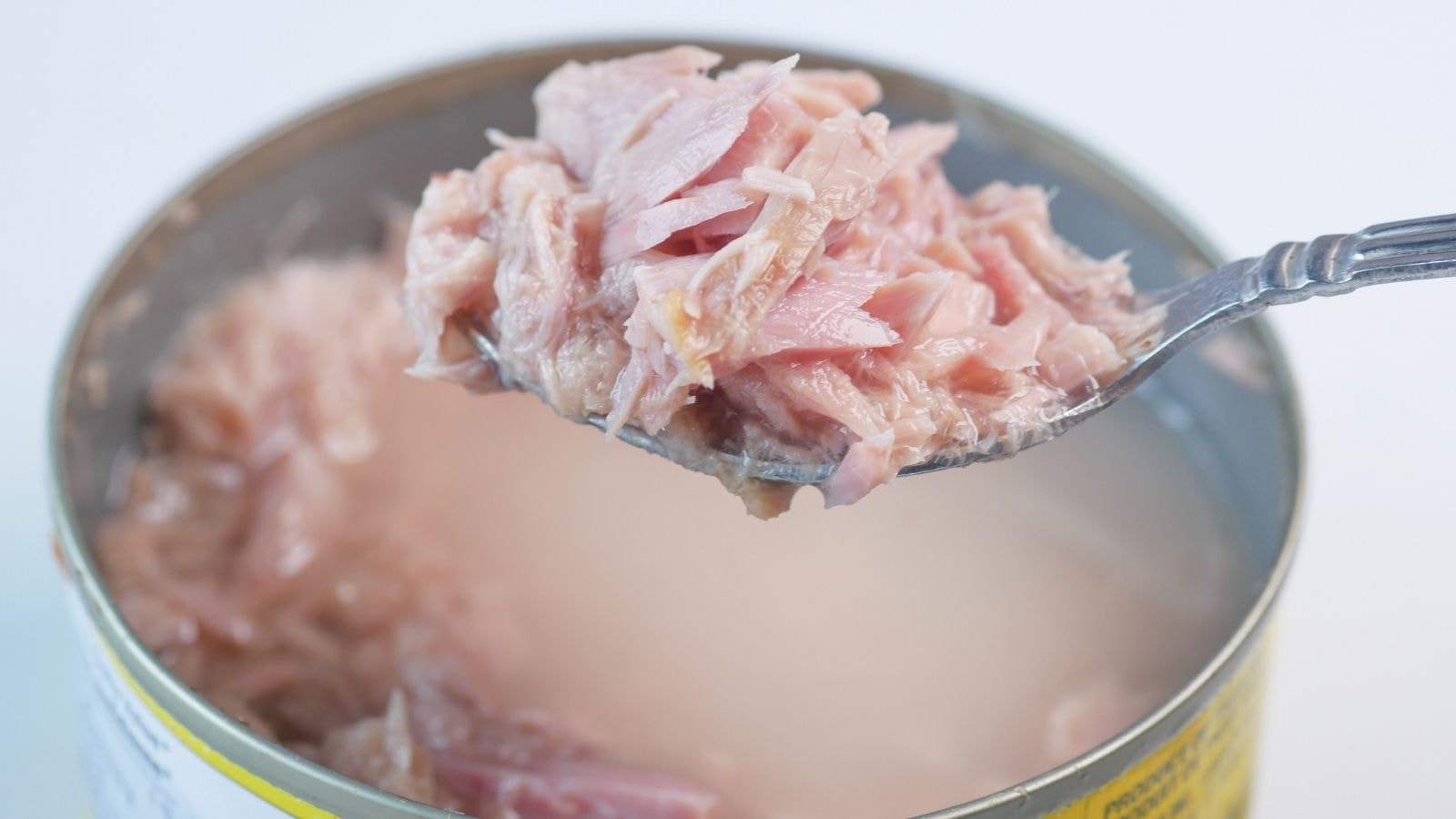 Photo Credit: Canva Pro
Choosing the Right Type
In terms of health and mercury levels, not all types of tuna in a can are the same. It is safer to eat skipjack and light tuna than albacore or bigeye tuna because they usually have less mercury in them.
Picking brands that come from sustainable sources and are packed in olive oil or their own juices helps keep the flavor and nutrients while also supporting fishing that doesn't harm the environment.
-
Tuna Type: Skipjack or light tuna offers the lowest mercury content among commonly canned options.
-
Sustainable Fishing: Look for products labeled as pole-caught or line-caught to protect ocean health.
-
Packaging: Tuna packed in olive oil tends to keep better flavor and softer texture than water-packed versions.
-
Health Focus: Lower-mercury fish choices reduce long-term risk while maintaining a good source of protein and omega-3s.
Nutrition and Safe Consumption
You can get omega-3 fatty acids, vitamin D, and vitamin B12 from tuna in a can. These nutrients are good for your heart and brain. Consuming it one or two times a week is thought to be safe and good for most adults. To keep their mercury levels low while still enjoying the delicious taste of tuna, people who eat it often should eat other seafood as well.
-
Nutrient Profile: Tuna is high in protein and healthy fats, offering lasting energy for any meal.
-
Serving Size: One 5-ounce portion per serving keeps mercury levels in check while providing nutrients.
-
Meal Ideas: Combine tuna with vegetables, pickles, or potatoes for a balanced lunch or salad dish.
-
Diet Variety: Alternate with salmon, sardines, or other fish to maintain nutrient diversity.
-
Health Benefit: Regular but moderate consumption promotes good cardiovascular and cognitive function.
What Canned Food Lasts the Longest?
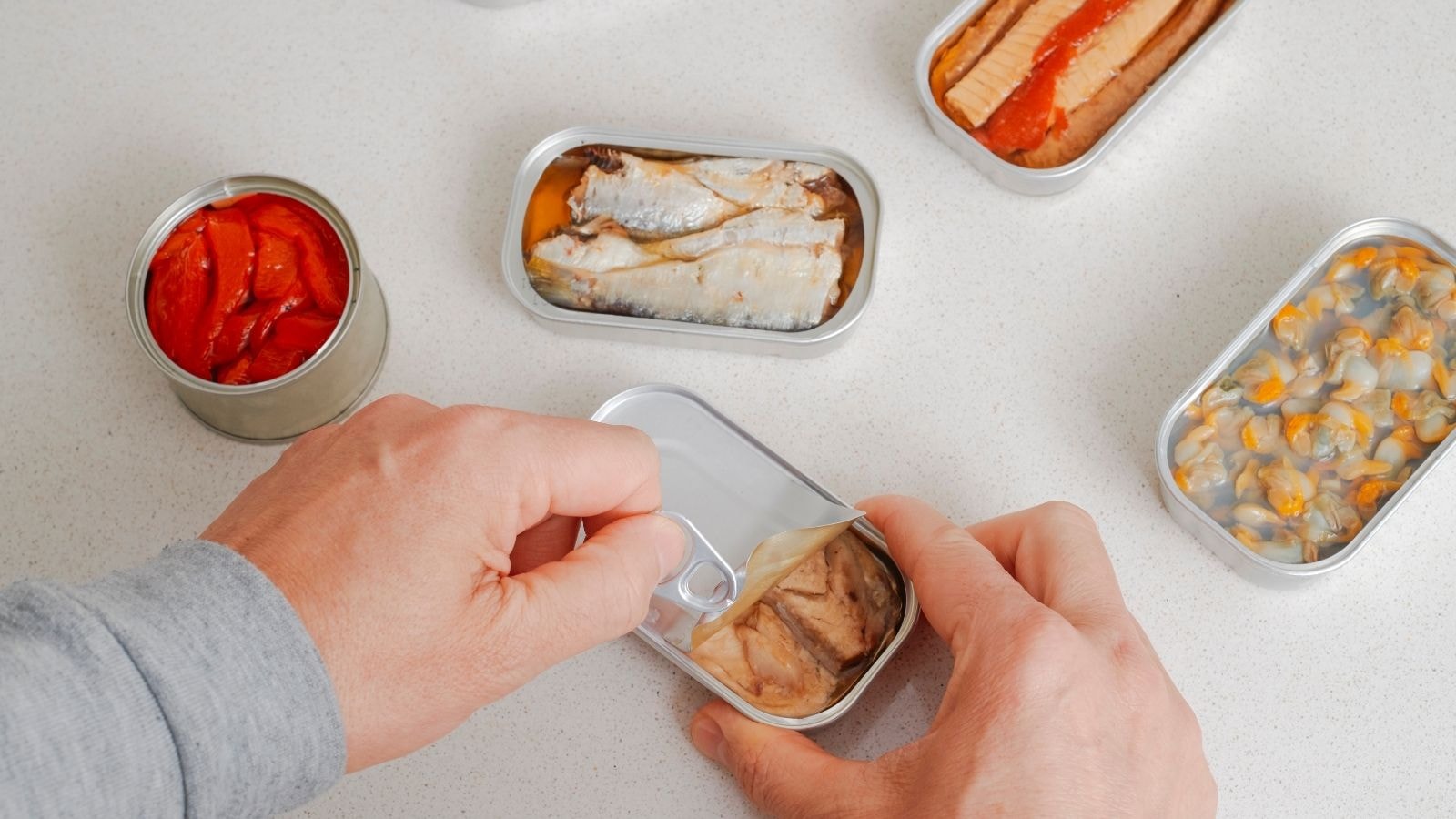 Photo Credit: Canva Pro
Longest-Lasting Pantry Staples
A lot of foods, like beans, sardines, fruit, and canned meats, can be kept for a long time. The food stays fresh for a long time because it is cooked and packed under high heat to kill bacteria. For long-term storage in the pantry, these canned foods are practical, affordable, and healthy.
-
Protein Sources: Canned tuna, meats, and beans provide a good source of nutrition for everyday meals.
-
Storage Duration: Most unopened cans last two to six years when stored correctly.
-
Variety in Stock: Keep a mix of seafood, fruit, and meat for balanced nutrition.
-
Canning Quality: Foods packed in their own juices or olive oil often keep better flavor over time.
-
Food Safety: Always check seals before consumption to ensure the food inside remains safe to eat.
Survival and Emergency Uses
For emergency food storage, you need to have a lot of canned foods, especially tuna. They give you the protein, vitamins, and healthy fats you need when you don't have fresh food for a long time. When you store and rotate your stock the right way, it stays at its best quality so you can use it when you need to.
-
Emergency Stock: Keep canned tuna, sardines, and meat for easy access to nutrients during power outages.
-
First In, First Out Rule: Rotate older canned goods first to maintain freshness in the pantry.
-
Convenience: Canned tuna packed in olive oil or its own juices makes a quick and delicious dish for lunch or dinner.
-
Shelf Maintenance: Store your canned foods in a cool and dry place to ensure long shelf life.
-
Versatility: Tuna can be mixed into tuna salad, pasta, or potato dishes without needing to cook again.
Get to Know FullyHealthy
Our Website Mission
FullyHealthy is a trusted online marketplace that focuses on sustainable foods supporting long-term health. For people who care about quality and transparency, the site promotes seafood that is high in nutrients, organic produce, and good pantry staples. The main goal is to make healthy, ethically sourced foods easy for everyone to get..
-
Purpose: Provide healthy, minimally processed foods that fit modern lifestyles.
-
Core Values: Transparency, sustainability, and commitment to food safety guide every product selection.
-
Product Range: Offers canned tuna, beans, fruit, and other nutritious canned goods for convenient cooking.
-
Community: Educates readers about proper storage and the shelf life of many foods.
Featured Tuna Products
FullyHealthy has several Wild Planet tuna varieties that are tasty, safe, and good for the environment. Each item is packed to last a long time while keeping the fish's natural juices inside. These choices are great for people who want ready-to-eat seafood that is high in protein for quick meals or trips.
-
Wild Planet Wild Albacore Tuna (3 oz): High-protein pouch; tender fillet packed in natural juices.
-
Wild Planet Wild Albacore Tuna (5 oz): Firm texture, sea salt seasoned, cooked once for flavor.
-
Wild Planet Skipjack Wild Tuna No Salt (5 oz): Pure skipjack, rich omega oils, no fillers added.
-
Wild Planet Wild Albacore Tuna No Salt (5 oz): Low-sodium albacore, clean taste, packed without oil.
Final Thoughts
The process of canning heats the fish to a very high temperature and keeps it vacuum sealed, so the tuna stays good for a long time. If you store unopened cans in a cool, dark place that doesn't get too hot or cold, they will last for years and still be safe to eat. Once it's been opened, put tuna in an airtight container and put it in the fridge or freezer. This will keep the flavor and quality fresh until your next meal.
FAQs
How long does tuna last in the can and is it safe to eat?
Canned tuna can last three to five years, and it remains safe to eat if the seal isn’t broken and it’s stored in a cool, dry place.
Why doesn't canned tuna have an expiry date?
Canned tuna has a long shelf life because the food inside is vacuum sealed and cooked at a very high temperature, so it stays safe for an extended period.
Can you eat canned food 2 years out of date?
Yes, you can eat canned foods two years out of date if stored in a dark place without bulging or severely dented cans.
Can you eat canned food that is 10 years old?
Canned foods, including tuna, may remain safe to eat for up to 10 years if stored in a cool, dry area and the can is undamaged.
How should I store canned tuna for the best quality?
Keep canned tuna in a pantry or dry place at room temperature, refrigerate leftovers, or use the freezer for longer storage while maintaining proper storage conditions.
Leave a comment