

How Many Calories Are in an Apple? A Fresh Nutrition Guide
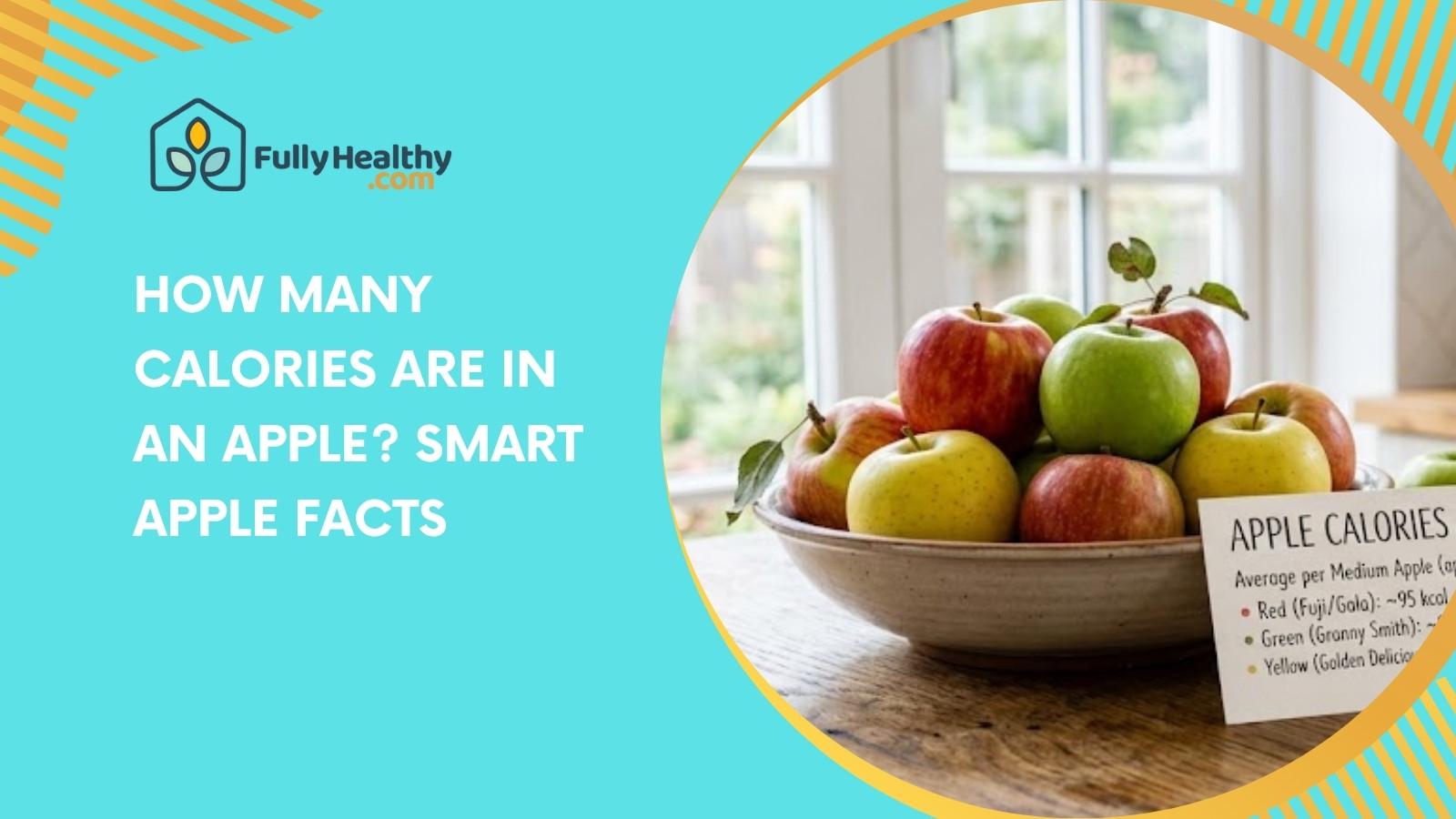
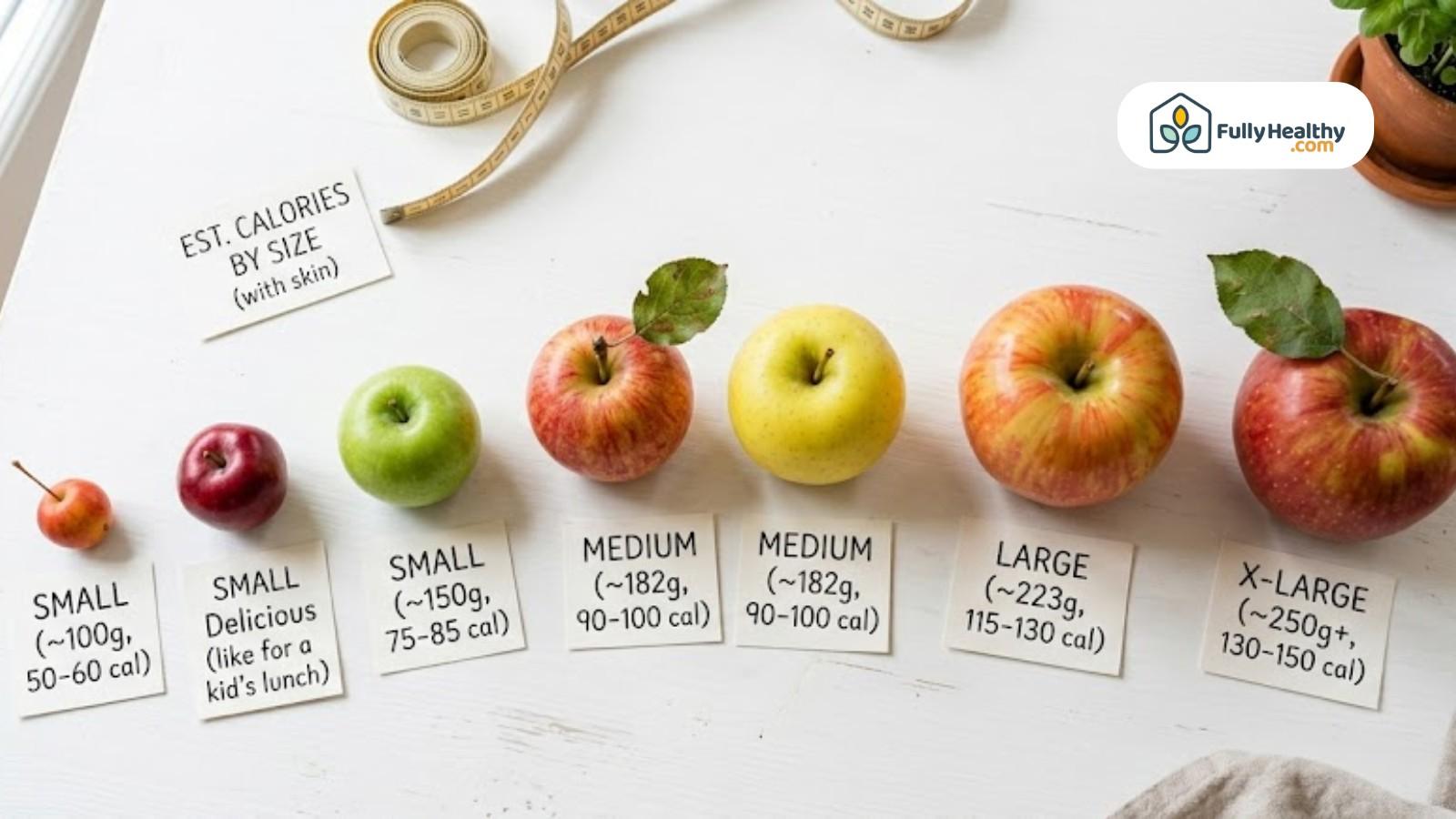
A medium apple has about 95 calories, but the exact number depends on its size. So, how many calories are in an apple? Most small apples have fewer, while large apples can have over 100.
Apples also give you fiber, water, natural sugar, and antioxidants, which makes them filling for the calories. In this guide, you’ll learn how apples fit into weight loss, blood sugar, GERD, and simple healthy eating.
How Many Calories Are in an Apple?

A medium apple usually contains about 95 calories, although the number changes based on size and apple varieties. One medium apple also provides vitamin C, soluble fiber, and plant compounds that support heart health and gut health.
Fresh apples are naturally filling because they contain water and support slow digestion. Many apples grown in the United States, including washington apples, fit well into a low calorie diet while offering several health benefits.
Calories in Different Sizes and Types of Apples
One apple may seem simple, but calorie content changes depending on its size and sweetness. Apples float because they contain air pockets, yet they still provide important apple components connected to the potential health benefits of eating apples.
-
Small apple: Usually contains fewer than 80 calories and works well for light snacks.
-
Medium apple: Contains around 95 calories with fiber from the apple skin.
-
Large apple: Can exceed 100 calories because it contains more natural carbohydrates.
-
Two apples: Still fit into balanced fruit and vegetable consumption for most healthy diets.
Why Apples Are Filling Despite Their Low Calories?
Just one apple can help you stay full longer because it combines fiber, water, and natural carbohydrates. Clinical studies suggest apples/apple products may modestly improve cholesterol, but evidence for blood pressure and blood sugar effects is mixed.
-
Soluble fiber: Helps support gut health and may day lower serum cholesterol.
-
Pectin fiber: Slows digestion and helps manage hunger between meals.
-
Chlorogenic acid: Chlorogenic acid is a polyphenol studied for cardiometabolic effects, but apple intake should not be framed as cardiovascular disease support.
-
Apple skin: Apple skin contains antioxidants; observational studies link higher fruit intake with lower risk of some cancers, but causation is not proven.
Is 1 Apple a Good Calorie for Weight Loss?

Eating apples may help with weight control because apples are filling without adding too many calories. A systematic review and several studies in clinical nutrition found that fruit and vegetable consumption supports healthy weight management. Research involving overweight women also showed that apple intake may help reduce daily calorie intake while improving vegetable consumption habits.
Why Apples May Help You Feel Full Longer?
Fresh apples contain fiber and water that help support slow digestion. Compared with processed snacks, one apple takes longer to chew, which may help people feel satisfied sooner.
-
Low calorie diet: Apples add sweetness without too many calories.
-
Pectin fiber: Helps fullness and supports healthy blood cholesterol levels.
-
Apple juice: Contains less fiber than whole apples and may raise blood sugar faster.
-
Eating apples: Often encourages healthier snack habits and balanced apple consumption.
How Apples Fit Into a Balanced Weight-Loss Plan?
The medicinal value of apples comes from their nutrients and fiber, not from quick-fix dieting. One medium apple works best when paired with balanced meals, protein, and exercise.
-
Mildly hypercholesterolemic adults: Some studies linked regular apple intake with healthier cholesterol levels.
-
Coronary heart disease: Plant compounds in apples may support long-term heart health.
-
Lung cancer: Research explored connections between fruit intake and lower cancer risk.
-
Potential health benefits: Include support for blood pressure, gut health, and cardiovascular disease prevention.
Is 1 Apple a Day Too Much Sugar?
Many people worry about the sugar in fruit, but one apple usually affects blood sugar more gently than candy or soda. Fresh apples contain natural fructose along with fiber, which slows sugar absorption. The benefits of apples are strongest when choosing whole fruit instead of processed apple products.
Natural Sugar in Apples vs Added Sugar
The sugar in apples is naturally occurring and comes with nutrients, fiber, and water. That makes it very different from added sugar found in desserts and sugary drinks.
-
Fructose: The main natural sugar in apples that digests more slowly in whole fruit.
-
Apple juice: Lacks much of the fiber found in fresh apples and may increase blood sugar faster.
-
Apple skin: Contains antioxidants and soluble fiber linked to heart health.
-
Fruit and vegetable consumption: Research connects higher intake with lower heart disease risk.
How Apples Affect Blood Sugar Levels?
One medium apple has a low to moderate glycemic effect because fiber helps regulate blood sugar response. Clinical nutrition found that regular apple consumption may support cholesterol levels and overall gut health when included in balanced meals.
-
Soluble fiber: Helps support healthy blood cholesterol and steady digestion.
-
Chlorogenic acid: Studied for possible support of blood pressure and heart health.
-
Apple consumption: Often linked with lower cancer risk and improved cardiovascular disease markers.
-
Two apples: Can still fit into healthy eating patterns when balanced with total calorie intake.
Do Apples Help GERD?

Some people say apples help calm acid reflux, especially after meals. Apple nutrition includes fiber, water, and minerals that may support digestion and overall health. Still, more research is needed because apples are not a proven GERD treatment. Tart types, such as granny smith, may bother sensitive stomachs.
Why Some People Find Apples Soothing for Acid Reflux?
Fresh apples may be tolerated by some people, but apples are not proven to relieve GERD and may trigger symptoms in sensitive individuals. Their fiber may also support gut microbial activity and better digestion.
-
Insoluble fiber: Helps move food through the digestive tract and supports regular digestion.
-
Cell walls: Apple cell walls help slow digestion, which may make apples feel more satisfying.
-
Overall health: Eating apples may support chronic diseases prevention as part of a balanced diet.
-
More research: Strong studies are still needed before claiming apples directly improve GERD.
Which Apple Products May Trigger Reflux Symptoms?
Apple products do not affect everyone the same way. People with fructose intolerance or those on a low fodmap diet may notice gas, bloating, or abdominal pain after eating too much apple.
-
Apple cider vinegar: May worsen reflux because it is acidic.
-
Abdominal pain: Larger portions may cause discomfort in sensitive people.
-
Granny smith: This tart apple may feel more irritating than sweeter apple varieties.
-
Three apples: Eating too many at once may overload digestion and trigger symptoms.
How FullyHealthy Can Help You Find Apple-Based Specialty Foods
FullyHealthy offers specialty foods for people with diet limits, including AIP, Paleo, and allergen-friendly needs. The site has apple-based products that make healthy eating easier. These options can support overall health when used as part of a balanced diet.
Apple Products Available at FullyHealthy
FullyHealthy carries simple apple products that may fit different eating plans. These are useful for shoppers who want clear ingredients and specialty-diet labels.
-
Eden Foods Organic Apple Butter: Made with organic apples and apple juice concentrate.
-
Bragg Apple Cider Vinegar: An organic vinegar often used in dressings and marinades.
-
Bare Food Cinnamon Apple Chips: A baked snack made with organic apples and cinnamon.
-
Doctor away: Apple products connect with the classic saying, “an apple a day keeps the doctor away.”
Choosing Apple Snacks and Pantry Staples for Specialty Diets
Choose apple products with simple ingredients and check labels carefully. Apples contain plant compounds studied for free radical damage, certain cancers, and cancer chemopreventive potential.
-
High cholesterol: Apple fiber may help improve cardiometabolic biomarkers.
-
Obesity related inflammation: Fiber-rich foods may support healthier inflammation levels.
-
American journal: Some research has explored apples, heart health, and cancer risk.
-
Eight weeks: Some studies track changes after regular apple intake over eight weeks.
Final Thoughts
Apples are one of the easiest fruits to include in a healthy diet because they are filling, nutritious, and naturally low in calories. If you have wondered how many calories are in an apple, most medium apples contain around 95 calories while also providing fiber, vitamin c, and antioxidants.
Eating apples regularly may support blood sugar balance, heart health, and gut health when combined with balanced meals and active habits. Observational studies continue to explore the connection between apple intake and a lower risk of chronic diseases.
Whole apples generally provide more fiber and satiety than juice or many processed apple products. For personalized advice, especially with digestive conditions, speak with a registered dietitian or healthcare professional.
FAQs
Can eating apples support heart health?
Yes, observational studies suggest apple intake may support heart health and lower risk of chronic diseases because apples contain fiber and antioxidants.
Is apple juice healthier than whole apples?
Researchers found whole apples usually provide more fiber and fullness than apple juice, which digests faster.
Can apples fit into a weight-loss diet?
A registered dietitian may recommend apples because they are low in calories and support fullness during balanced eating plans.
Do apples help reduce cholesterol levels?
Some observational studies linked regular apple intake with improved cholesterol levels and a lower risk of heart disease.
Are apples safe for sensitive digestion?
Most people tolerate apples well, but researchers found people with fructose intolerance may need smaller portions depending on symptoms.
Leave a comment