

How To Keep Apples From Turning Brown? Quick Tips For Fresh Slices
How to keep apples from turning brown? Use simple methods like salt water, lemon juice, or airtight storage to slow oxidation and keep slices fresh. This guide explains why apples turn brown and how to stop it quickly. You will learn easy steps for prep, storage, and snack use.
These tips help keep apple slices crisp, fresh, and ready for lunch, recipes, or everyday eating without losing flavor or texture.
Featured Snack Pick
Bare Fruit // Crunchy Organic Fuji Reds Apple Chips - 3 oz
Loading...
How Can You Keep Apples From Turning Brown?
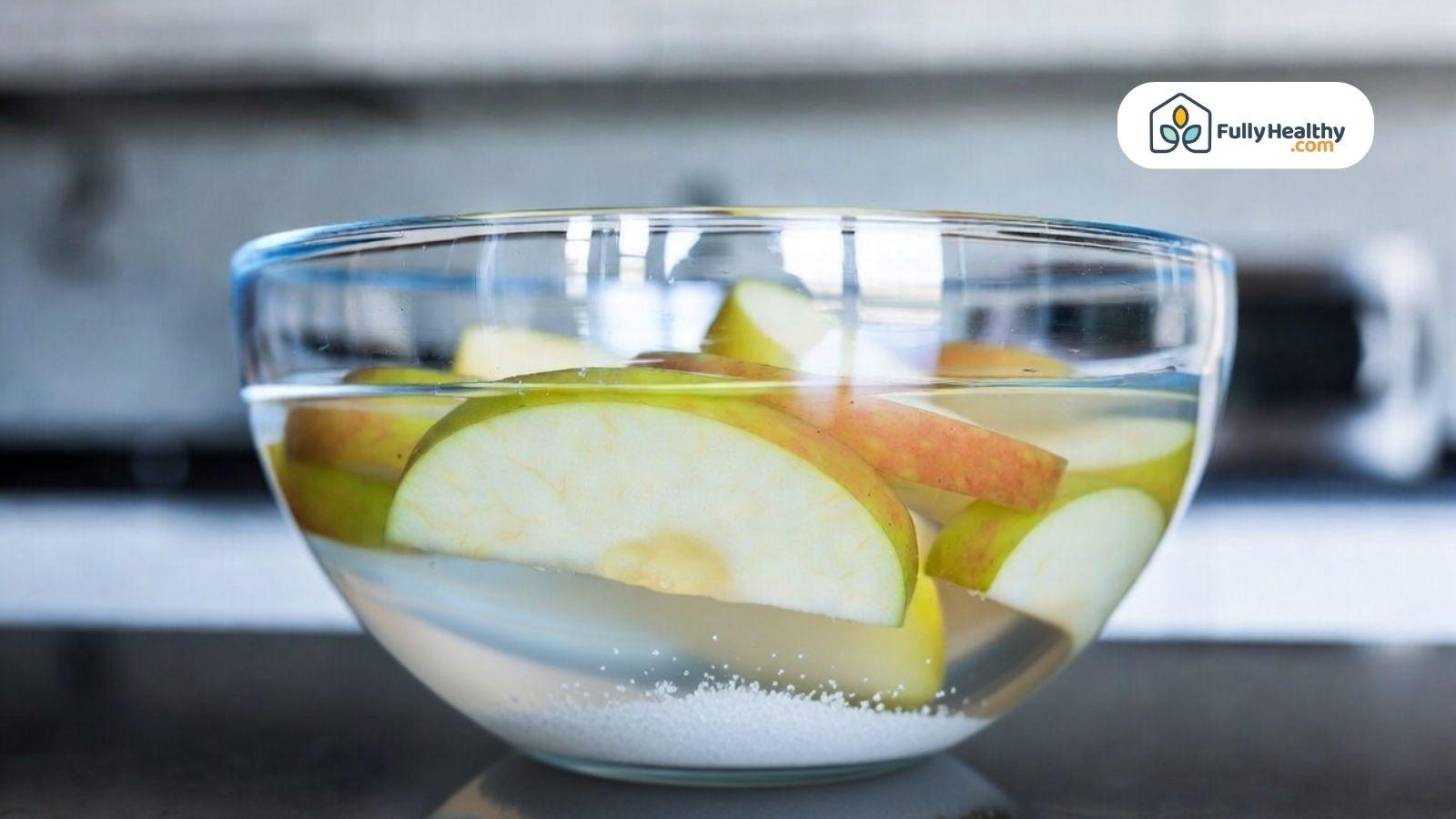
Keeping apples fresh after you cut apples comes down to slowing the oxidation process that causes browning. This section explains simple methods that home cooks use to prevent apples from browning quickly.
Salt Water Method
The most reliable way for how to keep apples from turning brown is to soak apples in salt water, which slows enzymatic browning and keeps apple slices looking fresh. This method has minimal taste impact when apples are rinsed well after soaking.
-
Salt Ratio: Mix ½ teaspoon salt with 1 cup tap water in a bowl.
-
Soak Apples: Place sliced apples in the solution and soak for 5 minutes.
-
Quick Rinse: Rinse treated apples lightly, then pat dry to remove excess salt.
-
Why it Works: Salt slows polyphenol oxidase activity during the oxidation process.
-
Storage Tip: Store in an airtight container or ziplock bag in the fridge.
Acid And Natural Options
Acid-based solutions help prevent browning by lowering pH and blocking oxygen exposure on fruit surfaces. These popular methods use natural preservative compounds like vitamin c and citric acid.
-
Lemon Juice: Mix lemon water or citrus juice with tap water, then dip apple slices.
-
Honey Water: Combine honey with water to coat slices and add mild sweetness.
-
Fruit Juice: Use apple juice or pineapple juice to protect sliced apples from browning.
-
Soda Option: Lemon lime soda creates a light coating that slows turning brown.
-
Key Compound: Ascorbic acid helps prevent apples brown by reducing enzyme activity.
Should I Keep Apples In A Plastic Bag In The Fridge?
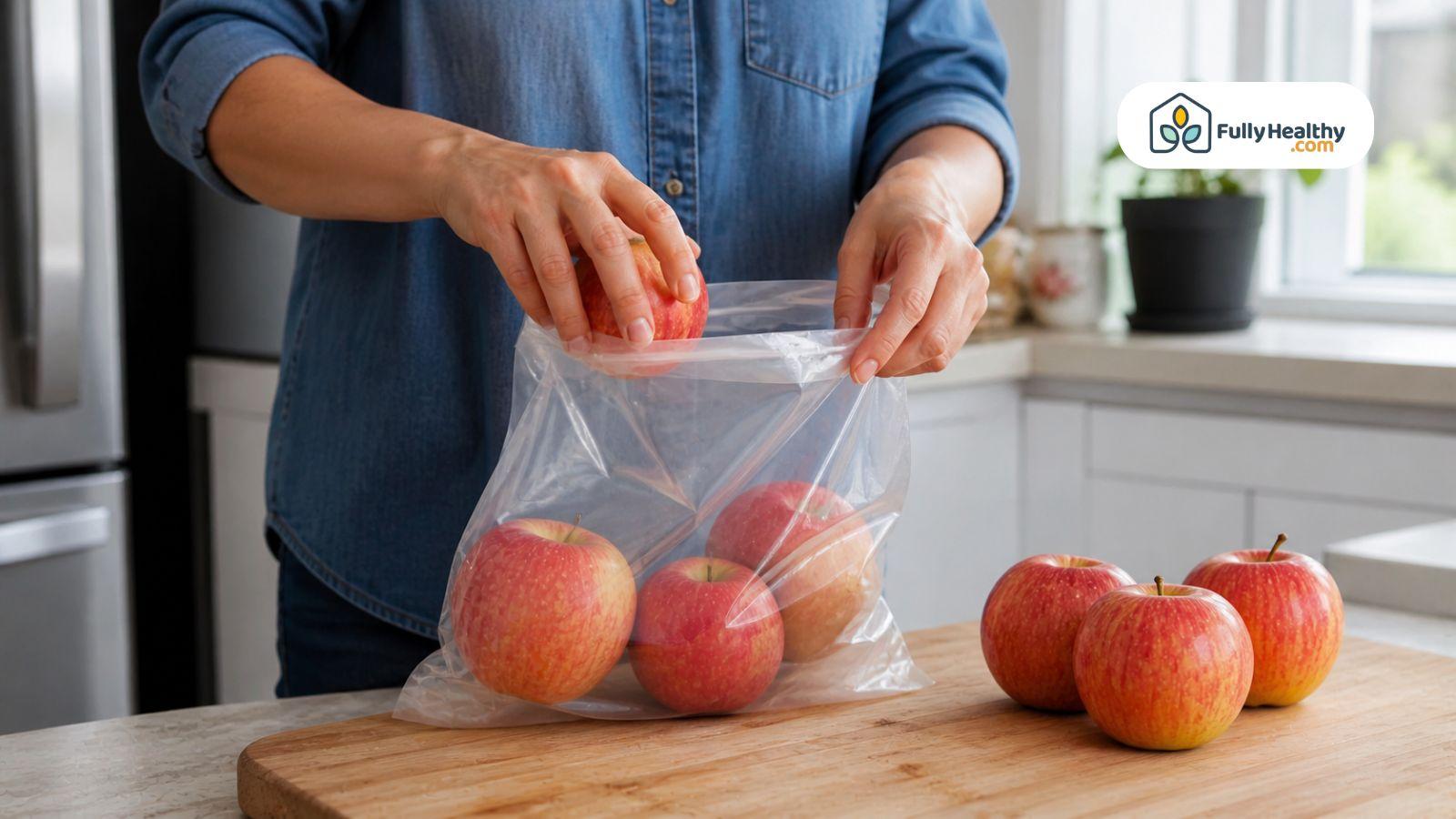
Storing apples correctly helps maintain crisp texture and prevents spoilage. This section explains how fridge storage and bag type affect freshness.
Refrigeration Basics
Keeping apples in the fridge slows down natural ripening and helps preserve flavor, texture, and moisture. Lower temperatures reduce enzymatic browning and keep apples crisp for longer storage.
-
Temperature Effect: Cold slows enzyme activity that causes browning and softening.
-
Moisture Control: Fridge storage prevents apples from drying out at room temperature.
-
Shelf Life: Apples last several weeks longer when stored properly in the fridge.
-
Usage Tip: Store cut apples separately from whole fruit for best results.
-
Snack Prep: Ideal for keeping apple slices fresh for a school day snack.
Storage Setup
The type of bag and airflow level can impact how long apples stay fresh in storage. Proper setup prevents moisture buildup and keeps fruit from spoiling too quickly.
-
Bag Choice: Use a zip top bag or ziplock bag with slight airflow.
-
Humidity Balance: Loose bags help maintain moisture without trapping excess water.
-
Avoid Sealing Tight: Fully sealed bags can cause condensation and faster spoilage.
-
Extra Tip: Keep slices in an airtight container for better freshness.
-
Handling Tip: Always pat dry slices before storing to reduce excess moisture.
What Should You Not Store With Apples?
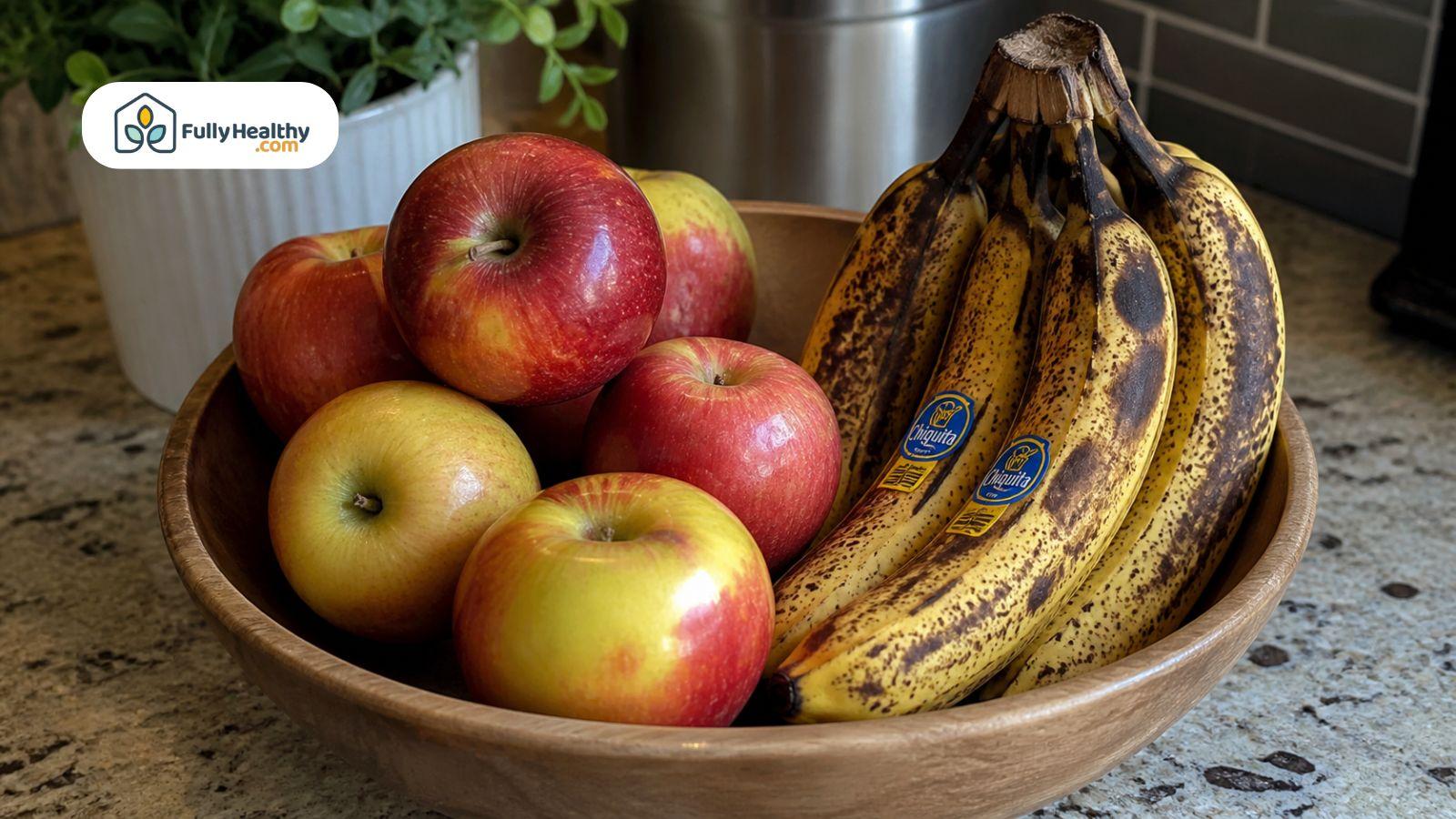
Do not store apples with ethylene-sensitive produce or strong-smelling foods, as this speeds spoilage and affects taste. Apples release gas and absorb odors, so proper separation helps keep apples fresh and prevents waste.
Produce Pairings
Apples release ethylene gas, which speeds up ripening in nearby fruits and vegetables. This can cause faster spoilage in sensitive produce stored together.
-
Ethylene Effect: Apples trigger ripening in bananas, broccoli, and leafy greens.
-
Vegetable Impact: Carrots and potatoes may soften or sprout faster.
-
Storage Tip: Keep apples separate from ethylene-sensitive produce in the fridge.
-
Kitchen Habit: Store apples in a dedicated section or container.
-
Preserving Apples: Separation helps maintain freshness and prevent waste.
Odor Sensitivity
Apples can absorb strong smells from nearby foods, which can affect flavor and overall taste. Proper storage keeps fruit clean and pleasant to eat.
-
Strong Foods: Onions and garlic can transfer odor to apples.
-
Flavor Change: Apples may lose natural sweetness if stored near strong-smelling items.
-
Storage Tip: Keep apples in sealed containers away from pungent foods.
-
Kitchen Setup: Use separate drawers or compartments when possible.
-
Fresh Tip: Clean storage spaces regularly to maintain neutral smells.
What Apples Take Longer To Brown?
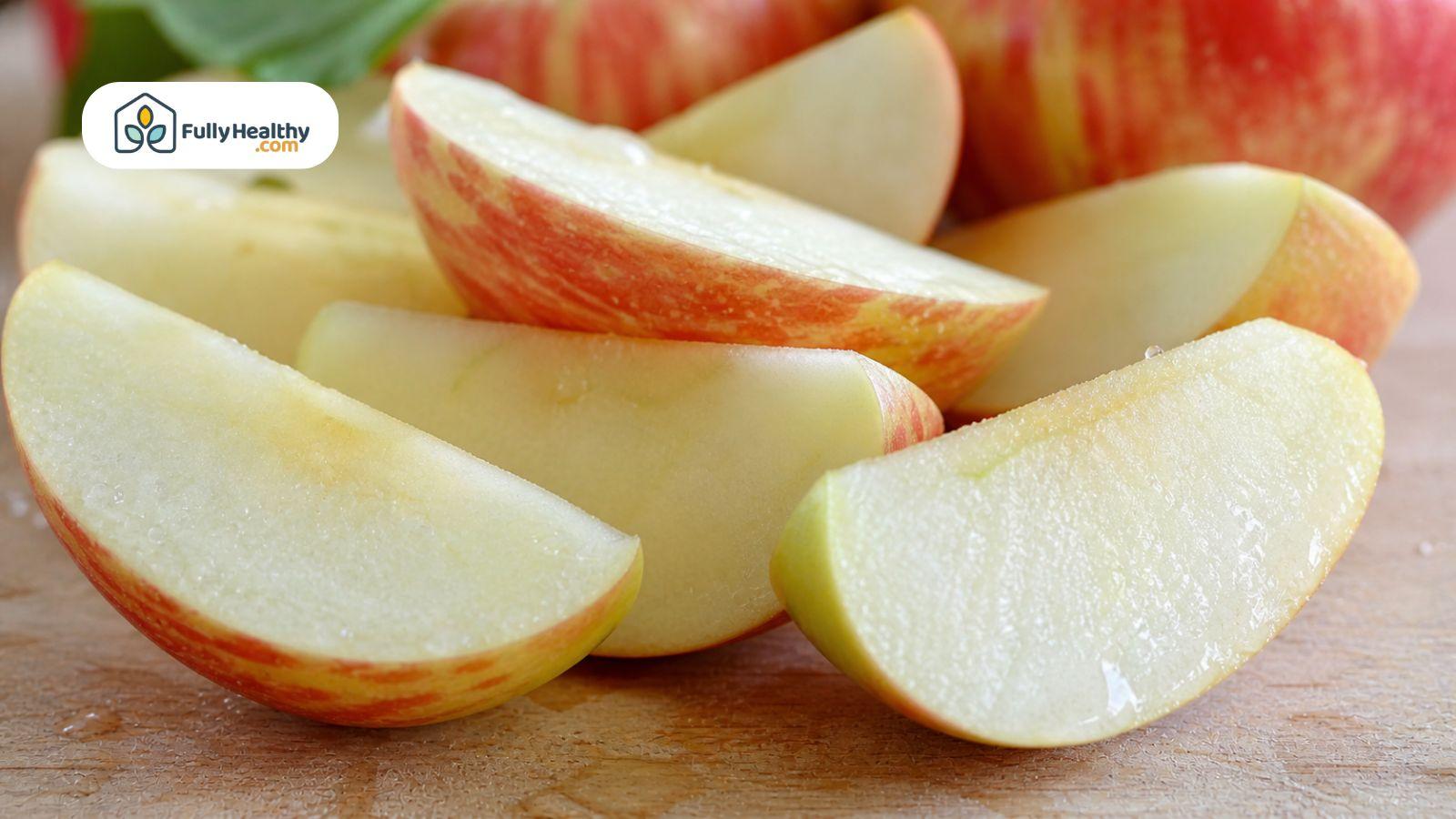
Some apple types naturally resist browning better than others. Choosing the right variety helps reduce prep time and maintain a fresh appearance.
Apple Varieties
Certain apples brown more slowly because they contain fewer compounds that react during oxidation. These types are ideal for sliced apples used in snacks and recipes.
-
Best Choices: Pink Lady, Empire, and Cortland apples brown slower.
-
Use Cases: Great for lunch, baking, or serving fresh fruit slices.
-
Texture: These apples stay crisp longer after cutting.
-
Prep Tip: Use these varieties for school lunches or snack trays.
-
Cooking Use: Suitable for pie and other cooking recipes.
Browning Factors
Browning speed depends on how fruit reacts to air and enzyme activity after cutting. Understanding this helps you choose the best method for preventing discoloration.
-
Enzyme Role: Polyphenol oxidase reacts with oxygen and causes browning.
-
Air Exposure: More contact with air speeds up the oxidation process.
-
Fruit Condition: Apple variety, ripeness, storage history, and cut surface exposure can all affect browning speed.
-
Cut Size: Thin slices turn brown faster than thicker pieces.
-
Handling Tip: Work quickly when cutting to reduce exposure time.
FullyHealthy: Clean Food Options Made Simple
Choosing the right snacks and ingredients helps support better food habits at home. This section highlights a brand focused on simple, clean food choices.
About FullyHealthy
FullyHealthy focuses on providing clean-label foods that support different dietary needs while keeping ingredients simple and recognizable. Their selection supports preserving apples and making snack prep easier for busy home cooks.
-
Clean Focus: Products use simple ingredients with minimal processing.
-
Diet Friendly: Options support gluten-free, paleo, and allergen-aware diets.
-
Everyday Use: Helps simplify cooking, baking, and snack routines.
-
Convenience: Ready-to-use products reduce prep time for busy days.
-
Fresh Approach: Supports keeping apples fresh in daily meals.
Product Highlights
FullyHealthy offers apple-based products that fit into snack prep, recipes, and everyday eating without complex ingredients. These options make it easier to enjoy apples without worrying about turning brown.
-
That’s It Apple Blueberry Fruit Bar: Simple fruit bar made with apples and blueberries, perfect for kids, school lunches, and quick snacks.
-
Eden Foods Organic Apple Butter Spread: Smooth spread ideal for toast, baking, and adding natural apple flavor to recipes.
-
Wild Zora Air-Dried Organic Orchard Fruit Mix: Balanced fruit mix with apples, cherries, and apricots for convenient, nutrient-rich snacking.
-
Bare Fruit Organic Cinnamon Apple Chips: Crisp apple chips with cinnamon, offering a crunchy snack alternative with simple ingredients.
-
Bragg Organic Apple Cider Vinegar With The Mother: Versatile ingredient for cooking, dressings, and natural preservative use.
-
Jack’s Paleo Kitchen Apple Cinnamon Trail Mix Bites: Bite-sized snack combining apples and cinnamon for a convenient, energy-boosting treat.
Final Thoughts
Keeping apple slices fresh does not need complicated steps, just simple methods that slow the oxidation process and reduce air exposure. Salt water, lemon juice, and proper storage all help keep apples from browning while maintaining crisp texture and clean flavor.
Small habits like rinsing, drying, and storing correctly make a clear difference. Use these easy methods to keep your apple slices fresh, ready, and enjoyable for snacks, lunch, or everyday use.
FAQs
Can I Slice Apples Ahead Of Time?
Yes, sliced apples turn brown quickly, but you can keep apples from browning by soaking in room temperature tap water, using sugar or citrus, then store to keep fruit fresh and protect apple slices from browning with a rubber band if needed.
How Do Supermarkets Stop Cut Apples From Going Brown?
They use solutions with citrus or additives to keep apples from browning, which helps sliced apples turn brown slower while keeping fruit fresh and showing the method works for large batches.
Do You Rinse Apples After Soaking In Salt Water?
Yes, rinse after soaking so sliced apples turn brown slower, remove excess salt, and keep apples from browning while keeping fruit fresh and safe to eat.
What Is The Fastest Way To Stop Browning?
The fastest way is using citrus or salt water since sliced apples turn brown quickly, and this is to keep apples from browning and maintain fruit fresh quality.
What Liquid Will Prevent The Apple From Turning Brown?
Liquids like citrus juice, sugar water, or even room temperature tap water help keep apples from browning, reduce sliced apples turn brown effect, and keep fruit fresh with simple prep.
Leave a comment