

Is Apple Juice Good for You? What to Know Before Your Next Glass
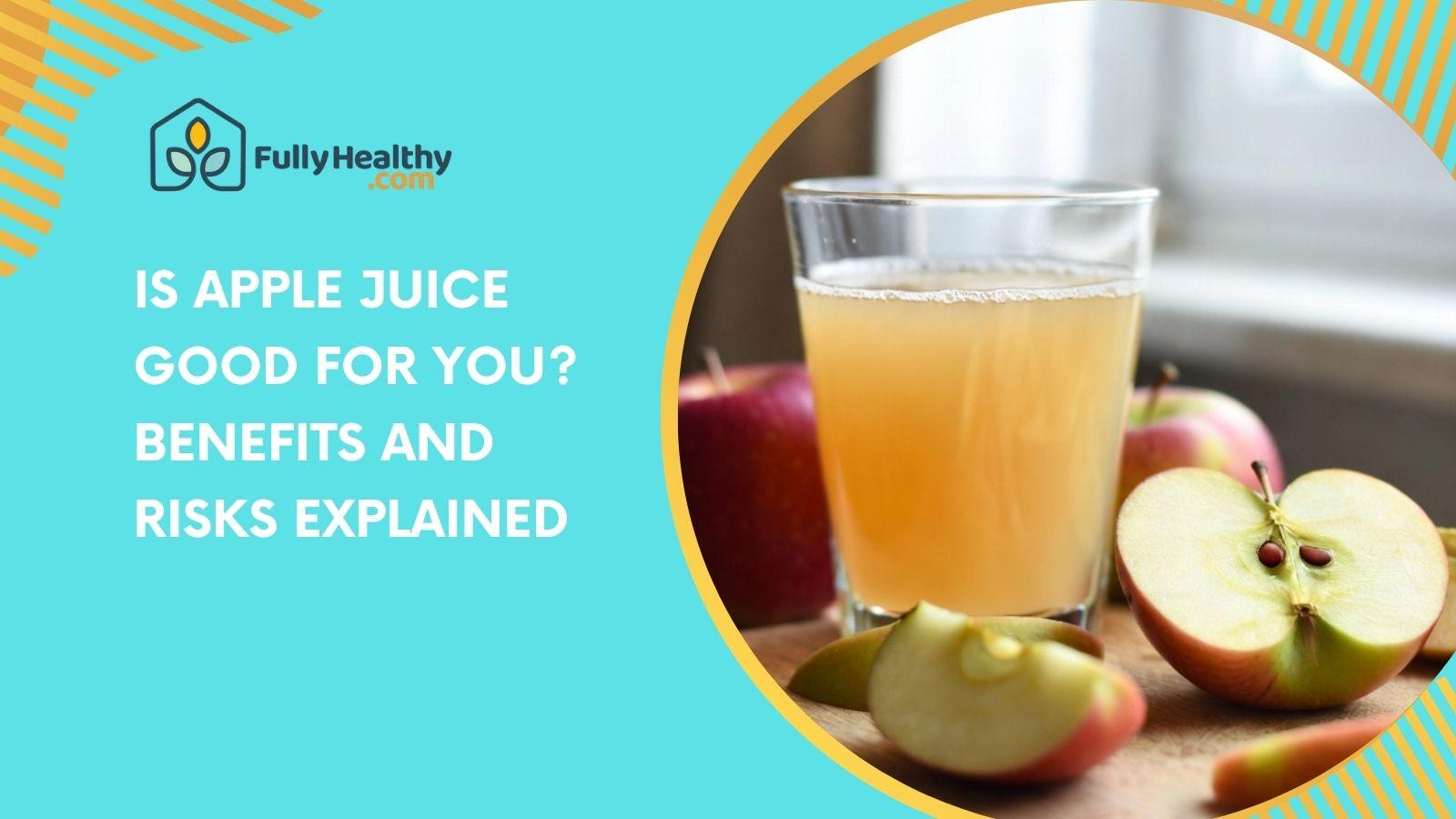
Is apple juice good for you? Apple juice can support a healthy diet when consumed in moderation and chosen without added sugars or artificial ingredients. It provides vitamin C, antioxidants, and naturally occurring plant compounds that may help support hydration, immune function, and overall heart health.
Still, apple juice contains concentrated natural sugars and far less fiber than whole apples. Understanding the benefits, risks, serving sizes, and healthier ways to enjoy apple juice can help you make smarter nutrition choices.
Featured Snack Pick
Bare Fruit // Crunchy Organic Fuji Reds Apple Chips - 3 oz
Loading...
Is Apple Juice Good for You?
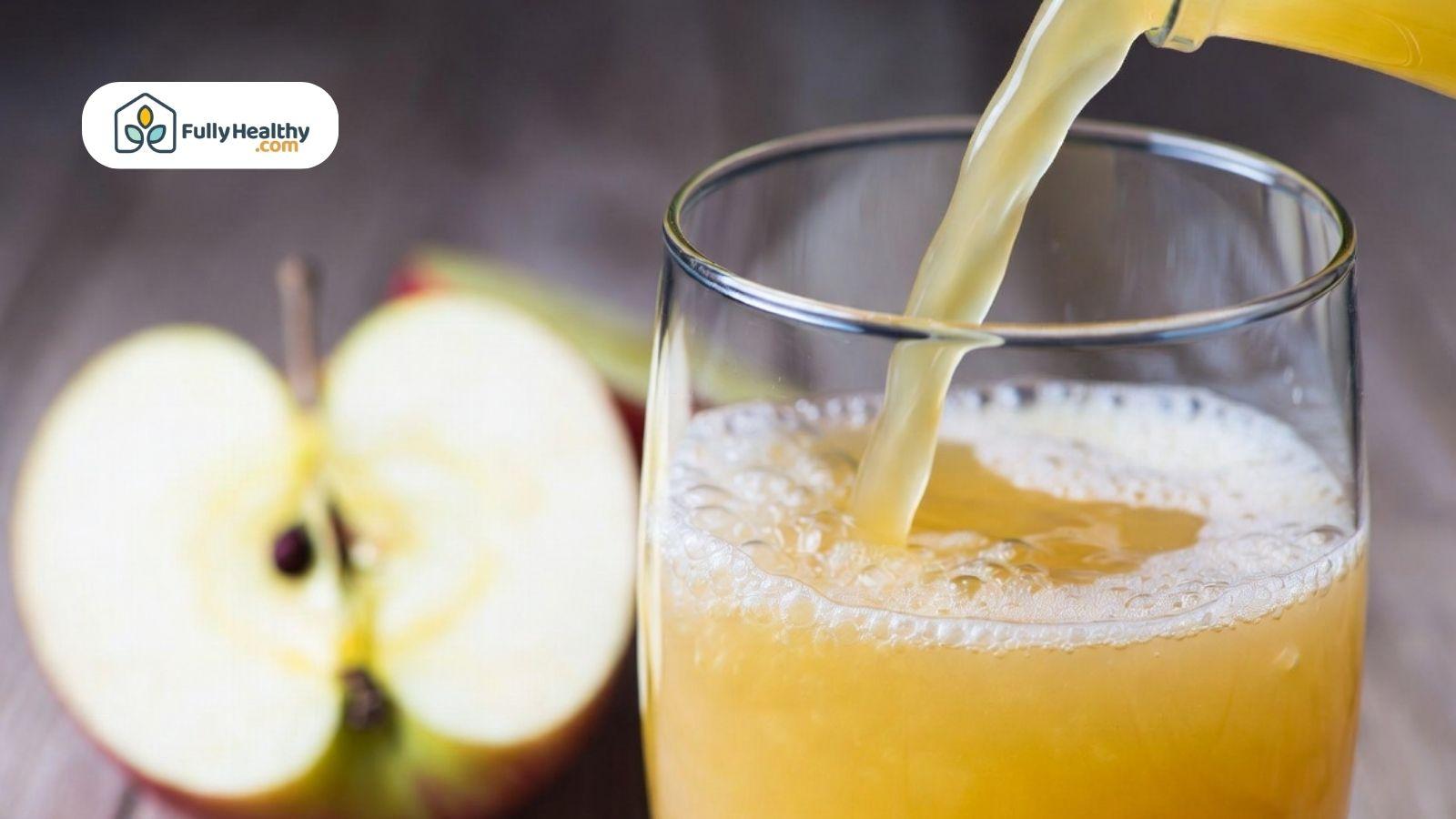
Apple juice can fit into a healthy diet when consumed in moderation and chosen without added sugars or unnecessary additives. Research shows apple juice contains vitamin C, antioxidants, and beneficial plant compounds that may help support heart health, immune function, and overall wellness.
Health Benefits of Apple Juice
Apple juice contains vitamin C, potassium, natural sugars, and antioxidant compounds that may support hydration and overall wellness. Since apple juice is about 88% water, it may help with hydration, while cloudy apple juice usually contains more beneficial plant compounds than clear apple juice because it is less processed.
-
Hydration: Apple juice contains mostly water, helping hydration during illness or hot weather.
-
Antioxidant Activity: Apple polyphenols may help reduce oxidative stress linked to chronic diseases.
-
Heart Health: Some peer reviewed studies suggest apple juice may help support heart health through effects on oxidative stress and LDL oxidation markers.
-
Immune System: Vitamin C and ascorbic acid support immune function and daily essential nutrients.
Is Apple Juice Good for You Every Day?
Drinking apple juice every day depends on portion size and overall healthy diet habits. Too much apple juice may raise blood glucose levels quickly because fruit juice contains less fiber than whole apples, whole fruits, and fiber rich foods.
-
High Sugar Content: Store bought apple juice often contains concentrated natural sugars.
-
Blood Sugar: Drinking large amounts of juice may increase blood sugar spikes faster than whole foods.
-
Tooth Decay: Sugar and Malic acid in juice may contribute to tooth decay over time.
-
Weight Gain: Excessive consumption may increase calorie intake and body fat.
-
Better Balance: Fresh apples and green apples usually provide more nutrients and fullness.
Is Apple Juice Good for Your Belly?

Apple juice may feel soothing during dehydration or mild illness, especially when drinking diluted apple juice in small servings. However, too much sugar and fructose may upset digestion in sensitive people.
Apple Juice May Help Hydration
Diluted apple juice may feel easier on the stomach because it provides fluids and simple carbohydrates without heavy digestion demands. Drinking diluted apple juice is sometimes used during mild stomach illness because the sweet taste can feel gentler than acidic drinks.
-
Fluid Support: Apple juice may help hydration during dehydration recovery.
-
Quick Energy: Natural sugars provide fast energy during low appetite periods.
-
Plant Compounds: Apples contain anti inflammatory properties and beneficial plant compounds.
-
Fresh Fruits: Juice from fresh fruits usually contains fewer artificial ingredients.
-
Digestive Comfort: Small servings may feel easier to tolerate than heavier foods.
Too Much Apple Juice May Upset Your Stomach
Too much apple juice may cause bloating, gas, or diarrhea because apples naturally contain fructose and sorbitol. Some people may experience digestive discomfort after drinking large amounts of apple juice because fructose and sorbitol can be harder to absorb in sensitive stomachs.
-
Digestive Issues: Excessive consumption may lead to bloating or loose stools.
-
Blood Glucose Levels: Too much sugar may affect digestion and energy together.
-
Artificial Ingredients: Some juice products contain artificial ingredients or added sugars.
-
Body Fat: Sugary drinks may contribute extra calories without fullness.
-
Whole Foods: Whole apples digest slower because the fiber remains intact.
What Is the Best Time to Drink Apple Juice?

Apple juice is commonly consumed in the morning, before meals, or around workouts because it provides quick natural sugars and hydration. Since apple juice contains little fiber, some people prefer pairing it with whole foods or protein for better blood sugar balance.
Drink Apple Juice at the Right Time
Drinking apple juice in the morning or before physical activity may provide quick energy because of its natural sugar content. Some people also drink apple juice 15 to 30 minutes before meals because the light sweetness may help with appetite control and digestion.
-
Morning Energy: Apple juice may provide quick carbohydrates after waking up.
-
Before Meals: Small servings before meals may help some people feel satisfied sooner.
-
Workout Fuel: Apple juice may work as a quick energy source before or after exercise.
-
Hydration Support: Apple juice contains mostly water, helping fluid intake during the day.
-
Daily Glass: One small daily glass is usually enough for most adults.
How Much Apple Juice Should You Drink Per Day?
Most nutrition experts suggest limiting apple juice consumption to about 4 to 8 ounces or half a cup to one cup of apple juice daily for adults. Drinking too much juice regularly may increase sugar intake without the fullness and fiber provided by whole fruits and whole apples.
-
Adult Serving: Around 1/2 cup to 1 cup of apple juice daily usually fits better into a healthy diet.
-
Children’s Portions: Younger children are often advised to drink less than 1/2 cup daily depending on age.
-
Nighttime Juice: Juice before bed may increase tooth decay risk because sugar stays on the teeth longer overnight.
-
Blood Sugar: People with chronic conditions or diabetes should monitor blood glucose levels carefully.
-
Whole Fruits: Whole apples generally contain more nutrients, fiber, and longer-lasting fullness than fruit juice.
What is the Healthiest Juice to Drink?
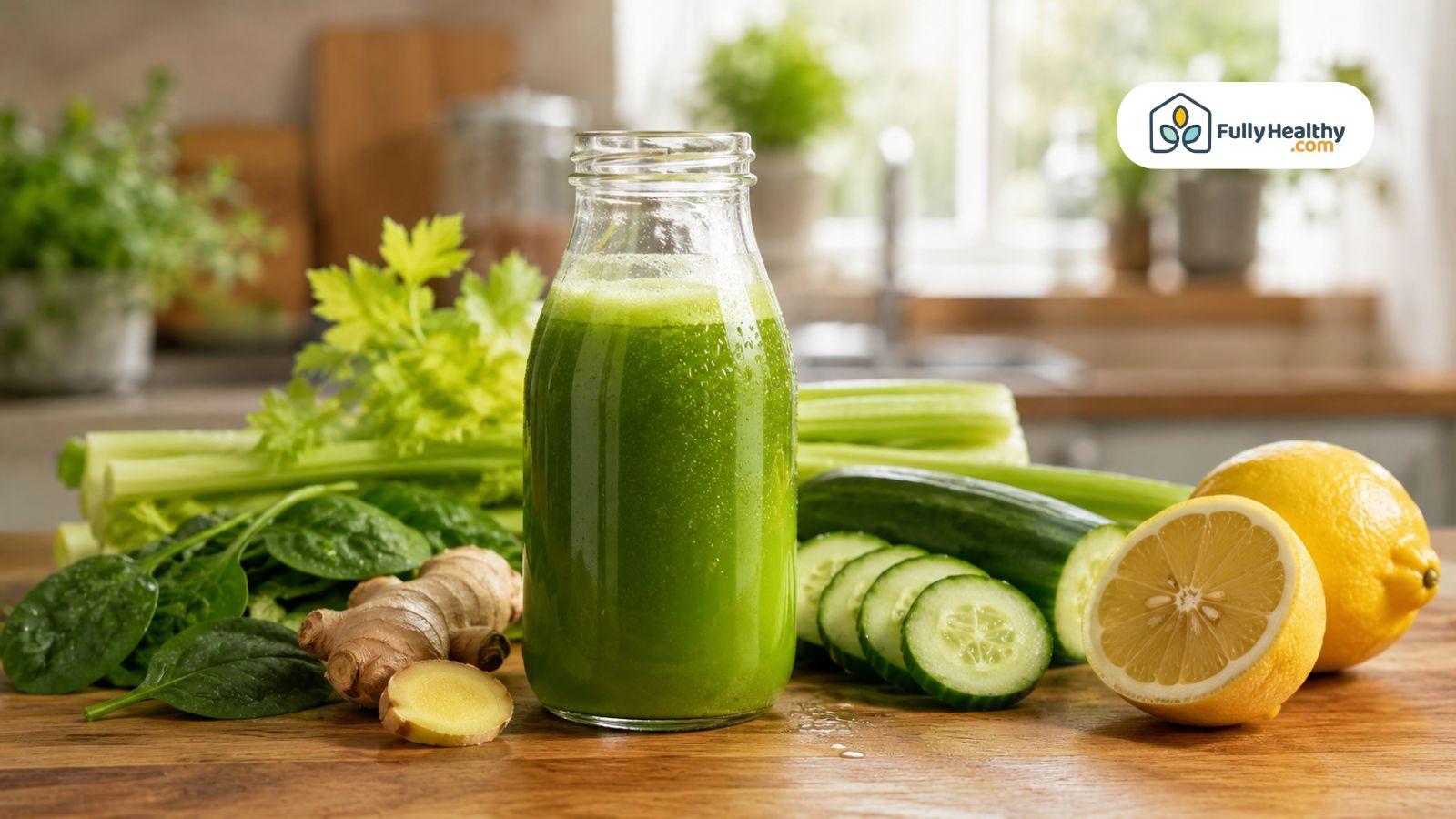
Some juices contain more nutrients and antioxidant activity than others, but moderation still matters because most fruit juice products contain natural sugars. Apple juice can still fit into a healthy diet when paired with whole foods and consumed in reasonable portions.
Some Juices Offer More Nutrients
Pomegranate, beet, tart cherry, and orange juice are often considered healthier because they contain different antioxidants, vitamins, and anti inflammatory properties. Apple juice still provides beneficial plant compounds, but some juices contain more nutrients and lower sugar content per serving.
-
Pomegranate Juice: Contains antioxidant properties linked to heart health and blood pressure support.
-
Beet Juice: Natural nitrates may support circulation and exercise performance.
-
Tart Cherry Juice: Often connected with muscle recovery and sleep support.
-
Orange Juice: Contains more vitamin c than most apple juice products.
-
Apple Juice: Cloudy apple juice usually contains more polyphenols than clear apple juice.
Apple Juice Can Still Fit a Healthy Diet
Apple juice may still work in a healthy diet when balanced with whole grains, whole fruits, and fiber rich foods. Fresh apple juice without added sugars is usually a better option than store bought apple juice with artificial ingredients or excessive sugar.
-
Fresh Apples: Whole apples usually provide more fiber and fullness than juice.
-
Natural Sugars: Juice still contains naturally occurring sugar from fruits.
-
Healthy Balance: Pairing juice with whole foods may help blood glucose levels stay steadier.
-
Fewer Additives: Fresh apple juice often contains fewer artificial sweeteners.
-
Moderation: Excessive consumption may increase body fat and weight gain risks.
Smart Apple Snacks From FullyHealthy
Some people want apple-based snacks without artificial ingredients, excessive sugar, or heavily processed additives. FullyHealthy offers several options focused on simple ingredients, specialty diets, and whole food style snacks.
What FullyHealthy Offers
FullyHealthy focuses on gluten free, paleo-friendly, allergen-conscious, and specialty pantry products made from high quality sources. Many products use fruits, apples, and simple ingredients instead of heavily processed fillers.
-
Specialty Foods: Products support paleo, gluten free, and whole foods lifestyles.
-
Simple Ingredients: Many snacks avoid artificial ingredients and artificial sweeteners.
-
Healthy Pantry: The site includes snacks, spreads, dried fruits, and apple cider products.
-
Balanced Choices: Many products fit better into a healthy diet than sugary snacks.
-
Whole Food Focus: Several products emphasize fresh fruits and minimally processed ingredients.
Apple Products Worth Trying
FullyHealthy carries apple-based snacks and pantry items made with simpler ingredients and fewer artificial additives. These products may work well for people looking for alternatives to heavily processed desserts or sugary fruit juice drinks.
-
That’s It Apple Blueberry Fruit Bar: A fruit bar made with apples and blueberries for a naturally sweet snack.
-
Eden Foods Organic Apple Butter Spread: A smooth apple butter spread with concentrated apple flavor and simple ingredients.
-
Wild Zora Air Dried Organic Orchard Fruit Mix: An air-dried fruit mix combining apples, cherries, and apricots for a chewy whole food snack.
-
Bare Fruit Organic Cinnamon Apple Chips: Crispy apple chips with cinnamon flavor and fewer artificial ingredients than many packaged snacks.
-
Bragg Organic Apple Cider Vinegar With the Mother: A popular apple cider vinegar product commonly used in wellness and healthy diet routines.
-
Jack’s Paleo Kitchen Apple Cinnamon Trail Mix Bites: Apple cinnamon snack bites combining fruits, nuts, and whole food ingredients for quick energy.
Final Thoughts
Apple juice can be part of a balanced diet when consumed in moderation and made from high-quality sources without added sugars. It provides vitamin C, hydration, antioxidants, and beneficial plant compounds, but drinking too much may contribute to blood sugar spikes, tooth decay, weight gain, and other health concerns.
Whole apples still offer more fiber and are generally more filling than fruit juice alone. Small portions and balanced food choices are usually best for long-term health.
FAQs
Is apple juice okay to drink daily?
Apple juice may fit into a healthy diet daily in small portions, but too much sugar and excessive consumption may increase blood sugar, high blood pressure, and health risks.
What juice should I drink every morning?
For a healthy and energizing start to the day, the best juices to drink regularly are those low in sugar and rich in nutrients, such as green juice, lemon water, or beetroot juice.
What organ is apple juice good for?
Apple juice is particularly beneficial for the heart, brain, and digestive system due to its high polyphenol and antioxidant content.
Which is better for you, apple or cranberry juice?
Unsweetened cranberry juice is often considered healthier than apple juice since it contains less sugar, provides more nutrients such as Vitamins C and E, and may help support urinary tract health.
What is healthier than apple juice?
Pomegranate, beet, and orange juices are considered healthier choices than apple juice because they contain more nutrients, antioxidants, and beneficial plant compounds while having less concentrated sugar.
Leave a comment