

Is Cabbage Good for Dogs? A Simple Guide to Feeding It Right
 Photo Credit: Canva Pro
Want to know if cabbage is good for dogs? Yes, but only in small amounts. Cabbage can offer fiber, vitamins, and antioxidants, but its benefits depend on the dog’s individual tolerance and health conditions. But if you eat too much of it, it can give you gas or thyroid problems.
You will learn about the pros and cons of cabbage and how to serve it safely in this article. Let's check to see if this crunchy vegetable is a good treat for your dog.
Featured Pantry Pick
Lil Kim Chee // Organic Raw Sauerkraut - 16 oz
Loading...
Is Cabbage Good for Dogs?
 Photo Credit: Canva Pro
Cabbage is a cruciferous vegetable from the same family as brussels sprouts, bok choy, and kale. Many pet owners wonder if it's okay to let their dogs eat cabbage. The short answer is yes—when given in moderation and prepared properly, cabbage can be a safe and healthy treat.
Nutritional Benefits of Cabbage for Dogs
Cabbage contains fiber, antioxidants, and essential vitamins such as C and K, which can support dog's immune system and digestive health when fed appropriately. When done right, adding small amounts to your dog's food can be good for them.
-
Rich in vitamins: Vitamins C, K, and B are found in large amounts in cabbage. These vitamins help the immune system, build strong bones, and give you energy.
-
Good for digestion: The fiber helps keep your gut healthy and helps you have regular bowel movements.
-
Low in calories: It's a good snack that won't make you gain weight.
-
Contains antioxidants: Could help keep your dog's cells from getting hurt.
When to Avoid or Limit Feeding Cabbage
Cabbage is safe for dogs to eat, but too much or the wrong kind can be bad for their health. It might be too much for some dogs.
-
Feeding too much cabbage: Can make your stomach hurt or give you gas.
-
Raw cabbage concerns: Raw cabbage contains goitrogens, which in high or prolonged intake may interfere with thyroid hormone production, especially in dogs with existing thyroid issues.
-
Not for all dogs: It could be bad for dogs with food allergies or stomach problems.
-
Start small: Just give your dog a few bite sized pieces and see what is your dog's reaction.
Will Cabbage Upset a Dog’s Stomach?
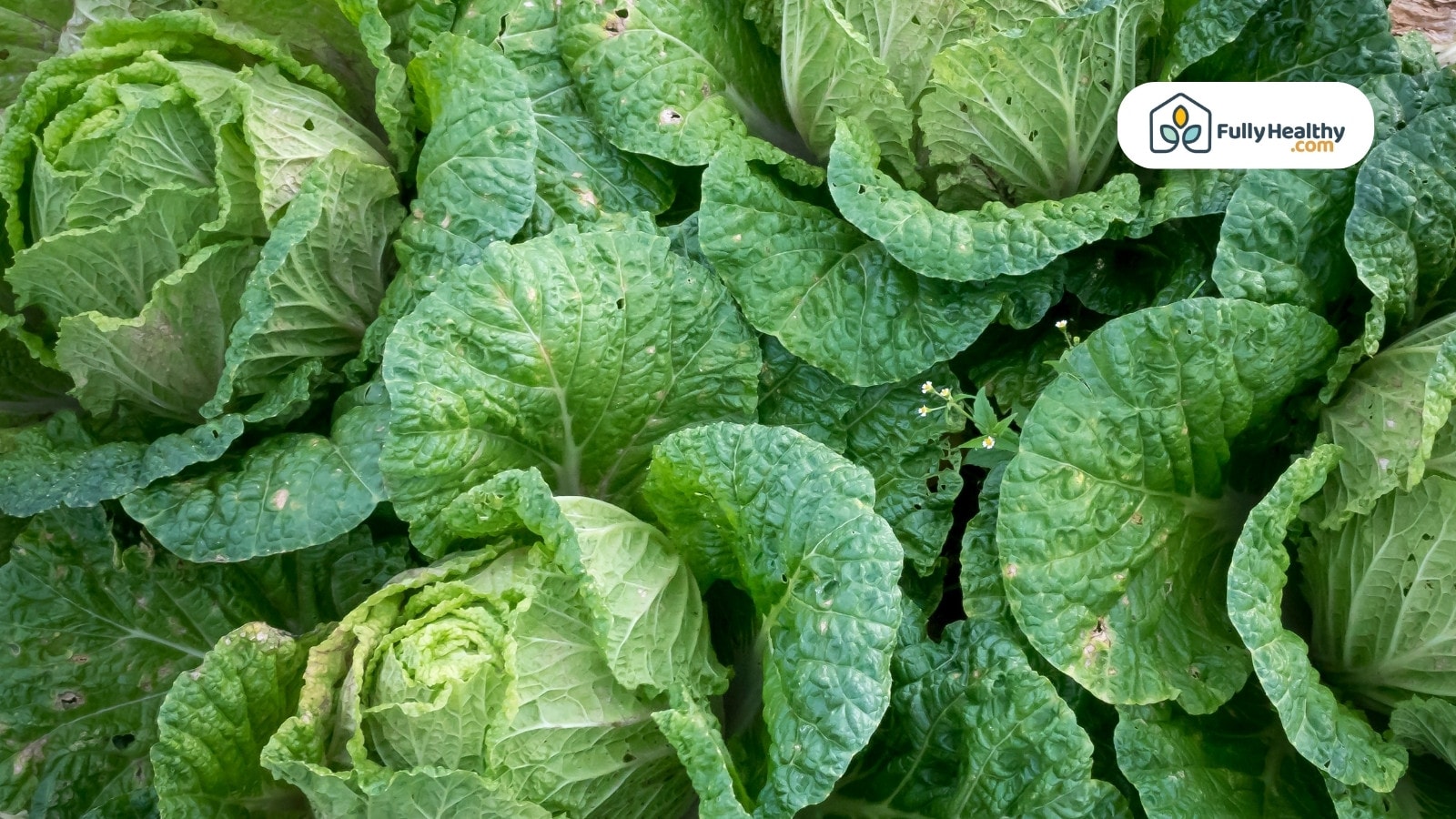 Photo Credit: Canva Pro
If cabbage is raw, overfed, or not cooked right, it can be hard to digest. For dogs preparing cabbage that is cooked is usually better than raw cabbage, so making sure the cabbage is properly cooked is very important.
Common Digestive Issues Caused by Cabbage
If you give your dog a lot of cabbage or a vegetable that is high in other cruciferous veggies, it may make their stomach upset.
-
Gas and bloating: Can happen if your dog eats too much or isn't used to high-fiber foods.
-
Watery stool or diarrhea: A sign that your dog needs less cabbage or a gentler food.
-
Thyroid problems: Raw cabbage contains glucosinolates, which can convert to goitrogens; prolonged or excessive feeding may contribute to thyroid dysfunction.
-
Digestive upset: Some dogs just don’t tolerate dog cabbage well.
Tips for Feeding Cabbage Safely
These steps will help you keep your dog from getting sick if you let it eat cabbage.
-
Cook it first: If you want to make cabbage easier to digest, use boiled or steamed cabbage it instead of eating it raw.
-
Avoid seasoning: Garlic, onion, salt, and oil are all bad for dogs, so never add them.
-
Mix with dog food: Start by giving them small pieces of their normal food.
-
Feed occasionally: Don't give it every day; only give it as a treat.
What Is the Best Vegetable for Dogs?
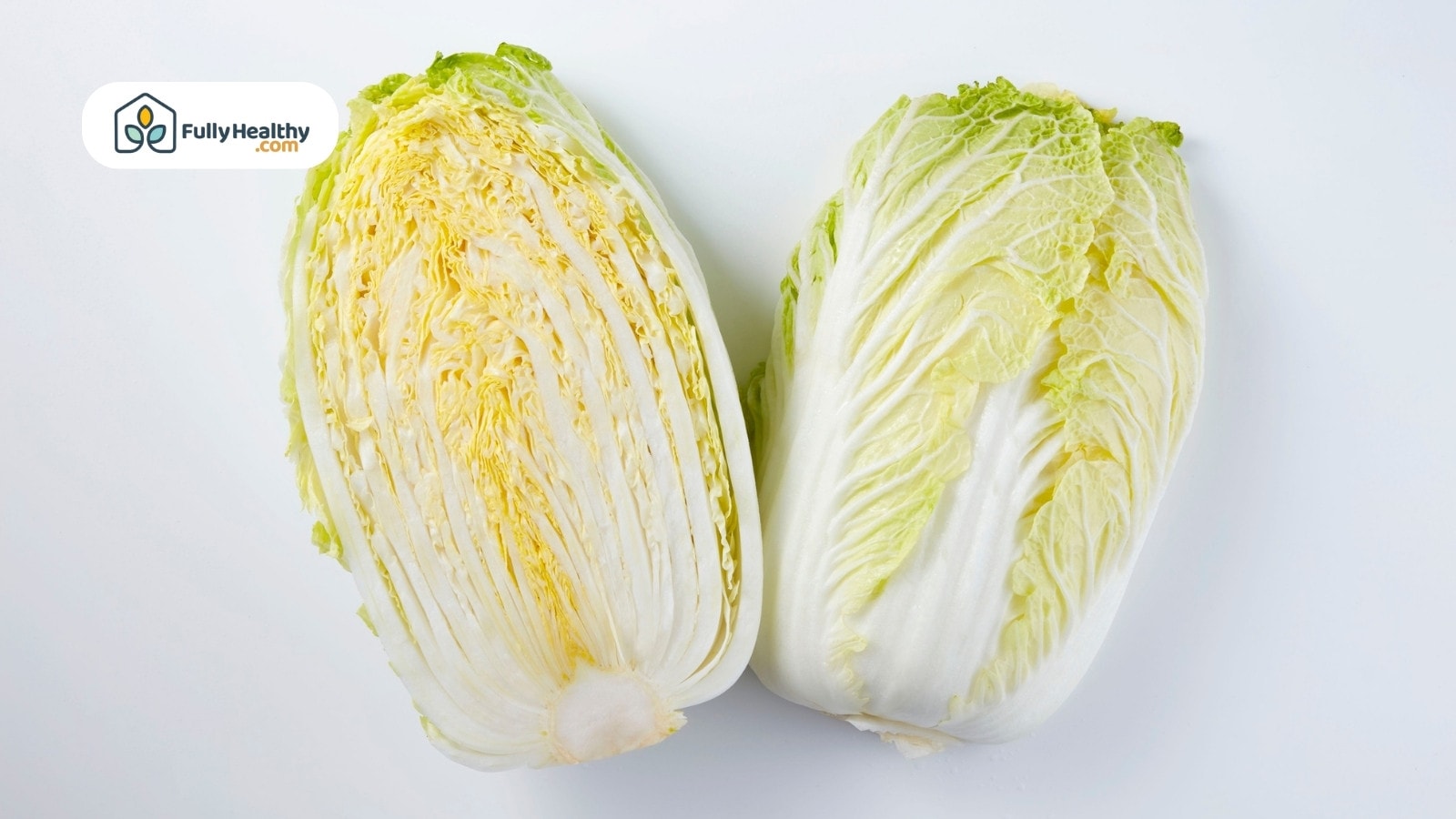 Photo Credit: Canva Pro
Veggie dogs can eat more than just cabbage, even though it is a healthy choice. Others are healthier and easier to digest than this one.
Top Vet-Approved Vegetables for Dogs
Following are some other vegetables that are safe and good for dogs, besides green cabbage or red cabbage.
-
Green beans: High in fiber, low in calories, great for weight control.
-
Carrots: Crunchy and sweet, full of vitamin A for eye and immune health.
-
Pumpkin: Helps with digestion and firming up soft stool.
-
Broccoli: Has antioxidants, but like cabbage, should be fed in small amounts.
How to Prepare Vegetables for Dogs
Preparing the vegetables is important whether you use savoy cabbage, napa cabbage, or something else.
-
Cook most veggies: Dogs digest steamed cabbage, brussels sprouts, and other cooked vegetables more easily.
-
Slice into small pieces: Prevents choking and helps with digestion.
-
Introduce slowly: Any new food should be added gradually to avoid stomach issues.
-
Limit portions: Vegetables should be no more than 10% of your dog’s total diet.
What Vegetables Are Not Good for Dogs?
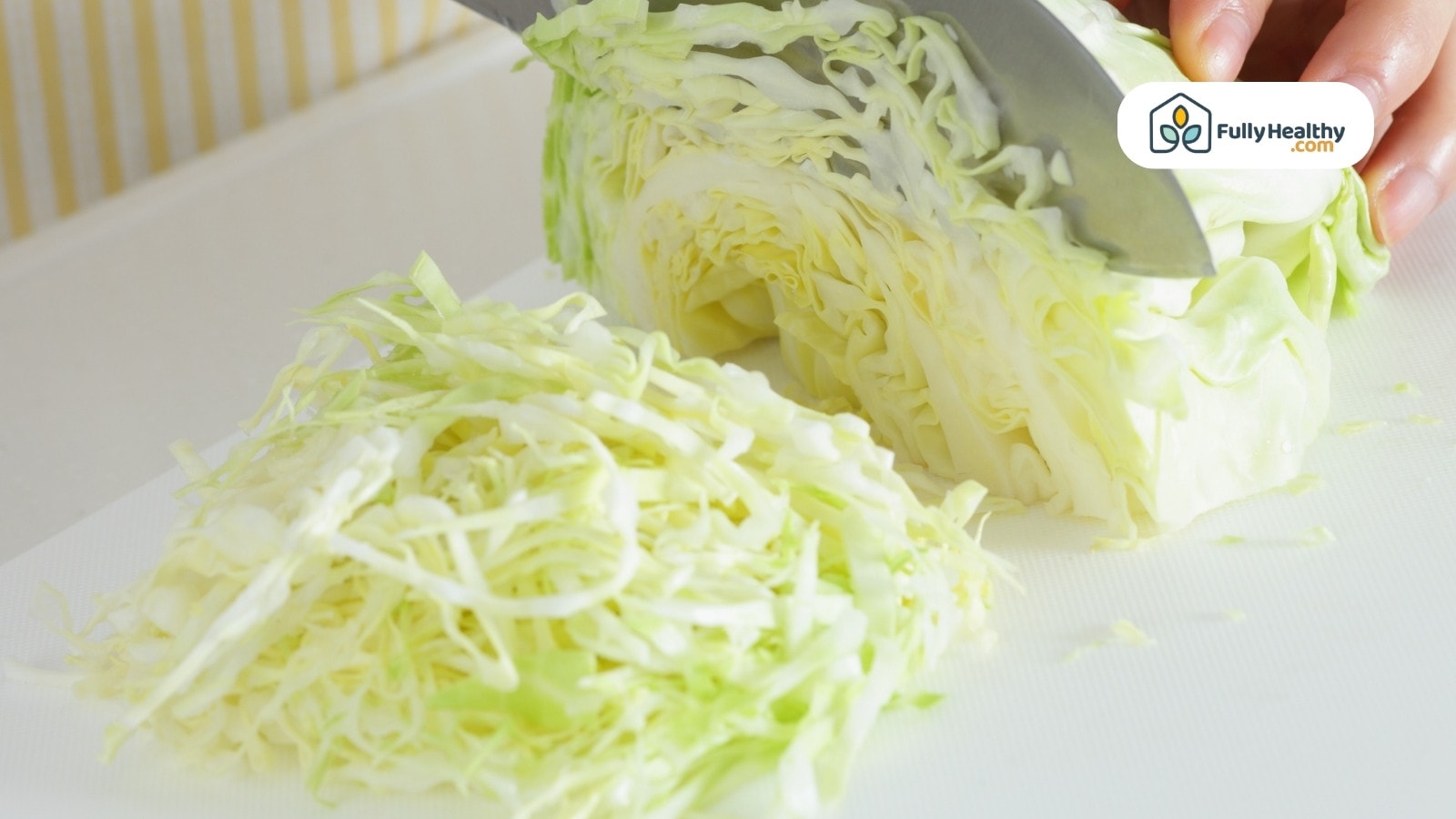 Photo Credit: Canva Pro
Many vegetable is safe for dogs, but a lot of them are not. Some can really hurt your furry friend, especially if you give them a lot of them or a lot of them often. You should know which vegetables you should never eat.
Toxic Vegetables That Dogs Should Avoid
Some vegetables can make your dog's red blood cells, stomach, or thyroid work less well. These should never be in the food you give your dog.
-
Onions and garlic: These can damage red blood cells and lead to anemia.
-
Unripe tomatoes: Contain solanine, which may affect your dog's nervous system.
-
Wild mushrooms: Can lead to organ failure or severe poisoning.
-
Shallots and chives: Part of the allium family, just like garlic, and just as dangerous.
Symptoms of Toxic Vegetable Ingestion
Your dog might not show signs right away if it eats the wrong vegetable. Keep an eye on them and act quickly if you see something that doesn't seem right.
-
Upset stomach: Vomiting, diarrhea, or lack of appetite.
-
Tiredness or weakness: May signal a serious issue affecting your dog’s health.
-
Thyroid issues: Some vegetables can damage the thyroid gland over time.
-
Call your vet: Always contact a vet if your dog shows unusual signs after eating new foods.
What Can FullyHealthy Do for You?
If you feed your dog and start adding cabbage or other vegetables, make sure they are clean, safe, and free of unnecessary chemicals. FullyHealthy is a great spot to discover natural dog foods that are good for their wellbeing and digestion.
Shop Gut-Friendly Sauerkraut Products
Only low-sodium, additive-free sauerkraut should be considered for dogs, and even then only in small quantities after veterinary approval. It's full of live cultures and essential vitamins that may be good for dogs if they get small quantities of them.
-
Lil’ Kim Chee: A mix of cabbage, daikon, garlic, and ginger for gut support.
-
Dill E Gent: Made with dill and spices, great for variety when used sparingly.
-
Love Kraut: Contains red cabbage, carrots, and beta carotene for added nutrition.
Why Choose FullyHealthy?
This store makes it easier for dog owners to choose natural, safe foods for their dogs that are good and great health benefits and don't have any extra ingredients.
-
Clean ingredients: No preservatives, oils, or artificial flavorings.
-
Supports gut health: Helps balance bacteria and improve your dog’s digestion.
-
Low-calorie options: Good for maintaining a healthy weight.
-
Safe portions: Suitable for many dogs, especially those that eat raw cabbage in moderation.
Final Thoughts
Cabbage can be a healthy, fiber-rich vegetable when added in moderation to your dog’s diet. While dogs can eat raw or cooked cabbage, it’s best to steam it to avoid excessive gas production and other adverse effects.
Always introduce cabbage to your dog slowly, without seasonings like butter, and keep an eye on their reaction. Cabbage offers key nutrients like vitamin C and vitamin K for blood clotting, but too much can be harmful. You can rotate it with other veggies like cauliflower for variety.
FAQs
Can dogs eat cabbage raw every day?
No, even though dogs eat cabbage raw, it should only be given in small amounts to prevent adverse effects like gas or thyroid issues.
Is it true that dogs can eat raw cabbage with butter?
No, dogs can eat raw cabbage in moderation, but butter should never be added—it can upset digestion and cause health problems.
What are the side effects if you give too much cabbage to your dog?
Too much cabbage to your dog can lead to excessive gas production, stomach upset, or interfere with thyroid function.
Does cabbage help with blood clotting in dogs?
Yes, cabbage is high in vitamin K, which supports blood clotting in both humans and pets.
Can I mix cabbage with cauliflower for dogs?
Yes, cabbage and cauliflower are both safe for dogs in moderation, but always serve them plain and cooked, not with butter.
Leave a comment