

Is Cayenne Pepper the Same as Chili Powder? A Guide to Spice Substitutes
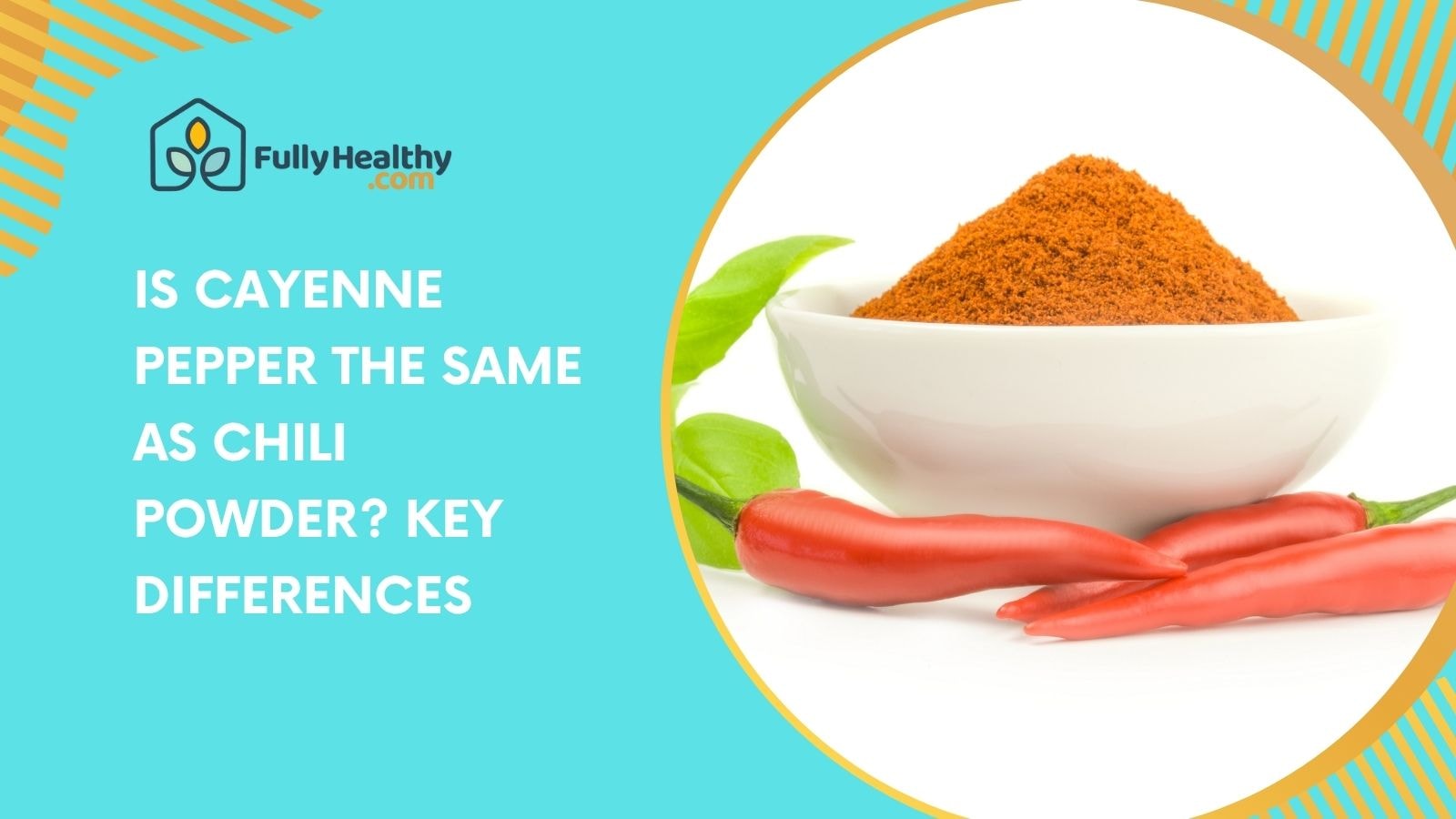 Photo Credit: Canva Pro
Is cayenne pepper the same as chili powder? Both are made from chili peppers, but they are not the same in terms of heat, taste, or use. When you grind cayenne pepper, you get a pure pepper that is very hot and sharp.
On the other hand, chili powder has a milder taste because it is made up of spices like garlic, cumin, and oregano. You can choose the right one for your next dish if you know these differences.
Featured Spice Pick
Simply Organic // Black Pepper - 4 oz
Loading...
What's the Difference Between Cayenne Pepper and Chili Powder?
 Photo Credit: Canva Pro
Cayenne vs. Chili Powder: Ingredients and Heat Level
Cayenne pepper and chili powder both come from chili peppers, but they are made with different things and have different levels of heat. Ground cayenne pepper is used to make cayenne pepper. It is much hotter than chili powder, with a Scoville rating of 30,000 to 50,000 SHU.
Chili powder is a spice blend that includes ground chili peppers, garlic powder, onion, and cumin, which results in a milder heat.
-
Cayenne pepper: Made from pure ground cayenne and not hot peppers like jalapeno or habanero.
-
Chili powder: A blend of ground chili peppers, garlic powder, cumin, oregano, and sometimes salt.
-
Heat level: Cayenne pepper is much hotter, with 30,000 to 50,000 SHU, compared to chili powder, which is much milder with 500 to 1,500 SHU.
-
Flavor: Cayenne pepper adds a sharp pungent heat, while chili powder offers earthy, savory flavors.
When to Use Cayenne Pepper vs. Chili Powder in Cooking
Cayenne pepper is great for curries and hot sauces that need a lot of heat. You should use chili powder in recipes like chili con carne or tacos that want a balanced flavor. It adds depth without being too hot.
-
Cayenne pepper: Best for high-heat dishes like curries, hot sauces, and meat rubs.
-
Chili powder: Perfect for Tex-Mex recipes, chili con carne, and soups.
-
Heat: Cayenne pepper gives a fiery kick, while chili powder provides balanced flavor.
Are Cayenne Pepper and Paprika the Same?
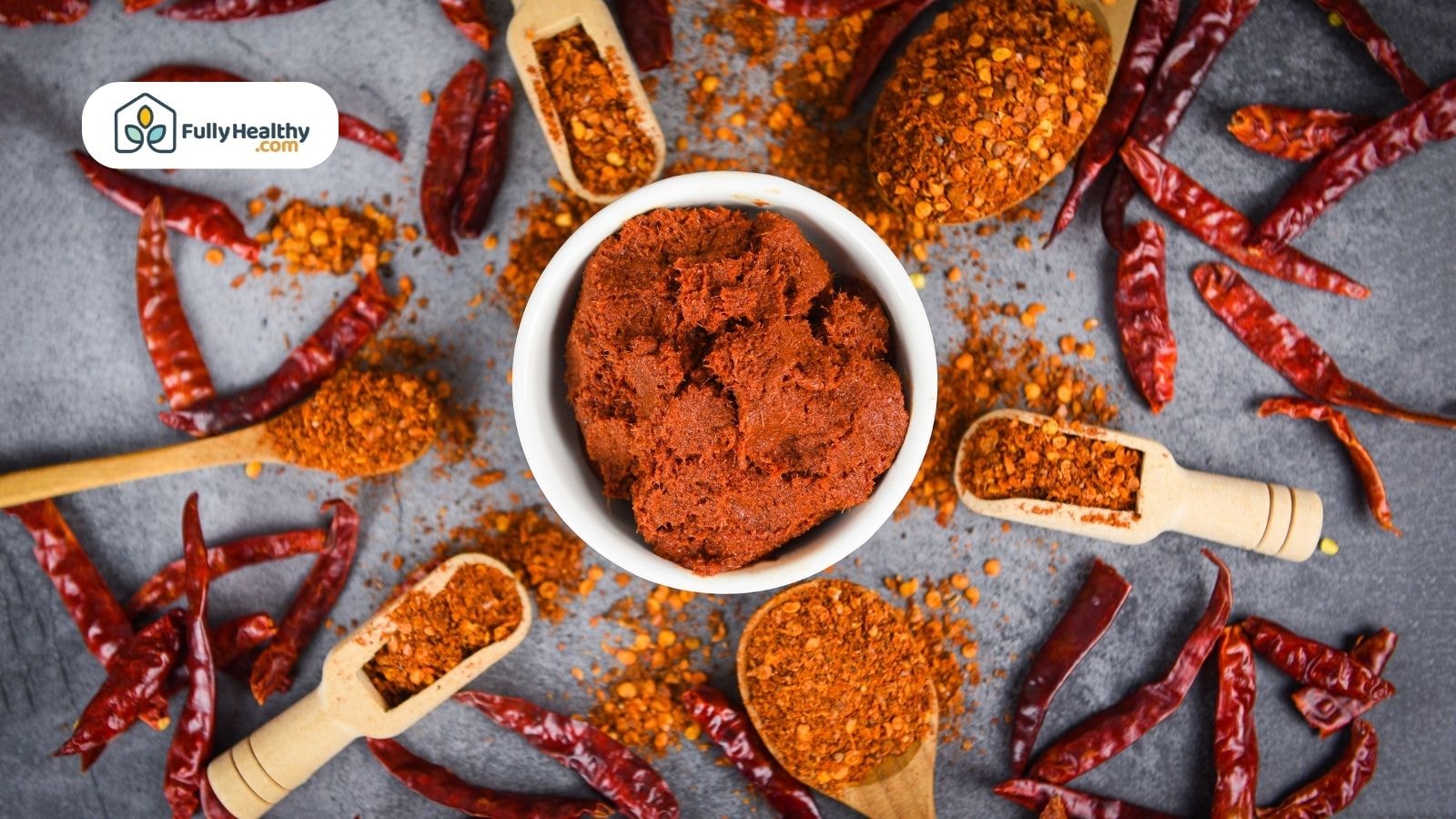 Photo Credit: Canva Pro
Paprika vs. Cayenne: Heat and Flavor Profile
Paprika and cayenne pepper are both made from capsicum, but they taste and are very hot in different ways. Paprika has a range of mild to moderate heat and can be sweet, smoky, or hot. The heat from cayenne pepper is always sharp and intense, and too much of it can be too much.
-
Paprika: Can be sweet, smoky, or hot and is typically milder than cayenne.
-
Cayenne pepper: Known for its high heat and sharp pungent flavor.
-
Heat level: Cayenne pepper is much hotter, while paprika ranges from mild to moderate heat.
Using Paprika as a Milder Alternative to Cayenne
You can use paprika instead of cayenne pepper in a recipe that needs less heat. But paprika isn't as spicy as cayenne, so you might need to add red pepper or chili flakes to get the level of heat you want.
-
Paprika: A milder alternative to cayenne, adds color and flavor.
-
For extra heat: Combine hot paprika with red pepper flakes to increase spice.
-
Flavor balance: Paprika adds rich color without overwhelming heat, making it suitable for more delicate dishes.
Can Cayenne Pepper Affect Blood Pressure?
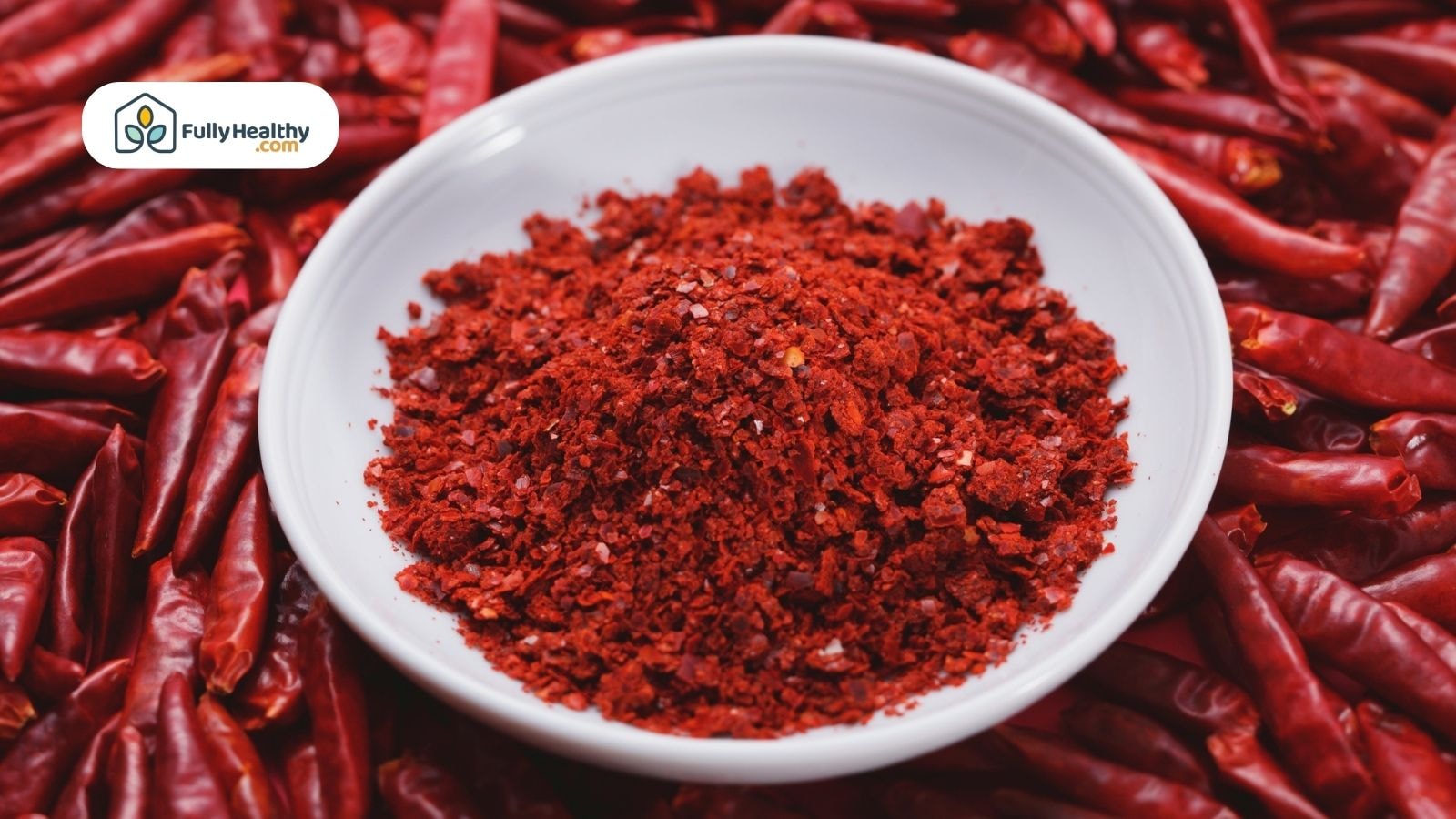 Photo Credit: Canva Pro
Health Benefits of Cayenne for Blood Circulation
Capsaicin, which is found in cayenne pepper, is thought to help blood flow and may even lower blood pressure. Eating cayenne pepper on a regular basis may be good for your heart by making the blood flow better and easing the stiffness of your arteries.
-
Capsaicin: A compound in cayenne pepper that may help increase circulation and lower blood pressure.
-
Cayenne pepper: Regular consumption can promote cardiovascular health by improving blood flow.
-
Health impact: Potential benefits for circulation and heart health with moderate use.
Cayenne Pepper and Blood Pressure: What Research Shows
Cayenne pepper may support healthy blood pressure levels by improving vascular health. It’s recommended to consume it in moderation, as excessive intake may cause digestive issues or irritation.
-
Cayenne pepper: May help lower blood pressure and promote heart health.
-
Moderation: Too much cayenne can cause digestive discomfort.
-
Research findings: Studies support the blood pressure-lowering benefits of cayenne pepper with regular, moderate consumption.
What is Closest to Cayenne Pepper?
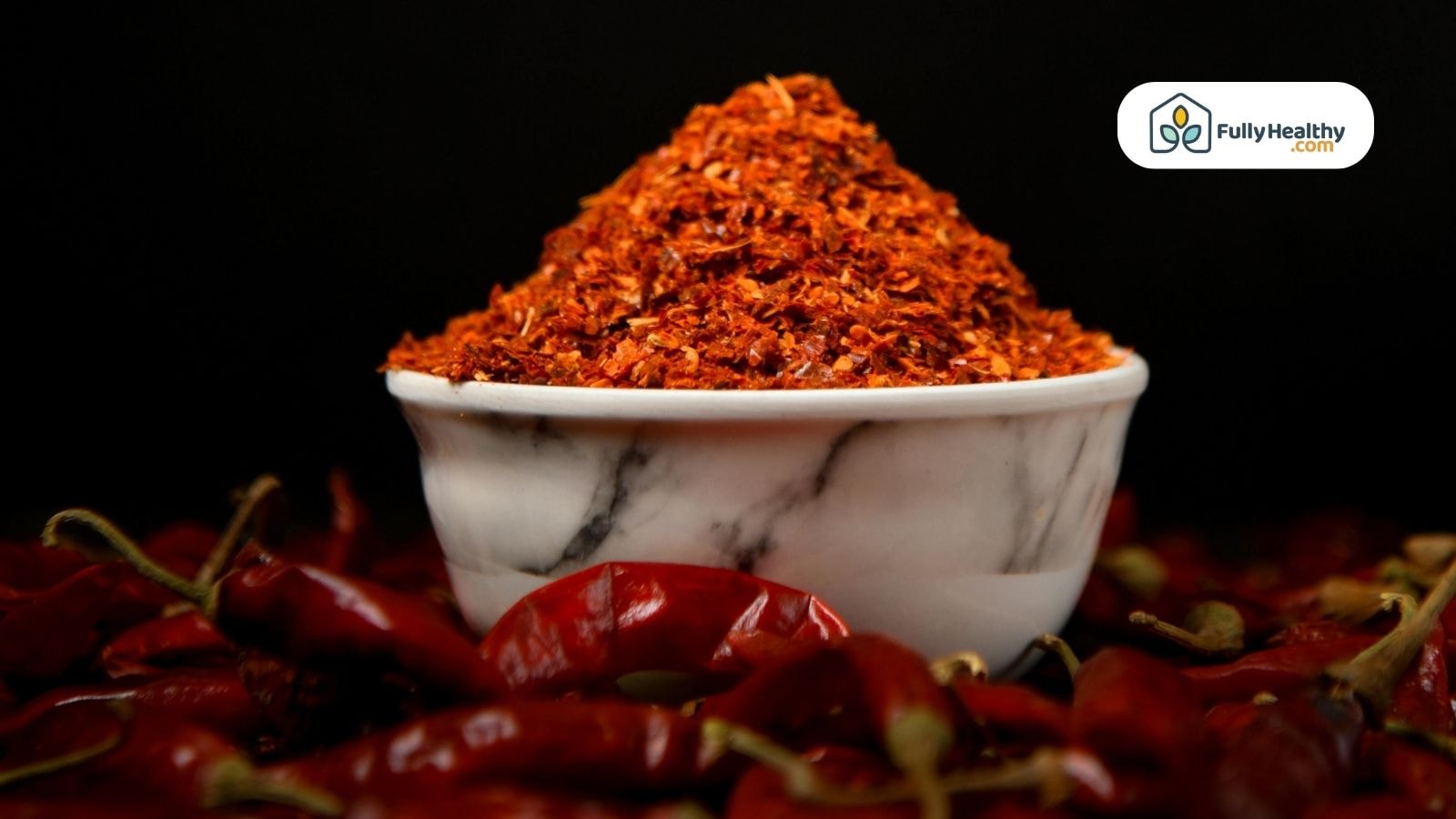 Photo Credit: Canva Pro
Top Substitutes for Cayenne Pepper in Cooking
Red pepper flakes work well in place of cayenne pepper when you need to. They are about as hot, but the flavor is a little less strong.
-
Red pepper flakes: Offers a similar heat but slightly milder flavor than cayenne pepper.
-
Chipotle powder: Adds a smoky flavor with moderate heat.
-
Ground chiles: Moderate heat, with rich flavor from dried chiles.
-
Chili powder: A blend of spices, offering milder heat and earthy flavor.
How These Substitutes Compare to Cayenne’s Heat
While still hot, red pepper flakes are not as strong as cayenne. There is a moderate amount of heat in chili powder, and the flavor is very smoky. Cayenne pepper is very spicy. Chili powder and ground chiles are both much less spicy and have different levels of flavor with less focus on heat.
-
Red pepper flakes: Similar in heat but not as intense as cayenne.
-
Chipotle powder: Provides a smoky flavor and moderate heat.
-
Chili powder: Milder heat due to its blend of spices.
-
Ground chiles: Offers moderate heat with rich flavor.
Embracing Wellness with FullyHealthy
What FullyHealthy Is About
FullyHealthy is a brand that solely sells healthy foods that are good for your overall health. Their goal is to make healthy, convenient foods that meet a range of dietary needs while focusing on using only the best ingredients.
-
Focus on wellness: Providing healthy food options to support overall health.
-
Convenient and nutritious: Products that fit into a busy lifestyle while maintaining high nutritional value.
-
Quality ingredients: Emphasis on using clean, natural ingredients in their offerings.
Healthy Pepper Options for Every Lifestyle
FullyHealthy has a lot of different products for people with different dietary needs. They sell peppered snacks, soups, and seasonings that are made to fit different eating plans and promote health.
-
Wild Zora Instant Soup: Beef, kale, and cayenne red bell pepper for a healthy, flavorful soup option.
-
Simply Organic Black Pepper: A versatile spice that enhances flavor while supporting overall health.
-
Chomps Venison Stick: A high-protein, healthy snack made with venison and beef for active lifestyles.
Final Thoughts
Chili powder and cayenne pepper are both common kitchen items, but they are used for different things. The sharp heat of cayenne pepper comes from its blend of spices, while the smoky flavor of chili powder comes from its own unique mix of spices.
Just key takeaways, both ground cayenne pepper and chili powder are great ways to add heat to most recipes, but use them wisely to balance flavor and spice. Whatever recipe calls for it, these chilis bring excitement to your meals.
FAQs
What is the difference between cayenne pepper powder and chili powder?
Cayenne pepper powder is pure ground cayenne, while chili powder is a blend of spices made with chili peppers, ground red pepper, and other spices like cumin and garlic powder mixture.
Can I use chile pepper powder instead of cayenne pepper powder in a recipe?
Yes, but chili powder recipes usually have milder heat than cayenne pepper powder, so adjust accordingly to get the desired herbs and spicy effect with other ingredients.
What is the best substitute for cayenne pepper powder?
The best substitute for cayenne pepper powder is ground chiles or chile powder. Ground cayenne pepper is the closest match for heat.
Where do cayenne peppers come from?
Cayenne peppers come from South America, with the cayenne pepper plant commonly grown in places like French Guiana. Cayenne is often spelled with one l (cayenne) or two ls (cayenne) in some regions.
Can I use chili powder in taco seasoning?
Yes, chilli powder is a key ingredient in taco seasoning, often mixed with other spices like oregano, garlic, and cumin to add taste and heat.
Leave a comment