

Is Chicken Stock the Same as Chicken Broth? Bone Broth Use

Chicken stock and chicken broth are not the same, even though many people use them like they are. Stock is traditionally made with bones and connective tissue, which can give it more body from gelatin.
Broth is usually made with meat and/or bones and is often lighter and more seasoned. This article explains the differences, taste, substitutions, IBS-friendly uses, and when each one works best in cooking so you can choose the right one easily.
Featured Pantry Pick
EPIC // Homestyle Savory Chicken Bone Broth - 14 oz
Loading...
Is Chicken Stock The Same As Chicken Broth?
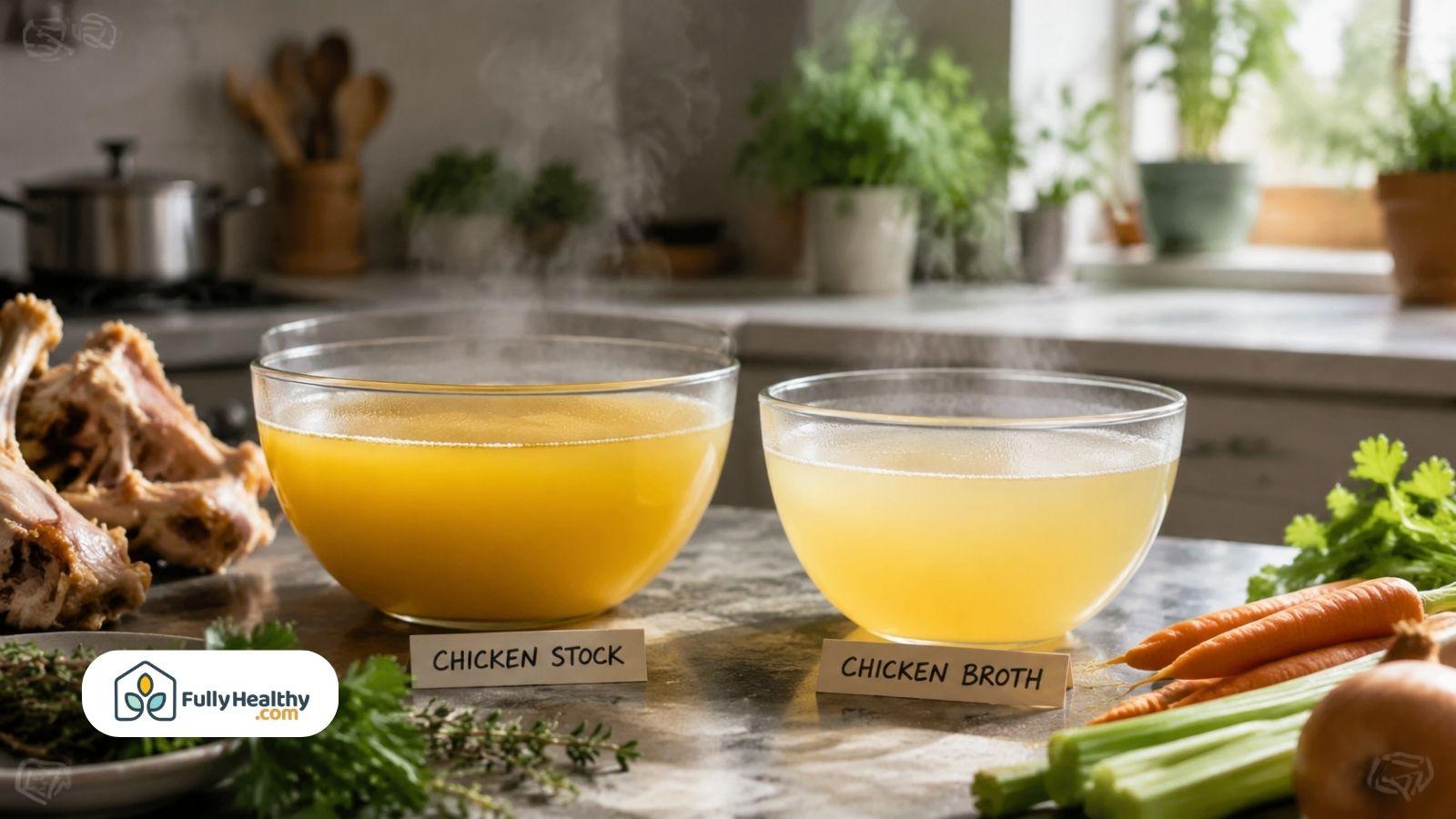
Chicken stock and chicken broth are not the same, but they are close. Both are flavorful liquids used in chicken soup, vegetable soup, rice dishes, sauces, and other recipes. The main difference is how they are made. Chicken stock is typically bone-based, though recipes and labels vary. Chicken broth usually comes from meat, vegetables, herbs, spices, and salt.
What Makes Chicken Stock Different From Chicken Broth?
Chicken stock is made by simmering bones, roasted bones, vegetable scraps, carrots, celery, herbs, and spices in a pot. This slow cooking extracts gelatin from collagen-rich connective tissue and flavor compounds from bones, meat, and vegetables. That gives stock more body, deeper flavor, and a rich texture. Professional chefs often use it for gravy, stew, and pan sauces.
-
Texture: Stock is thicker because it contains gelatin from bones.
-
Flavor: Stock has a robust flavor that works well in rich dishes.
-
Best Uses: Use chicken stock for sauces, gravy, stew, rice, and homemade chicken soup.
-
Storage: Homemade stock can be poured into ice cube trays and kept in the freezer for easy freezing.
What Makes Chicken Broth Lighter And More Seasoned?
Chicken broth is typically made with chicken meat, vegetables, garlic, herbs, spices, and salt. It is lighter than stock and is often seasoned before use. Store bought chicken broth is easy to find and helpful for quick cooking. It works well in soups, noodles, pasta, potatoes, and warm broth-based dishes.
-
Texture: Broth is thinner than stock and easier to sip.
-
Flavor: Broth has a cleaner chicken taste and may already contain salt.
-
Best Uses: Use broth for soups, noodles, pasta, vegetables, and light chicken dishes.
-
Cooking Tip: Taste store bought broth before adding more salt.
Which Tastes Better Chicken Stock Or Chicken Broth?
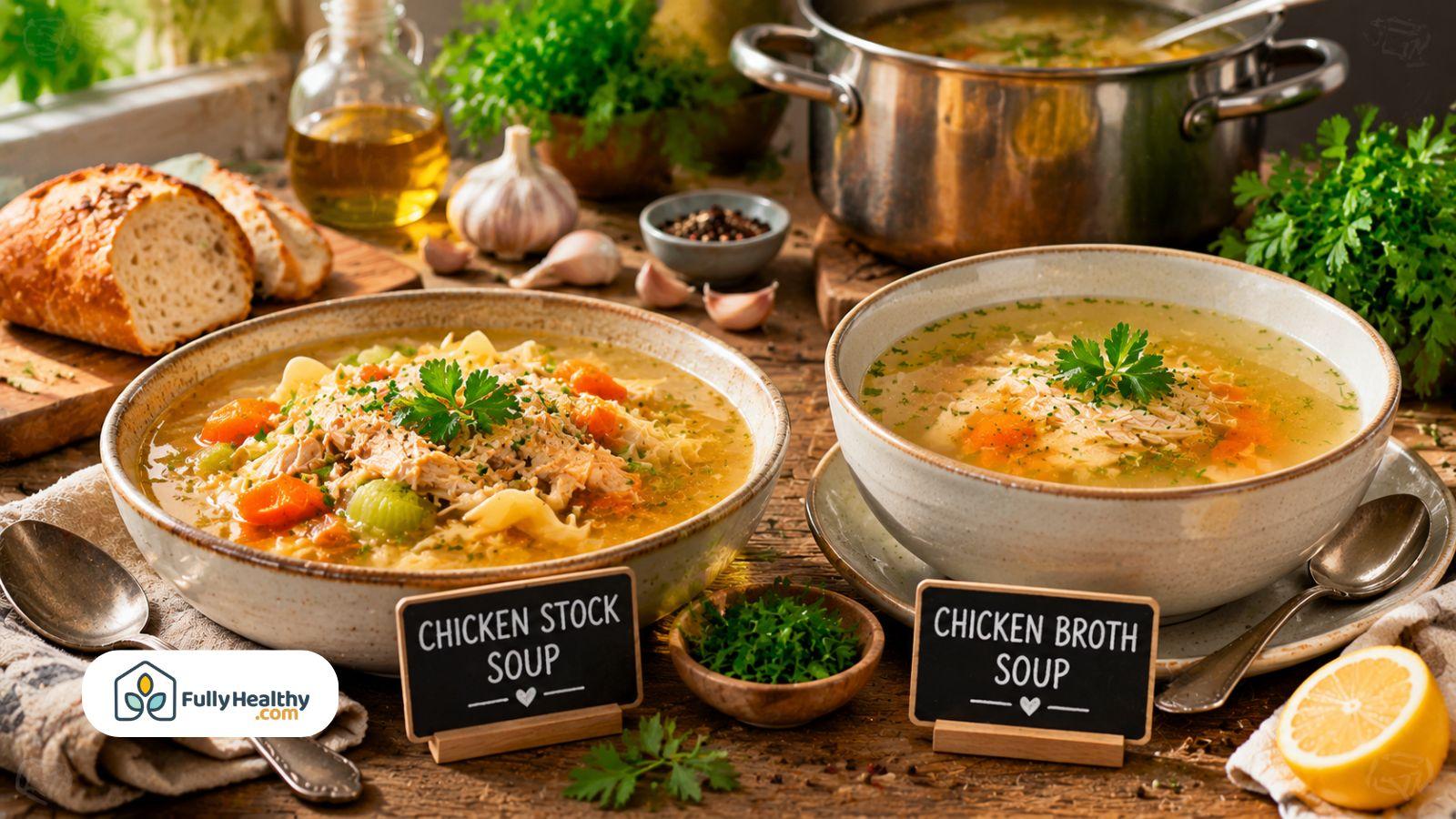
The better taste depends on the dish. Chicken stock has a deeper flavor and more body. Chicken broth is lighter, seasoned, and easy to use. In a chicken stock vs. broth comparison, stock is better for rich cooking, while broth is better for simple meals and sipping.
Why Stock Has Deeper Flavor?
Stock gets body from long simmering; deeper flavor also depends on meat, roasted bones, vegetables, and seasoning. Roasted bones can make the flavor even stronger. The slow simmer helps release gelatin, fat, and flavor from bones and vegetables. This makes homemade chicken stock useful for dishes that need a rich base.
-
More Body: Stock gives sauces and gravy a fuller texture.
-
Rich Taste: Stock is best when a recipe needs concentrated flavor.
-
Common Uses: Use stock in pan sauces, stew, rice dishes, and gravy.
-
Homemade Advantage: Homemade stock lets you control salt, herbs, and vegetables.
Why Broth Is More Versatile?
Broth is simple, light, and flexible. It can be used in chicken soup, vegetable soup, rice, pasta, beef broth swaps, and many quick recipes. Because broth is usually seasoned, it adds flavor fast. A good brand of store bought chicken broth can save time when cooking.
-
Easy Cooking: Broth works well when you need quick flavor.
-
Light Meals: Broth is good for soups, noodles, veggies, and warm drinks.
-
Seasoning Check: Store-bought broth may contain salt, so season carefully.
-
Daily Use: Broth is helpful for simple dishes that do not need a thick texture.
Can You Substitute Chicken Stock With Broth And How To Use It?

In most recipes, you can use chicken broth instead of chicken stock. Because broth doesn't have as much body as stock, the food may taste lighter. Soups, rice dishes, pasta, and vegetable soup are the best places to use this swap. You might need to make the broth stronger for gravy or pan sauces.
When Substitution Works Best?
Broth can replace stock when the recipe does not depend on a thick texture. It is useful in chicken soup, noodles, rice, potatoes, and light stew. Stock and broth both add flavor, but stock gives more body. Broth is better when you want a simple liquid that blends well with other ingredients.
-
Best Swaps: Use broth instead of stock in soups, pasta, rice, and vegetable soup.
-
Lighter Result: Expect less richness when using broth instead of stock.
-
Flavor Control: Taste first, then adjust salt, garlic, herbs, and spices.
-
Recipe Fit: Use stock for thick sauces and broth for lighter dishes.
How To Improve Broth When Substituting Stock?
If you want the broth to taste more like stock, cook it in a pot with roasted bones, vegetables, herbs, and celeriac. Slowly bring it to a boil, but don't let it boil over. This helps make the liquid taste better and be thicker. It's also possible to freeze extra broth or stock.
-
More Flavor: Simmer broth with bones and vegetable scraps.
-
Richer Texture: Add ingredients that create gelatin and body.
-
Easy Storage: Freeze extra liquid in ice cube trays for quick cooking.
-
Smart Use: Use concentrated broth in sauces, gravy, soups, and rice dishes.
Is Chicken Broth Good For IBS?
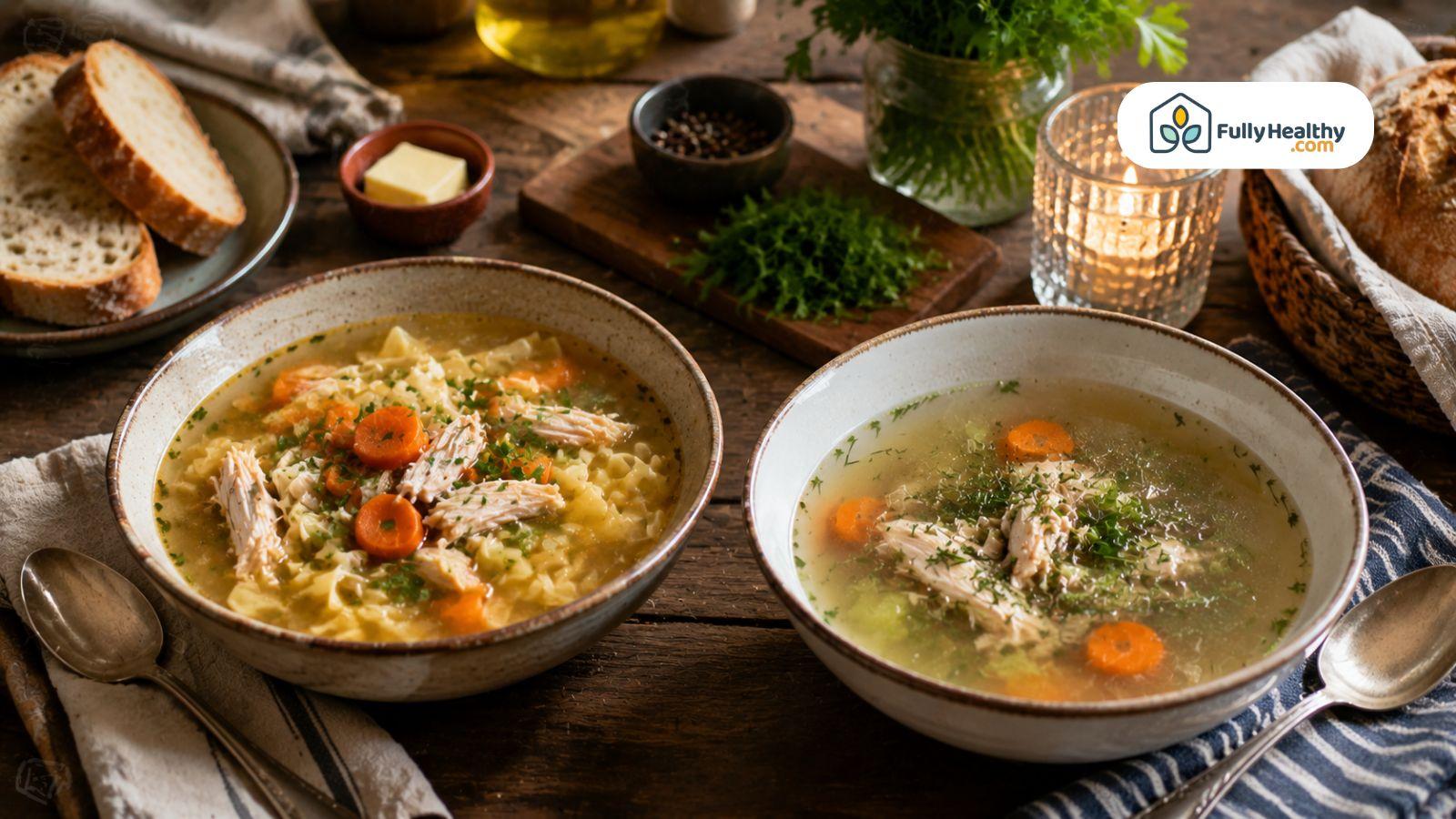
Some people with IBS may tolerate simple broth, but tolerance depends on ingredients such as garlic, onion, fat, spices, and sodium. It can also help keep you hydrated. Still, different things can cause IBS in different people, so ingredients are important. Before you use bone broth, broth, and stock, or packaged broth, check the nutrition facts for calories, fat, and seasoning.
Choose Broth-Based Soups For Hydration
Soups with warm broth can help you drink more water during the day. Most of the time, it's easier to handle simple meals like chicken, carrots, small tolerated portions of low-FODMAP vegetables, and mild herbs than creamy or spicy ones. Skim off the extra fat when making stock to make it lighter.
-
Hydration: Broth-based soups can help support daily fluid intake.
-
Simple Ingredients: Choose mild vegetables and avoid known triggers.
-
Nutrition Calories: Read labels to compare sodium, fat, and calories.
-
Cooking Tip: Avoid too much butter, garlic, or spicy seasoning if they upset your stomach.
Pick Gentle Ingredients And Watch Portions
Take a small amount at first and see how your body responds. Move slowly when you add rice, noodles, or cooked vegetables. If you can handle it, fish can also be used in a light broth recipe. The goal is to make a tasty meal that doesn't feel heavy.
-
Low Fat: Choose lower-fat broth to reduce stomach discomfort.
-
Mild Flavor: Keep seasonings simple and avoid strong spices.
-
Portion Size: Eat smaller amounts first before adding more.
-
Personal Tolerance: Bone broth, broth, and stock, and regular broth may affect people differently.
How FullyHealthy Helps With Specialty-Diet Shopping?
Fully Healthy helps people find foods for AIP, gluten-free, allergen-free, and other specialty diets. It saves time because shoppers do not have to check every label from scratch. This can be useful when planning meals, choosing pantry items, or finding products that fit a restricted diet.
Fully Healthy Helps You Shop With Confidence?
The website organizes items into helpful collections such as AIP Elimination, AIP Reintros, Snacks, Breakfast, Personal Care, Bundles, and Seasonings. This makes it easier to find products based on your needs.
-
Convenience: FullyHealthy brings specialty-diet foods into one marketplace.
-
Easy Browsing: Collections help you shop by diet stage or food type.
-
Less Guesswork: Curated options can make label-checking less stressful.
Featured Products Available On FullyHealthy
FullyHealthy’s homepage shows pantry items and baking mixes that can support simple home cooking and treats.
-
Coombs Family Farms Organic Maple Syrup: A natural sweetener made from pure maple sap, commonly used for baking and breakfast recipes.
-
Bob’s Red Mill Organic Coconut Sugar: A lower-glycemic sugar alternative with a mild caramel-like flavor for everyday cooking.
-
Date Lady Date Sugar: A whole-food sweetener made from dried dates, often used in baking and healthy desserts.
-
EAT G.A.N.G.S.T.E.R Banana Bread Mix: A simple mix for making moist banana bread with clean, specialty-diet ingredients.
-
EAT G.A.N.G.S.T.E.R Chewy Choconot Brownie Mix: A baking mix designed for rich, chewy brownies with allergen-friendly ingredients.
-
Helpful Reminder: Product availability can change, so check FullyHealthy for the latest selection.
Final Thoughts
Chicken stock and chicken broth are similar, but they are not the same. Stock gives a richer texture and deeper flavor, while broth is lighter and ready to enjoy on its own. Knowing the difference helps you choose the best option for soups, sauces, gravy, and everyday recipes. Whether you use homemade or store-bought products, the right choice depends on the dish you are making.
FAQs
Can I substitute chicken stock for chicken broth?
Yes. You can substitute chicken stock for chicken broth in most recipes, although chicken stock will create a richer texture and deeper flavor.
What are the best uses for chicken stock?
Chicken stock is ideal for sauces, gravy, stew, rice dishes, pan sauces, and recipes that need more body and a robust flavor.
What can I use if I don't have chicken broth?
You can use chicken stock or bone broth; beef broth can work only when its stronger flavor suits the recipe.
Is chicken stock bad for gout?
Chicken stock is not automatically bad for gout, but some stocks made from bones and meat may contain purines. If you have gout, ask a healthcare provider for guidance.
What are common broth mistakes?
Common mistakes include adding too much salt, boiling instead of gently simmering, using too many strong spices, and not tasting before adjusting seasoning.
Leave a comment